
By the end of this chapter, you will be able to:
Mastering these skills will help you deliver high-quality produce safely and efficiently, just like a true professional in the field!
Compiled by: Samuel Maina
Harvesting herbs and spices is a critical stage in the production cycle that directly affects the quality, yield, and market value of the produce. For horticulture professionals in Kenya, especially those working in open environments such as smallholder farms and cooperatives, adherence to occupational safety and health procedures during harvest is essential to safeguard workers and ensure sustainable production. This chapter focuses on the procedures and best practices for maintaining occupational safety and health while harvesting herbs and spices, aligned with Kenyan regulatory frameworks and practical field realities.
Ensuring occupational safety and health (OSH) during the harvest of herbs and spices minimizes risks of injury, exposure to harmful agents, and long-term health problems among workers. In Kenya, the Occupational Safety and Health Act, 2007, provides a legal framework that governs safe working conditions, emphasizing employer and employee responsibilities. Open environment harvesting poses unique challenges such as exposure to weather elements, handling sharp tools, and contact with agrochemicals, which require strict adherence to safety protocols to prevent accidents and illnesses.
The first step in safeguarding workers is recognizing the hazards specific to harvesting herbs and spices in open fields. This awareness enables targeted interventions to mitigate risks effectively.
Physical hazards include risks from using cutting tools such as sickles and knives, which can cause cuts or puncture wounds if handled improperly. Uneven terrain in farms can lead to slips, trips, and falls, especially when the ground is wet or cluttered with plant debris. Exposure to extreme weather conditions like intense sun or heavy rains can cause heat stress or hypothermia. Workers must be trained to recognize these hazards and adopt preventive measures such as wearing appropriate footwear and protective clothing.
Herbs and spices are often sprayed with pesticides and fungicides to protect against pests and diseases. During harvest, workers may come into contact with chemical residues on plants or soil. Without proper protective equipment, this exposure can lead to skin irritation, respiratory problems, or poisoning. Understanding the types of chemicals used and their potential effects is essential for safe handling and harvesting.
Biological hazards include exposure to harmful microorganisms present in soil or plant surfaces, such as bacteria, fungi, and viruses. Cuts or abrasions sustained during harvest can become entry points for infections. Additionally, some plants may cause allergic reactions or skin sensitization. Awareness of these risks helps in prompt reporting and treatment of any symptoms.
Harvesting herbs and spices often involves repetitive motions, bending, and lifting, which can strain muscles and joints. Poor postures and prolonged work without breaks contribute to musculoskeletal disorders. Proper training on ergonomic practices and provision of supportive tools can reduce these risks.
Open field harvesting exposes workers to environmental hazards like insect bites, snake bites, and contact with thorny plants. In certain regions, encounters with wildlife or exposure to dust and pollen can cause health issues. Workers should be educated on recognizing these hazards and equipped with necessary preventive measures.
Proper use of personal protective equipment is a cornerstone of occupational safety during herb and spice harvest. PPE acts as a barrier between workers and hazards, reducing injury and exposure.

Pair of yellow work gloves used in carpentry (Source: Wikimedia Commons)
Footwear: Sturdy, closed-toe boots protect feet from sharp objects, uneven terrain, and insect or snake bites.
Respiratory Masks: In cases where chemical exposure is significant, masks filter harmful particles and vapours, safeguarding respiratory health.
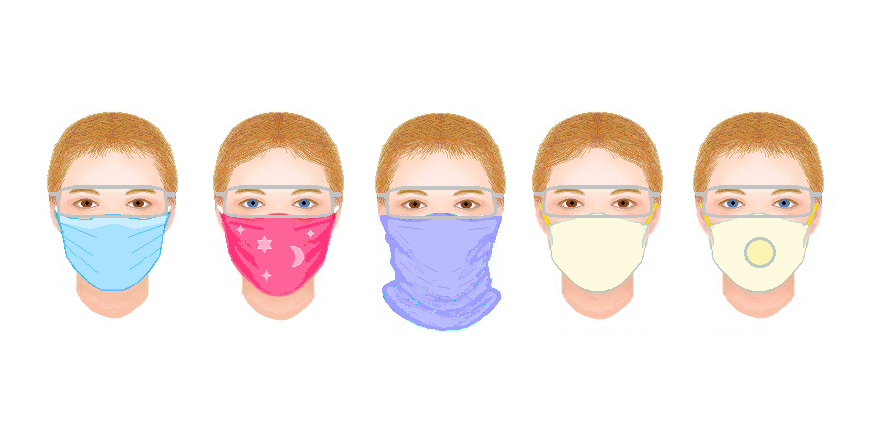
Various types of respiratory masks on faces (Source: Wikimedia Commons)
Choosing PPE suitable for the specific harvesting conditions ensures maximum protection. PPE should fit well to avoid discomfort that could lead to non-compliance. Regular maintenance includes cleaning gloves and clothing after use, inspecting for damage, and timely replacement to maintain effectiveness. For example, a cooperative in Meru County mandates monthly PPE inspections to ensure compliance and worker safety.
Workers must receive training on correct PPE usage, including how to wear, remove, and store equipment safely to prevent contamination. Supervisors should monitor adherence and provide refresher sessions, especially before peak harvesting seasons.
Harvesting herbs and spices requires various hand tools and equipment that, if mishandled, can cause injuries or reduce efficiency. Safe handling protocols are vital to protect workers and optimize harvest quality.
Tools such as knives, scissors, and sickles should be sharp, clean, and designed for the specific crop to minimize physical strain and damage to plants. For instance, harvesting rosemary requires finer scissors for delicate stems, while harvesting cardamom pods may necessitate sturdier knives.
Workers should be trained to handle tools by their handles, avoid carrying sharp tools in pockets, and never leave tools unattended in walkways. Cutting motions should be directed away from the body and others to reduce accident risks. Tools should be stored securely after use to prevent injuries to other workers or visitors.
Regular sharpening and cleaning of cutting tools prevent the need for excessive force that can cause slips or accidental cuts. Tools should be disinfected to reduce the spread of plant diseases. A farm in Kiambu County schedules weekly tool maintenance to ensure readiness and safety.
Where mechanical harvesting aids are employed, operators must be trained on machine operation, emergency shutdown procedures, and routine inspections to prevent malfunctions or accidents. Use of machinery in herb and spice harvesting is increasing in larger farms such as those growing coriander or basil for commercial markets.
Despite preventive measures, accidents and health emergencies may occur during harvesting. Having clear emergency preparedness protocols and first aid capabilities reduces the severity of incidents and promotes worker confidence.
Every farm or cooperative should have an emergency plan outlining procedures for common incidents such as cuts, falls, chemical exposures, or heat stroke. The plan must include communication channels, evacuation routes, and designated first aid responders. For example, a county government-managed herb farm in Nakuru has incorporated emergency drills into their routine training.
Accessible first aid kits stocked with essentials such as antiseptics, bandages, gloves, and eye wash solutions should be available near harvesting sites. The kits must be regularly checked and replenished to ensure readiness.
Training harvest workers in basic first aid empowers them to provide immediate care, such as managing bleeding wounds or treating chemical splashes, before professional medical help arrives. This training also includes recognizing signs of heat exhaustion or allergic reactions.
All accidents and near misses should be reported promptly and documented for follow-up actions. This practice helps identify hazard patterns and improve safety measures. For instance, a horticultural cooperative in Machakos County uses incident reports to adjust work schedules during hot periods to prevent heat-related illnesses.
Establishing links with nearby health facilities ensures swift referral and treatment of serious injuries or illnesses. Farms located near county hospitals benefit from faster emergency response and support.
Explain five physical hazards associated with harvesting herbs and spices in open environments and how each can be mitigated. (10 marks)
Describe the types of personal protective equipment necessary for safe herb harvesting and the importance of proper maintenance. (10 marks)
Outline six steps involved in the safe handling and maintenance of harvesting tools. (12 marks)
Discuss the components of an effective emergency preparedness plan for a herb and spice farm. (8 marks)
Create a free account to open more of this chapter.
Free: practical guides, quick cards, workplace scenarios and more.
Create a free accountThis chapter explored essential procedures for maintaining occupational safety and health during the harvesting of herbs and spices, emphasizing protective measures to prevent injuries and exposure to hazards. It detailed the various tools, equipment, supplies, and materials necessary for efficient and safe harvesting operations. The discussion on maturity indices outlined the key indicators used to determine the optimal time for harvesting to ensure quality and potency of the produce. Different methods of harvesting were examined, highlighting techniques suited for various types of herbs and spices. Food safety measures were stressed to prevent contamination and preserve the integrity of the harvest. The importance of accurate record keeping was addressed as a critical component for tracking harvest data and ensuring traceability. Waste management practices were presented to promote environmental sustainability and proper disposal of plant residues. Finally, emerging trends in harvesting technologies and practices were introduced, reflecting innovations that enhance productivity and sustainability in herb and spice production.
Type: Individual
| Tools & Equipment | Materials |
|---|---|
| Harvesting knife | Gumboots |
| Watering can | Dust coat/Overall |
| Waste disposal bin | Hand gloves |
| Face mask | |
| Soap for handwashing | |
| Clean water | |
| Towel or drying cloth |
| S/N | Item | Quantity |
|---|---|---|
| 1 | Gumboots | 1 Pair per Candidate |
| 2 | Dust coat/Overall | 1 Pc per Candidate |
| 3 | Hand gloves | 1 Pair per Candidate |
| 4 | Face mask | 1 Pc per Candidate |
| 5 | Harvesting knife | 1 Pc per Candidate |
| 6 | Watering can | 1 Pc per Candidate |
| 7 | Herbs and spices plot (1m x 1m) | 1 Plot per Candidate |
| 8 | Waste disposal bin | 1 Pc per Candidate |
| 9 | Soap for handwashing | 1 Bar per Candidate |
| 10 | Clean water for washing | 10 Litres per Candidate |
| 11 | Towel or drying cloth | 1 Pc per Candidate |
| Items to be Evaluated | Marks Available | Marks Obtained | Comments |
|---|---|---|---|
| TASK 1: Implement Occupational Safety and Health Procedures during Harvesting | |||
| Wore PPEs: Gumboots, Dust coat/Overall, Hand gloves, Face mask (Award 1 mark for each correctly worn PPE or zero) | 4 | ||
| Assembled correct tools and materials for harvesting (Award 3 marks for assembling all required tools and materials or zero) | 3 | ||
| Used harvesting knife safely to cut herbs and spices without injury (Award up to 5 marks for safe handling and use of knife) | 5 | ||
| Maintained clean working area by disposing waste in the correct bin (Award 3 marks for proper waste collection and disposal) | 3 | ||
| Washed hands with soap and clean water after harvesting (Award 3 marks for thorough handwashing following safety protocols) | 3 | ||
| Handled watering can safely and watered harvested area without spillage hazards (Award 2 marks for safe watering practice) | 2 | ||
| Cleaned tools after use and stored them appropriately (Award 2 marks for cleaning and proper storage of tools) | 2 | ||
| Followed all safety protocols as per workplace procedures during the entire harvesting activity (Award 3 marks for consistent adherence to safety protocols) | 3 | ||
| Sub-Total | 25 | ||
| PRODUCT CHECKLIST | |||
| Harvested herbs and spices plot is free from contamination and shows evidence of safe harvesting (Award 10 marks for a safe, contamination-free harvested plot as per OSH standards) | 10 | ||
| Sub-Total | 10 | ||
| GRAND TOTAL | 35 | ||
Type: Individual
| Tools & Equipment | Materials |
|---|---|
| Secateurs (pruning shears) | Water container (5 litres) |
| Sharp harvesting knife | Disinfectant solution (Methylated spirit 70%) |
| Hand gloves | Labeling tags |
| Gumboots | |
| Dust coat/Overall | |
| Harvesting basket | |
| Cleaning cloth |
| S/N | Item | Quantity |
|---|---|---|
| 1 | Secateurs (pruning shears) | 1 Pc per Candidate |
| 2 | Sharp harvesting knife | 1 Pc per Candidate |
| 3 | Hand gloves | 1 Pair per Candidate |
| 4 | Gumboots | 1 Pair per Candidate |
| 5 | Dust coat/Overall | 1 Pc per Candidate |
| 6 | Water container (5 litres) | 1 Pc per Candidate |
| 7 | Cleaning cloth | 1 Pc per Candidate |
| 8 | Disinfectant solution (Methylated spirit 70%) | 100 ml per Candidate |
| 9 | Harvesting basket (woven or plastic) | 1 Pc per Candidate |
| 10 | Labeling tags | 5 Pcs per Candidate |
| Items to be Evaluated | Marks Available | Marks Obtained | Comments |
|---|---|---|---|
| TASK 1: Prepare harvesting tools and equipment | |||
| Wore PPEs: gumboots, hand gloves, dust coat/overall as per workplace safety procedures (Award 1 mark for each PPE donned or zero) | 3 | ||
| Selected appropriate harvesting tools and equipment for herbs and spices harvesting (Award 4 marks for assembling all correct tools and equipment or zero) | 4 | ||
| Inspected tools for cleanliness and sharpness: checked secateurs and knife blades are sharp and rust-free (Award 5 marks for thorough inspection and identifying tool condition or zero) | 5 | ||
| Cleaned tools using disinfectant and cleaning cloth (Award 4 marks for proper cleaning and disinfecting or zero) | 4 | ||
| Prepared water container with clean water for rinsing tools during harvesting (Award 2 marks for preparing water container or zero) | 2 | ||
| Arranged harvesting basket and labeling tags ready for use (Award 2 marks for proper arrangement or zero) | 2 | ||
| Sub-Total | 20 | ||
| PRODUCT CHECKLIST | |||
| All harvesting tools and equipment are clean, sharp, and ready for use; PPE worn correctly; tools arranged efficiently (Award 20 marks for completeness and readiness of tools and PPE or zero) | 20 | ||
| Sub-Total | 20 | ||
| GRAND TOTAL | 40 | ||
At the start of this chapter we promised you would be able to:
Tick each one you can genuinely do.
So, are you there yet?
You're competent when you can confidently do 50% or more of what this chapter promised.
Sign in to record how you're doing.