
By the end of this chapter, you will be able to:
Mastering these skills will help you work safely and efficiently, ensuring high-quality produce and a successful career in vegetable crop production!
Compiled by: David Sang
Harvesting vegetable crops in protected environments such as greenhouses and shade nets is a critical stage in the production cycle that directly affects crop quality, marketability, and profitability. In Kenya, where horticulture contributes significantly to the economy and food security, adopting proper harvesting techniques and safety protocols is essential to maintain standards and ensure worker wellbeing. This chapter explores occupational safety and health procedures during harvest, the tools and equipment required, and the best practices for their sourcing, use, maintenance, and storage within protected environment horticulture.
The harvesting process in protected environments demands strict adherence to occupational safety and health (OSH) standards to protect workers from physical, chemical, and ergonomic hazards. Kenya’s Occupational Safety and Health Act (OSHA) 2007 provides a regulatory framework that guides safety practices in agricultural settings, including horticulture. Implementing these procedures reduces workplace injuries, improves productivity, and fosters a culture of safety.
Recognizing potential hazards is the foundation of effective safety management during vegetable harvesting. Hazards in protected environments include sharp tools, exposure to agrochemicals, slips and trips on wet surfaces, repetitive strain from manual harvesting, and confined space challenges in greenhouses.
Personal Protective Equipment is vital for minimizing exposure to hazards during harvest. In Kenyan horticulture, ensuring availability and correct use of PPE aligns with OSHA regulations and enhances worker safety.
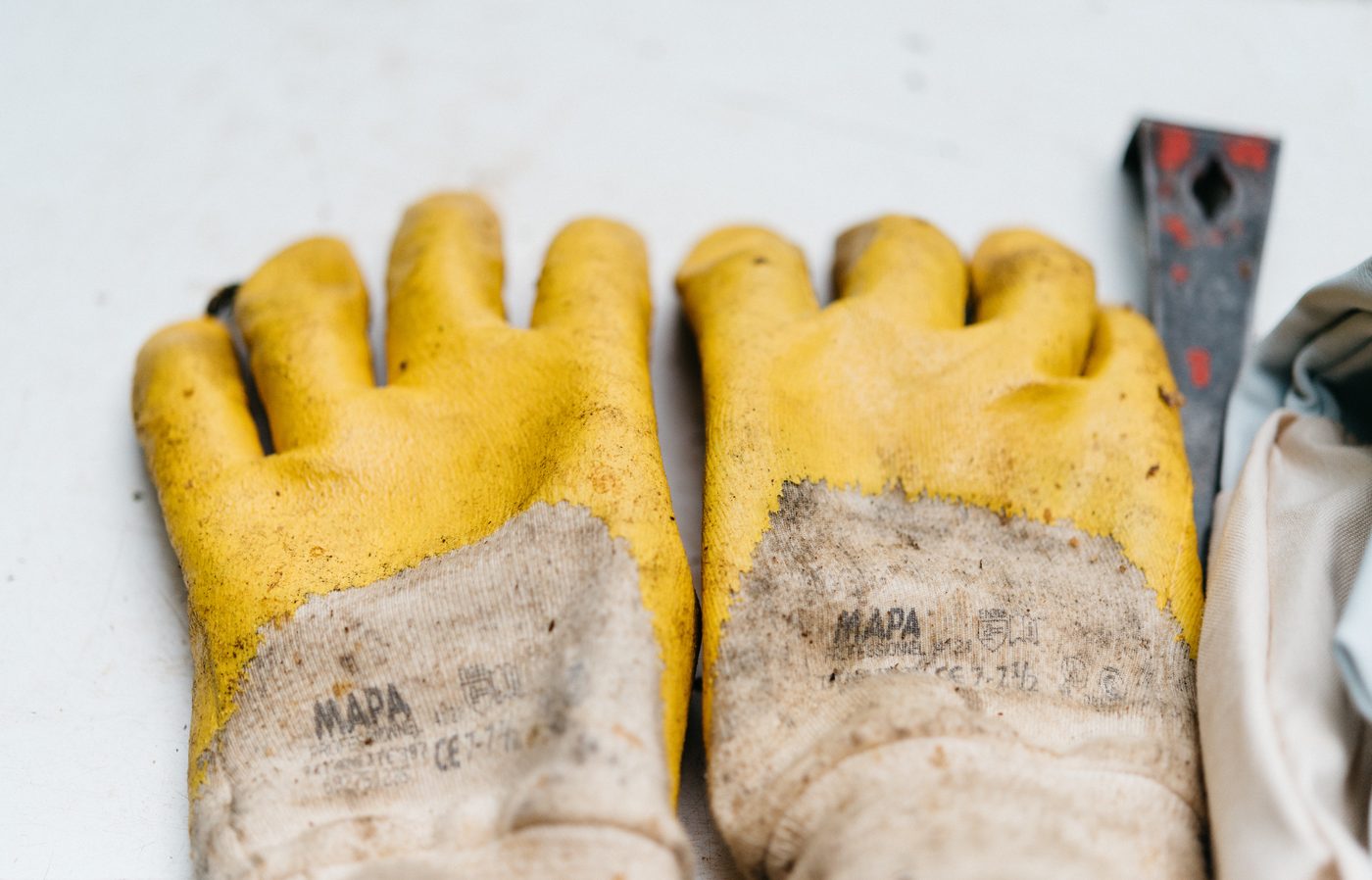
Pair of yellow work gloves used in carpentry (Source: Wikimedia Commons)
Footwear: Non-slip boots prevent slips and protect feet from injuries.
Eye protection: Goggles or face shields guard against chemical splashes or debris.
Implementing safe work procedures tailored to the protected environment reduces the risk of accidents and occupational illnesses during harvesting.
Preparedness for accidents and health emergencies ensures quick response and reduces severity of injuries during harvest.
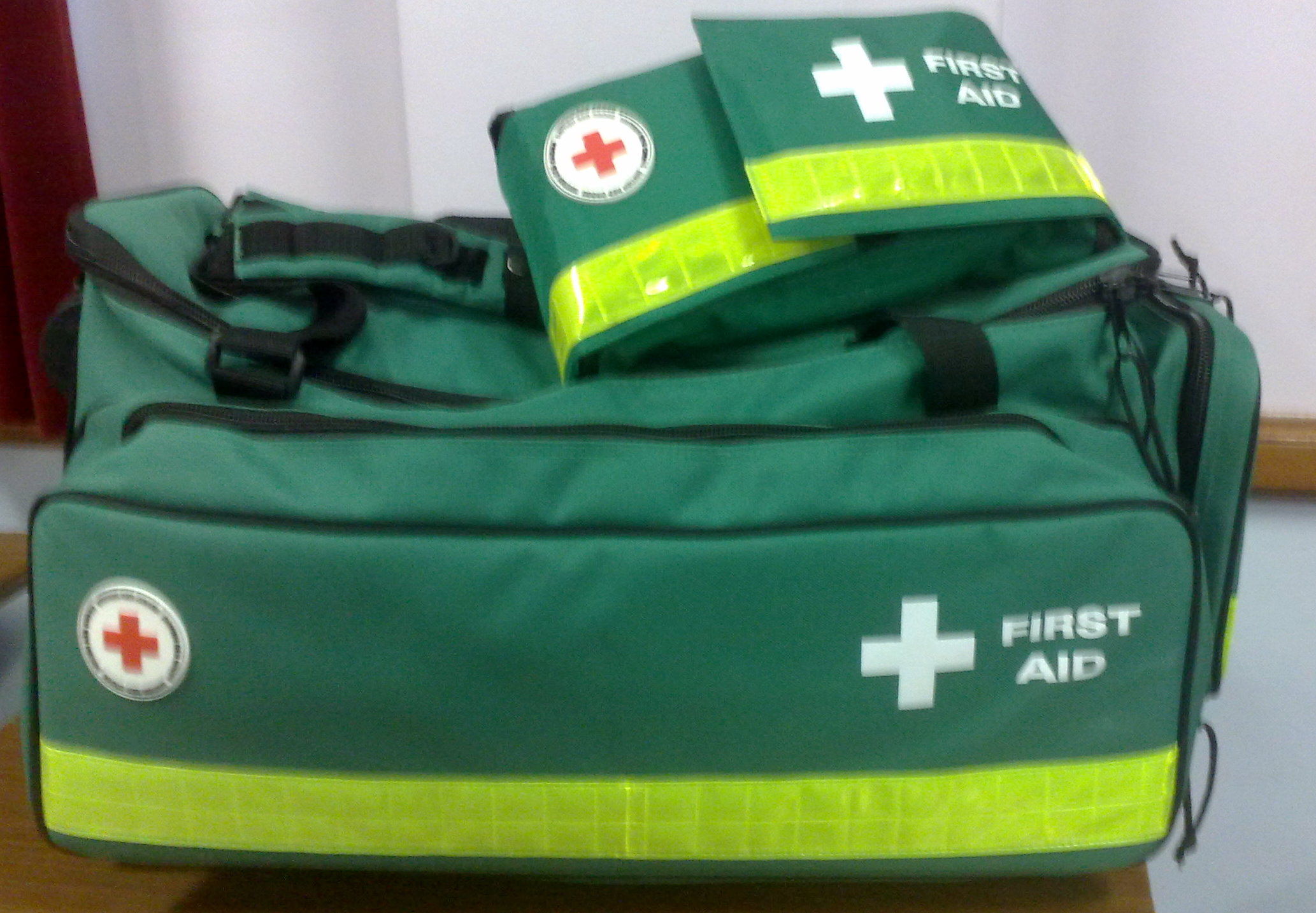
Green first aid kits with cross symbols (Source: Wikipedia (First aid kit))
Create a free account to open more of this chapter.
Free: practical guides, quick cards, workplace scenarios and more.
Create a free accountThis chapter examined the critical procedures for ensuring occupational safety and health during the harvesting of vegetable crops in protected environments. It reviewed the essential tools, equipment, supplies, and materials needed, emphasizing the importance of understanding horticultural maturity for effective sourcing, proper use, maintenance, and storage of these resources. The concept of maturity indices was explored by differentiating between horticultural and physiological maturity, both vital for determining the optimal harvest time. Various harvesting methods were detailed, including pinching, uprooting, and cutting, each suited to specific crop types and conditions. Food safety measures were highlighted to protect consumers and maintain crop quality. The chapter also stressed the importance of meticulous record keeping to support traceability and management decisions. Waste management practices were covered with a focus on the 3Rs of waste disposal: reduce, reuse, and recycle. Lastly, emerging trends such as the use of artificial intelligence and new harvesting technologies were introduced as innovations shaping the future of vegetable crop production in protected environments.
Type: Individual
| Tools & Equipment | Materials |
|---|---|
| Harvesting Knife | Disinfectant Solution |
| Clean Harvesting Basket | Clean Water |
| Gumboots | |
| Apron/Dust Coat | |
| Protective Gloves | |
| Face Shield |
| S/N | Item | Quantity |
|---|---|---|
| 1 | Gumboots | 1 Pair per Candidate |
| 2 | Apron/Dust Coat | 1 per Candidate |
| 3 | Protective Gloves | 1 Pair per Candidate |
| 4 | Face Shield | 1 per Candidate |
| 5 | Harvesting Knife | 1 per Candidate |
| 6 | Clean Harvesting Basket | 1 per Candidate |
| 7 | Disinfectant Solution (Jik or Dettol) | 100 ml per 5 Candidates |
| 8 | Clean Water | Sufficient for washing hands and tools |
| 9 | Notebook | 1 per Candidate |
| 10 | Pen | 1 per Candidate |
| Items to be Evaluated | Marks Available | Marks Obtained | Comments |
|---|---|---|---|
| TASK 1: Implement Occupational Safety and Health Procedures | |||
| Wore PPEs: Gumboots, Apron/Dust Coat, Protective Gloves, Face Shield (Award 1 mark for each PPE donned correctly) | 4 | ||
| Gathered required tools and materials: Harvesting Knife, Clean Basket, Disinfectant, Clean Water (Award 1 mark for each group of items gathered correctly) | 2 | ||
| Sanitized hands and tools using disinfectant solution before harvesting (Award 3 marks for proper sanitation of hands and tools) | 3 | ||
| Handled vegetables carefully during harvesting to avoid contamination and damage (Award 2 marks for careful cutting and 2 marks for gentle handling) | 4 | ||
| Used safe harvesting techniques avoiding injury and contamination (Award 3 marks for safe knife handling and posture) | 3 | ||
| Collected harvested vegetables in clean basket without soil contamination (Award 2 marks for clean collection and avoiding contact with soil) | 2 | ||
| Recorded harvesting details accurately in the notebook (Award 2 marks for complete and legible recording) | 2 | ||
| Stored remaining materials and cleaned work area after harvesting (Award 2 marks for proper storage and cleaning) | 2 | ||
| Sub-Total | 22 | ||
| PRODUCT CHECKLIST | |||
| Harvested leafy vegetables weighing approximately 2 kg, clean and undamaged (Award 6 marks for correct weight and quality) | 6 | ||
| Vegetables free from contamination and handled hygienically (Award 4 marks for food safety compliance) | 4 | ||
| Work area and tools left clean and sanitized (Award 4 marks for cleanliness and sanitation) | 4 | ||
| Sub-Total | 14 | ||
| GRAND TOTAL | 36 | ||
Type: Individual
| Tools & Equipment | Materials |
|---|---|
| Sharp Harvesting Knife | Disinfectant Solution |
| Pruning Shears | Clean Water |
| Harvesting Basket | Notebook |
| Gloves | Pen |
| Face Shield | |
| Gumboots | |
| Apron/Dust Coat |
| S/N | Item | Quantity |
|---|---|---|
| 1 | Gumboots | 1 Pair per Candidate |
| 2 | Apron/Dust Coat | 1 per Candidate |
| 3 | Gloves | 1 Pair per Candidate |
| 4 | Face Shield | 1 per Candidate |
| 5 | Sharp Harvesting Knife (Blade length 120mm) | 1 per Candidate |
| 6 | Pruning Shears (Blade length 80mm) | 1 per Candidate |
| 7 | Harvesting Basket (Capacity 10 Liters) | 1 per Candidate |
| 8 | Clean Water (for washing tools) | Enough for use per Candidate |
| 9 | Disinfectant Solution (Jik or 70% Ethanol) | 100 ml per Candidate |
| 10 | Notebook | 1 per Candidate |
| 11 | Pen | 1 per Candidate |
| Items to be Evaluated | Marks Available | Marks Obtained | Comments |
|---|---|---|---|
| TASK 1: Identify and Use Harvesting Tools and Equipment | |||
| Wore PPE: Gumboots, Apron/Dust Coat, Gloves, Face Shield (Award 1 mark for each PPE donned as per workplace safety procedures) | 4 | ||
| Gathered required harvesting tools and materials: Harvesting Knife, Pruning Shears, Basket, Disinfectant, Clean Water, Notebook, Pen (Award 2 marks for correct and complete gathering) | 2 | ||
| Disinfected harvesting tools using disinfectant solution before use (Award 4 marks for proper disinfection of all tools) | 4 | ||
| Correctly identified and selected mature tomato plants ready for harvest (Award 4 marks for correct identification of maturity signs) | 4 | ||
| Used harvesting knife and pruning shears properly to cut tomato fruits and stems without damaging plants (Award 2 marks for each proper harvesting action, zero otherwise) | 8 | ||
| Collected harvested tomatoes carefully in the harvesting basket without bruising (Award 4 marks for careful handling and collection) | 4 | ||
| Cleaned tools with water and disinfectant after harvesting (Award 4 marks for proper cleaning and storage of tools) | 4 | ||
| Recorded harvesting details accurately in notebook (Award 4 marks for complete and accurate record keeping) | 4 | ||
| Sub-Total | 34 | ||
| PRODUCT CHECKLIST | |||
| Harvested tomatoes are free from damage and bruises (Award 3 marks if all fruits are intact and undamaged, zero otherwise) | 3 | ||
| Tools and equipment are clean and properly stored after use (Award 3 marks for correct cleaning and storage) | 3 | ||
| Harvesting record is complete and legible (Award 2 marks for complete and clear records) | 2 | ||
| Sub-Total | 8 | ||
| GRAND TOTAL | 42 | ||
At the start of this chapter we promised you would be able to:
Tick each one you can genuinely do.
So, are you there yet?
You're competent when you can confidently do 50% or more of what this chapter promised.
Sign in to record how you're doing.