Performing soil analysis is a critical skill for animal production professionals in Kenya, as soil quality directly influences pasture productivity, fodder crop growth, and ultimately animal health and performance. Understanding the physical and chemical properties of soil enables farm managers and agronomists to make informed decisions on soil amendments, fertilization, and land management. This chapter focuses on the practical aspects of soil analysis, starting with the necessary personal protective equipment to ensure safe and effective sampling and laboratory work.
2.1 Personal Protective Equipment
In animal production settings, soil analysis activities often involve field sampling in environments where exposure to contaminants, sharp objects, and harmful chemicals is possible. Personal protective equipment (PPE) safeguards the analyst from physical injury and chemical hazards encountered during soil sampling, handling, and testing. Proper use of PPE is essential for compliance with occupational safety standards and to minimize health risks for workers in farms, livestock feedlots, and research institutions.
2.1.1 Types of Personal Protective Equipment for Soil Analysis
Personal protective equipment for soil analysis includes various items tailored to protect different parts of the body from potential hazards. These items are selected based on the nature of the soil sampling environment and laboratory procedures.
Components of PPE
- Gloves: Gloves protect hands from soil-borne pathogens, chemicals, and sharp objects such as stones or glass fragments. In Kenya’s agricultural research stations, latex or nitrile gloves are common for laboratory work, while heavy-duty leather gloves are preferred for field sampling.
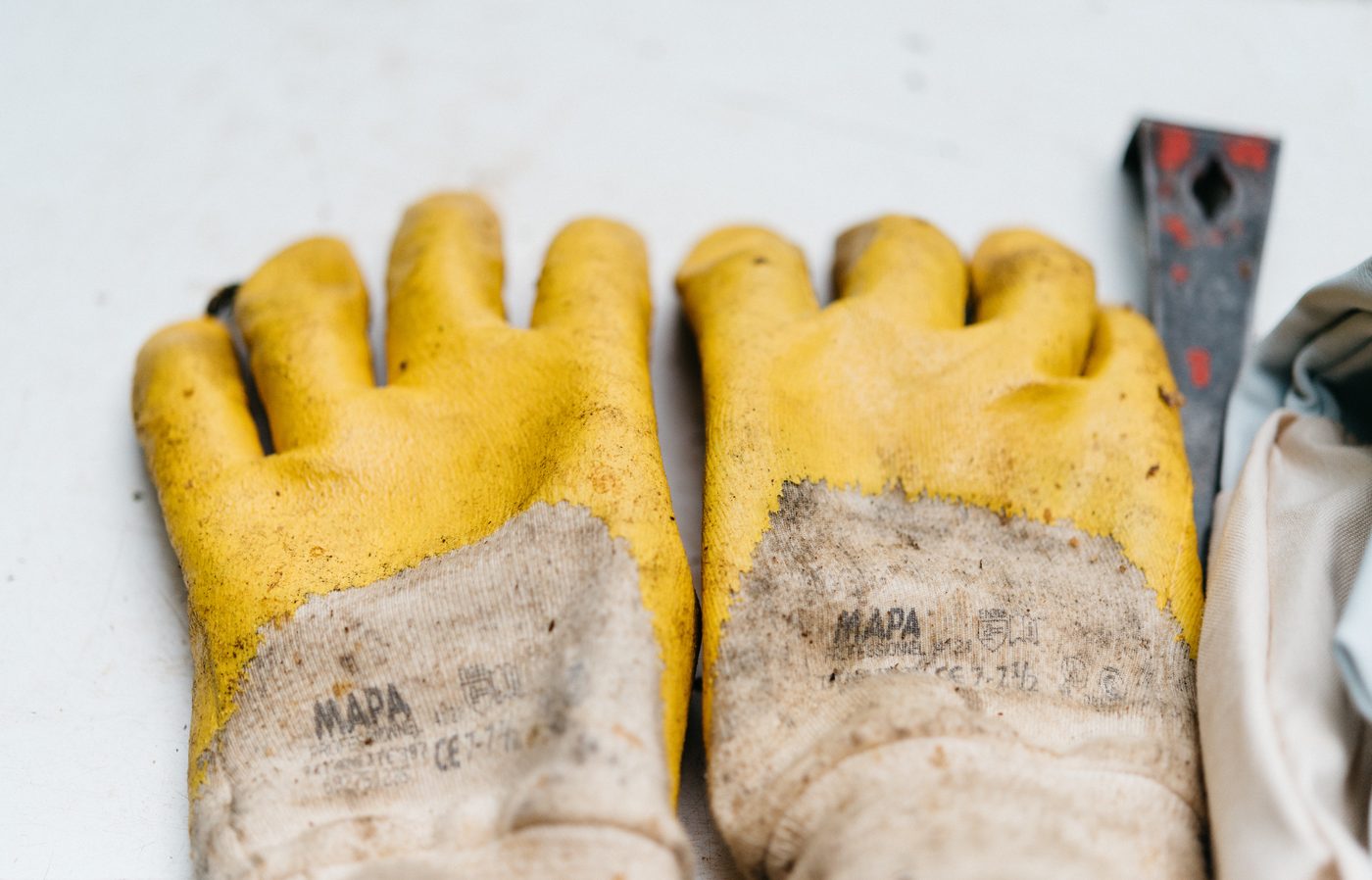
Pair of yellow work gloves used in carpentry (Source: Wikimedia Commons)
-
Protective Footwear: Sturdy boots, preferably waterproof and slip-resistant, shield feet from mud, water, and possible animal waste encountered in grazing fields or feedlots. Rubber boots are often used in wet environments such as dairy farms to maintain hygiene and prevent foot injuries.
-
Safety Goggles: Goggles protect eyes from soil dust, chemical splashes, and debris during sampling or chemical analysis. In university laboratories conducting soil nutrient tests, goggles are mandatory to prevent eye irritation or injury.
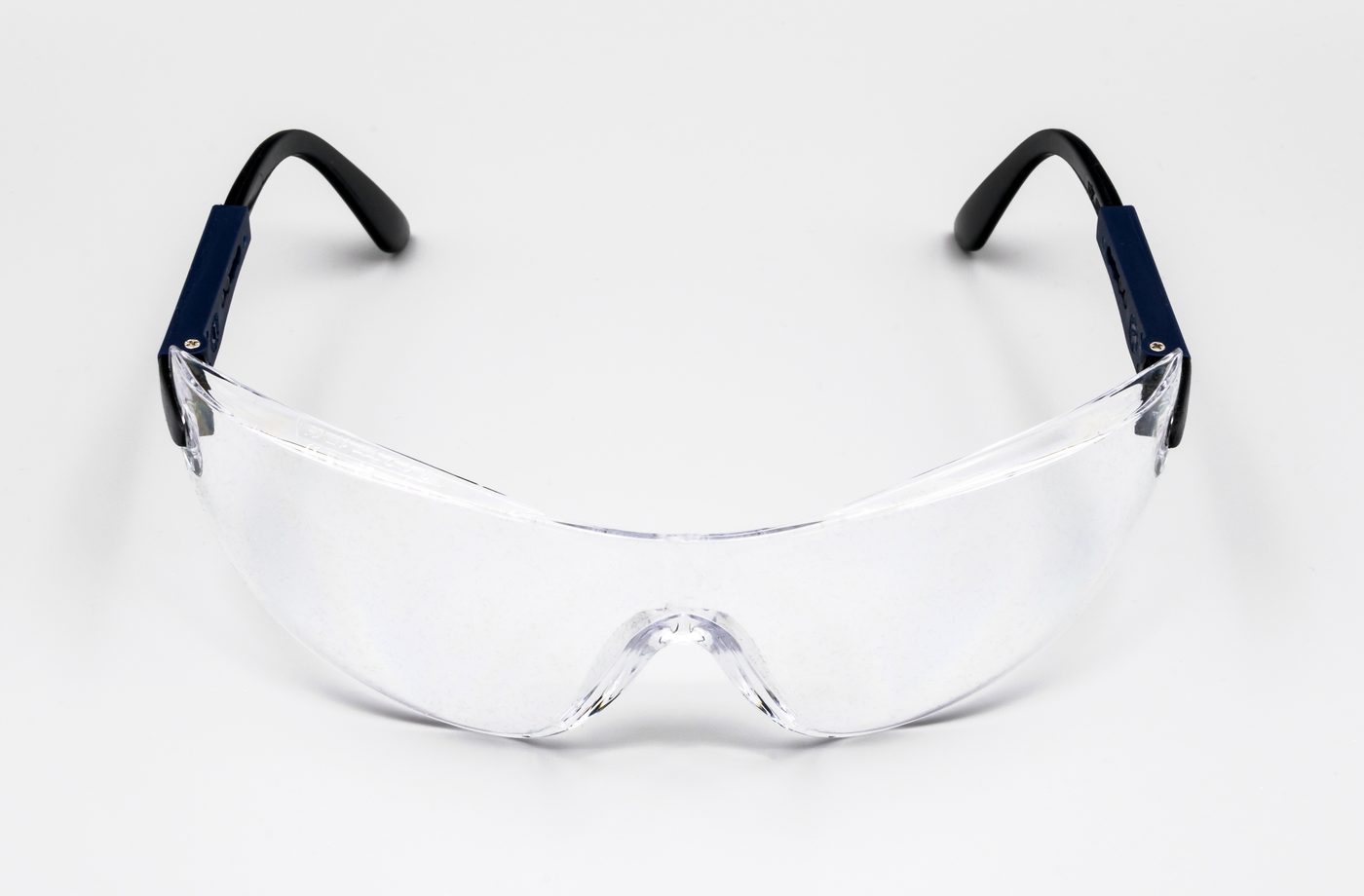
Clear safety goggles for eye protection (Source: Wikimedia Commons)
- Overalls or Lab Coats: Full-body protective clothing such as overalls or lab coats prevents soil particles and chemicals from contacting the skin or personal clothing. Overalls are commonly used by field technicians during soil collection on farms, while lab coats are standard in soil testing labs.
- Face Masks or Respirators: Masks protect respiratory tracts from inhaling dust or chemical fumes, especially when working with dry soil samples or chemical reagents. In dusty environments like dry rangelands, masks help reduce respiratory irritation.
2.1.2 Importance of Using Personal Protective Equipment in Soil Analysis
Proper use of PPE reduces the risk of injury, contamination, and occupational illnesses among soil analysis personnel. This protection is vital for maintaining workforce health and ensuring quality data collection.
Significance of PPE in the Workplace
- Prevention of Soil-Borne Diseases: Soil can harbor pathogens such as bacteria, fungi, and parasites harmful to humans. Gloves and protective clothing limit direct contact and reduce infection risk, particularly in livestock farms where zoonotic diseases are a concern.
- Chemical Safety: Fertilizers, pesticides, and reagents used during soil testing can cause burns, allergic reactions, or poisoning. PPE acts as a barrier to chemical exposure during sample preparation and analysis.
- Physical Injury Prevention: Sharp objects hidden in soil can cause cuts or punctures. Boots and gloves provide physical protection during sampling in rocky or debris-laden fields.
- Compliance with Safety Regulations: Kenyan occupational health and safety laws require employers to provide appropriate PPE and ensure its use, minimizing liability and promoting a culture of safety.
- Enhancement of Work Efficiency: Workers confident in their protection perform soil sampling and analysis more effectively, reducing errors caused by hesitation or injury.
2.1.3 Selection Criteria for Personal Protective Equipment in Soil Analysis
Choosing the right PPE involves assessing the specific hazards present during soil sampling and laboratory procedures. The selection should consider comfort, durability, and compatibility with tasks.
Factors Guiding PPE Choice
- Hazard Type: Identify potential risks such as chemical exposure, biological contamination, or physical injury to select appropriate PPE items accordingly.
- Environmental Conditions: In wet or muddy farms, waterproof boots and overalls are essential, whereas in dry, dusty areas, dust masks and goggles become priorities.
- Task Requirements: Sampling may require heavy-duty gloves for digging, while laboratory testing demands disposable gloves to prevent cross-contamination.
- Comfort and Fit: PPE must fit well to allow ease of movement during fieldwork or laboratory analysis, encouraging consistent use.
- Maintenance and Reusability: Durable PPE that can be cleaned and reused reduces costs, but disposable items like gloves should be replaced regularly to maintain hygiene.
2.1.4 Care and Maintenance of Personal Protective Equipment
Proper maintenance of PPE extends its lifespan and ensures continued protection for soil analysis personnel. Neglecting care can lead to PPE failure and increased risk.
Best Practices for PPE Maintenance
- Regular Cleaning: Wash boots, overalls, and goggles after each use to remove soil, chemicals, and biological contaminants. Use appropriate detergents and disinfectants, especially when handling pathogenic soils.
- Inspection for Damage: Before and after use, check gloves, boots, and goggles for tears, cracks, or wear that could compromise protection.
- Proper Storage: Store PPE in clean, dry, and designated areas away from direct sunlight or chemicals to prevent degradation.
- Timely Replacement: Dispose of single-use items like gloves and masks after each use, and replace reusable PPE when signs of wear or damage appear.
- Training on Use and Maintenance: Regularly train soil analysis teams on correct PPE use and upkeep to promote safety culture on farms and in laboratories.
Practice Questions
-
Explain five reasons why personal protective equipment is essential during soil analysis in animal production settings. (10 marks)
-
Describe the key factors to consider when selecting personal protective equipment for soil sampling on a dairy farm. (10 marks)
-
Outline six steps for proper maintenance and care of personal protective equipment used in soil analysis laboratories. (12 marks)
-
Identify and explain four types of personal protective equipment commonly used during soil analysis, highlighting their specific protective functions. (12 marks)
The rest of this chapter
🔒Create a free account to open more of this chapter.
Free: practical guides, quick cards, workplace scenarios and more.
Create a free account 🔒2.2 Soil analysis equipment and materials
Soil analysis is fundamental in animal production because the quality and fertility of soil directly affect pasture growth and the nutritional value of fodder crops. In Kenya’s diverse agro-ecological zones, accurate soil testing enables farmers and animal pro…
🔒2.3 Processing of Soil Samples
Processing of soil samples is a critical phase in soil analysis that ensures accurate and reliable test results. In the context of animal production in Kenya, proper processing affects decisions on pasture management, fertilizer application, and soil amendment…
🔒2.4 Soil Properties
In animal production, understanding soil properties is fundamental to managing forage crops, pasture quality, and the overall health of grazing environments. In Kenya’s diverse agro-ecological zones, soil characteristics influence the type of vegetation that c…
🔒2.5 Preparation of Soil Analysis Report
In animal production, soil analysis reports provide critical information that influences pasture management, forage production, and overall livestock nutrition. Kenyan animal production professionals rely on precise soil data to optimize grazing fields and fod…
Chapter Summary
This chapter covered essential aspects of performing soil analysis, starting with the importance of using personal protective equipment to ensure safety during sample collection and laboratory work. It then described various soil analysis equipment and materials required for accurate testing, emphasizing their appropriate use. The processing of soil samples was detailed, including collection, preparation, and treatment steps to maintain sample integrity. Key soil properties such as texture, structure, pH, and nutrient content were explained to illustrate their significance in determining soil health. Finally, the chapter outlined the preparation of a comprehensive soil analysis report, highlighting the need to present findings clearly and accurately for informed decision-making in agricultural and environmental management.
Self-Assessment
🔒 PDFDownload this self-assessment, with answers
A. Written Assessment
- What is the primary purpose of wearing personal protective equipment (PPE) during soil sample collection in animal production? (2 marks)
- Identify three essential pieces of equipment used in soil analysis and explain their function. (3 marks)
🔒20 more in this section.
Chapter Examination Questions
🔒 PDFDownload these examination questions, with worked answers
SECTION A (40 Marks) - Answer ALL Questions
- Explain the importance of wearing personal protective equipment (PPE) during soil sampling in animal production farms. (4 marks)
- Identify five essential soil analysis equipment used in determining soil fertility for pasture development. (4 marks)
🔒18 more in this section.
