
By the end of this chapter, you will be able to:
Mastering these skills helps you work efficiently and safely on the farm, protecting yourself and your equipment for long-lasting success.
Compiled by: Beatrice Atieno
Operating tillage machinery efficiently and safely is vital for agripreneurs managing crop production in Kenya. These machines enhance soil preparation, enabling better seedbed formation and weed control, directly impacting farm productivity and profitability. However, the operation of tillage equipment involves significant risks, including exposure to dust, noise, and mechanical hazards. Proper use of personal protective equipment (PPE) is essential to safeguard the operator’s health and ensure compliance with occupational safety standards within the agricultural sector.
Personal protective equipment is fundamental for agripreneurs operating tillage machinery to minimize exposure to hazards such as flying debris, noise pollution, chemical inhalation, and mechanical injuries. In the Kenyan agricultural context, where many farms are medium to large scale with mechanized operations, PPE ensures operator safety, reduces downtime due to injury, and promotes a culture of workplace health. The following sections explore the various types of PPE crucial for tillage machine operators.
Eye protection is critical when operating tillage machinery because of the risk posed by dust, soil particles, and debris that may be ejected during ploughing or harrowing. Agripreneurs in Kenya often work in dusty environments, especially during the dry season, increasing the likelihood of eye irritation or injury.
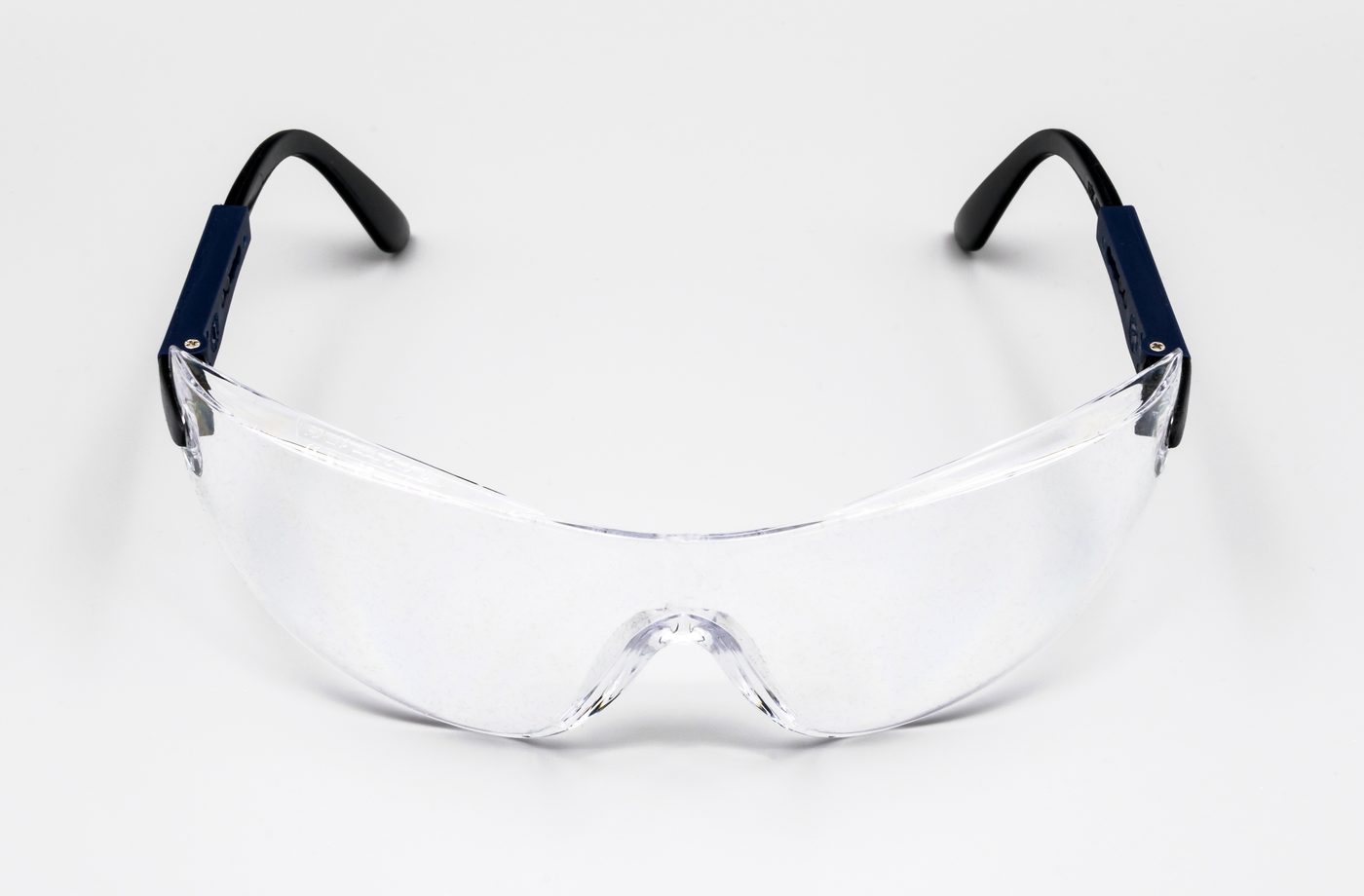
Clear safety goggles for eye protection (Source: Wikimedia Commons)
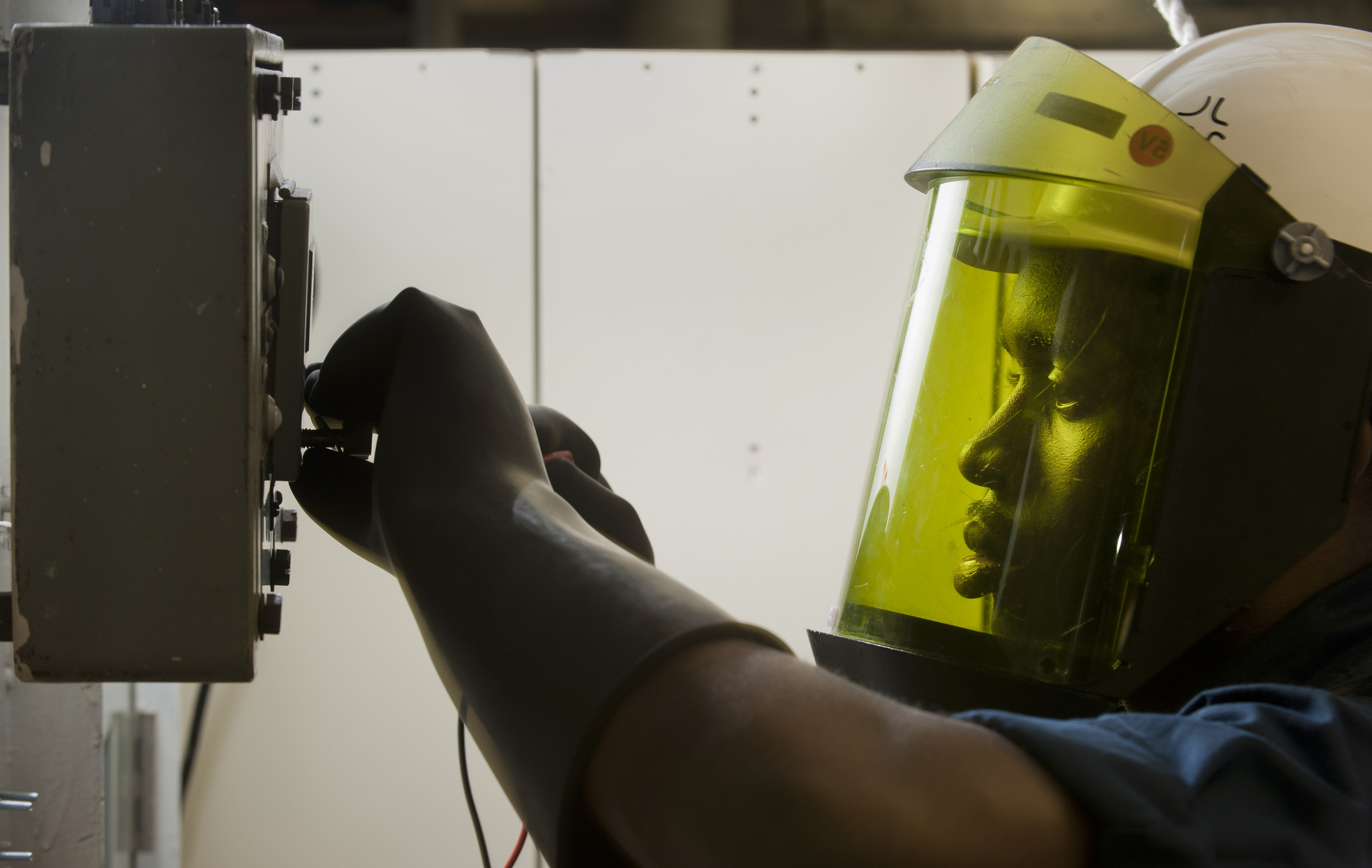
Person wearing a yellow face shield (Source: Wikipedia (Face shield))
Prescription safety glasses: For operators requiring vision correction while maintaining eye protection.
Anti-fog lenses: Important during humid conditions to maintain visibility, especially on highland farms such as those in Kericho.
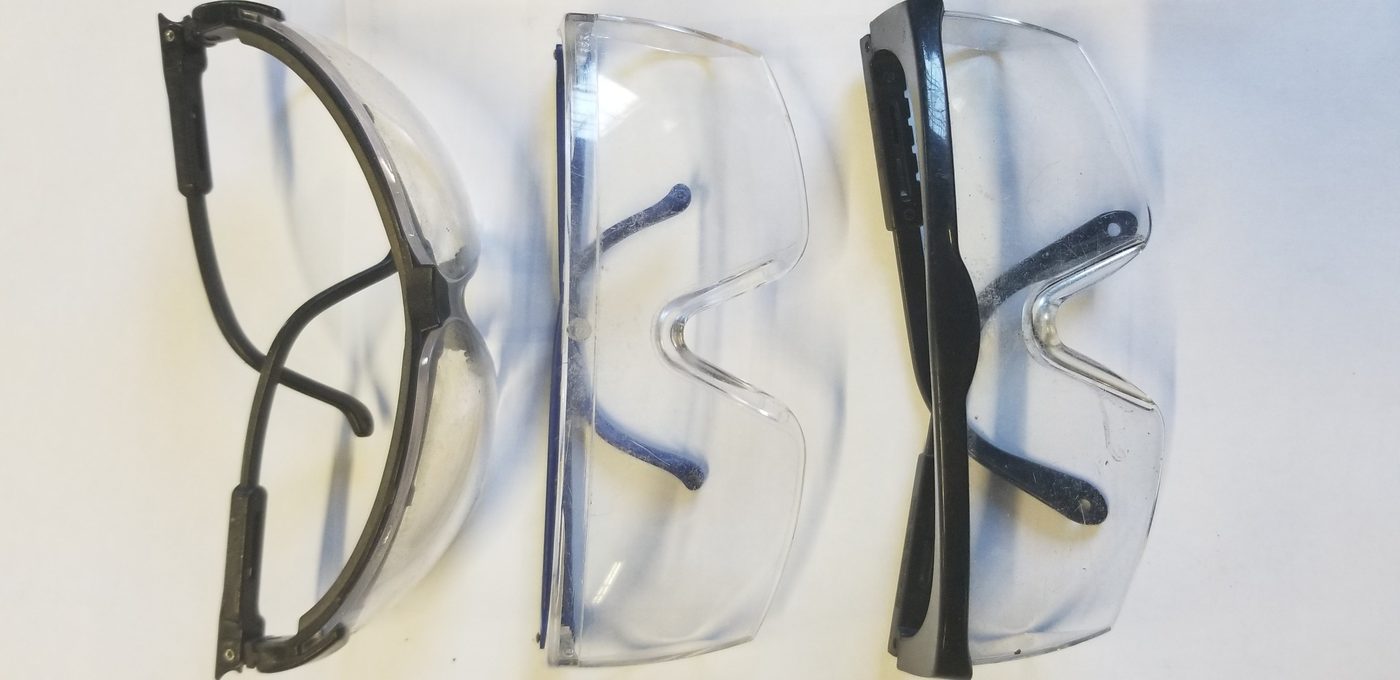
Three pairs of anti-fog safety lenses (Source: Wikimedia Commons)
Tillage machinery such as tractors and rotary tillers generate high noise levels that can cause hearing impairment if operators are not adequately protected. In Kenya, where machinery is often used continuously during peak farming seasons, hearing conservation is a priority.
Earplugs: Disposable or reusable foam plugs that fit inside the ear canal, suitable for operators who need lightweight protection.
Earmuffs: Cover the entire ear and provide a higher noise reduction rating, preferred for prolonged exposure.
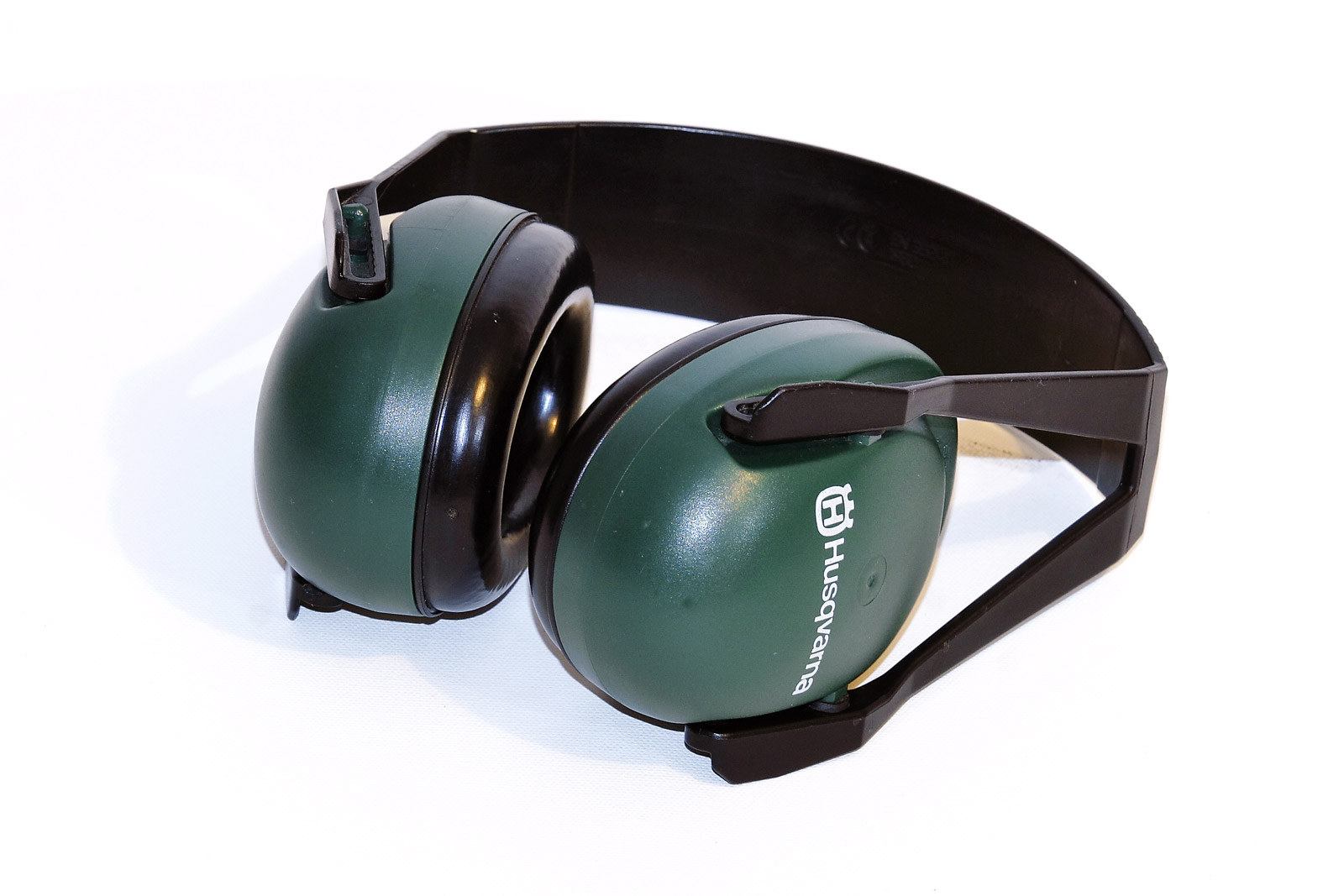
Green industrial earmuffs for hearing protection (Source: Wikimedia Commons)
The risk of foot injuries is significant when working around heavy tillage machinery due to the possibility of crushing, punctures, or slips. Kenyan agripreneurs must ensure operators use appropriate footwear to prevent these injuries.
Operating tillage machinery often exposes operators to dust and chemical sprays used for soil treatment. Respiratory protection is vital in preventing inhalation of harmful particles that can cause respiratory diseases.
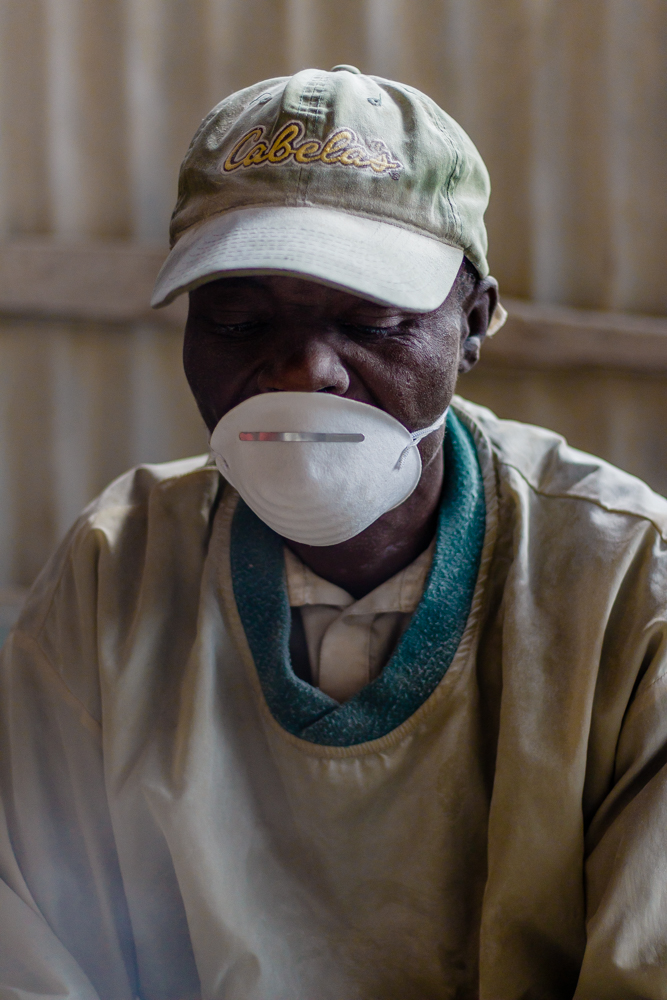
Person wearing a dust mask (Source: Wikimedia Commons)
Half-face respirators: Provide protection against dust and some chemical vapors, suitable for pesticide application during tillage.
Full-face respirators: Offer comprehensive protection including eye coverage, useful when handling volatile chemicals.
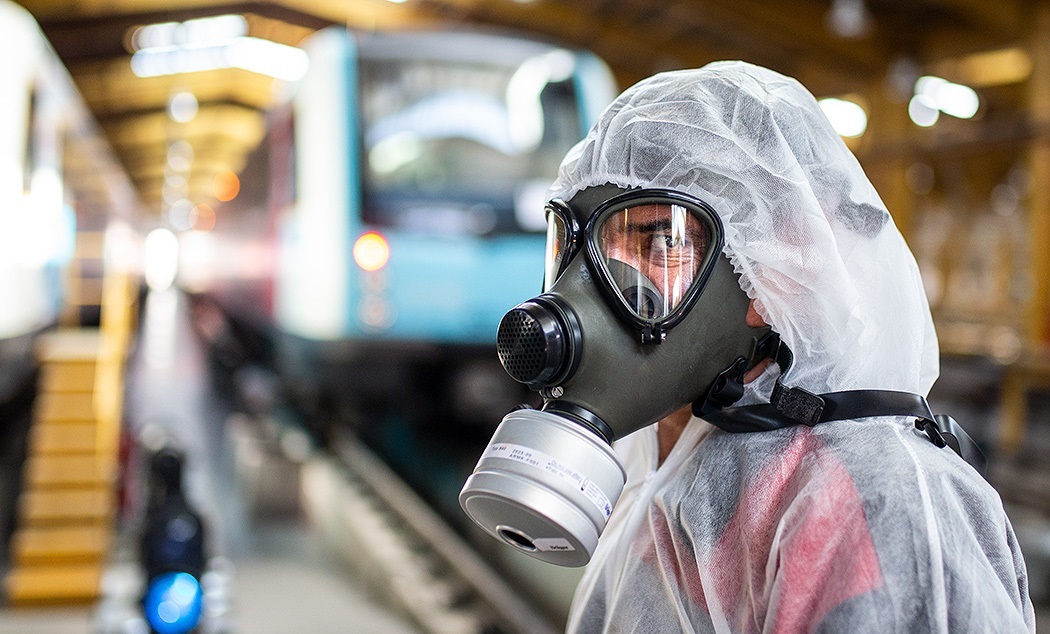
Person wearing a full-face respirator mask (Source: Wikimedia Commons)
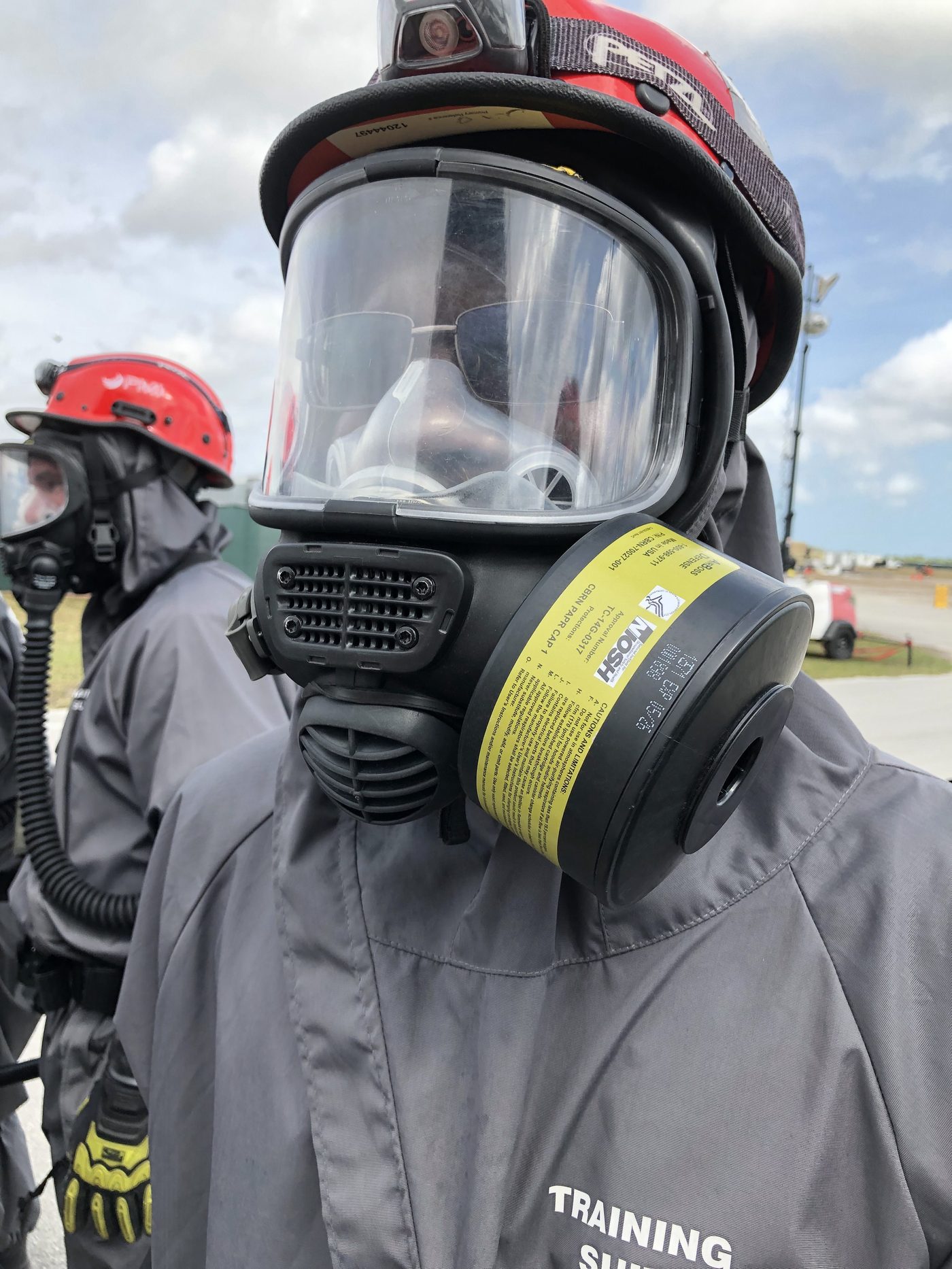
Person wearing powered air-purifying respirator (Source: Wikimedia Commons)
Gloves protect the hands from mechanical injuries, chemical exposure, and extreme weather conditions during tillage operations. Kenyan agripreneurs must select gloves suitable for varied tasks to maintain hand safety and dexterity.
Leather gloves: Provide protection against cuts and abrasions during manual handling of machinery parts.
Rubber gloves: Essential when dealing with chemicals or wet conditions common in irrigation systems.
Cut-resistant gloves: Used when working with sharp tools or metal components of tillage machines.
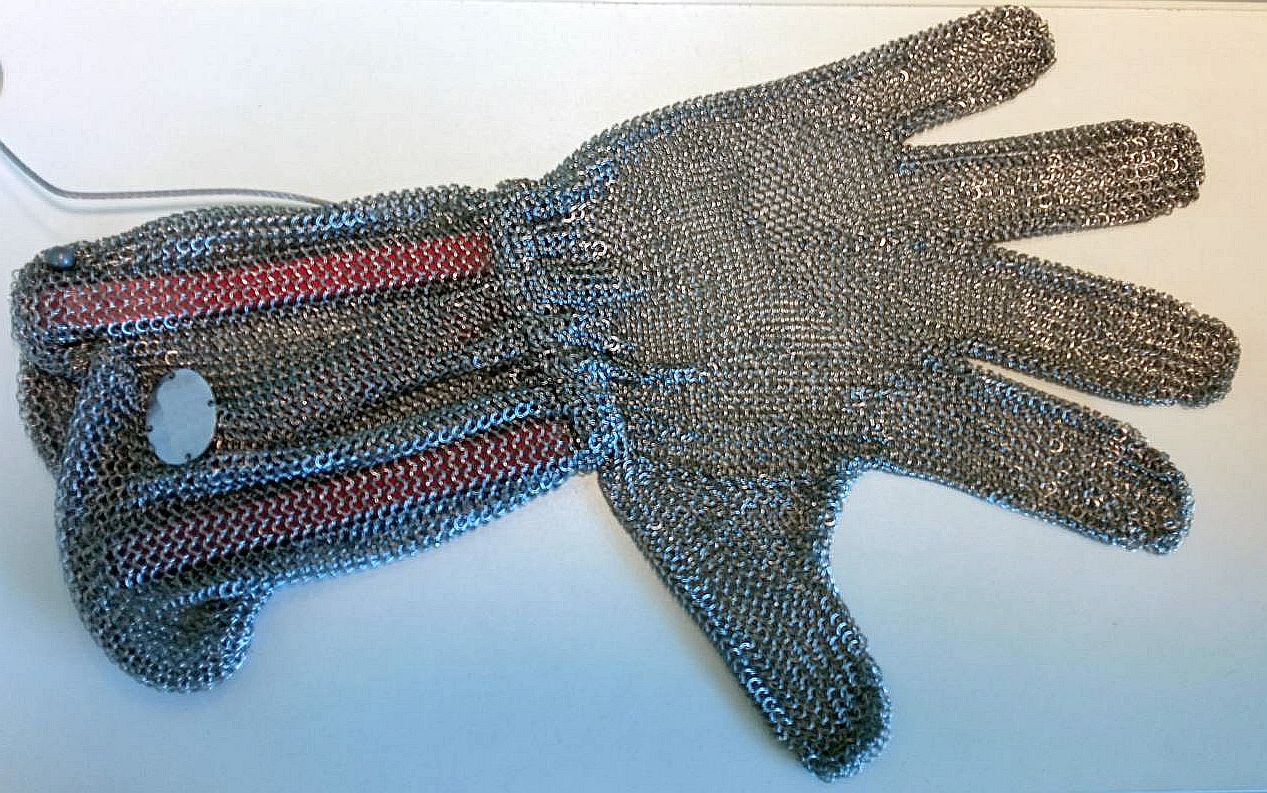
Metal mesh cut-resistant glove (Source: Wikimedia Commons)
Thermal gloves: Protect hands from cold during early morning operations in highland areas.
Disposable nitrile gloves: Suitable for short-term chemical handling or maintenance tasks.
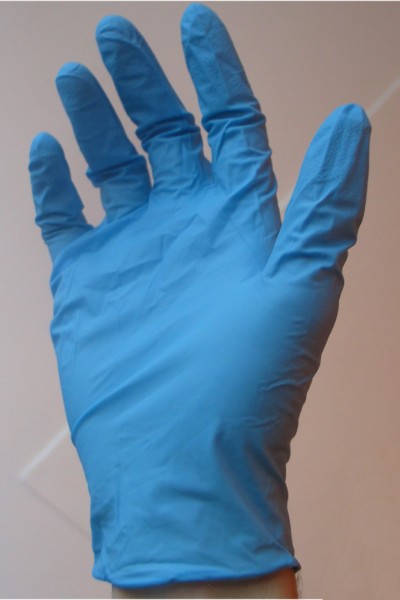
blue disposable nitrile glove on hand (Source: Wikimedia Commons)
Full body suits provide comprehensive protection against chemical exposure, dust, and mechanical hazards. In Kenya, where smallholder and commercial farms use chemicals extensively, full body suits are indispensable for operator safety.
Create a free account to open more of this chapter.
Free: practical guides, quick cards, workplace scenarios and more.
Create a free accountThis chapter has examined the essential personal protective equipment necessary for safely operating tillage machinery, including eye protection, hearing protection, footwear, respiratory gear, gloves, and full body suits. Understanding the different types of tillage machinery was central, with detailed coverage of ploughs, harrows, tillers, rotavators, and subsoilers, highlighting their specific functions and applications in soil preparation. The chapter also emphasized the importance of regular maintenance to ensure the machinery operates efficiently and prolongs its service life. Proper storage techniques were discussed to prevent damage and deterioration when the equipment is not in use. Overall, the chapter provides a comprehensive framework for safely and effectively managing tillage machinery in agricultural operations.
Type: Individual
| Tools & Equipment | Materials |
|---|---|
| Safety goggles | |
| Hearing protection earmuffs | |
| Respirator mask | |
| Protective gloves | |
| Safety boots | |
| Dust coat/overall | |
| Full body suit |
| S/N | Item | Quantity |
|---|---|---|
| 1 | Dust coat/overall | 1 Pc per Candidate |
| 2 | Safety goggles (eye protection) | 1 Pair per Candidate |
| 3 | Hearing protection earmuffs | 1 Pair per Candidate |
| 4 | Safety boots (steel-toe) | 1 Pair per Candidate |
| 5 | Respirator mask (dust filter type) | 1 Pc per Candidate |
| 6 | Protective gloves (leather or heavy-duty) | 1 Pair per Candidate |
| 7 | Full body suit (optional, depending on farm policy) | 1 Pc per Candidate |
| Items to be Evaluated | Marks Available | Marks Obtained | Comments |
|---|---|---|---|
| TASK 1: Selection and Wearing of PPE | |||
| Selected dust coat/overall and wore it properly (Award 2 marks for correct selection and wearing or zero) | 2 | ||
| Selected and wore safety goggles correctly (Award 2 marks for correct selection and wearing or zero) | 2 | ||
| Selected and wore hearing protection earmuffs correctly (Award 2 marks for correct selection and wearing or zero) | 2 | ||
| Wore safety boots correctly (Award 2 marks for correct wearing or zero) | 2 | ||
| Selected and wore respirator mask correctly (Award 2 marks for correct selection and wearing or zero) | 2 | ||
| Selected and wore protective gloves correctly (Award 2 marks for correct selection and wearing or zero) | 2 | ||
| Wore full body suit correctly if provided and required (Award 2 marks for correct wearing or zero) | 2 | ||
| Demonstrated correct sequence of wearing PPE to ensure maximum protection (Award 2 marks for correct sequence or zero) | 2 | ||
| Sub-Total | 16 | ||
| PRODUCT CHECKLIST | |||
| Candidate is fully and correctly wearing all required PPE items, visibly secure and functional (Award 4 marks for complete and correct PPE wearing or zero) | 4 | ||
| Sub-Total | 4 | ||
| GRAND TOTAL | 20 | ||
Type: Individual
| Tools & Equipment | Materials |
|---|---|
| Tractor with 3-point hitch | Fuel for tractor (diesel) |
| Mouldboard plough (single furrow, reversible) | Water for cleaning equipment |
| Measuring tape (20 m) | Protective gloves |
| Marker flags | Dust coat |
| Safety boots |
| S/N | Item | Quantity |
|---|---|---|
| 1 | Tractor with 3-point hitch | 1 Pc per Candidate |
| 2 | Mouldboard plough (single furrow, reversible) | 1 Pc per Candidate |
| 3 | Fuel for tractor (diesel) | 5 Litres per Candidate |
| 4 | Water for cleaning equipment | 5 Litres per Candidate |
| 5 | Measuring tape (20 m) | 1 Pc per Candidate |
| 6 | Marker flags | 10 Pcs per Candidate |
| 7 | Protective gloves | 1 Pair per Candidate |
| 8 | Dust coat | 1 Pc per Candidate |
| 9 | Safety boots | 1 Pair per Candidate |
| Items to be Evaluated | Marks Available | Marks Obtained | Comments |
|---|---|---|---|
| TASK 1: Preparation and Operation of Mouldboard Plough | |||
| Wore appropriate PPE: dust coat, gloves, safety boots (Award 1 mark for each or zero) | 3 | ||
| Checked tractor and plough condition before use (Award 2 marks or zero) | 2 | ||
| Mounted the mouldboard plough correctly on the tractor's 3-point hitch (Award 4 marks or zero) | 4 | ||
| Adjusted the plough depth and angle appropriately for the soil condition (Award 4 marks or zero) | 4 | ||
| Marked out the 20m x 10m field section using measuring tape and marker flags (Award 1 mark for length, 1 mark for width, 1 mark for correct placement or zero) | 3 | ||
| Operated the tractor and plough to plough the field section (Award marks for smooth operation, correct speed, consistent furrow depth and width) | 7 | ||
| Reversed the plough correctly to change direction without damaging the soil (Award 3 marks or zero) | 3 | ||
| Stopped the tractor safely and disengaged the plough after completion (Award 2 marks or zero) | 2 | ||
| Cleaned the plough and tractor area, disposed of any waste properly (Award 2 marks or zero) | 2 | ||
| Sub-Total | 30 | ||
| PRODUCT CHECKLIST | |||
| Ploughed field section dimensions approximately 20m long and 10m wide (Award 5 marks for correct length and width within ±0.5 m) | 5 | ||
| Furrow depth uniform and within 15-20 cm (Award 5 marks for consistent depth within range) | 5 | ||
| Furrows are straight, uniform width, and well turned soil (Award 5 marks for neat, straight furrows with good soil inversion) | 5 | ||
| Sub-Total | 15 | ||
| GRAND TOTAL | 45 | ||
At the start of this chapter we promised you would be able to:
Tick each one you can genuinely do.
So, are you there yet?
You're competent when you can confidently do 50% or more of what this chapter promised.
Sign in to record how you're doing.