Disassembling rotating electrical machines is a critical skill for maintaining and repairing equipment that is widely used across Kenyan industries such as healthcare facilities, county government offices, universities, banks, and agricultural cooperatives. Proper disassembly ensures that machines like motors and generators can be serviced efficiently and safely, minimizing downtime and preventing damage. This chapter explores the safety measures essential during disassembly, the tools required, and how to use testing equipment to facilitate effective maintenance.
1.1 Safety Measures
Safety is paramount when disassembling rotating electrical machines because these machines contain heavy components, sharp edges, and electrical hazards. In Kenyan workplaces such as county referral hospitals or retail businesses, adherence to safety protocols protects technicians and ensures compliance with occupational health regulations. This section covers personal protective equipment (PPE) and the correct handling of tools to prevent injuries and damage.
1.1.1 Donning of PPEs
The use of personal protective equipment (PPE) is the first line of defense against injuries during machine disassembly. PPE protects workers from electrical shocks, cuts, and impact injuries, which are common in environments like university workshops or hotel maintenance departments.
Essential PPE Items and Their Purposes
- Safety gloves: Provide protection from sharp edges, hot surfaces, and electrical contacts. For example, technicians at a county government electrical workshop use insulated gloves to avoid electric shocks.

Pair of safety gloves for protection (Source: Wikimedia Commons)
- Safety goggles: Protect eyes from flying debris, dust, and metal shavings generated when dismantling machine parts.

Clear safety goggles for eye protection (Source: Wikimedia Commons)
- Safety boots: Offer protection against heavy falling objects and provide electrical insulation to reduce shock risk.
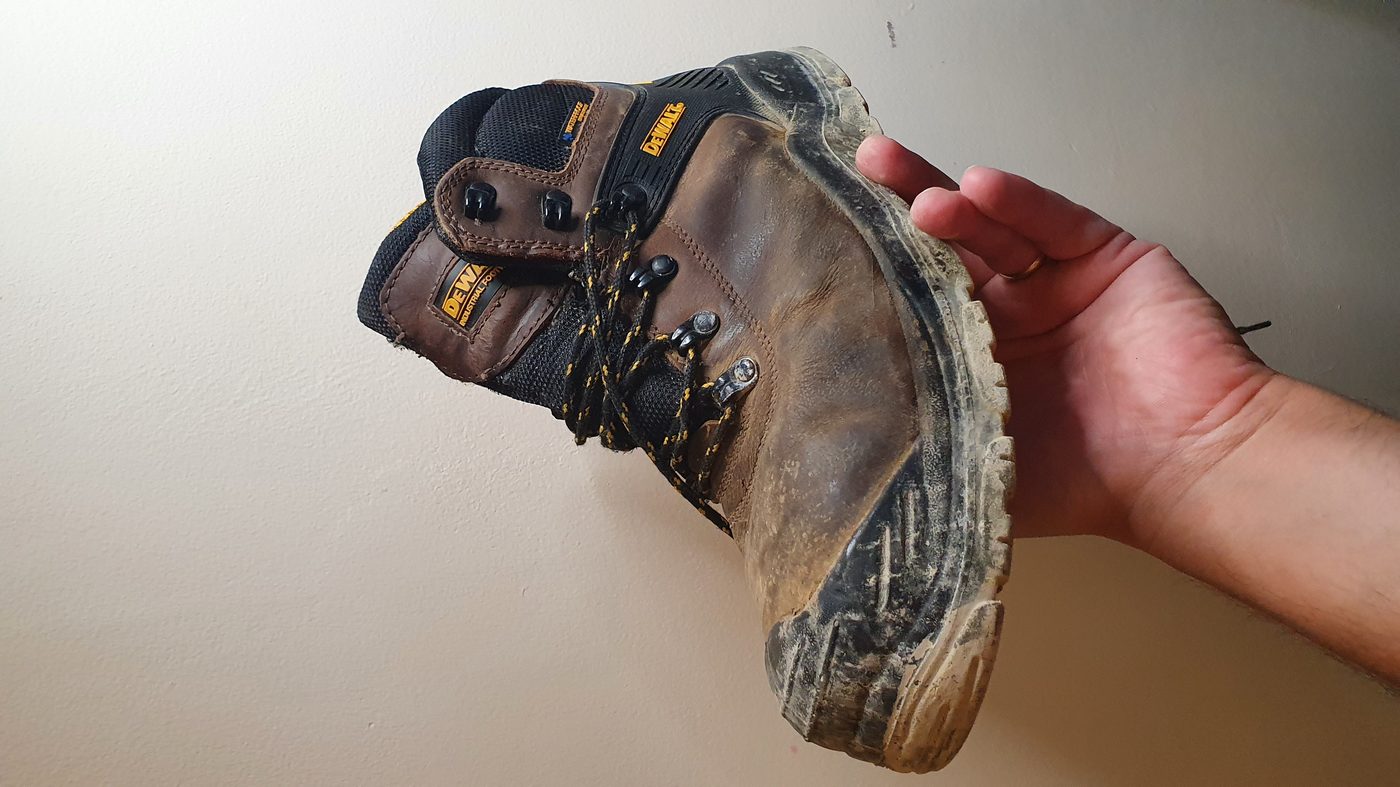
A single safety boot for industrial use (Source: Wikimedia Commons)
- Coveralls or protective clothing: Shield the body from grease, oil, and sharp components, commonly worn by maintenance staff at banks’ data centers.
- Ear protection: Necessary in noisy environments such as agricultural processing plants where rotating machines generate high decibel levels.

Green ear protection earmuffs (Source: Wikimedia Commons)
Proper Procedures for Donning PPE
- Ensure all PPE is inspected for damage before use, such as cracks in goggles or tears in gloves.
- Wear PPE in the correct sequence, starting with gloves, followed by goggles, boots, and clothing to ensure full coverage.
- Replace PPE immediately if contamination or damage occurs during the disassembly process.
1.1.2 Handling of Tools
Proper tool handling reduces the risk of accidents and damage to machine components. In Kenyan educational institutions, where students learn electrical machine maintenance, trainers emphasize correct tool use to instill safe habits.
Principles of Safe Tool Handling
- Use the right tool for each task: For example, using an Allen key of the correct size prevents stripping fasteners on motors in county water treatment plants.
- Inspect tools before use: Check for cracks, rust, or wear that could cause breakage or slipping.
- Maintain a clean and organized workspace: This prevents tripping hazards and tool misplacement, crucial in busy hospital maintenance workshops.
- Apply controlled force: Avoid excessive force that can damage parts or cause tool slippage, especially when removing delicate bearings.
- Store tools safely after use: Use designated racks or boxes to prevent loss or accidents in retail business maintenance units.
The rest of this chapter
🔒Create a free account to open more of this chapter.
Free: practical guides, quick cards, workplace scenarios and more.
Create a free account 🔒1.2 Electrical Tools and Equipment
The successful disassembly of rotating electrical machines depends on using appropriate tools and testing equipment. These tools must be selected and used carefully to avoid damage to components and ensure safety. This section introduces fastening tools and te…
🔒1.3 Record Machine Data
Recording accurate machine data is a crucial step during the disassembly of rotating electrical machines. In Kenya's diverse professional settings, from county referral hospitals maintaining their medical equipment to agricultural cooperatives servicing irriga…
🔒1.4 Disassembling Rotating Machine Parts
Disassembling rotating electrical machines is a critical skill for maintenance technicians and electrical engineers working in various Kenyan industries such as healthcare facilities, county government offices, and educational institutions. Proper disassembly…
🔒1.5 Winding data
Winding data is vital for the accurate assembly, repair, and maintenance of rotating electrical machines. In Kenya's diverse industries such as manufacturing firms, county hospitals, and universities, precise winding data ensures optimal machine performance, r…
🔒1.6 Housekeeping
Housekeeping is a critical aspect of maintaining a safe and efficient working environment when disassembling rotating electrical machines. In Kenyan workplaces such as county referral hospitals, universities, and retail businesses, good housekeeping practices…
Chapter Summary
This chapter focused on the essential steps and considerations for disassembling rotating electrical machines. It began by emphasizing critical safety measures, including the proper donning of personal protective equipment and careful handling of tools to prevent accidents. The discussion then covered the various disassembling tools and equipment, highlighting fastening tools such as Allen keys and bearing pullers, alongside testing equipment necessary for the process. Recording machine data before disassembly is crucial to ensure accurate reassembly and troubleshooting. The chapter detailed the systematic disassembly of machine parts, including end caps, fans, rotors, armatures, stators, conductors, and bearings, with a clear procedure to follow. It also addressed the importance of capturing winding data, such as the number of slots, conductor size, coils, turns per coil, critical dimensions, and bearing specifications. Finally, the chapter concluded with housekeeping practices, defining the concept and outlining activities like maintaining general cleanliness and proper storage of tools and equipment to ensure a safe and organized work environment.
Self-Assessment
🔒 PDFDownload this self-assessment, with answers
A. Written Assessment
- What is the primary purpose of donning Personal Protective Equipment (PPE) when disassembling rotating electrical machines? (2 marks)
- Identify three common fastening tools used in disassembling electrical machines and briefly describe the function of each. (3 marks)
🔒20 more in this section.
Chapter Examination Questions
🔒 PDFDownload these examination questions, with worked answers
SECTION A (40 Marks) - Answer ALL Questions
- Explain why donning appropriate personal protective equipment (PPE) is crucial when disassembling rotating electrical machines in a county referral hospital workshop. (4 marks)
- Identify four common fastening tools used during the disassembly of rotating electrical machines and describe their specific functions. (4 marks)
🔒18 more in this section.
