
By the end of this chapter, you will be able to:
Mastering these skills will help you work confidently with optoelectronic components, a key part of many modern electronic systems.
Opto-electronics play a pivotal role in modern electronics engineering, integrating optical and electronic functions to enable a wide range of applications from communication to sensing. In Kenya, professionals in electronics engineering leverage opto-electronic devices in telecommunications infrastructure, medical equipment, industrial automation, and consumer electronics. Understanding these devices and their operation is essential for designing, maintaining, and innovating systems that rely on light-based signals and controls. This chapter explores key opto-electronic components, their principles, and practical uses within the Kenyan engineering landscape.
Opto-electronic devices convert electrical signals into light signals or vice versa, facilitating communication, sensing, and control in electronic systems. Kenyan engineers encounter these devices in fiber optic networks, safety systems, and display technologies, where precision and reliability are critical. Mastery of these components ensures effective integration and troubleshooting in applications ranging from automated manufacturing plants to hospital diagnostic equipment.
Light Emitting Diodes (LEDs) are semiconductor devices that emit light when an electric current passes through them. They are widely used in indicator lights, displays, and illumination due to their efficiency and durability.
LEDs consist of a p-n junction semiconductor that emits photons when electrons recombine with holes. This electroluminescence process produces light in specific wavelengths depending on the semiconductor material. Kenyan electronics engineers working with devices like traffic lights and electronic meters rely on understanding this principle to select appropriate LEDs for visibility and energy efficiency.
There are several types of LEDs, including:
High-brightness LEDs: Suitable for outdoor displays and automotive lighting.
Infrared LEDs: Employed in remote control systems and optical communication.
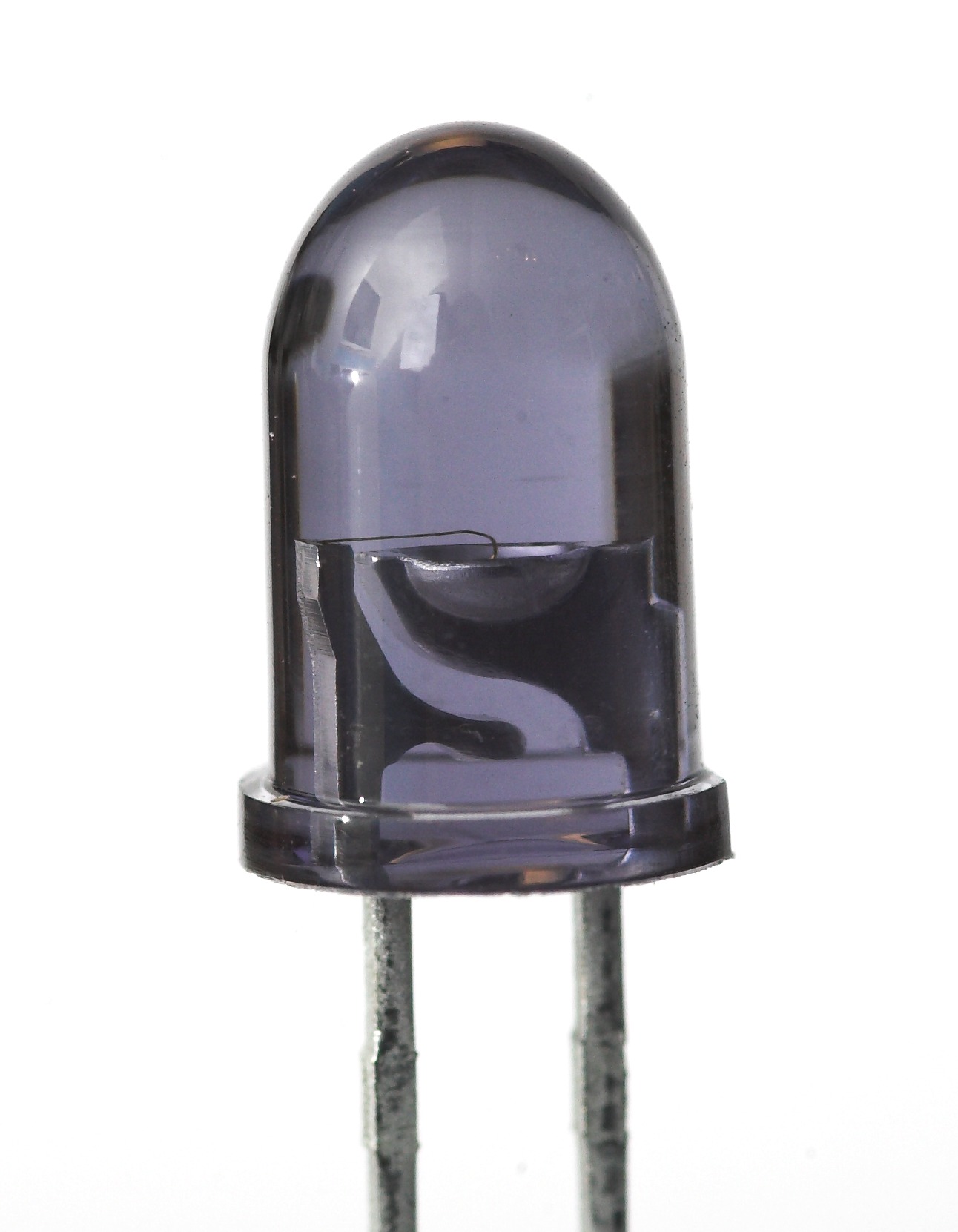
Infrared LED component with two leads (Source: Wikimedia Commons)
Each type is selected based on emission wavelength, power consumption, and environmental durability, often tailored to specific Kenyan industrial needs.
LEDs offer numerous advantages:
Limitations include sensitivity to static and voltage spikes, and the need for proper heat dissipation to maintain performance, important considerations for engineers designing circuits in Kenya’s variable climate conditions.
Organic Light Emitting Diodes (OLEDs) are a specialized form of LEDs that use organic compounds to emit light. They are increasingly popular in display technology due to superior image quality and flexibility.
OLEDs consist of thin layers of organic molecules sandwiched between electrodes. When voltage is applied, electrons and holes recombine in the organic layer, producing light. Unlike conventional LEDs, OLEDs emit light across the entire surface, enabling thinner and more flexible displays.
OLED technology is prominent in high-end smartphones, television screens, and wearable devices. Kenyan electronics technicians servicing mobile devices at retail outlets or repair centres benefit from knowledge of OLED properties, enabling accurate diagnostics and maintenance.
OLED displays provide:
Challenges include susceptibility to moisture damage and limited lifespan compared to inorganic LEDs, requiring careful handling and protection in Kenyan humid environments.
Laser diodes emit coherent light with high intensity and directionality, essential in optical communication and precision measurement devices.
Laser diodes operate on the principle of stimulated emission, where electrons in a semiconductor material are excited to emit photons in phase. The device uses a resonant cavity to amplify this light, producing a narrow-focused beam. Kenyan engineers utilize laser diodes in fiber optic communication systems to transmit data over long distances with minimal loss.
Laser diodes are used in:
Fiber Optic Transmitters: For internet and telephony infrastructure.
Barcode Scanners: In retail and logistics sectors.

Laser printer with toner cartridges exposed (Source: Wikimedia Commons)
Performance parameters include wavelength, output power, threshold current, and beam divergence, which must be optimized for specific applications.
Laser diodes emit intense light capable of eye damage. Safety protocols in Kenyan electronics workshops include using protective eyewear and controlled environments. Proper heat sinking and current regulation are necessary to maintain device longevity.
Photo transistors are semiconductor devices that amplify electrical signals generated by incident light, commonly used in sensing and switching applications.
Photo transistors are similar to regular transistors but have a light-sensitive base region. When light strikes the base, it generates charge carriers that increase the transistor’s conductivity, producing an amplified output current. This feature allows Kenyan engineers to design light-sensitive switches and detectors for security and automation systems.
Photo transistors come in:
Sensitivity varies with wavelength and device area, influencing suitability for applications like ambient light sensing in smart devices used in Kenyan schools and offices.
Applications include:
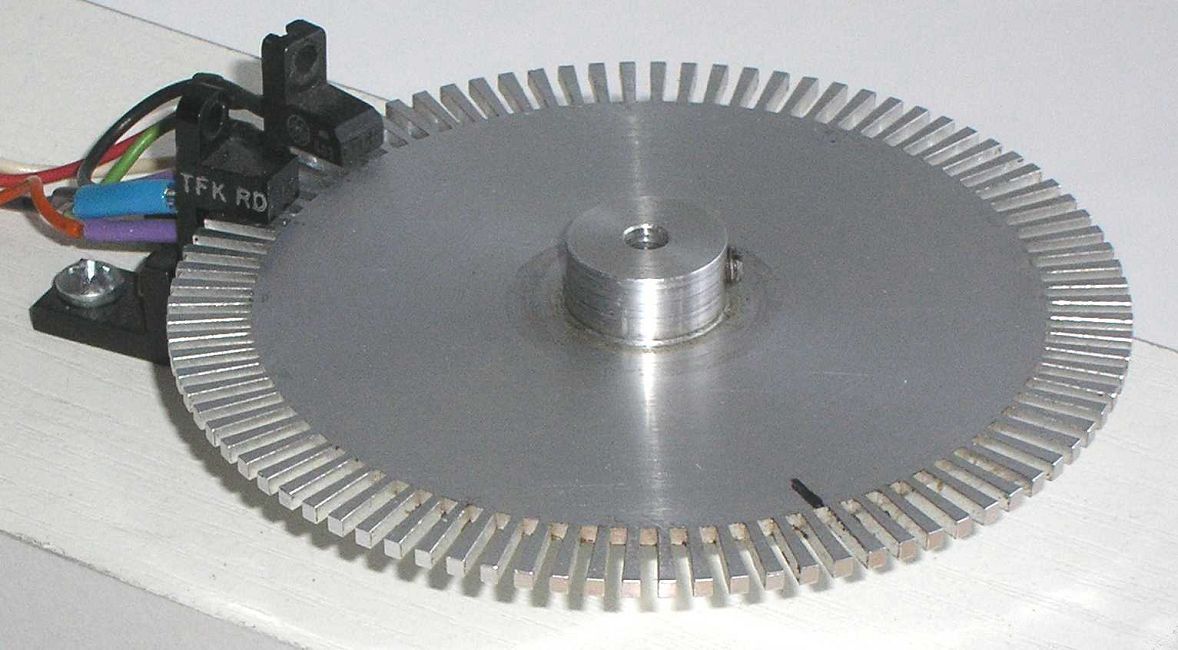
Optical encoder with slotted disk and sensor (Source: Wikimedia Commons)

Gossen Sixtus electronic light meter (Source: Wikimedia Commons)
Automatic Lighting Controls: Saving energy in buildings.
Security Systems: Detecting intrusions via light interruption.
Limitations involve slower response times compared to photodiodes and susceptibility to temperature variations, requiring compensation in design.
Photo diodes convert light into electrical current with fast response and high sensitivity, widely used in communication and measurement systems.
Photo diodes operate by generating electron-hole pairs when photons strike the depletion region of a p-n junction. Variants include:
Kenyan engineers employ photo diodes in fiber optic receivers, environmental monitoring instruments, and medical imaging devices.
Key characteristics are:
Optimizing these parameters is crucial for reliable system performance in telecommunications and instrumentation.
Photo diodes are often paired with amplifiers and filters to enhance signal quality. In Kenyan county hospitals, they form part of pulse oximeters and other diagnostic tools, demanding precise calibration and maintenance.
Optocouplers provide electrical isolation between input and output circuits by transmitting signals via light, enhancing safety and noise immunity.
An optocoupler consists of an LED that emits light when energized and a photodetector (photo transistor or photo diode) that receives this light to produce a corresponding electrical signal. This optical link prevents direct electrical connection, crucial in protecting sensitive electronics from high voltages or noise.
Optocouplers are widely used in:
Switching power supplies: To isolate control and power sections.
Microcontroller interfaces: Ensuring safe communication with high-voltage devices.
Their implementation improves system reliability and operator safety.
Design factors include:
Limitations involve bandwidth constraints and degradation over time due to LED aging.
Light-Activated Silicon Controlled Rectifiers (LASCRs) are semiconductor devices triggered by light, combining SCR functionality with optical control.
LASCRs remain off until illuminated by light of sufficient intensity, which generates charge carriers to trigger the device into conduction. This feature allows remote or contactless triggering, useful in hazardous or inaccessible locations.
Applications include:
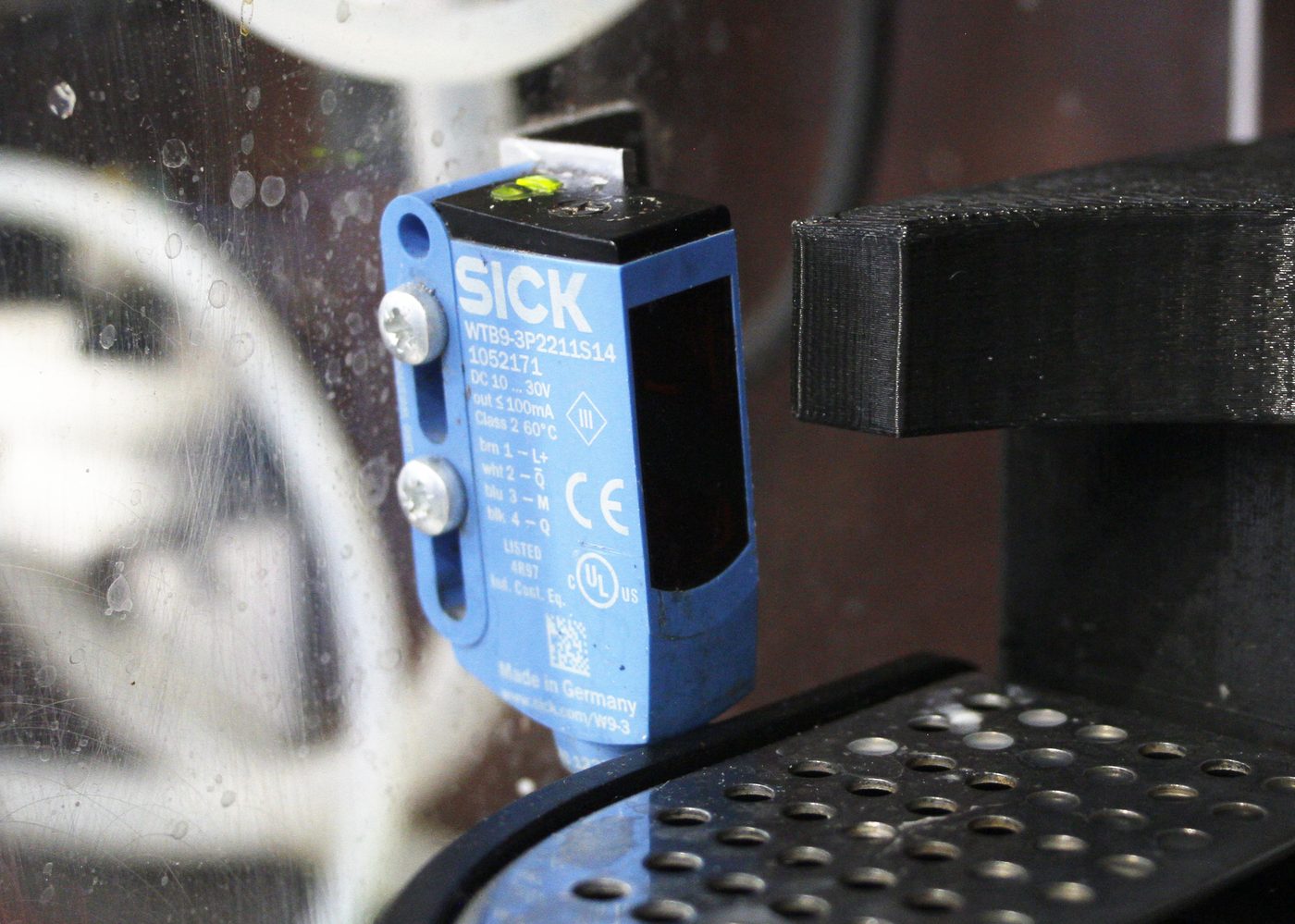
Light-activated switch sensor device (Source: Wikimedia Commons)
The benefit is elimination of electrical triggers, reducing risk of sparks or faults.
Challenges include:
Maintenance involves periodic testing and ensuring clean optical paths in Kenyan industrial environments.
Create a free account to open more of this chapter.
Free: practical guides, quick cards, workplace scenarios and more.
Create a free accountThis chapter explored a range of opto-electronic devices, starting with light-emitting diodes (LEDs) and organic LEDs (OLEDs), which are essential for efficient light generation in various electronic applications. The discussion then covered laser diodes, emphasizing their coherent light emission used in communication and precision tools. Photo transistors and photo diodes were examined as critical components for light detection and signal conversion in sensing circuits. The chapter also highlighted the role of optocouplers in providing electrical isolation while transmitting signals optically, alongside LASCR devices used for controlled switching in power electronics. Liquid crystal displays were analyzed with a focus on dynamic scattering and field effect scattering types, illustrating how liquid crystals modulate light for visual output. The characteristics and distinctions of LASERs and MASERs were outlined, highlighting their applications in amplification and emission of electromagnetic waves. Finally, the chapter reviewed the broad applications of opto-electronics across industries, demonstrating their significance in modern technology.
At the start of this chapter we promised you would be able to:
Tick each one you can genuinely do.
So, are you there yet?
You're competent when you can confidently do 50% or more of what this chapter promised.
Sign in to record how you're doing.