Managing workshop waste is a critical responsibility for plumbing professionals in Kenya, ensuring a safe and efficient working environment. Proper waste management not only protects workers from health hazards but also contributes to environmental sustainability and regulatory compliance. This chapter focuses on the essential personal protective equipment required when handling workshop waste and the tools and equipment necessary for effective waste management in plumbing workshops.
5.1 Personal Protective Equipment's
5.1.1 Types of Personal Protective Equipment for Waste Handling
Identifying appropriate PPE types is vital for safeguarding plumbing workers during waste management tasks. The following are key PPE categories used in plumbing workshops:
- Gloves: Protect hands from cuts, abrasions, and chemical exposure. For example, heavy-duty rubber gloves are essential when handling wastewater or chemical solvents.
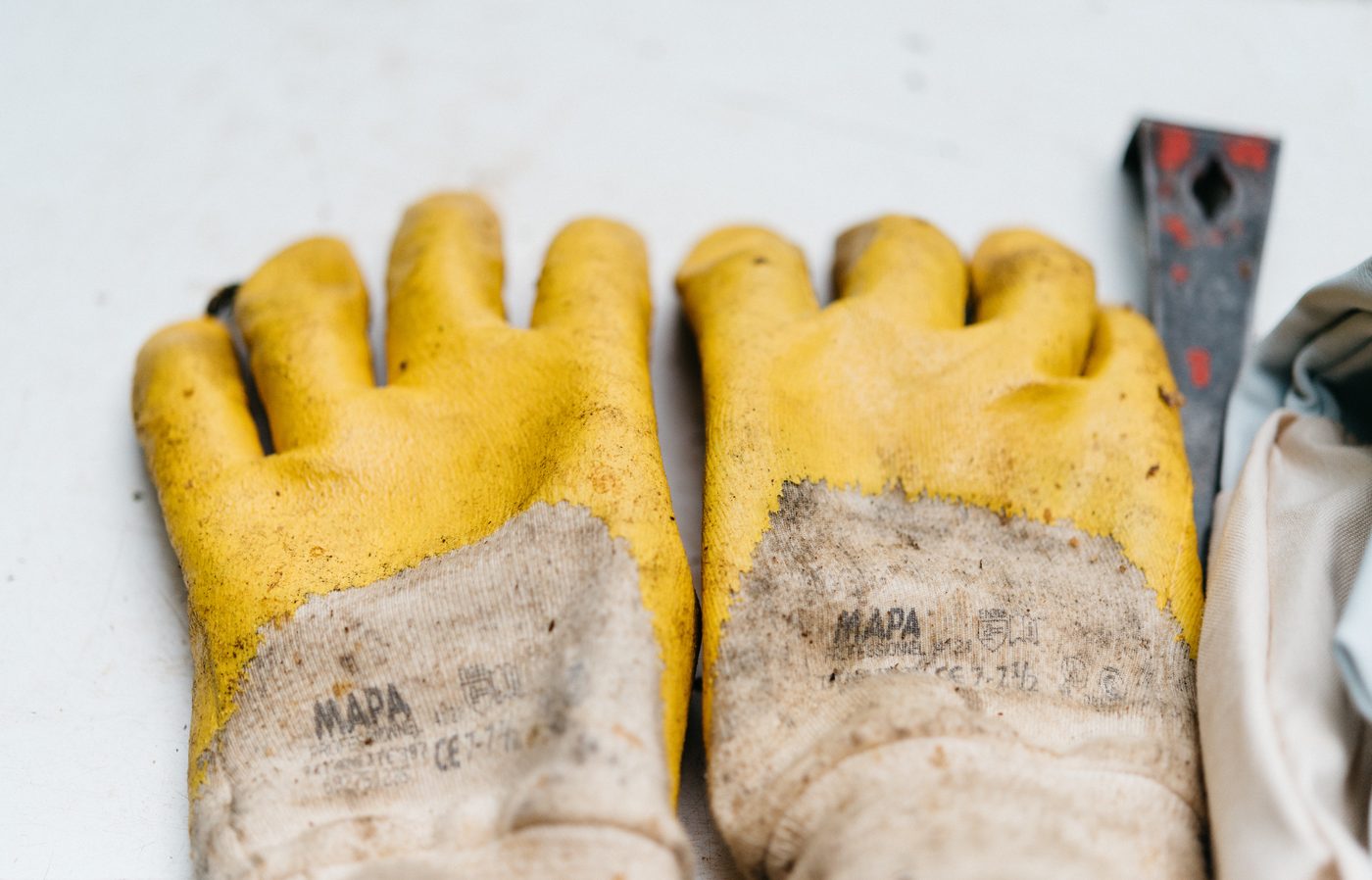
Pair of yellow work gloves used in carpentry (Source: Wikimedia Commons)
- Eye Protection: Safety goggles prevent splashes of hazardous liquids or particles from entering the eyes, crucial when cleaning or disposing of contaminated plumbing materials.
- Respirators or Masks: Used to guard against inhalation of dust, fumes, or pathogens, especially when disposing of moldy or dusty waste.
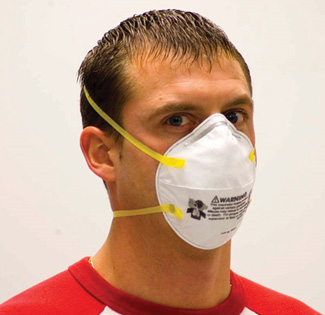
The image shows a person wearing a Filtering Facepiece Air-Purifying R (Source: 27633cdf5dd33a27)
- Protective Clothing: Overalls or aprons shield the body and clothing from dirt, contaminants, and sharp objects commonly found in plumbing waste.
- Safety Boots: Steel-toed boots protect feet from heavy falling objects and punctures from sharp waste materials such as nails or metal scraps.

A pair of safety boots (Source: ENVIRONMENTAL LITERACY)
5.1.2 Importance of PPE in Plumbing Waste Management
Using PPE effectively reduces occupational hazards and promotes health and safety compliance in Kenyan plumbing workshops. The significance of PPE includes:
- Prevention of Injuries: Gloves and boots reduce cuts and puncture wounds from sharp plumbing waste like pipe ends and metal fittings.
- Protection from Chemical Exposure: Plumbing waste may contain residues from sealants, adhesives, or cleaning agents that can harm skin and lungs.
- Minimizing Infection Risks: Waste such as used sanitary pipes or water samples can harbor bacteria and viruses, making PPE critical to avoid contamination.
- Compliance with Safety Regulations: Proper PPE use aligns with Kenyan OSHA standards, avoiding penalties and fostering a culture of safety.
- Enhancing Worker Confidence: When workers have adequate protection, they perform tasks more efficiently and with less fear of injury.
5.1.3 Selection Criteria for PPE in Plumbing Workshops
Choosing the right PPE depends on the waste type and the specific tasks involved. Key considerations include:
- Hazard Assessment: Identify chemical, physical, and biological risks associated with plumbing waste to select suitable PPE.
- Material Compatibility: Ensure gloves and clothing materials are resistant to expected chemicals like acids or solvents used in plumbing.
- Comfort and Fit: Ill-fitting PPE reduces compliance; gloves and masks must fit well to allow dexterity and clear breathing.
- Durability and Maintenance: PPE should withstand repeated use and be easy to clean or dispose of safely.
- Cost and Availability: In Kenyan workshops, budget constraints may affect PPE choice, but quality must not be compromised for affordability.
5.1.4 Maintenance and Proper Use of PPE
Maintaining PPE in good condition is crucial for continued protection. Best practices for PPE care include:
- Regular Inspection: Check gloves, boots, and goggles for tears, cracks, or wear before each use.
- Cleaning: Wash reusable PPE like goggles and boots after handling waste to prevent contamination.
- Storage: Store PPE in clean, dry areas away from direct sunlight to avoid degradation.
- Replacement: Discard PPE that is damaged or no longer effective, such as cracked gloves or expired respirators.
- Training: Educate workers on correct donning and doffing procedures to avoid self-contamination.
The rest of this chapter
🔒Create a free account to open more of this chapter.
Free: practical guides, quick cards, workplace scenarios and more.
Create a free account 🔒5.2 Waste Management Tools and Equipment
Effective waste management in plumbing workshops requires specialized tools and equipment designed to handle various waste types safely and efficiently. Kenyan plumbing professionals must be familiar with these resources to maintain cleanliness and comply with…
🔒5.3 Waste Collection
In plumbing workshops across Kenya, proper waste collection is essential to maintain a safe, clean, and efficient working environment. Plumbing activities generate various wastes such as metal offcuts, plastic pipes, soldering residues, and packaging materials…
🔒5.4 Waste Segregation
Waste segregation is a critical component of workshop waste management that involves separating waste into categories for safer handling, recycling, and disposal. In Kenyan plumbing workshops, segregation supports compliance with environmental laws, reduces la…
🔒5.5 Waste Disposal
Proper waste disposal is a critical aspect of workshop management in plumbing, especially given the variety of materials and substances handled daily. In Kenya, where environmental regulations have become more stringent under bodies like NEMA, plumbing profess…
Chapter Summary
This chapter explored the critical role of personal protective equipment in ensuring safety while managing workshop waste, emphasizing the need for appropriate gear to prevent injuries and exposure to harmful materials. It detailed various waste management tools and equipment essential for efficient workshop cleanliness, including dust bins, shovels, brooms, dust blowers, dust pans, wheelbarrows, and trowels, each serving a specific function in handling and transporting waste. The process of waste collection was examined, highlighting systematic approaches to gather waste effectively from different workshop areas. Waste segregation was addressed as a fundamental practice for separating hazardous and non-hazardous materials to facilitate recycling and safe disposal. Finally, the chapter covered waste disposal methods that comply with environmental regulations and promote sustainable workshop operations, ensuring that waste is handled responsibly to minimize environmental impact. Together, these topics provide a comprehensive understanding of managing workshop waste safely and efficiently.
Self-Assessment
🔒 PDFDownload this self-assessment, with answers
A. Written Assessment
-
Which of the following is NOT a common personal protective equipment (PPE) used in plumbing workshops? (2 marks)
a) Safety goggles
b) Welding mask
c) Ear plugs
d) Hard hat
-
Explain why the use of dust bins is critical in managing workshop waste. (3 marks)
🔒20 more in this section.
Chapter Examination Questions
🔒 PDFDownload these examination questions, with worked answers
SECTION A (40 Marks) - Answer ALL Questions
- Identify five types of personal protective equipment commonly used by plumbing workshop technicians and explain their importance. (4 marks)
- Describe the purpose of a dust bin and explain how it contributes to effective waste management in a plumbing workshop. (4 marks)
🔒18 more in this section.
