Carpentry skills are essential for plumbing professionals in Kenya, as many plumbing installations require custom wooden frameworks, supports, or fixtures. Understanding how to safely and effectively work with wood enhances a plumber's ability to create durable, precise structures that support piping and equipment. This chapter focuses on developing carpentry skills within the plumbing context, starting with recognizing workshop safety hazards and mastering the use of essential carpentry tools and equipment.
3.1 Workshop Safety Hazards
Plumbing workshops in Kenya often combine woodworking, metalwork, and plumbing installations, creating a complex environment where safety hazards abound. Identifying and mitigating these hazards protects workers from injuries and ensures compliance with occupational safety standards enforced by bodies such as the Directorate of Occupational Safety and Health Services (DOSHS). Awareness of common workshop hazards forms the foundation for a safe working environment.
3.1.1 Fire
Fire is one of the most serious hazards in a carpentry workshop because timber, sawdust, wood shavings, glues, varnishes and solvents all burn easily. A fire needs fuel, heat and oxygen, known as the fire triangle, and removing any one of them puts it out. In plumbing and carpentry workshops, heat sources include blowtorches used for soldering, sparks from grinders, overheated machine motors, faulty wiring and careless smoking. Example: at a furniture workshop serving a girls' boarding school, a pile of sawdust under a planer is ignited by an overheated motor, but the fire is put out quickly because an extinguisher hangs nearby.
Causes of fires in carpentry workshops
- Accumulated sawdust and shavings: Fine wood waste ignites easily and spreads fire quickly.
- Flammable finishes and solvents: Varnish, thinners, paint and spray products give off flammable vapours.
- Hot work: Blowtorches, soldering and grinding produce flames and sparks.
- Overheated machines: Blunt blades and overloaded motors overheat and can ignite dust.
- Electrical faults: Damaged cables and overloaded sockets overheat.
- Smoking and naked flames: Cigarettes and matches near wood waste start fires.
Fire prevention measures
- Remove waste regularly: Sweep and remove sawdust and offcuts into metal bins daily.
- Store finishes safely: Keep varnish, thinners and glue in closed containers in a ventilated store.
- Control hot work: Clear wood waste before soldering or grinding and keep an extinguisher close.
- Maintain machines: Keep blades sharp and clean dust from motors.
- Provide fire equipment: Place suitable extinguishers and fire blankets near exits.
- Ban smoking: Prohibit smoking and naked flames in the workshop.
Steps on discovering a workshop fire
- Raise the alarm: Shout "Fire!" and activate the alarm.
- Switch off machines and power: Isolate electricity if it is safe to do so.
- Assess the fire: Decide whether it is small enough to tackle safely.
- Use the right extinguisher: Water or foam for wood fires, carbon dioxide for electrical equipment.
- Keep an escape route: Fight the fire with an exit behind you.
- Evacuate if it spreads: Leave by the nearest safe exit and close doors behind you.
- Call emergency services: Report the fire and its exact location.
- Account for everyone: Gather at the assembly point and do a head count.
3.1.2 Explosion
An explosion is a sudden release of energy that produces a blast wave, heat and flying debris, often followed by fire. In carpentry and plumbing workshops, explosions may come from fine wood dust clouds, leaking gas cylinders used for soldering, aerosol cans heated near flames, overpressurised compressors and flammable vapours from spraying finishes. Example: in a joinery shop making desks for a county polytechnic, spraying lacquer in a closed room builds up vapour that could ignite from a spark from the light switch, so spraying is moved to a ventilated booth.
Causes of explosions
- Dust explosions: Fine sawdust suspended in air can ignite violently from a spark.
- Gas cylinder leaks: LPG and other gases collect in enclosed spaces and ignite.
- Flammable vapours: Vapours from spraying, thinners and adhesives ignite in poorly ventilated rooms.
- Heated aerosol cans: Spray cans burst when exposed to heat or flame.
- Compressor failure: Air receivers burst if safety valves fail or tanks are corroded.
Prevention of explosions
- Extract dust: Use dust extraction systems and avoid dust clouds.
- Store cylinders properly: Keep cylinders upright, chained and away from heat.
- Check for leaks: Test gas connections with soapy water, never with a flame.
- Ventilate spraying areas: Spray finishes in ventilated booths away from ignition sources.
- Maintain compressors: Drain receivers and test safety valves regularly.
- Keep aerosols cool: Store spray cans away from heaters, sunlight and hot work.
3.1.3 Fumes and gases
Fumes, gases and airborne dust are breathed in during workshop activities and can cause irritation, headaches, allergic reactions, poisoning and long-term lung disease. In carpentry workshops they come from wood dust, glues, varnishes, paints, wood preservatives, solvents and soldering. Some hardwood dusts and preservatives are linked to serious respiratory illness after long exposure. Example: trainees varnishing doors for a parish hall in a closed room develop headaches, which stop once windows are opened and an extractor fan is switched on.
Sources of fumes, gases and dust
- Dust and Debris: Wood dust and metal shavings can irritate eyes and respiratory systems, necessitating dust extraction systems and protective masks.
- Wood Treatments and Adhesives: Some wood preservatives, paints, and glues contain harmful chemicals that can cause skin irritation or respiratory problems.
- Solvents and Cleaners: Used for equipment maintenance, these substances require proper ventilation and protective gloves.
- Soldering and brazing fumes: Flux and metal fumes released when joining pipes.
- Engine exhaust: Petrol generators give off carbon monoxide if run indoors.
Control measures
- Respirators: Masks prevent inhalation of harmful dust and fumes.
- Ventilation: Open windows and use extractor fans when gluing, varnishing and spraying.
- Dust extraction: Connect machines to extraction units.
- Use safer products: Choose water-based glues and finishes where possible.
- Keep containers closed: Close lids on solvents and finishes when not in use.
- Run engines outdoors: Never operate fuel-driven equipment in enclosed spaces.
3.1.4 Electric shock
Electric shock happens when current passes through the body, causing burns, muscle spasms, falls, cardiac arrest and death. Carpentry workshops rely on power tools and machines such as saws, planers, routers and drills, and plumbing work brings water close to electrical equipment, which increases the risk. Example: a joiner at a sawmill supplying a construction company receives a shock from a drill with a cut cable, but the residual current device trips and prevents serious injury.
Causes of electric shock
- Faulty Wiring: Damaged cables or improper grounding can lead to electric shocks.
- Wet Conditions: Water near electrical tools increases electrocution risks, especially in plumbing workshops where water is prevalent.
- Damaged plugs and casings: Cracked casings expose live parts.
- Cutting through cables: Saws and drills cut their own leads or hidden wiring.
- Overloaded sockets: Many machines on one socket overheat the insulation.
Prevention of electric shock
- Inspect tools before use: Check cables, plugs and casings for damage.
- Use residual current devices: RCDs cut power quickly when current leaks.
- Keep leads away from blades: Route cables so they cannot be cut.
- Keep electrics dry: Keep tools and leads away from water and wet floors.
- Isolate before maintenance: Unplug machines before changing blades or cleaning.
- Use qualified electricians: Only qualified persons repair electrical equipment.
Worked example: current through the body
Current = voltage ÷ body resistance
A worker with wet hands touches a 240 V live part, and the body resistance is about 1,000 Ω.
Current = 240 ÷ 1,000 = 0.24 A
Current = 240 mA, which is far above the 30 mA level at which an RCD trips and can stop the heart.
Steps for helping a person receiving an electric shock
- Do not touch the person: You could receive the shock yourself.
- Switch off the supply: Turn off at the switch, plug or main isolator.
- Use an insulator if needed: Push the source away with dry wood or plastic.
- Call for help: Summon a first aider and emergency services.
- Check breathing: Check response and breathing.
- Give first aid: Start CPR if trained and needed, and cover burns.
- Report the incident: Record the accident and withdraw the faulty tool from use.
3.1.5 Spilt oil/water
Spilt oil and water make floors slippery and are a common cause of slips and falls, especially near machines where a fall can bring hands into contact with blades. Oil leaks from machines and compressors, lubricating oil is spilled during maintenance, and water comes from plumbing work, cleaning and leaking pipes. Water also spoils timber and creates electrical danger. Example: at a workshop making cabinets for a hotel, oil dripping from a planer gearbox makes the floor slippery, so the leak is repaired and the area cleaned with sawdust and detergent.
Hazards from spills
- Slips, Trips, and Falls: Spilled liquids, scattered tools, and uneven floors increase fall risks. Keeping the workspace tidy and dry is essential.
- Contact with machines: Slipping near a running machine can cause serious cuts or amputations.
- Electrical danger: Water reaching tools and sockets causes shocks.
- Fire risk: Oil-soaked sawdust burns easily.
- Damage to timber and materials: Water stains, swells and warps timber.
Prevention of spills
- Housekeeping: Maintaining a clean workspace reduces trip hazards.
- Maintain machines: Repair oil leaks and use drip trays.
- Handle liquids carefully: Use funnels and close containers after use.
- Test plumbing work over trays: Collect water when testing pipes and fittings.
- Use non-slip floors and mats: Provide good grip in wet areas.
Steps for cleaning up an oil or water spill
- Warn others: Place a warning sign or cone around the spill.
- Stop the source: Close taps, valves or containers and switch off leaking machines.
- Contain the spill: Surround it with absorbent material to stop it spreading.
- Absorb or mop: Absorb oil with sawdust or absorbent pads and mop water.
- Dispose of waste safely: Put oily absorbents into a labelled metal bin.
- Clean the floor: Wash with detergent to remove residue.
- Dry the area: Make sure the floor is dry before removing the sign.
- Report and repair: Record the spill and fix the cause.
3.1.6 Other workshop hazards
Workshop hazards in carpentry and plumbing settings can arise from various sources, including equipment, materials, and environmental conditions. Recognizing these hazards helps workers take preventive measures to avoid accidents.
- Sharp Objects: Tools like saw blades, chisels, and nails pose risks of cuts and puncture wounds. Careful handling and proper storage reduce injury likelihood.
- Moving Machinery: Power tools with rotating parts, such as circular saws and planers, can cause entanglement or amputations if guards are absent or bypassed.
- Noise: Prolonged exposure to loud machinery can cause hearing loss. Use of ear protection is critical.
3.1.7 Effects of workshop hazards on workers and operations
Hazards not only endanger physical health but also affect overall productivity and project timelines. Injuries can lead to absenteeism, reduced morale, and increased costs due to medical care and compensation claims.
- Physical Injuries: Cuts, burns, fractures, and respiratory illnesses can incapacitate workers for extended periods.
- Psychological Impact: Fear of accidents can reduce worker confidence and efficiency.
- Equipment Damage: Unsafe practices may result in tool breakage, leading to costly repairs or replacements.
- Legal Consequences: Failure to comply with occupational safety regulations can result in fines or shutdowns by DOSHS.
3.1.8 Personal protective equipment and safe work practices
Implementing safety protocols minimizes the occurrence and impact of workshop hazards. These measures also foster a culture of safety awareness among plumbing carpenters.
Personal Protective Equipment (PPE)
- Gloves: Protect hands from splinters, cuts, and chemical exposure.
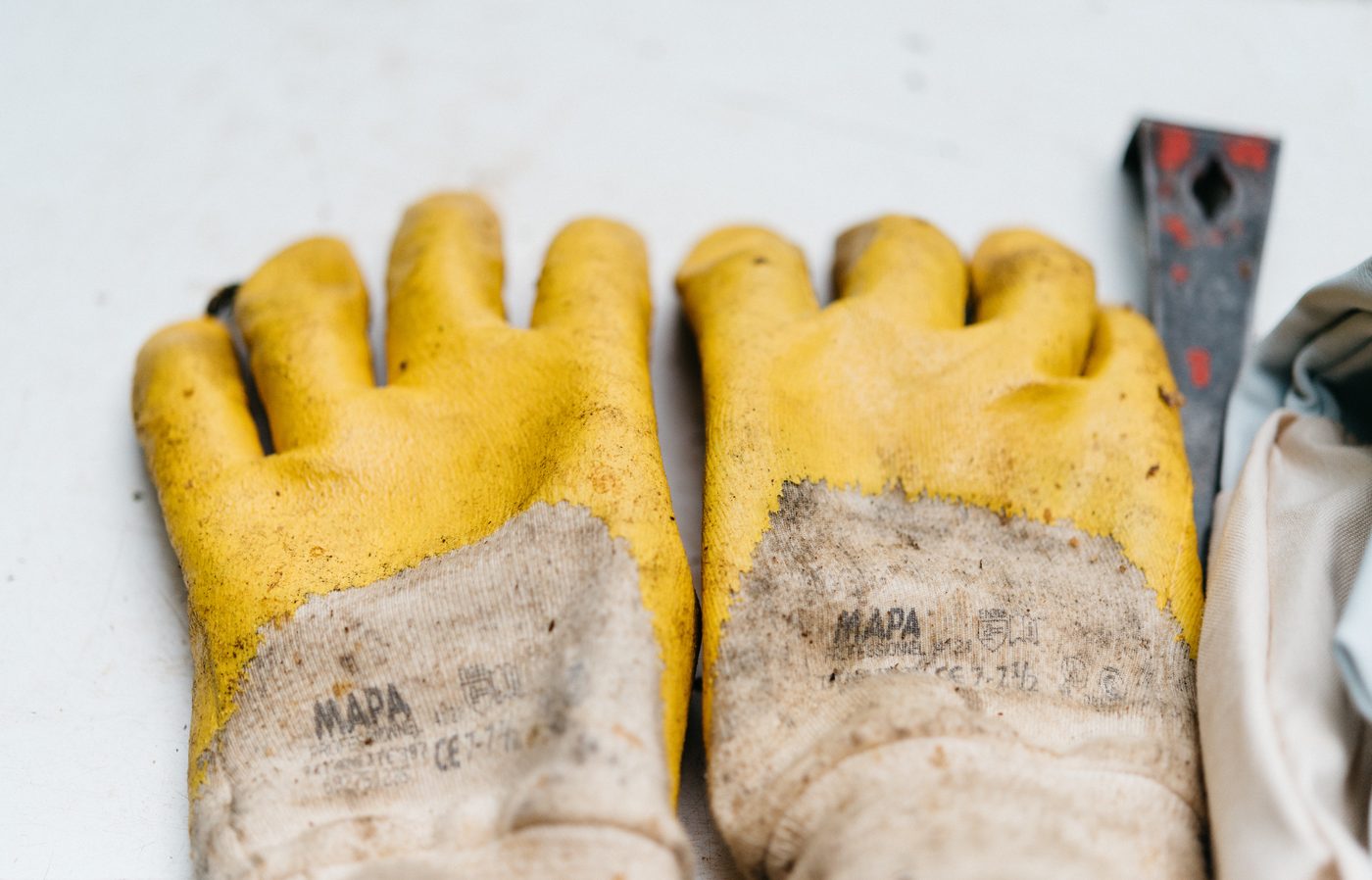
Pair of yellow work gloves used in carpentry (Source: Wikimedia Commons)
- Safety Goggles: Shield eyes from flying debris and dust.
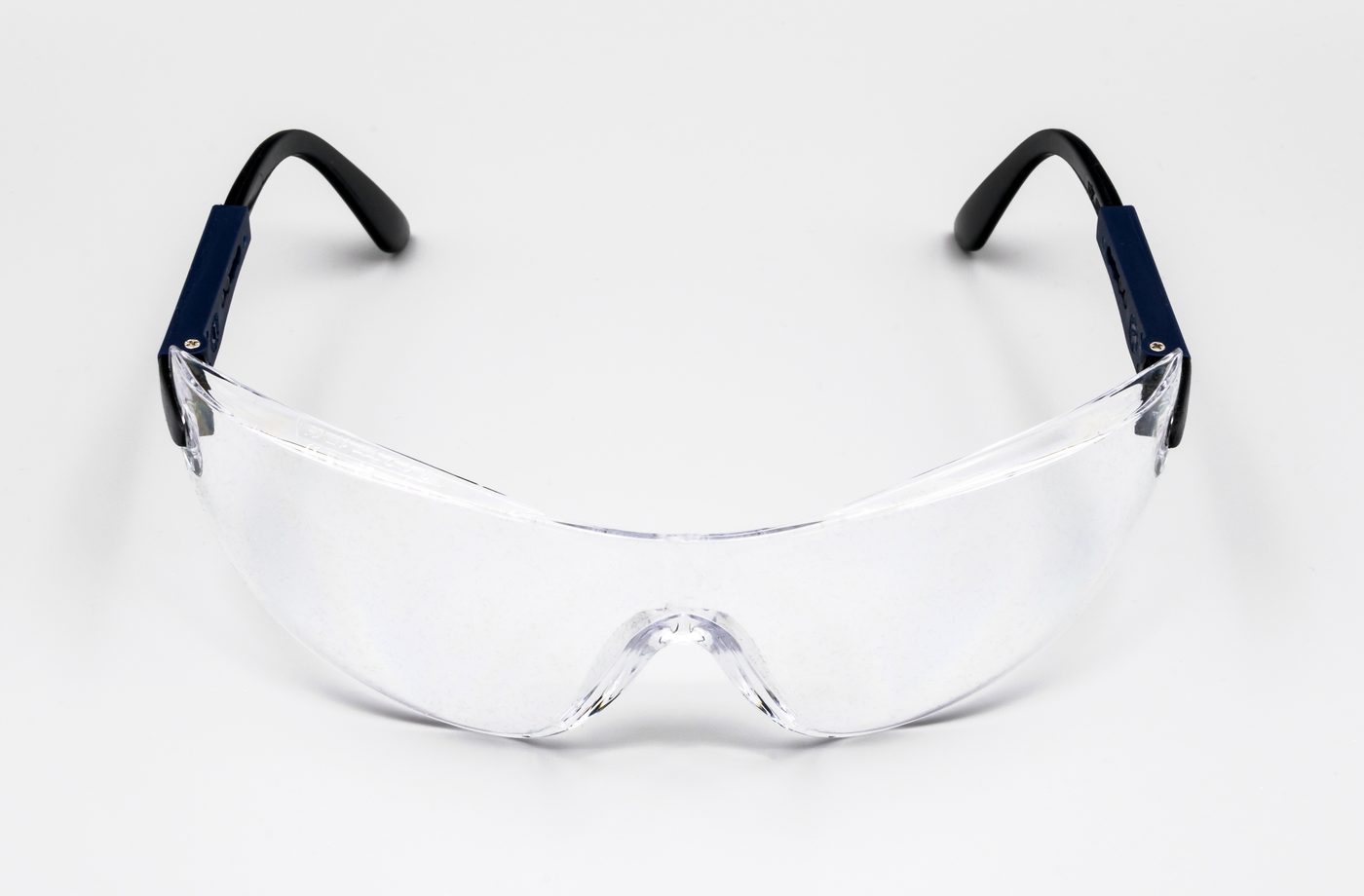
Clear safety goggles for eye protection (Source: Wikimedia Commons)
- Ear Protection: Earplugs or earmuffs reduce noise exposure.

Green ear protection earmuffs (Source: Wikimedia Commons)
- Safety Boots: Protect feet from heavy falling objects and punctures.
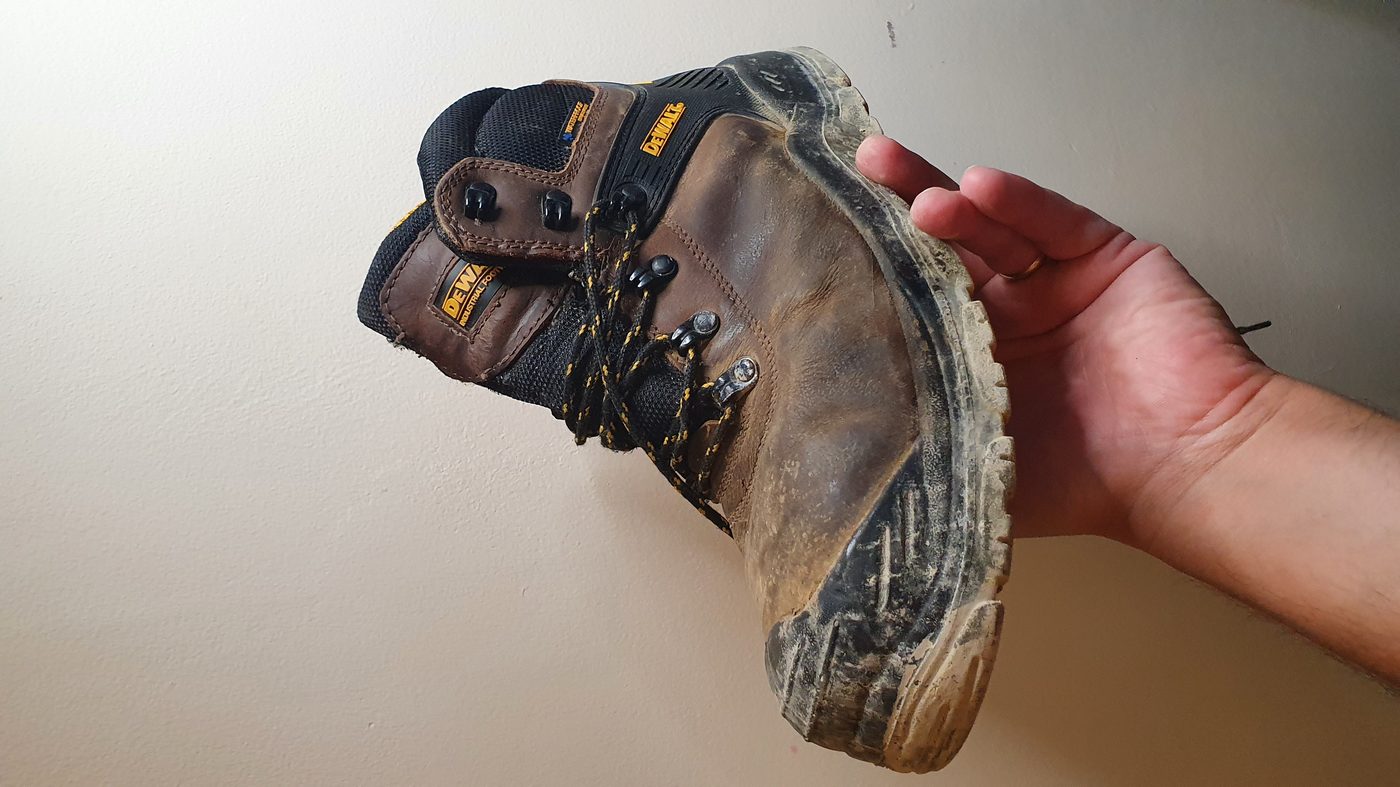
A single safety boot for industrial use (Source: Wikimedia Commons)
Safe Work Practices
- Tool Inspection: Regular checks ensure tools are in good working order.
- Proper Handling: Using tools as intended avoids accidents.
- Training: Workers must be trained on hazard identification and emergency procedures.
- Emergency Preparedness: Accessible first aid kits and clear evacuation routes improve response to incidents.
3.1.9 Legal and regulatory framework for workshop safety
Kenyan laws and regulations provide guidelines and enforcement mechanisms for workshop safety, ensuring worker protection and organizational accountability.
Occupational Safety and Health Act (OSHA)
- Establishes duties for employers and employees to maintain safe workplaces.
- Requires risk assessments and safety training.
- Mandates reporting and investigation of accidents.
Directorate of Occupational Safety and Health Services (DOSHS)
- Conducts workplace inspections and enforces compliance.
- Provides safety advisory services and certification.
- Imposes penalties for violations.
National Environment Management Authority (NEMA)
- Regulates disposal of hazardous waste generated in workshops.
- Ensures environmental safety standards are met.
Compliance with these frameworks is critical for plumbing workshops, as non-adherence can lead to legal sanctions and reputational damage.
Practice Questions
- Explain five common physical hazards found in a plumbing workshop and how they can be identified. (10 marks)
- Describe the effects of workshop hazards on both workers and plumbing project outcomes. (10 marks)
- List and explain five preventive measures that plumbing professionals should implement to ensure workshop safety. (10 marks)
- Outline the role of DOSHS in enforcing workshop safety regulations in Kenya. (5 marks)
The rest of this chapter
🔒Create a free account to open more of this chapter.
Free: practical guides, quick cards, workplace scenarios and more.
Create a free account 🔒3.2 Carpentry Tools and Equipment
Carpentry tools are fundamental to plumbing professionals who construct wooden supports, frames, or fixtures to complement pipe installations. Mastery of these tools ensures accuracy, efficiency, and safety in workshop operations. This section details common c…
🔒3.3 Working Drawings
In plumbing-related carpentry work, working drawings serve as precise visual guides that communicate the layout, dimensions, and details necessary for constructing fixtures such as cabinets for sinks, pipe supports, or access panels. In Kenya, plumbing profess…
🔒3.4 Setting Out
Setting out is the process of transferring measurements and design details from working drawings to the actual work site or material, ensuring precise construction. For plumbing carpenters in Kenya, such as those fitting wooden frames for pipe supports or acce…
🔒3.5 Carpentry Procedures
Carpentry procedures are essential for plumbing professionals in Kenya who often need to fabricate wooden supports, construct frames for pipe installations, or create custom wooden fixtures on site. Mastery of these procedures ensures that plumbing installatio…
Chapter Summary
This chapter covered essential aspects of carpentry skills within a workshop environment, beginning with the identification of common safety hazards such as fire, explosion, fumes and gases, electric shock, and the risks posed by spilt oil or water. It then explored a variety of carpentry tools and equipment, including planes, saws, chisels, clamps, vices, gauges, files, drills, screwdrivers, and spanners, highlighting their specific uses in woodworking tasks. The importance of interpreting working drawings was emphasized through understanding plans, elevations, and sections to guide accurate construction. The process of setting out was discussed as a crucial step for marking out measurements on materials before work begins. Key carpentry procedures were detailed, covering measuring, cutting, planning, jointing, assembly, and applying finishes to ensure quality and durability in carpentry projects. Mastery of these skills supports safe, precise, and efficient work in various practical applications across the carpentry trade.
Self-Assessment
🔒 PDFDownload this self-assessment, with answers
A. Written Assessment
-
Which of the following is the most effective method to prevent fire hazards in a plumbing workshop?
a) Keeping oily rags in open containers
b) Storing flammable materials away from heat sources
c) Using electric tools near water without insulation
d) Allowing smoking inside the workshop
(2 marks)
-
Explain why electric shock is a common hazard in plumbing workshops and how it can be prevented. (3 marks)
🔒34 more in this section.
Chapter Examination Questions
🔒 PDFDownload these examination questions, with worked answers
SECTION A (40 Marks) - Answer ALL Questions
- Explain five common fire hazards found in plumbing workshops and how they can be prevented. (4 marks)
- Describe two potential causes of explosions in a plumbing workshop and the safety measures to control them. (4 marks)
🔒18 more in this section.
