
By the end of this chapter, you will be able to:
These skills are essential for building strong, safe structures and will help you become a confident and reliable professional in the construction trade.
Compiled by: Harun Maina
Erecting structural elements is a critical phase in building construction that demands precision, safety, and adherence to engineering specifications. In Kenya, where urban development is rapidly expanding, the role of building technologists in supervising and executing structural works is pivotal to ensuring durable and safe buildings. This chapter explores essential safety measures and practices, beginning with personal protective equipment (PPE), which safeguards workers from hazards encountered during the erection of structural components such as columns, beams, and slabs.
PPE refers to specialized clothing or equipment worn by workers to protect against health and safety risks on the job. Unlike general safety measures, PPE provides a personal barrier between the wearer and workplace hazards, which is crucial in environments where engineering controls cannot eliminate all risks. The purpose of PPE in structural works includes protecting against physical injuries, chemical exposure, and environmental hazards. For example, during the installation of reinforced concrete columns, workers wear gloves and helmets to guard against cuts and falling debris.
The range of PPE utilized in erecting structural elements is tailored to specific hazards encountered on site. Each type addresses a particular risk and must be selected based on the task and environment. In Kenyan construction sites, compliance with PPE standards ensures workers’ safety and legal adherence.
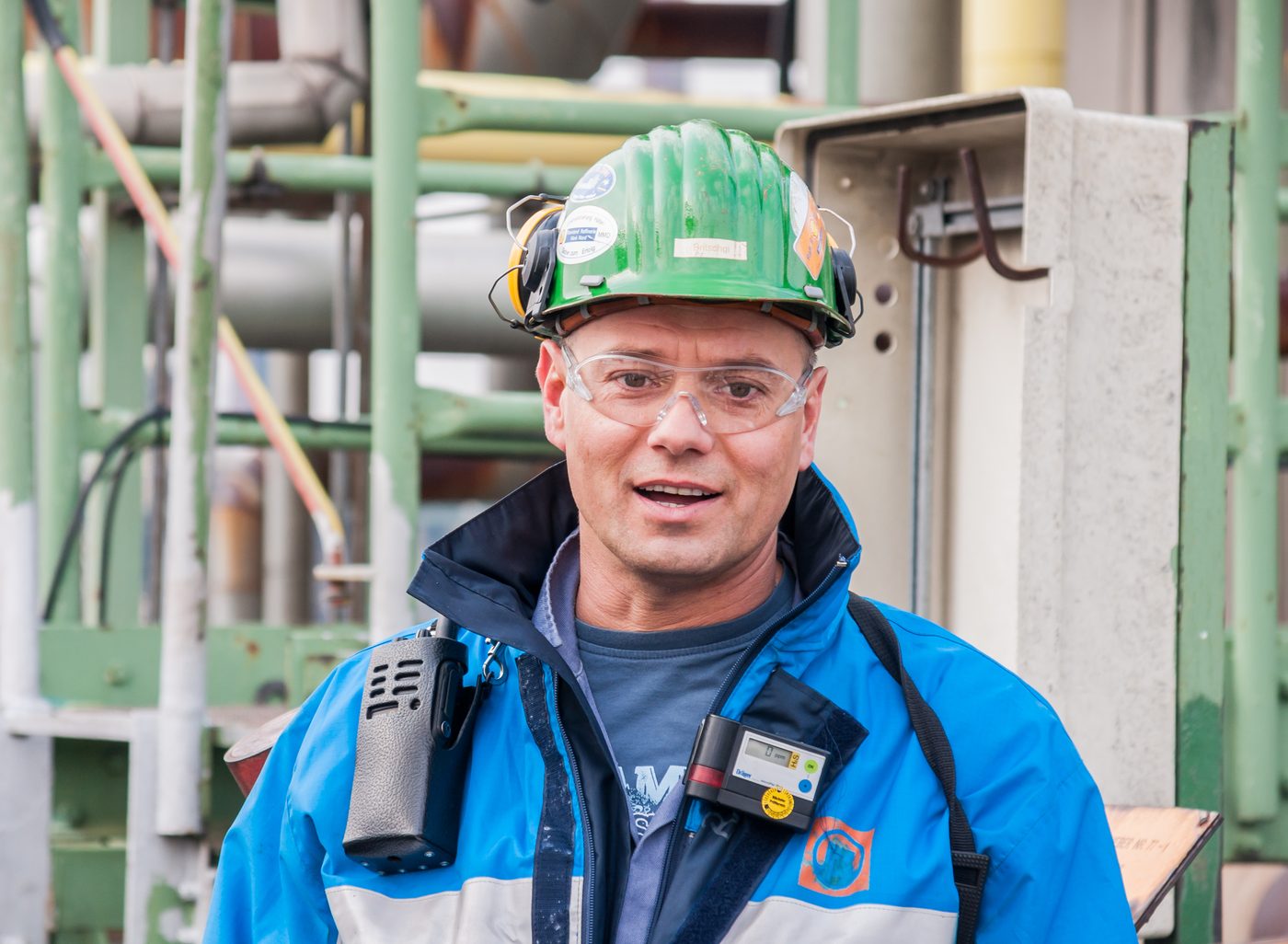
Green hard hat worn by worker (Source: Wikipedia (Hard hat))
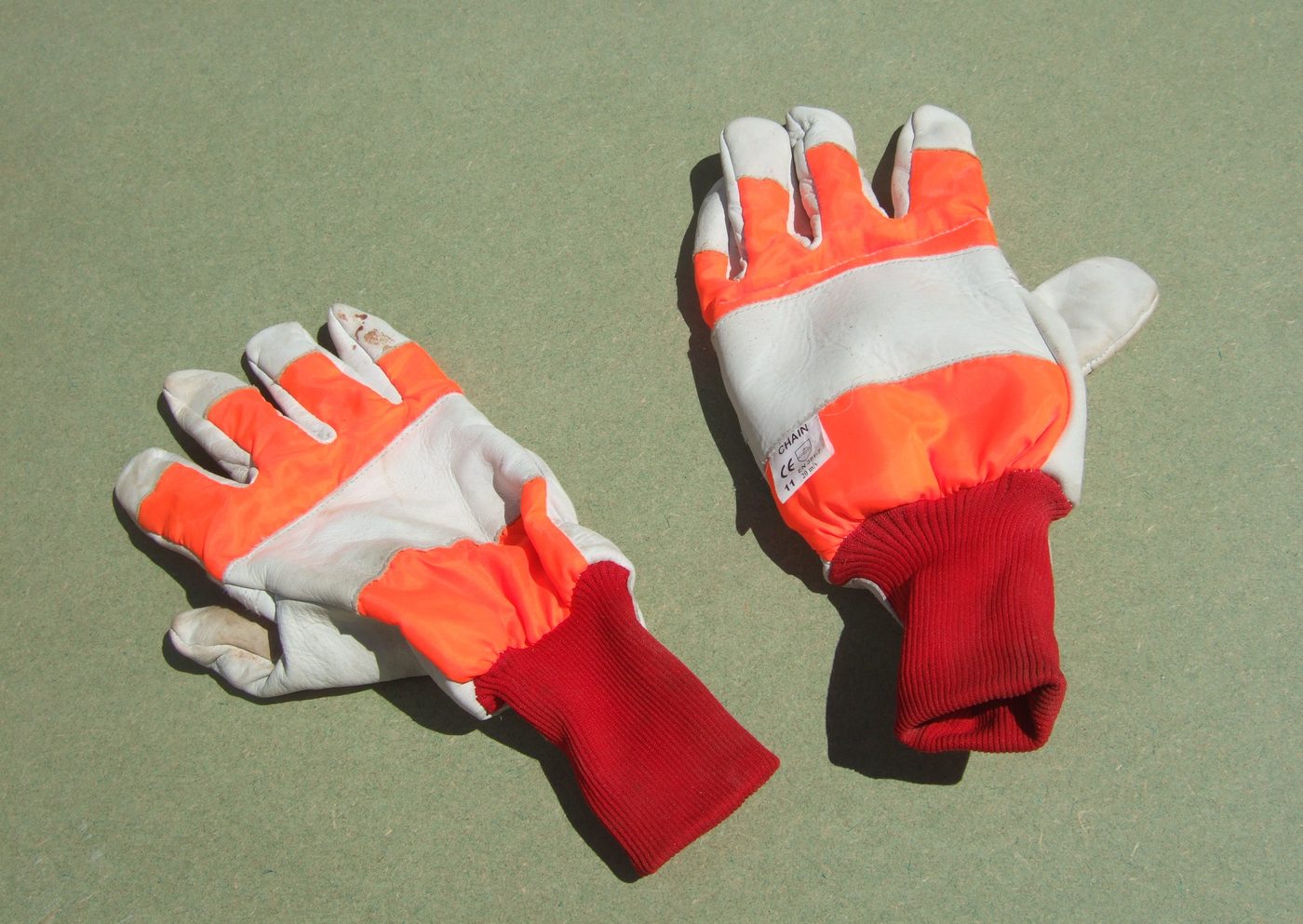
Pair of safety gloves for protection (Source: Wikimedia Commons)
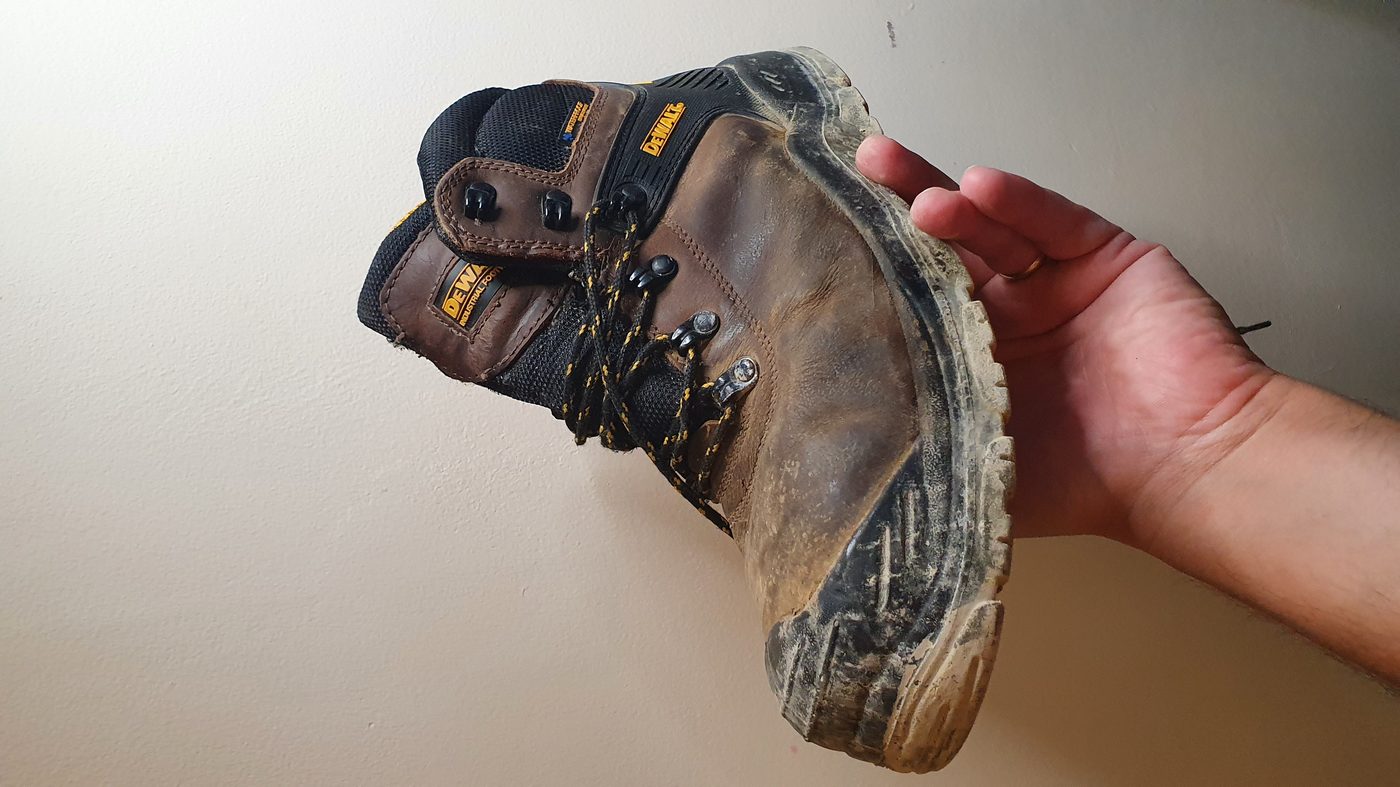
A single safety boot for industrial use (Source: Wikimedia Commons)
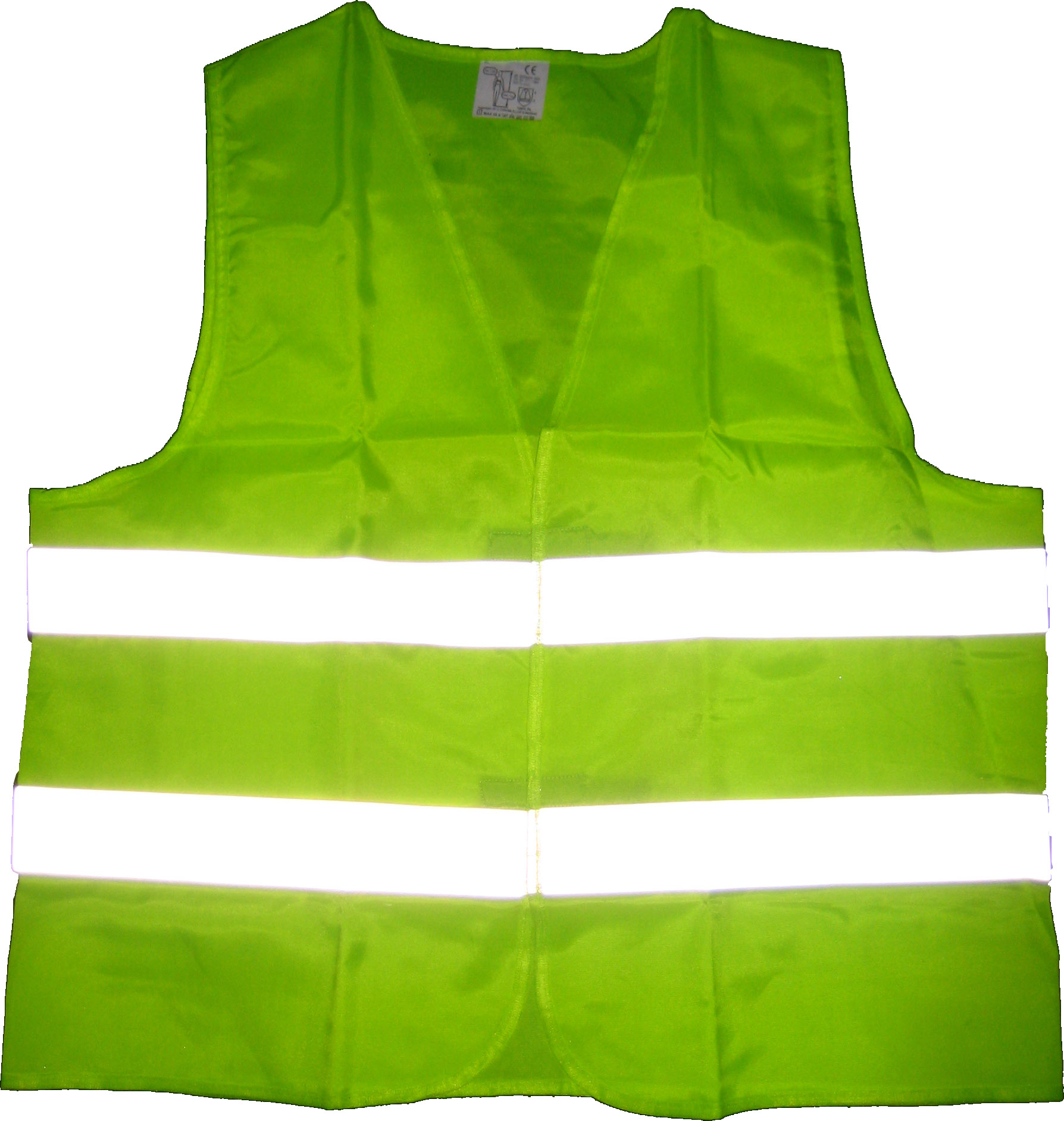
High-visibility safety vest (Source: Wikipedia (High-visibility clothing))
The effectiveness of PPE depends not only on its availability but also on correct usage and upkeep. Workers must be trained on how to fit and wear PPE properly, and supervisors should enforce compliance to prevent accidents. Maintenance includes regular inspection, cleaning, and timely replacement of damaged equipment.
Kenya’s occupational safety laws outline employer obligations to provide and enforce PPE use on construction sites. Compliance not only ensures worker safety but also protects companies from legal penalties and reputational damage. Employers must implement safety programs that include PPE provision, training, and monitoring.
Explain the primary purpose of personal protective equipment in the context of erecting structural elements. (5 marks)
Identify and describe five types of PPE commonly used in structural works and their specific protective functions. (10 marks)
Discuss six key steps for the proper maintenance and usage of PPE on a construction site. (12 marks)
Outline the legal responsibilities of employers in Kenya regarding PPE provision and enforcement on building sites. (8 marks)
Create a free account to open more of this chapter.
Free: practical guides, quick cards, workplace scenarios and more.
Create a free accountThis chapter covered essential aspects of erecting structural elements in building superstructure works, starting with the importance of personal protective equipment to ensure safety on site. It then discussed the assembling of tools and equipment necessary for handling structural components effectively. Preparation of materials followed, highlighting the need for quality and accuracy before construction begins. The chapter detailed the process of fixing reinforcement bars to provide strength and stability to the structure. Erection of formwork was explained as a critical step to shape and support concrete until it hardens. The placing of concrete emphasized proper techniques to achieve durability and uniformity. Finally, the chapter outlined the procedures for striking formwork and the curing requirements that are vital for maintaining concrete strength and longevity.
Type: Individual
| Tools & Equipment | Materials |
|---|---|
| Trowel | Cement |
| Wheelbarrow | Clean sharp sand |
| Spirit level | Coarse aggregate (20mm) |
| Tape measure | Water |
| Mason's square | Steel reinforcement bars (12mm dia) |
| Plumb bob | Binding wire |
| Plywood formwork sheets | |
| Steel nails | |
| Personal Protective Equipment (PPE) |
| S/N | Item | Quantity |
|---|---|---|
| 1 | Cement | 1 bag per 3 Candidates |
| 2 | Clean sharp sand | 0.03 m3 per Candidate |
| 3 | Coarse aggregate (20mm) | 0.04 m3 per Candidate |
| 4 | Water | 10 litres per Candidate |
| 5 | Steel reinforcement bars (12mm dia) | 6 meters per Candidate |
| 6 | Binding wire | 1 roll per 5 Candidates |
| 7 | Plywood formwork sheets | 3 sheets per Candidate |
| 8 | Steel nails | 1 box per 5 Candidates |
| 9 | Personal Protective Equipment (PPE) | 1 set per Candidate |
| 10 | Trowel | 1 per Candidate |
| 11 | Wheelbarrow | 1 per 3 Candidates |
| 12 | Spirit level | 1 per Candidate |
| 13 | Tape measure | 1 per Candidate |
| 14 | Mason's square | 1 per Candidate |
| 15 | Plumb bob | 1 per Candidate |
| Items to be Evaluated | Marks Available | Marks Obtained | Comments |
|---|---|---|---|
| TASK 1: Preparation of Structural Element Materials | |||
| Donning of complete PPE including safety boots, gloves, and helmet (Award 1 mark for each correctly worn PPE item = 3 Marks) | 3 | ||
| Identification and gathering of all required tools and equipment (Award 1 mark each for Trowel, Wheelbarrow, Spirit level, Tape measure, Mason's square, Plumb bob; max 3 marks) | 3 | ||
| Selection and measurement of cement, sand, and coarse aggregate according to mix ratio (Award marks for correct quantities and materials selected = 5 Marks) | 5 | ||
| Measurement and cutting of steel reinforcement bars to specified lengths (Award marks for accurate measurement and cutting = 4 Marks) | 4 | ||
| Preparation and organization of binding wire, nails, and formwork sheets (Award marks for neat and ready arrangement = 3 Marks) | 3 | ||
| Verification of water quantity and readiness for mixing (Award marks for correct water quantity measured = 2 Marks) | 2 | ||
| Interpretation of the working drawing for material preparation (Award marks for correct understanding and application of drawing details = 5 Marks) | 5 | ||
| Sub-Total | 25 | ||
| PRODUCT CHECKLIST | |||
| Materials prepared match the required quantities and specifications (Award marks for correct quantities of cement, sand, aggregate and water = 5 Marks) | 5 | ||
| Steel reinforcement bars cut to correct length of 3000mm (Award marks for accurate cutting to 3000mm length = 5 Marks) | 5 | ||
| Formwork sheets and binding materials organized and ready for use (Award marks for neatness and completeness = 5 Marks) | 5 | ||
| Tools and equipment arranged and in good working condition (Award marks for cleanliness and readiness of tools = 5 Marks) | 5 | ||
| Sub-Total | 20 | ||
| GRAND TOTAL | 45 | ||
Type: Individual
| Tools & Equipment | Materials |
|---|---|
| Reinforcement bar cutter | High tensile steel bars 12mm diameter |
| Reinforcement bar bender | High tensile steel bars 8mm diameter (stirrups) |
| Binding pliers | Binding wire 2.0mm |
| Measuring tape | Wooden blocks for cover (20mm thick) |
| Chalk line | Personal Protective Equipment (PPE) set |
| S/N | Item | Quantity |
|---|---|---|
| 1 | High tensile steel bars 12mm diameter | 8 bars per Candidate |
| 2 | High tensile steel bars 8mm diameter (stirrups) | 12 bars per Candidate |
| 3 | Binding wire 2.0mm | 5 kg per Candidate |
| 4 | Reinforcement bar cutter | 1 Pc per Candidate |
| 5 | Reinforcement bar bender | 1 Pc per Candidate |
| 6 | Binding pliers | 1 Pc per Candidate |
| 7 | Measuring tape | 1 Pc per Candidate |
| 8 | Chalk line | 1 Pc per Candidate |
| 9 | Wooden blocks for cover (20mm thick) | 12 Pcs per Candidate |
| 10 | Personal Protective Equipment (PPE) set | 1 Set per Candidate |
| Items to be Evaluated | Marks Available | Marks Obtained | Comments |
|---|---|---|---|
| TASK 1: Fixing reinforcement bars | |||
| Donning personal protective equipment (PPE) (Award 1 mark for each correctly worn PPE item: gloves, boots, helmet) | 3 | ||
| Identifying and gathering correct tools and materials (Award 2 marks for all listed tools and materials gathered) | 2 | ||
| Interpreting the reinforcement layout from the working drawing (Award 3 marks for correct understanding of bar positions, sizes, and stirrup spacing) | 3 | ||
| Measuring and cutting main reinforcement bars to correct lengths (Award 4 marks for accurate measurement and cutting) | 4 | ||
| Bending stirrups to correct dimensions and spacing (Award 4 marks for correct bend shapes and spacing per drawing) | 4 | ||
| Fixing main bars and stirrups in correct positions using binding wire (Award 5 marks for secure and neat binding at intersections) | 5 | ||
| Providing and positioning wooden blocks to maintain concrete cover of 20mm (Award 2 marks for correct number and placement of cover blocks) | 2 | ||
| Ensuring reinforcement cage is stable and meets specified dimensions before inspection (Award 2 marks for stability and dimension checks) | 2 | ||
| Sub-Total | 25 | ||
| PRODUCT CHECKLIST | |||
| Beam length 3500mm (Award 2 marks for length within ±10mm tolerance) | 2 | ||
| Beam width 250mm (Award 2 marks for width within ±5mm tolerance) | 2 | ||
| Beam depth 300mm (Award 2 marks for depth within ±5mm tolerance) | 2 | ||
| Correct spacing of stirrups at 150mm centers (Award 3 marks for uniform stirrup spacing within ±10mm) | 3 | ||
| Reinforcement bars securely tied and correctly positioned (Award 4 marks for neat and secure fixing with no loose ties) | 4 | ||
| Concrete cover maintained uniformly at 20mm (Award 3 marks for uniform cover with no exposed bars) | 3 | ||
| Overall neatness and completeness of reinforcement cage (Award 4 marks for overall workmanship and completeness) | 4 | ||
| Sub-Total | 20 | ||
| GRAND TOTAL | 45 | ||
At the start of this chapter we promised you would be able to:
Tick each one you can genuinely do.
So, are you there yet?
You're competent when you can confidently do 50% or more of what this chapter promised.
Sign in to record how you're doing.