
By the end of this chapter, you will be able to:
These skills will help you work safely and efficiently while creating beautiful, high-quality occasion wear that meets your clients' needs.
Planning the construction of occasion wear garments requires meticulous attention to detail, safety, and the efficient use of tools and equipment. For fashion designers in Kenya, understanding the role of personal protective equipment (PPE), selecting appropriate tools, and maintaining them properly are essential skills that ensure quality production and workplace safety. This chapter focuses on these critical aspects, equipping students with the knowledge to manage the construction environment professionally and safely.
In the context of occasion wear garment construction, PPEs safeguard fashion designers and tailors from injuries and health hazards that arise during cutting, sewing, pressing, and finishing processes. Kenyan garment workshops and design studios often involve sharp tools, heated equipment, and chemical substances such as fabric adhesives and dyes, making PPE an indispensable part of daily operations.
Personal Protective Equipment refers to specialized clothing or gear worn to minimize exposure to hazards that cause serious workplace injuries or illnesses. In fashion design, PPE protects against cuts from scissors and rotary cutters, burns from irons and steam presses, and inhalation of fabric dust or chemical fumes. The purpose of PPE is to create a barrier between the wearer and potential risks, ensuring safety without compromising mobility or comfort during garment construction.
The types of PPE commonly used in occasion wear construction include:
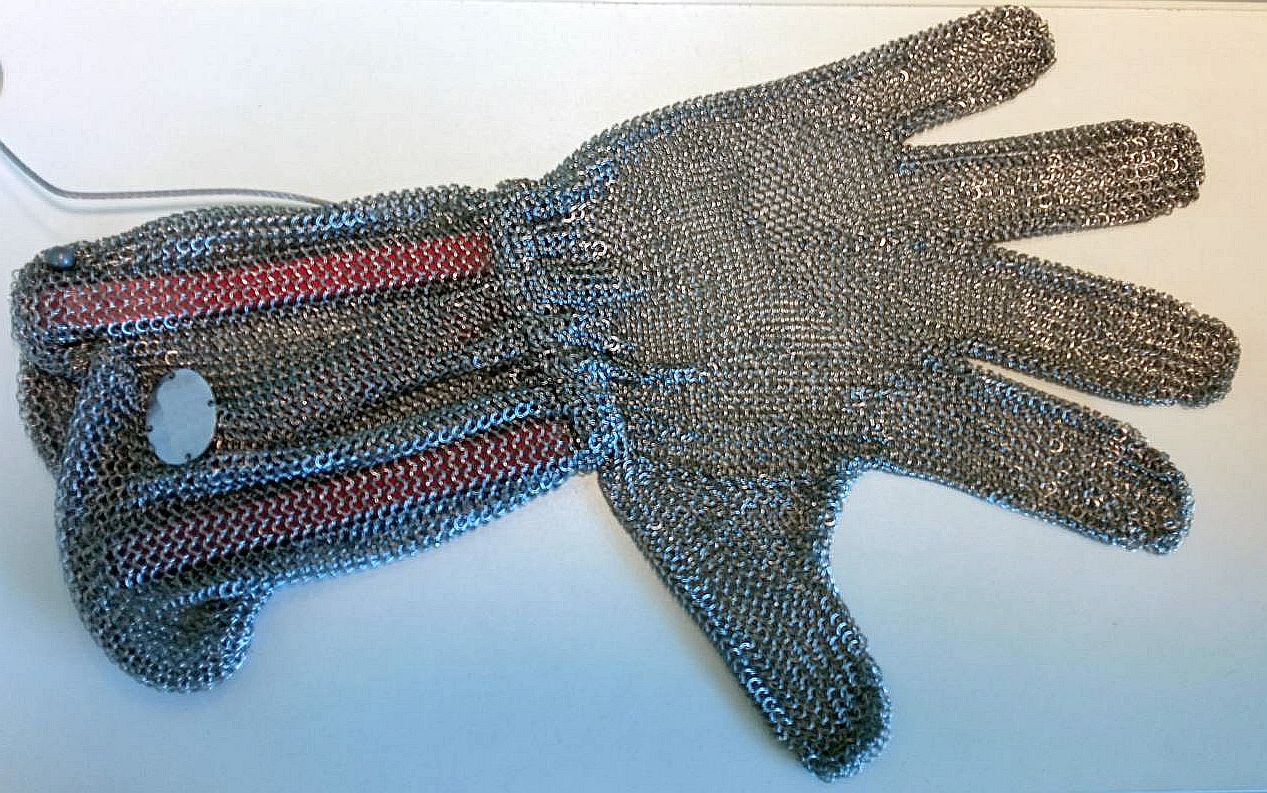
Metal mesh cut-resistant glove (Source: Wikimedia Commons)
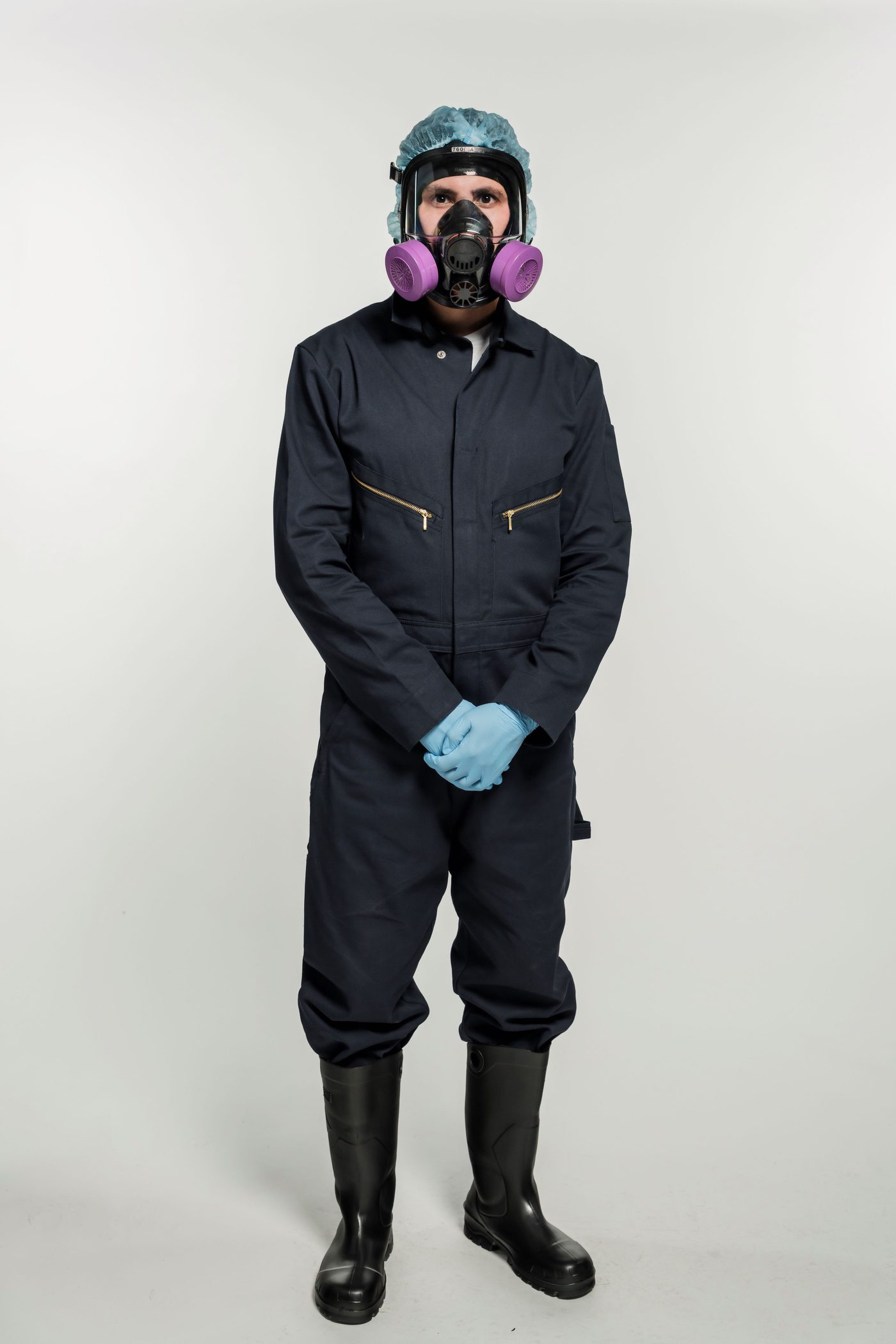
Person wearing a construction face mask with filters (Source: Wikimedia Commons)
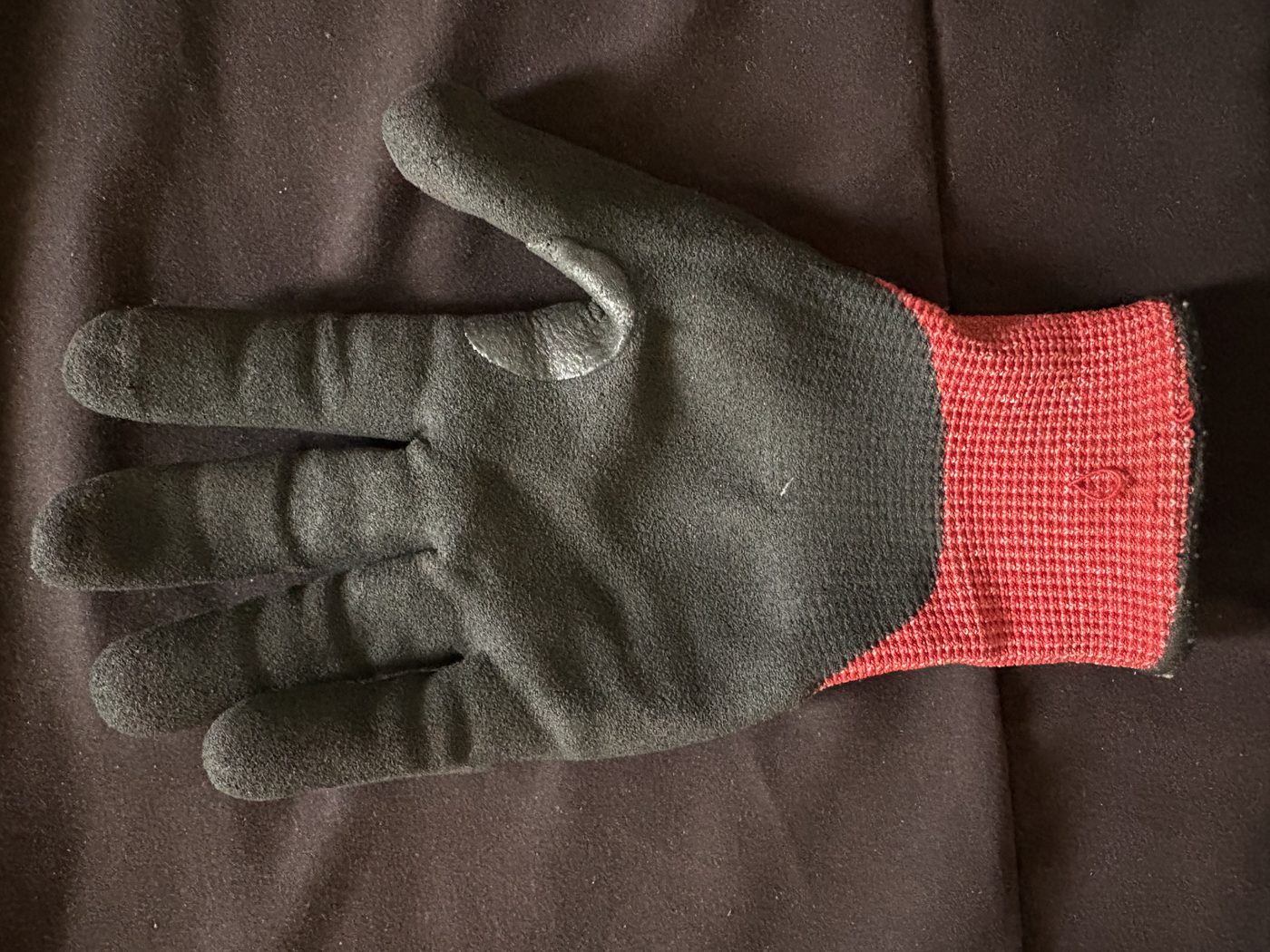
single heat-resistant glove with red cuff (Source: Wikipedia (Cut-resistant gloves))
Kenya’s Occupational Safety and Health Act requires employers to provide PPE to employees exposed to hazards and to ensure their proper use. For fashion design workshops, this means adhering to regulations that mandate the availability of appropriate PPE and training workers on their correct use. Compliance with these standards protects workers from avoidable injuries and enhances the reputation of garment production businesses, such as those supplying uniforms to county governments or event attire to hotels and conference centers.
Effective PPE usage involves correct fitting, regular inspection, and replacement when worn out. Designers should ensure that gloves fit snugly without restricting finger movement, masks are changed after prolonged use, and safety glasses are cleaned daily to maintain clear vision. Training sessions on PPE use and hazard awareness, such as those conducted by garment factories supplying corporate occasion wear in Nairobi, help embed safety culture among workers.
Selecting the right PPE for occasion wear garment construction depends on the specific hazards present during various stages of the process. Understanding the characteristics and appropriate use of different PPE items helps reduce workplace accidents and enhances productivity.
| Name | Specification | Use |
|---|---|---|
| Cut-resistant gloves | Made from Kevlar or similar fiber | Protect hands during fabric cutting |
| Protective apron | Water-resistant, stain-proof fabric | Shields clothing from spills and stains |
| Safety glasses | Polycarbonate lenses with side shields | Protect eyes from flying debris and chemicals |
| Face mask | N95 or surgical grade | Filters dust and chemical fumes |
| Heat-resistant gloves | Silicone or aramid fiber | Protect hands from burns during pressing |
In fashion design, particularly when constructing occasion wear, a dust coat serves as an essential protective garment that preserves the quality and finish of the outfit during storage or transit. In Kenya’s fashion industry, where designers often deliver bespoke occasion garments to clients or events, dust coats help maintain the garment’s pristine condition by shielding it from dust, moisture, and accidental stains. Understanding the materials used and their properties is critical for designers to select appropriate dust coats that complement their creations and ensure client satisfaction.
The choice of materials for dust coats affects their effectiveness in protecting occasion wear and their compatibility with the garment’s fabric. Kenyan designers must consider durability, breathability, and environmental factors such as humidity and dust levels common in urban centers like Nairobi and Mombasa.
Nylon: Known for its strength and water repellence, nylon dust coats protect occasion wear from moisture and light rain, which is useful during Kenya’s rainy seasons. However, nylon is less breathable, so it is preferable for short-term protection.
PVC or plastic covers: These offer the highest level of protection against dust, water, and insects but are non-breathable. Their use is limited to short-term storage or transport to avoid fabric damage from trapped moisture.
Kenyan fashion houses supplying occasion wear to upscale hotels or event venues in Nairobi’s CBD often prefer cotton muslin for in-house storage due to its breathability and gentle protection. In contrast, designers who deliver garments to clients in rural areas with dusty roads may choose non-woven polypropylene dust coats for their robustness and affordability.
In the fashion design workspace, particularly in tailoring workshops and production units, safety shoes are vital for protecting staff from potential hazards such as sharp tools, heavy equipment, and slipping risks. Kenyan fashion businesses must comply with occupational health and safety standards to safeguard workers, reduce accidents, and maintain productivity. Safety shoes also contribute to a professional work environment by demonstrating commitment to employee welfare.
Four types of safety footwear commonly used in construction and engine (Source: PLUMB 5 LEARNING GUIDE-1 (1))
Different safety shoes cater to varying workplace hazards, and selecting the right type depends on the specific risks present in a fashion design setting.
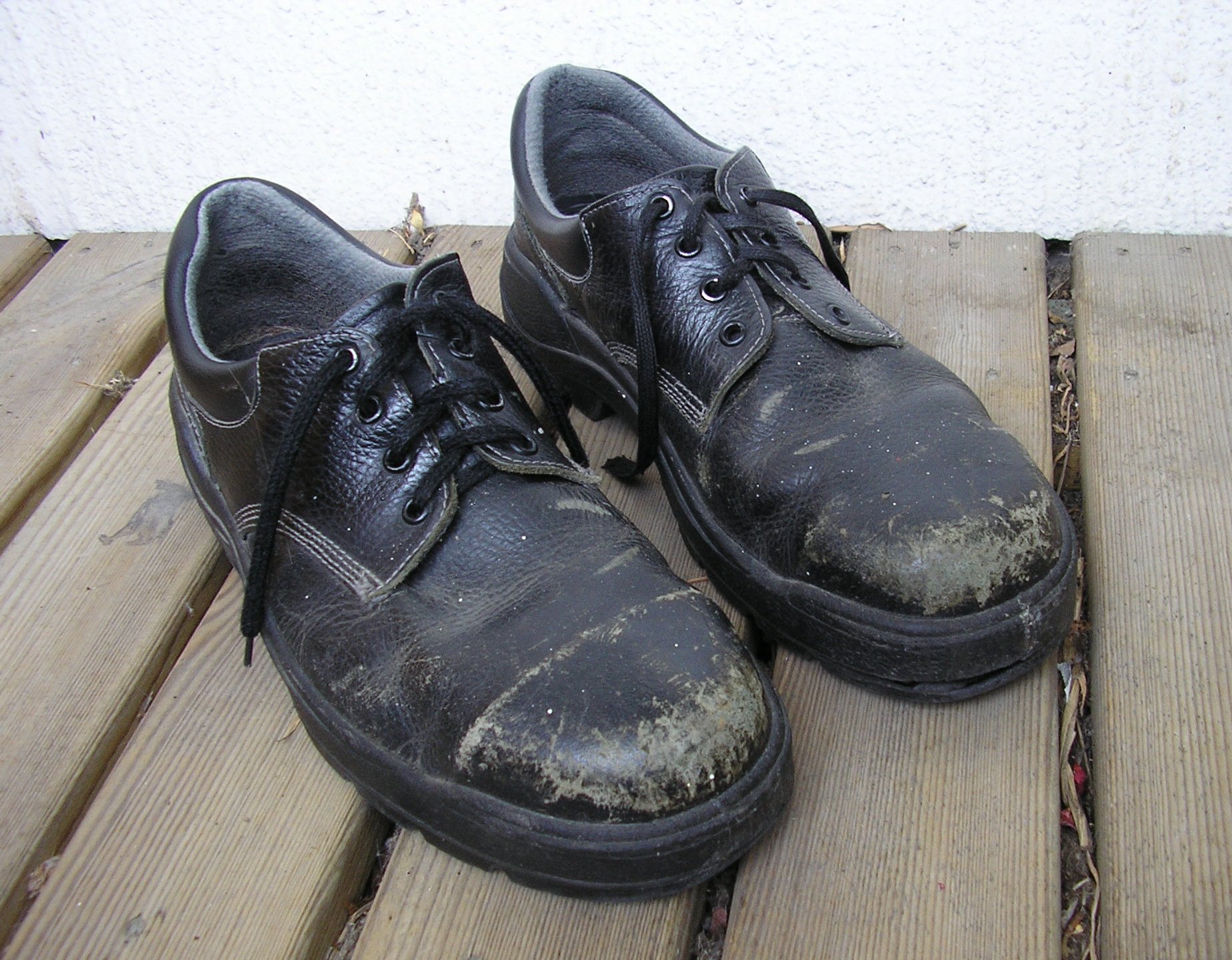
Worn black steel-toe boots on wooden floor (Source: Wikipedia (Steel-toe boot))
Kenyan fashion design workshops must adhere to the Occupational Safety and Health Act (OSHA) 2007, which mandates employers to provide appropriate protective gear, including safety shoes. Compliance ensures legal conformity and protects workers from injuries that can disrupt production and increase costs.
Choosing safety shoes for workers in occasion wear construction requires balancing protection, comfort, and practicality to maintain productivity and morale.
Proper maintenance extends the life of safety shoes, ensuring continued protection and cost savings for fashion workshops.
Thimbles are essential hand-sewing tools in occasion garment construction, providing protection and precision when working with needles. In Kenya's fashion design industry, where intricate hand stitching is often required for high-end occasion wear such as wedding gowns or traditional attire, the thimble plays a critical role in enhancing efficiency and reducing injury. Designers and tailors in Nairobi’s fashion hubs or Kisumu’s tailoring workshops rely on thimbles to maintain stitch quality while managing thick or multiple fabric layers common in occasion garments.
The thimble serves as a protective shield for the finger during hand sewing, preventing needle pricks that can cause injury and slow down work. This protection allows designers to sew more confidently and quickly, especially when working on detailed embellishments or delicate fabrics. In addition, a thimble facilitates pushing the needle through tough materials such as brocade or velvet, which are frequently used in Kenyan occasion wear. The consistent pressure applied by the thimble helps maintain stitch uniformity, which is crucial for the garment's durability and aesthetic appeal.
Thimbles come in various materials and designs suited to different sewing needs. Kenyan designers select thimbles based on fabric type, sewing technique, and personal comfort. Understanding these types helps in optimizing hand sewing for occasion garments, especially when embellishments or delicate seams are involved.
Metal thimbles, often made of steel or brass, are durable and provide strong protection. They are preferred for heavy fabrics and dense embellishments. However, they can feel cold and less flexible, which may reduce comfort during long sewing sessions.
These are lightweight and flexible, making them suitable for finer fabrics and delicate hand sewing tasks. Their softer texture offers comfort but less protection against hard pushing on thick materials. They are popular among beginner tailors and in educational settings.
Leather thimbles offer moderate protection and flexibility. They conform to the finger shape over time, providing a comfortable fit. They are ideal for light to medium fabrics and can be found in some artisan workshops focusing on traditional Kenyan attire.
Adjustable thimbles fit different finger sizes, enhancing usability for multiple users. Open-top thimbles allow fingertip sensitivity and are preferred when precision is critical, such as in bead embroidery on occasion wear.
Designed to reduce strain and improve grip, ergonomic thimbles have contoured shapes and cushioned interiors. They are gaining popularity among professional designers in urban centers for prolonged hand sewing tasks.
Using a thimble correctly extends its lifespan and ensures safety during garment construction. Maintenance is crucial in Kenya’s climate, where humidity and dust can affect tool condition. Proper use also enhances sewing efficiency and garment quality.
Create a free account to open more of this chapter.
Free: practical guides, quick cards, workplace scenarios and more.
Create a free accountThis chapter provided a comprehensive overview of planning occasion garment construction, beginning with the importance of personal protective equipment such as dust coats, safety shoes, and thimbles to ensure safety during the construction process. It then examined the various clothing construction tools and equipment, detailing the different types including measuring, finishing, basic sewing, cutting, marking, and drawing tools, as well as equipment like display tools, cameras, and sewing machines. Consideration was given to the factors influencing the selection of appropriate tools and equipment, alongside guidance on their care, maintenance, and storage to prolong usability. The chapter also explored essential clothing construction materials and supplies, highlighting a range of accessories such as belts, bows, buttons, embroidery threads, beads, and various papers and pencils used in design and marking. Attention was given to fabrics and supporting materials including interlining, interfacing, lace, lining, ribbons, sewing threads, stiffeners, and underlining, all crucial for creating quality occasion garments. Finally, the chapter surveyed different occasion garment designs, covering bridal wear, red carpet attire, evening wear, cocktail party dresses, engagement party outfits, baby shower garments, corporate party clothing, and graduation gowns, emphasizing the diversity and specific requirements of each category.
Type: Individual
| Tools & Equipment | Materials |
|---|---|
| Sewing machine | White satin fabric |
| Pressing equipment | White sewing thread |
| Large working surface | Medium size white pearl beads |
| Display area | Brown paper |
| Measuring tools | Lining fabric |
| Personal protective equipment | Hidden zip |
| Cutting tools | |
| Pattern drafting tools | |
| Hand needle |
| S/N | Item | Quantity |
|---|---|---|
| 1 | Sewing machine | 1 per Candidate |
| 2 | Pressing equipment | 1 per Candidate |
| 3 | Large working surface | 1 per Candidate |
| 4 | Display area | 1 per 5 Candidates |
| 5 | Measuring tools (tape measure, ruler) | Enough per Candidate |
| 6 | Personal protective equipment (dust coat, thimble, flat closed shoes) | Appropriate per Candidate |
| 7 | Cutting tools (fabric scissors, rotary cutter) | Enough per Candidate |
| 8 | Pattern drafting tools (tracing wheel, pattern paper, French curve) | Enough per Candidate |
| 9 | Hand needle | 1 per Candidate |
| 10 | White satin fabric | 4 meters per Candidate |
| 11 | White sewing thread | 1 spool per Candidate |
| 12 | Medium size white pearl beads | 250 grams per Candidate |
| 13 | Brown paper | 4 meters per Candidate |
| 14 | Lining fabric | 2 meters per Candidate |
| 15 | Hidden zip | 30 cm long per Candidate |
| Items to be Evaluated | Marks Available | Marks Obtained | Comments |
|---|---|---|---|
| TASK 1: Preparation and Identification | |||
| Wore personal protective equipment: dust coat, thimble, flat closed shoes (Award 1 mark each) | 3 | ||
| Observed occupational safety and health requirements: well-lit working area, well-ventilated room (Award 1 mark each) | 2 | ||
| Identified, obtained and allocated production tools, materials and equipment according to workplace policy and SOPs (Award 1 mark each for correct identification of tools, equipment and materials) | 13 | ||
| Explained the specific use of each selected tool and equipment related to occasion wear garment construction (Award 1 mark for each correct explanation, max 5) | 5 | ||
| Sub-Total | 23 | ||
| PRODUCT CHECKLIST | |||
| Correct identification and selection of all required clothing construction tools and equipment with appropriate explanations (Award marks for completeness and accuracy of identification and explanation) | 17 | ||
| Sub-Total | 17 | ||
| GRAND TOTAL | 40 | ||
Type: Individual
| Tools & Equipment | Materials |
|---|---|
| Sewing machine | Sewing threads (different colours) |
| Pressing equipment | Personal protective equipment (dust coat, flat closed shoes) |
| Measuring tools (tape measure, ruler) | |
| Cutting tools (fabric scissors, thread snips) | |
| Hand sewing needles | |
| Thimble | |
| Cleaning brush | |
| Oil for sewing machine | |
| Storage boxes for tools |
| S/N | Item | Quantity |
|---|---|---|
| 1 | Sewing machine | 1 Pc per Candidate |
| 2 | Pressing equipment | 1 Pc per Candidate |
| 3 | Large working surface | 1 Pc per Candidate |
| 4 | Measuring tools (tape measure, ruler) | Enough per Candidate |
| 5 | Cutting tools (fabric scissors, thread snips) | Enough per Candidate |
| 6 | Hand sewing needles | 5 Pcs per Candidate |
| 7 | Thimble | 1 Pc per Candidate |
| 8 | Sewing threads (different colours) | 1 Spool per Candidate |
| 9 | Personal protective equipment (dust coat, flat closed shoes) | 1 Set per Candidate |
| 10 | Storage boxes for tools | 1 Pc per 5 Candidates |
| 11 | Cleaning brush and oil for sewing machine | 1 Set per Candidate |
| Items to be Evaluated | Marks Available | Marks Obtained | Comments |
|---|---|---|---|
| TASK 1: Preparation and Safety Compliance | |||
| Wore PPEs including dust coat and flat closed shoes (Award 1 mark each) | 2 | ||
| Ensured well-lit and well-ventilated working area (Award 1 mark each) | 2 | ||
| Checked sewing machine and tools for cleanliness and proper functioning before use (Award 2 marks) | 2 | ||
| Organized tools and materials according to workplace SOP (Award 2 marks) | 2 | ||
| Sub-Total | 8 | ||
| TASK 2: Demonstration of Proper Use of Sewing Tools | |||
| Correctly threaded the sewing machine upper and bobbin threads (Award 3 marks) | 3 | ||
| Adjusted stitch length and tension appropriately (Award 2 marks) | 2 | ||
| Demonstrated safe and proper use of fabric scissors and thread snips (Award 2 marks) | 2 | ||
| Used hand needles and thimble correctly while hand sewing (Award 2 marks) | 2 | ||
| Sub-Total | 9 | ||
| TASK 3: Maintenance and Storage of Sewing Tools | |||
| Cleaned sewing machine using brush and applied oil correctly (Award 3 marks) | 3 | ||
| Cleaned and sharpened cutting tools as per standard procedures (Award 2 marks) | 2 | ||
| Stored tools in designated storage boxes properly (Award 2 marks) | 2 | ||
| Demonstrated safe handling of tools to avoid damage (Award 2 marks) | 2 | ||
| Sub-Total | 9 | ||
| PRODUCT CHECKLIST | |||
| Tools and equipment are clean, functional, and properly stored as per workplace standards (Award 5 marks) | 5 | ||
| Sewing machine threaded correctly with proper adjustments verified (Award 3 marks) | 3 | ||
| Cutting tools are sharp and safe for use (Award 3 marks) | 3 | ||
| Hand needles and thimble are in good condition and correctly used (Award 2 marks) | 2 | ||
| Sub-Total | 13 | ||
| GRAND TOTAL | 39 | ||
At the start of this chapter we promised you would be able to:
Tick each one you can genuinely do.
So, are you there yet?
You're competent when you can confidently do 50% or more of what this chapter promised.
Sign in to record how you're doing.