Assembling lingerie garments requires exceptional precision and skill, as the delicate fabrics and intricate designs demand careful handling to ensure both comfort and aesthetic appeal. In Kenya’s fashion design industry, especially in boutique and bespoke lingerie production, mastery of garment stitching is fundamental to producing high-quality pieces that meet customer expectations. This chapter focuses on the techniques and professional practices involved in stitching uniform lingerie garment pieces, emphasizing the importance of accuracy and consistency in every seam.
4.1 Stitching of lingerie garment pieces
Stitching lingerie involves joining multiple fabric pieces with precision to maintain the garment’s shape and fit, while preserving the delicate nature of materials such as lace, satin, and mesh. In Kenya’s growing lingerie market, from Nairobi’s fashion hubs to emerging designers in Mombasa, understanding the correct stitching methods directly impacts product durability and wearer comfort. This section explores the critical aspects of stitching uniform lingerie pieces, including preparation, machine selection, and seam types.
Stitching Preparation and Fabric Handling
Proper preparation before stitching is essential to prevent fabric damage and ensure uniformity in lingerie construction. Working with delicate fabrics common in lingerie, such as silk and lace, requires specialized handling techniques to avoid stretching or tearing during the stitching process.
Fabric Inspection and Preparation
- Fabric Quality Assessment: Each fabric piece must be inspected for defects such as runs, holes, or inconsistent weaves, which could compromise the garment’s integrity. For example, a boutique lingerie maker in Kisumu carefully examines lace panels to avoid stitching over flaws that would be visible in the finished product.
- Pre-shrinking Fabric: Natural fibers like cotton blends used in lingerie components should be pre-washed or steamed to minimize post-production shrinkage, which affects fit and seam alignment.
- Cutting Accuracy: Precise cutting on marked patterns ensures all pieces match perfectly during stitching, crucial for symmetrical bras or camisoles produced by Nairobi-based designers.
- Pinning and Basting: Temporarily securing fabric pieces with fine pins or hand basting stitches stabilizes delicate materials, preventing shifting during machine stitching.
- Pressing Fabric Pieces: Light pressing smooths out creases and aligns fabric grains, facilitating smooth feed through sewing machines and better seam accuracy.
Handling Techniques for Delicate Fabrics
- Support During Stitching: Using tissue paper or water-soluble stabilizers under slippery fabrics prevents puckering and distortion.
- Avoiding Stretch Distortion: Stretch lace or mesh requires gentle tension control to maintain shape throughout the stitching process.
- Needle Selection: Fine, sharp needles designed for delicate fabrics reduce snagging and fabric damage.
- Thread Choice: Using silk or fine polyester threads matches fabric delicacy and provides strength without bulk.
- Workstation Ergonomics: Maintaining a clean, well-lit sewing area helps detect fabric misalignment early during stitching.
Selection of Stitch Types for Lingerie Garments
Choosing the appropriate stitch type influences the garment’s durability, elasticity, and aesthetic finish. Lingerie pieces often require a combination of stretch and secure seams, necessitating careful stitch selection.
Common Stitch Types and Their Applications
- Straight Stitch: The most basic stitch, used for seams requiring strength without stretch, such as joining non-elastic lace panels in a bralette. It provides a clean, unobtrusive finish.
- Zigzag Stitch: Offers stretchability, ideal for seams on elastic fabrics like spandex blends in panties or bra bands, allowing the garment to move with the body.
- Overlock Stitch: Used for edge finishing and seam joining, it prevents fraying and adds flexibility, commonly applied in mass production lingerie units in Nairobi.
- Flatlock Stitch: Creates flat seams that reduce bulk and chafing, essential for comfort in sports bras and seamless underwear.
- Cover Stitch: Employed for hemming and topstitching, it provides stretch and decorative finish, often seen on lingerie trims and elastic bands.
Stitch Characteristics Relevant to Lingerie
- Elasticity: Stretch stitches accommodate body movement without breaking, crucial for lingerie comfort.
- Seam Strength: Stitches must withstand repeated wear and washing, maintaining garment integrity.
- Seam Appearance: Neat, consistent stitches enhance the lingerie’s visual appeal, especially where seams are visible.
- Thread Compatibility: Matching thread type and thickness to fabric ensures seam durability without causing puckering.
- Seam Allowance Management: Precise seam allowances prevent bulk and maintain garment shape.
Machine Settings and Equipment for Lingerie Stitching
Optimizing sewing machine settings and selecting appropriate equipment is vital to achieve professional-quality lingerie seams. Kenyan designers working in small-scale workshops or industrial units must understand machine capabilities to handle delicate lingerie fabrics effectively.
| Name |
Specification |
Use |
| Fine Needle Size 70/10 or 75/11 |
Sharp, thin needle for delicate fabrics |
Prevents fabric damage during stitching |
| Adjustable Presser Foot Pressure |
Allows control of fabric feed pressure |
Prevents puckering of slippery fabrics |
| Differential Feed Mechanism |
Controls fabric feeding layers separately |
Prevents stretching of knit or elastic fabrics |
| Stretch Stitch Function |
Specialized machine stitch for stretch fabrics |
Ensures seam elasticity and strength |
| Overlock Machine |
Multi-thread stitch for edge finishing |
Prevents fraying and finishes edges cleanly |
Adjusting Machine Settings for Optimal Results
- Needle Positioning: Center needle for straight and zigzag stitches; adjust position for edge stitching.
- Thread Tension: Balanced tension prevents puckering or loose stitches, especially on elastic fabrics.
- Stitch Length: Shorter stitch lengths enhance seam strength on delicate lingerie fabrics.
- Presser Foot Pressure: Reduced pressure avoids fabric distortion; increased pressure may be needed for heavier lace layers.
- Speed Control: Slower stitching speeds improve accuracy and reduce fabric damage.
Techniques for Achieving Uniform Stitching
Uniform stitching is critical in lingerie production to ensure consistent fit, durability, and professional appearance. Achieving this requires skillful techniques and attention to detail throughout the sewing process.
Methods to Maintain Stitch Consistency
- Consistent Seam Allowance: Using guides or seam gauges ensures all seams maintain uniform width, vital for symmetrical cups on bras or panels on corsets.
- Maintaining Fabric Alignment: Regularly checking fabric layers during stitching prevents shifting, which can cause uneven seams.
- Using Quality Thread: High-quality thread reduces breakage and uneven tension, contributing to a smooth seam.
- Seam Pressing: Pressing seams open or to one side during assembly helps maintain garment shape and seam flatness.
- Regular Machine Maintenance: Keeping machines clean and well-oiled prevents skipped stitches and irregular tension.
Strategies for Complex Lingerie Pieces
- Sewing in Sections: Breaking down complex garments into smaller sections allows more precise stitching and better control.
- Hand Finishing: Delicate areas, such as lace overlays or elastic inserts, may require hand stitching to maintain fabric integrity.
- Topstitching for Reinforcement: Adding topstitching on high-stress areas like bra straps enhances seam strength and appearance.
- Edge Stabilization: Applying stay tape or interfacing on edges prevents distortion during stitching.
- Sample Testing: Creating test seams on scrap fabrics helps refine machine settings and stitching techniques before final assembly.
4.1.1 Safety rules in the workshop
In the context of lingerie garment assembly, workshop safety is critical to protect workers and maintain quality production standards in Kenya’s fashion industry. Lingerie manufacturing involves handling delicate fabrics, sharp tools, and machinery that require careful attention to safety protocols. Kenyan fashion design professionals working in textile factories, tailoring workshops, or design studios must adhere to established safety rules to prevent injuries and ensure a productive work environment.
Personal Protective Equipment and Hygiene in Lingerie Workshops
Personal protective equipment (PPE) and hygiene practices are fundamental to maintaining safety during lingerie garment assembly. Unlike heavy industrial settings, lingerie workshops focus on protecting workers from sharp tools, chemical exposure from fabric treatments, and ergonomic strain.
Personal Protective Equipment (PPE)
- Protective Gloves: Gloves prevent cuts and punctures from needles, pins, and scissors, which are frequently used in lingerie production. For example, at a Nairobi-based tailoring workshop, workers use finger guards to minimize needle pricks during hand stitching.
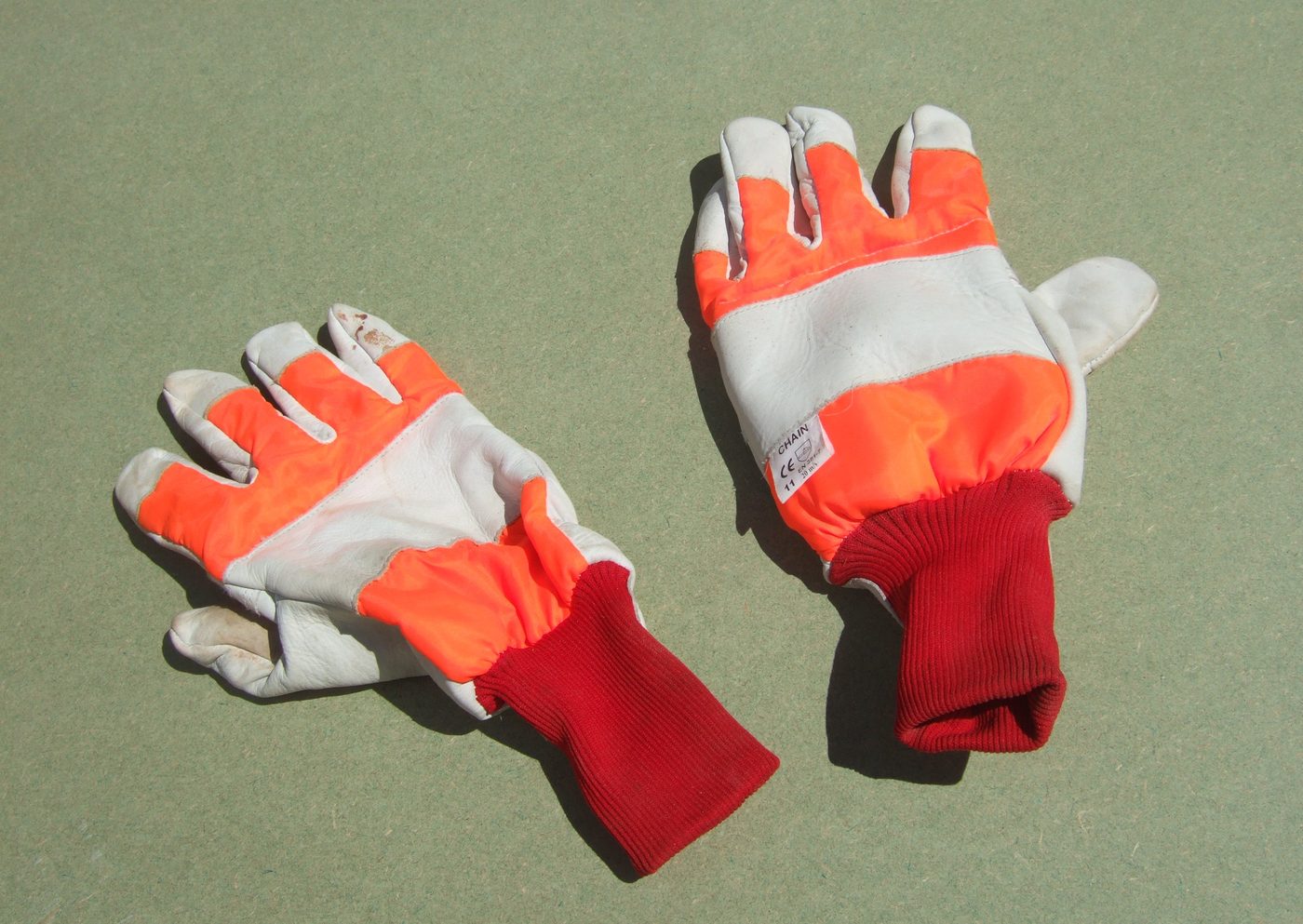
A pair of protective gloves (Source: Wikimedia Commons)
- Safety Glasses: Eye protection guards against flying debris when cutting fabric or using sewing machines at high speed. In a university fashion lab, safety glasses are mandatory to avoid eye injuries.
- Dust Masks: These protect against inhaling fabric fibers or chemical fumes from adhesives and dyes used in lingerie manufacturing, especially in enclosed spaces.
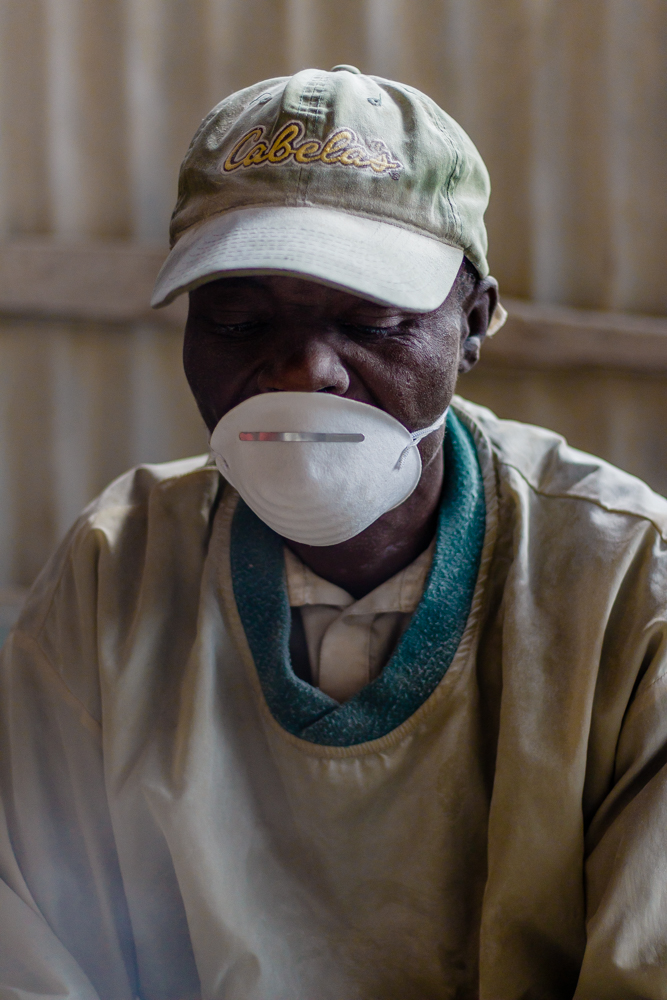
Person wearing a dust mask (Source: Wikimedia Commons)
- Non-slip Footwear: Proper footwear prevents slips on smooth workshop floors, reducing the risk of falls, particularly in workshops with tiled floors common in Kenyan urban areas.
- Aprons: Wearing aprons protects clothing and skin from accidental spills of dyes, glues, or hot steam during pressing.
Hygiene Practices
- Regular Hand Washing: Clean hands prevent contamination of delicate lingerie fabrics, especially important in high-end lingerie design studios supplying to Kenyan boutiques.
- Clean Workstations: Keeping sewing tables free of loose pins and fabric scraps reduces hazards and maintains fabric quality.
- Proper Waste Disposal: Discarding pins, threads, and fabric offcuts in designated containers prevents injuries and workshop clutter.
- Avoiding Food in Work Areas: Food contamination can damage delicate lingerie materials and attract pests.
- Personal Cleanliness: Workers should maintain personal hygiene to prevent fabric soiling and maintain professional standards.
Safe Handling and Use of Tools and Equipment
Lingerie garment assembly requires precise handling of specialized tools such as sewing machines, scissors, rotary cutters, and pressing irons. Understanding safe operation techniques is essential to prevent accidents and maintain garment quality.
Safe Use of Cutting Tools
- Sharpness Maintenance: Keeping scissors and rotary cutters sharp ensures clean cuts with less force, reducing hand strain and accidents.
- Proper Grip and Cutting Direction: Cutting away from the body minimizes the risk of injury. Tailors in Nairobi’s garment factories are trained to hold scissors correctly and cut on stable surfaces.
- Storage: Tools should be stored in designated holders to prevent accidental cuts and to prolong tool life.
- Use of Cutting Mats: Rotary cutters require cutting mats to protect surfaces and maintain blade sharpness.
- Avoiding Distractions: Concentration during cutting reduces mistakes and injuries.
Operating Sewing Machines Safely
-
Machine Guards: Sewing machines should have finger guards to prevent needle injuries, especially during high-speed stitching.
-
Correct Posture: Operators should maintain an ergonomic posture to avoid repetitive strain injuries, a common issue in Kenyan tailoring workshops.
- Power Off When Not in Use: Machines must be switched off before threading needles or cleaning to prevent accidental start-up.
- Routine Maintenance: Regular oiling and servicing prevent machine malfunctions that can cause accidents.
- Training: Only trained personnel should operate industrial sewing machines to ensure adherence to safety guidelines.
Handling Pressing Equipment
- Temperature Settings: Using appropriate heat settings avoids fabric burns and operator injury. For example, pressing delicate lace lingerie requires lower temperatures.
- Use of Heat-resistant Gloves: When handling hot irons or steamers, gloves protect from burns.
- Proper Placement: Irons should be placed on stable, heat-resistant surfaces to prevent falls and fires.
- Switching Off After Use: Always turning off pressing equipment prevents overheating and fire hazards.
- Ventilation: Adequate ventilation reduces inhalation of steam or chemical fumes during pressing.
Workshop Environment and Ergonomics
The physical environment and ergonomic design of lingerie workshops influence worker safety, comfort, and productivity. Kenyan fashion design studios and garment factories must optimize layout and equipment to reduce health risks.
Lighting and Ventilation
- Adequate Lighting: Proper illumination prevents eye strain and errors in stitching or cutting. Workshops in Nairobi’s garment industry often install LED lighting for clarity.
- Natural Ventilation: Good airflow reduces exposure to textile dust and chemical fumes, improving air quality.
- Temperature Control: Maintaining comfortable temperatures prevents heat stress or cold discomfort, especially in unairconditioned workshops.
- Noise Reduction: Minimizing noise from machines protects hearing and reduces fatigue.
- Cleanliness: Regular cleaning prevents dust accumulation, which can cause respiratory problems.
Workstation Ergonomics
- Adjustable Chairs and Tables: Providing height-adjustable furniture helps maintain correct posture and reduces musculoskeletal disorders.
- Anti-fatigue Mats: Using mats reduces leg and back strain for workers who stand long hours during assembly.
- Tool Accessibility: Keeping tools within easy reach minimizes awkward movements and repetitive strain.
- Breaks and Stretching: Encouraging short breaks and stretching exercises prevents fatigue and repetitive motion injuries.
- Work Organization: Streamlined workflow reduces unnecessary movements, improving safety and efficiency.
Emergency Procedures and Risk Management
Lingerie workshops must be prepared for emergencies such as fires, injuries, or equipment failure. Establishing clear procedures and risk management strategies protects workers and assets.
Fire Safety
- Fire Extinguishers: Workshops should have accessible fire extinguishers suitable for electrical and fabric fires. Staff must be trained in their use.
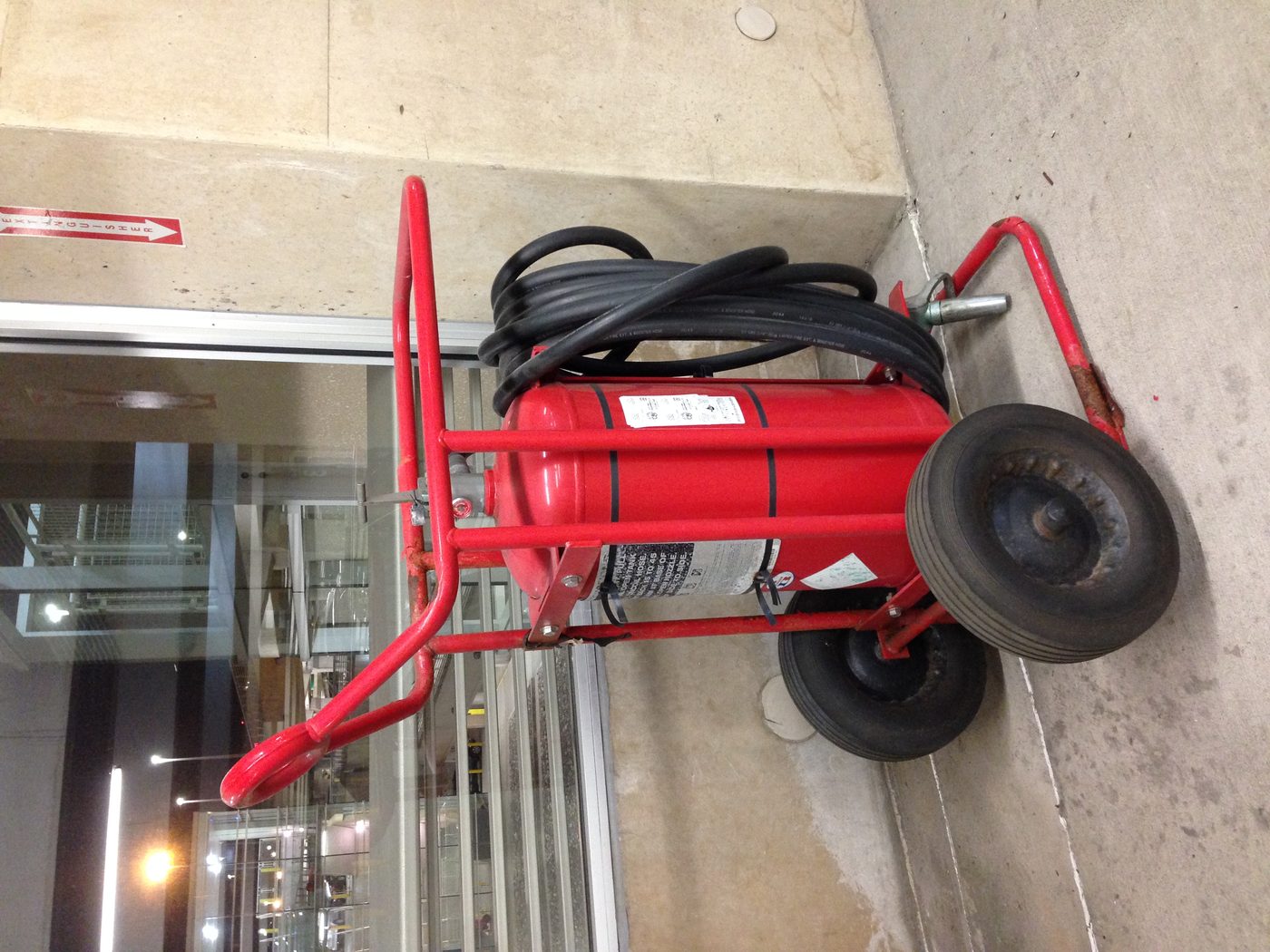
Large wheeled fire extinguisher unit (Source: Wikipedia (Fire extinguisher))
- Emergency Exits: Clearly marked and unobstructed exits facilitate quick evacuation during emergencies.
- No Smoking Policy: Prohibiting smoking inside workshops reduces fire risks, especially in fabric storage areas.
- Safe Storage of Flammables: Chemicals and adhesives must be stored in fireproof cabinets.
- Regular Fire Drills: Conducting drills ensures workers know evacuation routes and procedures.
First Aid and Injury Response
- First Aid Kits: Well-stocked kits should be available and regularly checked for expiry dates.
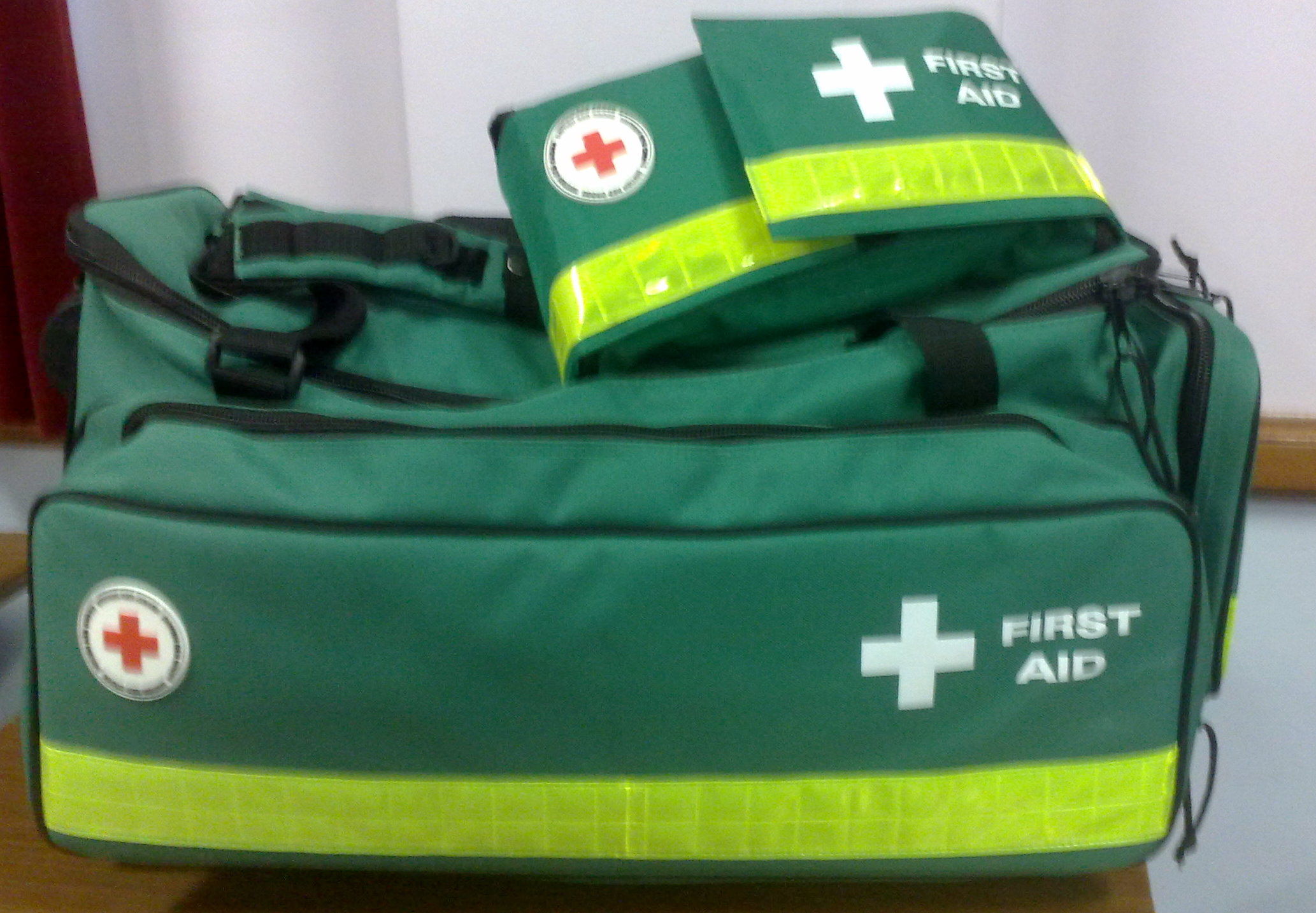
Green first aid kits with cross symbols (Source: Wikipedia (First aid kit))
- Trained Personnel: Designating staff trained in first aid enables prompt response to injuries.
- Reporting Incidents: Immediate reporting and documentation of accidents help prevent recurrence.
- Safe Handling of Injured Workers: Procedures to stabilize and transport injured workers to medical facilities are essential.
- Access to Medical Services: Workshops near hospitals or clinics, such as those in Nairobi or Mombasa, benefit from quick emergency response.
Risk Identification and Prevention
- Regular Safety Audits: Inspections identify hazards such as faulty equipment or cluttered work areas.
- Worker Training: Ongoing safety training raises awareness and promotes a culture of safety.
- Use of Safety Signage: Clear signs warn of hazards and remind workers of protocols.
- Maintenance Schedules: Routine servicing of machinery prevents breakdowns and accidents.
- Incident Analysis: Reviewing accidents to implement corrective measures enhances safety continuously.
Do not run in the workshop
In a Kenyan fashion design workshop where lingerie garments are assembled, maintaining a safe and disciplined environment is essential. Running inside the workshop poses significant risks not only to the individual but also to colleagues and the delicate materials used in lingerie production. Given that lingerie fabrics such as lace, silk, and mesh are often fragile and precision assembly requires careful handling, safety protocols including walking calmly are critical to prevent accidents and damage. This section explores the reasons behind the prohibition of running, the potential hazards it prevents, and the professional attitude expected in a lingerie garment workshop.
Safety Risks Associated with Running in the Workshop
Running in a workshop environment introduces multiple hazards that can compromise safety and productivity. In lingerie garment assembly, where sharp tools like scissors, pins, and needles are in constant use, sudden or uncontrolled movements increase the likelihood of injury.
Physical Injury Risks
- Tripping and Falling: The workshop floor may have scattered pins, fabric scraps, or equipment cables. Running increases the chance of tripping, which can cause bruises, fractures, or more serious injuries.
- Collision with Equipment: Quick movement can lead to collisions with sewing machines, cutting tables, or ironing stations, which may result in harm or damage to machinery.
- Cuts and Punctures: Sharp tools used in lingerie assembly pose a risk if an individual falls or bumps into a workstation while running.
- Strain from Sudden Movements: Running in confined spaces can cause muscle strains or sprains, especially if the floor is slippery or uneven.
- Risk to Others: Running endangers not only the runner but also colleagues who may be focused on delicate tasks, potentially leading to accidents involving multiple people.
Impact of Running on Lingerie Materials and Equipment
The fragile nature of lingerie fabrics requires careful handling and stable movement within the workspace. Running disrupts this delicate balance and can lead to costly material waste and equipment damage.
Damage to Materials
- Snagging of Fabric: Quick movements increase the possibility of snagging lace or mesh on sharp objects or rough surfaces.
- Wrinkling and Creasing: Running may cause fabric to be pulled or dragged, leading to wrinkles that compromise garment quality.
- Contamination: Running can stir up dust or debris that settles on light-coloured lingerie fabrics, affecting the final product’s appearance.
- Misplacement of Tools: Tools and pins left on tables or floors may be displaced or lost when someone runs, causing workflow interruptions.
- Equipment Malfunction: Collisions caused by running may misalign sewing machines or damage pressing equipment, affecting garment assembly precision.
Professionalism and Discipline in Workshop Conduct
Maintaining a professional demeanor in a workshop is essential for both safety and quality output. In the context of lingerie garment assembly, discipline in movement reflects respect for the craft, colleagues, and the final product.
Characteristics of Professional Conduct
- Calm Movement: Walking deliberately through the workspace minimizes risks and shows control.
- Awareness of Surroundings: Professionals continuously observe their environment to avoid hazards and respect others’ workspaces.
- Respect for Tools and Materials: Careful handling of delicate lingerie fabrics and sharp tools prevents accidents and preserves garment quality.
- Responsibility for Safety: Each worker takes personal responsibility for maintaining a safe environment by avoiding reckless behaviours.
- Effective Communication: Alerting colleagues when moving through busy areas helps coordinate activities and avoid collisions.
Strategies for Enforcing No-Running Policies in Workshops
For workshops in Kenya’s fashion industry, especially those focusing on lingerie design, clear policies and active enforcement are necessary to maintain safety standards. Creating a culture of safety starts with leadership and ongoing training.
Policy Implementation
- Clear Signage: Display visible signs reminding workers not to run within the workshop.
- Orientation and Training: New employees undergo safety induction that emphasizes the risks of running and other unsafe behaviours.
- Supervision: Experienced supervisors monitor workshop activity and intervene when unsafe practices occur.
- Positive Reinforcement: Recognize and reward workers who consistently demonstrate safe behaviours.
- Incident Reporting: Establish a system for reporting near-misses or accidents related to running to improve safety protocols.
Put on proper PPEs
In the Kenyan fashion design industry, especially within lingerie garment assembly, the use of Personal Protective Equipment (PPE) is critical to safeguard workers from potential hazards. These hazards include sharp tools like scissors and needles, exposure to chemical adhesives, and repetitive strain injuries. Proper PPE use not only protects the individual but also enhances productivity by reducing workplace accidents and health-related absences. Institutions such as garment factories supplying lingerie to retail stores in Nairobi and Mombasa have increasingly adopted PPE protocols in compliance with the Occupational Safety and Health Act (OSHA) to ensure worker safety.
Types of PPE Used in Lingerie Garment Assembly
The selection of PPE in lingerie garment assembly is influenced by the specific tasks and associated risks. Workers handling cutting, stitching, and fabric treatment require different protective gear tailored to these activities.
Gloves
- Material Protection: Gloves protect hands from sharp tools such as sewing needles, pins, and scissors, reducing the risk of puncture wounds and cuts.
- Chemical Safety: When applying adhesives or using fabric dyes, gloves prevent skin contact with potentially harmful substances.
- Dexterity: Gloves made from thin nitrile or latex provide protection without compromising the fine motor skills needed for precise sewing.
- Allergy Considerations: Non-latex gloves are preferred for workers with latex allergies to avoid skin irritation.
- Durability: Gloves should be replaced regularly to maintain effectiveness and hygiene.
Eye Protection
- Prevention of Eye Injuries: Safety glasses shield eyes from flying debris like fabric fibers or broken needles.
- Chemical Splash Guard: When working with adhesives or cleaning agents, goggles prevent harmful splashes from contacting the eyes.
- Comfort and Fit: Lightweight eyewear that fits well encourages consistent use during long working hours.
- Anti-fog Features: In humid environments common in Kenyan coastal garment workshops, anti-fog coatings maintain clear vision.
- Compliance: Eye protection must meet safety standards as stipulated by OSHA for garment workers.
Respiratory Protection
- Dust Filtration: Masks filter airborne fabric dust and lint that can cause respiratory irritation or allergic reactions.
- Chemical Fumes: Respirators protect against inhalation of fumes from adhesives and fabric treatments commonly used in lingerie manufacturing.
- Comfort and Breathability: Masks designed for prolonged use ensure workers can breathe easily without fatigue.
- Disposable vs Reusable: Depending on exposure levels, disposable masks may be suitable for short tasks, whereas reusable respirators with filters are better for extended work.
- Maintenance: Proper cleaning and replacement of filters are essential to maintain respiratory protection efficiency.
Protective Clothing
- Aprons: Lightweight aprons shield garments and skin from adhesive spills and fabric dyes, preserving clothing and reducing skin exposure.
- Sleeve Guards: These protect arms from cuts and chemical splashes during cutting and treatment processes.
-
Footwear: Anti-slip shoes prevent accidents on workshop floors that may have fabric scraps or spilled liquids.
-
Heat Resistance: For tasks involving heated tools like irons, heat-resistant gloves or pads protect from burns.
- Ergonomic Design: Protective clothing should allow ease of movement to prevent strain during delicate lingerie assembly operations.
Correct Procedure for Putting on PPE
Proper donning of PPE is essential to ensure maximum protection and comfort during lingerie garment assembly. Incorrect use can expose workers to hazards and reduce PPE effectiveness.
Step 1: Inspect PPE for Damage or Contamination
- Visual Check: Examine gloves, masks, goggles, and aprons for tears, holes, or dirt before use.
- Functional Test: Ensure moving parts like adjustable straps on goggles work smoothly.
- Sanitization: Clean reusable PPE according to manufacturer instructions to prevent contamination.
- Replacement: Discard any damaged or heavily soiled PPE immediately.
- Storage: Keep PPE in designated clean areas to avoid damage.
Step 2: Put on Gloves Properly
- Hand Hygiene: Wash hands thoroughly before wearing gloves to reduce contamination.
- Correct Fit: Select gloves that fit snugly without restricting movement to maintain dexterity.
- Donning Technique: Insert fingers fully and adjust gloves to avoid wrinkles or gaps.
- Avoid Touching Face: Once gloves are on, avoid touching face to prevent transfer of contaminants.
- Double Gloving: Use double gloves if working with hazardous chemicals for added protection.
Step 3: Wear Eye and Respiratory Protection
- Positioning: Place goggles or glasses securely over eyes, adjusting straps for a tight seal without discomfort.
- Mask Fit: Position masks over nose and mouth, securing straps behind ears or head.
- Seal Check: Perform a fit check by inhaling and exhaling to ensure no air leaks around mask edges.
- Avoid Gaps: Adjust nose clips and straps to eliminate gaps that compromise protection.
- Comfort Considerations: Ensure PPE does not obstruct vision or breathing during work.
Step 4: Don Protective Clothing and Footwear
- Apron Placement: Tie aprons securely around the waist, covering clothing adequately.
- Sleeve Guards: Slide sleeve guards over arms ensuring full coverage of exposed skin.
- Footwear Check: Wear clean, anti-slip shoes appropriate for the workshop environment.
- Adjust for Comfort: Ensure clothing does not restrict movement or create trip hazards.
- Final Inspection: Confirm all PPE is properly worn before commencing work.
Maintenance and Care of PPE in Lingerie Workshops
Maintaining PPE in good condition is vital for sustained protection and cost efficiency in lingerie garment assembly operations. Kenyan workshops often face challenges such as limited budgets and high humidity, which affect PPE longevity.
Cleaning and Disinfection
- Gloves: Disposable gloves should not be reused; reusable gloves must be washed with mild detergent and air-dried.
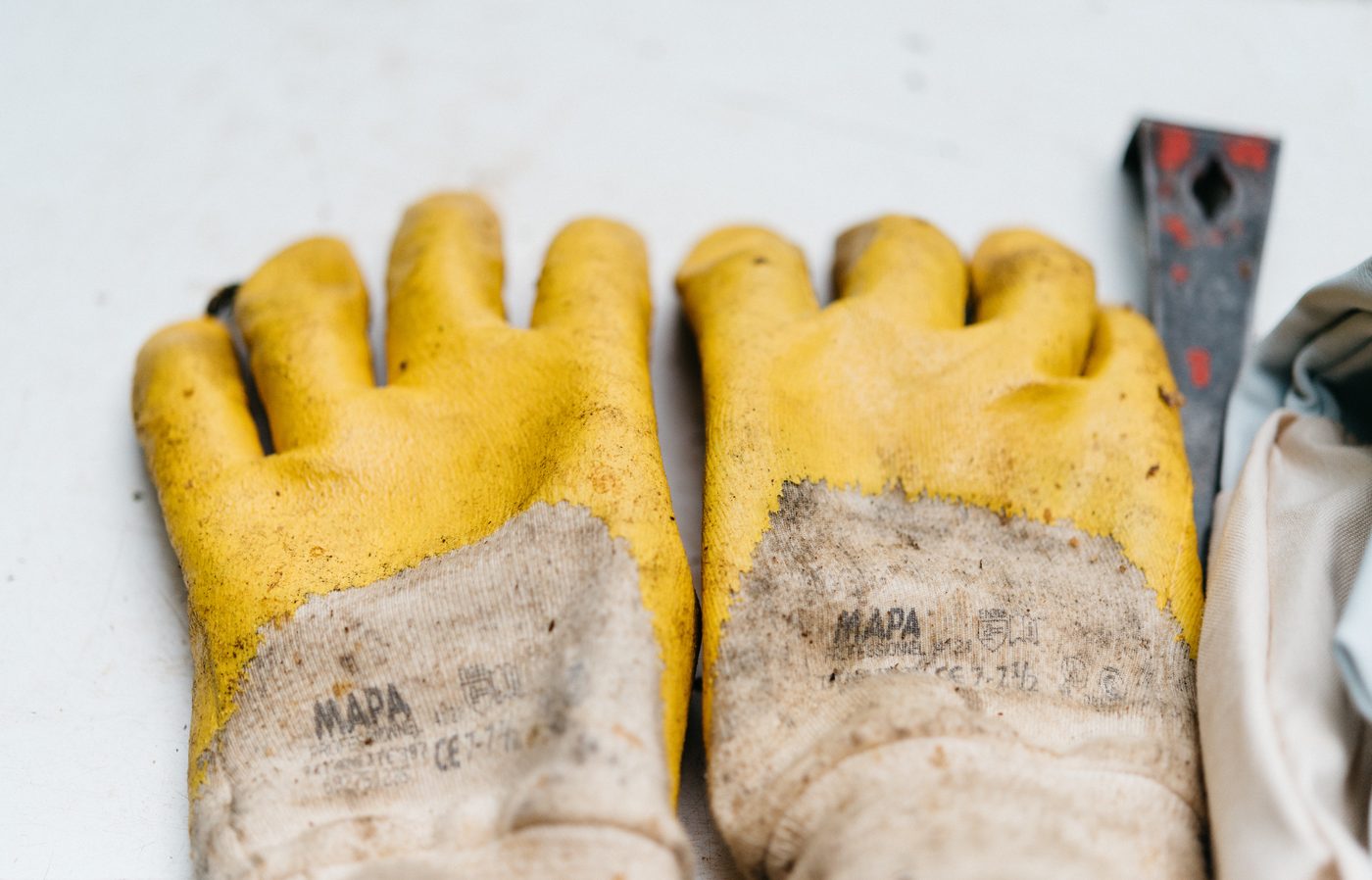
Pair of yellow work gloves used in carpentry (Source: Wikimedia Commons)
- Eye Protection: Clean goggles and glasses with approved disinfectants and soft cloths to prevent scratches.
- Masks: Replace disposable masks after each shift; reusable respirators require regular filter changes and cleaning.
- Protective Clothing: Wash aprons and sleeve guards after each use to remove adhesives and dyes.
- Storage: Store cleaned PPE in dry, dust-free areas to prevent contamination.
Inspection and Replacement
- Routine Checks: Supervisors should schedule regular PPE inspections to identify wear and tear.
- Replacement Criteria: Replace PPE showing cracks, tears, or loss of elasticity that compromise protection.
- Inventory Management: Maintain adequate stock levels to avoid PPE shortages in workshops.
- Worker Training: Educate staff on recognizing damaged PPE and reporting promptly.
- Record Keeping: Document PPE maintenance and replacement to comply with workplace safety regulations.
Proper Storage Practices
- Designated Areas: Use labeled storage bins or lockers to separate clean and used PPE.
- Ventilation: Ensure storage areas are well-ventilated to reduce moisture buildup that damages PPE.
- Avoid Exposure: Keep PPE away from direct sunlight and chemicals that degrade materials.
- Accessibility: Store PPE within easy reach to encourage consistent use.
- Security: Prevent unauthorized access to PPE to maintain hygiene and prevent loss.
Importance of PPE Compliance and Training in Lingerie Manufacturing
The effectiveness of PPE depends not only on availability but on consistent and correct use by workers. Kenyan lingerie manufacturers that invest in PPE training and compliance monitoring significantly reduce workplace injuries and improve product quality.
Enhancing Worker Safety
- Accident Prevention: Proper PPE use minimizes cuts, burns, and chemical exposures common in lingerie assembly.
- Health Protection: Respiratory and skin protection reduce long-term health risks from inhaling dust and handling adhesives.
- Ergonomic Benefits: Well-fitted PPE reduces fatigue and strain during repetitive tasks.
- Legal Compliance: Adhering to OSHA guidelines avoids penalties and enhances company reputation.
- Insurance Benefits: Lower injury rates can reduce insurance premiums for garment manufacturers.
Boosting Productivity and Morale
- Reduced Absenteeism: Healthy workers experience fewer sick days, sustaining production schedules.
- Worker Confidence: Knowing PPE is available and effective increases employee morale and commitment.
- Quality Assurance: Safe work environments reduce errors caused by accidents or discomfort.
- Training Engagement: PPE education fosters a culture of safety and professionalism.
- Attracting Talent: Companies with strong safety records attract skilled workers in competitive markets.
Overcoming Compliance Challenges
- Cultural Attitudes: Address misconceptions that PPE is unnecessary through continuous education.
- Cost Constraints: Invest strategically in durable PPE to balance initial costs with long-term savings.
- Monitoring Usage: Implement supervisory checks and peer accountability to enforce PPE use.
- Customization: Provide PPE options suitable for different body types and preferences to improve acceptance.
- Feedback Mechanisms: Encourage workers to report PPE issues to improve comfort and functionality.
Practice Questions
- Explain why fabric handling and preparation are crucial before stitching lingerie garments, giving examples relevant to delicate fabrics. (10 marks)
- Describe five stitch types commonly used in lingerie and their specific functions in garment assembly. (15 marks)
- Outline six critical machine settings or equipment features that affect the quality of lingerie stitching. (12 marks)
- Discuss methods a lingerie designer can use to ensure uniform stitching across all garment pieces. (13 marks)
-
Explain five types of personal protective equipment essential in a lingerie garment workshop and how each contributes to worker safety. (10 marks)
-
Describe six safe practices when handling cutting tools in lingerie garment assembly. (12 marks)
-
Discuss five ergonomic considerations that enhance safety and productivity in a lingerie workshop environment. (10 marks)
-
Outline the key components of an effective emergency preparedness plan in a fashion design workshop. (12 marks)
-
Explain five safety risks associated with running in a lingerie garment workshop and how each can affect workers or materials. (10 marks)
-
Discuss how running in a workshop can impact the quality of lingerie materials during assembly. Provide examples. (10 marks)
-
Identify and explain five characteristics of professionalism related to movement and conduct in a fashion design workshop. (10 marks)
-
Describe six strategies that a fashion design workshop can implement to enforce a no-running policy effectively. (12 marks)
- Explain five reasons why gloves are essential PPE in lingerie garment assembly and how they contribute to worker safety. (10 marks)
- Describe the correct procedure for putting on respiratory protection equipment in a lingerie workshop environment. (12 marks)
- Discuss five maintenance practices necessary to ensure the longevity and effectiveness of PPE used in lingerie manufacturing. (10 marks)
- Identify and explain five benefits of enforcing PPE compliance and training in Kenyan lingerie garment factories. (10 marks)
The rest of this chapter
🔒Create a free account to open more of this chapter.
Free: practical guides, quick cards, workplace scenarios and more.
Create a free account 🔒4.2 Assembling lingerie garment parts
In the Kenyan fashion industry, assembling lingerie garments requires meticulous attention to detail, precision, and a clear understanding of the delicate fabrics and components involved. Lingerie assembly differs significantly from other apparel due to the ne…
🔒4.3 Neatening of lingerie garments
In the Kenyan fashion industry, particularly within lingerie design and manufacture, neatening is a critical final step in garment assembly. This process enhances the garment’s aesthetic appeal, durability, and wearer comfort, which are essential qualities for…
Chapter Summary
This chapter focused on the process of assembling lingerie garments, beginning with the stitching of uniform garment pieces to ensure consistency and quality. Emphasis was placed on adhering to safety rules within the workshop, including the importance of not running to prevent accidents and the necessity of wearing proper personal protective equipment. The assembly of lingerie garment parts was detailed, guiding the creation of a complete garment through systematic joining of components. Techniques such as lining and grouping or batching were introduced to organize the workflow effectively. The chapter also covered the neatening of lingerie garments, highlighting various methods to finish edges and seams neatly. Specific stitching techniques like overlocking, blanket stitching, and the use of pinking shears were explained as essential practices to enhance durability and appearance. Overall, the chapter provided a comprehensive overview of both the technical and safety aspects critical to producing high-quality lingerie garments.
Self-Assessment
🔒 PDFDownload this self-assessment, with answers
A. Written Assessment
- What is the primary purpose of stitching uniform garment pieces in lingerie manufacture? (2 marks)
- Identify three essential safety rules to observe in a lingerie workshop. (3 marks)
🔒20 more in this section.
Chapter Examination Questions
🔒 PDFDownload these examination questions, with worked answers
SECTION A (40 Marks) - Answer ALL Questions
- Explain the importance of stitching uniform garment pieces in lingerie production and how it affects the final product quality in a Kenyan fashion design workshop. (4 marks)
- List four essential safety rules that must be observed in a lingerie garment workshop and describe why each is important. (4 marks)
🔒18 more in this section.
Chapter Practical Activities
Practical 1: Apply workshop safety rules during lingerie garment assembly
Fashion Design · Level 6
Lingerie Wear
PRACTICAL ASSESSMENT
TIME: 4 HOURS
⬇ PDFCandidate Instructions (Candidate Tool)
Type: Individual
INSTRUCTIONS TO CANDIDATE:
1. You are required to perform the following task:
i. Assemble a lingerie garment safely following workshop safety rules, ensuring no running or hazards during the process.
2. You have been provided with the following resources for the practical task:
| Tools & Equipment | Materials |
|---|
| Sewing machine | Satin fabric |
| Pressing equipment | Sewing thread to match fabric |
| Cutting tools | Brown paper |
| Measuring tools | Elastic band 0.5 inch wide |
| Pattern drafting tools | Organza fabric |
| Sewing kit | Personal protective equipment |
| A3 envelope |
| Candle |
⬇ PDFResources Required (Cutting List)
| S/N | Item | Quantity |
|---|
| 1 | Dust coat | 1 per Candidate |
| 2 | Flat closed shoes | 1 pair per Candidate |
| 3 | Thimble | 1 per Candidate |
| 4 | Well-lit working area | 1 per Workshop |
| 5 | Ventilation equipment (fan or openable windows) | 1 per Workshop |
| 6 | Satin fabric | 1.5 meters per Candidate |
| 7 | Sewing thread to match fabric | 1 spool per Candidate |
| 8 | Personal protective equipment (PPE) | Set per Candidate |
| 9 | Sewing machine | 1 per Candidate |
| 10 | Pressing equipment | 1 per Candidate |
| 11 | Cutting tools (fabric scissors, rotary cutter) | Appropriate set per Candidate |
| 12 | Measuring tools (tape measure, ruler) | 1 per Candidate |
| 13 | Brown paper | 1 meter per Candidate |
| 14 | Pattern drafting tools (French curve, set square, pencil) | Set per Candidate |
| 15 | A3 envelope | 1 per Candidate |
| 16 | Candle | 1 per Candidate |
| 17 | Elastic band 0.5 inch wide | 1 meter per Candidate |
| 18 | Organza fabric | 0.5 meter per Candidate |
| 19 | Sewing kit | Set per Candidate |
⬇ PDFAssessor Guide
| Items to be Evaluated | Marks Available | Marks Obtained | Comments |
|---|
| TASK 1: Adherence to Workshop Safety Rules |
Wore personal protective equipment correctly: dust coat, flat closed shoes, thimble
(Award 1 mark each for correctly worn PPE) | 3 | | |
Ensured well-lit and well-ventilated working area by opening windows or turning on fan
(Award 2 marks if both lighting and ventilation observed, else zero) | 2 | | |
Identified and gathered all required tools, materials, and equipment according to workshop SOP
(Award 1 mark each for correct identification of 5 key items) | 5 | | |
Maintained safe conduct: did not run or cause hazards during garment assembly operations
(Award full marks if candidate demonstrates safe behavior throughout task) | 4 | | |
| Sub-Total | 14 | | |
| PRODUCT CHECKLIST |
Completed garment assembly without safety incidents or hazards
(Award 6 marks if garment assembly completed safely with no running or hazards) | 6 | | |
Work area left clean and tools stored safely as per workplace policy
(Award 4 marks if work area is tidy and tools safely stored) | 4 | | |
| Sub-Total | 10 | | |
| GRAND TOTAL | 24 | | |
ASSESSMENT OUTCOME: ☐ Competent ☐ Not Yet Competent (competent if at least 50%)
Practical 2: Assemble a lingerie garment section by stitching uniform garment pieces
Fashion Design · Level 6
Lingerie Wear
PRACTICAL ASSESSMENT
TIME: 5 HOURS
⬇ PDFCandidate Instructions (Candidate Tool)
Type: Individual
INSTRUCTIONS TO CANDIDATE:
1. You are required to perform the following task:
i. Assemble lingerie garment parts by stitching front and back pieces, straps, ruffles, and bias strip to form a lingerie section 600mm full length with 20cm waist to hip length.
2. You have been provided with the following resources for the practical task:
| Tools & Equipment | Materials |
|---|
| Sewing machine | Satin fabric |
| Pressing equipment | Sewing thread to match fabric |
| Pattern drafting tools | Elastic band 1/2 inch wide |
| Cutting tools | Organza fabric |
| Measuring tools | Brown paper |
| Sewing kit | Candle |
| Personal protective equipment | |
⬇ PDFResources Required (Cutting List)
| S/N | Item | Quantity |
|---|
| 1 | Satin fabric | 1.5 meters per Candidate |
| 2 | Sewing thread to match fabric | 1 spool per Candidate |
| 3 | Elastic band 1/2 inch wide | 1 meter per Candidate |
| 4 | Organza fabric | 0.5 meters per Candidate |
| 5 | Brown paper | 1 meter per Candidate |
| 6 | Candle | 1 per Candidate |
| 7 | Sewing machine | 1 per Candidate |
| 8 | Pressing equipment | 1 per Candidate |
| 9 | Large working surface | 1 per Candidate |
| 10 | Pattern drafting tools | Appropriate set per Candidate |
| 11 | Cutting tools | Appropriate set per Candidate |
| 12 | Measuring tools | 1 per Candidate |
| 13 | Sewing kit | Appropriate set per Candidate |
| 14 | Personal protective equipment (PPE) | Appropriate set per Candidate |
⬇ PDFAssessor Guide
| Items to be Evaluated | Marks Available | Marks Obtained | Comments |
|---|
| TASK 1: Preparation and Safety |
Wore PPE including dust coat, thimble, flat closed shoes
(Award 1 mark each) | 3 | | |
Observed occupational safety and health requirements; well-lit and well-ventilated workspace
(Award 2 marks for compliance) | 2 | | |
Identified, obtained and allocated tools, materials and equipment as per workplace policy
(Award 1 mark each for correct identification of 14 items) | 14 | | |
| Sub-Total | 19 | | |
| TASK 2: Pattern Development and Cutting |
Developed lingerie pattern pieces based on garment sketch including front piece, back piece, ruffles, bias strip with grain line, on fold line, seam allowances, notches, center back and front, pattern size and stitch line
(Award 2 marks each for front and back piece, 1 mark each for pattern details) | 14 | | |
Laid pattern pieces on fabrics correctly as per instructions (front, back, ruffles, bias strip)
(Award 2 marks each for four pattern pieces) | 8 | | |
Cut garment pattern pieces accurately according to layout (front, back, 2 straps, 2 ruffles, bias strip)
(Award 2 marks each for six pieces) | 12 | | |
Transferred pattern markings including stitch lines and notches to cut pieces
(Award 2 marks for correct transfer) | 2 | | |
| Sub-Total | 36 | | |
| TASK 3: Machine Preparation and Stitching |
Checked production tools and equipment for serviceability; threaded bobbin and upper thread correctly, adjusted stitch length and tension, tested stitches on swatch
(Award 5 marks for correct machine setup) | 5 | | |
Stitched garment pieces as per design and SOP; neatened ruffles by fusing, joined front and back pieces with French seam, joined bias strip leaving gap for elastic, attached ruffles to straps enclosing raw edges, neatened raw edges and hemmed front and back tops, sewed straps, joined ruffles to hem with overlaid seam
(Award marks for each correct stitching step) | 20 | | |
| Sub-Total | 25 | | |
| TASK 4: Finishing and Packaging |
Finished lingerie as per design and workplace policy; well ironed, well labeled, removed hanging threads, packaged as per procedure
(Award 2 marks each for ironing, labeling, removing threads, packaging) | 8 | | |
| Sub-Total | 8 | | |
| PRODUCT CHECKLIST |
Measurements within +/-1 cm for bust 88cm, waist 72cm, chest 32cm, back width 34cm, waist to hip 20cm, hips 96cm, nape to waist 41cm, strap width 2cm, shoulder 12cm, ruffles width 6cm (wide) and 3cm (narrow), full length 60cm
(Award 1 mark each for ten measurements plus ruffle widths) | 11 | | |
Lingerie front: French seam allowances concealed, flat well-pressed side French seam, even seam width, elastic band concealed, neatened raw edges, bias strip joined with straight stitchery, eliminated creases, gathers well distributed at waistline
(Award marks for each quality aspect) | 24 | | |
Lingerie back: French seam allowances concealed, flat well-pressed side French seam, even seam width, elastic band concealed and attached at back top with straight stitchery, neatened raw edges, bias strip joined with straight stitchery, eliminated creases, gathers well distributed at waistline
(Award marks for each quality aspect) | 27 | | |
Straps & Ruffles: strap seams and ruffle seams enclose straps, ruffles attached with straight stitchery at top and bottom front, even ruffle widths, neatened raw edges by fusing, ruffles attached with straight stitchery at bottom back, well pressed, packaged and labeled
(Award marks for each quality aspect) | 21 | | |
| Sub-Total | 83 | | |
| GRAND TOTAL | 171 | | |
ASSESSMENT OUTCOME: ☐ Competent ☐ Not Yet Competent (competent if at least 50%)
🔒Assemble lingerie garment into a complete whole garmentPractical 3
🔒Neaten lingerie garment edges using overlocking stitchPractical 4
🔒Neaten lingerie garment edges using blanket stitchingPractical 5
🔒Neaten lingerie garment edges using pinking sheersPractical 6
🔒Stitch lingerie garment pieces in linePractical 7
🔒Stitch lingerie garment batch as per production standardsPractical 8
🔒Prepare lingerie garment pieces for assemblyPractical 9
🔒Join lingerie garment parts by hand stitchingPractical 10
🔒Perform quality check on fully assembled lingerie garmentPractical 11
🔒Application of Personal Protective Equipment (PPE) during Lingerie Garment AssemblyPractical 12
🔒Combine neatening methods on lingerie garment edgesPractical 13
