Fashion design professionals engaged in sportswear face unique challenges that require careful planning of garment construction to meet performance, safety, and comfort demands. The integration of Personal Protective Equipment (PPE) into sports garments is critical in ensuring athletes are shielded from injuries while maintaining freedom of movement and style. In Kenya’s growing sportswear market, designers must balance technical specifications with the aesthetics demanded by consumers and sports organizations. This chapter explores how PPE considerations influence the planning phase of sports garment construction.
1.1 PPEs
Personal Protective Equipment in sportswear is essential to safeguard athletes from physical harm during training and competition. In Kenya, where community sports and professional leagues are expanding, PPE integration into garment design not only enhances safety but also complies with sports regulatory standards. The section below unpacks the meaning, significance, types, and selection criteria of PPE relevant to sports garment construction.
Meaning of Personal Protective Equipment in Sportswear
Personal Protective Equipment (PPE) refers to specialized clothing or gear designed to protect the wearer from injury or harm during physical activity. In sportswear, PPE is integrated into garments or worn alongside to reduce risks such as abrasions, impacts, and environmental hazards. For Kenyan designers, understanding PPE means recognizing the specific threats athletes face depending on the sport, such as knee injuries in football or wrist protection in cycling. PPE in sportswear transcends mere accessories; it is a fundamental design element that enhances athlete safety and performance.
Components of PPE in Sportswear
- Impact Protection: Padding materials incorporated in garments to absorb shocks and reduce injury risks in contact sports.
- Abrasion Resistance: Fabrics treated or woven to withstand friction, preventing skin injuries during falls or slides.
- Environmental Barriers: Features like UV protection or waterproofing that shield athletes from weather-related hazards.
- Supportive Elements: Braces or compression zones within garments that stabilize joints and muscles during intense activity.
- Visibility Enhancements: Reflective strips or bright colors integrated into garments for safety during low-light conditions.
Significance of PPE in Sports Garment Construction
The role of PPE in sports garment construction is pivotal for protecting athletes while enhancing their confidence and performance. Incorporating PPE elements into sportswear addresses the physical demands and injury risks inherent in sports, which vary widely across disciplines. In Kenya, designing sports garments with embedded PPE supports national sports initiatives by promoting safer participation, especially in grassroots and institutional sports programs. The significance also extends to compliance with sports federations’ safety regulations and fostering consumer trust through reliable protective features.
Importance of PPE in Sports Garments
- Injury Prevention: Proper PPE reduces the likelihood of common sports injuries such as bruises, fractures, and sprains.
- Performance Enhancement: Athletes perform better when protected and comfortable, as PPE minimizes distractions from pain or discomfort.
- Regulatory Compliance: Meeting safety standards set by sports authorities and leagues protects designers and manufacturers from legal liabilities.
- Market Differentiation: Incorporating innovative PPE features can create a competitive edge in Kenya’s sportswear market.
- Athlete Confidence: Well-designed PPE garments encourage athletes to engage fully in their sport, knowing they have adequate protection.
Types of PPE Relevant to Sports Garments
Sportswear PPE varies by sport, intensity, and individual athlete needs. Designers must understand these variations to create garments that are both protective and functional. In Kenya, sports such as rugby, athletics, and cycling demand different PPE applications, influencing fabric choice, garment construction techniques, and accessory integration. The following outlines major PPE types integrated into sports garments.
Categories of Sportswear PPE
- Impact Pads: Found in football jerseys and cycling shorts, these pads absorb collisions and falls.
- Compression Wear: Tight-fitting garments that support muscles and improve blood circulation, reducing fatigue.
- Protective Helmets and Caps: Though often separate, design coordination with garments ensures overall athlete safety.
- Gloves and Wrist Guards: Incorporated or worn alongside garments to protect hands in sports like basketball and gymnastics.
- Reflective and High-Visibility Materials: Essential for runners and cyclists training in low-light environments to prevent accidents.
Selection Criteria for PPE in Sportswear Design
Choosing appropriate PPE for sports garments requires balancing protection, comfort, and aesthetics. Kenyan designers must consider climate, sport-specific risks, and user preferences while adhering to safety standards. The selection process involves evaluating materials, garment construction methods, and integration techniques that do not hinder athletic performance. This ensures sports garments meet the dual demands of safety and style in Kenya’s diverse sporting contexts.
Factors Influencing PPE Selection
- Material Properties: Breathability, elasticity, and durability determine the suitability of fabrics and protective inserts.
- Sport-Specific Risks: Understanding common injuries in the sport guides the type and placement of PPE elements.
- User Comfort: PPE should not restrict movement or cause discomfort, which could impair athletic performance.
- Regulatory Standards: Compliance with national and international safety guidelines ensures garment acceptance in official competitions.
- Cost and Accessibility: Affordability and availability of PPE materials impact the feasibility of production, especially for local Kenyan markets.
1.1.1 Examples of PPEs
In the context of sportswear design in Kenya, Personal Protective Equipment (PPE) plays a crucial role in safeguarding athletes and workers involved in sports activities. PPEs are specialized garments and accessories designed to reduce the risk of injury or harm caused by physical, chemical, or environmental hazards encountered during sports or related activities. For fashion designers focusing on sportswear, understanding the types and functions of PPEs is essential to creating garments that combine protection, comfort, and performance. Kenyan sports teams, schools, and recreational facilities increasingly demand PPEs that meet international safety standards while accommodating local climatic and cultural considerations.
Protective Sportswear for Contact Sports
Contact sports such as rugby, football, and boxing require PPEs that minimize the risk of injuries from physical impacts and collisions. Designers must consider materials, padding, and ergonomic fit to ensure safety without compromising mobility.
Key Elements of Protective Sportswear for Contact Sports
- Impact-Resistant Padding: Areas prone to collisions, such as shoulders, elbows, and knees, incorporate foam or gel padding to absorb shocks, reducing bruises and fractures. For instance, rugby jerseys used by county teams often include strategically placed padding that does not restrict movement.
- Durable Outer Fabric: High-tenacity polyester or nylon fabrics are used to withstand abrasion and tearing during intense physical contact, important for garments worn by football players in Nairobi’s competitive leagues.
- Moisture-Wicking Properties: The fabric must efficiently manage sweat to maintain comfort and prevent chafing, a critical feature for athletes training in Kenya’s hot climate.
- Reinforced Stitching: Double or triple stitching at stress points enhances garment durability, essential in sports like boxing where repeated impacts occur.
- Custom Fit and Flexibility: Tailored cuts that follow body contours allow athletes to maintain agility, exemplified by protective vests designed for Kenyan amateur boxers that balance protection and range of motion.
Thermal PPE for Cold Weather Sports
Although Kenya is predominantly tropical, high-altitude regions such as Mount Kenya and the Aberdares experience cooler temperatures where thermal PPE is vital for outdoor sports enthusiasts and workers.
Characteristics of Thermal PPE in Sportswear
- Insulating Layers: Thermal garments integrate materials like fleece or wool blends to trap body heat, important for mountain guides and athletes training in cold environments.
- Windproof and Water-Resistant Outer Shells: Jackets and pants use laminated fabrics that block wind and repel rain, critical for maintaining warmth during outdoor endurance sports.
- Breathability: Despite insulation, the fabric must allow moisture vapor to escape to prevent overheating during physical exertion.
- Lightweight Construction: Thermal PPE must not burden athletes with excessive weight, facilitating long-distance running or hiking in regions such as Nyeri.
- Adjustable Features: Elements like cuffs, hoods, and waistbands can be tightened or loosened to regulate temperature effectively.
High-Visibility PPE for Outdoor Sports and Work
Outdoor sports and sports-related occupations, such as coaching or event management, often require high-visibility PPE to enhance safety in low-light or busy environments.
Essential Features of High-Visibility Sports PPE
- Reflective Materials: Strips or panels made from retro-reflective tape increase visibility under artificial light, a common feature for cycling jerseys used by Nairobi-based cycling clubs.
- Bright Fluorescent Colors: Neon yellow, orange, and green fabrics are selected to stand out during daylight, aiding in accident prevention during road races or training sessions.
- Durable and Breathable Fabrics: These garments must endure outdoor conditions while allowing airflow to avoid discomfort during extended wear.
- Ergonomic Design: High-visibility gear often includes adjustable straps and zippers for a secure fit that does not restrict movement.
- Multi-functionality: Some designs incorporate pockets and attachment points for radios or hydration packs, useful for sports marshals at events like the Nairobi Marathon.
Protective Accessories for Sportswear
Beyond garments, accessories form an integral part of PPE in sportswear, providing additional protection and enhancing performance.
Common Protective Accessories in Sportswear
- Helmets: Designed with impact-absorbing liners and ventilation, helmets are mandatory in sports such as cycling and motorbike racing. Kenyan riders in Naivasha and Eldoret often use helmets tailored for local conditions.
-
Gloves: Specialized gloves protect hands from abrasions and improve grip, essential for goalkeepers in football or players in rugby.
-
Knee and Elbow Guards: These guards shield joints from impact and strain, commonly used by volleyball players in school tournaments.
- Mouthguards: Custom-fitted mouthguards prevent dental injuries, a requirement for boxing and martial arts practiced in Nairobi gyms.
- Eye Protection: Goggles or visors shield eyes from debris and UV rays, vital for athletes training in open fields or high-altitude areas.
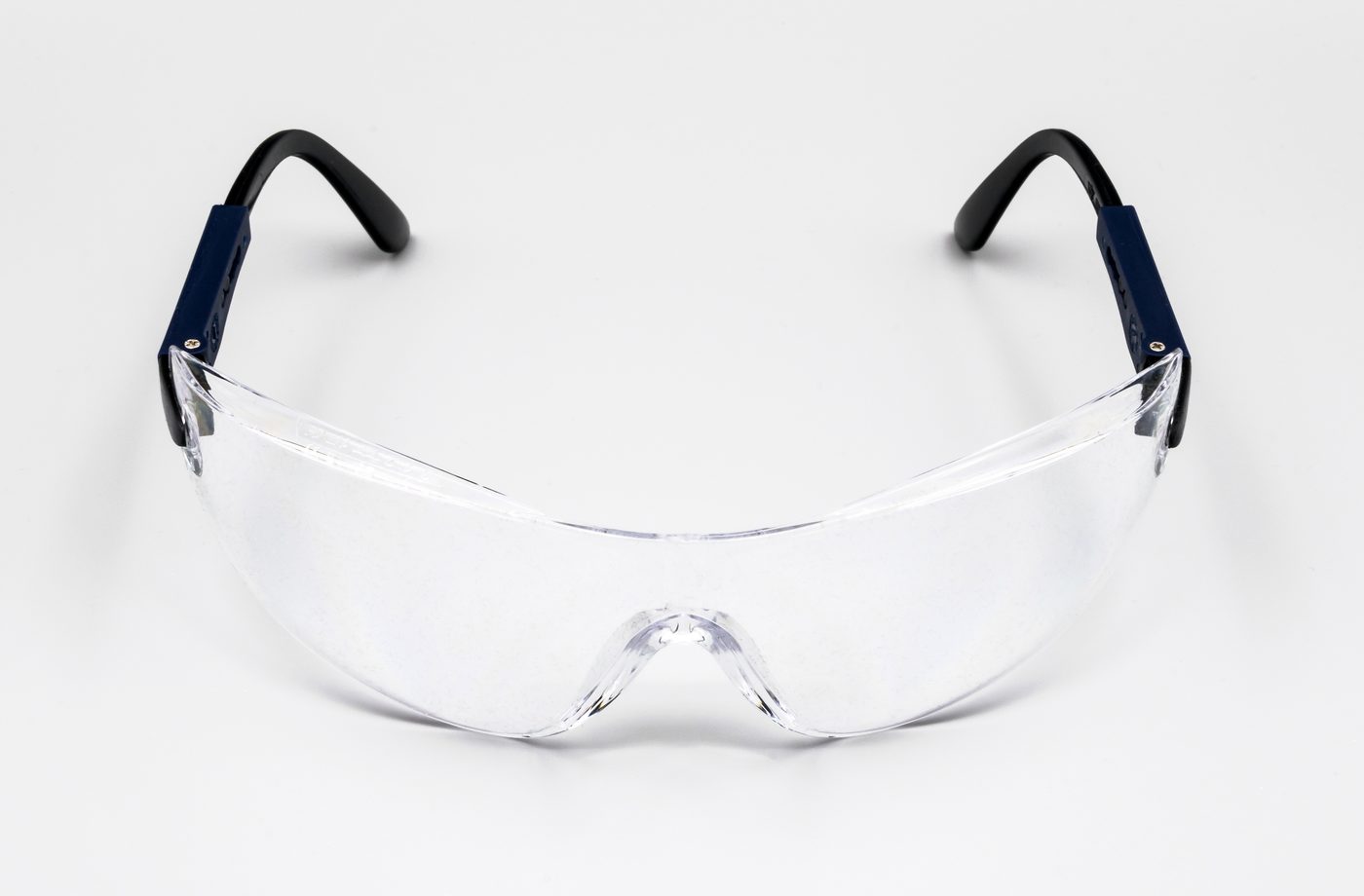
clear safety glasses for eye protection (Source: Wikimedia Commons)
Dust coat
In the Kenyan fashion industry, particularly within sportswear design, the dust coat plays a crucial role in garment construction and presentation. Dust coats are protective outer garments used primarily during the manufacturing and storage phases to safeguard sportswear from dust, dirt, and damage. They ensure that the finished product maintains its quality and appeal before reaching retail outlets or consumers. For designers and manufacturers working with institutions like retail businesses or county government sports programs, understanding the construction of dust coats is essential for preserving garment integrity.
Purpose and Importance of Dust Coats in Sportswear Construction
The dust coat serves multiple purposes in the context of sportswear production and distribution. Its role extends beyond mere protection; it also facilitates efficient handling and presentation of garments.
Purpose of Dust Coats
- Protection from Dust and Dirt: Dust coats shield sports garments from airborne particles and surface contaminants during storage and transportation, preserving fabric quality.
- Prevention of Physical Damage: They prevent scratches, snags, and other physical damage that can occur in busy production environments or warehouses.
- Maintaining Cleanliness: By covering sportswear, dust coats ensure garments remain clean and ready for retail display without additional cleaning.
- Identification and Organization: Dust coats can be labelled or colour-coded, enabling easier identification and sorting of different sportswear lines in factories or stores.
- Facilitating Handling: They allow workers in production units, such as those in Nairobi’s apparel manufacturing hubs, to handle garments without direct contact, reducing contamination risk.
Importance of Dust Coats
- Enhances Garment Longevity: Protecting sportswear during construction and storage extends the lifecycle of the garment before sale.
- Supports Quality Assurance: Clean and intact garments reduce returns and complaints, which is critical for brands like local sportswear manufacturers supplying schools.
- Improves Brand Image: Presenting dust-free, well-maintained garments helps maintain a professional brand reputation among customers.
- Cost-Effectiveness: Reducing damage and contamination lowers wastage and additional cleaning costs for manufacturers.
- Compliance with Industry Standards: Many textile and apparel quality standards in Kenya recommend protective coverings during garment handling to meet export requirements.
Materials and Design Considerations for Dust Coats
Selecting the appropriate materials and design for dust coats is vital to ensure they effectively protect sportswear without compromising ease of use in a production environment.
Materials Used in Dust Coats
- Non-Woven Polypropylene: Lightweight, breathable, and cost-effective, widely used in garment factories for dust coats.
- Cotton or Cotton-Blend Fabric: Preferred for reusable dust coats due to durability and breathability, suitable in higher-end sportswear production.
- Polyester Fabric: Offers water resistance and durability, useful in environments prone to moisture.
- Plastic (Polyethylene) Covers: Often used temporarily for shipping, but less preferred for ongoing storage as they trap moisture.
- Recycled Materials: Increasingly adopted by sustainable manufacturers to reduce environmental impact while maintaining protection.
Design Features
- Full-Length Coverage: Dust coats typically cover the entire garment, including sleeves and hem, to offer maximum protection.
- Open Front or Zip Closure: Allows easy access to the garment while maintaining coverage; zippers provide better sealing.
- Loose Fit: Designed to fit over bulky sportswear without compressing or deforming the garment.
- Lightweight and Breathable: To prevent moisture buildup that can cause mildew or fabric degradation.
- Labeling Areas: Clear spaces or tags for identification to enhance organization during production and storage.
Construction Process of Dust Coats for Sportswear
Constructing dust coats involves selecting suitable materials and following precise steps to ensure the finished product meets protective requirements and usability for sportswear designers and manufacturers.
- Material Selection and Preparation: Choose fabric based on durability, breathability, and cost-effectiveness. Cut fabric into panels according to the dust coat pattern.
- Cutting Panels: Cut front, back, and sleeve panels ensuring dimensions accommodate various sports garment sizes commonly produced in Kenya.
- Sewing Seams: Join panels with reinforced stitching to ensure durability during repeated use in production environments.
- Adding Closure Mechanisms: Attach zippers, buttons, or hook-and-loop fasteners for easy opening and closing of the dust coat.
- Finishing Edges and Hems: Hem all edges to prevent fraying and improve garment appearance and longevity.
- Labeling and Quality Check: Attach labels for size or batch identification and inspect the dust coat for defects that could compromise protection.
The construction process must balance sturdiness and flexibility, enabling workers in manufacturing units, for example at a Nairobi-based sportswear cooperative, to use dust coats effectively without hindrance.
Maintenance and Usage Practices for Dust Coats in Sportswear Production
Proper maintenance and correct usage of dust coats are essential to maximize their protective function and extend their service life within sportswear workshops and warehouses.
Maintenance of Dust Coats
- Regular Cleaning: Dust coats should be laundered or wiped down regularly to prevent accumulation of dirt and oils that can transfer to sports garments.
- Proper Storage: Store dust coats on hangers or folded neatly in clean, dry areas to avoid creasing and contamination.
- Inspection for Damage: Routinely check for tears, broken fasteners, or worn fabric that could reduce protection.
- Repair and Replacement: Promptly repair minor damages; replace dust coats that are no longer effective.
- Avoid Harsh Chemicals: Use gentle detergents during cleaning to maintain fabric integrity and avoid chemical damage.
Usage Best Practices
- Wearing Over Garments: Ensure dust coats fully cover sportswear during handling, especially when moving between workstations.
- Limiting Exposure: Use dust coats primarily in dusty or high-traffic areas to reduce unnecessary wear.
- Training Staff: Educate production and warehouse workers on the importance of dust coats to encourage consistent use.
- Colour Coding: Implement colour-coded dust coats for different sportswear lines to reduce mix-ups.
- Documentation: Maintain records of dust coat inventory and usage to monitor effectiveness and plan replacements.
In Kenyan sportswear manufacturing environments, such as at a county government sports uniform supplier, adherence to these maintenance and usage practices ensures garments reach customers in pristine condition.
Safety shoes
Safety shoes play a crucial role in the construction of sports wear, especially for designers and manufacturers focused on performance and protection. In Kenya, where sports activities range from grassroots to professional levels, incorporating safety features in footwear is essential to prevent injuries during training, competition, and even casual sportswear use. Sports shoes designed with safety in mind must balance protection, comfort, and style to meet the demands of athletes and consumers alike. This section explores the critical aspects of safety shoes relevant to sportswear design within the Kenyan fashion industry.
Meaning and Purpose of Safety Shoes in Sportswear
Safety shoes are specialized footwear designed to protect the feet from injuries caused by physical hazards such as impacts, compression, punctures, and slips. In sportswear, safety shoes serve to minimize the risk of foot injuries while enhancing performance and comfort. Their purpose extends beyond protection to include support for foot biomechanics, shock absorption, and durability to withstand rigorous sports activities.
Meaning of Safety Shoes
Safety shoes are engineered with features like reinforced toe caps, non-slip soles, and durable materials to safeguard the wearer’s feet against workplace and sports-related hazards. In the context of sportswear, these shoes are adapted to the specific needs of different sports disciplines, ensuring that athletes have the necessary foot protection without compromising agility or speed. For instance, safety shoes used by construction workers differ significantly from athletic shoes, but sports safety shoes borrow protective elements such as impact resistance and ankle support.
Purpose of Safety Shoes in Sportswear
- Protection from Impact and Compression: Safety shoes incorporate toe caps made from steel, composite, or thermoplastic materials that shield toes from heavy falls or collisions during sports.
- Slip Resistance: The soles are designed to provide traction on various surfaces, reducing the risk of slips and falls, which is critical for sports like basketball and volleyball.
- Puncture Resistance: Some sports shoes feature soles that prevent sharp objects from penetrating, protecting athletes who train in outdoor or uneven terrains.
- Ankle and Arch Support: Proper support reduces the likelihood of sprains and fatigue, enhancing an athlete’s endurance and performance.
- Durability and Comfort: Safety shoes use materials that endure constant movement and abrasion while maintaining breathability and comfort for prolonged wear.
Components and Materials of Safety Shoes for Sportswear
The construction of safety shoes involves several key components and materials that contribute to their protective and functional qualities. Each element must be carefully selected to balance safety requirements with the flexibility and lightness needed in sports footwear.
Components of Safety Shoes
- Toe Cap: This reinforced area protects the toes from impact and compression. Toe caps can be made from steel, aluminum, or composite materials, depending on the required protection level and weight considerations.
- Outsole: Made of rubber or polyurethane, the outsole provides grip and slip resistance. It often features tread patterns designed for specific sports surfaces.
- Midsole: Positioned between the outsole and insole, the midsole absorbs shock and provides cushioning. Ethylene-vinyl acetate (EVA) foam is commonly used for its lightweight and shock-absorbing properties.
- Upper Material: The upper protects the foot from external elements and provides structural support. Materials include synthetic leather, mesh, and breathable textiles, offering a combination of durability and ventilation.
- Insole: The insole adds comfort and arch support, often removable for customization or replacement.
- Heel Counter: A stiffened section around the heel area that enhances stability and prevents excessive foot movement inside the shoe.
- Lacing System or Fasteners: Secure the shoe on the foot, ensuring proper fit and support during dynamic movements.
Materials Used in Safety Shoes
- Leather and Synthetic Leather: Provide durability and abrasion resistance while shaping the shoe.
- Mesh Fabrics: Used for breathability and flexibility, important in sports shoes to prevent overheating.
- Rubber and Polyurethane: Common outsole materials offering traction and wear resistance.
-
Composite Materials: Lightweight alternatives to steel for toe caps, reducing overall shoe weight while maintaining protection.
-
Foam Padding: Used in midsoles and collars for cushioning and comfort.
Design Considerations and Ergonomics of Safety Shoes in Sportswear
Designing safety shoes for sportswear requires a careful balance between protection, comfort, and performance. Ergonomic principles ensure that the shoe supports natural foot movement and reduces the risk of injury during athletic activities.
Design Considerations
- Fit and Sizing: Proper fit is essential to avoid blisters, pressure points, and instability. Sports safety shoes must accommodate foot shape variations and allow for swelling during activity.
- Weight: Lightweight shoes reduce fatigue and improve speed. Using composite toe caps and lightweight materials helps maintain safety without adding unnecessary weight.
- Flexibility: The shoe must allow natural foot flexion, especially in sports requiring quick direction changes and jumps.
- Breathability: Ventilation through mesh panels or moisture-wicking linings prevents overheating and maintains foot hygiene.
- Shock Absorption: Cushioning in the midsole and heel reduces impact forces, protecting joints and muscles during running and jumping.
- Traction and Stability: Outsole tread patterns must suit the playing surface, whether indoor courts or outdoor fields, to prevent slips and maintain balance.
Ergonomic Impact
- Enhanced Performance: Shoes that align with foot anatomy improve comfort and responsiveness, enabling athletes to perform optimally.
- Injury Prevention: Proper support and cushioning reduce stress on ligaments and tendons, lowering the risk of sprains and fractures.
- Fatigue Reduction: Ergonomic design minimizes energy expenditure by providing efficient support and shock absorption.
- Adaptability: Sports safety shoes can be designed with adjustable features such as straps or laces to accommodate different foot widths and arch heights.
- Durability with Comfort: Materials and construction techniques must endure repetitive motion and environmental conditions without compromising ergonomic benefits.
Safety Standards and Testing for Sports Safety Shoes
Compliance with safety standards ensures that sports safety shoes provide reliable protection and meet legal and professional requirements. In Kenya, adherence to international and local standards is critical for manufacturers and designers to gain market acceptance and ensure athlete safety.
Relevant Safety Standards
- ISO 20345: This international standard specifies basic and additional requirements for safety footwear, including impact resistance, slip resistance, and puncture protection.
- ASTM F2413: A widely recognized standard that defines performance requirements for protective footwear in various occupational and sports environments.
- Kenya Bureau of Standards (KEBS): KEBS adopts and enforces relevant safety standards, ensuring that locally manufactured sports safety shoes meet quality and safety criteria.
- CE Marking: For imported sports safety shoes, CE marking indicates conformity with European safety standards.
- Environmental and Health Compliance: Materials used must not pose health hazards, and manufacturing processes should minimize environmental impact.
Testing Procedures
- Impact Resistance Test: Measures the ability of the toe cap to withstand a specified force without deformation or breakage.
- Compression Test: Assesses the shoe’s ability to resist crushing forces.
- Slip Resistance Test: Evaluates the outsole’s grip on wet and dry surfaces to prevent slips.
- Puncture Resistance Test: Tests the sole’s capacity to prevent penetration by sharp objects.
- Wear and Tear Test: Determines the durability of materials under simulated usage conditions.
Example: A Kenyan sportswear company designing safety shoes for school sports teams would need to ensure their products pass these tests to guarantee protection during physical education classes, reducing liability and enhancing brand reputation.
Thimble
In the context of sportswear construction, the thimble is a fundamental tool that protects the fashion designer’s or tailor’s finger during manual sewing. Given the high level of precision required in sports garment assembly, where fabrics often include technical materials such as elastane blends and mesh, using a thimble enhances both safety and efficiency. In Kenya’s growing sportswear industry, where designers at firms like Safaricom Sports Apparel and local bespoke tailors balance hand stitching with machine work, the thimble remains indispensable for tasks demanding careful needle control and durability.
Purpose and Importance of a Thimble in Sportswear Construction
Understanding the purpose and importance of a thimble clarifies why it remains a staple in garment construction, especially in hand sewing tasks involving sportswear.
Purpose of a Thimble
A thimble primarily serves as a protective shield for the finger, usually the middle finger or the thumb, to prevent needle pricks during sewing. In sportswear, where materials such as Lycra and neoprene are common, the resistance of these fabrics to needle penetration demands significant finger pressure, increasing the risk of injury. The thimble facilitates pushing the needle through tough or layered fabrics without discomfort or injury, thus maintaining workflow and precision.
- Protection from Injury: The thimble protects fingers from punctures, which is crucial when working with heavy-duty needles or multiple fabric layers.
- Enhancement of Sewing Efficiency: By allowing the tailor to push needles with more force, it speeds up manual stitching without fatigue.
- Improved Control: The thimble provides a firm grip on the needle, enabling more accurate and consistent stitches, essential for the durability and finish of sports garments.
- Prevention of Blisters: Continuous hand sewing can cause blisters; the thimble acts as a buffer reducing friction and pressure.
- Versatility: It is useful for both straight and curved stitching lines, which are common in ergonomic sportswear designs.
Importance of a Thimble
The thimble’s importance extends beyond safety to quality and productivity in sportswear manufacturing.
- Quality Assurance: Proper use of a thimble helps maintain stitch integrity by enabling consistent needle penetration, which is critical for sportswear that must withstand stretching and movement.
- Cost Efficiency: By preventing needle breakage and hand injuries, a thimble reduces downtime and expenses related to medical care or tool replacement.
- Ergonomic Benefits: It reduces strain on fingers during long sewing sessions, important for tailors producing large sportswear orders for institutions like county sports teams.
- Durability of Sportswear: Accurate stitching facilitated by thimble use ensures seams are strong and flexible, enhancing garment lifespan.
- Professionalism: Tailors who use a thimble demonstrate skill and care, reflecting positively on the brand reputation, such as bespoke sportswear designers in Nairobi’s creative hubs.
Types and Materials of Thimbles Used in Sportswear Tailoring
Thimbles come in various types and materials, each suited for different sewing tasks and fabric types encountered in sportswear design.
Types of Thimbles
Thimbles vary by design and function, with some specialized for particular sewing needs.
- Closed-End Thimbles: These protect the fingertip completely and are ideal for heavy fabrics like neoprene used in wetsuits or compression wear.
- Open-End Thimbles: Featuring an open tip, they provide more tactile feedback, suitable for delicate fabrics like mesh panels on running vests.
- Adjustable Thimbles: These fit snugly on different finger sizes, offering versatility for tailors working on varied garment sizes.
- Sewing Machine Thimbles: Used in conjunction with hand-stitching machines, these thimbles help control needle placement.
- Ergonomic Thimbles: Designed with ergonomic shapes and materials like silicone for comfort during extended use.
Materials of Thimbles
The choice of material affects durability, comfort, and suitability for different sportswear fabrics.
- Metal Thimbles: Typically made from steel or brass, they are the most durable and effective for pushing needles through tough materials.
- Leather Thimbles: Provide a softer feel, reducing finger fatigue but less protective for heavy-duty sewing.
- Plastic Thimbles: Lightweight and flexible but less durable, suitable for light-duty sewing or intricate hand embroidery on sportswear logos.
- Rubber or Silicone Thimbles: Offer grip and comfort, increasingly popular among designers who prioritize ergonomic support.
- Combination Thimbles: Incorporate metal tips with rubber bases to balance protection and comfort.
Proper Use and Maintenance of a Thimble in Sportswear Garment Construction
Mastering the correct use and care of a thimble enhances sewing efficiency and prolongs the tool’s lifespan, which is crucial in Kenya’s competitive garment industry.
Proper Use of a Thimble
Using a thimble effectively involves positioning and technique tailored to the sewing task.
- Placement: The thimble is most commonly worn on the middle finger or thumb of the dominant hand, as these fingers apply most pressure during hand sewing.
- Needle Control: The tailor uses the thimble to push the needle through fabric layers, controlling the force and direction to ensure neat, even stitches.
- Hand Positioning: Maintaining a relaxed grip while using the thimble prevents hand cramps during prolonged sewing sessions.
- Appropriate Needle Selection: Using the right needle size and type for the fabric reduces the effort needed and complements thimble use.
- Switching Fingers: For complex or curved seams, switching the thimble between fingers can improve maneuverability and comfort.
Maintenance of a Thimble
Regular maintenance ensures the thimble remains effective and hygienic, especially when working with multiple garment types and clients.
- Cleaning: Metal thimbles should be wiped clean after use to prevent rust and fabric stains, using a dry cloth or mild detergent if necessary.
- Inspection: Regularly check for dents, cracks, or sharp edges that could damage fabric or cause injury.
- Storage: Store thimbles in a dry, clean container to avoid corrosion and loss.
- Replacement: Replace worn or damaged thimbles promptly to maintain protection and sewing quality.
- Hygiene: For tailors working on multiple client orders, especially in hospitals or schools, disinfecting thimbles helps prevent cross-contamination.
Challenges in Using Thimbles and How to Overcome Them
Despite their benefits, thimbles can present challenges that affect sewing quality and comfort in sportswear production.
Challenges in Using Thimbles
Common issues related to thimble use include discomfort, fit problems, and fabric damage risks.
- Poor Fit: Thimbles that are too loose or tight can slip off or restrict finger movement, reducing sewing accuracy.
- Reduced Sensitivity: Some thimbles, especially metal ones, limit tactile feedback, making it harder to feel fabric texture and needle position.
- Finger Fatigue: Prolonged use without breaks can cause hand cramps or soreness.
- Fabric Snagging: Rough or damaged thimble surfaces may catch delicate sportswear fabrics like mesh or moisture-wicking knits.
- Incompatibility with Gloves: In cold environments, wearing gloves alongside thimbles can be awkward and reduce dexterity.
How to Overcome These Challenges
Adopting strategies to address thimble-related difficulties improves overall garment construction quality.
- Selecting the Right Size: Measuring the finger and trying different thimble sizes ensures a comfortable, secure fit.
- Choosing Ergonomic Designs: Using thimbles with ergonomic shapes or soft materials can enhance comfort and sensitivity.
- Taking Regular Breaks: Scheduling short breaks during hand sewing relieves finger strain and maintains productivity.
- Surface Maintenance: Regularly polishing or replacing thimbles prevents rough edges that may damage fabrics.
- Alternative Tools: For some tasks, using needle holders or finger guards can supplement or replace thimble use, especially with delicate materials.
Practice Questions
- Explain why Personal Protective Equipment is a critical consideration in the construction of sports garments. (10 marks)
- Identify and describe five components of PPE commonly integrated into sportswear. (10 marks)
- Discuss the significance of incorporating PPE in sports garments within the Kenyan sports industry. (10 marks)
- Outline six factors that influence the selection of PPE in designing sportswear. (12 marks)
- Explain five features of protective sportswear used in contact sports and how they contribute to athlete safety. (10 marks)
- Discuss the importance of thermal PPE in sportswear and list five characteristics that designers should consider for cold weather sports in Kenya. (10 marks)
- Identify and explain five key features of high-visibility PPE used in outdoor sports activities. (10 marks)
- Describe five types of protective accessories in sportswear and their functions in enhancing athlete safety. (10 marks)
-
Explain the multiple purposes of dust coats in sportswear construction and how they contribute to garment quality. (10 marks)
-
Identify and describe five materials suitable for making dust coats and why they are preferred in sportswear production. (10 marks)
-
Outline the detailed steps involved in the construction of a dust coat for sports garments. (12 marks)
-
Discuss five best practices for maintaining dust coats and their importance in the context of sportswear manufacturing. (10 marks)
-
Explain five key purposes of safety shoes in sportswear and how they influence athlete performance. (10 marks)
-
Identify and describe the main components of safety shoes used in sportswear manufacturing. (10 marks)
-
Discuss six ergonomic considerations that must be factored into the design of safety shoes for sports activities. (12 marks)
-
Outline the main safety standards applicable to sports safety shoes in Kenya and explain the importance of each. (12 marks)
-
Explain five reasons why using a thimble is important in the construction of sports garments. (10 marks)
-
Compare and contrast three types of thimbles used in hand sewing sportswear fabrics. (12 marks)
-
Describe six steps a tailor should follow to properly use a thimble when hand stitching a sports vest. (12 marks)
-
Identify common challenges encountered when using thimbles in sportswear construction and suggest practical ways to overcome each. (15 marks)
The rest of this chapter
🔒Create a free account to open more of this chapter.
Free: practical guides, quick cards, workplace scenarios and more.
Create a free account 🔒1.2 Clothing Construction Tools and Equipment
In the Kenyan fashion design industry, especially when focusing on sportswear, the selection and use of appropriate clothing construction tools and equipment are critical. These tools not only influence the quality and durability of the finished garment but al…
🔒1.3 Clothing Construction Materials and Supplies
In the Kenyan fashion industry, especially within the niche of sportswear design, selecting appropriate clothing construction materials and supplies is critical. The materials used affect garment performance, comfort, durability, and appeal to the active consu…
🔒1.4 Sports Garments Designs
In the Kenyan fashion industry, sportswear design has become a dynamic niche responding to the growing demand for functional, stylish, and culturally relevant athletic apparel. Designers must balance aesthetic appeal with performance features that suit local c…
Chapter Summary
This chapter explored the essential role of personal protective equipment including dust coats, safety shoes, and thimbles in sports garment construction to ensure safety and hygiene. It detailed the various clothing construction tools and equipment, categorizing them into measuring, finishing, basic sewing, cutting, marking, and drawing tools, alongside equipment such as display units, cameras, and sewing machines. The discussion emphasized the importance of selecting appropriate tools and equipment based on specific factors and highlighted best practices for their care, maintenance, and storage. Materials and supplies integral to garment making were covered extensively, including assorted belts, bows, buttons, embroidery threads, beads, and various papers and pencils used in marking and designing. The chapter further examined a range of fabrics, interlinings, interfacing, lace, linings, ribbons, sewing threads, stiffeners, and underlinings necessary for sportswear production. Finally, it presented the different categories of sports garment designs such as active wear, leisure wear, gym wear, and swimwear, underscoring their unique features and construction requirements.
Self-Assessment
🔒 PDFDownload this self-assessment, with answers
A. Written Assessment
-
Which of the following is NOT considered personal protective equipment (PPE) in a fashion design workshop? (2 marks)
a) Dust coat
b) Safety shoes
c) Sewing machine
d) Thimble
-
Describe the primary function of a dust coat in sports garment construction. (3 marks)
🔒20 more in this section.
Chapter Examination Questions
🔒 PDFDownload these examination questions, with worked answers
SECTION A (40 Marks) - Answer ALL Questions
- Explain the role of personal protective equipment (PPE) in the construction of sports garments in a Kenyan fashion design workshop. (4 marks)
- Identify four examples of PPEs commonly used in garment construction and describe their specific protective functions. (4 marks)
🔒18 more in this section.
Chapter Practical Activities
Practical 1: Identify and use measuring tools for sports garment fabric measurement
Fashion Design · Level 6
Sports Wear
PRACTICAL ASSESSMENT
TIME: 4 HOURS
⬇ PDFCandidate Instructions (Candidate Tool)
Type: Individual
INSTRUCTIONS TO CANDIDATE:
1. You are required to perform the following task:
i. Select appropriate measuring tools and accurately measure 1 meter length of medium weight polyester sports fabric for garment construction.
2. You have been provided with the following resources for the practical task:
| Tools & Equipment | Materials |
|---|
| Measuring tape (150 cm) | Medium weight polyester sports fabric |
| Ruler (30 cm) | Brown pattern paper |
| Tailor’s square | Sewing thread (matching fabric color) |
| Fabric marker chalk | |
| Personal protective equipment (dust coat, flat closed shoes) | |
⬇ PDFResources Required (Cutting List)
| S/N | Item | Quantity |
|---|
| 1 | Measuring tape (150 cm) | 1 Pc per Candidate |
| 2 | Ruler (30 cm) | 1 Pc per Candidate |
| 3 | Tailor’s square | 1 Pc per Candidate |
| 4 | Fabric marker chalk | 1 Pc per Candidate |
| 5 | Medium weight polyester sports fabric | 1 meter per Candidate |
| 6 | Brown pattern paper | 1 sheet A2 per Candidate |
| 7 | Sewing thread (matching fabric color) | 1 spool per Candidate |
| 8 | Personal protective equipment (dust coat, flat closed shoes) | 1 set per Candidate |
⬇ PDFAssessor Guide
| Items to be Evaluated | Marks Available | Marks Obtained | Comments |
|---|
| TASK 1: Preparation and PPE |
Identified and wore personal protective equipment correctly (dust coat, flat closed shoes)
(Award 1 mark for correct PPE use, zero if not) | 1 | | |
| Sub-Total | 1 | | |
| TASK 2: Identification and Selection of Measuring Tools |
Identified measuring tape suitable for fabric measurement
(Award 1 mark for correct identification) | 1 | | |
Identified ruler and tailor’s square for precise measurement and marking
(Award 1 mark for correct identification) | 1 | | |
Selected appropriate fabric marker chalk for marking fabric
(Award 1 mark for correct identification) | 1 | | |
| Sub-Total | 3 | | |
| TASK 3: Measuring and Marking the Fabric |
Measured 1 meter length of fabric accurately using measuring tape
(Award 2 marks for accurate measurement within ±0.5 cm) | 2 | | |
Used tailor’s square and ruler to mark straight and square lines on fabric
(Award 2 marks for correct use to ensure accuracy) | 2 | | |
Marked fabric clearly and neatly with fabric marker chalk
(Award 1 mark for neat and visible markings) | 1 | | |
| Sub-Total | 5 | | |
| TASK 4: Safety and Cleanliness |
Maintained a clean and organized work area during measurement
(Award 1 mark for good housekeeping) | 1 | | |
Handled tools and fabric carefully to avoid damage
(Award 1 mark for careful handling) | 1 | | |
| Sub-Total | 2 | | |
| PRODUCT CHECKLIST |
Fabric length measured is exactly 1000 mm ± 5 mm
(Award 2 marks for measurement within tolerance) | 2 | | |
Marked lines are straight and square as per tailor’s square and ruler use
(Award 2 marks for neat and accurate marking) | 2 | | |
Fabric is free from accidental damage or stains
(Award 1 mark for fabric condition) | 1 | | |
| Sub-Total | 5 | | |
| GRAND TOTAL | 16 | | |
ASSESSMENT OUTCOME: ☐ Competent ☐ Not Yet Competent (competent if at least 50%)
Practical 2: Cut fabric pieces accurately for sports garment construction
Fashion Design · Level 6
Sports Wear
PRACTICAL ASSESSMENT
TIME: 4 HOURS
⬇ PDFCandidate Instructions (Candidate Tool)
Type: Individual
INSTRUCTIONS TO CANDIDATE:
1. You are required to perform the following task:
i. Cut fabric pieces for a sports jacket: Front 60cm length x 50cm width, Back 60cm length x 52cm width, Sleeves 55cm length x 30cm width as per the provided pattern.
2. You have been provided with the following resources for the practical task:
| Tools & Equipment | Materials |
|---|
| Fabric cutting shears | Medium weight polyester fabric |
| Tailor's chalk | Brown pattern paper |
| Measuring tape | Sewing thread matching fabric color |
| Pattern weights | Fusible interfacing |
| Tracing wheel | |
| Personal protective equipment | |
⬇ PDFResources Required (Cutting List)
| S/N | Item | Quantity |
|---|
| 1 | Medium weight polyester fabric | 1.2 meters per Candidate |
| 2 | Brown pattern paper | 2 sheets A2 size per Candidate |
| 3 | Sewing thread matching fabric color | 1 spool per Candidate |
| 4 | Fusible interfacing | 0.5 meters per Candidate |
⬇ PDFAssessor Guide
| Items to be Evaluated | Marks Available | Marks Obtained | Comments |
|---|
| TASK 1: Preparation and Safety |
Identified and wore personal protective equipment correctly (dust coat, flat closed shoes)
(Award 1 mark for correct PPE use) | 1 | | |
Ensured working area is well-lit and well-ventilated
(Award 1 mark for observing safety and health requirements) | 1 | | |
| Sub-Total | 2 | | |
| TASK 2: Identification and Gathering of Tools and Materials |
Identified and gathered medium weight polyester fabric, brown pattern paper, sewing thread, fusible interfacing
(Award 1 mark for correctly identifying materials) | 1 | | |
Identified and gathered fabric cutting shears, tailor's chalk, measuring tape, pattern weights, tracing wheel
(Award 1 mark for correctly identifying tools) | 1 | | |
| Sub-Total | 2 | | |
| TASK 3: Pattern Layout and Marking |
Developed pattern pieces on brown paper according to given dimensions with seam allowances
(Award 2 marks for accurate pattern development with seam allowances) | 2 | | |
Added pattern instructions including grain line, number of pieces to cut, and notches
(Award 1 mark for correct pattern instructions) | 1 | | |
Laid pattern pieces on fabric correctly aligned to grain line
(Award 2 marks for correct layout respecting grain line) | 2 | | |
| Sub-Total | 5 | | |
| TASK 4: Cutting and Marking Fabric |
Cut fabric pieces accurately with clean strokes along pattern edges
(Award 3 marks for neat, accurate cutting) | 3 | | |
Transferred all pattern markings (notches, grain line, construction lines) to fabric pieces using appropriate tools
(Award 2 marks for complete and accurate marking transfer) | 2 | | |
| Sub-Total | 5 | | |
| PRODUCT CHECKLIST |
Fabric pieces cut to correct dimensions: Front (600mm x 500mm), Back (600mm x 520mm), Sleeves (550mm x 300mm)
(Award 3 marks for all pieces cut to specified dimensions within ±5mm tolerance) | 3 | | |
Pattern markings correctly transferred and visible on fabric pieces
(Award 2 marks for clear, accurate markings) | 2 | | |
Edges cleanly cut with no fraying or jagged edges
(Award 2 marks for neat edges) | 2 | | |
| Sub-Total | 7 | | |
| GRAND TOTAL | 21 | | |
ASSESSMENT OUTCOME: ☐ Competent ☐ Not Yet Competent (competent if at least 50%)
🔒Mark fabric for sports garment parts using appropriate marking toolsPractical 3
🔒Draw sports garment patterns using drawing toolsPractical 4
🔒Operate Basic Sewing Tools to Assemble a Sports Garment Panel 60cm x 40cmPractical 5
🔒Use finishing tools to complete garment edges on a sports jacketPractical 6
🔒Operate Sewing Machine to Construct Sports Garment Front Panel 60cm x 45cmPractical 7
🔒Select appropriate materials for constructing a sports jacket 1000mm x 700mmPractical 8
🔒Select and prepare garment supplies for a sports wear garmentPractical 9
🔒Plan and design an active wear sports garmentPractical 10
🔒Plan and design leisure sports garmentsPractical 11
🔒Plan and design gym wear garments focusing on comfort and mobilityPractical 12
🔒Design and Plan Swim Wear Garment ConstructionPractical 13
🔒Care, Maintenance, and Storage of Sports Garment Construction Tools and EquipmentPractical 14
🔒Evaluate and Select Appropriate Tools and Equipment for Sports Garment ConstructionPractical 15
