
By the end of this chapter, you will be able to:
Mastering these skills will help you create quality children’s clothing that fits well and looks professional, setting you up for success in the fashion and garment trade!
Compiled by: Mary Jepkosgei
Garment assembly is a critical phase in children’s wear production, requiring precision to ensure comfort, durability, and aesthetic appeal. In Kenya’s vibrant fashion industry, where local designers increasingly cater to growing urban and rural markets, mastering garment construction techniques enhances product quality and customer satisfaction. This chapter focuses on the technical aspects of assembling children’s garments, emphasizing the unique considerations such as size variations, fabric choices, and safety standards relevant to Kenyan children’s wear designers.
The construction of garment pieces involves transforming flat fabric components into a finished three-dimensional garment through a series of precise operations. For children’s wear, this process must address factors such as ease of movement, skin sensitivity, and frequent washing. Kenyan fashion professionals working in children’s wear must balance craftsmanship with efficiency to meet the demands of retail outlets, schools’ uniforms, and casual wear markets.
Proper preparation of fabric pieces lays the foundation for successful garment construction. This stage includes inspecting, marking, and organizing fabric components cut according to patterns, which is especially important for children’s wear where size accuracy and fabric handling affect the final garment’s fit and comfort.
Joining fabric pieces involves various sewing methods adapted to the garment’s function and fabric type. Children’s wear requires durable seams that withstand active use and frequent washing without discomfort.
The sequence of assembling garment pieces influences production efficiency and garment quality. Kenyan children’s wear producers typically follow standardized assembly orders adapted for different garment types.
Finishing transforms the assembled garment into a market-ready product, with quality control ensuring it meets design and safety standards critical in children’s wear.
In Kenyan fashion design workshops, particularly those focused on children’s wear, maintaining a safe working environment is crucial to prevent accidents that could disrupt production or cause injury. Workshops often include sharp tools, heavy machinery, and chemicals, making adherence to safety protocols non-negotiable. Moreover, workshops located in institutions such as fashion schools, garment factories, or small-scale tailoring businesses must comply with occupational safety regulations stipulated by bodies like the Directorate of Occupational Safety and Health Services (DOSHS). Understanding and implementing safety rules ensures that fashion designers and technicians can work efficiently without compromising their wellbeing or that of their colleagues.
Personal protective equipment (PPE) and safe attire form the first line of defense against common workshop hazards in children’s garment assembly. Wearing appropriate clothing and protective gear reduces exposure to sharp objects, hot surfaces, and chemical irritants, which are prevalent in sewing and finishing processes.
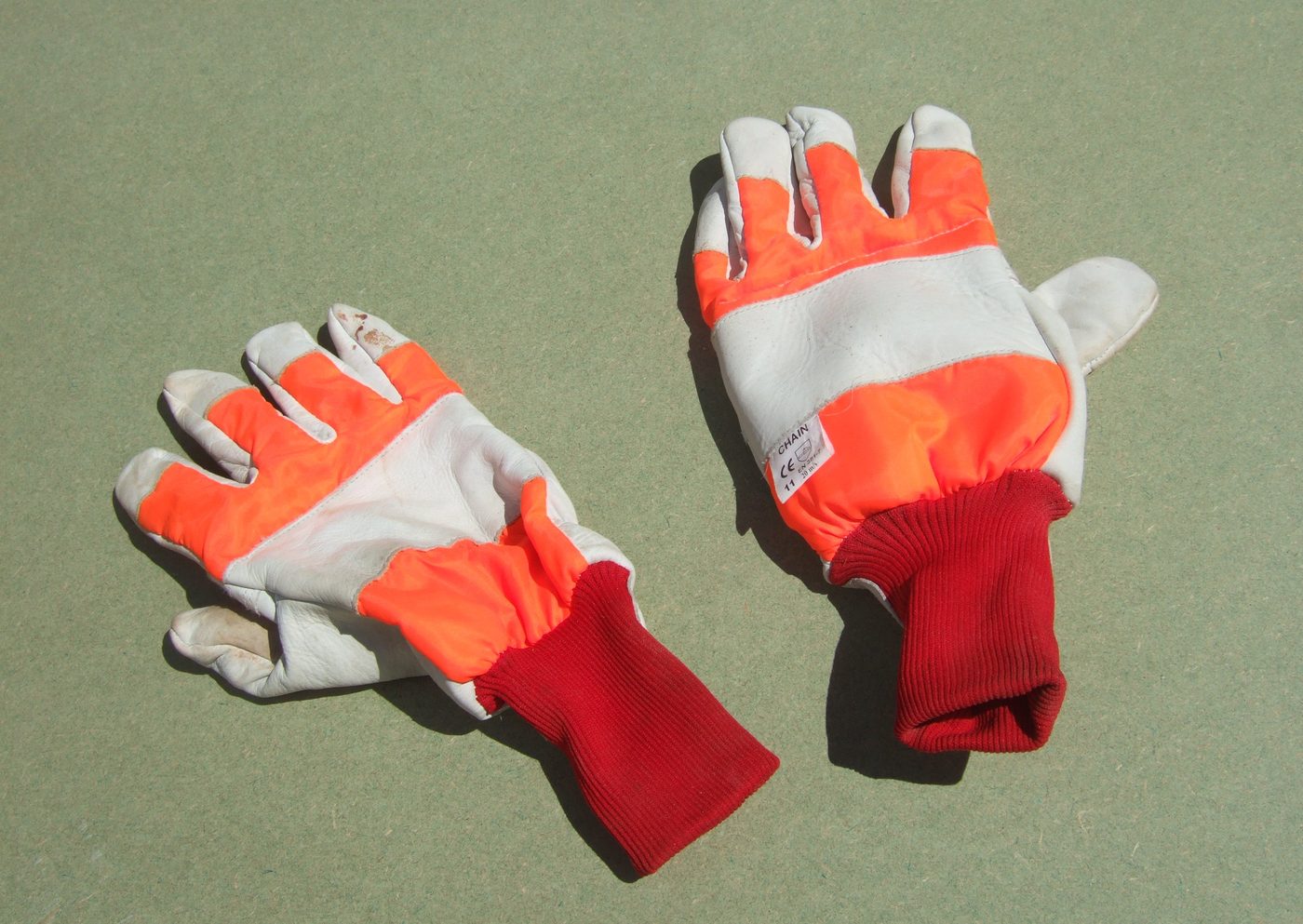
A pair of protective gloves (Source: Wikimedia Commons)
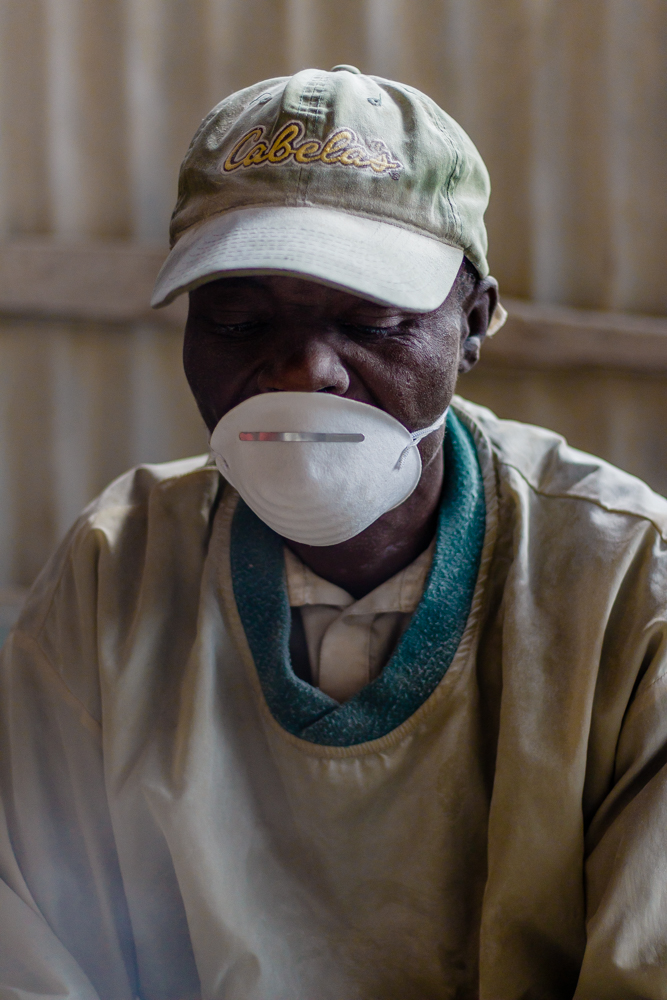
Person wearing a dust mask (Source: Wikimedia Commons)
Sewing machines and cutting tools are central to assembling children’s garments but present significant risks if handled improperly. A clear understanding of safety procedures minimizes accidents such as cuts, needle injuries, and machine malfunctions.
Workshops producing children’s wear often use electrical equipment and heat sources such as irons and steam presses, which pose fire hazards. Kenyan regulations require workshops to have fire safety measures and emergency response plans.
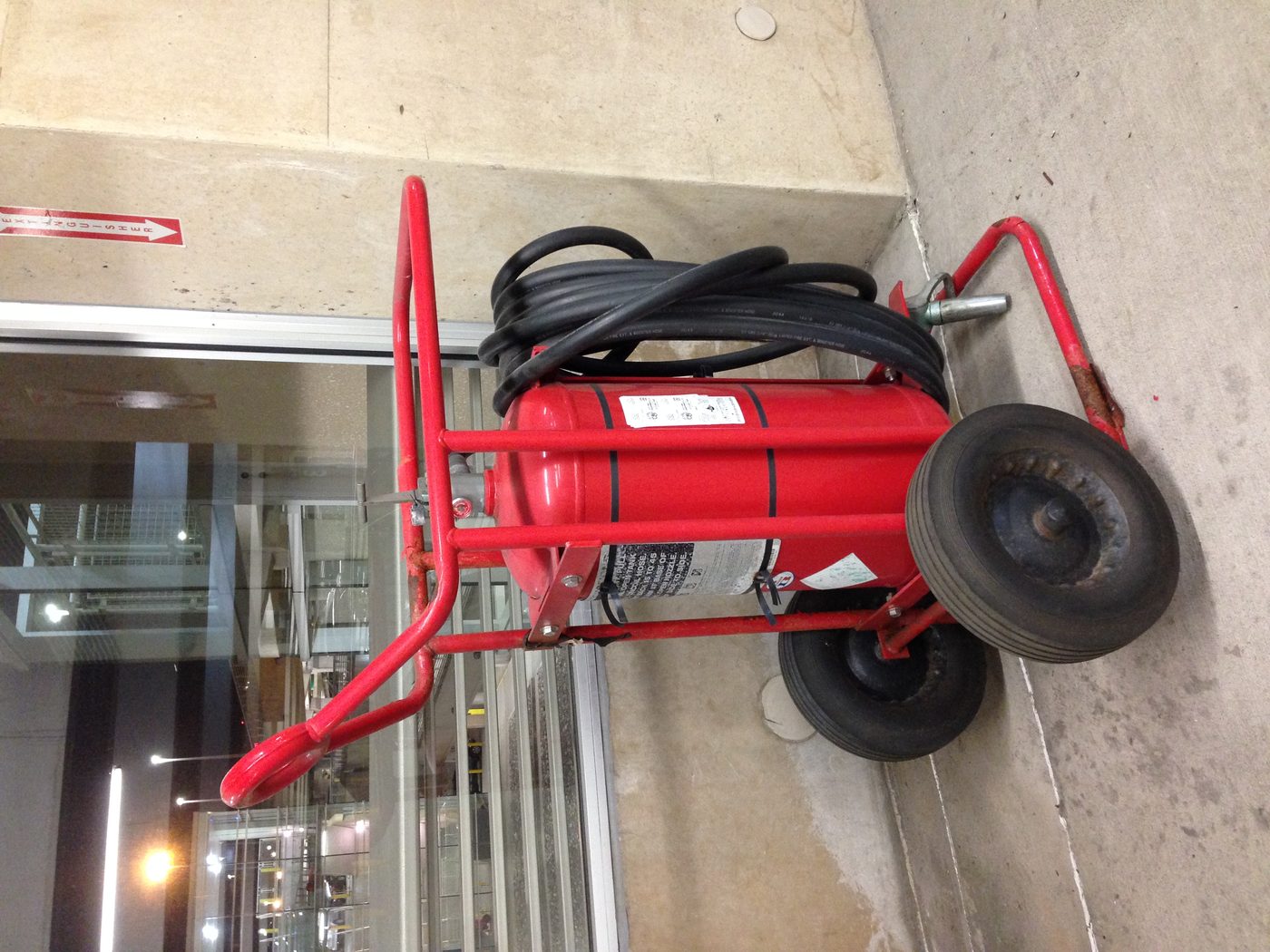
Large wheeled fire extinguisher unit (Source: Wikipedia (Fire extinguisher))
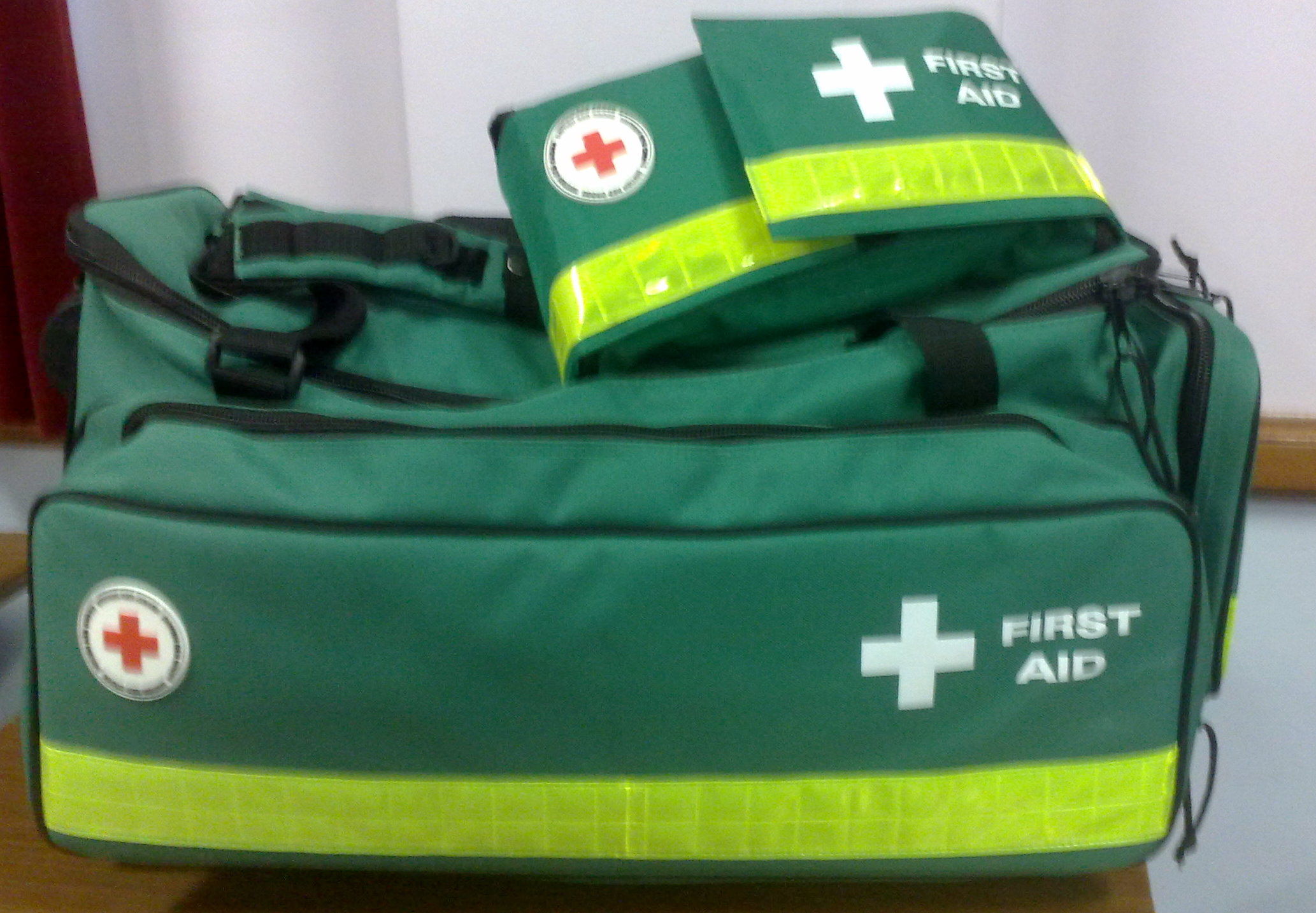
Green first aid kits with cross symbols (Source: Wikipedia (First aid kit))
Children’s garment production sometimes involves the use of chemicals such as dyes, fabric stiffeners, and adhesives. Proper handling and disposal protect workers and the environment, particularly in Kenya where environmental regulations are increasingly enforced.
In garment assembly workshops, safety and discipline are paramount to ensure a productive and hazard-free environment. Running within a workshop, especially in children’s wear production areas, can lead to accidents, damage to expensive materials, and injuries to staff. In Kenya’s fashion design industry, where workshops are often busy with trainees and professionals working with sharp tools and complex machinery, observing strict movement protocols is essential to safeguard workers and maintain workflow efficiency.
Running in a workshop setting exposes workers to numerous hazards that can compromise personal safety and the quality of garment production. Understanding these risks helps fashion design professionals appreciate the importance of controlled movement.
Running increases the likelihood of slips, trips, and falls on workshop floors that may be cluttered with fabric scraps, pins, needles, or sewing machine cords. For example, a trainee at a Nairobi-based fashion school running between cutting and sewing stations might slip on a stray piece of fabric, resulting in bruises or fractures.
Garment assembly involves delicate fabrics and expensive machinery. Running can cause accidental collisions with sewing machines or cutting tools, leading to costly damage. In a children’s wear workshop, where materials like fine cottons and embellishments are used, such damage can ruin entire batches of garments.
Running creates noise and sudden movement that distract other workers focusing on precision tasks such as stitching or pattern alignment. This distraction can increase errors in garment assembly, affecting product quality and delivery timelines in businesses like boutique children’s wear outlets in Mombasa.
A chaotic atmosphere resulting from running workers can increase stress levels and reduce morale. In a cooperative garment production unit in Eldoret, maintaining calm and orderly movement helps foster a positive working environment that encourages concentration and teamwork.
Workshops must comply with occupational safety regulations stipulated by bodies like the Directorate of Occupational Safety and Health Services (DOSHS) in Kenya. Allowing running breaches these safety protocols and exposes employers to legal consequences and possible fines.
Running in workshops often stems from underlying causes that can be addressed through management and training interventions, improving safety and efficiency.
Workers may run to meet tight production deadlines, especially in fast-paced fashion houses supplying to children’s boutiques in Nairobi. Implementing realistic timelines and effective workload distribution reduces the need for rushing.
New trainees or casual workers may not fully understand workshop safety rules. Regular safety inductions and visible signage reminding workers to move cautiously reinforce proper behaviour.
Poor spatial design can force workers to take longer routes or navigate crowded spaces, tempting them to run to save time. Reorganizing workstations logically to minimize unnecessary movement promotes calm walking.
Without supervisors actively monitoring behaviour, workers may disregard safety rules. Assigning floor managers to enforce movement protocols ensures adherence and provides immediate correction.
Over time, habitual running can develop in a relaxed workshop culture. Encouraging a culture of discipline through peer mentoring and recognition of safe practices helps break these habits.
Establishing clear policies and practical measures ensures that running is eliminated from garment assembly workshops, protecting workers and assets.
Displaying posters that outline “No Running” rules and explaining the risks creates awareness. In a garment factory in Kisumu, such visual reminders have reduced incidents of running-related accidents.
Designing workflow stations to minimize unnecessary movement allows workers to complete tasks efficiently without rushing. For instance, placing cutting tables close to sewing machines in a children’s wear workshop limits transit distances.
Ensuring sufficient workforce numbers prevents overburdening individuals, reducing the temptation to run to catch up on tasks. County government offices with in-house tailoring units benefit from balanced staffing to maintain steady workflow.
Supervisors should consistently monitor and correct unsafe movement, reinforcing the importance of walking. Positive reinforcement for safe behaviour motivates workers to comply willingly.
Strict enforcement of no-running policies yields tangible benefits in both safety outcomes and operational efficiency within children’s garment production.
Limiting running sharply decreases injuries from falls and collisions, leading to fewer lost workdays and medical costs. For example, a children’s clothing cooperative in Nakuru reported a 40% drop in accidents after enforcing movement rules.
Minimizing sudden movements protects delicate fabrics and expensive machines, reducing waste and repair expenses. This is critical in high-end children’s wear manufacturers supplying Nairobi’s retail market.
Calm movement fosters a focused atmosphere where workers pay closer attention to sewing precision and finishing details, improving garment quality and customer satisfaction.
A safe, orderly environment enhances worker confidence and cooperation, which supports consistent production output and reduces staff turnover.
Adhering to DOSHS guidelines through no-running policies helps avoid penalties and reassures clients about the professionalism of the workshop operations.
In the Kenyan fashion design industry, particularly in children’s wear production, safety in the workshop or studio is essential to protect workers from hazards associated with sewing machines, cutting tools, and chemical agents such as dyes and adhesives. Wearing the correct personal protective equipment (PPE) helps reduce the risk of injuries and occupational illnesses, ensuring a safe working environment. This is especially critical in children’s wear manufacturing where attention to detail and precision are paramount, and distractions due to injury or discomfort can affect garment quality. In settings like garment factories supplying to retail chains in Nairobi or Kisumu, adherence to PPE protocols is often part of compliance with occupational safety regulations enforced by bodies such as the Directorate of Occupational Safety and Health Services (DOSHS).
The selection of PPE in children’s wear assembly depends on the specific tasks and hazards involved. Identifying the appropriate equipment ensures workers are protected without hindering their dexterity or mobility, which is vital when handling delicate fabrics and small components.
Protective Gloves: Gloves made from materials like nitrile or cotton protect hands from cuts, needle pricks, and exposure to chemicals such as adhesives used in bonding fabric pieces. They also prevent fabric contamination by natural hand oils.
Eye Protection: Safety goggles or glasses shield the eyes from flying particles when trimming threads or cutting fabric with rotary cutters. In some cases, protection against chemical splashes during fabric treatment is necessary.
Protective Clothing: Aprons or overalls made of durable, breathable fabric protect the wearer’s clothes from stains, adhesives, and sharp tool contact. These garments should fit well to avoid entanglement in machinery.
Dust Masks: In workshops where fabric dust or chemical fumes are present, masks minimize inhalation of harmful particles, preserving respiratory health.
Hearing Protection: In large-scale garment factories with noisy sewing machines and pressing equipment, earplugs or earmuffs reduce the risk of hearing damage.
Proper use of PPE is as important as having the correct equipment. Incorrect wearing can reduce effectiveness and increase risk. In children’s garment production, where precision is vital, PPE must also not interfere with fine motor skills.
Inspection: Before use, examine PPE for any damage such as tears in gloves or cracks in goggles. Damaged PPE should be replaced immediately to maintain protection.
Hand Hygiene: Wash and dry hands thoroughly to prevent contamination of gloves and to maintain comfort during use.
Glove Application: Select gloves of appropriate size to allow dexterity. Pull gloves on gently to avoid tearing, ensuring full coverage of fingers and wrists.
Eye Protection Placement: Position goggles or glasses securely on the face, adjusting straps or arms for a snug fit without pressure points.
Wear Protective Clothing: Put on aprons or overalls, fastening all buttons or ties to avoid loose ends that could catch in machinery.
Mask Fitting: Position dust masks over nose and mouth, molding the nose piece to the face for a tight seal to prevent air leaks.
Hearing Protection: Insert earplugs fully or place earmuffs correctly, ensuring coverage of the entire ear canal.
Maintaining PPE in good condition extends its usability and ensures ongoing protection. In children’s garment workshops, where PPE is often reused, hygiene and functionality are critical.
Cleaning: Wash reusable gloves and protective clothing according to manufacturer instructions, using mild detergents to avoid material degradation. Eye protection should be cleaned with lens-safe solutions to maintain clarity.
Storage: Store PPE in dry, clean areas away from direct sunlight and chemicals to prevent damage. Use designated containers or hooks to avoid contamination and deformation.
Regular Inspection: Conduct scheduled inspections to check for wear and tear. Replace PPE immediately when signs of damage such as holes or cracks are detected.
Record Keeping: Maintain logs of PPE issuance and maintenance schedules to ensure compliance with safety standards and facilitate timely replacements.
Training: Educate workers on proper handling and care of PPE to reinforce responsibility and prolong equipment life.
In Kenya, adherence to occupational safety laws is mandatory, including the use of PPE to protect workers. Failure to comply can result in penalties, workplace injuries, and operational disruptions.
Occupational Safety and Health Act (OSHA): Requires employers to provide appropriate PPE and ensure its use in hazardous environments, including garment workshops.
DOSHS Guidelines: Enforce standards for PPE selection, provision, and maintenance to safeguard worker health.
Employer Liability: Non-compliance may lead to fines, compensation claims, and reputational damage, especially in formal garment manufacturing units supplying to retail chains.
Worker Training: Regular training on PPE importance and correct use fosters a safety-conscious workforce.
Supervision: Supervisors must monitor PPE compliance and address lapses promptly to prevent accidents.
Incident Reporting: Establish mechanisms for reporting safety issues related to PPE to enable continuous improvement.
Integration with Other Safety Measures: PPE use complements other safety practices such as machine guarding and ergonomic workstation design to create a holistic safety environment.
Explain five risks associated with running in a children’s wear garment assembly workshop and how each risk can affect the production process. (10 marks)
Discuss five reasons why workers may run in workshops and suggest practical measures to address each reason. (10 marks)
Describe five best practices that a children’s wear workshop manager can implement to prevent running. (10 marks)
Analyse the impact of enforcing no-running policies on both safety and productivity in children’s garment workshops. (10 marks)
Explain five types of personal protective equipment suitable for children’s garment assembly and their specific protective roles. (10 marks)
Describe the correct procedure for putting on protective gloves and eye protection in a children’s wear workshop. (8 marks)
Discuss the maintenance practices necessary to ensure the longevity and effectiveness of PPE in a garment manufacturing setting. (10 marks)
Outline the legal obligations of garment workshop employers regarding PPE use under Kenyan occupational safety laws. (7 marks)
Create a free account to open more of this chapter.
Free: practical guides, quick cards, workplace scenarios and more.
Create a free accountThe chapter begins with an overview of the construction of garment pieces, highlighting the importance of precision in cutting and preparing fabric components for children's wear. It emphasizes strict adherence to safety rules in the workshop, including the critical instruction to avoid running to prevent accidents and injuries. Proper use of personal protective equipment is underscored to ensure a safe working environment. The process of assembling garment parts is detailed, guiding learners through combining individual pieces to create a complete garment. Various assembly techniques such as the line, group or batch, flat, and round methods are explained, each suited to different production scales and garment types. The chapter then focuses on neatening garments, describing several methods including overlocking, blanket stitching, and the use of pinking shears to finish edges and prevent fraying. Finally, it outlines key factors to consider when neatening garments, ensuring durability and aesthetic quality in children’s clothing.
Type: Individual
| Tools & Equipment | Materials |
|---|---|
| Sewing machine | Plain medium weight fabric |
| Drafting tools | Elastic 25 cm |
| Sewing tools | Contrasting light weight fabric (25 cm x 45 cm) |
| Pressing tools | Fusible interfacing (55 cm x 8 cm) |
| Working surface | Sewing thread to match the fabric |
| Personal Protective Equipment (PPE) set | Contrasting sewing thread |
| Contrasting buttons (without shank) | |
| Brown paper | |
| Large envelope (A3 size) |
| S/N | Item | Quantity |
|---|---|---|
| 1 | Dust coat | 1 Pc per Candidate |
| 2 | Flat closed shoes | 1 Pair per Candidate |
| 3 | Thimble | 1 Pc per Candidate |
| 4 | Personal Protective Equipment (PPE) set | 1 Set per Candidate |
| 5 | Plain medium weight fabric | 1.5 meters per Candidate |
| 6 | Elastic 25 cm | 1 Pc per Candidate |
| 7 | Contrasting light weight fabric (25 cm x 45 cm) | 1 Pc per Candidate |
| 8 | Fusible interfacing (55 cm x 8 cm) | 1 Pc per Candidate |
| 9 | Sewing thread to match the fabric | 1 Spool per Candidate |
| 10 | Contrasting sewing thread | 1 Spool per Candidate |
| 11 | Contrasting buttons (without shank) | 4 Pcs per Candidate |
| 12 | Brown paper | 1 Sheet per Candidate |
| 13 | Large envelope (A3 size) | 1 Pc per Candidate |
| 14 | Sewing machine | 1 Pc per Candidate |
| 15 | Drafting tools | 1 Set per Candidate |
| 16 | Sewing tools (scissors, pins, needles) | 1 Set per Candidate |
| 17 | Pressing tools (iron, ironing board) | 1 Set per Candidate |
| 18 | Working surface | 1 Pc per Candidate |
| Items to be Evaluated | Marks Available | Marks Obtained | Comments |
|---|---|---|---|
| TASK 1: Application of Workshop Safety Rules | |||
| Wore PPE correctly: dust coat, thimble, flat closed shoes (Award 1 mark each for dust coat, thimble, and flat closed shoes) | 3 | ||
| Observed occupational safety and health requirements: ensured well-lit and well-ventilated working area (Award 1 mark each for well-lit and well-ventilated room) | 2 | ||
| Identified required tools, materials and equipment according to workplace policy and SOPs (Award 1 mark each for correctly identifying tools, materials, and equipment) | 3 | ||
| Handled tools and equipment safely without running or careless movements in the workshop (Award 2 marks for safe handling and no running) | 2 | ||
| Sub-Total | 10 | ||
| PRODUCT CHECKLIST | |||
| Demonstrated proper use of PPE and adherence to safety protocols throughout garment assembly without incidents (Award up to 5 marks based on consistent correct PPE use and safety adherence) | 5 | ||
| Sub-Total | 5 | ||
| GRAND TOTAL | 15 | ||
Type: Individual
| Tools & Equipment | Materials |
|---|---|
| Sewing machine | Plain medium weight fabric |
| Drafting tools | Elastic 25 cm |
| Sewing tools | Contrasting light weight fabric (25 cm by 45 cm) |
| Working surface | Fusible interfacing (55 cm by 8 cm) |
| Pressing tools | Sewing thread to match the fabric |
| PPEs | Contrasting sewing thread |
| Contrasting Buttons |
| S/N | Item | Quantity |
|---|---|---|
| 1 | Brown paper | 1 Pc per Candidate |
| 2 | Plain medium weight fabric | 1.5 meters per Candidate |
| 3 | Elastic 25 cm | 1 Pc per Candidate |
| 4 | Contrasting light weight fabric (25 cm by 45 cm) | 1 Pc per Candidate |
| 5 | Fusible interfacing (55 cm by 8 cm) | 1 Pc per Candidate |
| 6 | 1 large envelope | 1 Pc per Candidate |
| 7 | Sewing thread to match the fabric | 1 Pc per Candidate |
| 8 | Contrasting sewing thread | 1 Pc per Candidate |
| 9 | Contrasting Buttons (without shank) | 4 Pcs per Candidate |
| 10 | Sewing machine | 1 Pc per Candidate |
| 11 | Working surface | 1 Pc per Candidate |
| 12 | Pressing tools | 1 Pc per Candidate |
| 13 | PPEs (Dust coat, thimble, flat closed shoes) | Appropriate |
| 14 | Drafting tools | Appropriate |
| 15 | Sewing tools (scissors, pins, needles, measuring tape) | Appropriate |
| Items to be Evaluated | Marks Available | Marks Obtained | Comments |
|---|---|---|---|
| TASK 1: Preparation and Safety | |||
| Wore PPEs: dust coat, thimble, flat closed shoes (Award 1 mark each) | 3 | ||
| Observed occupational safety and health requirements: ensured well-lit and well-ventilated working area (Award 1 mark each) | 2 | ||
| Identified required tools, materials and equipment according to workplace SOPs (Award 1 mark each for tools, materials, equipment) | 3 | ||
| Sub-Total | 8 | ||
| TASK 2: Pattern Development and Cutting | |||
| Developed and cut garment patterns based on design sketch (bib, suspenders, patch pocket, shorts front and back, false fly, pocket bag and facings, waistband) (Award 2 marks each for 8 correct pieces) | 16 | ||
| Laid garment pattern pieces on fabric according to pattern instructions (Award 1 mark each for 9 pieces correctly laid) | 9 | ||
| Cut garment pattern pieces cleanly and accurately according to layout (Award 1 mark each for 9 pieces cut) | 9 | ||
| Transferred pattern markings (stitching lines, notches, pocket placement) correctly to garment pieces (Award 1 mark each) | 3 | ||
| Sub-Total | 37 | ||
| TASK 3: Stitching and Assembly | |||
| Checked sewing machine serviceability: threaded bobbin and upper thread correctly, fixed needle, tested stitches and adjusted (Award 1 mark each) | 5 | ||
| Stitched garment pieces as per design and SOPs: suspenders, pocket facings, joined front and back shorts, false fly, inside leg seam, pocket bags, side seams, patch pocket, bibs, waistband pieces, elastic attachment, button holes and buttons (Award 2 marks each for 12 detailed stitching steps, 1 mark for button holes and buttons) | 25 | ||
| Sub-Total | 30 | ||
| TASK 4: Finishing and Presentation | |||
| Finished garment according to design and workplace policy: button holes, buttons fixed, ironed, labeled, and packaged (Award 1 mark each) | 4 | ||
| Presentation: well labeled on single garment layer without concealing details, no hanging threads, good hang, work not soiled (Award 1 mark each) | 4 | ||
| Sub-Total | 8 | ||
| TASK 5: Measurement and Quality Checks | |||
| Measurements within +/- 1 cm: Shoulder 22 cm, Chest 54 cm, Waist 51 cm, Seat 54 cm, Full length 56 cm, Waistband depth 4 cm, Pocket bag length 16 cm, Pocket mouth length 10 cm (Award 1 mark each) | 8 | ||
| Bib: correct shape, straight stitch, even stitches, raw edges concealed, top stitched with contrasting thread, flatness (Award 1 mark each) | 6 | ||
| Patch pocket: correct shape, straight stitch on pocket mouth, top stitched with contrasting thread, even stitches, flatness, reinforced mouth, raw edges concealed (Award 1 mark each) | 8 | ||
| Sub-Total | 22 | ||
| PRODUCT CHECKLIST | |||
| Finished garment measurements match specification exactly: Full length 560 mm, Chest 540 mm, Waist 510 mm, Seat 540 mm, Shoulder 220 mm, Waistband depth 40 mm, Pocket bag length 160 mm, Pocket mouth length 100 mm (Award 1 mark each measurement within tolerance) | 8 | ||
| Garment assembled with flat method: seams neat, no puckering, raw edges concealed, top stitching neat and even, buttons and buttonholes secure and correctly placed (Award 1 mark each for 12 quality criteria) | 12 | ||
| Garment presentation: clean, pressed, labeled, no hanging threads, good hang (Award 1 mark each) | 4 | ||
| Sub-Total | 24 | ||
| GRAND TOTAL | 129 | ||
At the start of this chapter we promised you would be able to:
Tick each one you can genuinely do.
So, are you there yet?
You're competent when you can confidently do 50% or more of what this chapter promised.
Sign in to record how you're doing.