
By the end of this chapter, you will be able to:
- use sketching tools, equipment, and materials safely and correctly by following the user manual.
- accurately sketch basic human anatomy using the 8 head scale proportion.
- correctly sketch human figure shapes based on different body type classifications.
Mastering these skills will help you create professional and well-proportioned fashion sketches that bring your design ideas to life!
Sketching the fashion figure is a foundational skill for any fashion designer. It enables the clear communication of design ideas and the visualization of garment fit, proportion, and style before production. In Kenya's dynamic fashion industry, from Nairobi’s vibrant boutiques to emerging designers in Mombasa, mastery of sketching tools and materials is essential for producing professional-quality fashion illustrations that appeal to clients and manufacturers alike.
The choice of sketching tools, equipment, and materials significantly influences the quality and precision of fashion figure sketches. Kenyan fashion designers rely on a blend of traditional and modern tools to create detailed and expressive illustrations. Understanding these tools’ specifications and uses is crucial for efficient workflow and professional presentation.
Fashion sketching demands tools that facilitate precision, flexibility, and creativity. The following table summarizes the primary sketching tools used in the Kenyan fashion design context:
| Name | Specification | Use |
|---|---|---|
| Graphite Pencils | Grades 2H to 6B (hard to soft leads) | Creating outlines, shading, and detailing |
| Mechanical Pencils | 0.3mm to 0.7mm lead thickness | Fine lines and intricate details |
| Erasers | Kneaded and rubber erasers | Correcting and lightening sketches |
| Colored Pencils | Wide color range, wax or oil-based | Adding color accents and texture |
| Rulers | Transparent plastic, 30cm or 50cm | Drawing straight lines and measuring |
Mechanical Pencils: Offering consistent fine lines, mechanical pencils are preferred for precise detailing such as stitching lines or accessory embellishments. Their refillable nature makes them economical for students and professionals at institutions like the Kenya Textile Training Institute.
Erasers: Kneaded erasers are pliable and allow for subtle lightening of pencil marks without damaging paper, useful in refining facial features or garment drapes. Rubber erasers are used for complete removal of unwanted lines.
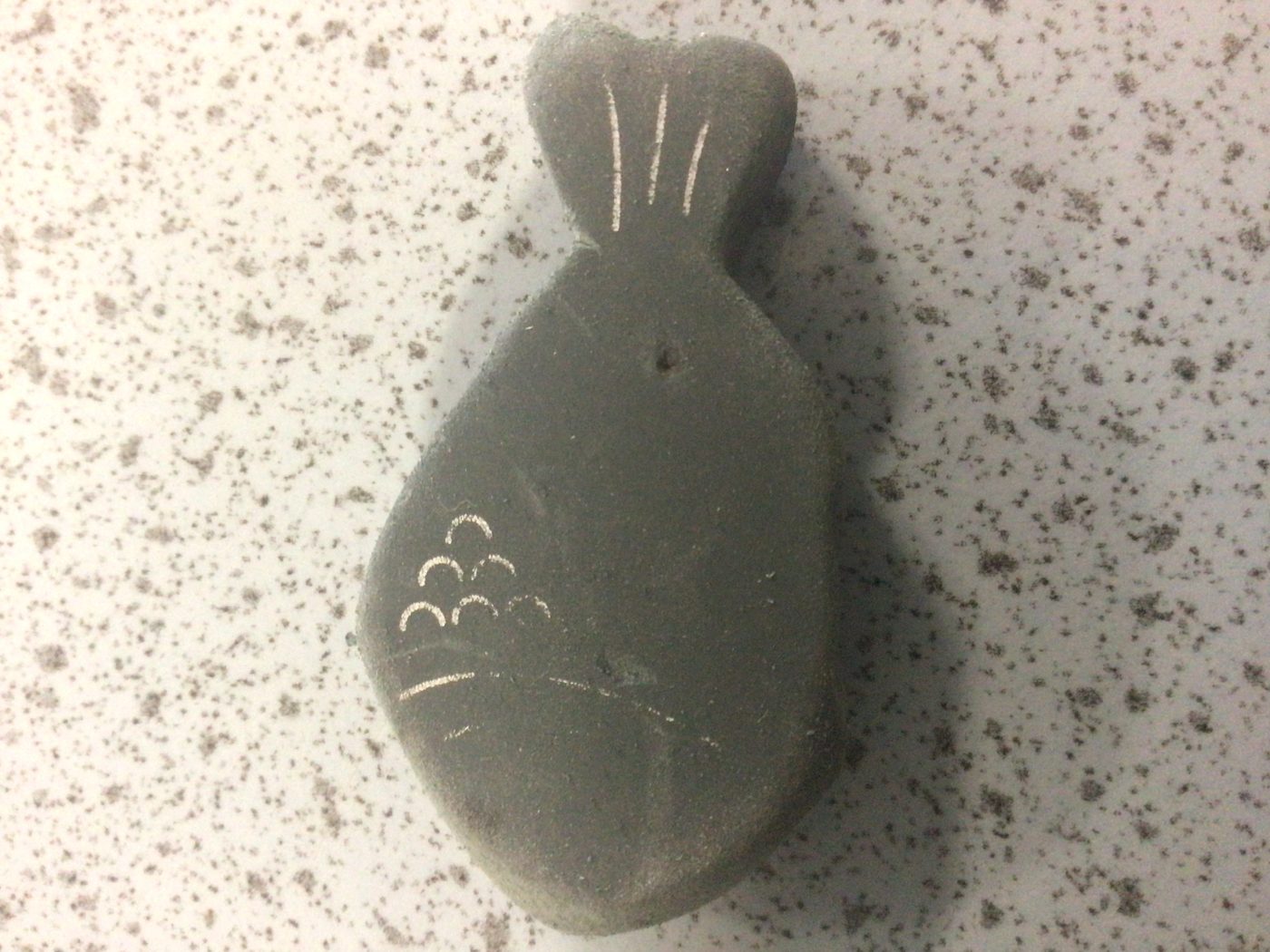
Fish-shaped eraser on speckled surface (Source: Wikimedia Commons)
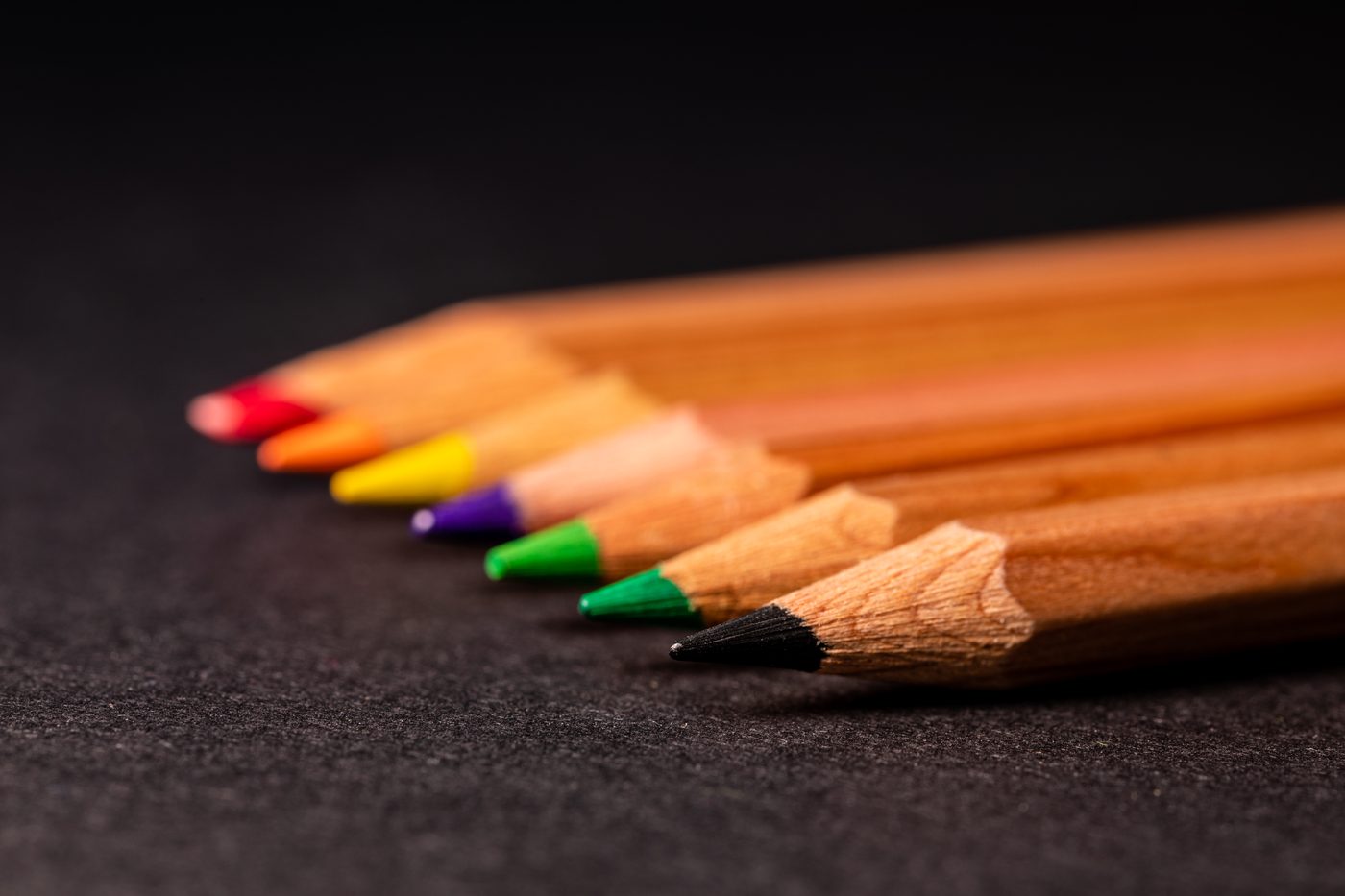
Colored pencils arranged on a dark surface (Source: Wikimedia Commons)
The surface on which a fashion figure is sketched impacts the final appearance and durability of the illustration. Kenyan designers select paper based on texture, weight, and compatibility with sketching media.
Sketching Paper: Typically lightweight (70-90 gsm), smooth surface paper is used for rapid pencil sketches and practice. Its affordability makes it popular among fashion students at universities such as Kenyatta University.
Bristol Board: Heavier paper (200-300 gsm) with a smooth or vellum finish, Bristol board supports detailed pencil work, ink, and colored pencils without bleeding. It is preferred for portfolio-quality sketches presented to fashion clients or competitions.
Tracing Paper: Transparent and thin, tracing paper facilitates the transfer of fashion figures and design modifications. Designers in Nairobi’s fashion hubs use it to overlay garments on a base figure to experiment with different styles without redrawing the entire figure.
Marker Paper: Smooth, bleed-proof paper designed specifically for alcohol-based markers. It is favored when rendering vibrant color flats and textures in fashion illustrations.
Beyond pencils and paper, fashion figure sketches are enhanced with various marking and rendering materials to convey texture, depth, and fabric characteristics.
Maintaining sketching tools ensures their longevity and consistent performance, which is vital for professional fashion designers managing tight deadlines and client expectations.
Create a free account to open more of this chapter.
Free: practical guides, quick cards, workplace scenarios and more.
Create a free accountThis chapter explored the essential tools, equipment, and materials required for effective fashion sketching, emphasizing the importance of selecting the right instruments to achieve precision and creativity. It then examined the fundamentals of sketching human anatomy, providing a foundation for accurate and proportionate figure drawing. The female 8-head figure was detailed as a standard template to capture elegance and balance in fashion illustrations, followed by the male 8-head figure which highlighted differences in proportions and posture. The chapter also addressed the unique characteristics of sketching child figures, focusing on their distinct body ratios and youthful features. Finally, various fashion poses were discussed, demonstrating how dynamic stances and gestures bring life and movement to sketches, enhancing the overall presentation of fashion designs.
Which of the following is NOT commonly used as a sketching material in fashion design?
a) Charcoal
b) Graphite pencil
c) Oil paint
d) Marker pen
(2 marks)
Explain why understanding basic human anatomy is essential for fashion sketching. (3 marks)
At the start of this chapter we promised you would be able to:
Tick each one you can genuinely do.
So, are you there yet?
You're competent when you can confidently do 50% or more of what this chapter promised.
Sign in to record how you're doing.