Fashion Design  ·  Level 6
Basic Gents’ Garments Construction
Chapter 1: Sketch basic gents’ garments
📚 3 Topics
⚑ What you will be able to do

By the end of this chapter, you will be able to:

  • Wear the correct personal protective equipment safely and follow all job safety procedures.
  • Identify and gather all the sketching tools and equipment needed for your garment design tasks.
  • Carry out client consultations effectively to understand exactly what your client wants.
  • Accurately record your clients’ specifications during consultations to ensure clear communication.
  • Take precise body measurements based on the design to create well-fitting garments.
  • Gather all necessary sketching supplies to prepare for your design work.
  • Sketch basic gent’s garments clearly and accurately, following the design requirements.

Mastering these skills helps you create garments that fit perfectly and meet your clients’ needs, setting you up for success in the tailoring trade!

Sketching basic garments is an essential skill for fashion design professionals, serving as the blueprint for translating creative ideas into tangible clothing. In the context of gents’ garments, accurate and clear sketches enable designers to communicate style, fit, and construction details effectively to tailors, clients, and manufacturers. Mastery of this skill ensures that the envisioned designs align with customer expectations and production capabilities within Kenya’s dynamic fashion industry. Before engaging in sketching, it is crucial to understand the safety measures required in a workshop setting where garment construction takes place.

1.1 Workshop Safety

Working in a fashion design workshop involves handling sharp tools, machinery, and various materials that present potential hazards. Ensuring a safe environment protects both designers and technicians from injury and promotes efficient workflow. In Kenya, adherence to safety protocols aligns with the Occupational Safety and Health Act (OSHA) and enhances the reputation of fashion businesses by minimizing accidents and downtime.

1.1.1 Importance of Workshop Safety

Workshop safety is fundamental in preventing accidents that can cause injuries or damage to equipment. In Kenya’s fashion industry, where small and medium enterprises often operate with limited resources, a safe working environment reduces costly disruptions. Safety also fosters a culture of responsibility and professionalism, encouraging employees to adhere to best practices. For example, a retail tailoring shop in Nairobi reported improved productivity after implementing safety training that reduced needle prick injuries and fabric cuts. Additionally, compliance with safety standards helps fashion enterprises meet regulatory requirements during inspections by authorities such as NEMA and county health offices.

Key Reasons for Workshop Safety

  • Prevention of Physical Injuries: Sharp tools like scissors and needles, along with sewing machines, pose risks that can be mitigated through safety protocols.
  • Protection of Equipment: Proper handling and maintenance of machines prevent breakdowns and costly repairs.
  • Legal Compliance: Following OSHA guidelines avoids penalties and legal challenges for fashion businesses.
  • Enhanced Productivity: A safe environment reduces absenteeism caused by accidents.
  • Improved Workplace Morale: Employees feel valued and motivated when their safety is prioritized.

1.1.2 Common Workshop Hazards in Fashion Design

Fashion design workshops present specific hazards that workers must recognize to avoid accidents. These hazards include mechanical, chemical, and ergonomic risks associated with garment construction processes. Understanding these dangers is vital for implementing targeted safety measures.

Typical Hazards Encountered

  • Sharp Instruments: Scissors, pins, needles, and rotary cutters can cause cuts or puncture wounds.
  • Sewing Machines: Moving parts may trap fingers or cause entanglement with loose clothing.
  • Chemical Exposure: Use of fabric dyes, adhesives, and cleaning solvents can lead to skin irritation or respiratory issues.
  • Poor Ergonomics: Prolonged sitting or repetitive motions during sewing can cause musculoskeletal disorders.
  • Fire Risks: Fabric scraps and flammable chemicals increase the likelihood of fires if not managed properly.

1.1.3 Personal Protective Equipment (PPE) and Safe Practices

The use of personal protective equipment (PPE) significantly reduces the risk of injury in fashion workshops. Coupled with safe work habits, PPE creates a barrier between hazards and workers. In Kenya, many fashion workshops have adopted PPE use to safeguard employees, especially in tailoring schools and garment production units.
Essential PPE for Fashion Workshops

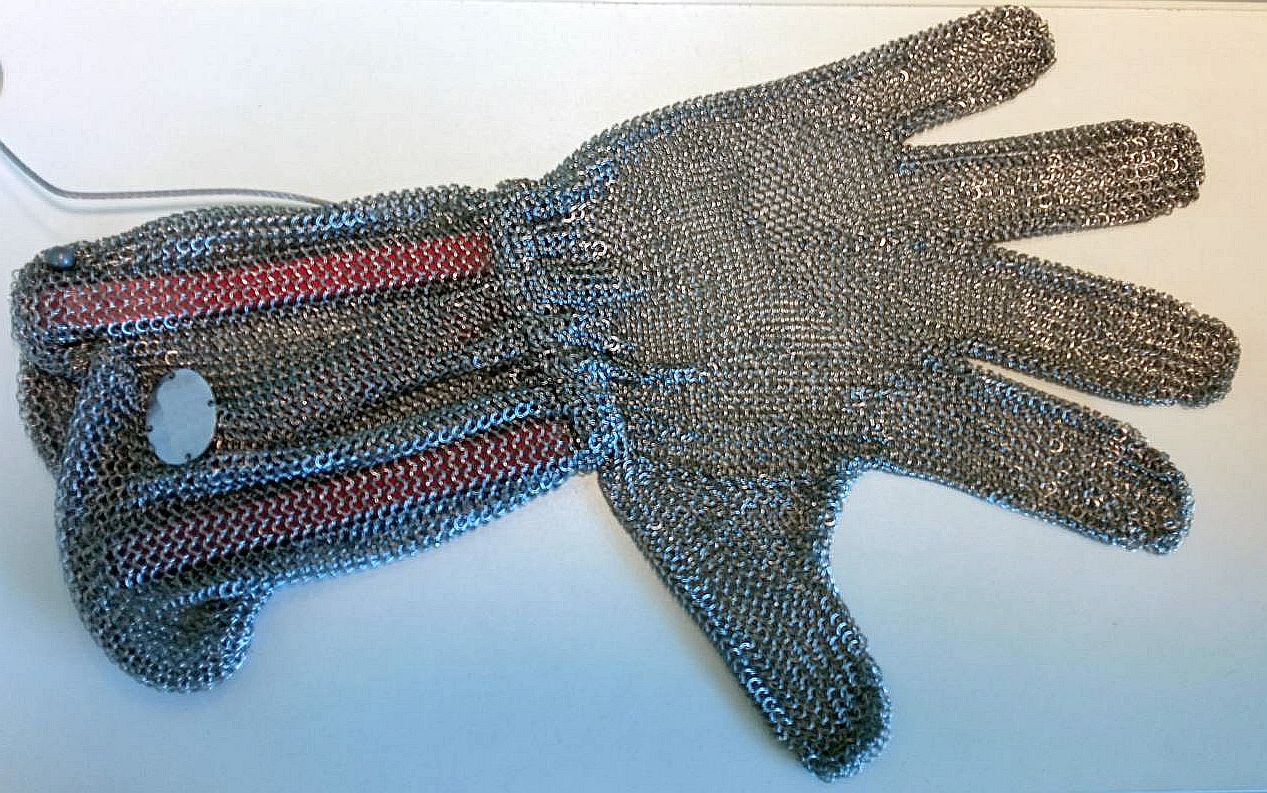
  • Cut-resistant Gloves: Protect hands from cuts when handling sharp tools.

Metal mesh cut-resistant glove
Metal mesh cut-resistant glove (Source: Wikimedia Commons)

  • Eye Protection: Safety glasses shield eyes from flying debris or chemical splashes.

A pair of safety glasses
A pair of safety glasses (Source: RCTDS301_Drainage_system)
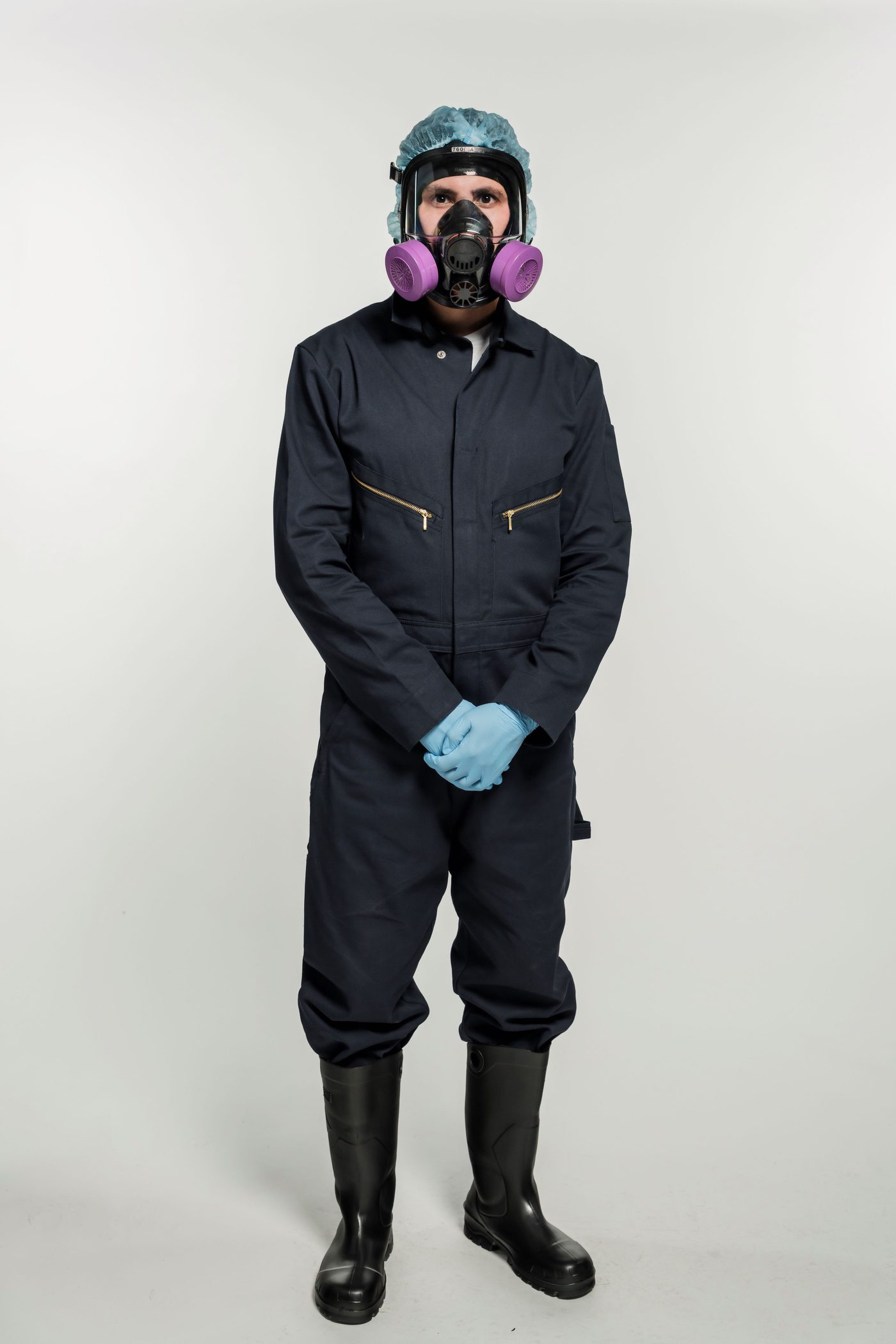
  • Face Masks: Prevent inhalation of dust and harmful fumes from dyes or adhesives.

Person wearing a construction face mask with filters
Person wearing a construction face mask with filters (Source: Wikimedia Commons)

  • Aprons: Protect clothing and skin from stains and minor injuries.
  • Closed Shoes: Shield feet from falling objects and accidental punctures.

Safe Work Practices

  • Keep tools organized and store them safely after use.
  • Maintain sewing machines regularly to avoid malfunction.
  • Use cutting mats and stable surfaces to prevent slips.
  • Take regular breaks to reduce fatigue and repetitive strain.
  • Dispose of fabric scraps and chemical waste according to safety guidelines.

1.1.4 Emergency Procedures and First Aid

Preparedness for emergencies is a critical component of workshop safety. Knowing how to respond effectively to accidents can minimize injuries and property damage. Kenyan fashion workshops often establish emergency protocols tailored to their specific risks.
Steps for Emergency Preparedness

  • Emergency Exits: Ensure exits are clearly marked and unobstructed for quick evacuation.
  • Fire Safety Equipment: Install and maintain fire extinguishers and smoke detectors.
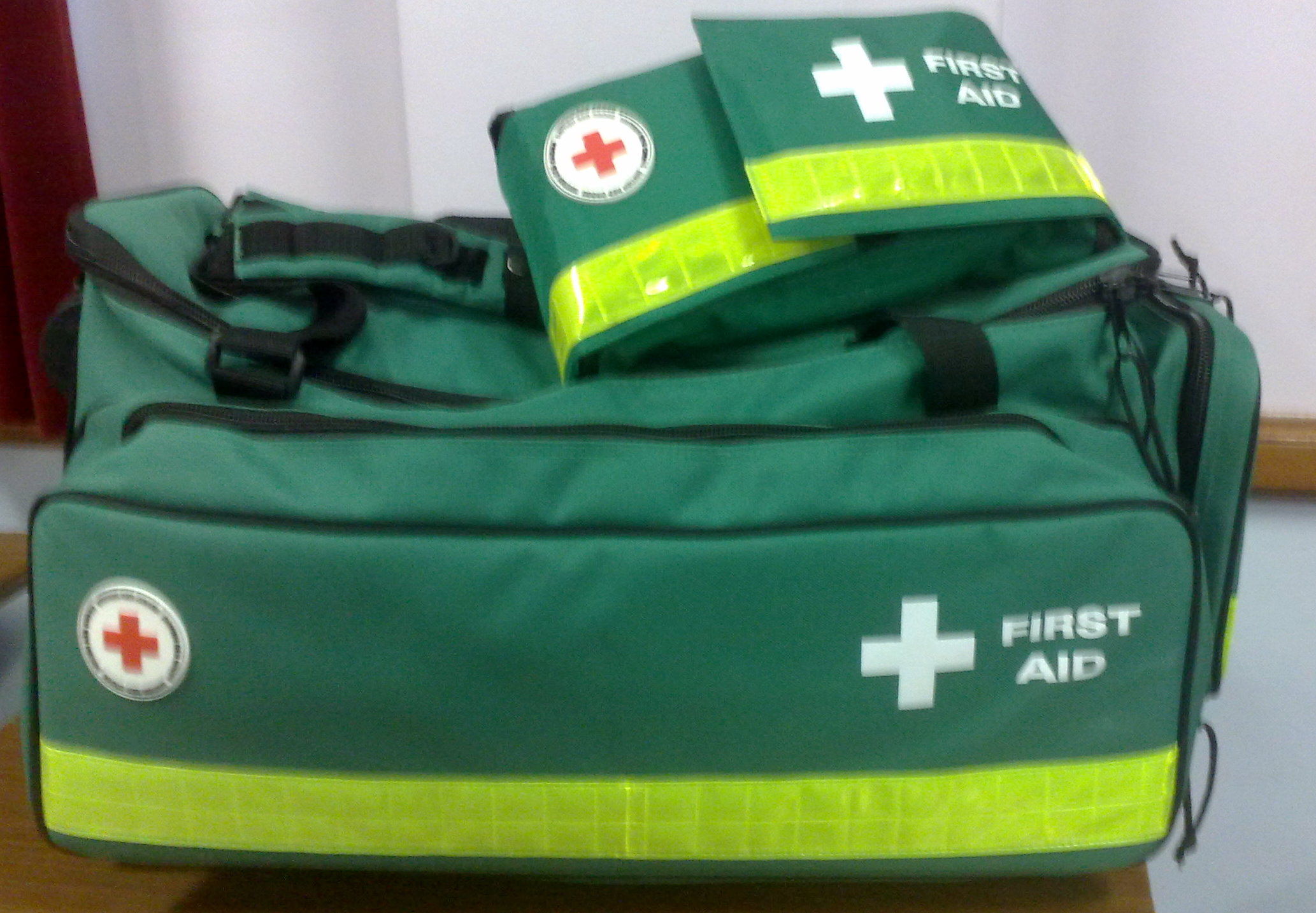
  • First Aid Kits: Keep kits stocked with bandages, antiseptics, and burn treatment supplies.

Green first aid kits with cross symbols
Green first aid kits with cross symbols (Source: Wikipedia (First aid kit))

  • Training: Conduct regular drills and train staff on emergency response and first aid.
  • Incident Reporting: Implement a system to report and investigate accidents to prevent recurrence.

Practice Questions

  1. Explain five reasons why workshop safety is crucial in the fashion design industry in Kenya. (10 marks)
  2. Identify and describe five common hazards found in a gents’ garment construction workshop. (10 marks)
  3. List and explain the use of five personal protective equipment items essential in a fashion workshop. (10 marks)
  4. Outline six steps that should be included in emergency preparedness for a fashion design workshop. (12 marks)
The rest of this chapter
🔒

Create a free account to open more of this chapter.

Free: practical guides, quick cards, workplace scenarios and more.

Create a free account
🔒1.2 Sketching Tools, Equipment, Materials and Supplies

Sketching is an essential skill in fashion design, particularly when constructing basic gents’ garments. In Kenya’s dynamic fashion industry, whether designing for retail boutiques in Nairobi or bespoke tailoring services in Mombasa, the choice of sketching to…

🔒1.3 Sketching Techniques

Sketching is a fundamental skill for fashion designers, particularly those specializing in gents’ garments. In Kenya’s dynamic fashion industry, clear and effective sketching techniques enable designers to communicate ideas precisely to clients, tailors, and m…

Chapter Summary

This chapter introduced essential aspects of workshop safety that every garment construction student must observe to prevent accidents and maintain a secure working environment. It then covered the various sketching tools, equipment, materials, and supplies necessary for creating clear and accurate garment designs, emphasizing their proper use and maintenance. The discussion progressed to sketching techniques, highlighting methods to effectively translate garment ideas onto paper with precision and creativity. Understanding these techniques is crucial for producing professional sketches that serve as blueprints for garment construction. The chapter emphasized the integration of safety practices with technical skills to enhance both the quality and safety of the design process. Mastery of these foundational topics equips students with the practical knowledge needed to begin designing basic gents’ garments confidently and responsibly.

Self-Assessment

🔒 PDFDownload this self-assessment, with answers

A. Written Assessment

  1. What are three essential safety precautions to observe in a fashion design workshop? (3 marks)
  2. Identify four sketching tools commonly used in basic gents’ garment construction. (4 marks)
🔒20 more in this section.

Chapter Examination Questions

🔒 PDFDownload these examination questions, with worked answers

SECTION A (40 Marks) - Answer ALL Questions

  1. Describe four key safety measures that a fashion design workshop in Nairobi should implement to prevent accidents during garment sketching. (4 marks)
  2. Identify and explain the purpose of four essential sketching tools used in basic gents’ garments design. (4 marks)
🔒18 more in this section.
Flashcards 20 cards Study deck ▾
Question
1

↻ Tap card to reveal answer
🔒

18 more in this section.

Create a free account
Test Yourself 20 questions Start quiz ▾
0%
0 / 2
🔒

18 more in this section.

Create a free account
Am I competent?

At the start of this chapter we promised you would be able to:

  • Wear the correct personal protective equipment safely and follow all job safety procedures.
  • Identify and gather all the sketching tools and equipment needed for your garment design tasks.
  • Carry out client consultations effectively to understand exactly what your client wants.
  • Accurately record your clients’ specifications during consultations to ensure clear communication.
  • Take precise body measurements based on the design to create well-fitting garments.
  • Gather all necessary sketching supplies to prepare for your design work.
  • Sketch basic gent’s garments clearly and accurately, following the design requirements.

Tick each one you can genuinely do.

So, are you there yet?

You're competent when you can confidently do 50% or more of what this chapter promised.

Sign in to record how you're doing.