Fashion Design  ·  Level 6
Basic Ladies’ Garments Construction
Chapter 4: Construct selected basic garment
📚 4 Topics
⚑ What you will be able to do

By the end of this chapter, you will be able to:

  • Identify and gather all the tools and equipment needed for constructing a garment.
  • Find and obtain the right products and supplies required for your garment project.
  • Stitch garment pieces accurately by following the sketched garment design.

These skills will help you create beautiful, well-made garments that meet design expectations and prepare you for success in the fashion and tailoring trade.

Compiled by: Mary Jepkosgei

Garment construction is a fundamental skill in fashion design, requiring precision, creativity, and the right tools to transform fabric into wearable art. In Kenya’s dynamic fashion industry, mastery of garment construction tools and equipment ensures designers deliver quality products that meet both local and international standards. This chapter focuses on equipping fashion design students with comprehensive knowledge of the essential tools and equipment used in ladies’ garment construction, emphasizing their specifications, uses, and maintenance. Understanding these tools will enhance efficiency and accuracy in producing garments that reflect Kenya’s rich sartorial heritage and contemporary trends.

4.1 Garment construction tools and equipment

The tools and equipment used in garment construction form the backbone of efficient and precise fashion production. In Kenya’s fashion industry, where designers often work in small to medium enterprises, selecting the right tools can significantly impact the quality and turnaround time of garment creation. This section explores the primary tools and equipment, their specifications, practical uses, and upkeep to support sustainable garment construction practices.

4.1.1 Essential Hand Tools for Garment Construction

Name Specification Use
Scissors Sharp stainless steel blades, ergonomic handle, 8-10 inches Cutting fabric and trimming threads precisely
Seam Ripper Small, pointed blade with handle, 5-6 inches Removing stitches without damaging fabric
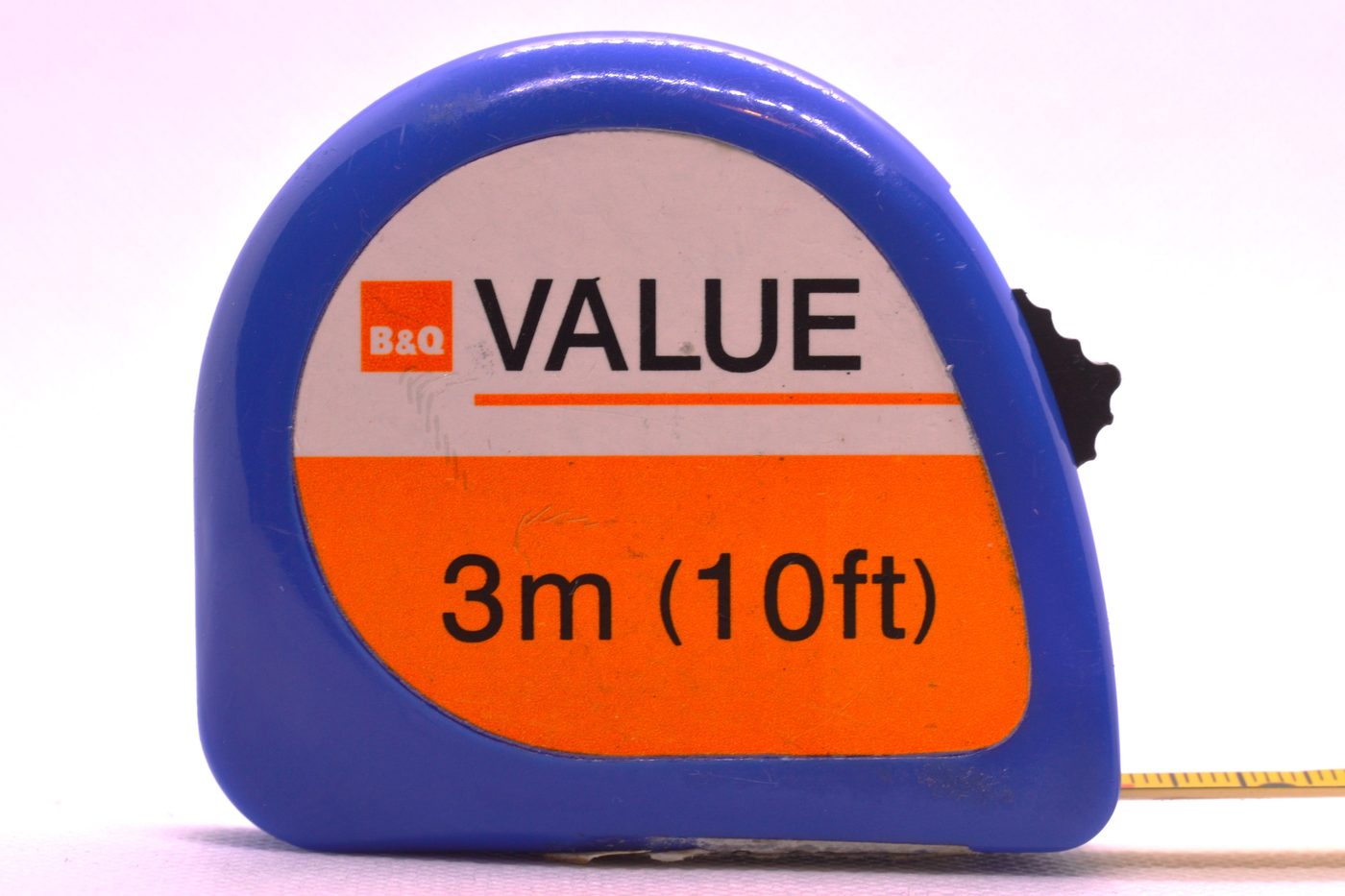
Measuring Tape Flexible, 150 cm long, marked in cm and inches Taking body measurements and measuring fabric
Tailor’s Chalk Soft, colored chalk sticks or pencils Marking fabric for cutting and sewing lines
Pins Steel, 30mm length with colored or glass heads Holding fabric pieces together temporarily
  • Scissors must be reserved for fabric only, as cutting paper or other materials can dull the blades, affecting precision. For example, in a Nairobi tailoring workshop, designers keep dedicated scissors for fabric to avoid blade damage.
  • Seam rippers require careful handling to avoid fabric tears; a common practice in university fashion labs is to use them gently to correct stitching errors without wasting fabric.
  • Measuring tapes should be flexible but firm enough to lie flat on the body for accurate measurements, critical when designing fitted ladies’ garments for clients in boutique settings.

A 3m (10ft) measuring tape
A 3m (10ft) measuring tape (Source: Wikimedia Commons)

  • Tailor’s chalk comes in various colors to contrast with different fabric shades, assisting designers at Mombasa’s garment factories to mark cutting lines clearly without permanent damage.
  • Pins are essential during assembly but must be removed before pressing or sewing to prevent machine damage or fabric holes, a standard taught in garment construction classes at technical institutes.

4.1.2 Sewing Machines and Their Specifications

Sewing machines are the core equipment in garment construction, transforming hand-sewing tasks into faster, more uniform processes. Different types of sewing machines serve varied functions, from straight stitching to decorative patterns, influencing the garment’s durability and appearance.

Name Specification Use
Lockstitch Machine Electric, single needle, 220V, adjustable stitch length Producing strong, straight seams in woven fabrics
Overlock Machine 3-4 thread, electric, 220V, with cutting blade Finishing edges and preventing fabric fraying
Zigzag Sewing Machine Electric, adjustable stitch width and length Creating stretchable seams and decorative stitches
Buttonhole Machine Electric, programmable stitch patterns Making precise buttonholes automatically
Embroidery Machine Computer-controlled, multiple needle heads Adding decorative embroidery designs on garments
  • The lockstitch machine is the standard for most seam construction in Kenyan fashion workshops, such as those in Eldoret, where durability is paramount for school uniforms and formal attire.
  • An overlock machine is vital for clean finishing; many garment factories in Kisumu rely on overlockers to enhance garment longevity, especially in ladies’ casual wear.
  • The zigzag machine is used for stretch fabrics like jersey, common in Nairobi’s boutique scene, allowing seams to stretch without breaking.
  • Buttonhole machines automate a tedious process, increasing efficiency in producing shirts and blouses, a feature embraced by garment producers supplying hotels and corporate uniforms.
  • Embroidery machines enable designers at artisan cooperatives in Thika to add unique decorative elements that reflect Kenyan cultural motifs, enhancing garment appeal.

4.1.3 Pressing Equipment and Its Role in Garment Construction

Pressing is crucial in garment construction, shaping fabric and seams to achieve a professional finish. Proper pressing equipment helps set stitches, remove wrinkles, and contour the garment to the wearer’s body, which is especially important in ladies’ fashion where fit and silhouette are key.

Name Specification Use
Steam Iron Electric, adjustable temperature, 1200W-1800W Pressing seams, removing wrinkles, shaping fabric
Tailor’s Ham Firm, rounded cushion covered with fabric Pressing curved areas such as darts and sleeves
Sleeve Board Narrow, padded board, 50-60 cm length Pressing sleeves and small garment sections
Ironing Board Adjustable height, padded surface Providing a stable surface for ironing
Pressing Cloth Cotton or muslin fabric, lightweight Protecting delicate fabrics from direct heat
  • A steam iron with adjustable temperature and steam output is essential for different fabric types, enabling garment makers in Nairobi’s fashion studios to avoid scorching delicate silks or synthetics.
  • The tailor’s ham is indispensable for pressing darts and shaping princess seams in ladies’ dresses, a technique widely used in bespoke tailoring shops in Nakuru.
  • The sleeve board facilitates pressing narrow garment parts without creating creases, perfect for finishing shirt sleeves in university sewing labs.
  • An ironing board must be sturdy and adjustable to reduce strain during prolonged pressing tasks, a standard feature in professional tailoring schools.
  • Using a pressing cloth prevents shine marks on fabrics like satin or velvet, a common practice in high-end boutiques in Mombasa to maintain fabric integrity.

4.1.4 Cutting Equipment and Work Surfaces

Accurate cutting is foundational in garment construction, affecting the garment’s fit and overall quality. The choice of cutting tools and a suitable work surface can significantly improve precision and reduce fabric waste, which is critical in Kenyan fashion businesses where cost control is vital.

Name Specification Use
Rotary Cutter Circular blade, 45-60mm diameter, ergonomic handle Cutting multiple fabric layers with smooth edges
Fabric Scissors Heavy-duty stainless steel, 10-12 inches Cutting single or multiple fabric layers
Cutting Mat Self-healing, grid-marked, 60x90 cm or larger Protecting surfaces and aiding precise cutting
Pattern Weights Heavy metal or plastic, 100-200g each Holding patterns in place during cutting
Dressmaker’s Ruler Transparent plastic, 60 cm length, curved and straight edges Measuring and marking curves and straight lines
  • A rotary cutter is favored in fabric cutting rooms in garment factories in Kisii for its speed and ability to cut through several fabric layers without jagged edges.
  • Fabric scissors require regular sharpening to maintain clean cuts, a maintenance routine stressed in technical colleges to ensure fabric edges do not fray prematurely.
  • A cutting mat protects tables from blade damage and features grid lines to assist in straight cuts, commonly used in Nairobi fashion studios for pattern cutting.
  • Pattern weights replace pins during cutting to avoid fabric distortion, a technique taught in fashion design courses at universities to improve accuracy.
  • The dressmaker’s ruler is essential for drafting and adjusting patterns, helping designers in boutique settings to create perfectly contoured garment pieces.

Practice Questions

  1. Explain the importance of using specialized scissors for fabric cutting in garment construction. (5 marks)
  2. Describe the different types of sewing machines used in ladies’ garment construction and their specific functions. (10 marks)
  3. Outline the role of pressing equipment in achieving professional garment finishes, providing examples relevant to Kenyan fashion studios. (8 marks)
  4. Discuss the advantages of using rotary cutters and cutting mats over traditional scissors and bare surfaces in fabric cutting. (7 marks)
The rest of this chapter
🔒

Create a free account to open more of this chapter.

Free: practical guides, quick cards, workplace scenarios and more.

Create a free account
🔒4.2 Garment Construction Materials and Supplies

In the Kenyan fashion design industry, the selection of appropriate materials and supplies is fundamental to producing quality ladies’ garments that meet client expectations and market demands. Understanding the variety, properties, and functions of these mate…

🔒4.3 Sewing techniques

In the Kenyan fashion design industry, mastering sewing techniques is essential for creating high-quality ladies’ garments that meet both aesthetic and functional standards. Whether working in a boutique in Nairobi or supplying garments to retail shops in Kisu…

🔒4.4 Garments Assembling

Garment assembling is a crucial stage in ladies’ garment construction where all the individual fabric pieces are brought together to form the finished product. In the Kenyan fashion industry, especially within Nairobi’s vibrant fashion hubs and garment factori…

Chapter Summary

This chapter explored the essential tools and equipment required for constructing ladies’ garments, emphasizing their proper use to achieve quality results. It then examined the various materials and supplies that form the foundation of garment making, highlighting the importance of selecting suitable fabrics and notions. Different sewing techniques were discussed, providing a range of methods to join fabric pieces effectively. The chapter also covered various types of stitches, explaining their functions and applications in garment construction. Seams were analyzed, focusing on their strength, appearance, and appropriateness for different garment parts. Attention was given to garment details such as darts, pleats, and hems, which contribute to the garment’s fit and style. The challenges of handling special fabrics, including delicate and stretchy materials, were addressed to ensure proper care and manipulation. Finally, the process of assembling garments was outlined, demonstrating how all components come together to create a finished product.

Self-Assessment

🔒 PDFDownload this self-assessment, with answers

A. Written Assessment

  1. Identify five essential tools used in ladies’ garment construction and explain their primary function. (10 marks)
  2. What are the key differences between natural and synthetic fabrics in garment making? Provide two examples of each. (6 marks)
🔒20 more in this section.

Chapter Examination Questions

🔒 PDFDownload these examination questions, with worked answers

SECTION A (40 Marks) - Answer ALL Questions

  1. Identify five essential tools used in constructing ladies’ garments and explain how one of them is used in a typical fashion design studio in Nairobi. (4 marks)
  2. Describe four types of materials commonly used in ladies’ garment construction and discuss how the choice of material affects the garment’s final appearance. (4 marks)
🔒21 more in this section.
Flashcards 20 cards Study deck ▾
Question
1

↻ Tap card to reveal answer
🔒

18 more in this section.

Create a free account
Test Yourself 19 questions Start quiz ▾
0%
0 / 2
🔒

17 more in this section.

Create a free account
Am I competent?

At the start of this chapter we promised you would be able to:

  • Identify and gather all the tools and equipment needed for constructing a garment.
  • Find and obtain the right products and supplies required for your garment project.
  • Stitch garment pieces accurately by following the sketched garment design.

Tick each one you can genuinely do.

So, are you there yet?

You're competent when you can confidently do 50% or more of what this chapter promised.

Sign in to record how you're doing.