Fire and safety emergency plans are essential components of stores management within procurement functions, especially in Kenya where warehouses and storage facilities face risks from fire hazards due to flammable goods, electrical faults, or human error. Proper preparation ensures the protection of personnel, inventory, and assets while minimizing disruption to procurement operations. This chapter focuses on critical systems that detect and respond to fire emergencies, specifically fire detection and warning systems, alongside emergency lighting, both vital for timely evacuation and damage control.
3.1 Fire detection and warning systems
Fire detection and warning systems are the frontline defense in safeguarding stores and procurement facilities against fire hazards. These systems detect early signs of fire and alert occupants to enable swift evacuation and emergency response. In Kenyan procurement environments, where warehouses may store diverse goods including chemicals, electronics, and perishables, reliable fire detection is indispensable to preventing loss and ensuring safety compliance with regulations such as the Fire Risk Reduction Guidelines by the National Construction Authority.
3.1.1 Types of Fire Detection Systems
Fire detection systems vary based on their sensing technology and application environment. Procurement managers need to understand these types to select the most appropriate for their stores.
Components and Explanation
- Smoke Detectors detect particles generated by combustion. They are suited for warehouses with combustible goods and alert occupants before flames appear, allowing early intervention.
- Heat Detectors sense rapid temperature rises or fixed high temperatures. Useful in environments where smoke may be present from non-fire sources, such as kitchens or mechanical rooms.

Ceiling-mounted heat detector device (Source: Wikipedia (Heat detector))
- Flame Detectors identify infrared or ultraviolet radiation emitted by flames. These are critical in high-risk areas storing flammable liquids or gases.
- Gas Detectors monitor for combustible or toxic gases released during fires. Procurement stores with chemical storage benefit from these to warn of hazardous emissions.
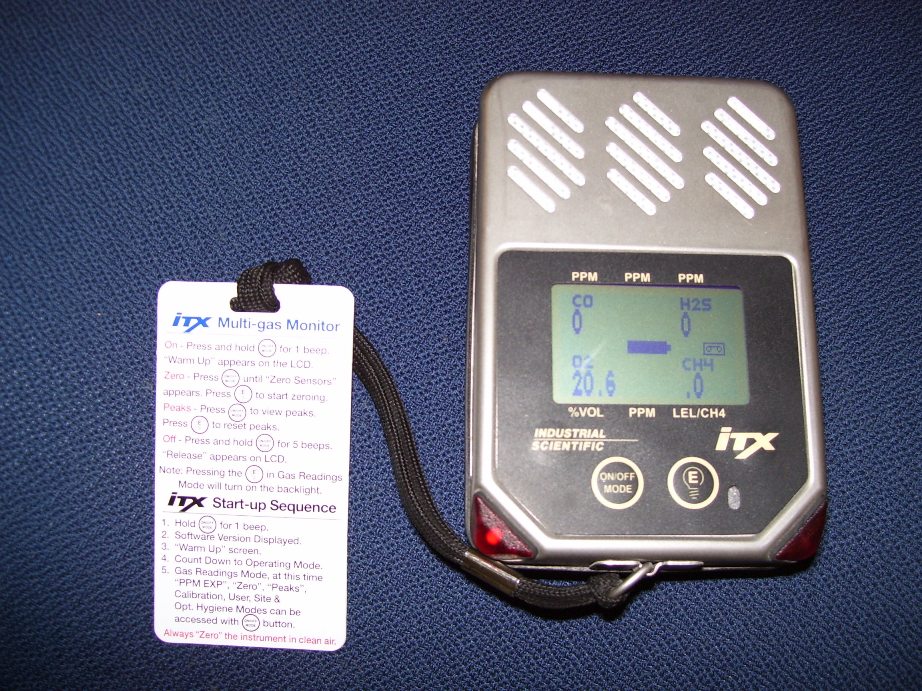
Handheld multi-gas detector device (Source: Wikimedia Commons)
- Manual Call Points (Break Glass Units) allow personnel to manually trigger alarms. They complement automatic detectors by enabling immediate alerts when fire is visible.
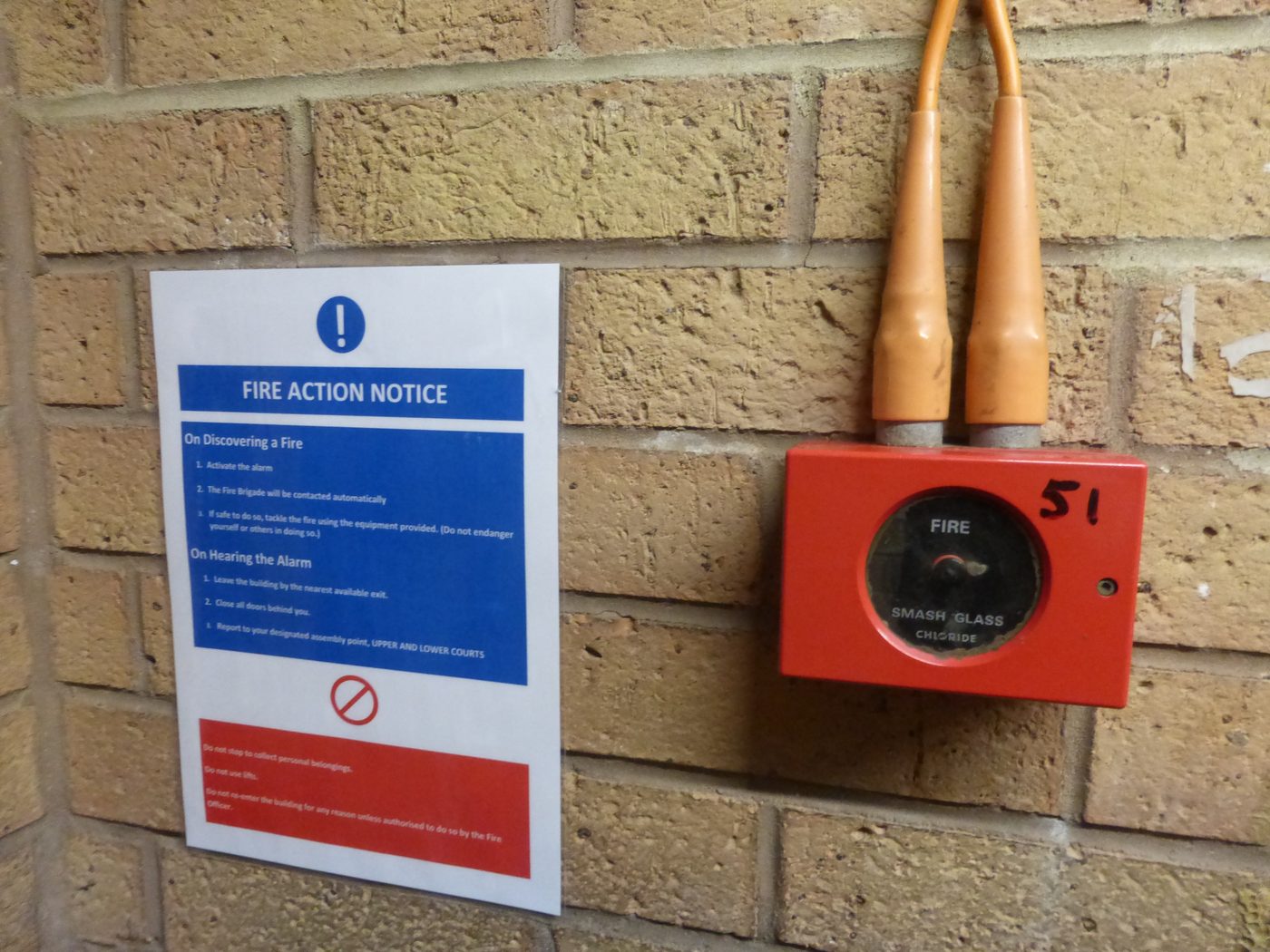
Red manual call point on wall with fire action notice (Source: Wikimedia Commons)
3.1.2 Components of a Fire Warning System
A fire warning system integrates multiple components to ensure reliable alerting and response coordination.
Key Components
- Control Panel serves as the system’s brain, receiving signals from detectors and activating alarms.
- Alarm Sounders emit loud sirens or bells to alert occupants to evacuate.
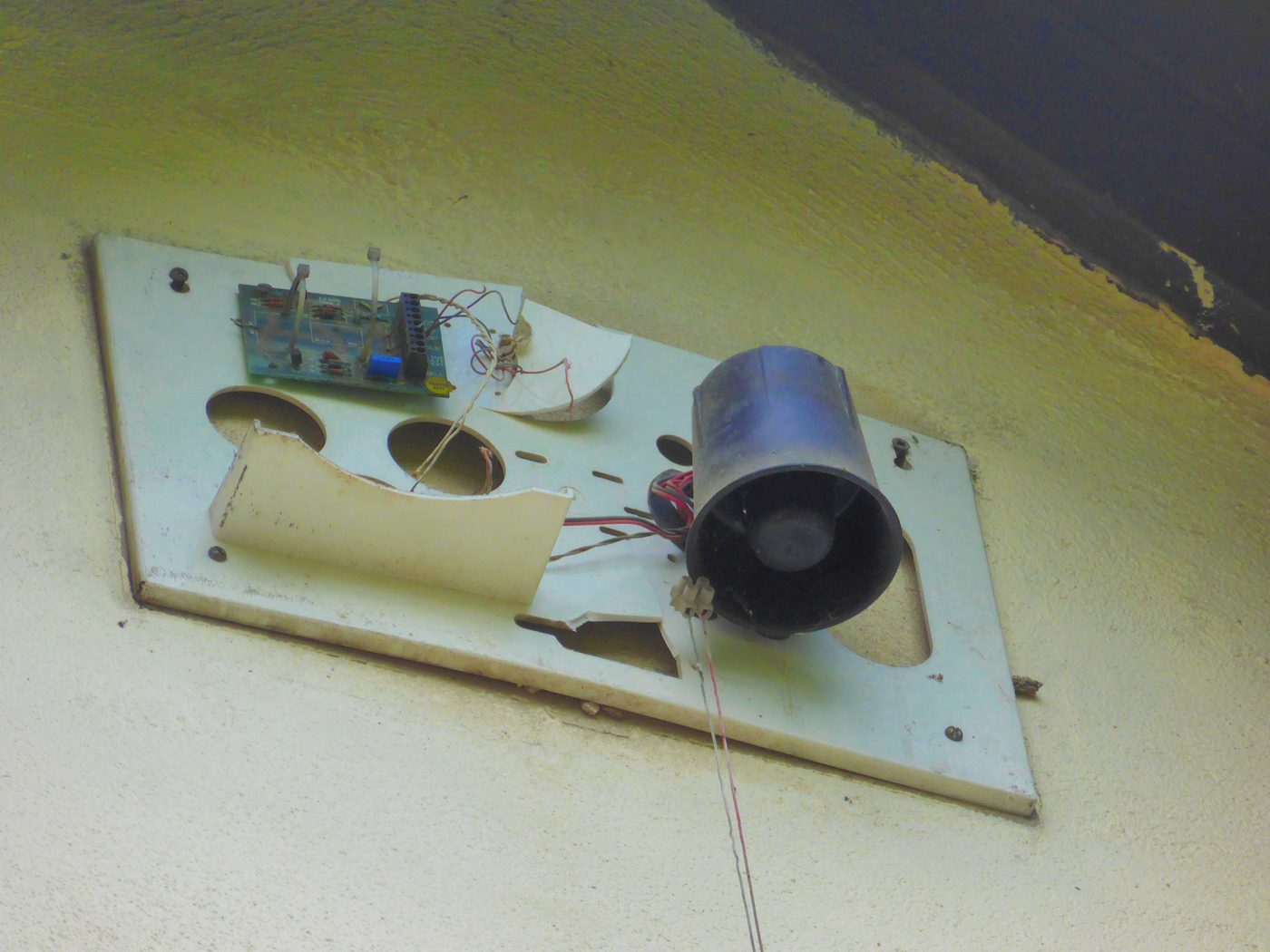
Wall-mounted alarm sounder with circuit board (Source: Wikimedia Commons)
- Visual Indicators such as flashing lights assist hearing-impaired individuals and operate in noisy environments.
- Communication Interface connects to local fire services or security teams for rapid response.
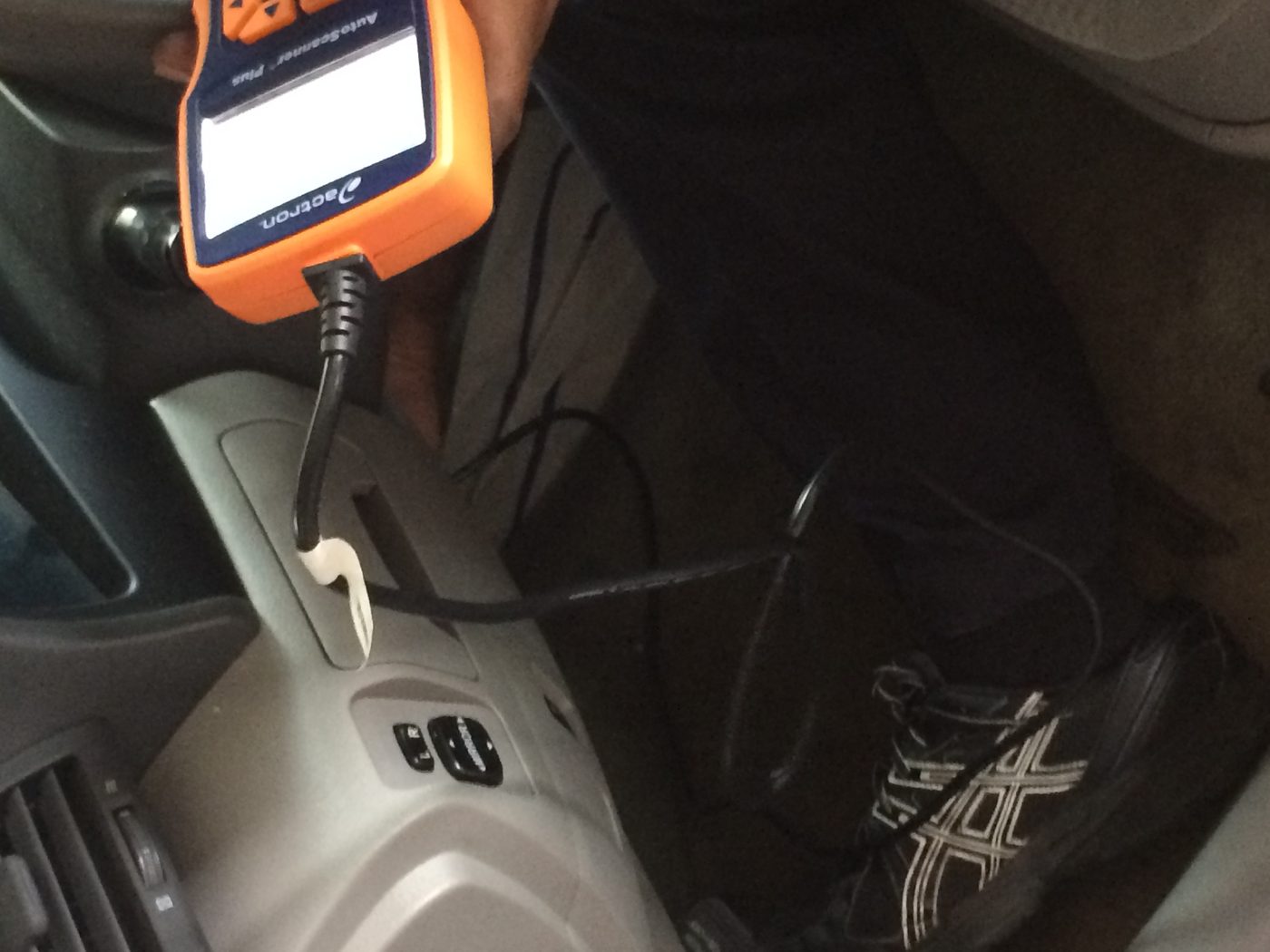
Automotive communication interface device connected (Source: Wikimedia Commons)
- Power Supply and Backup ensure system operation during power outages, critical in Kenyan stores where electricity interruptions are common.
3.1.3 Installation and Maintenance Practices
Proper installation and upkeep of fire detection and warning systems are vital for ensuring effectiveness over time.
Maintenance Procedures
- Regular Testing involves scheduled activation of detectors and alarms to verify functionality.
- Cleaning Detectors removes dust and debris that could cause false alarms or reduce sensitivity.
- Battery Replacement for wireless or backup systems prevents failure during emergencies.
- System Upgrades incorporate new technologies or expand coverage as store layouts change.
- Staff Training ensures employees know how to respond to alarms and operate manual call points.
3.1.4 Integration with Procurement Stores Operations
Fire detection systems must align with the operational realities of procurement stores to avoid false alarms and ensure swift response.
Operational Considerations
- Zoning divides large warehouses into detection zones to pinpoint fire locations quickly.
- Sensitivity Adjustment reduces false alarms from dust or steam common in storage environments.
- Alarm Protocols define clear evacuation routes and assembly points tailored to store layouts.
- Coordination with Security integrates fire alarms with CCTV and access control for comprehensive safety.
- Compliance with Standards such as the Kenyan Fire Safety Code ensures legal adherence and insurance coverage.
Practice Questions
- Explain five types of fire detection systems and their suitability for different procurement store environments. (10 marks)
- Describe the components of a fire warning system and their respective roles in emergency response. (10 marks)
- Outline six maintenance practices essential for ensuring the reliability of fire detection and warning systems. (12 marks)
- Discuss how fire detection systems can be integrated into procurement store operations to enhance safety and efficiency. (8 marks)
The rest of this chapter
🔒Create a free account to open more of this chapter.
Free: practical guides, quick cards, workplace scenarios and more.
Create a free account 🔒3.2 Emergency lighting
Emergency lighting is a critical safety feature in procurement stores, ensuring visibility during power outages or fire incidents to facilitate safe evacuation and prevent injuries. Kenyan procurement facilities often face unstable power supply, making emergen…
🔒3.3 Firefighting facilities and equipment
Firefighting facilities and equipment are critical components of any fire and safety emergency plan, especially in procurement management where the safe storage and handling of goods is vital. In Kenya, procurement professionals must ensure that stores and war…
🔒3.4 Emergency Routes and Exits
Emergency routes and exits are critical components of any fire and safety emergency plan, particularly in procurement management environments where stores and warehouses hold valuable goods and equipment. Efficient design and clear marking of these routes ensu…
🔒3.5 Fire Safety Signage and Notices
Fire safety signage and notices are essential for communicating critical information during emergencies, guiding occupants to safety, and ensuring compliance with legal requirements. In Kenyan procurement management settings such as hospitals or educational in…
🔒3.6 Usage and Maintain Firefighting Facilities
In procurement management, especially within stores and warehouses, the proper usage and maintenance of firefighting facilities are critical to safeguarding assets, employees, and business continuity. Kenyan organizations such as county government stores and r…
🔒3.7 Provision of Emergency and Exit
Emergency exits and evacuation routes are vital components of fire and safety plans in procurement stores. In Kenya, compliance with the Occupational Safety and Health Act requires clearly marked and unobstructed emergency exits to ensure safe egress during em…
🔒3.8 Ensure provision of safety signage and notices
In procurement management, ensuring the provision of safety signage and notices within stores and warehouses is critical to protecting personnel, visitors, and property. In Kenyan organizations such as county government stores or retail distribution centers, c…
🔒3.9 Position firefighting equipment
Proper positioning of firefighting equipment in procurement stores is essential to enable swift response during fire emergencies, minimizing damage and safeguarding lives. In Kenyan procurement environments like county government stores or commercial warehouse…
Chapter Summary
This chapter covered the essential components of preparing a fire and safety emergency plan within a stores environment. It began by examining fire detection and warning systems, emphasizing their role in early hazard identification and alerting occupants. The importance of emergency lighting was discussed as a critical element for safe evacuation during power outages or smoke-filled conditions. Various firefighting facilities and equipment were detailed, including fire extinguishers, G-force nozzles, fire hoses, handling nozzles, thermal imaging devices, rescue and hazardous material tools, water sprinklers, positive pressure ventilators, and smoke detectors, each contributing uniquely to fire control and safety. The chapter also highlighted the necessity of clear emergency routes and exits to facilitate efficient evacuation. Fire safety signage and notices were explored as vital for guiding occupants and informing them of hazards and safety procedures. Proper use and maintenance of firefighting equipment were stressed to ensure functionality when needed. Finally, the provision of emergency exits, safety signage, and the strategic positioning of firefighting equipment were recognized as fundamental to an effective emergency response plan.
Self-Assessment
🔒 PDFDownload this self-assessment, with answers
A. Written Assessment
- What is the primary function of a fire detection and warning system in a procurement store? (2 marks)
- Identify three types of emergency lighting used in warehouses and explain their importance. (3 marks)
🔒20 more in this section.
Chapter Examination Questions
🔒 PDFDownload these examination questions, with worked answers
SECTION A (40 Marks) - Answer ALL Questions
- Explain the role of a fire detection and warning system in a procurement store at a county government office. (4 marks)
- Describe the importance of emergency lighting in warehouses storing high-value goods such as pharmaceuticals. (4 marks)
🔒18 more in this section.
