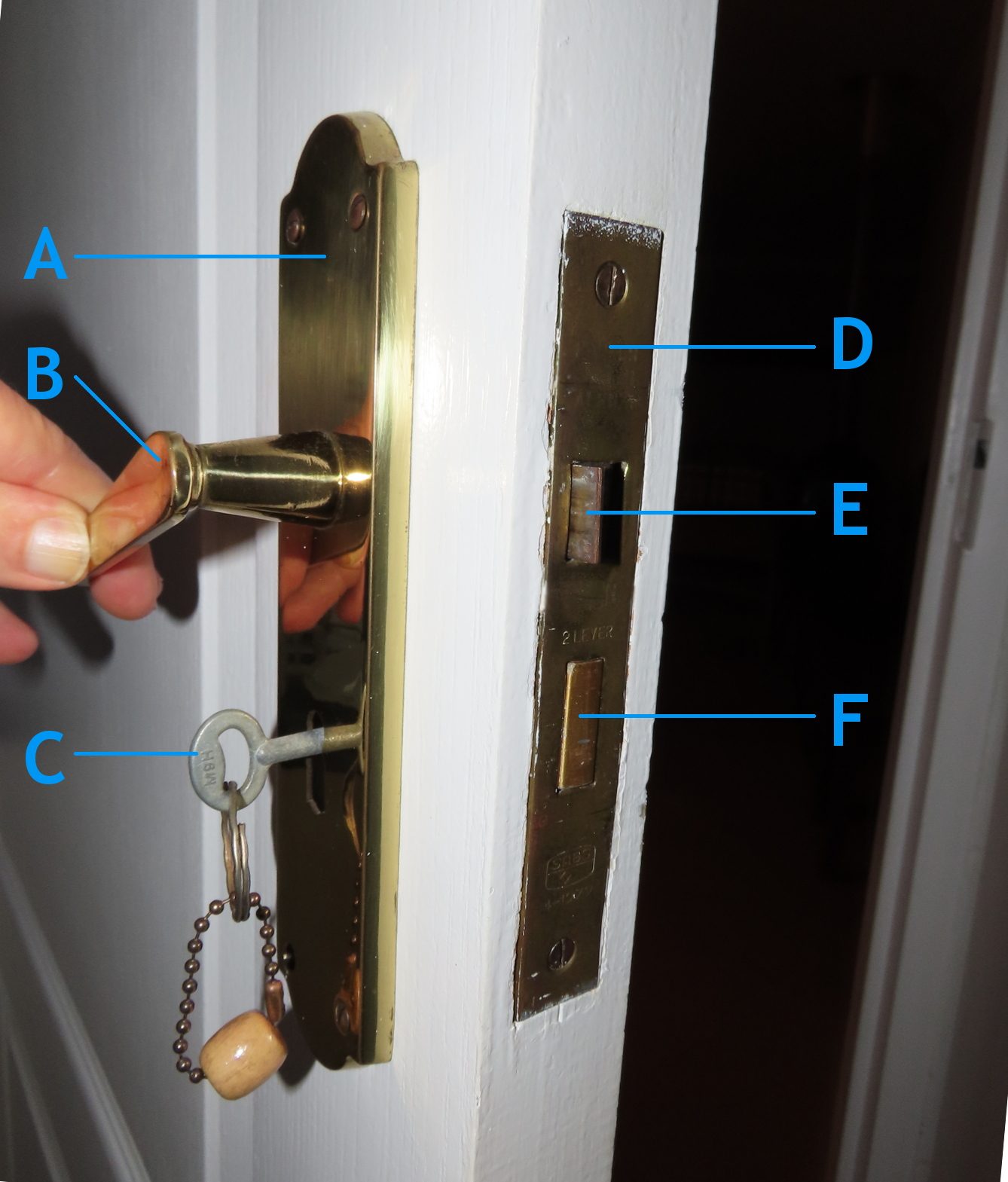
correctly install anti-theft locks following standard operating procedures (SOPs)
safely and accurately install surveillance equipment according to workplace procedures
implement the bar coding system correctly by following workplace guidelines
securely fit burglar proofing as per workplace procedures
reinforce manning of entry and exit points to improve security
restrict access to the store to authorized personnel only
These skills are essential to keep the store safe and secure, protecting valuable goods and ensuring a smooth operation in the real trade environment.
Compiled by: Teddy Omondi
The management of secure entry and exit points is a critical aspect of stores safety and security, particularly in procurement management where safeguarding valuable inventory and assets is paramount. In Kenya, procurement professionals must ensure that all access points to store premises are fortified against unauthorized entry, theft, and tampering. Effective control of these points reduces risks of asset loss, supports regulatory compliance, and maintains operational integrity. This chapter explores the technologies and methods used to secure entry and exit points, focusing on anti-theft locks and surveillance equipment tailored to procurement environments.
5.1 Anti-theft Locks and Exit Points
Securing entry and exit points with appropriate locking mechanisms is fundamental in protecting stores from theft and unauthorized access. Procurement managers in Kenya must select anti-theft locks that align with the security needs of their institution, whether a retail business, hospital store, or county government warehouse. The choice and management of these locks directly affect the ease of access for authorized personnel and the deterrence of intruders. This section examines the types, characteristics, installation considerations, and maintenance of anti-theft locks used in stores.
5.1.1 Types of Anti-theft Locks Used in Stores
Anti-theft locks vary widely, each offering different levels of security based on design, technology, and application. Procurement professionals must understand these types to select locks that meet the specific security demands of their stores.
Types of Anti-theft Locks
Padlocks: Portable and versatile locks used on gates, doors, and storage units. They come in various grades, with hardened steel shackles providing enhanced resistance to cutting and prying.
Several padlocks attached to a fence (Source: Wikimedia Commons)
Deadbolt Locks: Commonly installed on main doors, deadbolts provide strong resistance against forced entry due to their solid metal bolt that extends into the door frame.
Deadbolt lock installed on a door (Source: Wikimedia Commons)
Electronic Locks: These locks use keypads, cards, or biometric data to grant access, limiting entry to authorized users and providing audit trails for access attempts.
Magnetic Locks (Maglocks): Electromagnetic locks that secure doors by magnetic force, often integrated with access control systems for enhanced monitoring.
Cam Locks: Frequently used on cabinets and drawers within stores, cam locks provide simple yet effective security for smaller compartments.
5.1.2 Characteristics of Effective Anti-theft Locks
Not all locks provide the same level of security; understanding the features that define an effective anti-theft lock is essential for procurement management to minimize vulnerabilities.
Characteristics to Consider
Durability: Locks must withstand environmental factors such as moisture and dust, especially in open or semi-open store environments common in Kenya’s agricultural cooperatives.
Resistance to Tampering: Effective locks resist picking, drilling, cutting, and other forms of forced entry, deterring common theft techniques.
Ease of Use for Authorized Personnel: Locks should balance security with accessibility, ensuring that staff can efficiently access inventory without compromising safety.
Compatibility with Security Systems: Many modern locks integrate with electronic access control and alarm systems, allowing centralized monitoring.
Audit Capability: Electronic locks provide records of entry and exit times, useful for tracking and accountability in stores such as those in county government offices.
5.1.3 Installation and Positioning of Locks at Entry and Exit Points
Proper installation and strategic positioning of locks are as crucial as the lock type selected. Poor installation can undermine even the most secure locking mechanisms.
Installation Considerations
Secure Door Frames: Locks must be installed on strong, reinforced door frames to prevent prying or forced entry.
Height and Visibility: Position locks at heights that are difficult for unauthorized persons to tamper with but accessible to authorized users.
Multiple Locking Points: Doors with multi-point locking systems increase security by securing the door at several points along its frame.
Emergency Exits Compliance: Locks on emergency exits must comply with safety regulations, allowing quick exit while preventing unauthorized entry.
Weather Protection: Locks exposed to weather should have protective covers or be corrosion-resistant to maintain functionality over time.
5.1.4 Maintenance and Inspection of Anti-theft Locks
Regular maintenance is essential to ensure locks function correctly and continue providing security over time. Procurement managers must establish maintenance protocols.
Maintenance Practices
Routine Lubrication: Applying appropriate lubricants prevents rusting and ensures smooth operation, especially in Kenya’s coastal regions where humidity is high.
Scheduled Inspections: Periodic checks identify wear, damage, or tampering attempts early, enabling timely repairs or replacements.
Key Management: Controlling distribution and duplication of keys reduces risks of unauthorized access; electronic locks require regular password or biometric data updates.
Training Staff: Store personnel should be trained on proper lock operation and reporting of security concerns.
Documentation: Keeping records of maintenance activities and lock changes supports accountability and audit readiness.
Practice Questions
Describe five types of anti-theft locks commonly used in Kenyan stores and explain the security benefits of each. (10 marks)
Explain the key characteristics that procurement professionals should consider when selecting anti-theft locks for store entry points. (10 marks)
Discuss the critical factors to consider during the installation of locks on store exit points in a public hospital setting. (10 marks)
Outline six maintenance practices that ensure the longevity and effectiveness of anti-theft locks in stores. (12 marks)
The rest of this chapter
🔒
Create a free account to open more of this chapter.
Free: practical guides, quick cards, workplace scenarios and more.
Surveillance equipment plays a vital role in monitoring and securing stores by providing real-time oversight and evidence collection capabilities. In Kenya’s procurement management context, deploying appropriate surveillance systems enhances theft prevention a…
🔒5.3 Bar Coding System
The bar coding system is a fundamental technology used in procurement management to enhance the security, accuracy, and efficiency of stores operations. In Kenya, organizations such as county governments and retail businesses increasingly rely on bar coding to…
🔒5.4 Burglar Proofing
Burglar proofing is a critical aspect of securing procurement stores where valuable goods and equipment are kept. In Kenya, stores at institutions such as universities and retail businesses face risks from theft and vandalism, making physical security measures…
🔒5.5 Manning Exits and Entry Points
In procurement management, securing entry and exit points to stores and warehouses is a critical aspect of safeguarding assets and ensuring accountability. Effective manning of these points prevents unauthorized access, theft, and pilferage of procured goods.…
🔒5.6 Access Authorized Personnel
Controlling access to stores and warehouses ensures that only personnel with legitimate authority handle procurement assets. This control is vital for preventing losses, maintaining accountability, and complying with procurement regulations in Kenya. Managing…
🔒5.7 Mann Entry and Exit Points
In procurement management, controlling access to store facilities is critical for safeguarding stock and preventing theft or loss. Entry and exit points act as choke points where security measures can be enforced to monitor personnel flow. For Kenyan procureme…
🔒5.8 Use Security Systems
Security systems provide procurement managers with technological tools to monitor, analyze, and respond to security threats in store management. In Kenya, the integration of digital platforms alongside physical security enhances surveillance and communication,…
🔒5.9 Raise Key Movement Register
In procurement management, particularly in stores operations, controlling access to secured areas is critical to safeguarding inventory and preventing unauthorized removal of goods. The key movement register is an essential tool for tracking the issuance and r…
Chapter Summary
This chapter explored the critical measures involved in securing entry and exit points within stores to prevent theft and unauthorized access. It began by examining the role of anti-theft locks and the strategic design of exit points to enhance security. The use of surveillance equipment was highlighted as an essential tool for monitoring activities and deterring criminal behavior. The implementation of bar coding systems was discussed as a method for tracking inventory and controlling access. Burglar proofing techniques were outlined to reinforce physical barriers against intrusion. The importance of manning entry and exit points was emphasized to ensure constant vigilance and control over movement. Procedures for authorizing personnel access were detailed to restrict entry to only those with proper clearance. The chapter also covered the effective use of security systems and the necessity of maintaining a key movement register to monitor access points. Additionally, various digital tools such as Twitter Counter, Hootsuite, Klout, Buzzlogix, and Digimind were introduced as means to support security management and communication.
Chapter Examination Questions
🔒 PDFDownload these examination questions, with worked answers
SECTION A (40 Marks) - Answer ALL Questions
Explain the role of anti-theft locks in securing store exit points within a procurement department at a county government office. (4 marks)
Identify four types of surveillance equipment commonly used in Kenyan procurement stores and describe their primary function. (4 marks)