Stored goods preservation is a critical function within procurement management, particularly in Kenya where supply chains often face challenges related to climate, infrastructure, and resource constraints. Monitoring the condition of stored goods ensures that procured items maintain their quality, usability, and value throughout storage periods. This chapter focuses on the various methods used to monitor stored goods, enabling procurement professionals to implement effective preservation strategies and minimize losses due to deterioration, theft, or damage.
4.1 Identification of methods to be condition of stored goods monitored
Monitoring the condition of stored goods involves systematic observation, measurement, and reporting to detect any changes that might affect the quality or usability of items. In the Kenyan procurement environment, this task requires adapting international best practices to local conditions such as variable weather, power supply issues, and limited storage technology. Procurement managers in county governments, hospitals, and retail chains must apply these monitoring methods to safeguard assets and ensure continuity in service delivery.
4.1.1 Visual Inspection and Physical Checks
Visual inspection remains one of the most fundamental and practical methods for monitoring stored goods. It involves regular, systematic examination of goods to detect signs of damage, spoilage, contamination, or theft. In Kenyan retail businesses and county warehouses, staff are trained to identify visual cues such as discoloration, moisture stains, pest infestations, or packaging integrity issues.
Components of Visual Inspection
- Surface Integrity Checks: Checking for cracks, dents, or tears in packaging that could expose goods to contamination or spoilage.
- Pest and Rodent Evidence: Looking for droppings, nests, or gnaw marks that indicate infestation, which is critical for foodstuffs and pharmaceuticals.
- Moisture and Mold Presence: Inspecting for dampness or mold growth, especially in areas with high humidity like coastal warehouses.
- Expiry Date Verification: Confirming that perishable goods are within their usable dates to avoid distribution of expired items.
- Stock Rotation Compliance: Ensuring that older stock is used first (FIFO - First In First Out) to prevent long-term storage of goods beyond safe periods.
Visual inspections are often supplemented by photographic records and checklists to ensure accountability and traceability.
4.1.2 Temperature and Humidity Monitoring
Many goods, particularly pharmaceuticals, food items, and chemicals, require storage under controlled temperature and humidity conditions to remain effective and safe. Temperature and humidity monitoring involves using devices to continuously or periodically record environmental conditions within storage facilities.
Importance of Temperature and Humidity Controls
- Prevention of Spoilage: High temperatures accelerate chemical reactions and microbial growth, causing perishable goods to spoil faster.
- Maintaining Efficacy: Medicines and vaccines stored in hospitals or clinics must be kept within specific temperature ranges to retain potency.
- Avoiding Condensation Damage: Excess humidity can cause packaging to weaken and promote mold growth on stored products.
- Regulatory Compliance: Institutions like the Kenya Pharmacy and Poisons Board require strict monitoring of storage conditions for controlled substances.
- Energy Efficiency: Monitoring allows adjustment of cooling or dehumidification systems to balance preservation needs with cost.
Common tools include thermometers, hygrometers, and digital data loggers that provide real-time alerts when conditions deviate from set parameters.
4.1.3 Inventory Audits and Stocktaking
Inventory audits and stocktaking are formal methods of verifying that the physical quantity and condition of stored goods match records. This process helps detect discrepancies caused by theft, damage, misplacement, or recording errors, which are prevalent risks in Kenyan public sector stores and commercial warehouses.
Key Aspects of Inventory Audits
- Physical Counting: Systematic counting of items to confirm quantities against inventory records.
- Condition Assessment: Inspecting goods during stocktaking to note any deterioration or damage.
- Record Reconciliation: Comparing physical counts with procurement and issue records to identify inconsistencies.
- Cycle Counting: Performing partial counts regularly instead of full annual stocktakes to maintain continuous monitoring.
- Reporting and Follow-up: Documenting audit findings and initiating corrective actions such as replenishment or disposal.
Inventory audits contribute to transparency and accountability in procurement processes, crucial in institutions like county governments and SACCOs.
4.1.4 Use of Technology and Automated Monitoring Systems
Advancements in technology have introduced automated systems that enhance monitoring accuracy and efficiency. Procurement professionals in Kenya's larger institutions, such as universities and hospitals, increasingly adopt such systems to manage high volumes of stored goods.
Features of Automated Monitoring
- Barcode and RFID Scanning: Enables quick identification and tracking of goods, reducing human error during stocktaking.
- Environmental Sensors: Integrated sensors continuously monitor temperature, humidity, and even light exposure, sending alerts for deviations.
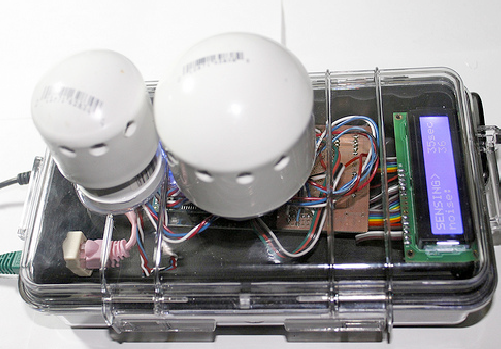
Environmental sensors device with display (Source: Wikimedia Commons)
- Inventory Management Software: Provides real-time data on stock levels, expiry dates, and storage conditions accessible via mobile or desktop platforms.
- Security Systems: CCTV cameras and electronic access controls help monitor physical security and prevent unauthorized entry.
- Data Analytics: Systems generate reports and trends that inform procurement decisions and storage optimization.
Practice Questions
- Explain five key elements involved in visual inspection of stored goods and their importance in preserving product quality. (10 marks)
- Describe how temperature and humidity monitoring contributes to the preservation of stored pharmaceuticals in Kenyan hospitals. (8 marks)
- Outline six steps involved in conducting an effective inventory audit in a county government warehouse. (12 marks)
- Discuss the advantages of using automated monitoring systems over manual methods in large-scale storage facilities. (10 marks)
The rest of this chapter
🔒Create a free account to open more of this chapter.
Free: practical guides, quick cards, workplace scenarios and more.
Create a free account 🔒4.2 Identification of Monitoring Tool
In procurement management, particularly in the preservation of stored goods, selecting the appropriate monitoring tools is critical for ensuring the quality and usability of inventory. Kenyan procurement professionals must identify tools that effectively track…
🔒4.3 Identification of preserved goods to be monitored
In procurement management, especially within Kenyan institutions such as county government offices, hospitals, and retail businesses, maintaining the integrity of stored goods is pivotal. Identification of preserved goods to be monitored ensures that the procu…
🔒4.4 Monitoring Process
In procurement management, especially within Kenyan organizations, monitoring the condition of stored goods is critical to ensuring value retention, minimizing losses, and guaranteeing timely availability of materials. Effective monitoring helps procurement pr…
🔒4.5 Documentation of monitoring results
In procurement management, particularly in Kenya, the documentation of monitoring results for stored goods is critical for transparency, accountability, and ensuring quality control. Proper records enable procurement officers and warehouse managers to track th…
🔒4.6 Preparation of Monitoring
In procurement management, the preparation of monitoring stored goods is a critical phase that ensures the preservation and usability of inventory. Proper preparation facilitates timely detection of deterioration, damage, or theft, which can lead to financial…
🔒4.7 Identify Goods for Preservation
In procurement management, particularly within Kenyan institutions such as county government offices, hospitals, and retail businesses, correctly identifying goods that require preservation is essential to safeguard investment and ensure operational continuity…
🔒4.8 Prepare a monitoring report
In procurement management, preparing a monitoring report for stored goods is essential to ensure transparency, accountability, and effective decision-making. Kenyan procurement professionals must provide clear, comprehensive reports that reflect the accurate c…
Chapter Summary
This chapter explored various methods used to monitor the condition of stored goods, emphasizing techniques that ensure the preservation of quality and safety. It detailed the selection of appropriate monitoring tools essential for accurate assessment of stored items. The discussion included identifying specific preserved goods that require regular observation to prevent deterioration. A clear explanation of the monitoring process was provided, outlining systematic steps for effective condition checks. The importance of documenting monitoring results was highlighted to facilitate tracking and decision-making. Preparation activities prior to monitoring were examined, ensuring readiness and accuracy in the process. The chapter also covered how to identify goods suitable for preservation based on their characteristics and storage requirements. Finally, it addressed the preparation of comprehensive monitoring reports that summarize findings and guide subsequent preservation actions.
Self-Assessment
🔒 PDFDownload this self-assessment, with answers
A. Written Assessment
- What are three common methods used to monitor the condition of stored goods in procurement? (3 marks)
- Identify and explain two types of monitoring tools used in the preservation of stored goods. (4 marks)
🔒28 more in this section.
Chapter Examination Questions
🔒 PDFDownload these examination questions, with worked answers
SECTION A (40 Marks) - Answer ALL Questions
- Explain two common methods used to monitor the condition of stored goods in a procurement department at a county government office. (4 marks)
- Identify and describe four essential monitoring tools used for checking the condition of perishable goods in a warehouse. (4 marks)
🔒18 more in this section.
