Fashion Design  ·  Level 5
Fashion Design And Sketching
Chapter 5: Perform design presentation
📚 2 Topics
⚑ What you will be able to do

By the end of this chapter, you will be able to:

  • safely and correctly use design presentation tools and equipment by following the user manual.
  • accurately apply the principles of design presentation according to your design specifications.
  • choose and apply design presentation techniques that best suit the specific design you are working on.

Mastering these skills will help you confidently showcase your fashion ideas and bring your creative vision to life in the real world of fashion design.

Fashion design professionals in Kenya must effectively communicate their creative concepts to clients, manufacturers, and stakeholders. Design presentation is the critical phase where ideas are translated into visual and tangible forms that convey the designer’s vision clearly and persuasively. Mastery of design presentation tools and equipment enables fashion designers to produce compelling sketches, mood boards, technical drawings, and prototypes that support decision-making and production processes.

5.1 Using Design Presentation Tools and Equipment

Fashion designers in Kenya rely on an array of tools and equipment to develop and present their designs professionally. These resources enhance precision, creativity, and clarity, ensuring that presentations meet the expectations of clients and manufacturers alike. Understanding the specifications, functions, and proper use of these tools is essential for delivering high-quality fashion design presentations.

5.1.1 Identifying Essential Design Presentation Tools

In fashion design, selecting the right tools for sketching, illustrating, and presenting concepts is fundamental. The choice of tools affects the quality and clarity of the presentation and the ease with which ideas are communicated.

Key Design Presentation Tools

Name Specification Use
Sketching Pencils Range from 2H (hard) to 6B (soft) Used for initial fashion sketches and shading
Markers Alcohol-based, various tip sizes Applied for vibrant, smooth coloring on sketches
Erasers Kneaded and rubber erasers Corrects mistakes and refines details
Fashion Croquis Pre-drawn human figure templates Provides proportionate body outlines for design
Rulers and French Curves Transparent plastic, flexible curves Aid in drawing straight lines and smooth curves
Drawing Paper Smooth, heavyweight paper (A3 or A4) Surface for sketching and detailed illustrations
Presentation Boards Foam or cardboard, various sizes Mounting design sketches and fabric samples
Digital Tablets Pressure-sensitive screens (e.g., Wacom) Digital sketching and rendering

Usage and Maintenance

  • Sketching pencils require regular sharpening to maintain fine points for detailed work.
  • Markers should be capped tightly after use to prevent drying out.
  • Kneaded erasers can be shaped for precise erasing and cleaned by kneading to remove graphite residue.
  • Fashion croquis templates are reusable and should be stored flat to avoid creasing.
  • Rulers and French curves must be cleaned regularly to maintain smooth edges for accurate lines.
  • Presentation boards should be handled carefully to avoid dents and stored in a dry environment to prevent warping.
  • Digital tablets need software updates and screen cleaning with appropriate microfiber cloths to maintain responsiveness.

5.1.2 Utilizing Digital Tools for Design Presentation

Digital technology plays a pivotal role in modern fashion design presentations in Kenya. Designers increasingly integrate software and hardware to create detailed, editable, and shareable presentations that enhance client engagement and streamline communication with manufacturers.
Advantages of Digital Design Tools

  • Precision and Flexibility: Digital tools allow designers to easily modify sketches, adjust colors, and experiment with textures without starting from scratch.
  • Time Efficiency: Editing and duplicating designs digitally reduces time spent on manual corrections.
  • Professional Output: High-resolution images and 3D renderings improve the quality of presentations.
  • Collaboration: Digital files can be shared instantly with clients, suppliers, and production teams across Kenya.
  • Resource Savings: Reduces paper use and physical materials, aligning with sustainable design practices.

Common Digital Tools in Fashion Design

  • Adobe Illustrator and Photoshop: Used for vector illustrations, color manipulation, and fabric texture simulation.
  • CLO 3D and Browzwear: Software for creating realistic 3D garment prototypes.
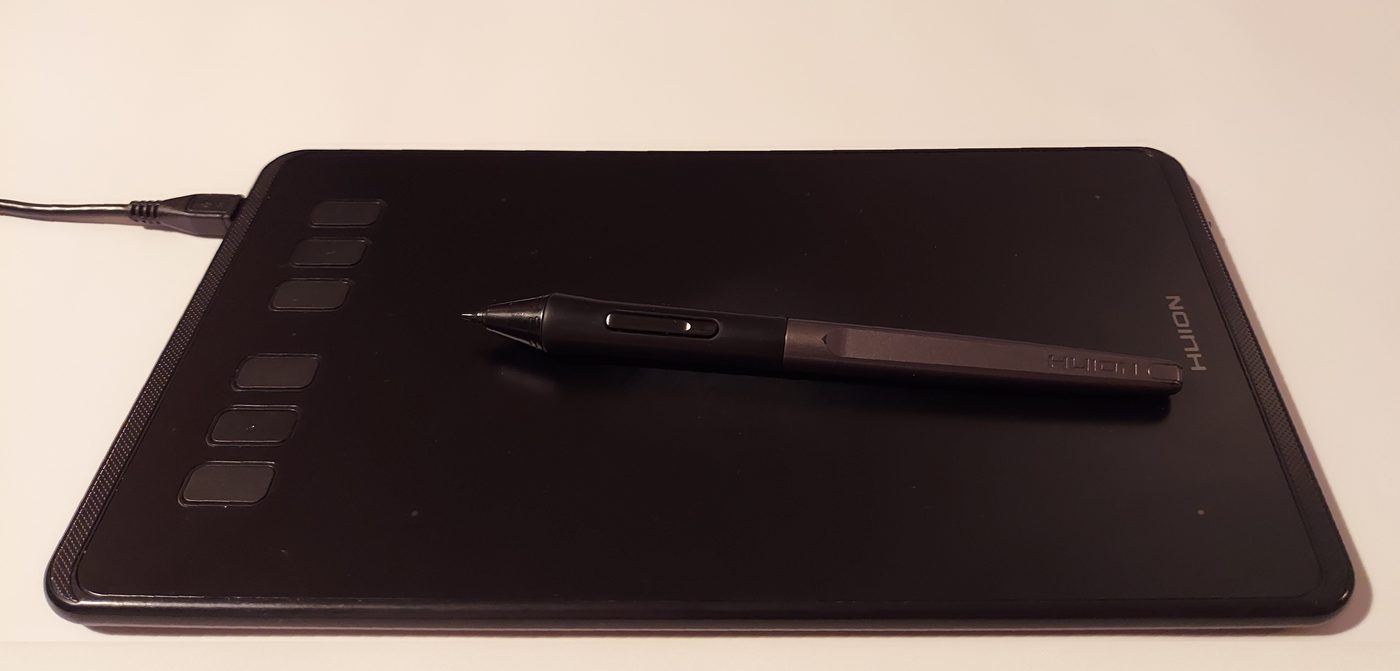
  • Digital Tablets (e.g., iPad Pro, Wacom): Enable hand-drawn sketches directly into software applications.

Digital tablet with stylus
Digital tablet with stylus (Source: Wikimedia Commons)

  • Presentation Software (PowerPoint, Canva): Organize and display design concepts professionally.

5.1.3 Traditional Presentation Techniques and Their Relevance

Despite the rise of digital tools, traditional presentation techniques maintain their importance in Kenya’s fashion design industry, especially during client meetings and initial design phases. Hands-on materials and tangible samples often leave a stronger impression and facilitate better understanding.

Traditional Presentation Methods

  • Hand Sketching: Provides a personal touch and demonstrates the designer’s skill and creativity.
  • Mood Boards: Collages of fabric swatches, color palettes, and inspirational images that communicate the design theme.
  • Technical Flats: Detailed, flat sketches showing garment construction details crucial for production.
  • Physical Prototypes: Sample garments or draped fabrics that illustrate the design’s form and fit.
  • Portfolio Books: Collections of sketches and finished designs used to showcase the designer’s range and style.

These methods support tactile and visual appreciation, which is critical when presenting to stakeholders who may not be familiar with digital formats or when internet connectivity is limited.

5.1.4 Preparing and Organizing Design Presentation Materials

Effective design presentation depends not only on tools but also on how materials are prepared and organized. Proper preparation ensures smooth delivery and enhances the impact of the presentation.

Steps to Prepare Presentation Materials

  1. Select Key Designs: Choose sketches and samples that best represent the concept and appeal to the target audience.
  2. Create Clear Layouts: Arrange sketches, fabric samples, and color palettes logically on presentation boards or digital slides.
  3. Label Materials: Include annotations on sketches and swatches to explain fabrics, colors, and design details.
  4. Package Materials Neatly: Use folders, portfolios, or digital files organized by theme or collection.
  5. Test Equipment: Check digital devices, projectors, or printing quality beforehand to avoid technical issues.
  6. Rehearse Presentation: Practice explaining the design rationale and responding to potential questions confidently.

At a Nairobi boutique, for example, a designer presenting a new collection to buyers prepared a well-organized portfolio with both hand sketches and digital renderings to appeal to different preferences, ensuring the presentation was seamless and professional.

Practice Questions

  1. Explain five essential design presentation tools used by fashion designers and their specific uses. (10 marks)
  2. Discuss the advantages of using digital tools in fashion design presentations within the Kenyan context. (10 marks)
  3. Describe five traditional presentation techniques and explain their continued relevance in Kenya’s fashion industry. (10 marks)
  4. Outline six steps involved in preparing and organizing design presentation materials for a client meeting. (12 marks)
The rest of this chapter
🔒

Create a free account to open more of this chapter.

Free: practical guides, quick cards, workplace scenarios and more.

Create a free account
🔒5.2 Design Presentation Techniques: Point Presentation

In the Kenyan fashion industry, the ability to present design ideas clearly and persuasively is critical for gaining client approval, securing orders, and collaborating with manufacturers and retailers. Point presentation is a focused technique that allows fas…

Chapter Summary

This chapter focused on the effective use of design presentation tools and equipment essential for showcasing fashion creations clearly and professionally. It covered a variety of tools that enhance the visual communication of design ideas, emphasizing their appropriate selection and handling to support the designer’s intentions. The discussion then shifted to design presentation techniques, highlighting methods that engage the audience and convey the concept convincingly. Among these, point presentation was explored as a strategic approach to organize and deliver key information succinctly and persuasively. Mastery of these techniques enables designers to articulate their creative vision, facilitating feedback and decision-making in the fashion design process. Overall, the chapter provided a comprehensive understanding of how to prepare and execute compelling design presentations using both practical tools and presentation skills.

Self-Assessment

🔒 PDFDownload this self-assessment, with answers

A. Written Assessment

  1. What are three essential tools used in fashion design presentations and their primary purposes? (3 marks)
  2. Explain how digital presentation tools can enhance the communication of fashion design concepts. (2 marks)
🔒20 more in this section.

Chapter Examination Questions

🔒 PDFDownload these examination questions, with worked answers

SECTION A (40 Marks) - Answer ALL Questions

  1. Identify five essential design presentation tools commonly used by fashion designers in Kenya and explain one key use for each. (4 marks)
  2. Describe how a fashion designer at a Nairobi-based boutique can effectively use digital tools during a design presentation. (4 marks)
🔒18 more in this section.
Flashcards 20 cards Study deck ▾
Question
1

↻ Tap card to reveal answer
🔒

18 more in this section.

Create a free account
Test Yourself 17 questions Start quiz ▾
0%
0 / 2
🔒

15 more in this section.

Create a free account
Am I competent?

At the start of this chapter we promised you would be able to:

  • safely and correctly use design presentation tools and equipment by following the user manual.
  • accurately apply the principles of design presentation according to your design specifications.
  • choose and apply design presentation techniques that best suit the specific design you are working on.

Tick each one you can genuinely do.

So, are you there yet?

You're competent when you can confidently do 50% or more of what this chapter promised.

Sign in to record how you're doing.