Fashion Design  ·  Level 5
Fashion Design And Sketching
Chapter 2: Sketch fashion figure
📚 3 Topics
⚑ What you will be able to do

By the end of this chapter, you will be able to:

  • Use sketching tools, equipment, and materials safely and correctly by following the user manual.
  • Sketch basic human anatomy accurately using the 8 head scale proportion.
  • Draw human figure shapes correctly based on different body type classifications.

Mastering these skills will help you create professional and well-proportioned fashion sketches that bring your design ideas to life!

Sketching the fashion figure is fundamental to communicating design ideas effectively in the fashion industry. In Kenya, where designers increasingly engage with diverse markets from Nairobi’s urban boutiques to emerging rural fashion hubs, mastering sketching tools and materials is essential. This chapter begins by exploring the essential sketching tools, equipment, and materials that fashion designers use to bring their concepts to life. Understanding these tools enhances precision, creativity, and professionalism in the design process.

2.1 Sketching tools, equipment and materials

The choice of sketching tools and materials directly influences the quality and clarity of fashion illustrations. Kenyan fashion professionals often balance traditional hand-sketching methods with modern techniques, adapting to client needs and resource availability. This section examines the main categories of tools, their specifications, and practical use in the fashion design workflow.

2.1.1 Pencils and Drawing Instruments

Pencils remain the cornerstone of fashion sketching, offering flexibility in line quality and shading. Designers in Kenya’s fashion studios, such as those in Nairobi’s garment districts, rely on various pencil grades to achieve detailed and nuanced drawings.

Types and Grades of Pencils

  • Graphite Pencils: These come in grades ranging from 9H (hardest) to 9B (softest), with H pencils producing lighter lines and B pencils darker, richer marks. For initial outlines, designers typically use 2H to 4H for fine precision, while softer pencils like 2B to 6B are preferred for shading and depth.
  • Mechanical Pencils: Favoured for consistent line width, mechanical pencils with 0.3mm to 0.5mm leads are common in detailed technical sketches, allowing Kenyan designers to maintain accuracy in garment construction drawings.

  • Charcoal Pencils: Less frequently used but valuable for expressive shading and texture, charcoal pencils add depth and artistic flair, especially in editorial fashion illustrations.
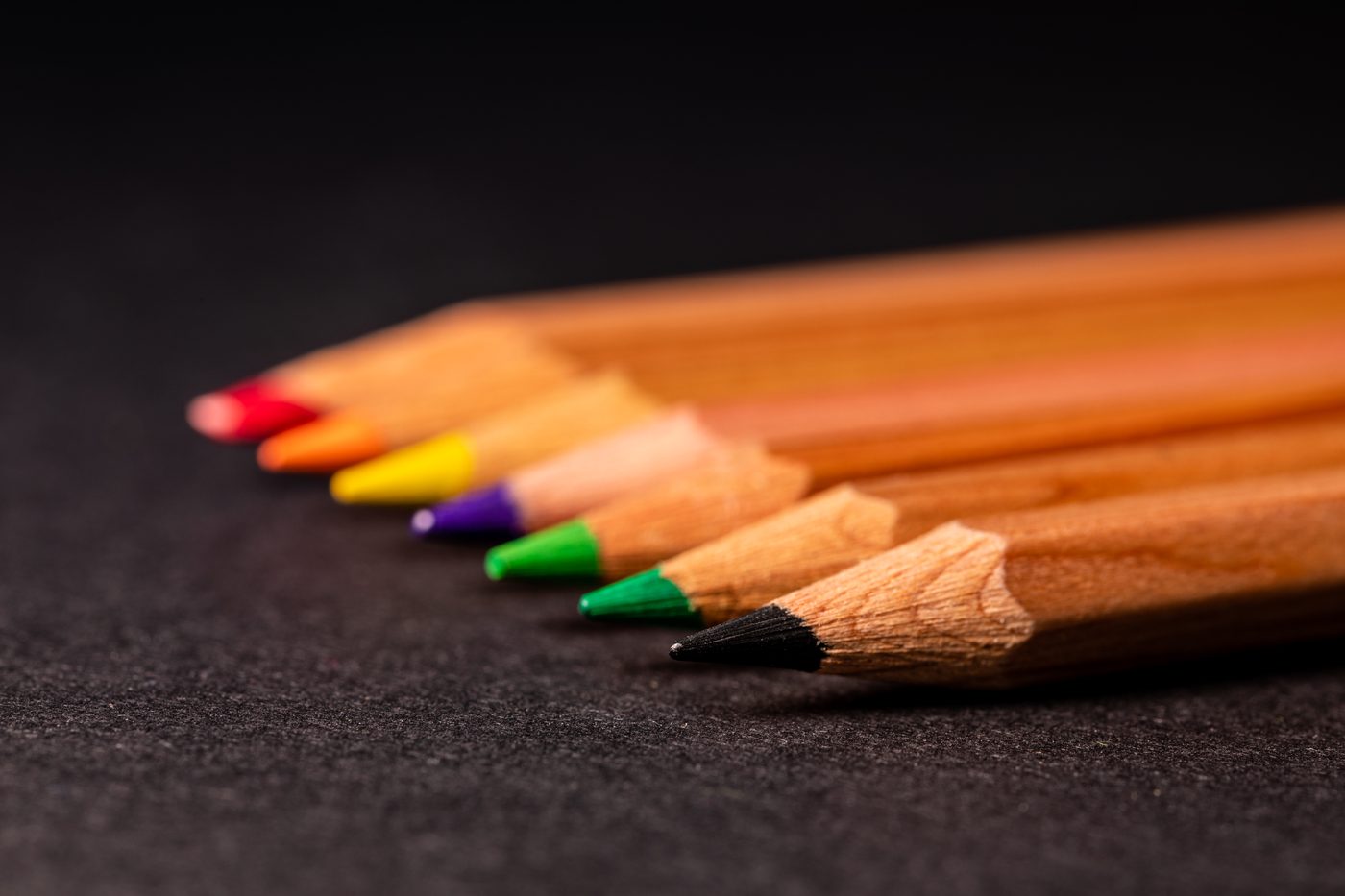
  • Colored Pencils: Used for adding color accents or fabric texture simulation, these are essential when hand-rendering final fashion plates without digital tools.

Colored pencils arranged on a dark surface
Colored pencils arranged on a dark surface (Source: Wikimedia Commons)

Usage and Maintenance

  • Sharpen pencils regularly with a quality sharpener to maintain fine points for detail work.
  • Keep mechanical pencil leads replenished and avoid excessive pressure to prevent breakage.
  • Store charcoal pencils in protective cases to prevent smudging and damage.
  • Clean erasers and sharpeners frequently to avoid residue that can mar sketches.

2.1.2 Sketching Papers and Surfaces

The foundation of a good fashion sketch lies in the choice of paper or drawing surface. Kenyan designers select surfaces based on the intended medium and presentation format, balancing cost and quality.

Name Specification Use
Bond Paper Lightweight, smooth, usually 70-90 gsm Ideal for quick sketches and practice
Bristol Board Heavyweight, smooth or vellum finish, 180-220 gsm Preferred for final detailed illustrations
Tracing Paper Translucent, thin, 50-70 gsm Used for overlays, pattern tracing, and design modifications
Watercolor Paper Textured surface, 200-300 gsm Suitable for mixed media and color washes
Marker Paper Smooth, bleed-proof surface, 120-150 gsm Designed for alcohol-based markers and ink rendering

Practical Considerations

  • Bond paper is inexpensive and widely available in Nairobi, suitable for initial concept sketches and classroom use at polytechnics.
  • Bristol board supports layering of colors and ink, often used by professionals preparing portfolios or client presentations.
  • Tracing paper enables designers to experiment with variations without redrawing from scratch, facilitating iterative design.
  • Watercolor paper is selected when incorporating washes or mixed media, common in creative fashion illustration workshops.
  • Marker paper prevents ink bleed, ensuring crisp lines when using markers, a popular medium for Kenyan designers illustrating fabric patterns.

2.1.3 Erasers and Sharpeners

Types and Functions of Erasers

  • Rubber Erasers: The most common type, ideal for removing graphite marks cleanly without damaging paper fibers.

  • Kneaded Erasers: Moldable and soft, these erasers lift graphite gently to lighten areas without complete removal, perfect for subtle shading adjustments.

  • Vinyl Erasers: Stronger and more abrasive, suitable for erasing darker marks but with a higher risk of paper damage if used carelessly.

  • Electric Erasers: Battery-operated, these provide precision erasing for fine details, useful in professional studios where accuracy is paramount.

  • Pencil Erasers: Attached to the end of some pencils, convenient for quick minor corrections during sketching.

Sharpeners

  • Manual Sharpeners: Widely used for portability and ease, available in single or double-hole sizes to accommodate different pencil diameters.
  • Electric Sharpeners: Offer uniform sharpening with less effort, common in busy design studios.
  • Knife Sharpening: Traditional method used by some artists to create custom pencil points for varied line qualities.

Maintenance Practices

  • Clean erasers regularly to prevent smudging.
  • Empty sharpener shavings frequently to avoid clogging.
  • Store sharpeners and erasers in a dry environment to prolong lifespan.

2.1.4 Colouring and Rendering Materials

Adding color and texture to fashion sketches is crucial for conveying fabric qualities and design intent. Kenyan designers use various mediums depending on the project scope and client expectations.

Name Specification Use
Watercolour Pencils Water-soluble, pigment rich Used for delicate washes and fabric texture
Markers Alcohol-based or water-based, range of tip sizes Popular for vibrant color application and quick rendering
Pastels Soft or oil-based, blendable Provide rich texture and shading effects
Ink Pens Fine liners and brush pens, waterproof Used for outlines and detailed line work
Colored Pencils Wax or oil-based, various hardness Ideal for layering and subtle color gradients

Application Techniques

  • Watercolour pencils allow designers to combine drawing and painting, enabling soft transitions and fabric draping effects.
  • Markers are favored for their bright, even coverage and speed, useful for commercial fashion illustrations.
  • Pastels offer a tactile quality that mimics fabric texture, enhancing the visual appeal of sketches.
  • Ink pens define garment edges and intricate details, ensuring clarity in technical drawings.
  • Layering colored pencils builds depth and richness, especially for illustrating complex prints or embroideries.

Care and Storage

  • Cap markers tightly after use to prevent drying.
  • Store pastels in cushioned boxes to avoid breakage.
  • Maintain pens by cleaning tips and avoiding excessive pressure.

Practice Questions

  1. Explain how the different grades of graphite pencils influence the quality of a fashion sketch. (6 marks)
  2. Compare and contrast the uses of bond paper and Bristol board in fashion sketching. (8 marks)
  3. Describe the advantages of using kneaded erasers over rubber erasers in fashion illustration. (6 marks)
  4. Identify and explain three coloring materials suitable for rendering fabric textures in fashion sketches. (9 marks)
The rest of this chapter
🔒

Create a free account to open more of this chapter.

Free: practical guides, quick cards, workplace scenarios and more.

Create a free account
🔒2.2 Sketching Basic Human Anatomy

Sketching the human figure accurately is fundamental in fashion design to visualize how garments will fit and flow on the body. In the Kenyan fashion industry, designers often draw inspiration from local body types and cultural attire, making anatomical knowle…

🔒2.3 Sketching Fashion Poses

Sketching fashion poses is a critical skill for Kenyan fashion designers to express the intended mood, style, and movement of a garment. It brings life to flat fabric designs by illustrating how clothes interact with the human form in dynamic stances. In Nairo…

Chapter Summary

This chapter provides a comprehensive overview of the essential sketching tools, equipment, and materials used in fashion design, emphasizing their roles in creating clear and precise fashion illustrations. It progresses to the fundamentals of sketching basic human anatomy, highlighting the importance of understanding body proportions and structure to achieve realistic and well-balanced fashion figures. The integration of third-party evidence illustrates how professional designers validate and refine their anatomical sketches for accuracy. The chapter concludes with techniques for sketching dynamic fashion poses that convey movement and attitude, crucial for bringing designs to life. Mastery of these elements enables designers to effectively communicate their creative visions through detailed and expressive fashion sketches.

Self-Assessment

🔒 PDFDownload this self-assessment, with answers

A. Written Assessment

  1. Identify five essential tools used in fashion figure sketching and explain the purpose of each. (10 marks)
  2. Which type of pencil is most suitable for initial fashion figure sketches and why? (2 marks)
🔒20 more in this section.

Chapter Examination Questions

🔒 PDFDownload these examination questions, with worked answers

SECTION A (40 Marks) - Answer ALL Questions

  1. Identify five essential sketching tools used by fashion designers in Kenya and explain their specific uses in creating fashion figures. (4 marks)
  2. Describe the key differences between sketching basic human anatomy for fashion figures and anatomical drawing for medical purposes. (4 marks)
🔒18 more in this section.
Flashcards 20 cards Study deck ▾
Question
1

↻ Tap card to reveal answer
🔒

18 more in this section.

Create a free account
Test Yourself 16 questions Start quiz ▾
0%
0 / 2
🔒

14 more in this section.

Create a free account
Am I competent?

At the start of this chapter we promised you would be able to:

  • Use sketching tools, equipment, and materials safely and correctly by following the user manual.
  • Sketch basic human anatomy accurately using the 8 head scale proportion.
  • Draw human figure shapes correctly based on different body type classifications.

Tick each one you can genuinely do.

So, are you there yet?

You're competent when you can confidently do 50% or more of what this chapter promised.

Sign in to record how you're doing.