
By the end of this chapter, you will be able to:
Mastering these skills will help you create quality garments and prepare you for real-world work in the fashion and clothing industry.
Fashion design professionals in Kenya must master the practical skills of garment construction to translate creative ideas into wearable products. Understanding the tools and equipment essential for constructing basic ladies' garments is foundational for producing quality fashion pieces efficiently and professionally. This chapter focuses on equipping students with comprehensive knowledge of garment construction tools and equipment, ensuring they can select, use, and maintain these resources effectively in various Kenyan fashion production environments.
Garment construction in the Kenyan fashion industry requires a range of specialized tools and equipment to ensure precision, durability, and aesthetic appeal. Whether working in a boutique in Nairobi, a tailoring workshop in Kisumu, or a garment factory in Eldoret, fashion designers rely on these tools to cut, assemble, and finish garments. Mastery of these implements not only enhances productivity but also upholds quality standards demanded by discerning customers and competitive markets.
Dressmaker’s Scissors: Designed specifically for cutting fabric smoothly without fraying edges, these scissors have sharp blades with an angled handle for comfortable use. High-quality scissors, like those used in Nairobi’s fashion hubs, reduce fabric wastage and improve cutting accuracy.
Seam Ripper: This small tool allows for the precise removal of stitches without damaging the fabric, essential when correcting errors or altering garments. Seam rippers are widely used in tailoring shops to maintain garment quality during adjustments.
Measuring Tape: Flexible and marked in centimeters and inches, measuring tapes are crucial for taking body measurements and fabric dimensions. Accurate measurements prevent fitting problems, a priority for designers working with clients in Kenya’s diverse body shapes.
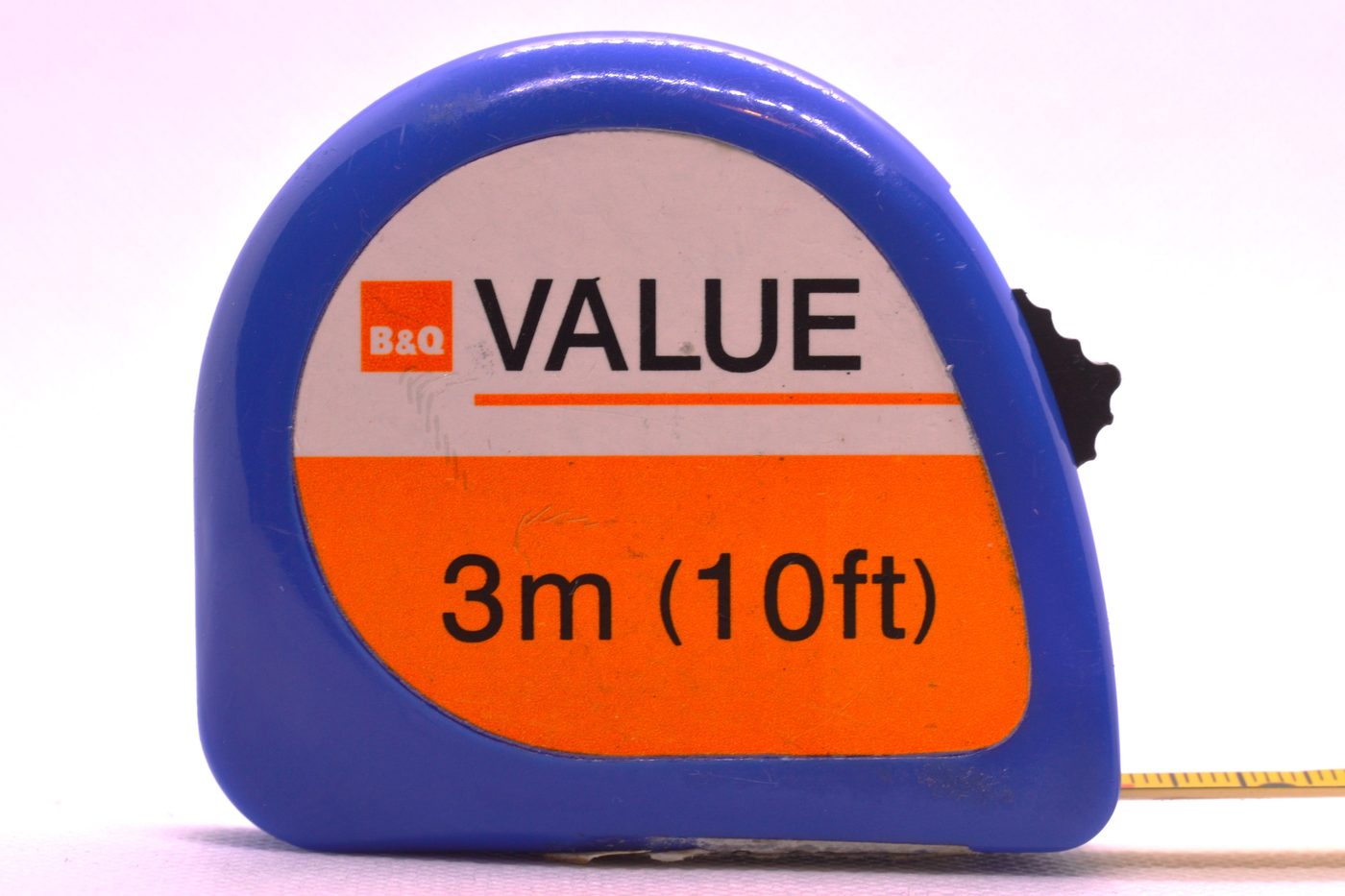
A 3m (10ft) measuring tape (Source: Wikimedia Commons)
Tailor’s Chalk and Fabric Markers: These tools aid in marking cutting lines, darts, and seam allowances on fabric. Tailor’s chalk is preferred for its ability to be brushed off easily, making it suitable for temporary markings.
Pins and Needles: Pins hold fabric pieces together before sewing, while needles are used for hand stitching. High-quality pins with rounded heads prevent fabric damage and ease handling during garment assembly.
Sewing machines are central to garment construction, significantly increasing production speed and stitch consistency compared to hand sewing. Kenyan fashion workshops and garment factories utilize various types of sewing machines tailored to specific fabric types and garment components.
Lockstitch Machines: These machines produce a strong, straight stitch ideal for seaming woven fabrics. They are standard equipment in most tailoring shops and fashion schools.
Overlock Machines (Serger): Overlock machines trim fabric edges and encase them in thread to prevent fraying, providing professional finishes on seams. Many Kenyan garment manufacturers use overlock machines to enhance durability and garment appearance.
Buttonhole Machines: Specialized machines that create neat and uniform buttonholes, essential for shirts and dresses. Their use improves garment quality and reduces manual sewing time.
Embroidery Machines: Used to add decorative stitches and patterns, embroidery machines enable designers to customize garments, a growing trend in Kenya’s fashion industry.
Flatbed and Cylinder-bed Machines: Flatbed machines are suitable for general sewing, while cylinder-bed machines handle tubular or hard-to-reach areas like sleeves and cuffs, facilitating complex garment construction.
Pressing is a critical stage in garment construction, shaping the fabric and setting seams to achieve a professional look. Kenyan fashion professionals use various pressing tools to enhance garment presentation and fit.
| Name | Specification | Use |
|---|---|---|
| Iron | Electric, adjustable temperature | Removes wrinkles, sets seams and hems |
| Tailor’s Ham | Firm, curved cushion | Presses curved areas like darts and sleeves |
| Sleeve Board | Narrow, padded ironing surface | Presses sleeves and small garment sections |
| Pressing Cloth | Lightweight cotton or muslin | Protects delicate fabrics during ironing |
| Steam Iron/Press | Steam generation with adjustable heat | Softens fabric fibers and shapes garments |
Accurate cutting and pattern making are fundamental to garment construction quality. Kenyan fashion designers rely on specialized equipment to ensure precision in fabric preparation and pattern drafting.
| Name | Specification | Use |
|---|---|---|
| Pattern Paper | Large sheets, semi-transparent | Drafting and modifying garment patterns |
| French Curve | Plastic, curved ruler | Drawing smooth curves on patterns |
| Rotary Cutter | Circular blade, ergonomic handle | Cutting fabric with clean, straight lines |
| Cutting Mat | Self-healing, grid-marked | Protects surfaces and aids precise cutting |
| Weights | Heavy, flat objects | Holding patterns firmly during cutting |
Describe five essential hand tools used in ladies’ garment construction and explain their specific functions. (10 marks)
Compare and contrast lockstitch and overlock sewing machines in terms of their uses and advantages in garment construction. (10 marks)
Explain the importance of pressing equipment in garment construction and describe the function of a tailor’s ham. (10 marks)
List and describe five tools used in pattern making and cutting, highlighting their role in achieving garment accuracy. (10 marks)
Create a free account to open more of this chapter.
Free: practical guides, quick cards, workplace scenarios and more.
Create a free accountThis chapter provided a comprehensive overview of the essential tools and equipment used in constructing basic ladies' garments, emphasizing their functions and proper handling to ensure quality outcomes. It then explored the range of materials and supplies required, including various fabrics, threads, and notions, highlighting their suitability for different garment types. The discussion on sewing techniques covered fundamental stitches, seam types, garment details such as darts and pleats, and strategies for working with special fabrics that demand careful manipulation. The chapter also detailed the step-by-step process of assembling garments, focusing on accurate alignment, stitching, and finishing to achieve a professional appearance. Throughout, the integration of tools, materials, and techniques was shown to be critical for effective garment construction. Mastery of these elements equips students with the skills necessary to produce well-constructed ladies' garments that meet industry standards.
At the start of this chapter we promised you would be able to:
Tick each one you can genuinely do.
So, are you there yet?
You're competent when you can confidently do 50% or more of what this chapter promised.
Sign in to record how you're doing.