Fashion Design  ·  Level 4
Basic Ladies' Garments Construction
Chapter 1: Sketch basic ladies' garments
📚 3 Topics
⚑ What you will be able to do

By the end of this chapter, you will be able to:

  • Wear the correct personal protective equipment safely, following all job safety requirements.
  • Identify and gather all the sketching tools and equipment needed for your work.
  • Carry out client consultations effectively by following the correct procedure.
  • Accurately record clients’ specifications during consultations to ensure clear communication.
  • Take clients’ body measurements accurately based on the design requirements.
  • Identify and obtain the sketching supplies needed to complete your work efficiently.
  • Sketch basic ladies' garments accurately, meeting the job requirements.

These skills will help you create beautiful, well-fitting garments that satisfy your clients and build your confidence as a skilled garment constructor.

Sketching basic ladies' garments is a foundational skill for fashion designers aiming to create original and marketable apparel. In Kenya's dynamic fashion industry, initial sketches serve as the visual language that communicates design intent to clients, manufacturers, and marketing teams. Mastery of sketching also supports efficient garment construction and modification, reducing costly errors during production. This chapter begins by emphasizing essential workshop safety principles, ensuring that design creativity is pursued in an environment that protects the designer and their team.

1.1 Workshop Safety

The workshop is a creative yet potentially hazardous environment where fashion designers interact with cutting tools, sewing machines, and various materials. In Kenya, many fashion design studios operate within limited spaces and must adhere to safety protocols to prevent accidents and ensure productivity. Prioritizing safety cultivates a professional culture that values wellbeing, reduces downtime from injuries, and complies with occupational health regulations.

1.1.1 Importance of Workshop Safety in Fashion Design

Workshop safety is critical in protecting designers, tailors, and other staff from injury while maintaining uninterrupted workflow. The fashion industry in Nairobi and other urban centers often experiences high demand, making safety essential to meet deadlines without disruptions. Furthermore, adherence to safety standards enhances the reputation of fashion businesses, attracting clients who value professionalism.

Key reasons why workshop safety matters:

  • Prevention of injuries: Safe practices reduce cuts, burns, and ergonomic injuries common in garment construction.
  • Legal compliance: Kenyan labor laws require employers to provide safe working conditions, avoiding penalties.
  • Productivity maintenance: Accidents lead to downtime; a safe workshop ensures continuous operation.
  • Cost reduction: Avoiding injuries decreases medical expenses and compensation claims.
  • Workplace morale: A safe environment boosts employee confidence and motivation, improving output quality.

1.1.2 Common Workshop Hazards in Ladies’ Garment Construction

Understanding typical hazards in fashion workshops is essential to implement effective safety measures. In Kenya, many small-scale fashion enterprises face challenges such as limited space and outdated equipment, increasing risk exposure.

Frequent hazards include:

  • Sharp tools: Needles, scissors, rotary cutters, and pins can cause puncture wounds or lacerations.
  • Electrical equipment: Sewing machines and irons pose risks of electric shock or burns if improperly maintained.
  • Ergonomic strain: Prolonged poor posture during sketching or sewing can cause musculoskeletal disorders.
  • Fire risk: Fabric scraps near electrical outlets or hot equipment increase fire hazards.
  • Slips and trips: Cluttered floors with fabric remnants or cords can cause falls.

1.1.3 Safety Protocols and Best Practices in the Workshop

Implementing clear safety protocols is vital to mitigate risks in garment construction environments. Kenyan fashion studios must adapt these practices to available resources while ensuring compliance with occupational safety standards.

Essential safety measures include:

  • Proper tool handling: Always cut away from the body and store sharp tools safely when not in use.
  • Electrical safety: Regularly inspect machines and cords; switch off equipment when idle.
  • Ergonomic workstation setup: Use adjustable chairs and tables to maintain comfortable posture during sketching and sewing.
  • Fire prevention: Keep fabric scraps away from heat sources; have a fire extinguisher accessible.
  • Housekeeping: Maintain a tidy workspace to prevent slips, trips, and clutter-related accidents.

1.1.4 Personal Protective Equipment and Emergency Preparedness

Using personal protective equipment (PPE) and preparing for emergencies enhances individual safety and readiness in fashion workshops. Although PPE is often overlooked in creative spaces, it is crucial for preventing injuries.
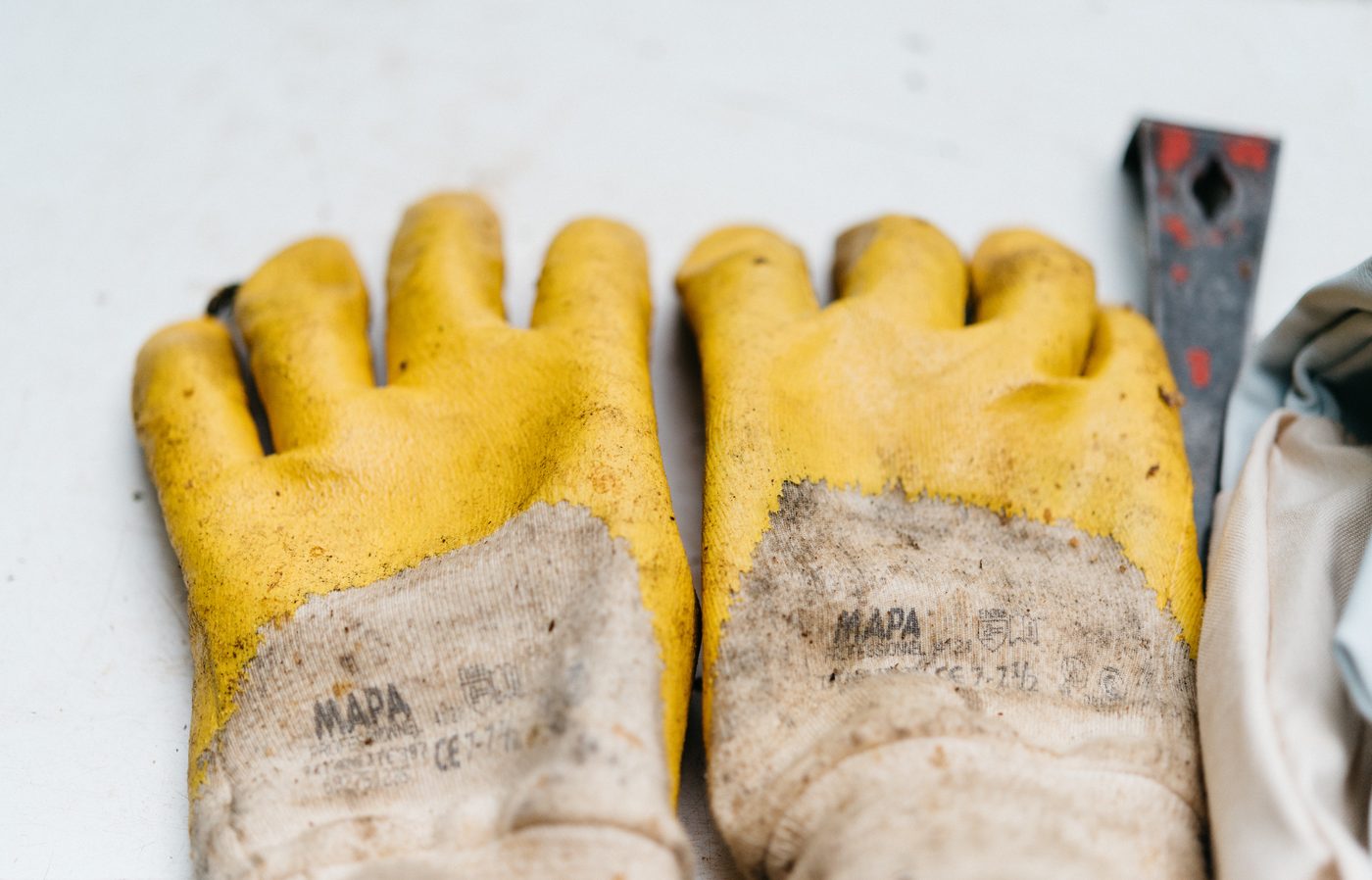
Recommended PPE and emergency measures:

  • Gloves: Use cut-resistant gloves when handling sharp tools to protect hands.

Pair of yellow work gloves used in carpentry
Pair of yellow work gloves used in carpentry (Source: Wikimedia Commons)

  • Eye protection: Safety glasses shield eyes from needle breakage or flying debris.
  • Footwear: Closed-toe shoes prevent foot injuries from dropped tools or hot equipment.

  • First aid kit: Keep a stocked kit accessible for immediate treatment of minor injuries.
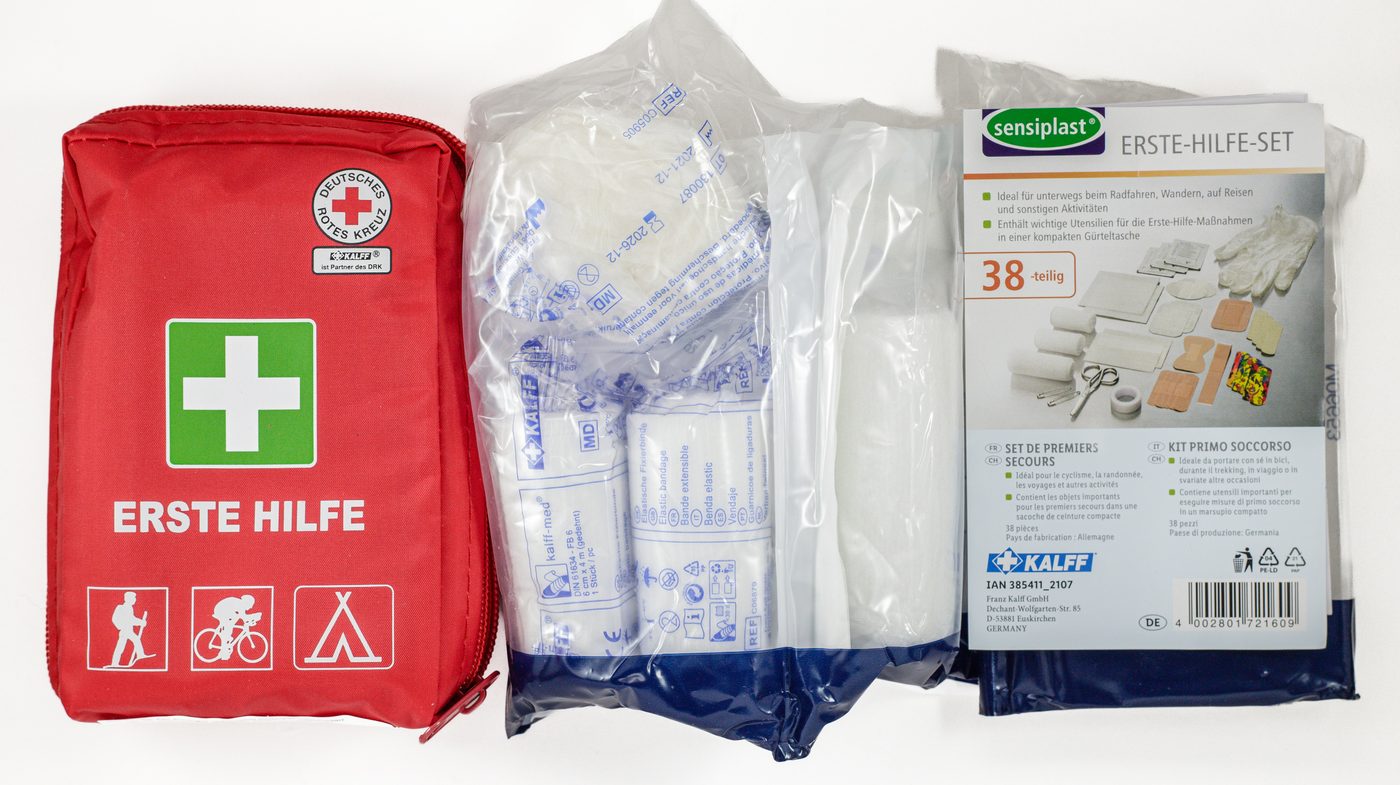
Red first aid kit with supplies
Red first aid kit with supplies (Source: Wikimedia Commons)

  • Emergency exits and drills: Clearly mark exits and conduct regular evacuation drills to ensure readiness.

Practice Questions

  1. Explain five reasons why workshop safety is important in the fashion design industry. (10 marks)

  2. Identify and describe five common hazards found in a ladies’ garment construction workshop. (10 marks)

  3. Discuss six safety protocols that should be implemented in a fashion design workshop to minimize accidents. (12 marks)

  4. List and explain five types of personal protective equipment suitable for use in a fashion design workshop. (10 marks)

The rest of this chapter
🔒

Create a free account to open more of this chapter.

Free: practical guides, quick cards, workplace scenarios and more.

Create a free account
🔒1.2 Sketching tools, equipment, materials and supplies

In the Kenyan fashion design industry, particularly for basic ladies' garments, the choice of sketching tools, equipment, materials, and supplies greatly influences the accuracy, clarity, and presentation of garment ideas. Designers in Nairobi, Mombasa, and ot…

🔒1.3 Sketching techniques

Sketching is a fundamental skill for fashion designers, enabling them to visually communicate garment ideas quickly and effectively. In the Kenyan fashion industry, where designers often work with clients ranging from boutique owners in Nairobi to fashion hous…

Chapter Summary

This chapter began by emphasizing the importance of workshop safety, highlighting key practices that protect individuals and maintain a secure working environment during garment construction. It then explored the various sketching tools, equipment, materials, and supplies essential for creating accurate and detailed ladies' garment designs. The discussion included the selection and proper use of pencils, erasers, rulers, and sketchbooks. Following this, the chapter detailed sketching techniques that enhance precision and creativity, such as freehand drawing, shading, and proportioning. These techniques enable designers to effectively communicate their ideas and visualize garment structures. Together, these topics provide a comprehensive foundation for producing basic ladies' garment sketches while ensuring safety and professionalism in the workshop setting.

Self-Assessment

🔒 PDFDownload this self-assessment, with answers

A. Written Assessment

  1. What are three essential safety precautions to observe in a fashion design workshop? (3 marks)
  2. Identify four common sketching tools used in ladies' garment design and briefly describe their purpose. (4 marks)
🔒20 more in this section.

Chapter Examination Questions

🔒 PDFDownload these examination questions, with worked answers

SECTION A (40 Marks) - Answer ALL Questions

  1. Describe four essential safety precautions a fashion design trainee should observe in a ladies’ garment workshop at a Nairobi fashion training institute. (4 marks)
  2. Identify and explain the purpose of four sketching tools commonly used in ladies’ garment design. (4 marks)
🔒26 more in this section.
Flashcards 20 cards Study deck ▾
Question
1

↻ Tap card to reveal answer
🔒

18 more in this section.

Create a free account
Test Yourself 17 questions Start quiz ▾
0%
0 / 2
🔒

15 more in this section.

Create a free account
Am I competent?

At the start of this chapter we promised you would be able to:

  • Wear the correct personal protective equipment safely, following all job safety requirements.
  • Identify and gather all the sketching tools and equipment needed for your work.
  • Carry out client consultations effectively by following the correct procedure.
  • Accurately record clients’ specifications during consultations to ensure clear communication.
  • Take clients’ body measurements accurately based on the design requirements.
  • Identify and obtain the sketching supplies needed to complete your work efficiently.
  • Sketch basic ladies' garments accurately, meeting the job requirements.

Tick each one you can genuinely do.

So, are you there yet?

You're competent when you can confidently do 50% or more of what this chapter promised.

Sign in to record how you're doing.