Constructing appropriate goat housing structures is a fundamental aspect of effective goat production in Kenya. Properly designed goat structures protect animals from environmental hazards, improve health management, and facilitate efficient feeding and breeding practices. This chapter explores the essential tools, equipment, and materials required to build durable and functional goat shelters suitable for diverse Kenyan farming conditions.
1.1 Tools, Equipment and Materials
Introducing the tools, equipment, and materials used in goat structure construction sets the foundation for safe, efficient, and cost-effective building processes. Selecting appropriate items tailored to the local environment and farm scale enhances productivity and longevity of the facilities.
1.1.1 Tools
Tools are handheld implements that enable precision and manual labor during construction. The right choice of tools minimizes physical strain and ensures quality workmanship in goat shelter projects.
Types of Construction Tools for Goat Structures
-
Hammer: Used for driving nails into timber or other materials, essential for framing and roofing.
-
Measuring Tape: Vital for accurate measurements to ensure correct dimensions of the structure.
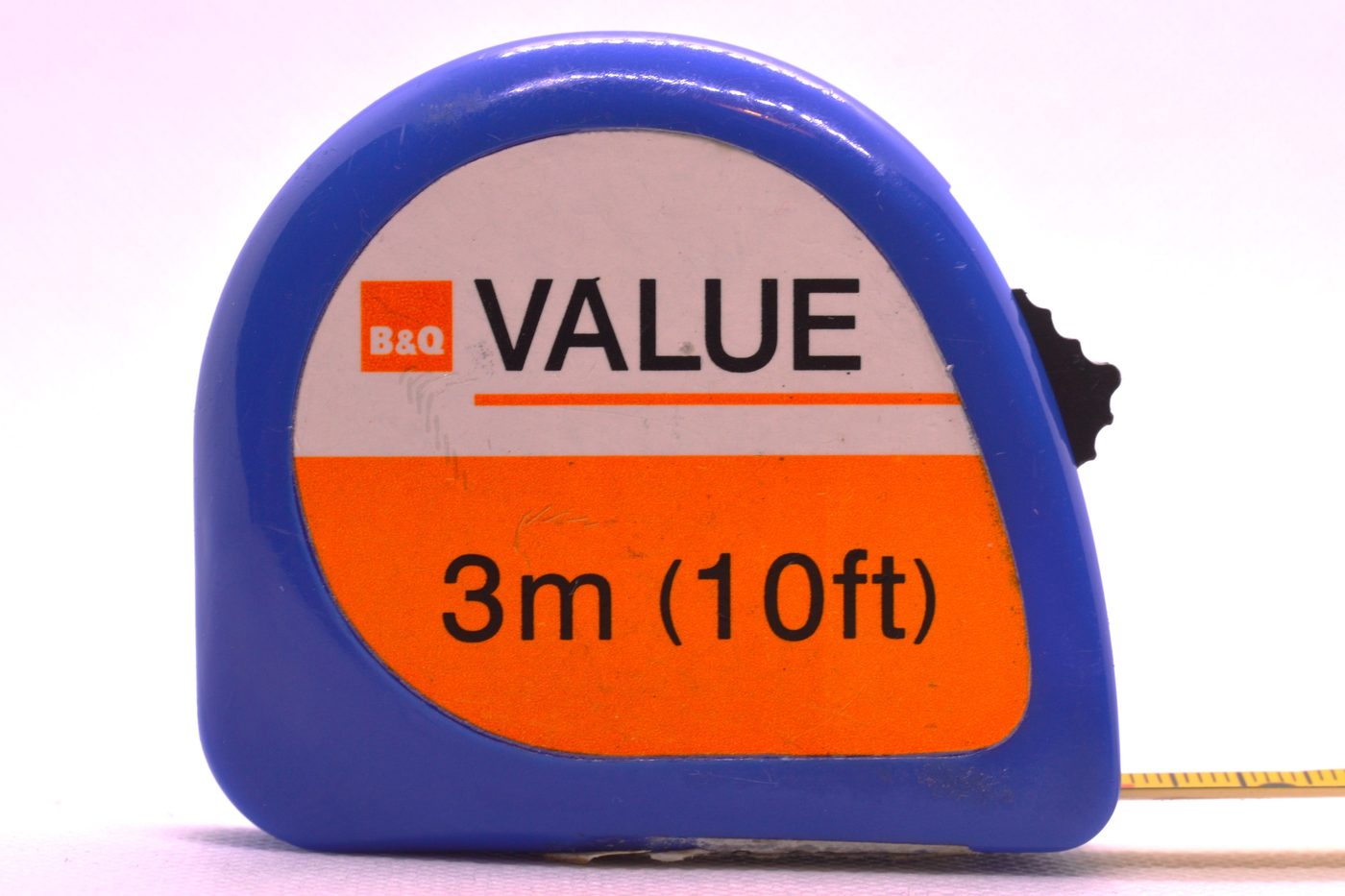
A 3m (10ft) measuring tape (Source: Wikimedia Commons)
- Handsaw: Allows cutting of wooden planks and poles to required sizes.
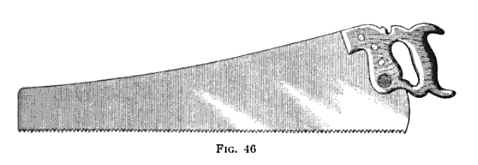
Traditional handsaw with wooden handle (Source: Wikimedia Commons)
- Spirit Level: Ensures horizontal and vertical alignment, crucial for structural stability.
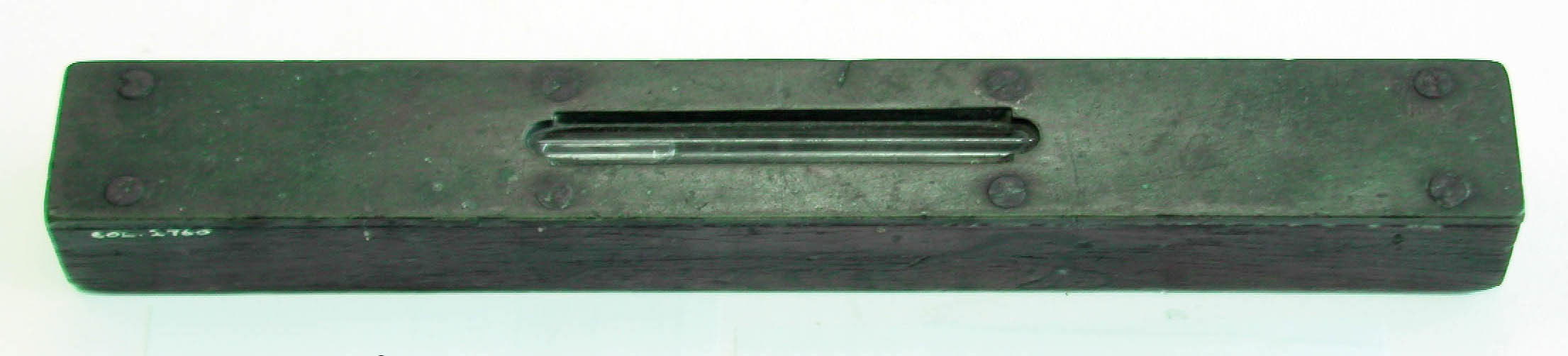
A traditional spirit level tool (Source: Wikimedia Commons)
- Chisel: Used for shaping and carving wood joints to fit components tightly.
These tools are common on Kenyan farms and can be sourced from local hardware shops in towns like Eldoret and Nakuru.
Tool Maintenance and Safety
Maintaining tools in good condition extends their lifespan and ensures safety during use:
- Regularly sharpen cutting tools such as saws and chisels to maintain effectiveness.
- Clean tools after use to prevent rust, especially in humid regions such as Kisumu.
- Store tools in dry, secure locations to avoid damage and theft.
- Wear protective gear like gloves and goggles to prevent injuries during handling.
- Inspect tools for defects before use to avoid accidents.
Selecting Tools Based on Construction Scale
The scale of the goat housing project influences tool selection:
- Smallholder farmers may rely primarily on manual tools like hammers and handsaws.
- Larger commercial farms might incorporate power tools such as electric drills for efficiency.
- In remote areas where electricity is scarce, manual tools remain practical and affordable.
- Seasonal availability of tools can affect project timelines, requiring advance procurement.
- Farmers should balance cost, durability, and availability when choosing tools.
Ergonomics and Tool Handling Techniques
Proper handling of tools reduces fatigue and improves productivity:
- Use the correct grip and posture when swinging a hammer to avoid wrist strain.
- Measure twice before cutting to minimize errors and material wastage.
- Use both hands for stability when operating handsaws.
- Take breaks during repetitive tasks to prevent muscle strain.
- Train farm workers on safe tool use to reduce injury rates.
1.1.2 Equipment
Equipment refers to larger mechanical or powered devices that assist in construction tasks, often reducing manual labor and increasing precision.
Common Equipment Used in Goat Structure Construction
Although many goat housing projects on Kenyan farms use manual tools, some equipment can improve efficiency:
| Name |
Specification |
Use |
| Electric Drill |
12V cordless with drill bits |
Drilling holes for screws/nails |
| Concrete Mixer |
Capacity 100L |
Mixing cement for foundation |
| Wheelbarrow |
Single wheel, steel frame |
Transporting materials on site |
| Power Saw |
7-inch circular saw |
Cutting timber and plywood |
| Vibrating Compactor |
Petrol-powered |
Compacting soil for stable base |
These items are often rented or shared among farmers due to high costs.
Equipment Selection Criteria
Choosing appropriate equipment depends on several factors:
- Project size: Larger constructions justify investment in powered equipment.
- Terrain: Uneven or rocky ground may require specific compactors.
- Budget constraints: Smallholders prioritize manual tools over costly equipment.
- Availability of power sources: Farms with solar or grid electricity can use electric tools.
- Skill level: Operators must be trained to handle equipment safely.
Maintenance and Safe Operation of Equipment
Proper upkeep extends equipment life and protects users:
- Follow manufacturer guidelines for cleaning and lubrication.
- Inspect for wear and tear before each use.
- Store equipment under shelter to prevent weather damage.
- Use personal protective equipment such as earplugs and dust masks.
- Train operators on emergency shutdown procedures.
Benefits of Using Equipment in Goat Housing Construction
Incorporating equipment offers several advantages:
- Reduces physical workload and speeds up construction.
- Enhances accuracy in cutting and assembling components.
- Allows construction of more complex, durable structures.
- Minimizes human error and material wastage.
- Facilitates better foundation preparation for long-lasting housing.
1.1.3 Materials
Materials constitute the physical substances used to build goat shelters, influencing durability, comfort, and cost-effectiveness.
Types of Materials for Goat Structures
Goat housing requires a combination of materials suited to local climate and resource availability:
-
Timber: Commonly used for frames and roofing supports due to availability in Kenyan highlands.
-
Corrugated Iron Sheets: Durable roofing material that protects against rain and sun.
-
Concrete Blocks: Used for walls and foundations, offering strength and pest resistance.
-
Wire Mesh: Provides ventilation while preventing predator access.
-
Thatch: Traditional roofing material offering insulation, used in semi-arid areas.
Selecting materials balances cost, durability, and environmental suitability.
Material Quality and Sourcing
High-quality materials ensure structural integrity and animal welfare:
- Use treated timber to resist termite damage prevalent in coastal regions.
- Purchase corrugated sheets with protective coatings to prevent rusting.
- Source concrete blocks from reputable manufacturers to avoid weak walls.
- Acquire wire mesh with appropriate gauge to deter predators without restricting airflow.
- Consider locally available materials to reduce transport costs and support local economy.
Environmental Considerations in Material Choice
Material selection affects sustainability and animal comfort:
- Use materials that provide adequate ventilation to prevent heat stress.
- Choose non-toxic paints and preservatives to avoid harming goats.
- Employ renewable resources like bamboo where feasible.
- Design roofs to allow rainwater harvesting for farm use.
- Avoid materials that retain moisture, reducing risk of fungal infections.
Cost Management and Material Efficiency
Managing material costs is critical for small-scale farmers:
- Reuse salvaged timber and sheets from decommissioned structures.
- Purchase materials in bulk with cooperative groups to benefit from discounts.
- Plan designs to minimize waste and optimize standard material sizes.
- Prioritize durable materials to reduce repair expenses.
- Seek supplier credit or government subsidies to ease upfront costs.
Practice Questions
-
Describe five essential tools used in constructing goat structures and explain their specific functions in the building process. (10 marks)
-
Explain the factors a farmer should consider when selecting equipment for goat housing construction on a medium-scale farm. (10 marks)
-
Discuss five types of materials commonly used in goat shelter construction in Kenya, highlighting their advantages and limitations. (10 marks)
-
Outline the maintenance practices necessary for ensuring the longevity and safety of construction tools and equipment. (10 marks)
The rest of this chapter
🔒Create a free account to open more of this chapter.
Free: practical guides, quick cards, workplace scenarios and more.
Create a free account 🔒1.2 Selection of site for goat structure
Selecting an appropriate site for goat housing is a critical decision that influences animal health, productivity, and farm management efficiency. In Kenya, where climatic conditions vary from arid to humid zones, site selection must consider environmental fac…
🔒1.3 Construction of goat structures
Constructing goat housing requires careful planning to provide shelter that supports animal health, productivity, and ease of management. In Kenya's diverse climatic zones, the design and materials used must suit local weather conditions and resource availabil…
🔒1.4 Maintenance of goat structures
Maintaining goat structures is critical for sustaining a safe, hygienic, and functional environment for goat production enterprises in Kenya. Well-maintained facilities reduce the risk of disease transmission, improve animal welfare, and prolong the lifespan o…
🔒1.5 Construction and maintenance of goat structure records
Accurate record-keeping for the construction and maintenance of goat structures is a vital management tool for goat producers in Kenya. It facilitates tracking costs, scheduling maintenance, and planning upgrades, which contributes to better resource use and a…
🔒1.6 Waste Management
Effective waste management in goat production is crucial for maintaining a healthy environment for the animals, safeguarding public health, and complying with environmental regulations in Kenya. Poor waste handling can lead to contamination of soil and water s…
Chapter Summary
This chapter covered the essential tools, equipment, and materials required for constructing goat structures, highlighting the distinctions between each and their appropriate uses. It emphasized the importance of selecting a suitable site for the goat structure, considering factors such as drainage, accessibility, and protection from harsh weather. The process of constructing goat structures was detailed, including foundational work, framing, roofing, and finishing to ensure durability and comfort for the animals. Proper maintenance practices were discussed to prolong the lifespan of the structures and prevent damage from environmental and animal-related factors. The chapter also addressed the importance of keeping accurate records for both construction and maintenance activities to support effective management and planning. Finally, waste management techniques were explored to maintain hygiene and reduce environmental impact within the goat production environment.
Self-Assessment
🔒 PDFDownload this self-assessment, with answers
A. Written Assessment
- Identify five essential tools used in constructing goat structures and explain their specific functions. (10 marks)
- Differentiate between tools and equipment in the context of goat structure construction, providing two examples of each. (6 marks)
🔒20 more in this section.
Chapter Examination Questions
🔒 PDFDownload these examination questions, with worked answers
SECTION A (40 Marks) - Answer ALL Questions
- Identify five essential tools used in the construction of goat structures and explain their specific uses on a farm in Nakuru County. (4 marks)
- Describe four types of equipment commonly employed during goat house construction and their functions. (4 marks)
🔒18 more in this section.
