Fashion Design  ·  Level 5
Styled Garments Production
Chapter 1: Produce styled skirt
📚 4 Topics
⚑ What you will be able to do

By the end of this chapter, you will be able to:

  • Wear the correct personal protective equipment and follow safety procedures confidently.
  • Keep your workspace clean and safe by carrying out housekeeping activities properly.
  • Assemble all the garment-making tools and equipment correctly for the job.
  • Read and understand skirt designs accurately based on the design specifications.
  • Choose the right fabric and accessories that match the design requirements.
  • Lay out pattern pieces on fabric precisely, following the pattern instructions.
  • Cut garment pieces accurately to match the design.
  • Construct a skirt correctly by following the design specifications step-by-step.
  • Finish the skirt neatly to meet the job specifications.
  • Display the finished skirt properly according to workplace procedures.

Mastering these skills will help you create beautiful, well-made skirts that meet professional standards and make you proud of your work in the fashion industry!

Compiled by: John Karanja

Producing a styled skirt is a fundamental skill for fashion design professionals specializing in garment construction and styling. This chapter focuses on the practical and safety aspects involved in skirt production, emphasizing the use of personal protective equipment (PPE) to ensure safety and efficiency in the workplace. In Kenya's dynamic fashion industry, adherence to safety protocols not only protects the designer and production team but also enhances productivity and quality in garment output. Proper use of PPE is critical in tailoring workshops, fashion houses, and garment manufacturing units across Nairobi, Mombasa, and other urban centers.

1.1 Personal Protective Equipment

Personal protective equipment is essential in the fashion design production environment to minimize risks associated with handling sharp tools, chemicals, and machinery. In Kenyan tailoring workshops and garment factories, PPE helps prevent injuries that could disrupt production schedules and incur medical costs. Understanding the types, correct usage, maintenance, and limitations of PPE supports a safe working environment and aligns with occupational health regulations enforced by bodies such as the Directorate of Occupational Safety and Health Services (DOSHS) in Kenya.

1.1.1 Types of Personal Protective Equipment Used in Skirt Production

Personal protective equipment in styled skirt production includes various items designed to protect different parts of the body from specific hazards encountered in garment making. Identifying these types and understanding their purpose ensures comprehensive protection throughout the production process.
Types of PPE

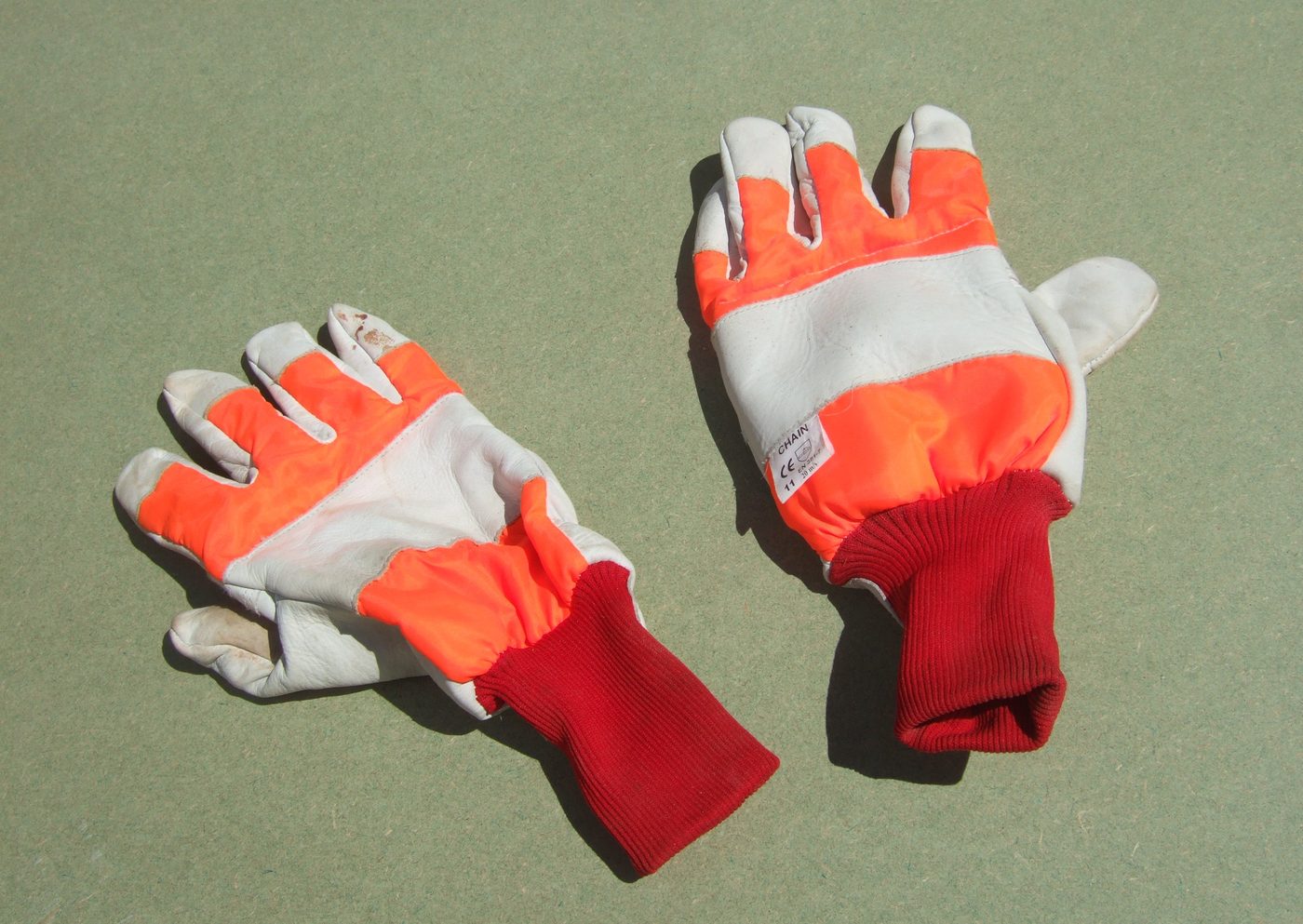
  • Protective Gloves: These safeguard hands from cuts caused by scissors, rotary cutters, pins, and needles. Gloves made from materials such as leather or reinforced fabric provide dexterity while preventing punctures and abrasions.

A pair of protective gloves
A pair of protective gloves (Source: Wikimedia Commons)
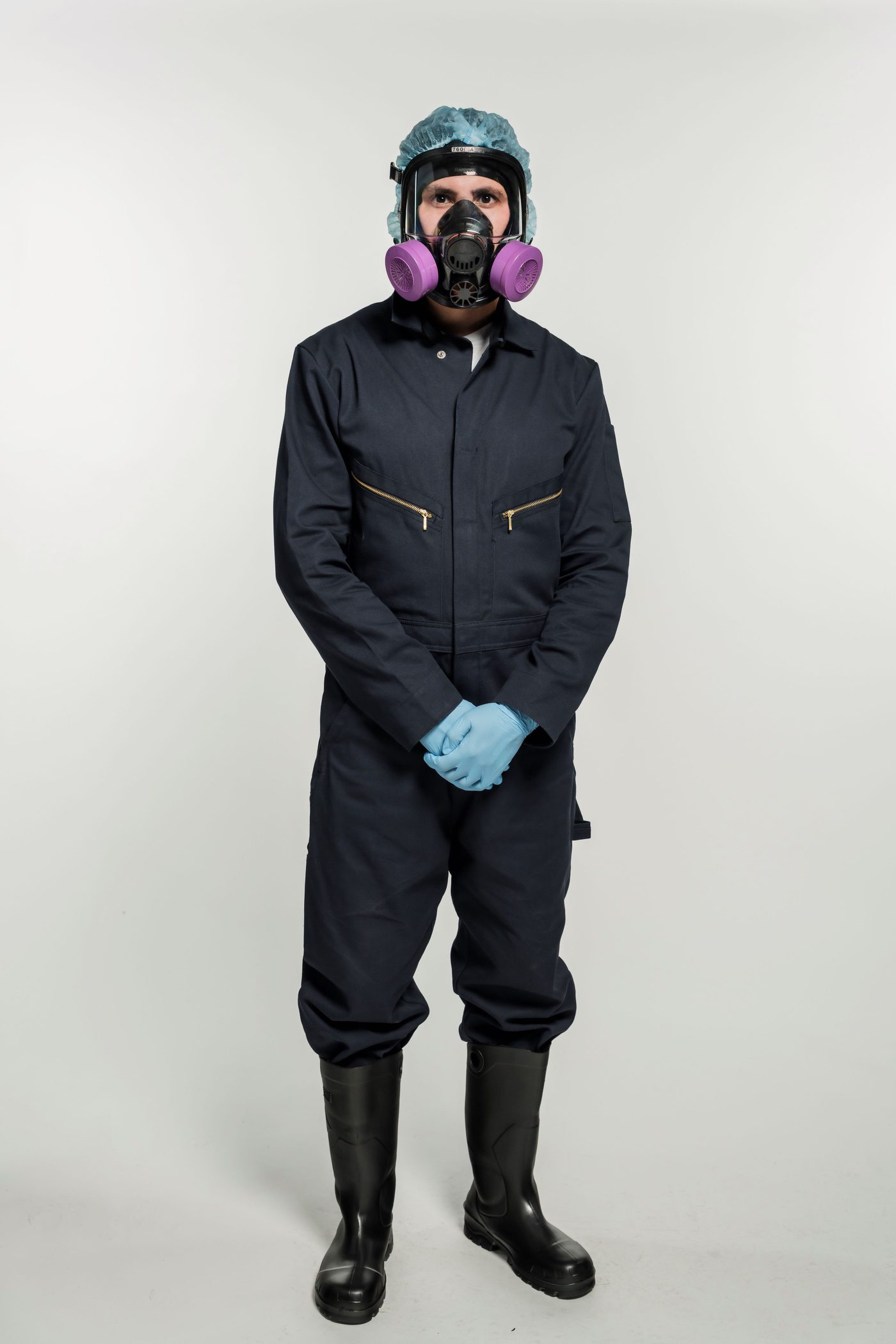
  • Face Masks: Used to prevent inhalation of fabric dust, chemical fumes from dyes, and adhesives. Masks with adequate filtration reduce respiratory risks in confined spaces within tailoring shops.

Person wearing a construction face mask with filters
Person wearing a construction face mask with filters (Source: Wikimedia Commons)

  • Eye Protection: Safety glasses or goggles protect the eyes from flying debris, sharp tool mishaps, and chemical splashes, particularly when using fabric adhesives or steam irons.

A pair of safety glasses
A pair of safety glasses (Source: RCTDS301_Drainage_system)

  • Aprons: Protective aprons shield clothing and skin from stains, hot steam, and sharp tool accidents. In Kenyan production settings, aprons made from sturdy cotton or leather are preferred for durability.
  • Closed-Toe Shoes: Footwear with reinforced toes prevents injuries from dropped scissors, pins, or heavy equipment, essential in busy workshop environments.

1.1.2 Correct Use of Personal Protective Equipment in Skirt Production

Proper usage of PPE ensures maximum protection and comfort, which is vital for maintaining efficiency during skirt production. Misuse or neglect of PPE can lead to accidents or reduce the lifespan of the equipment.
Guidelines for Proper Use

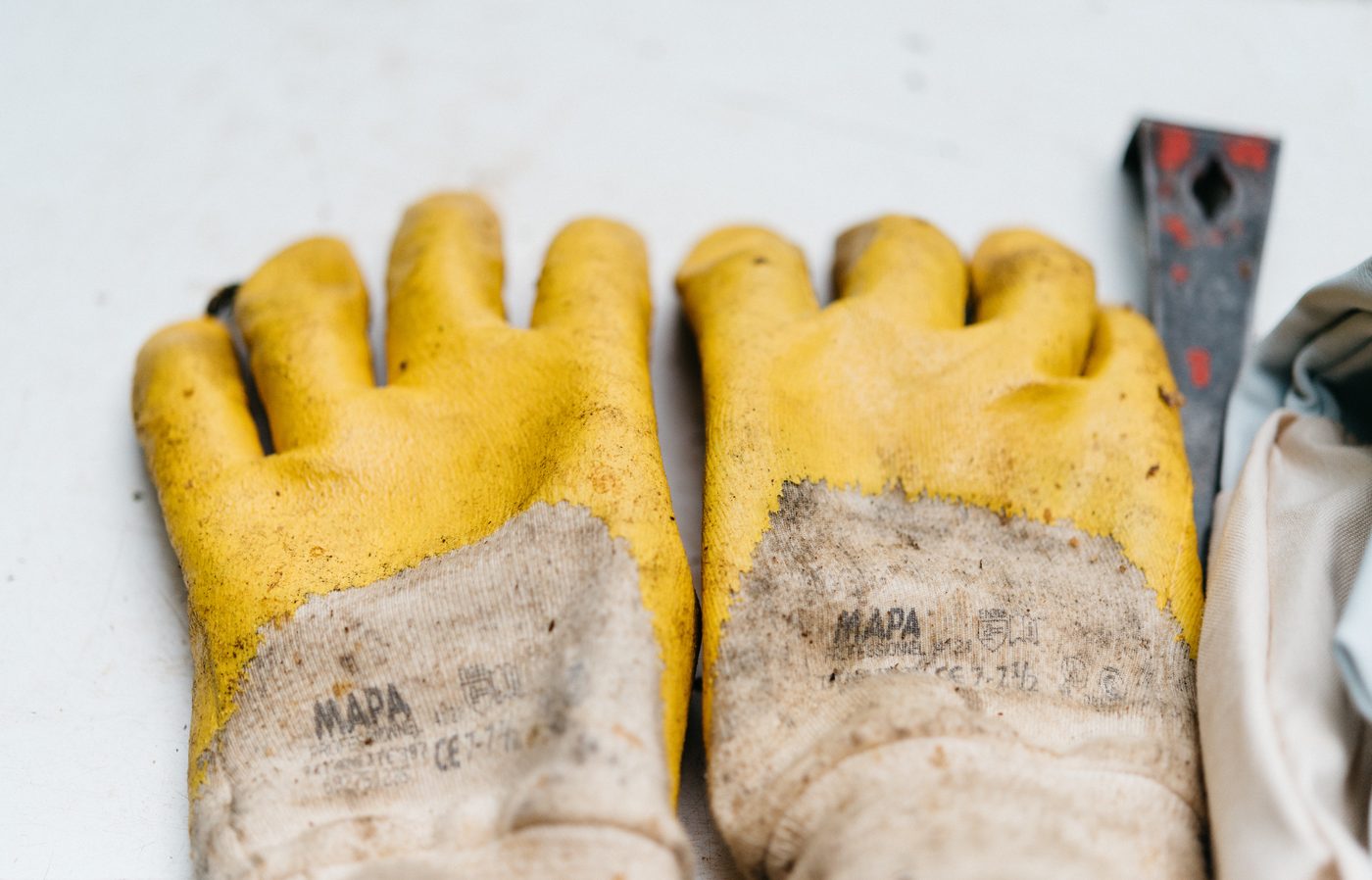
  • Gloves: Select gloves appropriate to the task, ensuring they fit snugly to maintain dexterity while cutting or sewing. Remove gloves carefully to avoid contamination and replace when worn out or damaged.

Pair of yellow work gloves used in carpentry
Pair of yellow work gloves used in carpentry (Source: Wikimedia Commons)

  • Masks: Wear masks that fit securely over the nose and mouth, especially when working with chemical adhesives or during sanding of fabric edges. Replace disposable masks daily or clean reusable masks regularly.
  • Eye Protection: Adjust goggles or glasses to fit comfortably without slipping; clean lenses frequently to maintain clear vision. Use them when operating sewing machines or handling chemicals.
  • Aprons: Wear aprons fully covering the front torso and tie securely to avoid loose ends catching in machinery. Wash aprons regularly to remove fabric dust and stains.
  • Footwear: Ensure shoes have non-slip soles to prevent falls on fabric-covered floors and are worn at all times in production areas to protect against sharp objects.

1.1.3 Maintenance and Storage of Personal Protective Equipment

Maintaining PPE in good condition extends its protective capabilities and ensures compliance with safety standards. Proper storage prevents contamination and physical damage, which could compromise safety during skirt production.

Maintenance Practices

  • Cleaning: Regularly wash reusable gloves, aprons, and masks according to manufacturers’ instructions to remove dirt, sweat, and chemicals. Use mild detergents to preserve material integrity.
  • Inspection: Conduct daily checks for tears, holes, or worn areas, especially on gloves and aprons, replacing any defective items immediately to avoid risk.
  • Storage: Store PPE in a clean, dry area away from direct sunlight and chemicals. Use designated shelves or lockers to prevent cross-contamination between items.
  • Repairs: Minor damages such as loose straps or small tears should be repaired promptly to restore full functionality; otherwise, dispose of irreparable PPE safely.
  • Replacement Schedule: Follow recommended replacement timelines based on frequency of use and material degradation, ensuring PPE remains effective.

1.1.4 Limitations and Responsibilities Related to Personal Protective Equipment

While PPE is vital in reducing workplace hazards, it does not eliminate all risks associated with skirt production. Understanding its limitations and the responsibilities of both employers and employees fosters a culture of safety in Kenyan fashion design workplaces.

Limitations of PPE

  • Partial Protection: PPE provides a barrier but cannot fully prevent accidents caused by improper tool handling or unsafe work practices.
  • Comfort Constraints: Some PPE may restrict movement or cause discomfort, leading workers to remove them, which increases risk.
  • Dependence: Overreliance on PPE without following safe work procedures can lead to complacency and accidents.
  • Environmental Factors: PPE effectiveness may reduce in extreme temperatures or when exposed to chemicals beyond their design.
  • Maintenance Needs: Poorly maintained or damaged PPE loses protective qualities, posing hidden dangers.

Responsibilities of Stakeholders

  • Employers: Must provide appropriate PPE, training on correct use, and enforce compliance with safety protocols.
  • Employees: Are responsible for wearing PPE correctly, reporting defects, and participating in safety training.
  • Supervisors: Should monitor PPE usage, conduct regular safety audits, and ensure the working environment supports PPE effectiveness.
  • Safety Officers: Need to update PPE policies in line with new hazards and technological improvements.
  • Regulatory Bodies: Enforce standards and conduct inspections to ensure PPE usage aligns with Kenyan occupational safety laws.

Practice Questions

  1. Explain the importance of protective gloves in styled skirt production and describe the characteristics of suitable gloves used in Kenyan tailoring workshops. (10 marks)

  2. Describe six steps to ensure the correct use of face masks when working with chemical adhesives in garment production. (12 marks)

  3. List and explain five maintenance practices necessary to keep personal protective equipment effective in a fashion design workshop. (10 marks)

  4. Discuss five limitations of personal protective equipment and how these limitations impact safety in skirt production. (10 marks)

The rest of this chapter
🔒

Create a free account to open more of this chapter.

Free: practical guides, quick cards, workplace scenarios and more.

Create a free account
🔒1.2 Garment making tools and equipment

In the Kenyan fashion design industry, efficient use of garment making tools and equipment is essential for producing high-quality styled skirts that meet market demands. Skilled artisans in Nairobi’s bustling garment factories and boutique studios rely on a v…

🔒1.3 Pattern instruction

Pattern instruction is a critical phase in the production of styled skirts within Kenya’s vibrant fashion design industry. This process translates design concepts into precise templates that guide fabric cutting and garment assembly. Skilled pattern instructio…

🔒1.4 Garment Pieces Cutting Skirt Pieces Types of Skirts

In the production of styled skirts within Kenya's fashion industry, precise garment piece cutting is fundamental to achieving quality, fit, and aesthetic appeal. Skilled cutting affects fabric utilization, garment silhouette, and the overall production timelin…

Chapter Summary

This chapter covered essential aspects of producing a styled skirt, beginning with the importance of personal protective equipment to ensure safety during garment production. It then examined the various garment making tools and equipment necessary for efficient and precise work. The discussion progressed to interpreting and following pattern instructions, which guide the accurate assembly of skirt components. The chapter also detailed the process of cutting garment pieces, emphasizing accuracy to maintain design integrity. Different skirt pieces were identified and explained in relation to their role in the overall garment. Finally, the chapter explored the various types of skirts, highlighting their distinctive styles and construction methods. Together, these topics provide a comprehensive foundation for producing styled skirts in a professional setting.

Self-Assessment

🔒 PDFDownload this self-assessment, with answers

A. Written Assessment

  1. What is the purpose of wearing personal protective equipment (PPE) in a garment production workshop? (2 marks)
  2. Identify three essential tools used in cutting skirt pieces and explain their specific uses. (3 marks)
🔒20 more in this section.

Chapter Examination Questions

🔒 PDFDownload these examination questions, with worked answers

SECTION A (40 Marks) - Answer ALL Questions

  1. Identify four types of personal protective equipment commonly used in a Kenyan fashion design workshop when producing styled skirts. (4 marks)
  2. Explain the purpose of using a rotary cutter instead of scissors when cutting skirt fabric pieces. (4 marks)
🔒24 more in this section.

Chapter Practical Activities

Practical 1: Identify and Use Garment Making Tools and Equipment for Styled Skirt Production

Fashion Design · Level 5
Styled Garments Production
PRACTICAL ASSESSMENT
TIME: 4 HOURS
⬇ PDFCandidate Instructions (Candidate Tool)

Type: Individual

INSTRUCTIONS TO CANDIDATE:
1.  You are required to perform the following task:
i.  Select and demonstrate correct use of garment making tools and equipment for producing a styled skirt with waist 72 cm, hips 96 cm, and full length 60 cm.
2.  You have been provided with the following resources for the practical task:
Tools & EquipmentMaterials
Sewing equipmentPlain Medium weight fabric (152 cm width)
Ironing equipmentIron on interfacing
Meter rulerElastic 2 cm width
Tailor pinsSewing thread
Sewing tools
Cutting tools
Personal Protective Equipment (dust coat, flat closed shoes, thimble)
⬇ PDFResources Required (Cutting List)
S/NItemQuantity
1Plain Medium weight fabric (152 cm width)1.5 meters per Candidate
2Iron on interfacing20 cm per Candidate
3Elastic 2 cm width60 cm per Candidate
4Sewing thread1 small cone per Candidate
5Sewing equipment1 set per Candidate
6Ironing equipment1 set per 10 Candidates
7Meter ruler1 per Candidate
8Tailor pins1 packet per Candidate
9Sewing tools (scissors, needles, seam ripper, chalk)1 set per Candidate
10Cutting tools (fabric scissors, rotary cutter, cutting mat)1 set per Candidate
11Personal Protective Equipment (dust coat, flat closed shoes, thimble)1 set per Candidate
⬇ PDFAssessor Guide
Items to be EvaluatedMarks AvailableMarks ObtainedComments
TASK 1: Preparation and Safety
Adhered to prescribed safety procedures by wearing PPE (dust coat, flat closed shoes, thimble)
(Award 1 mark each for dust coat, flat closed shoes, thimble, and overall adherence)
4
Ensured adequate lighting by opening windows or switching on lights
(Award 2 marks for ensuring well-lit working environment)
2
Gathered all required tools and materials according to workplace SOP
(Award 1 mark each for plain medium weight fabric, iron on interfacing, elastic, sewing thread, ironing equipment, sewing equipment)
6
Sub-Total12
TASK 2: Identification and Demonstration
Correctly identified all garment making tools and equipment
(Award 1 mark each for sewing equipment, ironing equipment, meter ruler, tailor pins, sewing tools, cutting tools)
6
Demonstrated correct use of each tool and equipment with safety considerations
(Award 2 marks each for demonstration of safe and correct use of sewing equipment, ironing equipment, cutting tools, sewing tools, meter ruler, tailor pins)
12
Sub-Total18
PRODUCT CHECKLIST
Correct selection and handling of garment making tools and equipment as per task instruction
(Award up to 10 marks based on accuracy, safety, and appropriateness)
10
Sub-Total10
GRAND TOTAL40
ASSESSMENT OUTCOME:   ☐ Competent    ☐ Not Yet Competent (competent if at least 50%)

Practical 2: Application of Personal Protective Equipment in Producing a Styled Skirt 80cm Length

Fashion Design · Level 5
Styled Garments Production
PRACTICAL ASSESSMENT
TIME: 4 HOURS
⬇ PDFCandidate Instructions (Candidate Tool)

Type: Individual

INSTRUCTIONS TO CANDIDATE:
1.  You are required to perform the following task:
i.  Produce a styled skirt 80 cm length applying correct personal protective equipment throughout the process.
2.  You have been provided with the following resources for the practical task:
Tools & EquipmentMaterials
Dust coatPlain medium weight fabric (152 cm width)
Flat closed shoesIron on interfacing
ThimbleElastic 2cm width
Sewing equipmentSewing thread
Ironing equipment
Meter ruler
Tailor pins
Sewing tools
Cutting tools
PPE set
⬇ PDFResources Required (Cutting List)
S/NItemQuantity
1Dust coat1 Pc per Candidate
2Flat closed shoes1 Pair per Candidate
3Thimble1 Pc per Candidate
4Plain medium weight fabric (152 cm width)1.5 meters per Candidate
5Iron on interfacing20 cm per Candidate
6Elastic 2cm width40 cm per Candidate
7Sewing thread1 small cone per Candidate
8Ironing equipment1 set per 10 Candidates
9Sewing equipment1 set per Candidate
10Meter ruler1 Pc per Candidate
11Tailor pins1 packet per Candidate
12Sewing tools1 set per Candidate
13Cutting tools1 set per Candidate
14Personal Protective Equipment (PPE) set1 set per Candidate
⬇ PDFAssessor Guide
Items to be EvaluatedMarks AvailableMarks ObtainedComments
TASK 1: Application of Personal Protective Equipment
Wore dust coat, flat closed shoes, and thimble correctly before commencing work
(Award 1 mark each for dust coat, flat closed shoes, thimble, and correct use)
4
Ensured work area is well lit either naturally or by switching on lights
(Award 2 marks for adequate lighting)
2
Gathered all required tools and materials as per workplace policy
(Award 1 mark each for dust coat, flat closed shoes, thimble, sewing equipment, ironing equipment, PPE set)
6
Applied PPE correctly during all stages of styled skirt production
(Award marks for consistent PPE usage throughout the process)
8
Sub-Total20
PRODUCT CHECKLIST
Skirt length measured at 80 cm ± 1 cm as per specification
(Award 4 marks for correct length)
4
PPE worn and used correctly throughout production process
(Award 6 marks for proper PPE adherence in final product assessment)
6
Sub-Total10
GRAND TOTAL30
ASSESSMENT OUTCOME:   ☐ Competent    ☐ Not Yet Competent (competent if at least 50%)
🔒

Free: practical guides, quick cards, workplace scenarios and more.

Create a free account
🔒Interpretation of Pattern Instructions for Styled Skirt ProductionPractical 3
🔒Set out and mark skirt pieces on fabric for a styled skirtPractical 4
🔒Cut skirt pieces accurately from fabricPractical 5
🔒Produce Basic Styled Skirts with Distinct Construction FeaturesPractical 6
🔒Produce a styled A-line skirt with specified dimensionsPractical 7
🔒Prepare fabric for cutting skirt piecesPractical 8
🔒Demonstrate safety and PPE compliance during cutting of styled skirt piecesPractical 9
🔒Assemble styled skirt pieces to produce a tailored skirtPractical 10
Flashcards 19 cards Study deck ▾
Question
1

↻ Tap card to reveal answer
🔒

17 more in this section.

Create a free account
Test Yourself 17 questions Start quiz ▾
0%
0 / 2
🔒

15 more in this section.

Create a free account
Am I competent?

At the start of this chapter we promised you would be able to:

  • Wear the correct personal protective equipment and follow safety procedures confidently.
  • Keep your workspace clean and safe by carrying out housekeeping activities properly.
  • Assemble all the garment-making tools and equipment correctly for the job.
  • Read and understand skirt designs accurately based on the design specifications.
  • Choose the right fabric and accessories that match the design requirements.
  • Lay out pattern pieces on fabric precisely, following the pattern instructions.
  • Cut garment pieces accurately to match the design.
  • Construct a skirt correctly by following the design specifications step-by-step.
  • Finish the skirt neatly to meet the job specifications.
  • Display the finished skirt properly according to workplace procedures.

Tick each one you can genuinely do.

So, are you there yet?

You're competent when you can confidently do 50% or more of what this chapter promised.

Sign in to record how you're doing.