
Compiled by: Mary Maina
Drainage system installation is a critical activity across many sectors in Kenya, including healthcare, education, agriculture, and commerce. Proper installation ensures effective management of water flow, prevents flooding, and protects infrastructure from water damage. To achieve these outcomes safely and efficiently, workers must adhere to strict safety protocols, foremost among them the use of appropriate personal protective equipment (PPE). This chapter focuses on the essential role of PPE in drainage system installation, highlighting its types, selection criteria, correct usage, and maintenance within a Kenyan professional context.
The variety of risks present in drainage installation demands diverse PPE, each designed to address specific hazards. Selecting the right combination protects workers from physical, chemical, and biological dangers encountered on site.
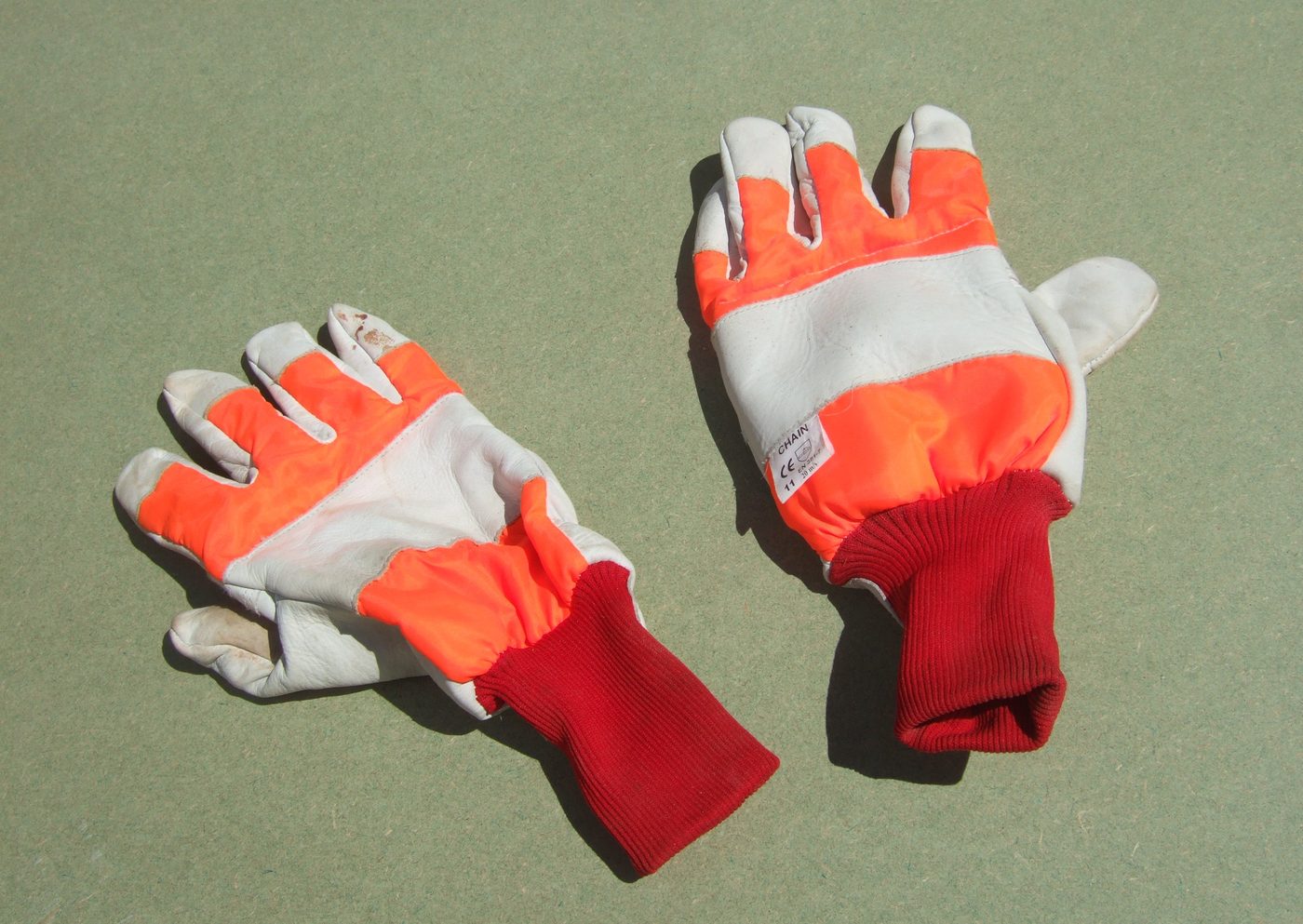
A pair of protective gloves (Source: Wikimedia Commons)
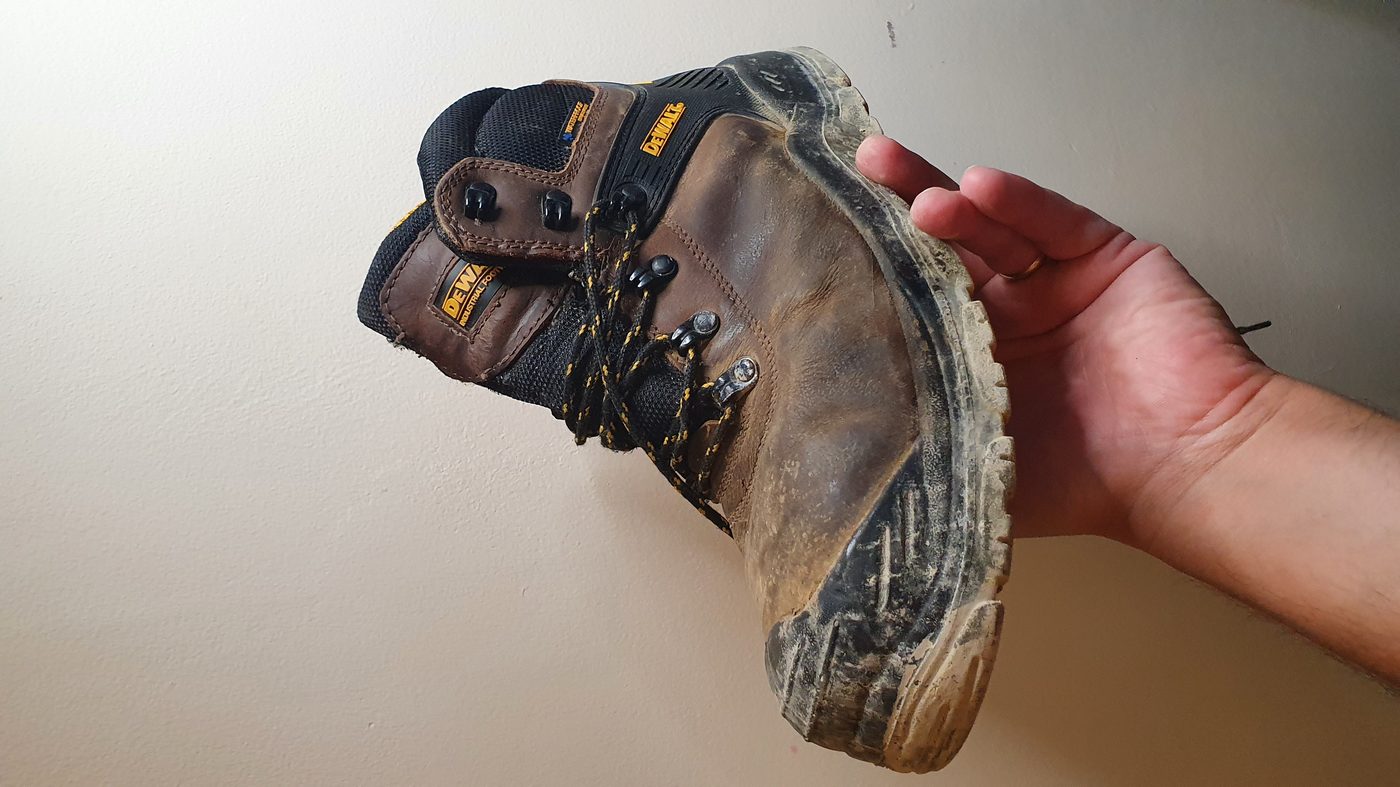
A single safety boot for industrial use (Source: Wikimedia Commons)
Eye Protection: Safety goggles or face shields prevent debris, dust, and chemical splashes from injuring the eyes. At a university engineering workshop, technicians wear goggles when cutting or fitting drainage pipes to avoid eye injuries.
Respiratory Protection: Masks or respirators guard against inhalation of harmful dust, gases, and bioaerosols, especially in confined drainage trenches. For example, maintenance workers at a retail business use dust masks when clearing blocked drainage to avoid respiratory ailments.
High-Visibility Clothing: Reflective vests improve worker visibility in low-light or high-traffic areas, such as drainage works near busy county roads, reducing accident risks.
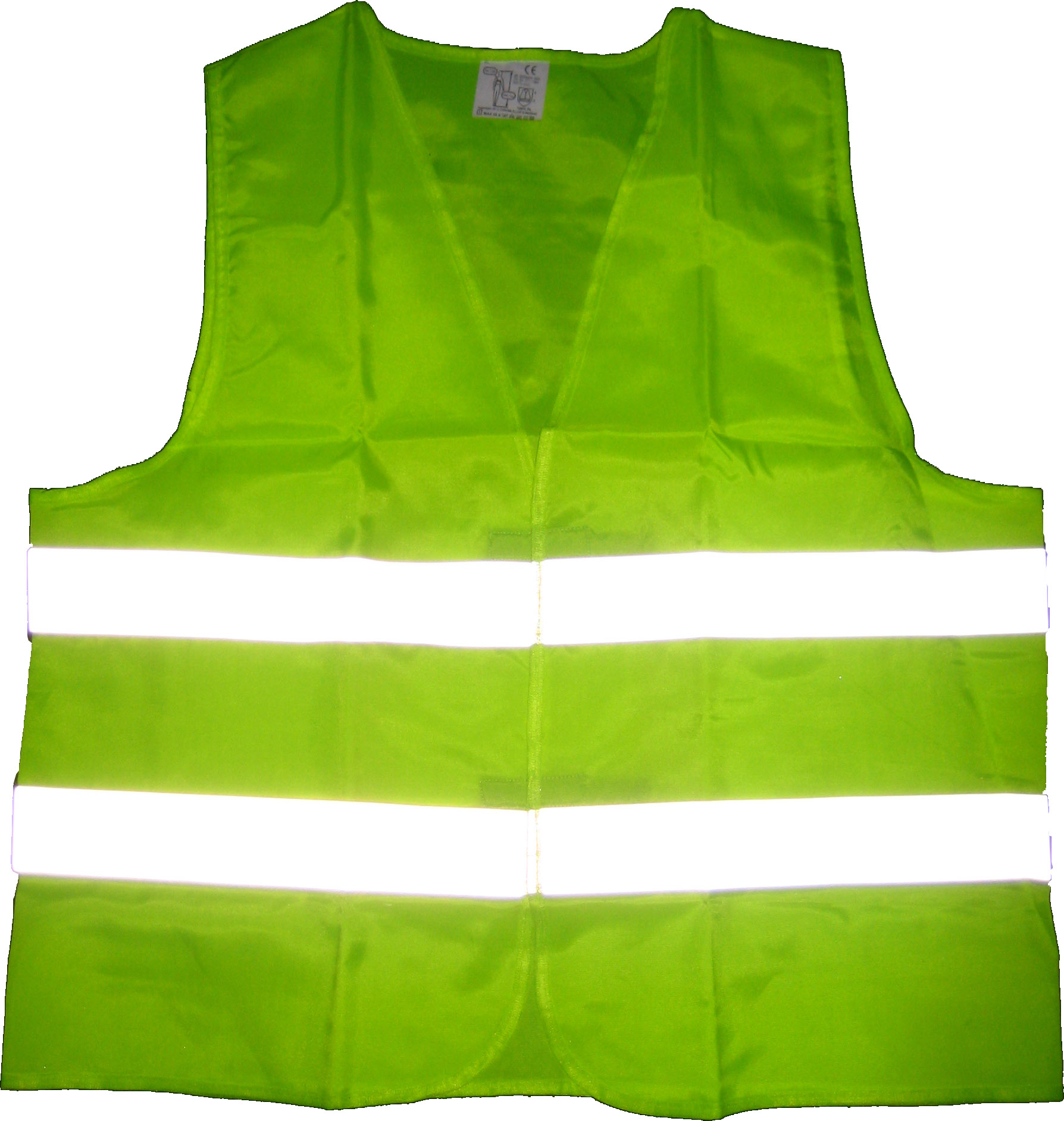
High-visibility safety vest (Source: Wikipedia (High-visibility clothing))
Choosing the correct PPE requires assessing the specific hazards present, the nature of the drainage task, and environmental conditions. Proper selection enhances protection and worker comfort, which in turn improves productivity.
Hazard Identification: Understanding the types of risks, chemical, mechanical, biological, is fundamental. For example, hospital groundskeepers clearing drainage channels near waste disposal sites prioritize chemical-resistant gloves and boots.
Task Requirements: The physical demands, such as heavy lifting or working in confined spaces, influence PPE choice. Workers installing underground drainage pipes at a SACCO office site prefer flexible gloves that allow dexterity.
Environmental Conditions: Weather and site terrain affect PPE usability. During rainy seasons, waterproof boots and raincoats become necessary for drainage workers at farms to maintain dry and safe conditions.
Comfort and Fit: Ill-fitting PPE can hinder movement and reduce adherence to safety protocols. At a county referral hospital, management ensures all PPE is available in various sizes to accommodate diverse staff.
Compliance with Standards: PPE must meet Kenyan Occupational Safety and Health standards to guarantee effectiveness. Retail businesses sourcing PPE verify certification from authorized suppliers to ensure quality.
Even the best PPE fails if not used correctly. Workers must be trained on proper donning, wearing, and doffing procedures, as well as safe handling to maintain protection levels throughout the drainage installation process.
Correct Donning Procedures: Gloves should be worn after all other PPE to avoid contamination. For example, at a county government office, workers follow a strict sequence to prevent exposure to sewage during drainage repairs.
Continuous Wear in Hazard Zones: PPE should not be removed while in active work areas to maintain protection against sudden hazards. At a hotel undergoing drainage upgrade, staff are reminded to keep eye protection on when near excavation sites.
Avoiding Cross-Contamination: Workers must avoid touching face or other body parts with contaminated gloves. At a university’s maintenance department, strict hand hygiene complements PPE use to reduce infection risks.
Safe Removal Techniques: Removing PPE without contaminating skin or clothing is critical. For instance, at a bank’s premises, employees trained in PPE removal prevent exposure to biohazards after clearing blocked drains.
Disposal or Storage: Single-use PPE must be disposed of according to safety guidelines, while reusable items need proper cleaning and storage. At a cooperative farm, reusable boots and gloves are cleaned and stored in designated areas to prolong usability.
Regular inspection and maintenance of PPE ensure its integrity and reliability over time. Neglecting this aspect can lead to equipment failure and increased risk of injury during drainage installation.
Routine Inspection: Checking for tears, cracks, or wear before and after use is essential. At a retail business, supervisors conduct daily PPE inspections before authorizing site entry.
Cleaning Procedures: PPE contaminated with chemicals or biological matter must be cleaned according to manufacturer guidelines. For example, hotel maintenance staff wash gloves and boots with disinfectants after clearing drainage blockages.
Repair and Replacement: Damaged PPE should be repaired if possible or replaced immediately. At a county referral hospital, damaged respirators are replaced promptly to maintain respiratory protection.
Proper Storage: Storing PPE in clean, dry, and ventilated areas prevents degradation. A university’s maintenance unit keeps PPE in labeled lockers away from direct sunlight and moisture.
Record Keeping: Maintaining logs of PPE issuance, inspection, and maintenance supports accountability and compliance with safety policies. A SACCO office uses digital records to track PPE usage among field workers.
Explain five types of personal protective equipment used in drainage system installation and describe their specific protective functions. (10 marks)
Discuss the key factors to consider when selecting personal protective equipment for a drainage installation project at a county government office. (10 marks)
Outline six best practices for the correct usage and handling of PPE during drainage system installation in a retail business environment. (12 marks)
Describe five essential maintenance activities for personal protective equipment to ensure its effectiveness in a university workshop setting. (10 marks)
Create a free account to open more of this chapter.
Free: practical guides, quick cards, workplace scenarios and more.
Create a free accountThis chapter covered essential aspects of setting out a drainage system, beginning with the importance of personal protective equipment to ensure safety during installation. It highlighted the specific protective gear required to minimize risks on site. The discussion then moved to the various tools and equipment used for accurate setting out, emphasizing their roles and proper handling. Attention was given to the methods of transferring measurements precisely from plans to the ground, which is critical for correct alignment and gradient of the drainage system. The chapter explained how these measurements guide the excavation and installation process to prevent errors. Overall, it provided a comprehensive foundation for safely and accurately establishing the layout of drainage infrastructure.
Type: Individual
| Tools & Equipment | Materials |
|---|---|
| Spirit level | PPEs (gloves, helmet, boots, apron) |
| Measuring tape 30m | |
| Plumb bob | |
| String line | |
| Marking pins | |
| Chalk line | |
| Hammer |
| S/N | Item | Quantity |
|---|---|---|
| 1 | Spirit level | 1 Pc per Candidate |
| 2 | Measuring tape 30m | 1 Pc per Candidate |
| 3 | Plumb bob | 1 Pc per Candidate |
| 4 | String line | 10 m per Candidate |
| 5 | Marking pins | 10 Pcs per Candidate |
| 6 | Chalk line | 1 Pc per Candidate |
| 7 | Hammer | 1 Pc per Candidate |
| 8 | PPEs (gloves, helmet, boots, apron) | Full gear per Candidate |
| Items to be Evaluated | Marks Available | Marks Obtained | Comments |
|---|---|---|---|
| TASK 1: Identification and selection of setting out tools | |||
| Candidate wears full PPE before starting work (Award 2 marks for full PPE worn, zero if not) | 2 | ||
| Candidate correctly identifies spirit level and explains its use (Award 3 marks for correct identification and explanation) | 3 | ||
| Candidate correctly identifies measuring tape and explains its use (Award 3 marks for correct identification and explanation) | 3 | ||
| Candidate correctly identifies plumb bob and explains its use (Award 3 marks for correct identification and explanation) | 3 | ||
| Candidate correctly identifies string line and marking pins and explains their use (Award 4 marks for correct identification and explanation) | 4 | ||
| Candidate correctly identifies chalk line and hammer and explains their use (Award 3 marks for correct identification and explanation) | 3 | ||
| Sub-Total | 18 | ||
| PRODUCT CHECKLIST | |||
| Candidate presents a complete and accurate list of setting out tools with correct explanations (Award up to 7 marks for completeness and clarity of explanations) | 7 | ||
| Sub-Total | 7 | ||
| GRAND TOTAL | 25 | ||
Type: Individual
| Tools & Equipment | Materials |
|---|---|
| Measuring tape 30m | PPEs |
| Dumpy level | |
| Levelling staff 3m | |
| Plumb bob | |
| Marking nails | |
| String line | |
| Hammer |
| S/N | Item | Quantity |
|---|---|---|
| 1 | Measuring tape 30m | 1 Pc per Candidate |
| 2 | Dumpy level | 1 Pc per Candidate |
| 3 | Levelling staff 3m | 1 Pc per Candidate |
| 4 | Plumb bob | 1 Pc per Candidate |
| 5 | Marking nails | 20 Pcs per Candidate |
| 6 | String line | 10 m per Candidate |
| 7 | Hammer | 1 Pc per Candidate |
| 8 | PPEs | Full gear per Candidate |
| Items to be Evaluated | Marks Available | Marks Obtained | Comments |
|---|---|---|---|
| TASK 1: Transfer measurements and set out drainage layout | |||
| Candidate wears full PPE before starting the task (Award 2 marks for full correct PPE worn, zero if none or partial) | 2 | ||
| Candidate prepares and checks measuring tape and leveling instruments (Award 2 marks for proper preparation and calibration, zero if neglected) | 2 | ||
| Candidate transfers horizontal measurements accurately using tape measure (Award 1 mark per accurate distance transfer, max 5 marks) | 5 | ||
| Candidate sets up and uses dumpy level and levelling staff correctly to establish level differences (Award 5 marks for correct setup and reading of level differences) | 5 | ||
| Candidate marks out layout points using nails and string lines at correct positions (Award 1 mark per correct mark out, max 4 marks) | 4 | ||
| Candidate uses plumb bob to check vertical alignment of layout points (Award 2 marks for correct use of plumb bob, zero if not used) | 2 | ||
| Candidate maintains site cleanliness and organizes tools after setting out (Award 2 marks for tidiness and tool care post-task) | 2 | ||
| Sub-Total | 22 | ||
| PRODUCT CHECKLIST | |||
| Drainage layout length transferred within ±10mm of 10,000mm (Award 4 marks for accurate length dimension within tolerance) | 4 | ||
| Drainage layout width transferred within ±5mm of 500mm (Award 3 marks for accurate width dimension within tolerance) | 3 | ||
| Level difference points correctly set out as per drawing within ±5mm tolerance (Award 5 marks for correct level transfer and setting out) | 5 | ||
| Layout points aligned straight and plumb as per specification (Award 3 marks for correct alignment and plumb of points) | 3 | ||
| String lines taut and correctly positioned marking the drainage system boundary (Award 3 marks for proper string line usage and positioning) | 3 | ||
| Sub-Total | 18 | ||
| GRAND TOTAL | 40 | ||