Plumbing  ·  Level 4
Water Supply System II
Chapter 3: Install water storage tank
📚 7 Topics
⚑ What you will be able to do

By the end of this chapter, you will be able to:

  • assemble the piping tools and equipment needed for the job properly.
  • set out the pipe layout accurately based on the working drawings.
  • mount pipes correctly according to the drawing specifications.
  • install storage and auxiliary fittings following the manufacturer’s instructions.
  • conduct functionality tests using the correct work procedures.
  • perform housekeeping tasks properly to keep your work area safe and organized.

These skills will help you install water storage tanks efficiently and safely, making sure the water supply system works perfectly for your community.

Compiled by: Mary Maina

Installing a water storage tank is a critical step in ensuring reliable water supply for various institutions and businesses across Kenya. Proper installation not only guarantees the integrity and longevity of the tank but also safeguards the health and safety of workers involved. This chapter addresses essential considerations for installing water storage tanks, focusing on the use of personal protective equipment (PPE) during installation and the strategic selection of the tank’s location. These aspects are vital for professionals in diverse sectors such as healthcare, education, hospitality, and agriculture, where water storage underpins daily operations and service delivery.

3.1 Personal Protective Equipment

Proper use of personal protective equipment (PPE) during water storage tank installation is mandatory to minimize risks associated with physical injuries, exposure to hazardous materials, and environmental hazards. In Kenyan workplaces such as county hospitals and retail businesses, adherence to PPE protocols aligns with occupational safety standards enforced by the Directorate of Occupational Safety and Health Services (DOSHS). This ensures not only worker safety but also compliance with legal requirements.

3.1.1 Types of Personal Protective Equipment for Water Storage Tank Installation

The installation process exposes workers to various hazards, requiring specific PPE types tailored to different risks. Common PPE includes helmets, gloves, and safety boots, each serving a unique protective function.
Types of PPE

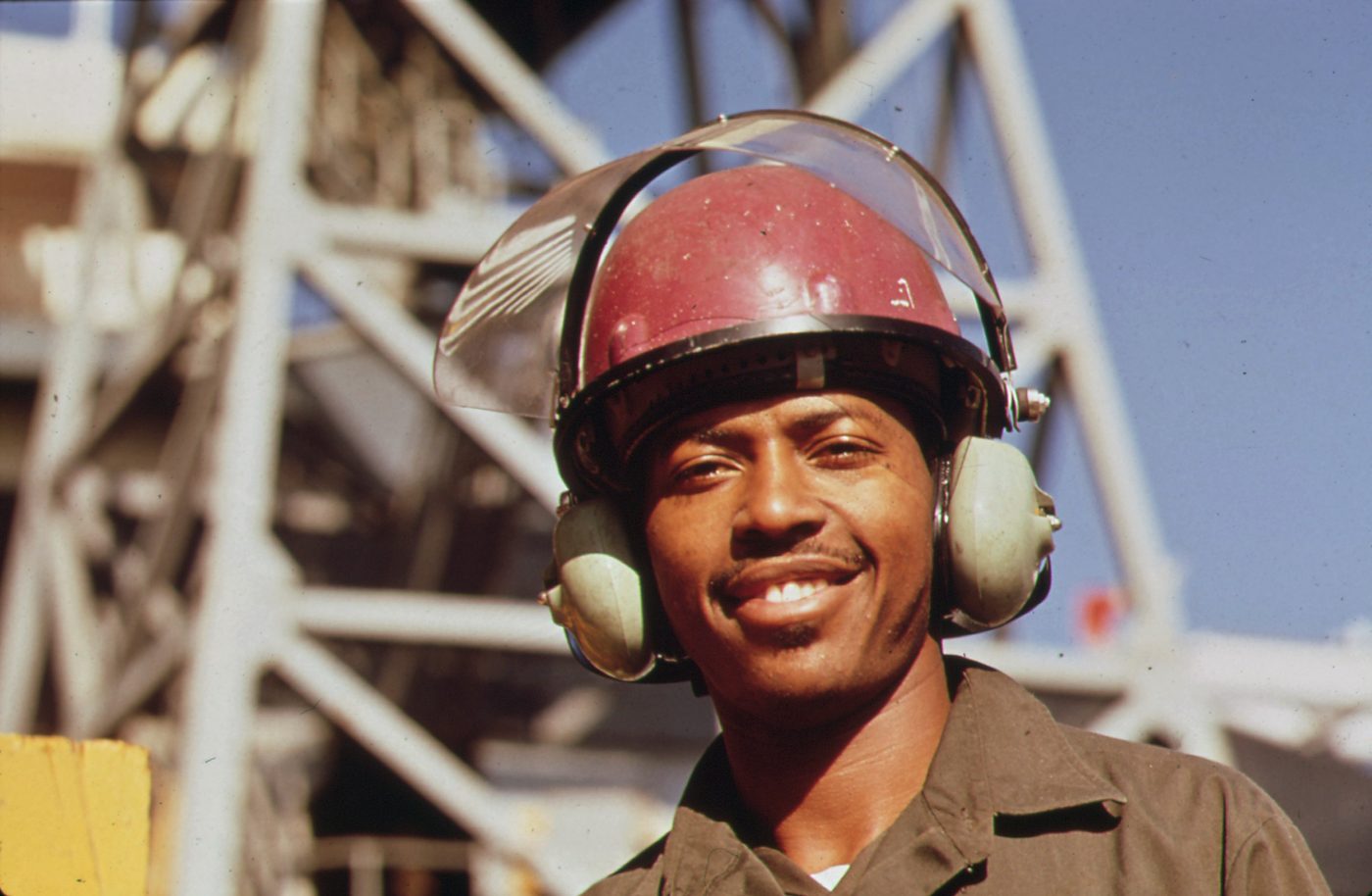
  • Safety Helmets: Protect the head from falling objects and accidental impacts, which are common in construction areas such as hotel maintenance yards or school water tank sites.

Man wearing a safety helmet
Man wearing a safety helmet (Source: Wikimedia Commons)

  • Gloves: Shield hands from sharp edges, chemical residues on tank surfaces, and rough materials during handling and assembly in environments like county government offices.

Pair of yellow work gloves used in carpentry
Pair of yellow work gloves used in carpentry (Source: Wikimedia Commons)
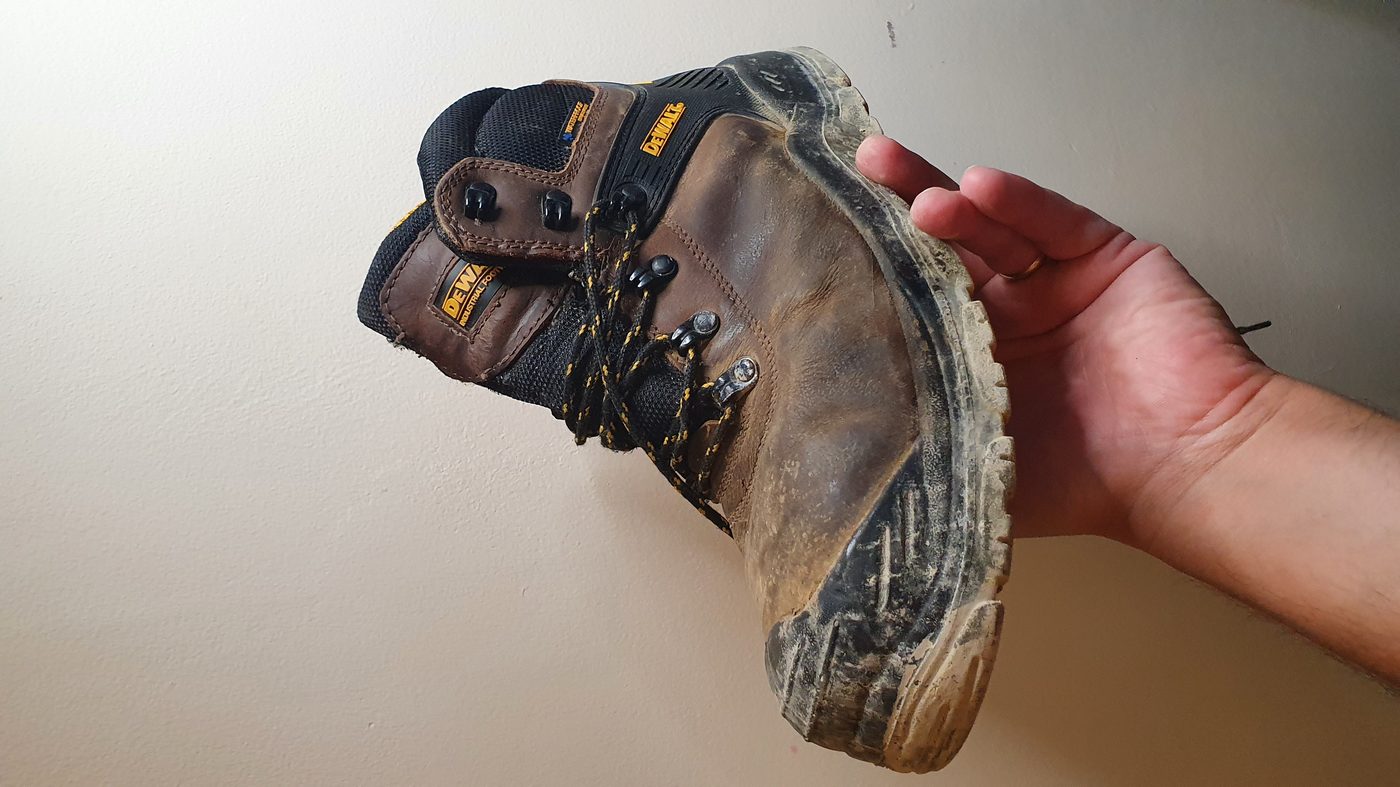
  • Safety Boots: Provide foot protection against heavy objects and slippery surfaces, crucial in agricultural farms where uneven terrain is common.

A single safety boot for industrial use
A single safety boot for industrial use (Source: Wikimedia Commons)
  • Eye Protection: Goggles or face shields prevent injuries from dust, debris, and chemical splashes, particularly important when cleaning or sealing tanks in hospital settings.
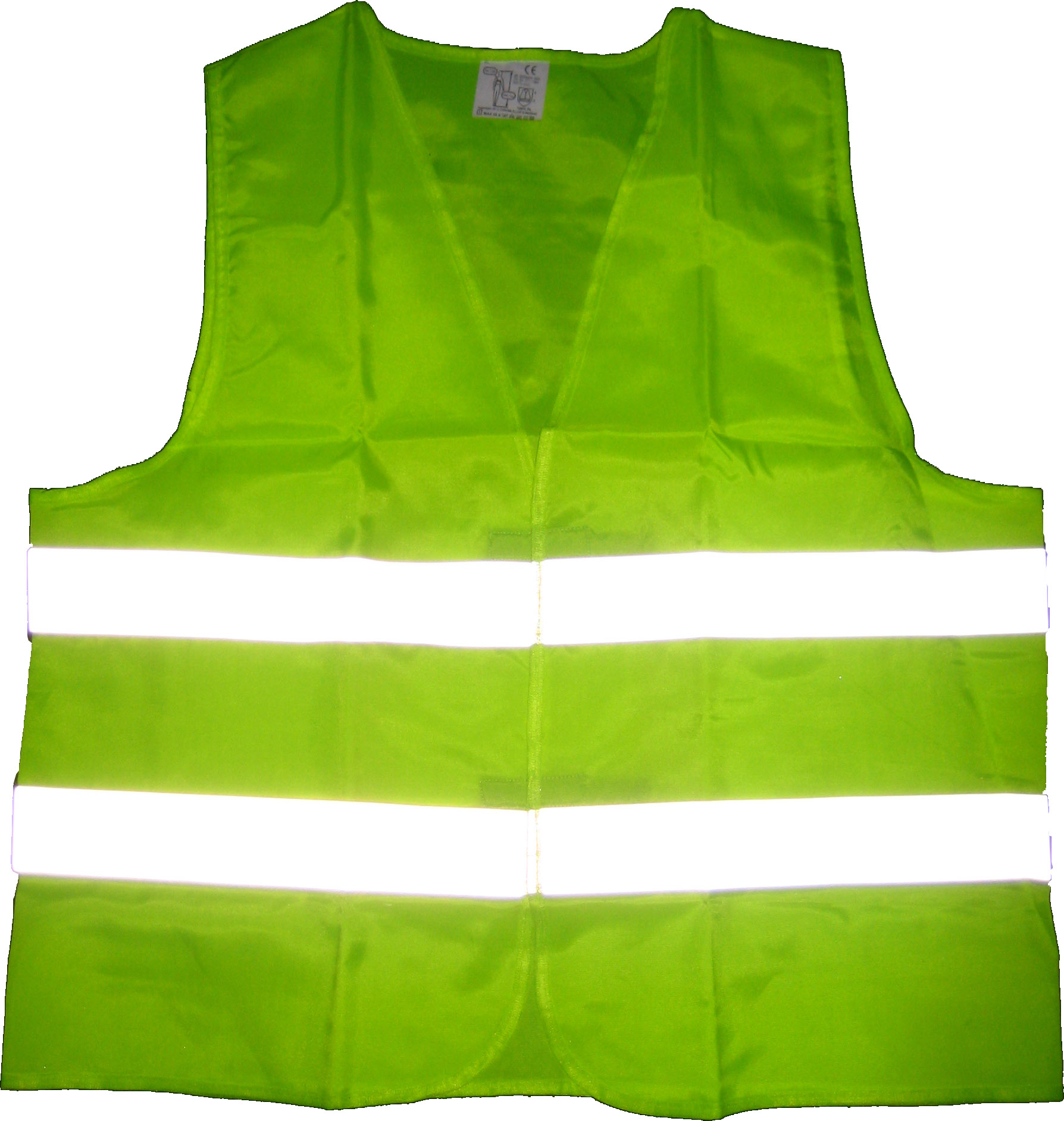
  • High-Visibility Clothing: Ensures workers are easily seen by machinery operators or fellow workers, especially in busy retail warehouses or cooperative facilities.

High-visibility safety vest
High-visibility safety vest (Source: Wikipedia (High-visibility clothing))

3.1.2 Correct Usage and Maintenance of PPE

Proper usage and upkeep of PPE are as important as possessing the equipment itself. Misuse or poor maintenance can compromise protection and increase accident risk.

Key Practices for PPE Usage and Maintenance

  • Inspection Before Use: Workers must examine PPE for damage such as cracks in helmets or tears in gloves before each use, as seen in university campus maintenance teams.
  • Proper Fitting: PPE should fit snugly without restricting movement, ensuring comfort and effectiveness during tasks like tank positioning in SACCO offices.
  • Cleaning and Storage: Regular cleaning prevents contamination and deterioration. For example, gloves used in chemical handling at clinics should be washed and stored in dry, clean areas.
  • Timely Replacement: PPE with visible wear or compromised integrity must be replaced promptly to maintain safety standards, a practice enforced in county referral hospitals.
  • Training and Awareness: Workers should receive training on correct PPE use, emphasizing its importance in preventing injuries during water tank installation in various sectors.

3.1.3 Legal and Safety Standards Governing PPE Use

Kenya’s occupational health and safety framework mandates PPE use to reduce workplace hazards. Compliance with these standards safeguards workers and institutions from legal liabilities.

Legal and Safety Requirements

  • Occupational Safety and Health Act (OSHA), 2007: Requires employers to provide appropriate PPE and ensure workers use it correctly, applicable across sectors like education and hospitality.
  • DOSHS Guidelines: Provide detailed PPE standards and inspection protocols for construction and maintenance tasks, including water tank installation.
  • Employer Responsibilities: Include training, provision, and enforcement of PPE use, ensuring that institutions such as banks and county offices maintain safe work environments.
  • Worker Rights: Employees have the right to refuse unsafe work if PPE is inadequate or not provided, reinforcing safety culture in organizations like retail businesses.
  • Regular Safety Audits: Inspections by safety officers ensure ongoing compliance and identify PPE-related gaps, crucial for large facilities such as universities.

3.1.4 Challenges in PPE Compliance and Strategies to Overcome Them

Despite regulations, PPE compliance faces challenges that can undermine safety during water tank installation. Understanding these barriers allows institutions to implement effective solutions.

Challenges in PPE Compliance

  • Cost Constraints: Limited budgets in smaller farms or cooperatives may restrict access to quality PPE.
  • Comfort Issues: Workers may avoid PPE use due to discomfort, especially in Kenya’s hot climate.
  • Lack of Awareness: Insufficient training leads to improper PPE use or neglect in sectors like hospitality.
  • Cultural Attitudes: Some workers may perceive PPE as unnecessary or hindering productivity.
  • Supply Chain Issues: Delays in PPE procurement can disrupt installation schedules in county government projects.

Strategies to Improve Compliance

  • Budget Allocation: Prioritize PPE in project budgets, as demonstrated by well-managed county referral hospitals.
  • Ergonomic PPE Selection: Choose breathable and lightweight PPE suitable for local climate conditions.
  • Regular Training: Conduct ongoing PPE awareness and use workshops in institutions like SACCOs.
  • Leadership Enforcement: Supervisors should model PPE use and enforce rules consistently.
  • Streamlined Procurement: Establish reliable suppliers and maintain stock levels to prevent shortages.

Practice Questions

  1. Explain five types of personal protective equipment used in water storage tank installation and their specific protective functions. (10 marks)
  2. Discuss the key practices for maintaining and using PPE effectively during installation work. (10 marks)
  3. Outline the legal requirements for PPE provision and use in Kenyan workplaces. (10 marks)
  4. Identify common challenges to PPE compliance and suggest practical strategies to overcome them. (10 marks)
The rest of this chapter
🔒

Create a free account to open more of this chapter.

Free: practical guides, quick cards, workplace scenarios and more.

Create a free account
🔒3.2 Storage Tank Location

Selecting an appropriate location for a water storage tank is fundamental to optimizing water supply efficiency, minimizing contamination risks, and ensuring structural safety. In Kenya, diverse settings such as schools, hospitals, and retail outlets require c…

🔒3.3 Tank connection positions

In water storage tank installation, the positioning of connections is critical for ensuring efficient water flow, maintenance ease, and system longevity. Proper connection placement prevents contamination, facilitates cleaning, and safeguards against overflow…

🔒3.4 Pipes

In water storage tank installation, pipes form the essential conduits for water conveyance from source to storage and from storage to points of use. Proper handling and preparation of pipes ensure leak-free, durable connections that maintain system integrity i…

🔒3.5 Control valves and pipe fitting installations

Control valves and pipe fittings are essential components within water supply systems, ensuring efficient regulation, direction, and flow control of water. In Kenya, institutions such as county referral hospitals and universities rely on properly installed con…

🔒3.6 Water storage tanks

Water storage tanks are vital for ensuring an uninterrupted water supply by storing water for periods of low availability or peak demand. In Kenya, diverse sectors such as hospitals, schools, farms, and hotels depend on storage tanks to maintain operational co…

🔒3.7 Housekeeping

Effective housekeeping is a critical aspect of installing water storage tanks in Kenya’s diverse professional environments. Whether at a county referral hospital, a university campus, a bank’s headquarters, or a large-scale farm cooperative, maintaining a clea…

Chapter Summary

This chapter covered essential aspects of installing a water storage tank, starting with the importance of personal protective equipment to ensure safety during installation. It discussed the criteria for selecting an appropriate storage tank location, emphasizing accessibility and stability. The chapter detailed the various tank connection positions, including the inlet, outlet, overflow, and washout points, explaining their functions in maintaining system efficiency. Pipe handling techniques such as cutting, bending, and jointing were explained to prepare the piping system for installation. The installation of control valves and pipe fittings was also covered, highlighting their role in regulating water flow and preventing leaks. Different types of water storage tanks were examined, including plastic, steel, concrete, masonry, and fiberglass, each with unique characteristics and suitability. Finally, the chapter emphasized good housekeeping practices to maintain a clean and safe working environment throughout the installation process.

Self-Assessment

🔒 PDFDownload this self-assessment, with answers

A. Written Assessment

  1. What is the primary purpose of wearing personal protective equipment (PPE) during the installation of water storage tanks? (2 marks)
  2. Identify three factors to consider when selecting the location for a water storage tank. (3 marks)
🔒20 more in this section.

Chapter Examination Questions

🔒 PDFDownload these examination questions, with worked answers

SECTION A (40 Marks) - Answer ALL Questions

  1. Describe four types of personal protective equipment (PPE) commonly used during water storage tank installation at a county hospital site. (4 marks)
  2. Explain two critical factors to consider when selecting the location for a water storage tank in a university water supply system. (4 marks)
🔒18 more in this section.

Chapter Practical Activities

Practical 1: Select and prepare water storage tank location 2000mm x 1500mm

Plumbing · Level 4
Water Supply System II
PRACTICAL ASSESSMENT
TIME: 4 HOURS
⬇ PDFCandidate Instructions (Candidate Tool)

Type: Individual

INSTRUCTIONS TO CANDIDATE:
1.  You are required to perform the following task:
i.  Select and prepare a 2000mm x 1500mm water storage tank location.
2.  You have been provided with the following resources for the practical task:
Tools & EquipmentMaterials
Tape measureSand
Spirit levelClear plastic sheet
Masonry hammerPPEs (Helmet, Gloves, Safety boots, Dust coat)
Shovel
Broom
Marking paint or chalk
⬇ PDFResources Required (Cutting List)
S/NItemQuantity
1Tape measure1 Pc per Candidate
2Spirit level1 Pc per Candidate
3Masonry hammer1 Pc per Candidate
4Shovel1 Pc per Candidate
5Broom1 Pc per Candidate
6Marking paint or chalk1 Pc per Candidate
7SandSufficient per Candidate
8Clear plastic sheet2.5m x 2.5m per Candidate
9PPEs (Helmet, Gloves, Safety boots, Dust coat)Full gear per Candidate
⬇ PDFAssessor Guide
Items to be EvaluatedMarks AvailableMarks ObtainedComments
TASK 1: Select and prepare tank location
Wore appropriate PPEs as per safety regulations (Helmet, Gloves, Safety boots, Dust coat)
(Award 1 mark for each two PPE items worn or zero)
2
Used tools and equipment correctly for site selection and preparation
(Award 2 marks for each two tools used correctly or zero)
4
Identified and marked a suitable site of 2000mm x 1500mm for water tank installation
(Award 1 mark for each correct measurement or zero)
5
Cleared and leveled the site ensuring it is free from debris and hazards
(Award marks for thorough clearing and leveling as per SOPs)
6
Prepared the base using sand and compacted it uniformly
(Award marks for evenly spread and compacted sand base)
5
Placed clear plastic sheet correctly to act as a moisture barrier
(Award marks for correct placement and coverage)
3
Maintained cleanliness and tidiness of the workspace throughout the task
(Award marks for proper housekeeping and waste disposal)
3
Stored tools and equipment safely after task completion
(Award 2 marks for proper storage or zero)
2
Sub-Total30
PRODUCT CHECKLIST
Site marked accurately to 2000mm length and 1500mm width
(Award 2 marks for each dimension correct or zero)
4
Site is leveled within ±5mm tolerance using spirit level
(Award 4 marks for correct leveling or zero)
4
Sand base evenly spread and compacted to uniform thickness of 50mm
(Award 4 marks for even thickness and compaction or zero)
4
Clear plastic sheet covers entire base area without folds or tears
(Award marks for complete coverage and neat placement)
3
Work area is clean with no debris or hazards remaining
(Award marks for cleanliness and safety)
3
Tools and materials stored properly as per manufacturer’s instructions
(Award 2 marks for proper storage or zero)
2
Sub-Total20
GRAND TOTAL50
ASSESSMENT OUTCOME:   ☐ Competent    ☐ Not Yet Competent (competent if at least 50%)

Practical 2: Marking and Cutting Pipes for Water Storage Tank Connections

Plumbing · Level 4
Water Supply System II
PRACTICAL ASSESSMENT
TIME: 4 HOURS
⬇ PDFCandidate Instructions (Candidate Tool)

Type: Individual

INSTRUCTIONS TO CANDIDATE:
1.  You are required to perform the following task:
i.  Measure, mark and cut 20mm diameter pipes accurately for tank inlet, outlet, overflow, and washout connections as per the provided working drawing.
2.  You have been provided with the following resources for the practical task:
Tools & EquipmentMaterials
Tape measure20mm Ø GI class B pipe
Pipe cutter20mm Ø PVC class B pipe
Hacksaw20mm Ø PVC adaptor
Bench vice20mm Ø GI elbow
Scriber20mm Ø GI union
Pipe wrench20mm x 20mm x 20mm GI Tee
Files20mm Ø Gate valve
Thread seal tape
Sand
PPEs
⬇ PDFResources Required (Cutting List)
S/NItemQuantity
120mm Ø GI class B pipe6.0 m per Candidate
220mm Ø PVC class B pipe1.8 m per Candidate
320mm Ø PVC adaptor2 Pcs per Candidate
420mm Ø GI elbow2 Pcs per Candidate
520mm Ø GI union1 Pc per Candidate
620mm x 20mm x 20mm GI Tee3 Pcs per Candidate
720mm Ø Gate valve1 Pc per Candidate
8Thread seal tapeSufficient per Candidate
9SandSufficient per Candidate
10PPEs (Safety boots, Gloves, Dust coat)Full gear per Candidate
⬇ PDFAssessor Guide
Items to be EvaluatedMarks AvailableMarks ObtainedComments
TASK 1: Marking and Cutting Pipes
Wore personal protective equipment as per OSHA regulations (Safety boots, Gloves, Dust coat)
(Award 1 mark for each PPE worn or zero)
3
Assembled all required tools and equipment for marking and cutting pipes
(Award 1 mark for each tool correctly assembled: Tape measure, Pipe cutter, Hacksaw)
3
Assembled all required materials for pipe connections
(Award 1 mark for each material correctly assembled: GI pipe, PVC pipe, PVC adaptor, GI elbow, GI union, GI Tee)
6
Measured pipe lengths accurately according to working drawing
(Award 1 mark for each correctly measured pipe length or zero)
5
Marked pipes clearly and precisely with scriber
(Award 4 marks for clear and precise marking or zero)
4
Cut pipes neatly and accurately using pipe cutter or hacksaw
(Award 6 marks for smooth and accurate cuts or zero)
6
Smoothened cut edges with files to remove burrs
(Award 4 marks for properly smoothened edges or zero)
4
Handled tools and equipment safely and arranged workspace properly
(Award 5 marks for safe handling and proper arrangement or zero)
5
Sub-Total36
PRODUCT CHECKLIST
Pipe lengths cut match working drawing dimensions (e.g. inlet 750mm, outlet 560mm, overflow 400mm, washout 300mm)
(Award 1 mark for each correctly cut pipe length or zero)
5
Edges of pipes are smooth with no burrs
(Award 4 marks for smooth edges or zero)
4
Pipe cuts are straight and clean without deformation
(Award 4 marks for clean cuts or zero)
4
Markings are clearly visible and correspond to cut locations
(Award 3 marks for clear and correct markings or zero)
3
Pipes laid flat and arranged as per the drawing
(Award 4 marks for correct layout or zero)
4
Completed all pipe cutting and marking tasks as per the working drawing
(Award 4 marks for 100% completion, 2 marks for 50% completion)
4
Sub-Total24
GRAND TOTAL60
ASSESSMENT OUTCOME:   ☐ Competent    ☐ Not Yet Competent (competent if at least 50%)
🔒

Free: practical guides, quick cards, workplace scenarios and more.

Create a free account
🔒Bend 20mm GI pipes to specified angles for water tank installationPractical 3
🔒Joint 20mm diameter pipes using appropriate jointing methods for water storage tank installationPractical 4
🔒Install control valves and pipe fittings on a 1000 litre water storage tank piping systemPractical 5
🔒Install inlet and outlet connections on a 1000 litre water storage tankPractical 6
🔒Install overflow and washout connections on a 1000 litre water storage tankPractical 7
🔒Assemble and install a 500-litre plastic water storage tankPractical 8
🔒Assemble and install a 1000 litre steel water storage tankPractical 9
🔒Construct and install a concrete water storage tank 1500mm x 1500mm x 1200mmPractical 10
🔒Construct and install a masonry water storage tank 1500mm x 1500mm x 1200mmPractical 11
🔒Installation of a 1500L Fibre Glass Water Storage TankPractical 12
🔒Assemble complete water storage tank piping system 3000mm x 1500mmPractical 13
🔒Perform final inspection and housekeeping after installation of water storage tank 1000LPractical 14
🔒Apply Personal Protective Equipment During Installation of Water Storage TankPractical 15
Flashcards 20 cards Study deck ▾
Question
1

↻ Tap card to reveal answer
🔒

18 more in this section.

Create a free account
Test Yourself 18 questions Start quiz ▾
0%
0 / 2
🔒

16 more in this section.

Create a free account
Am I competent?

At the start of this chapter we promised you would be able to:

  • assemble the piping tools and equipment needed for the job properly.
  • set out the pipe layout accurately based on the working drawings.
  • mount pipes correctly according to the drawing specifications.
  • install storage and auxiliary fittings following the manufacturer’s instructions.
  • conduct functionality tests using the correct work procedures.
  • perform housekeeping tasks properly to keep your work area safe and organized.

Tick each one you can genuinely do.

So, are you there yet?

You're competent when you can confidently do 50% or more of what this chapter promised.

Sign in to record how you're doing.