Preparing and quantifying pipe installation materials is a fundamental skill across multiple professional sectors in Kenya. Whether in a county referral hospital installing water pipelines for sanitation, a university setting up plumbing for new dormitories, or a retail business expanding its water supply system, accurate preparation ensures efficiency, safety, and cost-effectiveness. This chapter focuses on the essential safety measures involved in handling plumbing tools and equipment, the use of personal protective equipment, and adherence to workshop standard operating procedures (SOPs), rules, and regulations. Mastery of these aspects safeguards workers and guarantees compliance with Kenyan occupational safety standards.
1.1 Safety Measures
Safety measures in pipe installation are critical to protect workers from injury and to maintain a hazard-free work environment. In Kenya, institutions such as county government offices and hotels enforce strict safety protocols to prevent accidents during plumbing activities. Understanding and applying these safety measures reduces downtime caused by injuries and ensures smooth project execution.
1.1.1 Safe Handling of Plumbing Tools and Equipment
Safe handling of plumbing tools and equipment is pivotal to avoid accidents and prolong the lifespan of the tools. Plumbing tasks often involve sharp, heavy, or electrically powered tools, which require careful operation.
Proper Use and Maintenance of Hand Tools
- Correct gripping and positioning: Holding tools such as pipe wrenches and cutters firmly and correctly prevents slips that could cause injury or damage. For example, at a county hospital, plumbers ensure wrenches are gripped near the handle's base to maximize control.
- Regular inspection: Tools must be checked before use for defects like cracks or rust, which may compromise safety. A SACCO office maintenance team routinely inspects their plumbing toolkits to prevent tool failure during repairs.
- Cleaning after use: Removing dirt and moisture from tools prevents corrosion and maintains functionality. In retail businesses, tool maintenance schedules include cleaning to avoid rusting in humid environments.
- Proper storage: Tools should be stored in designated racks or boxes to prevent accidental injuries and ease retrieval. A university’s maintenance department uses labeled tool cabinets to organize plumbing equipment efficiently.
- Avoiding makeshift tools: Using the correct tool for each task prevents accidents and ensures precision. For instance, using a pipe cutter instead of a hacksaw reduces the risk of uneven cuts and injury in hotel plumbing repairs.
Safe Operation of Power Tools
- Training before use: Only trained personnel operate power tools like electric pipe threaders to prevent misuse. County government workshops provide certified training for staff handling such equipment.
- Checking electrical cords: Inspecting cables for frays or damage avoids electrical shocks. At a farm cooperative, electricians routinely check power tool cords prior to plumbing installations.
- Using tools with grounded plugs: Grounded plugs reduce the risk of electric shock, especially in wet environments common in plumbing.
- Avoiding wet conditions: Power tools should never be used in damp or wet areas unless specially designed for such use. In hospitals, this rule is strictly enforced to protect maintenance workers.
- Switching off when not in use: Power tools must be turned off and unplugged when idle to prevent accidental start-up.
Safe Lifting and Carrying of Heavy Equipment
- Using mechanical aids: Employing trolleys or hoists to move heavy pipes reduces risk of strain injuries. At a county referral hospital, heavy pipe coils are transported using wheeled carts.
- Team lifting: When mechanical aids are unavailable, team lifting helps distribute weight safely. A retail business maintenance crew uses coordinated lifting techniques for long pipe sections.
- Correct posture: Keeping the back straight and bending the knees when lifting heavy objects prevents musculoskeletal injuries.
- Clear pathways: Ensuring pathways are free of obstacles prevents trips and falls when carrying tools or materials.
- Rest breaks: Taking periodic breaks during heavy lifting tasks prevents fatigue-related accidents.
1.1.2 Personal Protective Equipment
Personal protective equipment (PPE) forms the last line of defense against hazards in plumbing work. Kenyan workplaces such as universities and banks mandate PPE to protect workers from physical, chemical, and biological risks associated with pipe installations.
Types of PPE Used in Plumbing
- Safety gloves: Protect hands from cuts, abrasions, and chemical exposure. In a hotel setting, gloves are worn when handling pipe sealants and adhesives.
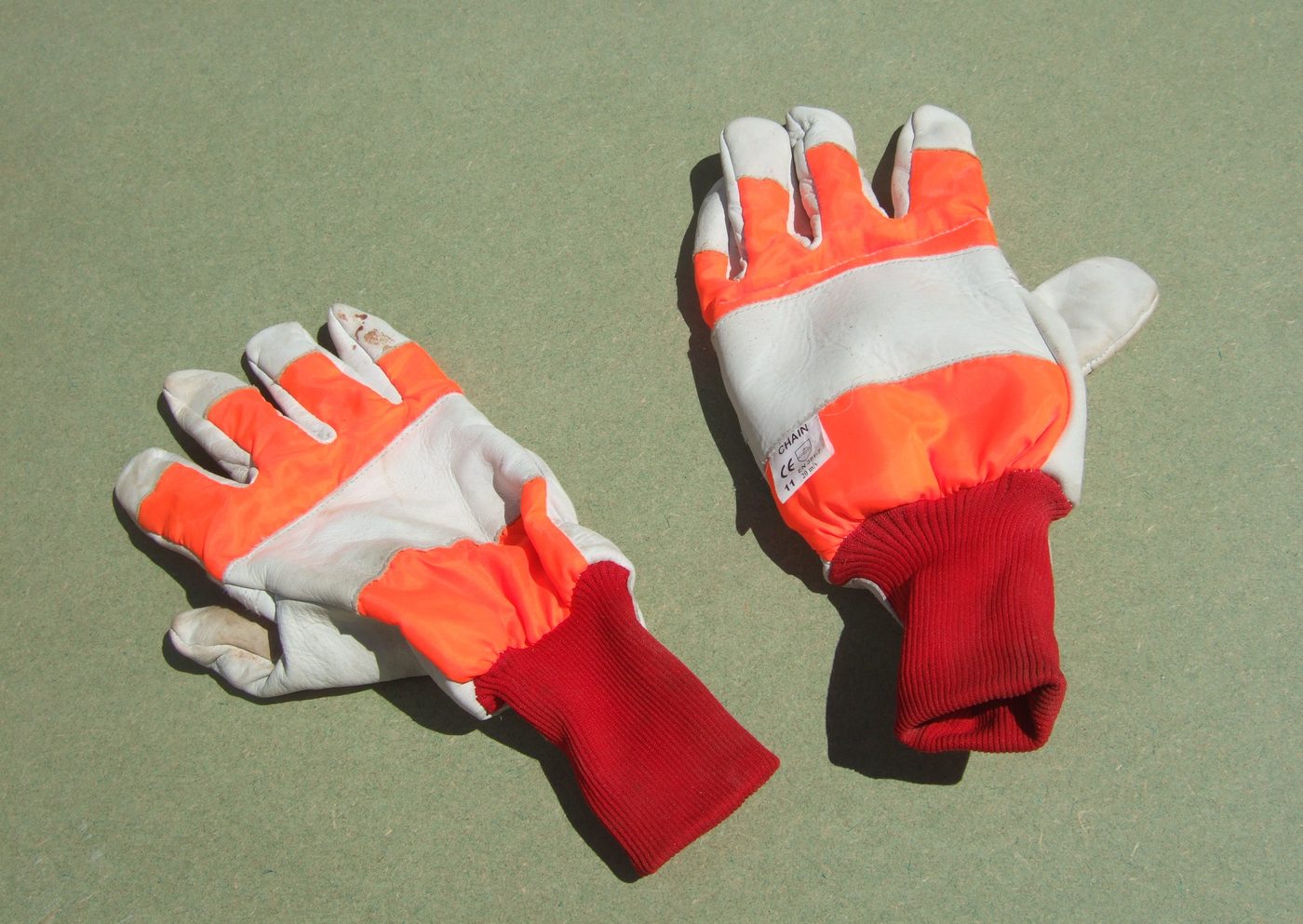
Pair of safety gloves for protection (Source: Wikimedia Commons)
- Protective eyewear: Shields eyes from flying debris and chemical splashes. At a county government office, plumbers use goggles when cutting or threading pipes.
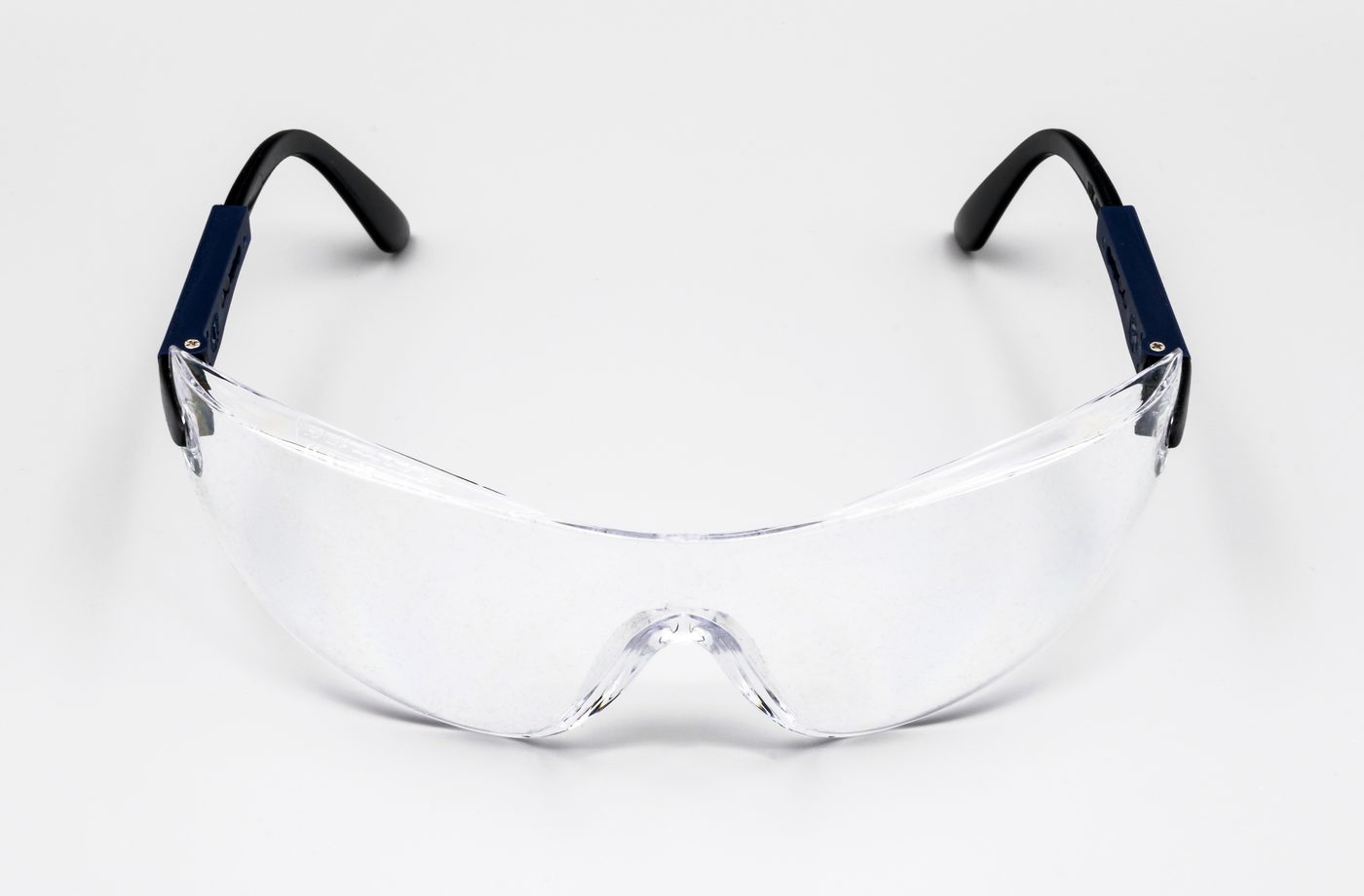
Clear protective eyewear for safety (Source: Wikimedia Commons)
- Safety boots: Provide foot protection against falling objects and punctures. A farm cooperative requires steel-toed boots in plumbing workshops.
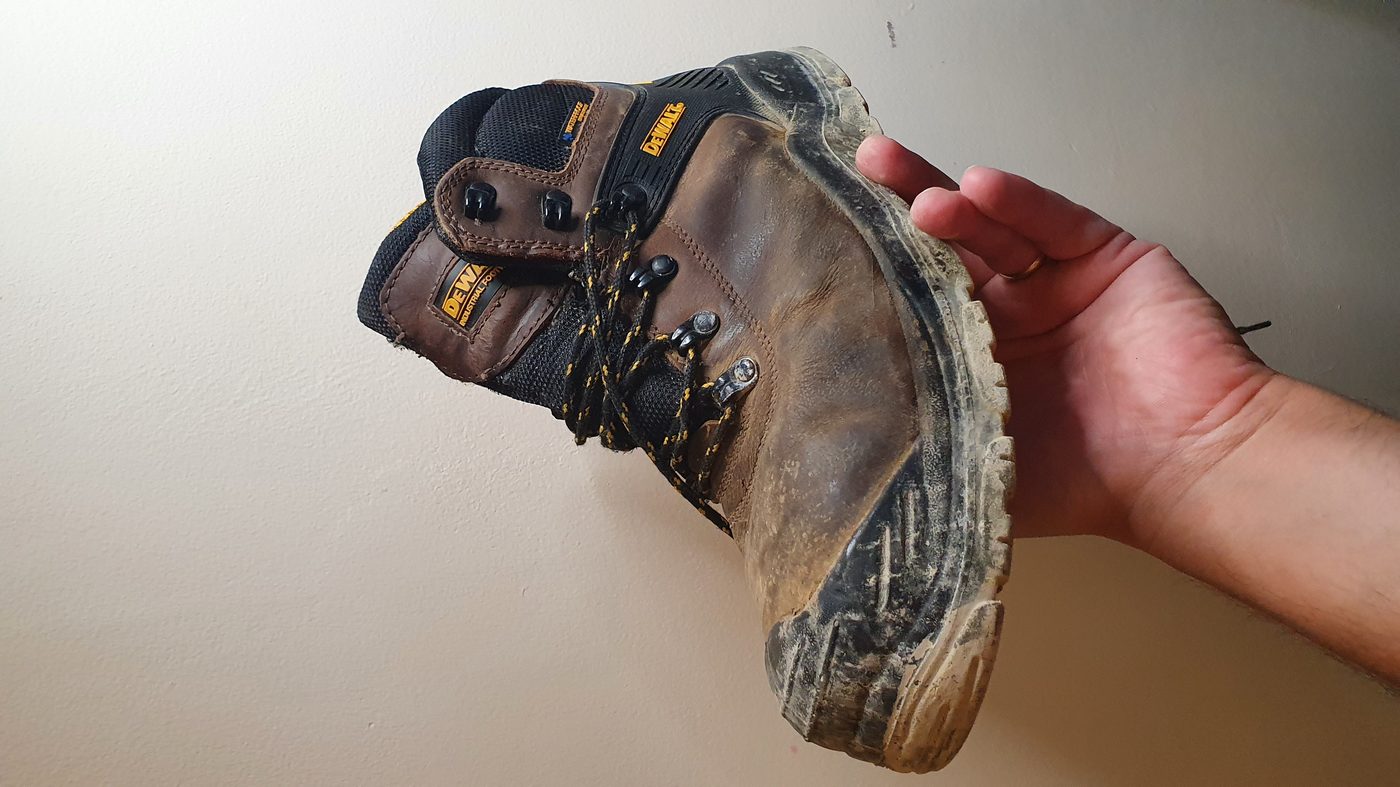
A single safety boot for industrial use (Source: Wikimedia Commons)
- Respiratory masks: Prevent inhalation of dust or fumes during cutting or welding. Retail business maintenance teams use masks when working in confined spaces.
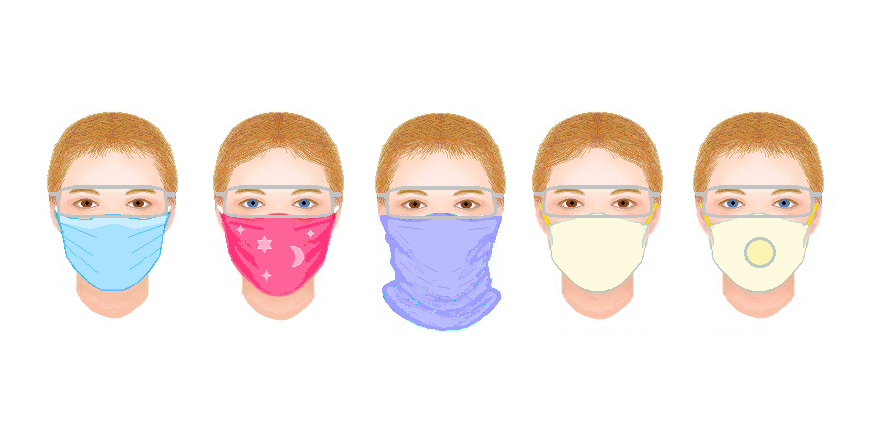
Various types of respiratory masks on faces (Source: Wikimedia Commons)
- High-visibility vests: Ensure workers are easily seen in busy environments. At a large university campus, vests are worn during outdoor plumbing installations near vehicular traffic.
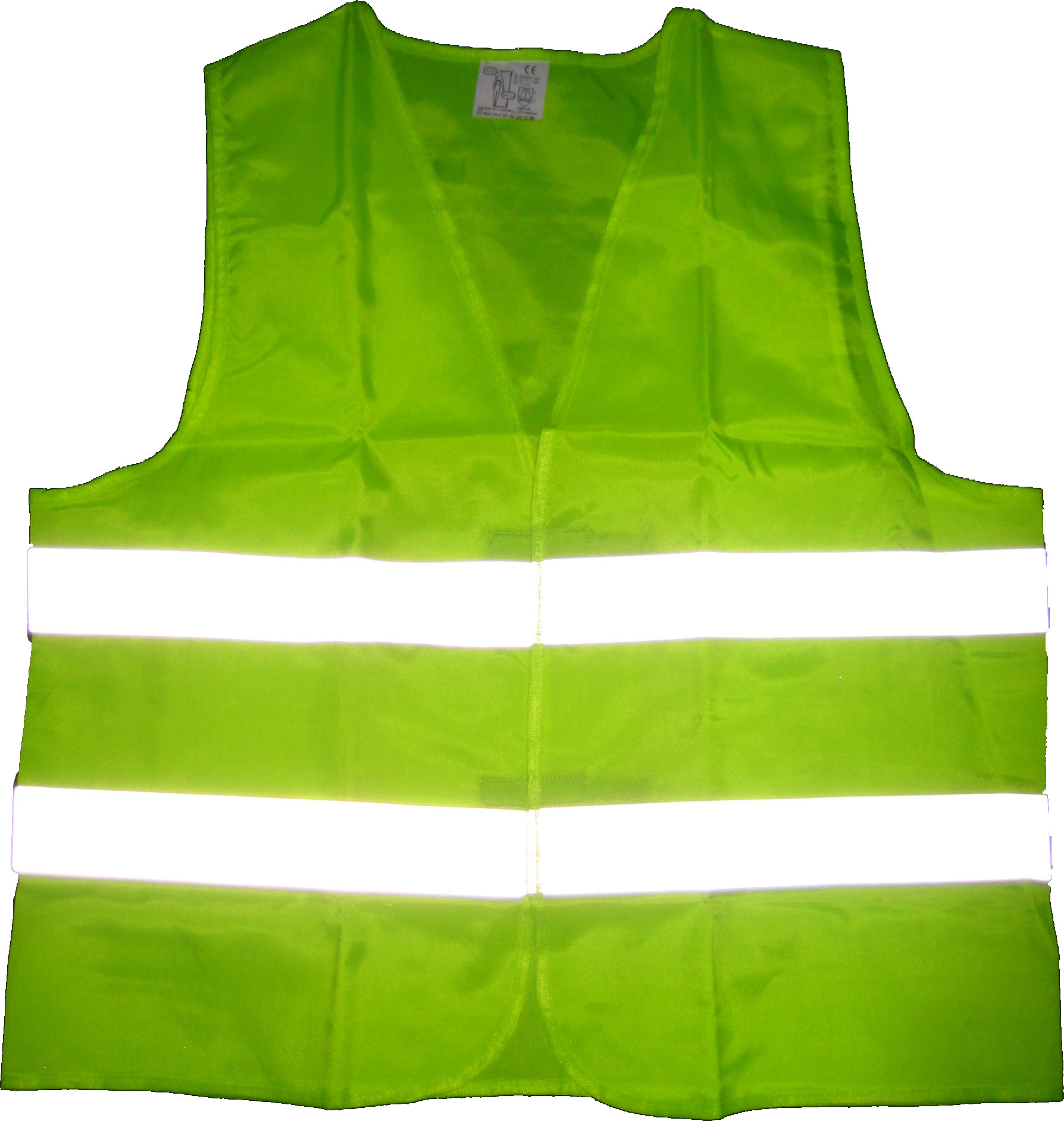
High-visibility safety vest (Source: Wikipedia (High-visibility clothing))
Proper Use and Maintenance of PPE
- Correct fitting: PPE must fit well to provide effective protection without hindering movement. A SACCO office ensures its maintenance staff receive PPE tailored to their sizes.
- Regular cleaning: Cleaning PPE extends its usability and maintains hygiene. For example, hospitals provide laundry services for reusable protective clothing.
- Timely replacement: Damaged or worn-out PPE should be replaced promptly to maintain safety standards.
- Proper storage: PPE should be stored in clean, dry areas to avoid contamination or damage.
- Training on PPE use: Workers must be trained on when and how to use PPE correctly to maximize protection.
Legal Requirements and Compliance
- Adherence to OSHA standards: Kenyan workplaces align with the Occupational Safety and Health Act requirements for PPE provision and use.
- Employer responsibility: Employers must provide appropriate PPE free of charge and ensure its use.
- Worker responsibility: Employees are expected to wear PPE correctly and report defects.
- Record keeping: Maintaining records of PPE issuance and training supports compliance audits.
- Regular safety audits: Institutions such as NEMA conduct safety inspections to enforce PPE regulations.
1.1.3 Workshop SOPs, Rules and Regulations
Standard Operating Procedures (SOPs) and rules guide safe and efficient plumbing work in workshops and on-site. Kenyan organizations including county hospitals and universities develop SOPs customized to their operational environments.
Purpose and Importance of SOPs
- Consistency in work practices: SOPs ensure all workers follow uniform procedures, reducing errors. A university plumbing department uses SOPs to standardize pipe cutting techniques.
- Safety assurance: SOPs identify hazards and prescribe control measures, minimizing accidents. Hospitals incorporate SOPs for handling contaminated water pipes safely.
- Quality control: Adhering to SOPs maintains the quality of installations, important for institutions like banks where water supply reliability is critical.
- Training tool: SOPs serve as reference documents for new employees to learn proper methods.
- Legal compliance: Following SOPs helps organizations meet regulatory requirements.
Key Components of Plumbing Workshop SOPs
- Pre-work inspections: Checking tools, equipment, and materials before starting prevents delays and hazards.
- Work area preparation: Ensuring cleanliness and organization reduces trip hazards and improves efficiency.
- Emergency procedures: Clear instructions on handling accidents or spills are included.
- Waste disposal protocols: Proper disposal of pipe offcuts and hazardous materials protects the environment.
- Documentation and reporting: Recording work done and incidents supports accountability.
Enforcement and Monitoring of Workshop Rules
- Supervisory roles: Designated supervisors ensure compliance with SOPs during plumbing activities. At a hotel, a maintenance supervisor monitors adherence to workshop rules.
- Regular safety meetings: Teams discuss safety concerns and updates to SOPs.
- Penalties for non-compliance: Sanctions for violating safety rules encourage discipline.
- Feedback mechanisms: Workers can report unsafe conditions or suggest improvements.
- Continuous improvement: SOPs are reviewed periodically to incorporate lessons learned and regulatory changes.
Practice Questions
- Explain five key practices for the safe handling of plumbing tools and equipment and their importance in a county government office setting. (10 marks)
- Describe five types of personal protective equipment used in plumbing and discuss their specific protective functions in a hospital environment. (10 marks)
- Outline the main components of workshop SOPs for plumbing and explain how they contribute to safety and quality in a university maintenance workshop. (10 marks)
- Discuss the roles of employers and employees in ensuring compliance with PPE regulations under Kenyan law, giving examples from the banking sector. (10 marks)
The rest of this chapter
🔒Create a free account to open more of this chapter.
Free: practical guides, quick cards, workplace scenarios and more.
Create a free account 🔒1.2 Pipe installation materials
Pipe installation materials form the foundation of a reliable water supply system. Selecting appropriate materials ensures durability, leak prevention, and ease of maintenance. In Kenya's diverse sectors, from county hospitals to retail businesses, the correct…
🔒1.3 Preparation of pipes
Pipe preparation is a critical phase in water supply system installation that ensures pipes are correctly shaped, joined, and finished for durability and efficiency. In Kenya, organizations such as county referral hospitals or universities rely on well-prepare…
🔒1.4 Quantify Materials and Supplies
Quantifying materials and supplies accurately is essential for effective pipe installation in water supply systems. In Kenyan workplaces such as county referral hospitals or university campuses, precise measurement and estimation prevent resource wastage and p…
Chapter Summary
This chapter focused on essential safety measures necessary for pipe installation, emphasizing the proper handling of plumbing tools, the use of personal protective equipment, and adherence to workshop standard operating procedures and regulations. Various pipe installation materials were examined, including different types of pipes such as PPR, HDPE, galvanized iron, CPVC, and UPVC, alongside caulking supplies, pipe supports, sandpapers, threading oil, and thread tape. The preparation of pipes involved techniques such as pipe bending through cold and heat methods, cutting, jointing, threading, and welding to ensure proper installation. The chapter also covered the process of quantifying materials and supplies by taking accurate measurements, identifying necessary fittings and supplies, and compiling a comprehensive material schedule. Finally, it addressed estimation and costing practices to effectively plan and budget for pipe installation projects. These topics collectively provide a thorough understanding of preparing and quantifying pipe installation materials in water supply systems.
Self-Assessment
🔒 PDFDownload this self-assessment, with answers
A. Written Assessment
- Which personal protective equipment is essential when handling plumbing tools to prevent hand injuries? (2 marks)
- Identify two key differences between PPR pipes and HDPE pipes used in water supply systems. (3 marks)
🔒20 more in this section.
Chapter Examination Questions
🔒 PDFDownload these examination questions, with worked answers
SECTION A (40 Marks) - Answer ALL Questions
- Outline four safety measures to observe when handling plumbing tools and equipment in a county hospital’s maintenance workshop. (4 marks)
- Identify five types of personal protective equipment (PPE) used during pipe installation works and explain their importance. (4 marks)
🔒18 more in this section.
Chapter Practical Activities
Practical 1: Demonstrate workshop safety and SOPs during pipe installation preparation
Plumbing · Level 4
Water Supply System I
PRACTICAL ASSESSMENT
TIME: 4 HOURS
⬇ PDFCandidate Instructions (Candidate Tool)
Type: Individual
INSTRUCTIONS TO CANDIDATE:
1. You are required to perform the following task:
i. Prepare and measure 6 meters of 20mm Ø GI-class B pipe and 2 meters of 20mm Ø PVC pipe applying workshop safety and SOPs as per the provided working drawing.
2. You have been provided with the following resources for the practical task:
| Tools & Equipment | Materials |
|---|
| Hacksaw | 20mm Ø GI-class B pipe |
| Pipe cutter | 20mm Ø PVC pipe |
| Bench vice | 20mm Ø GI elbow |
| Tape measure | 20mm Ø GI union |
| Screwdriver | 20mm Ø GI Tee |
| Scriber | 20mm Ø Gate valve |
| Pipe wrench | Thread seal tape |
| Pipe bender | Threading oil |
| File | Caulking supplies |
| Sand |
| PPE |
⬇ PDFResources Required (Cutting List)
| S/N | Item | Quantity |
|---|
| 1 | Full set of Personal Protective Equipment (PPE) including dust coat, safety boots, gloves, and safety goggles | 1 full set per Candidate |
| 2 | Hacksaw | 1 per Candidate |
| 3 | Pipe cutter | 1 per Candidate |
| 4 | Bench vice | 1 per Candidate |
| 5 | Tape measure | 1 per Candidate |
| 6 | Screwdriver | 1 per Candidate |
| 7 | Scriber | 1 per Candidate |
| 8 | Pipe wrench | 1 per Candidate |
| 9 | Pipe bender | 1 per Candidate |
| 10 | File | 1 per Candidate |
| 11 | 20mm Ø GI-class B pipe | 6 meters per Candidate |
| 12 | 20mm Ø PVC pipe | 2 meters per Candidate |
| 13 | 20mm Ø GI elbow | 2 pieces per Candidate |
| 14 | 20mm Ø GI union | 1 piece per Candidate |
| 15 | 20mm Ø GI Tee | 3 pieces per Candidate |
| 16 | 20mm Ø Gate valve | 1 piece per Candidate |
| 17 | Thread seal tape | Sufficient per Candidate |
| 18 | Threading oil | Sufficient per Candidate |
| 19 | Caulking supplies | Sufficient per Candidate |
| 20 | Sand | Sufficient per Candidate |
⬇ PDFAssessor Guide
| Items to be Evaluated | Marks Available | Marks Obtained | Comments |
|---|
| TASK 1: Apply workshop safety and SOPs during pipe preparation |
Candidate wears full prescribed PPE correctly (dust coat, safety boots, gloves, goggles)
(Award 1 mark for each 2 worn PPE items or zero = 2 marks) | 2 | | |
Candidate demonstrates safe handling and proper use of plumbing tools
(Award 2 marks for each 2 observed safety practices or zero = 4 marks) | 4 | | |
Candidate assembles all required tools correctly before starting
(Award 1 mark for each of the 3 tools assembled or zero = 3 marks) | 3 | | |
Candidate assembles all required materials correctly before starting
(Award 1 mark for each of the 6 materials assembled or zero = 6 marks) | 6 | | |
Candidate measures pipes accurately as per task instruction
(Award 1 mark for each correctly measured pipe length or zero = 5 marks) | 5 | | |
Candidate demonstrates proper cleaning and tidying of workspace as per SOPs
(Award 2 marks for proper cleaning or zero = 2 marks) | 2 | | |
Candidate stores tools and equipment properly as per manufacturer’s instructions
(Award 2 marks for proper storage or zero = 2 marks) | 2 | | |
| Sub-Total | 24 | | |
| PRODUCT CHECKLIST |
Pipes measured and cut accurately to 6.0 m GI pipe and 2.0 m PVC pipe lengths
(Award 5 marks for accuracy or zero) | 5 | | |
Tools and materials arranged safely and neatly in designated areas
(Award 3 marks for neat and safe arrangement or zero) | 3 | | |
Candidate adheres strictly to workshop safety rules and SOPs throughout the task
(Award 8 marks for full adherence or zero) | 8 | | |
| Sub-Total | 16 | | |
| GRAND TOTAL | 40 | | |
ASSESSMENT OUTCOME: ☐ Competent ☐ Not Yet Competent (competent if at least 50%)
Practical 2: Identify and select pipe installation materials for a 20mm water supply pipeline
Plumbing · Level 4
Water Supply System I
PRACTICAL ASSESSMENT
TIME: 4 HOURS
⬇ PDFCandidate Instructions (Candidate Tool)
Type: Individual
INSTRUCTIONS TO CANDIDATE:
1. You are required to perform the following task:
i. Identify and select suitable 20mm diameter pipe installation materials including PPR, HDPE, GI, CPVC, and UPVC pipes and fittings.
2. You have been provided with the following resources for the practical task:
| Tools & Equipment | Materials |
|---|
| Tape measure | 20mm Ø PPR pipe |
| Pipe cutter | 20mm Ø HDPE pipe |
| Hacksaw | 20mm Ø GI pipe class B |
| Pipe wrench | 20mm Ø CPVC pipe |
| Screwdriver | 20mm Ø UPVC pipe |
| Scriber | 20mm Ø PPR elbow |
| Bench vice | 20mm Ø HDPE coupling |
| Files | 20mm Ø GI elbow |
| 20mm Ø CPVC tee |
| 20mm Ø UPVC union |
| Thread seal tape |
| Threading oil |
| Gate valve 20mm Ø |
| PPE - safety boots, gloves, dust coat, goggles |
⬇ PDFResources Required (Cutting List)
| S/N | Item | Quantity |
|---|
| 1 | 20mm Ø PPR pipe | 2.0 m per Candidate |
| 2 | 20mm Ø HDPE pipe | 2.0 m per Candidate |
| 3 | 20mm Ø GI pipe class B | 2.0 m per Candidate |
| 4 | 20mm Ø CPVC pipe | 2.0 m per Candidate |
| 5 | 20mm Ø UPVC pipe | 2.0 m per Candidate |
| 6 | 20mm Ø PPR elbow | 2 Pcs per Candidate |
| 7 | 20mm Ø HDPE coupling | 2 Pcs per Candidate |
| 8 | 20mm Ø GI elbow | 2 Pcs per Candidate |
| 9 | 20mm Ø CPVC tee | 2 Pcs per Candidate |
| 10 | 20mm Ø UPVC union | 1 Pc per Candidate |
| 11 | Thread seal tape | Sufficient per Candidate |
| 12 | Threading oil | Sufficient per Candidate |
| 13 | Gate valve 20mm Ø | 1 Pc per Candidate |
| 14 | PPE - safety boots, gloves, dust coat, goggles | Full gear per Candidate |
⬇ PDFAssessor Guide
| Items to be Evaluated | Marks Available | Marks Obtained | Comments |
|---|
| TASK 1: Preparation and safety compliance |
Candidate wore full PPE including safety boots, gloves, dust coat, and goggles
(Award 1 mark for each 2 worn PPEs or zero = 2 Marks) | 2 | | |
Candidate arranged tools and materials neatly and safely
(Award 2 marks for proper arrangement and safe handling or zero = 2 Marks) | 2 | | |
Candidate selected the correct tools for pipe identification and selection
(Award 1 mark for each of 3 tools assembled correctly or zero = 3 Marks) | 3 | | |
Candidate assembled all required pipe materials and fittings for identification
(Award 1 mark for each of 6 materials assembled or zero = 6 Marks) | 6 | | |
| Sub-Total | 13 | | |
| TASK 2: Identification and selection of pipe materials |
Candidate correctly identified physical properties of PPR pipe
(Award 3 marks for correct identification or zero = 3 Marks) | 3 | | |
Candidate correctly identified physical properties of HDPE pipe
(Award 3 marks for correct identification or zero = 3 Marks) | 3 | | |
Candidate correctly identified physical properties of GI pipe
(Award 3 marks for correct identification or zero = 3 Marks) | 3 | | |
Candidate correctly identified physical properties of CPVC pipe
(Award 3 marks for correct identification or zero = 3 Marks) | 3 | | |
Candidate correctly identified physical properties of UPVC pipe
(Award 3 marks for correct identification or zero = 3 Marks) | 3 | | |
Candidate selected appropriate fittings for each pipe type
(Award 1 mark for each correct fitting selected or zero = 5 Marks) | 5 | | |
| Sub-Total | 20 | | |
| PRODUCT CHECKLIST |
All selected pipes and fittings match the required 20mm diameter and are suitable for water supply installation
(Award 10 marks for complete and accurate selection or zero = 10 Marks) | 10 | | |
Pipe materials are identified and labelled correctly according to their type
(Award 8 marks for correct labelling or zero = 8 Marks) | 8 | | |
| Sub-Total | 18 | | |
| GRAND TOTAL | 51 | | |
ASSESSMENT OUTCOME: ☐ Competent ☐ Not Yet Competent (competent if at least 50%)
🔒Prepare caulking supplies and install pipe supports for 20mm GI pipePractical 3
🔒Prepare and apply surface finishing materials on 20mm pipes and fittingsPractical 4
🔒Measure and cut pipes to specified lengths for water supply installationPractical 5
🔒Perform Cold Bending of 20mm Ø GI-Class B Pipes to 45° and 90° AnglesPractical 6
🔒Perform heat bending of 20mm Ø PVC pipes to 45° bendsPractical 7
🔒Thread external threads on 20mm GI pipes for jointingPractical 8
🔒Join pipes using appropriate jointing and welding methodsPractical 9
🔒Quantify pipe fittings and supplies for a 20mm pipe installationPractical 10
🔒Measure and mark pipe lengths and angles for installation of a 20mm diameter water supply pipe runPractical 11
🔒Prepare material schedule for 25mm diameter pipe installationPractical 12
🔒Estimate and Cost Pipe Installation Materials for a 20m PipelinePractical 13
🔒Assemble and support a 20mm Ø pipe layout as per drawingPractical 14
🔒Prepare and assemble 20mm GI pipe installation with threaded jointsPractical 15
