
By the end of this chapter, you will be able to:
Mastering these skills ensures you can install water pumps that work efficiently and reliably, keeping water flowing smoothly in any system.
Compiled by: Joseph Njoroge
Water pumps and their controls are central to effective water supply systems, particularly in Kenya where reliable water delivery supports domestic, commercial, and agricultural activities. Installing these components requires precise knowledge of the equipment, tools, and technical terms to ensure systems operate efficiently and sustainably. Plumbing professionals must understand these elements to meet regulatory standards and client expectations while maintaining safety and functionality. This chapter explores the essential tools and equipment used in pump installation and clarifies key terms and concepts relevant to water pump systems.
Understanding the terminology and fundamental concepts related to water pumps and their controls is critical for plumbing professionals working in Kenya. These terms form the foundation for effective communication, accurate installation, and troubleshooting within diverse water supply contexts such as county water projects, agricultural irrigation, and commercial plumbing systems.
A water pump is a mechanical device that adds energy to water so that the water can be moved from one point to another, raised to a higher level, or delivered at a higher pressure than it had at the source.
The phrase that matters in that definition is adds energy. A pump does not create water and it does not create pressure out of nothing. It takes energy from a driver, which may be an electric motor, a diesel engine, a solar array or a human arm on a hand lever, and transfers that energy to the water passing through it. Everything else in this unit follows from that one idea: if you know how much energy the water needs, you know what size of pump to fit.
Water entering a pump arrives at the suction side and leaves at the delivery side, also called the discharge side. The energy the pump must supply covers two things:
Whatever the type, every water pump has the same four elements, and naming them correctly is the basis of fault reporting on site.
All water pumps fall into two families, and every type named later in this topic belongs to one of them.
| Family | How it moves water | Types in this family |
|---|---|---|
| Dynamic pumps | Add speed to the water, then convert that speed into pressure | Centrifugal, jet |
| Positive displacement pumps | Trap a fixed volume of water and force it out | Reciprocating (piston, plunger, diaphragm), rotary (gear, screw, vane) |
Note the relationship between the two terms, because they are often confused. Reciprocating is not a separate family standing alongside positive displacement. A reciprocating pump is one kind of positive displacement pump, the kind that uses a piston or plunger moving back and forth.
Water pumps vary in design and application, and knowing the types helps plumbers select the right pump for specific water supply needs. The types met most often in Kenyan plumbing work are centrifugal, submersible, jet, and positive displacement pumps including the reciprocating kind, each with distinct operating principles and suitable environments.
Centrifugal pumps operate by converting rotational energy from a motor to kinetic energy in water, creating flow through centrifugal force. They are widely used in municipal water supply systems due to their efficiency in moving large volumes of water at low viscosity. For instance, county water offices often deploy these pumps for borehole water extraction and distribution.
Submersible pumps are designed to operate underwater, typically in wells or boreholes. Their sealed motor and pump unit prevent water ingress, making them ideal for deep well water extraction in rural farms and small-scale irrigation schemes. These pumps reduce noise and avoid cavitation issues common in surface pumps.
Note that submersible describes where the pump sits rather than how it works. Most borehole submersibles are multistage centrifugal pumps that happen to be built for underwater duty.
Positive displacement pumps move water by trapping a fixed volume and forcing it through the discharge pipe. They are suitable for applications requiring precise flow rates and high pressure, such as chemical dosing in water treatment plants. SACCO-managed water kiosks sometimes use these pumps to ensure measured water delivery.
Jet pumps use a combination of centrifugal force and a jet of water to create suction. They are often used for shallow wells and household water supply in peri-urban areas. Hotels in Nakuru, for example, install jet pumps to boost water pressure for guest rooms.
Before comparing individual types, five practical factors narrow the choice on any job.
Each pump type possesses unique characteristics that influence its suitability for different applications in Kenya.
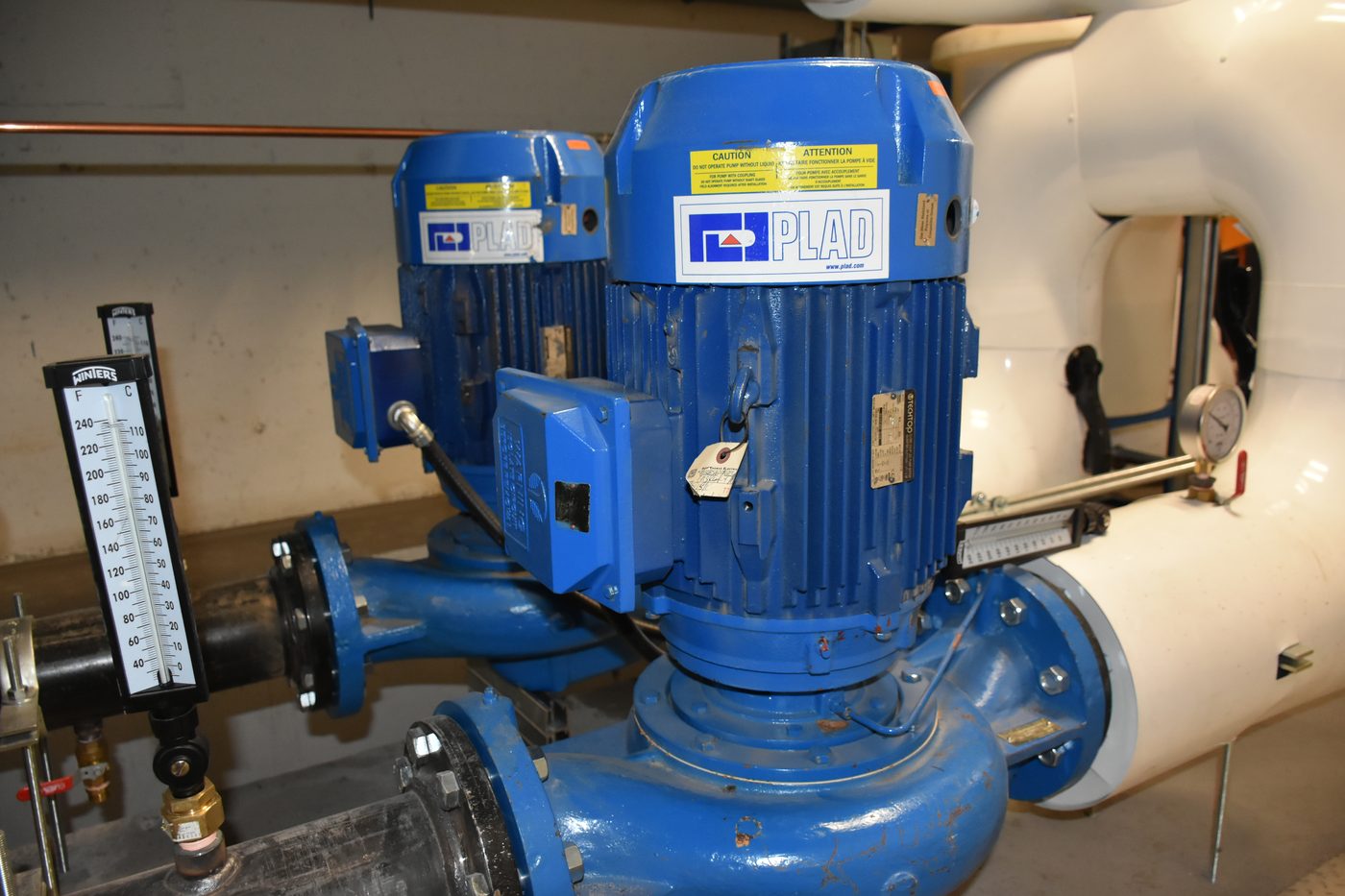
Centrifugal pumps installed in a mechanical room (Source: Wikimedia Commons)
Submersible Pumps: Designed for operation while fully submerged, these pumps are ideal for deep boreholes in rural counties such as Kitui, where water tables are low. Their sealed construction prevents water ingress, reducing the risk of electrical faults and ensuring quiet operation, which is valued in hospitals and residential areas.
Positive Displacement Pumps: These pumps deliver a consistent flow regardless of pressure changes, making them suitable for dosing chemicals in water treatment plants like those operated by Athi Water Services Board. However, they require more frequent maintenance due to their complex internal mechanisms.
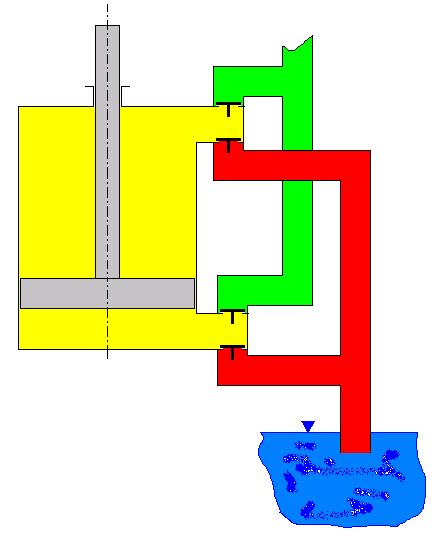
Diagram of a positive displacement pump mechanism (Source: Wikimedia Commons)
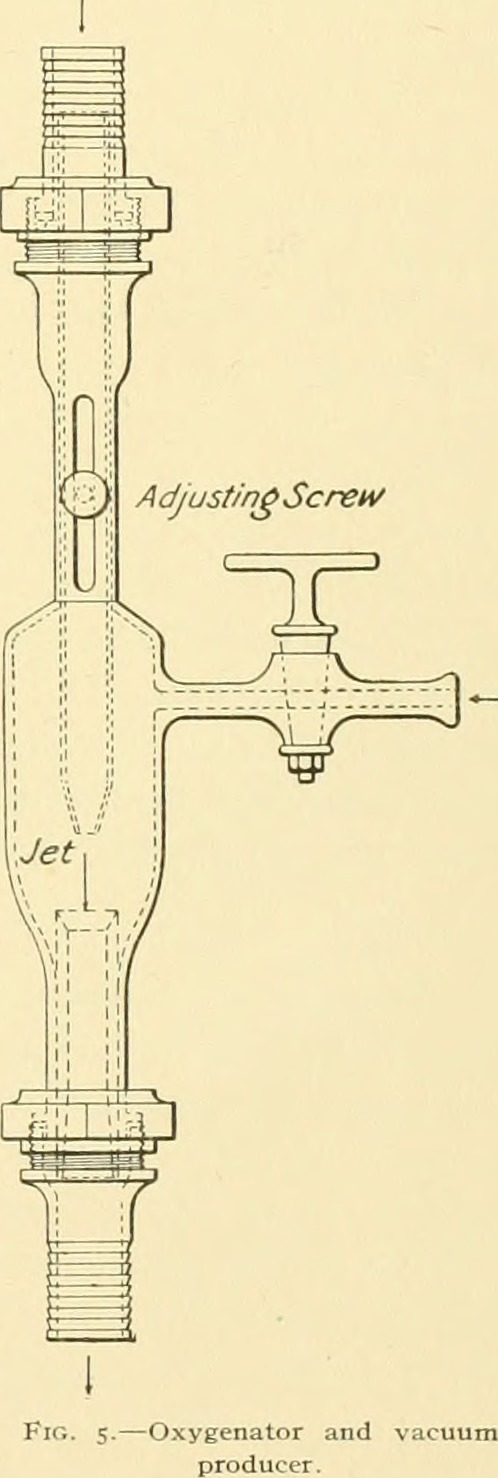
Diagram of a jet pump with adjusting screw (Source: Wikimedia Commons)
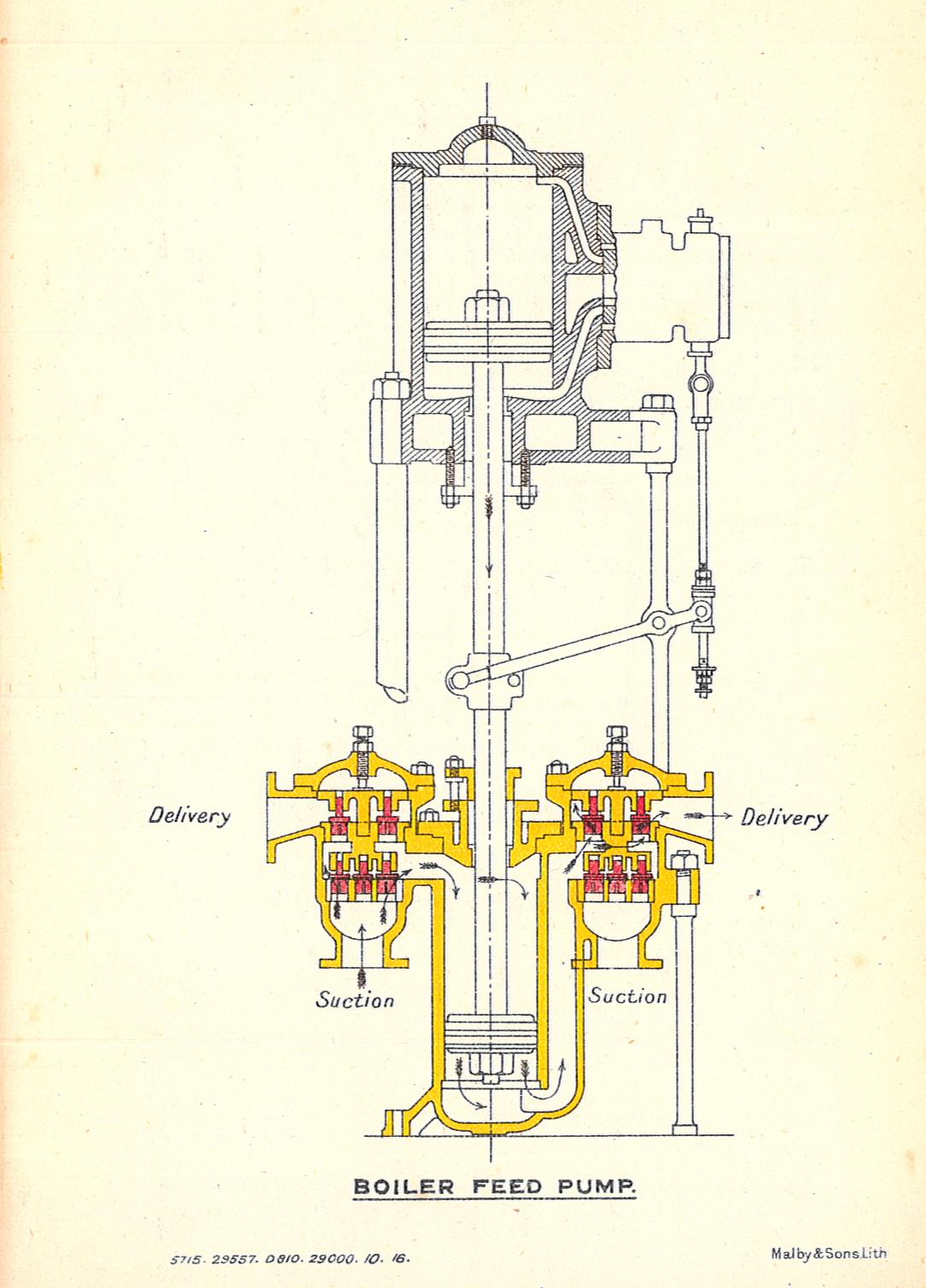
Diagram of a reciprocating boiler feed pump (Source: Wikimedia Commons)
While each pump type offers distinct advantages, they also present specific dangers if not properly selected, installed, or maintained in Kenyan contexts.
Pump controls regulate operation to optimize performance, protect equipment, and conserve energy. Understanding these systems enables plumbers to install and configure controls correctly for varied water supply demands.
Pressure switches monitor system pressure and activate or deactivate pumps accordingly. They maintain desired water pressure in residential or commercial buildings, avoiding continuous pump operation and reducing wear.
Float switches detect water levels in tanks or reservoirs and control pump activation to prevent overflow or dry running. County water offices use float switches to automate water storage management in public facilities.
VFDs adjust pump motor speed based on demand, improving energy efficiency and prolonging equipment life. In large water treatment plants, VFDs help manage fluctuating water consumption patterns effectively.
Timers schedule pump operation for specific periods, useful in irrigation systems to optimize water use. PLCs offer advanced control by integrating multiple sensors and automating complex sequences, employed in industrial water supply systems.
Alarms alert operators to abnormal conditions such as low pressure or motor overload. Safety devices prevent damage by shutting down pumps during faults, essential in hospitals and other critical institutions.
Pump control systems serve several vital functions in Kenyan water supply installations:
Knowledge of hydraulic principles is essential for designing and installing water pump systems that deliver required flow and pressure efficiently. These concepts include head, flow rate, and system losses.
Head represents the height to which a pump can raise water, measured in meters. It combines static head (vertical distance) and dynamic losses due to pipe friction and fittings. Accurate head calculation ensures the selected pump meets system demands.
Total head = static lift + delivery height + friction losses
Flow rate indicates the volume of water delivered per unit time, typically liters per second or cubic meters per hour. Plumbing professionals must match pump capacity to expected water usage in buildings or irrigation.
To convert between the two units in common use: litres per second × 3.6 = cubic metres per hour.
Friction losses in pipes, valves, and fittings reduce effective head and flow rate. Selecting appropriate pipe sizes and materials minimizes losses, enhancing pump efficiency and reducing energy consumption.
NPSH is the pressure required at the pump inlet to prevent cavitation, which can damage impellers. Proper system design maintains adequate NPSH, especially in deep well or booster pump applications.
Pump curves graphically represent the relationship between head and flow rate for a specific pump model. Understanding these curves allows plumbers to select pumps that operate near optimal efficiency points.
A borehole at a secondary school in Machakos must supply a storage tank. The water level in the borehole stands 45 metres below ground. The tank inlet is 8 metres above ground. Friction losses in the rising main and fittings have been calculated as 6 metres. The school needs 2.5 litres per second.
Step 1. Find the total head.
Total head = 45 + 8 + 6 = 59 metres
Step 2. Convert the flow rate.
2.5 litres per second = 2.5 ÷ 1000 = 0.0025 cubic metres per second
2.5 × 3.6 = 9 cubic metres per hour
Running 8 hours a day gives 9 × 8 = 72 cubic metres per day
Step 3. Find the hydraulic power, which is the power actually delivered to the water.
Hydraulic power = density × gravity × flow rate × head
Hydraulic power = 1000 × 9.81 × 0.0025 × 59 = 1447 watts, or 1.45 kilowatts
Step 4. Allow for pump efficiency. Taking the pump as 65 per cent efficient:
Shaft power = 1447 ÷ 0.65 = 2226 watts, or 2.23 kilowatts
Step 5. Allow for motor efficiency. Taking the motor as 90 per cent efficient:
Electrical input = 2226 ÷ 0.90 = 2474 watts, or 2.47 kilowatts
Step 6. Select the motor. Pump motors are sold in standard sizes, so the next size above 2.47 kilowatts is selected. A 3 kilowatt motor is fitted.
Note how the figures grow at each step. The water itself needs only 1.45 kilowatts, yet a 3 kilowatt motor is installed. The difference is lost as heat in the pump and the motor, which is why efficiency figures must never be left out of a sizing calculation. A plumber who sizes the motor from the hydraulic power alone will fit a pump that cannot meet the duty.
Compliance with Kenyan safety regulations and standards ensures installations are safe, durable, and legally acceptable. Knowing relevant terms and requirements is crucial for professional practice.
The Occupational Safety and Health Act, 2007 is the Kenyan law governing safety at the workplace. It is enforced by the Directorate of Occupational Safety and Health Services, which sits under the Ministry of Labour. The Act covers safety requirements for electrical wiring, mechanical installation, and working at heights during pump installation. Adhering to these requirements protects workers and users.
Note that this is Kenyan law. The abbreviation OSHA is also the name of a United States agency, and the two are not the same body, so site documents should name the Act and the year in full.
Pumps must not contaminate water; materials and installation practices must meet Kenya Bureau of Standards (KEBS) guidelines. This is particularly important in hospital water supply systems.
Terms like grounding, circuit breakers, and overload protection relate to the electrical aspects of pump installation. Proper electrical installation prevents accidents and equipment damage.
Understanding terms related to wastewater discharge and noise pollution ensures installations comply with National Environment Management Authority (NEMA) regulations.
Terms regarding product warranties and certifications guide selection of pumps and components that meet quality and durability expectations.
Create a free account to open more of this chapter.
Free: practical guides, quick cards, workplace scenarios and more.
Create a free accountThis chapter introduced key terms and concepts essential for understanding water pump systems and their operations. It highlighted the specific tools and equipment required for effective installation and maintenance of pumps. The discussion on pump selection covered various types including lift pumps, submersible pumps, centrifugal pumps, booster pumps, and reciprocating pumps, explaining their distinct functions and suitability for different water supply scenarios. Detailed procedures for pump installation were provided, emphasizing correct positioning and secure fittings. Installation of pump controls was examined through components such as pressure switches, float switches, non-return valves, and foot valves, which regulate and protect the pump system. Functionality tests were outlined to ensure pumps operate efficiently and safely after installation. Finally, the importance of regular housekeeping was stressed to maintain pump performance and prolong equipment lifespan.
Type: Individual
| Tools & Equipment | Materials |
|---|---|
| Pen | Water pump terminology reference sheet |
| Paper | Technical manual on water pump installation and operation |
| S/N | Item | Quantity |
|---|---|---|
| 1 | Water pump terminology reference sheet | 1 per Candidate |
| 2 | Technical manual on water pump installation and operation | 1 per Candidate |
| 3 | Writing materials (pen, paper) | 1 set per Candidate |
| Items to be Evaluated | Marks Available | Marks Obtained | Comments |
|---|---|---|---|
| TASK 1: Identification and Explanation of Water Pump Terms | |||
| Used personal protective equipment as required (Award 1 mark for each PPE worn: safety boots, dust coat or gloves) | 2 | ||
| Collected and assembled all necessary reference materials and writing tools (Award 1 mark for each: terminology sheet, technical manual, writing materials) | 3 | ||
| Correctly identified 10 common water pump terms (Award 2 marks for each correctly identified term or zero) | 20 | ||
| Provided clear and accurate explanation for each term identified (Award 2.5 marks for each correct explanation or zero) | 25 | ||
| Organized the report logically with appropriate technical language (Award 5 marks for clear, concise, and well-structured report or zero) | 5 | ||
| Sub-Total | 55 | ||
| PRODUCT CHECKLIST | |||
| Report contains all 10 terms with correct spelling and full explanations (Award 1 mark for each term with correct spelling and explanation) | 10 | ||
| Report length approximately 500 words and presented neatly (Award 5 marks for meeting length and presentation standards or zero) | 5 | ||
| Sub-Total | 15 | ||
| GRAND TOTAL | 70 | ||
Type: Individual
| Tools & Equipment | Materials |
|---|---|
| Tape measure | Submersible pump 1.5 HP |
| Pipe wrench | Centrifugal pump 2 HP |
| Screw driver | Booster pump 1 HP |
| Hacksaw | Reciprocating pump 1 HP |
| Bench vice | 20 mm Ø GI pipe class B |
| 20 mm Ø PVC pipe class B | |
| Pump connectors and fittings | |
| Thread seal tape | |
| Personal protective equipment |
| S/N | Item | Quantity |
|---|---|---|
| 1 | Submersible pump 1.5 HP | 1 Pc per Candidate |
| 2 | Centrifugal pump 2 HP | 1 Pc per Candidate |
| 3 | Booster pump 1 HP | 1 Pc per Candidate |
| 4 | Reciprocating pump 1 HP | 1 Pc per Candidate |
| 5 | 20 mm Ø GI pipe class B | 3 m per Candidate |
| 6 | 20 mm Ø PVC pipe class B | 2 m per Candidate |
| 7 | Pump connectors and fittings | Sufficient per Candidate |
| 8 | Thread seal tape | 2 rolls per Candidate |
| 9 | Personal protective equipment (helmet, gloves, safety boots, dustcoat) | Full set per Candidate |
| Items to be Evaluated | Marks Available | Marks Obtained | Comments |
|---|---|---|---|
| TASK 1: Safety and Preparation | |||
| Wears full PPE as per occupational safety and health requirements (Award 1 mark for each correctly worn PPE item or zero) | 3 | ||
| Assembles all required tools and materials before starting the selection process (Award 1 mark for each of 3 tool types and 3 material types assembled or zero) | 3 | ||
| Sub-Total | 6 | ||
| TASK 2: Pump Selection and Justification | |||
| Correctly selects a lift pump (reciprocating pump) for a shallow well scenario (Award 5 marks for correct pump type and justification or zero) | 5 | ||
| Selects a submersible pump suitable for deep borehole water lifting (Award 5 marks for correct pump type and justification or zero) | 5 | ||
| Selects an appropriate booster pump for increasing pressure in an elevated storage tank system (Award 5 marks for correct pump type and justification or zero) | 5 | ||
| Specifies correct pipe sizes and pump capacities for each scenario (Award 2 marks for each scenario with correct pipe size and pump capacity or zero) | 6 | ||
| Sub-Total | 21 | ||
| TASK 3: Documentation and Clean-up | |||
| Records pump selection details clearly and accurately (Award 3 marks for clear, accurate documentation or zero) | 3 | ||
| Cleans and stores tools and materials according to manufacturer's instructions (Award 3 marks for proper cleaning and storage or zero) | 3 | ||
| Disposes of any waste materials safely and environmentally correctly (Award 3 marks for correct waste disposal or zero) | 3 | ||
| Sub-Total | 9 | ||
| PRODUCT CHECKLIST | |||
| Pump selections are appropriate and justified for all three scenarios (Award 10 marks for correct and justified selections or zero) | 10 | ||
| Specified pipe sizes and pump capacities match operational requirements (Award 8 marks for accurate sizing and capacity or zero) | 8 | ||
| Documentation is clear, complete, and professional (Award 6 marks for well-presented documentation or zero) | 6 | ||
| Sub-Total | 24 | ||
| GRAND TOTAL | 60 | ||
At the start of this chapter we promised you would be able to:
Tick each one you can genuinely do.
So, are you there yet?
You're competent when you can confidently do 50% or more of what this chapter promised.
Sign in to record how you're doing.