
By the end of this chapter, you will be able to:
Mastering these skills helps keep you and everyone around you safe, making you a responsible and valued professional in the electrical trade.
In the field of Electronics Technology, adherence to Environment, Health, and Safety (EHS) standards is critical to protect workers from hazards associated with electrical installations and maintenance. This chapter focuses on the application of EHS standards with particular emphasis on Personal Protective Equipment (PPE), an essential element in minimizing risks during electrical work. Understanding the meaning and purpose of PPE equips technicians in Kenya’s electronics sector to perform their duties safely while complying with regulatory requirements and industry best practices.
The term Personal Protective Equipment (PPE) refers to specialized clothing or equipment worn by workers to reduce exposure to hazards that can cause serious workplace injuries or illnesses. In Kenya’s electronics industry, where technicians regularly handle live circuits, sharp tools, and potentially harmful substances, PPE serves as a defensive barrier between the worker and physical, electrical, chemical, or biological hazards. The concept of PPE extends beyond simple gear; it encompasses a range of devices designed to safeguard various parts of the body depending on the nature of the electrical tasks involved.
PPE is any equipment or clothing designed to be worn or held by a person to protect against one or more health and safety risks. It includes items such as gloves, helmets, eye protection, high-visibility clothing, and footwear. For an electronics technician working on installations in a hospital or a county government office, PPE might include insulated gloves to prevent electric shocks, safety goggles to protect against sparks, and ear protection when working in noisy environments.
In electronics technology, PPE covers several categories tailored to the specific risks faced:
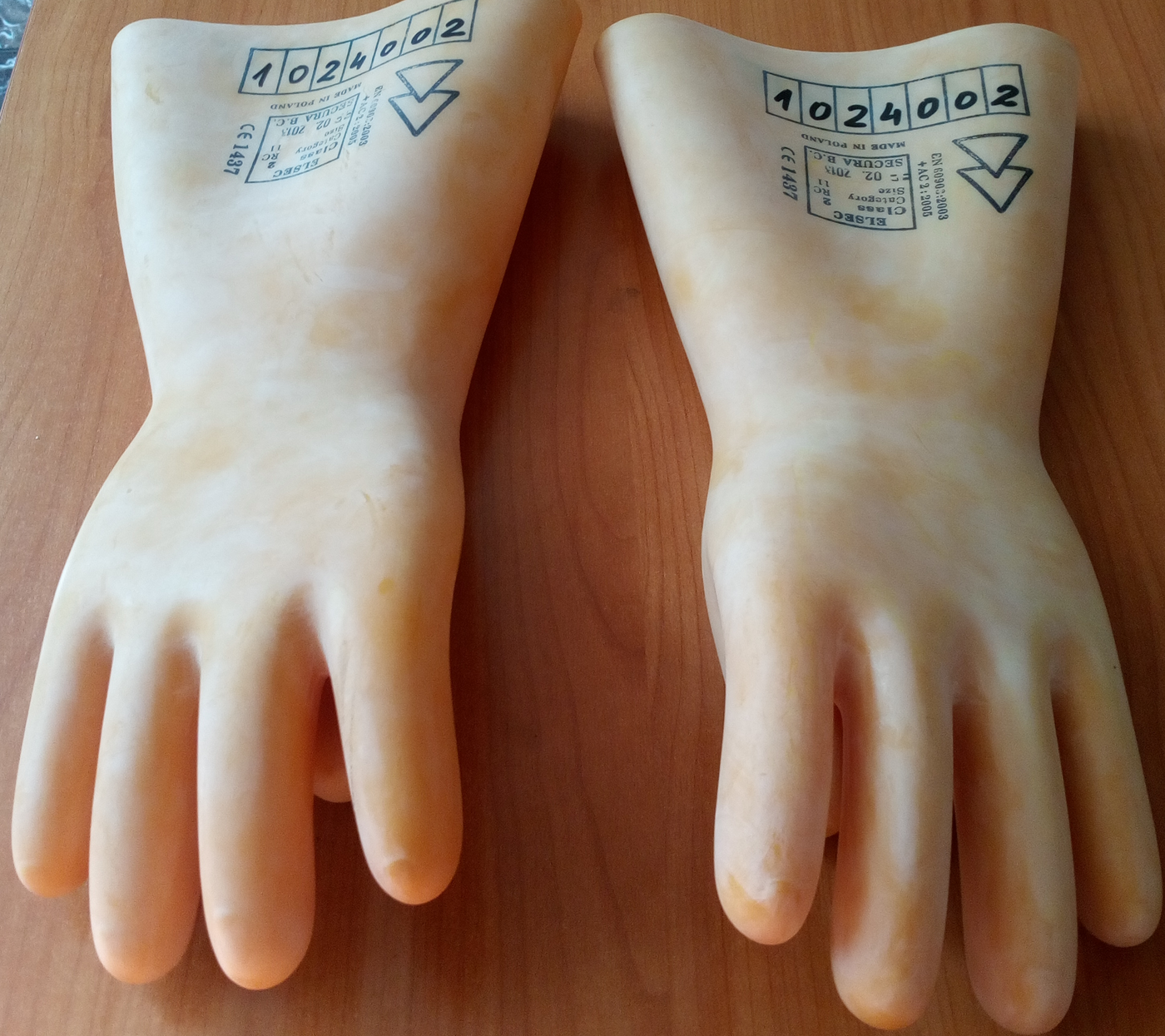
Pair of insulated gloves for electrical safety (Source: Wikimedia Commons)
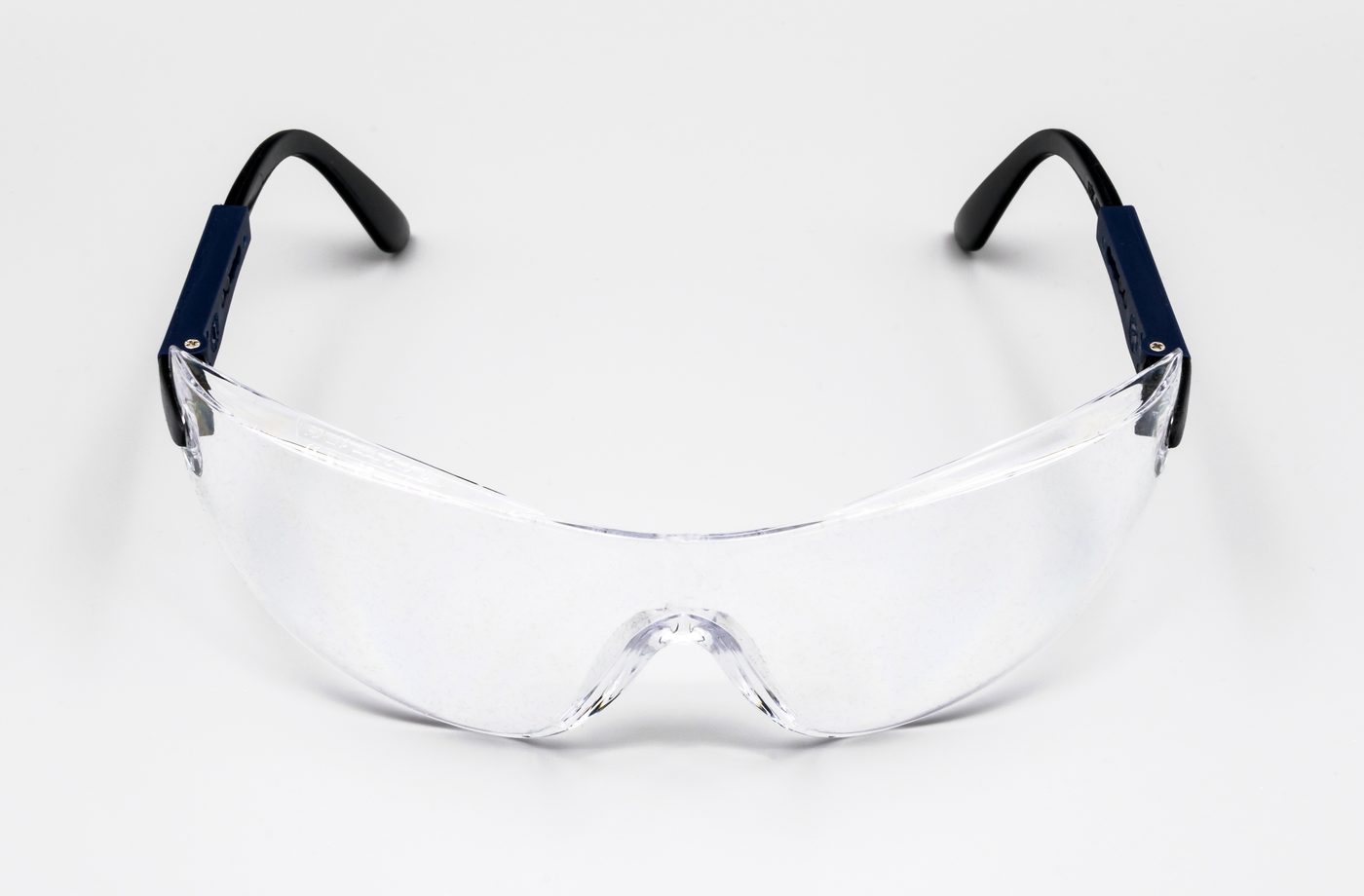
Clear safety goggles for eye protection (Source: Wikimedia Commons)
Safety Footwear: Insulated boots minimize the risk of grounding and electrical shock.
Hearing Protection: Earplugs or earmuffs reduce damage from prolonged exposure to loud equipment noise.
Each type is selected based on risk assessment and job requirements, such as working in a retail electrical shop or maintaining equipment in a university’s electronics lab.
Kenya’s Occupational Safety and Health Act (OSHA) and the National Environment Management Authority (NEMA) regulations mandate the use of PPE in workplaces where hazards exist. Employers in sectors like banking institutions or county government offices must provide appropriate PPE and ensure its proper usage to comply with these laws. Non-compliance can result in penalties and increased risk of workplace accidents, which affect operational continuity and worker welfare.
Selecting the right PPE requires consideration of several factors:
Create a free account to open more of this chapter.
Free: practical guides, quick cards, workplace scenarios and more.
Create a free accountThis chapter begins by defining Personal Protective Equipment (PPE) and explaining its essential role in safeguarding individuals from workplace hazards. It then explores the purpose of PPE, emphasizing its critical function in preventing injuries and ensuring safety in electrical installation tasks. Various types of PPE are described, highlighting their specific applications and protective features. The chapter also covers the safe and correct handling, use, maintenance, and storage of PPE to preserve its effectiveness and longevity. Attention is given to the different classes of fires and the corresponding firefighting equipment required to manage these emergencies effectively. First aid procedures are detailed, with particular focus on rescuing victims of electric shock, underscoring the importance of timely and appropriate response. Finally, the chapter explains various methods of resuscitation that can be employed to save lives in emergency situations.
At the start of this chapter we promised you would be able to:
Tick each one you can genuinely do.
So, are you there yet?
You're competent when you can confidently do 50% or more of what this chapter promised.
Sign in to record how you're doing.