
By the end of this chapter, you will be able to:
Mastering these skills will help you work safely and professionally, making you a reliable electrician ready for real-world installations.
Electrical installation is a critical skill across many professional fields in Kenya, involving the safe and effective routing of electrical wiring through buildings and infrastructure. Whether setting up electrical systems in a county referral hospital, a university, a retail business, or a hotel, understanding the correct procedures for piping and laying cables ensures operational safety and reliability. This chapter focuses on essential safety practices and the detailed procedures for installing electrical conduits and cables, equipping students to perform installations that comply with Kenyan standards and workplace regulations.
Electrical installation work involves significant risks including electric shock, falls, and injury from tools or materials. Observing strict safety procedures protects installers, occupants, and property, while ensuring compliance with regulatory bodies such as the National Environment Management Authority (NEMA) and the Work Injury Benefits Act (WIBA). In diverse settings such as schools, banks, and county offices, adherence to safety protocols is mandatory to maintain safe work environments and minimize downtime caused by accidents.
Recognizing potential hazards is the first step in preventing accidents during piping and cable laying. Electrical hazards may arise from exposed live wires, inadequate insulation, or faulty equipment. In places like a county government office, where power supply interruptions can disrupt vital services, identifying these risks early prevents harm and operational delays.
Personal protective equipment (PPE) forms a vital barrier between workers and electrical hazards. Proper use of PPE is mandatory in every installation task to reduce injury risks. For instance, in hospitals where electrical reliability is critical, staff must use PPE to avoid complications during maintenance.
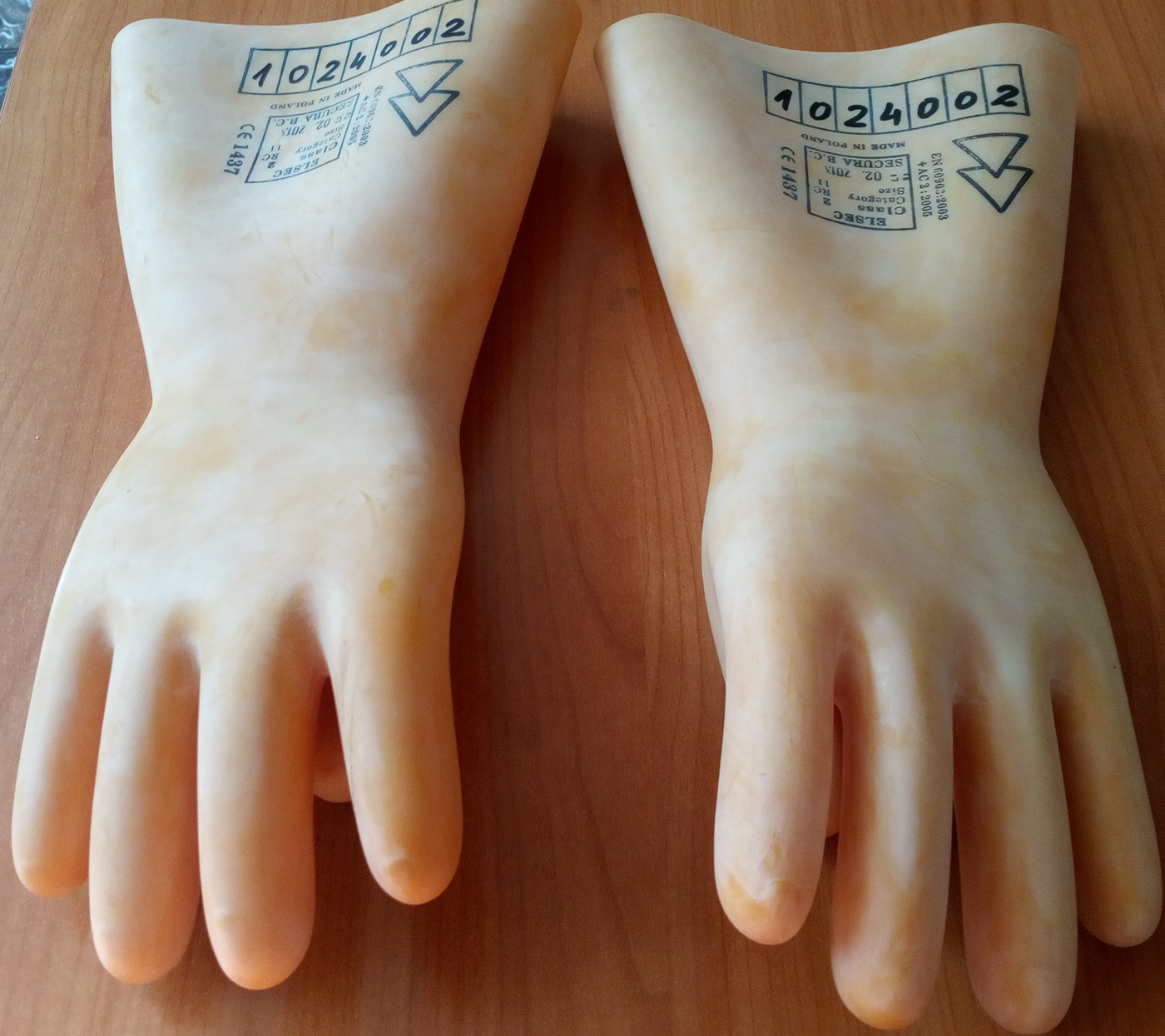
Pair of insulated gloves for electrical safety (Source: Wikimedia Commons)
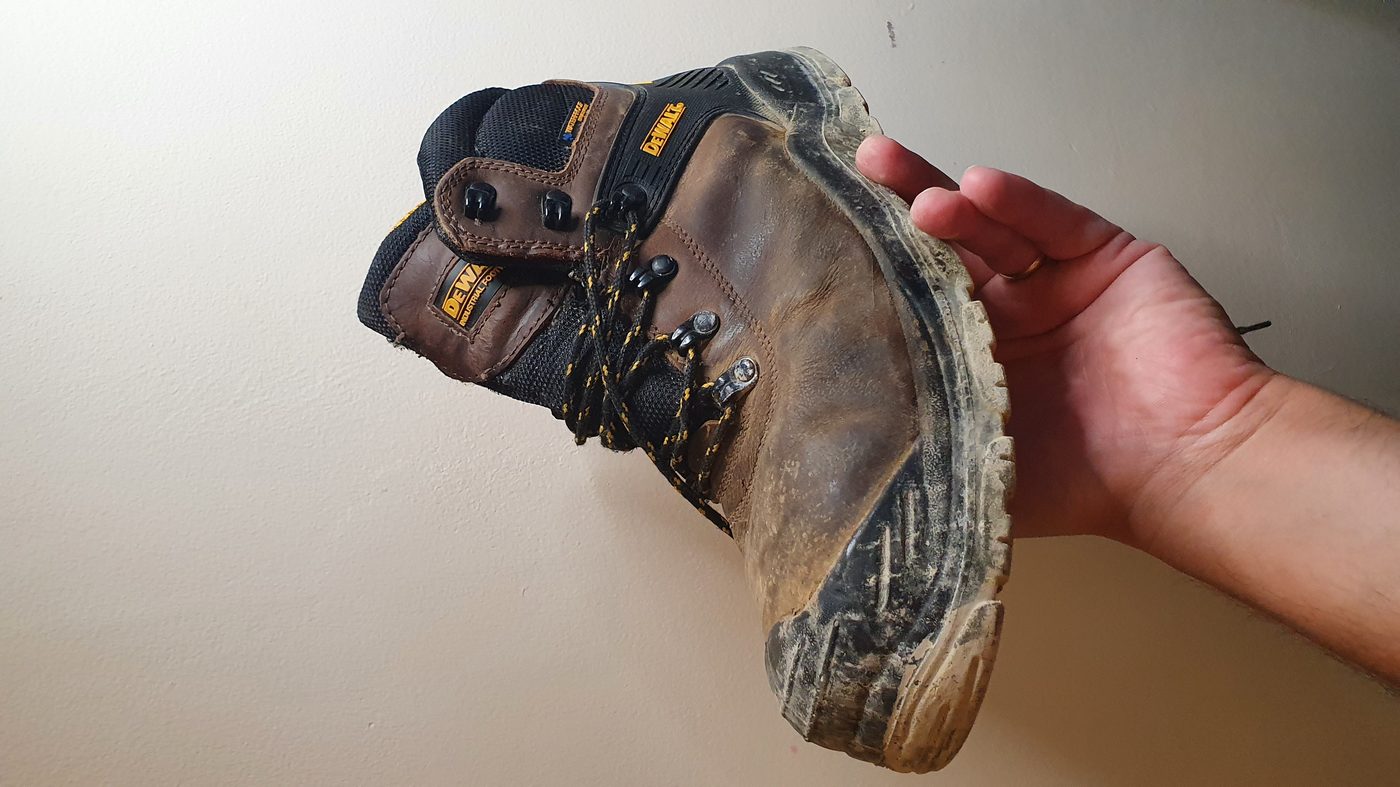
A single safety boot for industrial use (Source: Wikimedia Commons)
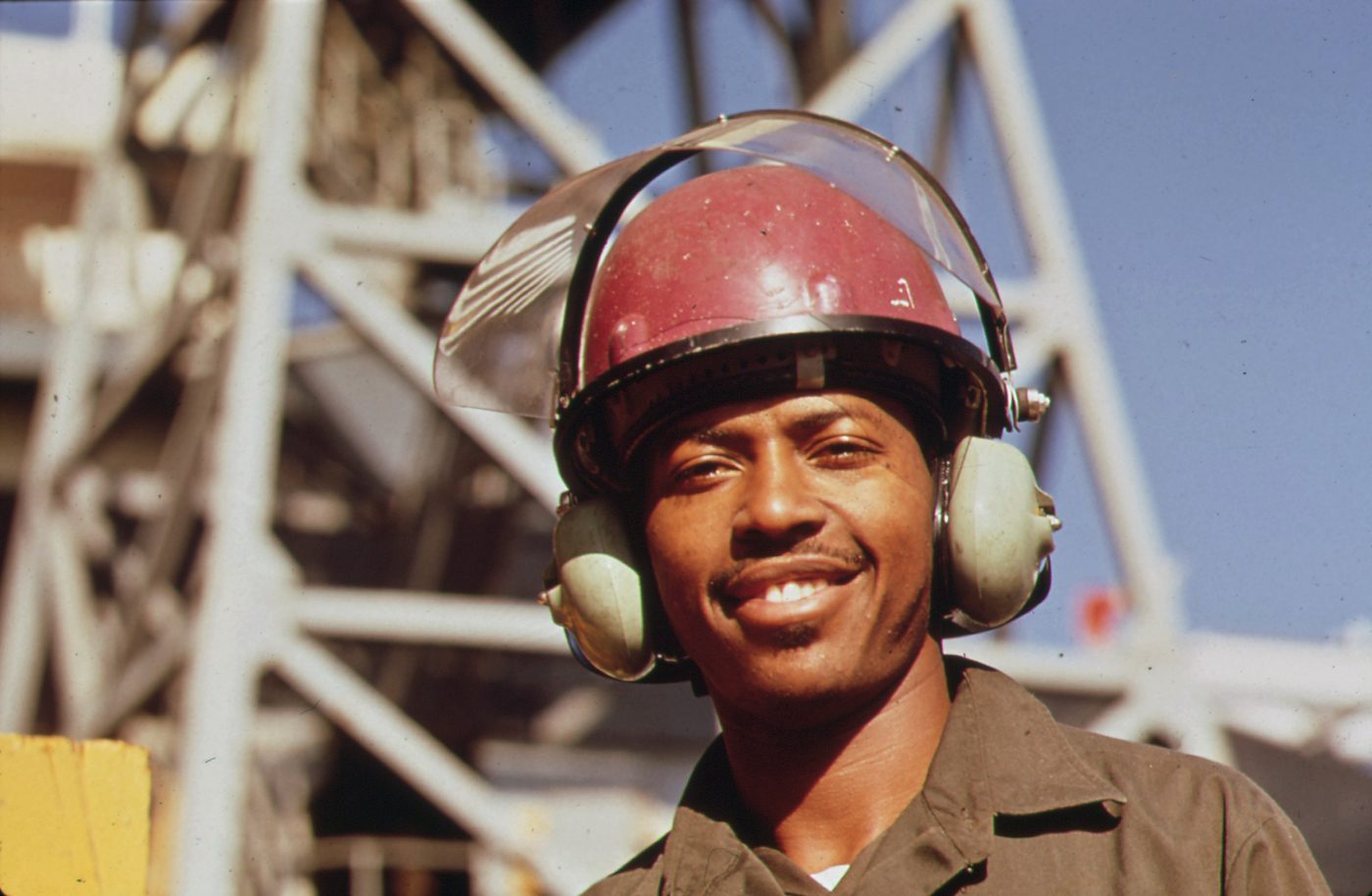
Man wearing a safety helmet (Source: Wikimedia Commons)
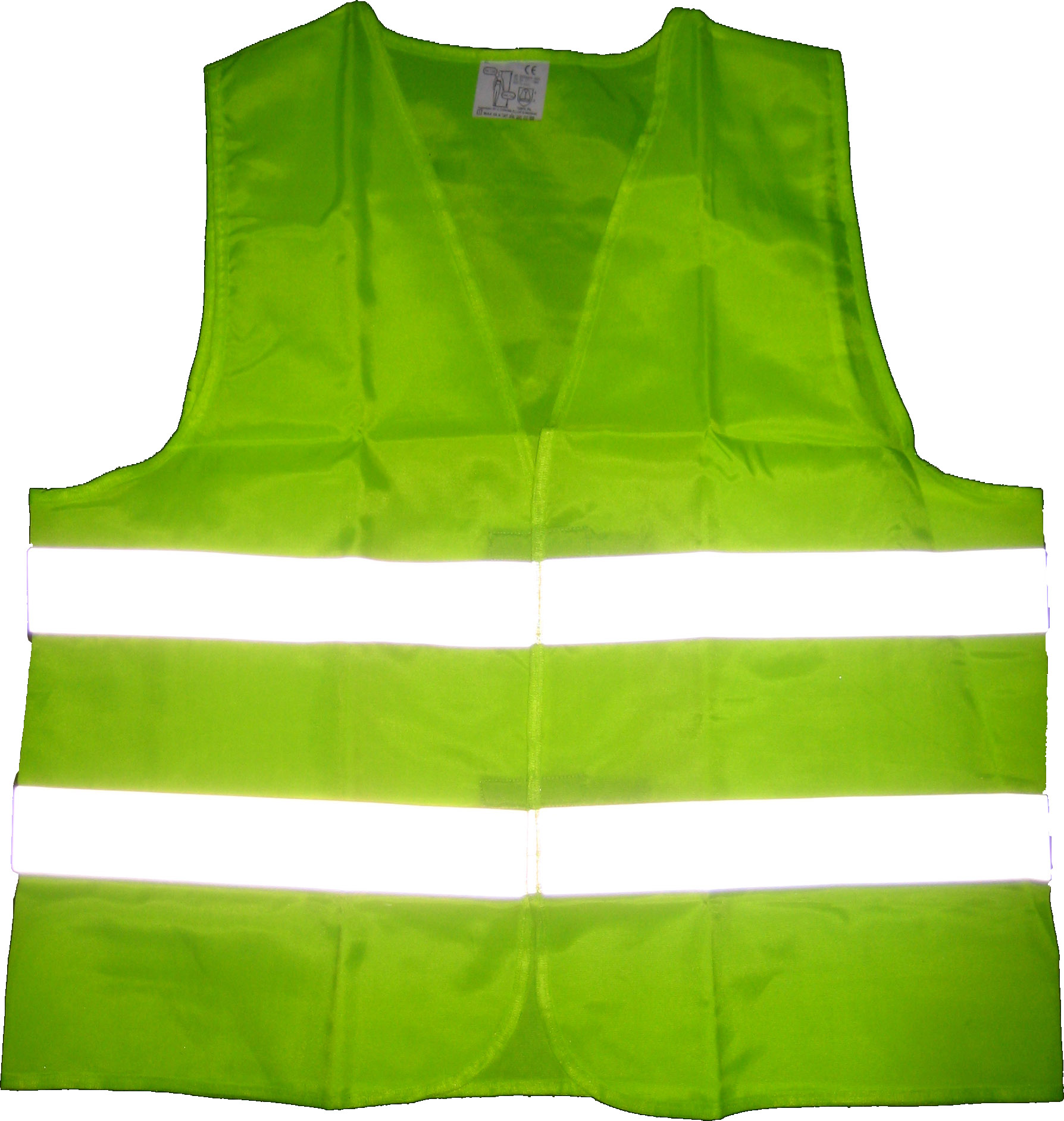
High-visibility safety vest (Source: Wikipedia (High-visibility clothing))
Implementing safe work practices reduces accidents and ensures efficient project completion. In county hospitals, where electrical failures can affect patient care, following these practices is critical.
Preparedness for emergencies minimizes the impact of accidents. In institutions like universities, first responders must be trained to act swiftly in case of electrical injuries.
Create a free account to open more of this chapter.
Free: practical guides, quick cards, workplace scenarios and more.
Create a free accountThis chapter covered essential safety procedures that must be followed to ensure a secure working environment during electrical installation tasks. It detailed the step-by-step procedures for piping, highlighting the importance of accuracy and proper alignment. The chapter then explored various types of cables and cable joints, emphasizing their correct selection and application to maintain system integrity. Surface wiring was examined in depth, including the types of cables and accessories used, factors influencing surface wiring decisions, and the preparation processes such as marking out, cutting, and bending conduits. The draw-in and laying of cable routes was discussed to ensure efficient and safe cable management. Methods for cable identification were presented to facilitate maintenance and troubleshooting. Compliance with IEE regulations was underscored as a critical aspect of installation work, while general cleanliness practices were emphasized to maintain a safe and organized worksite. Finally, the importance of proper tools and equipment storage was highlighted to preserve their condition and ensure readiness for use.
Type: Individual
| Tools & Equipment | Materials |
|---|---|
| Wire stripper | 1.5 mm2 PVC Single core cable |
| Conduit bender | 2.5 mm2 PVC Single core cable |
| Screwdriver | Rigid PVC conduit 20 mm diameter |
| Hammer | Conduit clips 20 mm |
| Tape measure | PVC conduit bends 20 mm |
| Cable cutter | Conduit trunking 25 mm x 25 mm |
| Spirit level | Warning tape |
| Cable ties | |
| Safety warning labels | |
| Insulating tape |
| S/N | Item | Quantity |
|---|---|---|
| 1 | 1.5 mm2 PVC Single core cable | 3.0 m per Candidate |
| 2 | 2.5 mm2 PVC Single core cable | 1.5 m per Candidate |
| 3 | Rigid PVC conduit 20 mm diameter | 5 m per Candidate |
| 4 | Conduit clips 20 mm | 15 pcs per Candidate |
| 5 | PVC conduit bends 20 mm | 4 pcs per Candidate |
| 6 | Conduit trunking 25 mm x 25 mm | 2.5 m per Candidate |
| 7 | Warning tape (red) for electrical hazard | 1 roll per 3 Candidates |
| 8 | Cable ties | 20 pcs per Candidate |
| 9 | Safety warning labels | 5 pcs per Candidate |
| 10 | Insulating tape | 1 roll per Candidate |
| Items to be Evaluated | Marks Available | Marks Obtained | Comments |
|---|---|---|---|
| TASK 1: Safety implementation during piping and cable laying | |||
| Wore appropriate Personal Protective Equipment (PPE) including dustcoat and gloves (Award 2 marks for correct PPE use, zero if omitted) | 2 | ||
| Ensured the working area was clean and free from hazards before starting (Award 2 marks for good housekeeping practice) | 2 | ||
| Used appropriate tools correctly for cutting, bending, and fixing conduits (Award 3 marks for correct tool selection and safe use) | 3 | ||
| Applied correct colour coding and labelling for cables and conduits (Award 2 marks for adherence to colour code and labelling) | 2 | ||
| Installed conduit clips and bends securely and spaced clips uniformly within 300 mm centres (Award 3 marks for proper fixing and spacing of clips) | 3 | ||
| Handled and laid cables inside conduits without damaging insulation (Award 3 marks for careful cable handling and protection) | 3 | ||
| Applied insulating tape and warning labels correctly to exposed ends and junctions (Award 2 marks for proper insulation and warning signage) | 2 | ||
| Demonstrated safe working practices including avoidance of sharp edges and proper posture (Award 1 mark for safe work behaviour) | 1 | ||
| Used warning tape to demarcate electrical hazard areas during installation (Award 1 mark for correct hazard demarcation) | 1 | ||
| Sub-Total | 19 | ||
| PRODUCT CHECKLIST | |||
| Installed conduit run is 5 meters long, securely fixed, and aligned as per layout drawing (Award 4 marks for correct length, secure fixing and alignment) | 4 | ||
| Conduit clips spaced uniformly at approximately 300 mm centres (Award 3 marks for uniform clip spacing) | 3 | ||
| Cables laid inside conduits without damage or nicked insulation (Award 4 marks for cable integrity and neat installation) | 4 | ||
| Safety warning labels and insulating tape correctly applied at all necessary points (Award 3 marks for proper labelling and insulation) | 3 | ||
| Working area left clean and free from debris after completion (Award 2 marks for good housekeeping after work) | 2 | ||
| Sub-Total | 16 | ||
| GRAND TOTAL | 35 | ||
Type: Individual
| Tools & Equipment | Materials |
|---|---|
| Measuring tape | 25mm PVC conduit pipe |
| Hacksaw for cutting conduit | 25mm PVC conduit bends (90 degrees) |
| Conduit bender (manual) | 25mm PVC conduit clips |
| Screwdriver | PVC conduit solvent cement |
| Hammer | |
| Spirit level | |
| Pencil or marker | |
| Protective gloves | |
| Dustcoat/overall |
| S/N | Item | Quantity |
|---|---|---|
| 1 | 25mm PVC conduit pipe | 6 metres per Candidate |
| 2 | 25mm PVC conduit bends (90 degrees) | 4 pieces per Candidate |
| 3 | 25mm PVC conduit clips | 15 pieces per Candidate |
| 4 | PVC conduit solvent cement | 1 can per 3 Candidates |
| 5 | Measuring tape | 1 per Candidate |
| 6 | Hacksaw for cutting conduit | 1 per Candidate |
| 7 | Conduit bender (manual) | 1 per Candidate |
| 8 | Screwdriver | 1 per Candidate |
| 9 | Hammer | 1 per Candidate |
| 10 | Spirit level | 1 per Candidate |
| 11 | Pencil or marker | 1 per Candidate |
| 12 | Protective gloves | 1 pair per Candidate |
| 13 | Dustcoat/overall | 1 per Candidate |
| Items to be Evaluated | Marks Available | Marks Obtained | Comments |
|---|---|---|---|
| TASK 1: Piping Installation Procedure | |||
| Wore Personal Protective Equipment including dustcoat and gloves (Award 1 mark for correct PPE use) | 1 | ||
| Ensured work area was clean and safe before starting (Award 1 mark for good housekeeping) | 1 | ||
| Measured and marked conduit run accurately according to layout (Award 1 mark for correct measurement and 1 mark for marking) | 2 | ||
| Used hacksaw correctly to cut conduit pipe without damaging it (Award 2 marks for neat, square cuts without cracks) | 2 | ||
| Bent conduit accurately to 90 degrees using conduit bender (Award 3 marks for correct bend radius and angle matching layout) | 3 | ||
| Applied solvent cement properly to joints ensuring good adhesion (Award 2 marks for neat and effective gluing) | 2 | ||
| Fixed conduit securely on wall using clips spaced approximately 300mm apart (Award 2 marks for proper clip spacing and firm fixing) | 2 | ||
| Used spirit level to ensure conduit runs were horizontal and vertical as per drawing (Award 2 marks for level and plumb conduit runs) | 2 | ||
| Maintained colour coding and neatness in installation (Award 1 mark for neat and compliant installation) | 1 | ||
| Cleaned work area after completing installation (Award 1 mark for good housekeeping after work) | 1 | ||
| Sub-Total | 17 | ||
| PRODUCT CHECKLIST | |||
| Installed conduit run length matches 6000mm ± 25mm (Award 3 marks for correct length within tolerance) | 3 | ||
| All four 90-degree bends correctly formed and positioned as per layout (Award 3 marks for bends at correct locations and angles) | 3 | ||
| Conduit fixed securely with clips spaced uniformly at approximately 300mm centres (Award 3 marks for proper clip spacing and secure fixing) | 3 | ||
| Conduit runs are horizontal and vertical within ± 2 degrees (Award 3 marks for level and plumb installation) | 3 | ||
| Joints are neat, solvent cement applied properly with no gaps or excess (Award 3 marks for clean and effective joints) | 3 | ||
| Sub-Total | 15 | ||
| GRAND TOTAL | 32 | ||
At the start of this chapter we promised you would be able to:
Tick each one you can genuinely do.
So, are you there yet?
You're competent when you can confidently do 50% or more of what this chapter promised.
Sign in to record how you're doing.