Electronics Engineering  ·  Level 6
Electrical Principles I
Chapter 7: Performing electrical measurements
📚 6 Topics
⚑ What you will be able to do

By the end of this chapter, you will be able to:

  • Identify different types of electrical instruments while following the correct work procedures.
  • Explain how electrical instruments are constructed and how they operate, using proper work procedures.
  • Apply range extension methods to electrical instruments correctly and safely.
  • Recognize null-indicating instruments accurately by following the right work procedures.
  • Perform calculations involving electrical instruments accurately using the correct formulas.
  • Demonstrate common instrumental and systematic errors and explain how to reduce them clearly and correctly.
  • Calculate systematic errors accurately using the appropriate formulas.

Mastering these skills will help you take precise electrical measurements, which is essential for quality and safety in any electrical trade.

Performing accurate electrical measurements is a foundational skill for electronics engineering professionals, enabling them to diagnose, design, and maintain electronic systems effectively. In Kenya's fast-growing electronics industry, from telecommunications firms to medical device manufacturers, understanding how to convert physical quantities into measurable electrical signals is essential. This chapter explores the types of transducers used in electrical measurements, focusing on their principles, applications, and relevance to electronics engineering tasks. Mastery of these devices ensures engineers deliver precise data critical for system performance and safety.

7.1 Types of Transducers

In electronics engineering, transducers are vital components that convert one form of energy into another, typically transforming physical phenomena into electrical signals suitable for measurement or control. Kenyan electronics engineers encounter transducers in diverse applications such as environmental monitoring at county government offices, biomedical instrumentation at hospitals, and industrial automation in manufacturing plants. Proper selection and understanding of transducer types enhance measurement accuracy and system reliability.

7.1.1 Principle and Classification of Transducers

Understanding the fundamental principle behind transducers and their classification is crucial for electronics engineers to select appropriate devices for specific measurement tasks. A transducer operates by sensing a physical parameter, such as temperature or pressure, and converting it into an electrical output, typically voltage or current, that can be quantified.

Principle of Transducers

  • Energy Conversion: Transducers convert energy from one form to another, for example, mechanical energy to electrical energy, enabling electrical measurement of non-electrical quantities.
  • Sensor Element: The sensor detects the physical variable and produces a proportional change in an electrical property such as resistance, capacitance, or inductance.

  • Signal Conditioning: Often, the transducer output requires amplification, filtering, or conversion to a standard electrical signal for accurate measurement.

  • Linearity: A good transducer produces an output linearly proportional to the input physical quantity, simplifying interpretation and calibration.
  • Sensitivity: This measures how much the output signal changes per unit change in the input physical parameter, influencing the resolution of measurements.

Classification of Transducers

  • Active Transducers: Generate electrical signals without external power, such as thermocouples which produce a voltage when heated.
  • Passive Transducers: Require external power to produce an output signal, for instance, strain gauges whose resistance changes with deformation.
  • Analog Transducers: Provide a continuous electrical output varying proportionally with the input, used in applications like temperature sensing in automated systems at universities.
  • Digital Transducers: Deliver output signals in discrete steps or digital codes, suitable for microcontroller-based measurement systems in Kenyan innovation hubs.
  • Primary and Secondary Transducers: Primary transducers directly sense the physical quantity, while secondary transducers convert the primary transducer's output into a more convenient electrical signal.

7.1.2 Resistive Transducers and Their Applications

Resistive transducers are among the most common in electronics engineering, relying on changes in electrical resistance to measure physical variables. Their simplicity, robustness, and cost-effectiveness make them popular in Kenyan industries such as agriculture for soil moisture monitoring and manufacturing for stress analysis.

Characteristics of Resistive Transducers

  • Resistance Variation: The core principle is that the physical parameter causes a change in resistance, which is measurable using a Wheatstone bridge or similar circuits.
  • Types: Includes strain gauges, thermistors, and potentiometers each tailored for specific measurements like force, temperature, and position respectively.
  • Linearity and Sensitivity: Generally provide linear responses over limited ranges; sensitivity depends on material and geometry.
  • Temperature Dependency: Resistance changes with temperature can introduce errors unless compensated, important for outdoor monitoring stations.
  • Durability: Typically robust and suitable for harsh environments, for example in Kenya’s tea processing factories where humidity and heat vary.

Applications in Electronics Engineering

  • Strain Gauges: Used to measure mechanical strain on structures or components, vital in product testing laboratories at technical universities.

  • Thermistors: Employed in temperature sensing circuits within medical equipment in county hospitals.

  • Potentiometers: Commonly integrated in position sensing applications such as robotic arms in manufacturing automation.
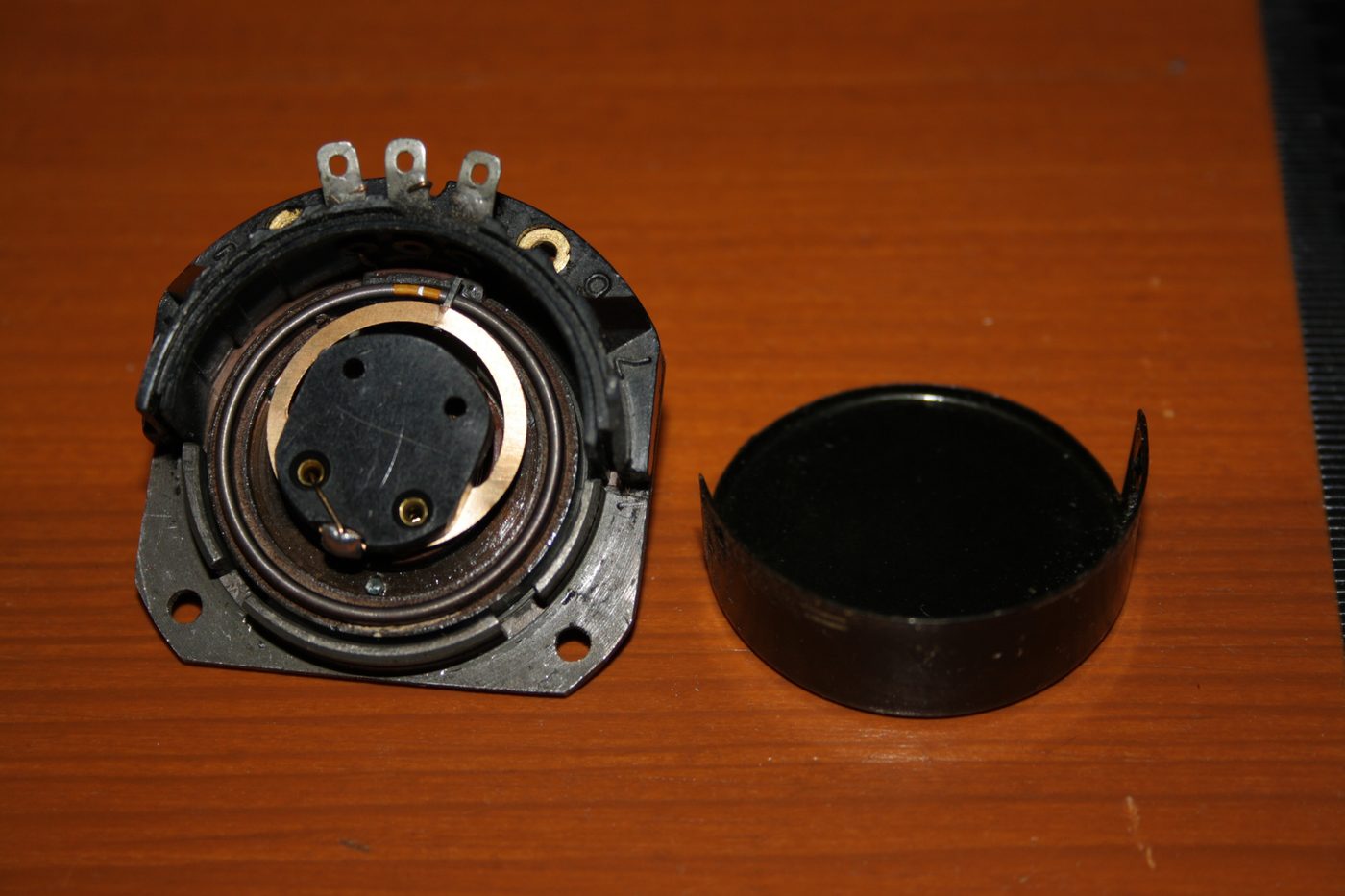
Rotary potentiometer with cover removed
Rotary potentiometer with cover removed (Source: Wikimedia Commons)

  • Soil Moisture Sensors: Resistive transducers embedded in agricultural fields provide data for irrigation control systems.
  • Load Cells: Convert force or weight into resistance changes for electronic weighing scales used in retail shops.

7.1.3 Capacitive and Inductive Transducers

Capacitive and inductive transducers measure physical quantities by detecting changes in capacitance or inductance, offering high sensitivity and stability, which are crucial in precision electronic instrumentation. Kenyan engineers apply these transducers in areas like environmental monitoring and quality control in manufacturing.

Capacitive Transducers

  • Operating Principle: Measure changes in capacitance caused by variations in distance between plates, dielectric constant, or plate area due to physical changes.
  • High Sensitivity: Capable of detecting minute displacements or humidity changes, useful in pharmaceutical manufacturing for humidity control.
  • Non-Contact Measurement: Suitable for measuring parameters without physical contact, reducing wear and contamination.
  • Temperature Stability: Generally more stable than resistive types but require careful design to mitigate temperature effects.
  • Applications: Used in humidity sensors, position sensors, and pressure measurement devices in Kenyan research laboratories.

Inductive Transducers

  • Operating Principle: Detect changes in inductance caused by relative motion of a ferromagnetic core or coil geometry changes.
  • Robustness: Suitable for harsh environments with dust and moisture, common in automotive testing facilities.
  • Frequency Response: Can operate over a wide frequency range, enabling dynamic measurements such as vibration monitoring.
  • Non-Contact Measurement: Like capacitive types, allow measurement without mechanical wear.
  • Applications: Employed in proximity sensors, metal detectors, and displacement sensors in Kenyan industrial plants.

7.1.4 Piezoelectric and Optical Transducers

Piezoelectric and optical transducers provide unique advantages in measuring dynamic and highly sensitive physical phenomena. Their use in Kenya’s electronics engineering sector is growing, particularly in medical diagnostics and telecommunications equipment testing.

Piezoelectric Transducers

  • Working Mechanism: Generate an electrical charge when subjected to mechanical stress, enabling detection of force, pressure, and acceleration.
  • Dynamic Measurement: Excellent for capturing rapidly changing signals such as vibrations or impacts.
  • Wide Frequency Range: Effective from low to very high frequencies, useful in condition monitoring of rotating machinery.
  • Robustness: Capable of operating in extreme environments, applied in mining equipment monitoring.
  • Applications: Used in ultrasound medical imaging devices at hospitals and vibration sensors in manufacturing plants.

Optical Transducers

  • Principle: Convert physical changes into modulated light signals, which are then converted into electrical signals by photodetectors.
  • Immunity to Electromagnetic Interference: Critical in environments with high electrical noise, such as power substations.
  • High Precision: Provide accurate measurements for position, displacement, or pressure.
  • Non-Invasive Sensing: Suitable for medical and environmental monitoring without direct contact.
  • Applications: Used in fiber optic sensors for structural health monitoring in county government infrastructure projects and in telecommunications for signal quality assessment.

Practice Questions

  1. Explain the principle of operation of active and passive transducers and provide two examples of each used in electronics engineering. (10 marks)

  2. Describe five characteristics of resistive transducers and discuss their significance in measurement accuracy. (10 marks)

  3. Compare capacitive and inductive transducers in terms of their operating principles and typical applications in Kenyan industries. (10 marks)

  4. Discuss how piezoelectric transducers are used in medical and industrial applications in Kenya, highlighting their advantages. (10 marks)

The rest of this chapter
🔒

Create a free account to open more of this chapter.

Free: practical guides, quick cards, workplace scenarios and more.

Create a free account
🔒7.2 Types of electrical instruments

In electronics engineering practice across Kenya, precise and reliable electrical measurements are essential for system design, fault diagnosis, and performance verification. Selecting appropriate instruments tailored to specific electrical parameters enhances…

🔒7.3 Measurements of electrical quantities using Instruments

Accurate measurement of electrical quantities is fundamental in electronics engineering, especially in Kenya where precision influences the reliability of devices and systems deployed in sectors such as telecommunications, healthcare, and manufacturing. Electr…

🔒7.4 Calculations involving electrical instruments

Electrical measurements are fundamental in electronics engineering, providing quantitative data about circuits and systems. In Kenyan electronics workshops and laboratories, precise calculations using instrument readings ensure accurate diagnostics, maintenanc…

🔒7.5 Instrumental/systematic errors

In the field of electronics engineering in Kenya, precise electrical measurements are crucial for ensuring the reliability and performance of electronic devices and systems. Instrumental or systematic errors arise from imperfections in the measurement instrume…

🔒7.6 Calculations Involving Systematic Errors

Systematic errors are persistent and reproducible inaccuracies that consistently skew electrical measurements in a particular direction. In the context of electronics engineering in Kenya, understanding and calculating the impact of systematic errors is critic…

Chapter Summary

This chapter explored various types of transducers, emphasizing their role in converting physical quantities into electrical signals for measurement purposes. It then examined different electrical instruments, detailing their functions and applications in practical settings. The focus shifted to the measurement of electrical quantities using these instruments, highlighting the procedures and considerations necessary for accurate readings. Calculations involving electrical instruments were discussed, demonstrating how to interpret and manipulate measurement data effectively. The chapter also addressed instrumental and systematic errors, explaining their sources and impact on measurement accuracy. Finally, it covered calculations involving systematic errors, providing methods to identify and correct such errors to improve reliability in electrical measurements.

Self-Assessment

🔒 PDFDownload this self-assessment, with answers

A. Written Assessment

  1. Define a transducer and explain its role in electrical measurements. (4 marks)
  2. Identify and describe three types of electrical instruments commonly used in electronics engineering. (6 marks)
🔒20 more in this section.

Chapter Examination Questions

🔒 PDFDownload these examination questions, with worked answers

SECTION A (40 Marks) - Answer ALL Questions

  1. Identify and explain three types of transducers commonly used in electronics engineering applications in Kenya. (4 marks)
  2. Differentiate between analog and digital electrical instruments with examples relevant to an electronics workshop. (4 marks)
🔒18 more in this section.

Chapter Practical Activities

Practical 1: Identify, Classify and Explain Operation of Electrical Transducers

Electronics Engineering · Level 6
Electrical Principles I
PRACTICAL ASSESSMENT
TIME: 4 HOURS
⬇ PDFCandidate Instructions (Candidate Tool)

Type: Individual

INSTRUCTIONS TO CANDIDATE:
1.  You are required to perform the following task:
i.  Identify and classify five types of electrical transducers and explain their operation principles with examples.
2.  You have been provided with the following resources for the practical task:
Tools & EquipmentMaterials
MultimeterStrain Gauge Transducer
Signal GeneratorThermocouple Type K
Connecting WiresLVDT (Linear Variable Differential Transformer)
Piezoelectric Transducer
Photovoltaic Cell
⬇ PDFResources Required (Cutting List)
S/NItemQuantity
1Strain Gauge Transducer1 Pc per Candidate
2Thermocouple Type K1 Pc per Candidate
3LVDT (Linear Variable Differential Transformer)1 Pc per Candidate
4Piezoelectric Transducer1 Pc per Candidate
5Photovoltaic Cell1 Pc per Candidate
6Multimeter1 Pc per Candidate
7Signal Generator1 Pc per 5 Candidates
8Connecting Wires AssortedAssorted per Candidate
9Personal Protective Equipment (Dustcoat/Overall, Safety Gloves)1 Set per Candidate
10Notebook and Pen1 Set per Candidate
⬇ PDFAssessor Guide
Items to be EvaluatedMarks AvailableMarks ObtainedComments
TASK 1: Identification and Classification of Transducers
Wore Personal Protective Equipment (Dustcoat/Overall and Gloves)
(Award 1 mark for correct PPE use, 0 if not)
1
Applied good housekeeping practice by ensuring clean working area before starting
(Award 1 mark for clean and organized workspace)
1
Correctly identified each transducer type from the provided samples
(Award 1 mark per correctly identified transducer x 5)
5
Classified the transducers into appropriate categories (e.g., mechanical, thermal, electrical, optical)
(Award 1 mark per correct classification x 5)
5
Used the multimeter and signal generator appropriately to demonstrate basic operation of at least two transducers
(Award 2 marks per correctly demonstrated transducer x 2)
4
Explained the operation principle of each transducer clearly and accurately
(Award 1 mark per clear explanation x 4)
4
Recorded observations neatly and systematically in the notebook
(Award 2 marks for well-organized and complete notes)
2
Sub-Total22
PRODUCT CHECKLIST
Completed schematic layout showing all five transducers correctly labeled and categorized
(Award 1.6 marks per correctly labeled and categorized transducer x 5)
8
Schematic includes principal dimensions of transducers where applicable (e.g., sensor length 100mm, diameter 20mm)
(Award 4 marks if all dimensions correctly indicated, else 0)
4
Sub-Total12
GRAND TOTAL34
ASSESSMENT OUTCOME:   ☐ Competent    ☐ Not Yet Competent (competent if at least 50%)

Practical 2: Identification and Classification of Electrical Measuring Instruments

Electronics Engineering · Level 6
Electrical Principles I
PRACTICAL ASSESSMENT
TIME: 4 HOURS
⬇ PDFCandidate Instructions (Candidate Tool)

Type: Individual

INSTRUCTIONS TO CANDIDATE:
1.  You are required to perform the following task:
i.  Identify and classify six different electrical measuring instruments and explain their functions and typical applications in electrical work.
2.  You have been provided with the following resources for the practical task:
Tools & EquipmentMaterials
Analog MultimeterPersonal Protective Equipment (PPE) - Dustcoat, Gloves, Safety Boots
Digital MultimeterConnecting Leads and Probes
Clamp MeterReference Manual for Electrical Instruments
Oscilloscope
Function Generator
Voltage Tester (Test Lamp)
⬇ PDFResources Required (Cutting List)
S/NItemQuantity
1Analog Multimeter1 Pc per Candidate
2Digital Multimeter1 Pc per Candidate
3Clamp Meter1 Pc per 2 Candidates
4Oscilloscope1 Pc per 5 Candidates
5Function Generator1 Pc per 5 Candidates
6Voltage Tester (Test Lamp)1 Pc per Candidate
7Personal Protective Equipment (PPE) - Dustcoat, Gloves, Safety BootsEnough per Candidate
8Connecting Leads and ProbesAssorted per Candidate
9Reference Manual for Electrical Instruments1 Pc per Candidate
⬇ PDFAssessor Guide
Items to be EvaluatedMarks AvailableMarks ObtainedComments
TASK 1: Identification and Classification of Instruments
Wore Personal Protective Equipment (dustcoat, gloves, safety boots)
(Award 1 mark for correct PPE use, 0 if not)
1
Selected correct electrical measuring instruments from the list
(Award 0.5 mark for each correctly selected instrument, max 3)
3
Correctly identified the instrument by name
(Award 0.5 mark per correct identification, max 3)
3
Explained the function of each instrument accurately
(Award 1 mark per correct explanation, max 6)
6
Described typical application/use of each instrument in electrical work
(Award 1 mark per correct application, max 6)
6
Sub-Total19
PRODUCT CHECKLIST
Clear and accurate classification chart or table of the six instruments with names, functions, and applications
(Award 6 marks for a neatly presented, complete, and accurate classification table; 0 if incomplete or unclear)
6
Sub-Total6
GRAND TOTAL25
ASSESSMENT OUTCOME:   ☐ Competent    ☐ Not Yet Competent (competent if at least 50%)
🔒

Free: practical guides, quick cards, workplace scenarios and more.

Create a free account
🔒Measurement of Voltage, Current, and Resistance Using Electrical InstrumentsPractical 3
🔒Measurement of Electrical Power and Energy Consumption in a Single-Phase CircuitPractical 4
🔒Calculate electrical quantities from instrument readingsPractical 5
🔒Identification and Explanation of Instrumental Errors in Electrical MeasurementsPractical 6
🔒Identify and Explain Systematic Errors in Electrical MeasurementsPractical 7
🔒Calculate and correct systematic errors in voltage and current measurementsPractical 8
🔒Set up and calibrate a digital multimeter for accurate voltage measurementPractical 9
🔒Perform combined electrical measurements and error analysis on a resistive circuitPractical 10
Flashcards 20 cards Study deck ▾
Question
1

↻ Tap card to reveal answer
🔒

18 more in this section.

Create a free account
Test Yourself 19 questions Start quiz ▾
0%
0 / 2
🔒

17 more in this section.

Create a free account
Am I competent?

At the start of this chapter we promised you would be able to:

  • Identify different types of electrical instruments while following the correct work procedures.
  • Explain how electrical instruments are constructed and how they operate, using proper work procedures.
  • Apply range extension methods to electrical instruments correctly and safely.
  • Recognize null-indicating instruments accurately by following the right work procedures.
  • Perform calculations involving electrical instruments accurately using the correct formulas.
  • Demonstrate common instrumental and systematic errors and explain how to reduce them clearly and correctly.
  • Calculate systematic errors accurately using the appropriate formulas.

Tick each one you can genuinely do.

So, are you there yet?

You're competent when you can confidently do 50% or more of what this chapter promised.

Sign in to record how you're doing.