
By the end of this chapter, you will be able to:
Mastering these skills ensures you can keep power supply systems reliable and safe, which is essential for protecting people and equipment in the real world.
Testing power supply systems is a critical task for ensuring the safety, reliability, and efficient operation of electrical installations across diverse sectors. Proper testing identifies potential faults that could lead to equipment damage, operational downtime, or safety hazards. In Kenya, institutions such as county referral hospitals, universities, banks, and retail businesses depend heavily on uninterrupted power supply for their day-to-day functions, making systematic power supply testing indispensable. This chapter explores the essential procedures and types of tests required to maintain and verify the integrity of power supply systems.
Visual inspection is the first and fundamental step in testing power supply systems. It involves a detailed examination of physical components to detect obvious defects, damage, or signs of wear that could compromise system performance or safety. This process is vital in facilities such as county government offices and hotels, where power failures can disrupt critical services and guest experiences.
Visual inspection serves to identify visible faults before conducting electrical tests, thereby preventing further damage or hazards during testing. It helps in early detection of loose connections, corrosion, insulation damage, and signs of overheating. For example, at a university’s electrical room, a visual inspection might reveal burnt terminals that could cause a short circuit if left unattended.
Visual inspection is crucial because it helps prevent accidents and costly repairs by identifying faults before they escalate. In Kenyan institutions like county referral hospitals, early detection of issues such as loose connections or damaged insulation ensures uninterrupted operation of critical equipment and protects both staff and patients. Additionally, regular visual inspections support compliance with the Occupational Safety and Health Act, 2007, reducing the risk of legal penalties for unsafe installations.
Several components require careful scrutiny during a visual inspection:
Visual inspection relies primarily on the technician’s knowledge and observation skills, but some tools enhance effectiveness:
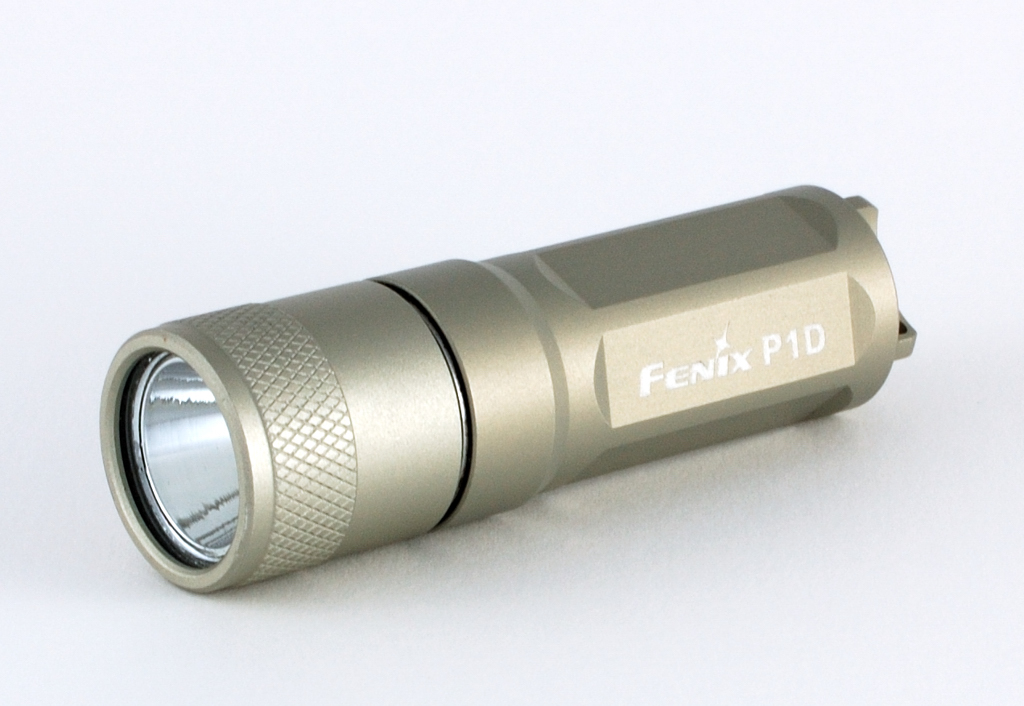
Metal flashlight Fenix P1D model (Source: Wikimedia Commons)
Magnifying Glass: Useful for examining small components or identifying hairline cracks.
Thermal Imaging Camera: Detects hotspots indicating loose connections or overloads without physical contact.
Proper recording of findings during visual inspection is essential for maintenance planning and regulatory compliance. Reports should detail any defects, their locations, and recommended corrective actions. For instance, a retail business may document damaged cable insulation found during inspection to prioritize replacement and prevent outages.
Create a free account to open more of this chapter.
Free: practical guides, quick cards, workplace scenarios and more.
Create a free accountThis chapter covers essential procedures for testing power supply systems, beginning with the critical step of visual inspection to identify obvious faults or safety hazards. It then explores various types of tests necessary for system integrity, including earth continuity tests to ensure proper grounding, insulation tests to verify electrical isolation, and short circuit tests to detect potential fault conditions. The chapter highlights important testing tools such as multimeters for measuring voltage and current, insulation testers for assessing resistance levels, and ohmmeters for checking continuity. Emphasis is placed on the importance of thorough testing to maintain system reliability, safety, and compliance. Finally, the chapter discusses the role of IEE regulations in guiding testing standards and practices to ensure installations meet legal and safety requirements. Together, these topics provide a comprehensive framework for effective power supply system testing.
Type: Individual
| Tools & Equipment | Materials |
|---|---|
| 220V 50Hz power source | A4 Plain paper |
| Fuse 0.5A with holder | |
| ON-OFF switch pushbutton | |
| Step-down transformer 220V/24V | |
| Multimeter | |
| Insulated screwdrivers | |
| Insulated gloves | |
| Torch/flashlight | |
| Pen and pencil |
| S/N | Item | Quantity |
|---|---|---|
| 1 | 220V 50Hz power source | 1 Pc per Candidate |
| 2 | Fuse 0.5A with holder | 1 Pc per Candidate |
| 3 | ON-OFF switch pushbutton | 1 Pc per Candidate |
| 4 | Step-down transformer 220V/24V | 1 Pc per Candidate |
| 5 | Multimeter | 1 Pc per Candidate |
| 6 | Insulated screwdrivers | 1 set per Candidate |
| 7 | Insulated gloves | 1 Pair per Candidate |
| 8 | Torch/flashlight | 1 Pc per Candidate |
| 9 | A4 Plain paper | 2 Sheets per Candidate |
| 10 | Pen and pencil | 1 Set per Candidate |
| Items to be Evaluated | Marks Available | Marks Obtained | Comments |
|---|---|---|---|
| TASK 1: Visual Inspection | |||
| Wore appropriate PPE including insulated gloves and safety boots (Award 0 or 2) | 2 | ||
| Checked for visible damages on power source, transformer, fuse holder and wiring (Award 1 mark for each correct observation up to 5) | 5 | ||
| Verified that all connections are tight, secure and free from corrosion (Award 0 or 3) | 3 | ||
| Inspected fuse rating and holder condition for compliance (Award 0 or 2) | 2 | ||
| Checked for proper labeling and signage on the power supply system (Award 0 or 2) | 2 | ||
| Ensured wiring insulation is intact and no exposed live parts (Award 0 or 3) | 3 | ||
| Used multimeter to confirm absence of voltage on circuits before inspection (Award 0 or 3) | 3 | ||
| Recorded all observations clearly and accurately on inspection report (Award 1 mark for each correctly recorded point up to 5) | 5 | ||
| Sub-Total | 25 | ||
| PRODUCT CHECKLIST | |||
| Inspection report completeness, clarity and accuracy (Award 0 or 10) | 10 | ||
| Identified at least five visible faults or compliance issues correctly (Award 2 marks for each up to 5) | 10 | ||
| Recommendations for corrective actions are appropriate and feasible (Award 0 or 5) | 5 | ||
| Sub-Total | 25 | ||
| GRAND TOTAL | 50 | ||
Type: Individual
| Tools & Equipment | Materials |
|---|---|
| Multimeter with continuity test function | Protective gloves |
| Insulated test leads for multimeter | Protective boots |
| Screwdriver set | Electrical tape |
| Torchlight | Earthing conductor cable 2.5 mm² |
| S/N | Item | Quantity |
|---|---|---|
| 1 | Multimeter with continuity test function | 1 Pc per Candidate |
| 2 | Insulated test leads for multimeter | 1 set per Candidate |
| 3 | Earth continuity test report form | 1 Pc per Candidate |
| 4 | Protective gloves | 1 pair per Candidate |
| 5 | Protective boots | 1 pair per Candidate |
| 6 | Torchlight | 1 Pc per Candidate |
| 7 | Screwdriver set | 1 set per Candidate |
| 8 | Electrical tape | 1 roll per 3 Candidates |
| 9 | Earthing conductor cable 2.5 mm² | 2 m per Candidate |
| Items to be Evaluated | Marks Available | Marks Obtained | Comments |
|---|---|---|---|
| TASK 1: Safety and Preparation | |||
| Wore protective gloves and boots before starting work (Award 2 marks for wearing both, 0 if not) | 2 | ||
| Used torchlight to inspect earth connection points (Award 1 mark if inspection done properly) | 1 | ||
| Identified and isolated the power supply before testing (Award 2 marks for correct isolation procedure) | 2 | ||
| Connected multimeter properly for continuity test (Award 2 marks for correct connection of test leads) | 2 | ||
| Checked earth continuity at main earth terminal and appliance earth points (Award 3 marks for testing at all required points) | 3 | ||
| Recorded resistance readings accurately (Award 2 marks for correct recording of values) | 2 | ||
| Reconnected power supply safely after test (Award 1 mark for safe reconnection) | 1 | ||
| Cleaned and stored tools and equipment properly (Award 1 mark for good housekeeping) | 1 | ||
| Completed earth continuity test report form correctly (Award 2 marks for complete and accurate report) | 2 | ||
| Sub-Total | 16 | ||
| PRODUCT CHECKLIST | |||
| Earth resistance reading is less than 1 ohm indicating good continuity (Award 8 marks if reading < 1Ω, 0 if not) | 8 | ||
| Test points are correctly identified and tested as per safety standards (Award 6 marks for testing all required points) | 6 | ||
| Test report is clear, accurate and well presented (Award 5 marks for complete, legible report) | 5 | ||
| Sub-Total | 19 | ||
| GRAND TOTAL | 35 | ||
At the start of this chapter we promised you would be able to:
Tick each one you can genuinely do.
So, are you there yet?
You're competent when you can confidently do 50% or more of what this chapter promised.
Sign in to record how you're doing.