Electronics Engineering  ·  Level 5
Electrical Principles I
Chapter 2: Using cells and batteries
📚 8 Topics
⚑ What you will be able to do

By the end of this chapter, you will be able to:

  • Identify electrical symbols and abbreviations in drawings and understand what they mean according to standard drawing rules.
  • Interpret isometric drawings correctly by following standard drawing conventions.
  • Create and understand pictorial sketches and drawings of electrical components using technical drawing standards.
  • Read and interpret assembly drawings accurately, following operating standards.
  • Produce clear and correct pictorial drawings using AutoCAD software by following the software manual.

Mastering these skills will help you confidently read and create technical drawings, a vital part of working safely and effectively in the electrical trade.

Electrical energy sources form the foundation of electronics engineering, powering devices from simple circuits to complex systems. Understanding the origins and characteristics of these sources is essential for designing, troubleshooting, and maintaining electronic equipment. In Kenya, where power reliability can vary, knowledge of alternative and primary electricity sources ensures engineers can implement suitable solutions for continuous operation. This chapter explores fundamental electricity sources and the electrochemical process of electrolysis, which has practical applications in electronics and industrial processes.

2.1 Sources of Electricity

Electricity generation and supply are critical to electronics engineering, providing the energy needed for circuit operation and device functionality. In Kenya, electronics engineers often work in environments where power stability and source selection impact system performance and safety. Different sources of electricity exhibit unique properties such as voltage levels, current type, and availability, influencing their suitability for various applications.

2.1.1 Primary and Secondary Cells: Characteristics and Uses

Primary and secondary cells are fundamental electricity sources for portable electronics and backup systems. Primary cells are single-use batteries that convert chemical energy into electrical energy irreversibly, while secondary cells are rechargeable, allowing multiple charge-discharge cycles.

Primary Cells

  • Irreversible chemical reactions prevent reuse, making primary cells disposable after depletion.
  • Common types include alkaline cells and zinc-carbon cells, widely used in remote controls, flashlights, and small electronic devices.
  • Voltage stability tends to decline steadily during discharge, requiring replacement once exhausted.
  • Cost-effectiveness for low-drain devices makes them popular in rural or off-grid areas.
  • Environmental impact is a concern as improper disposal can lead to soil and water contamination.

Secondary Cells

  • Rechargeable nature allows repeated use, lowering long-term costs and waste.
  • Types such as lead-acid, nickel-cadmium (NiCd), and lithium-ion cells are prevalent in mobile phones, laptops, and UPS systems.
  • Higher initial cost is offset by longevity and performance in high-drain electronics.
  • Voltage output remains relatively stable during discharge, improving device reliability.
  • Maintenance requirements include proper charging cycles to prevent capacity loss, especially relevant in Kenyan telecom infrastructure.

2.1.2 Batteries: Types and Configurations in Electronics

Batteries consist of one or more cells connected in series or parallel to achieve desired voltage and capacity. Electronics engineers must select appropriate battery types and configurations based on device requirements and operating conditions.
  • Lead-Acid Batteries: Common in uninterruptible power supplies (UPS) and backup systems for hospitals and data centers due to high surge current capability.
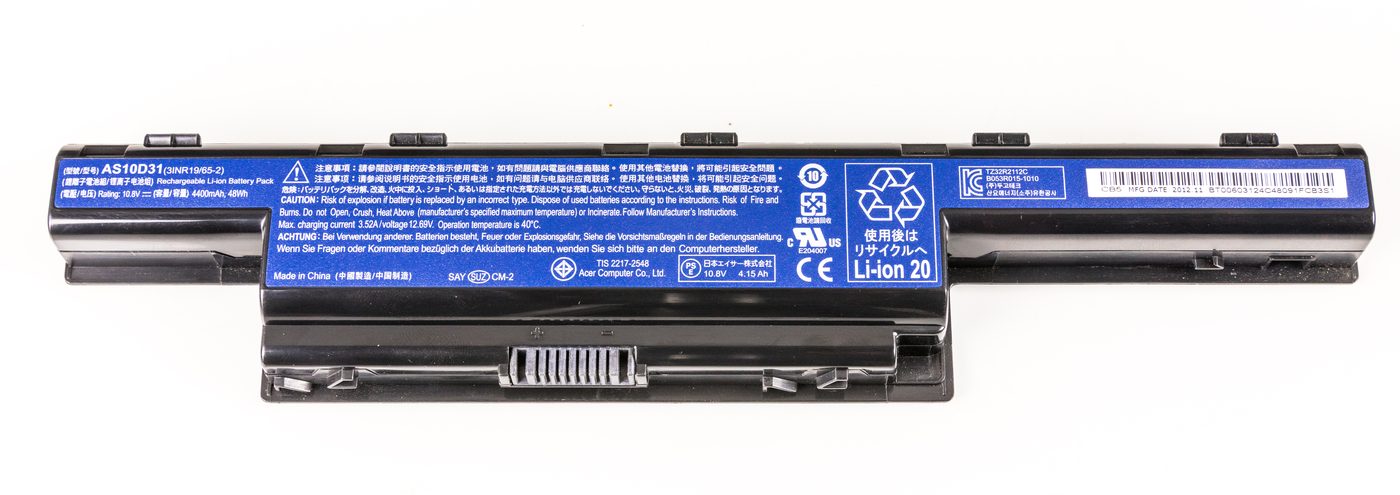
  • Lithium-Ion Batteries: Preferred in mobile communication devices and portable medical equipment for their high energy density and lightweight properties.

Lithium-ion battery pack for electronic device
Lithium-ion battery pack for electronic device (Source: Wikimedia Commons)
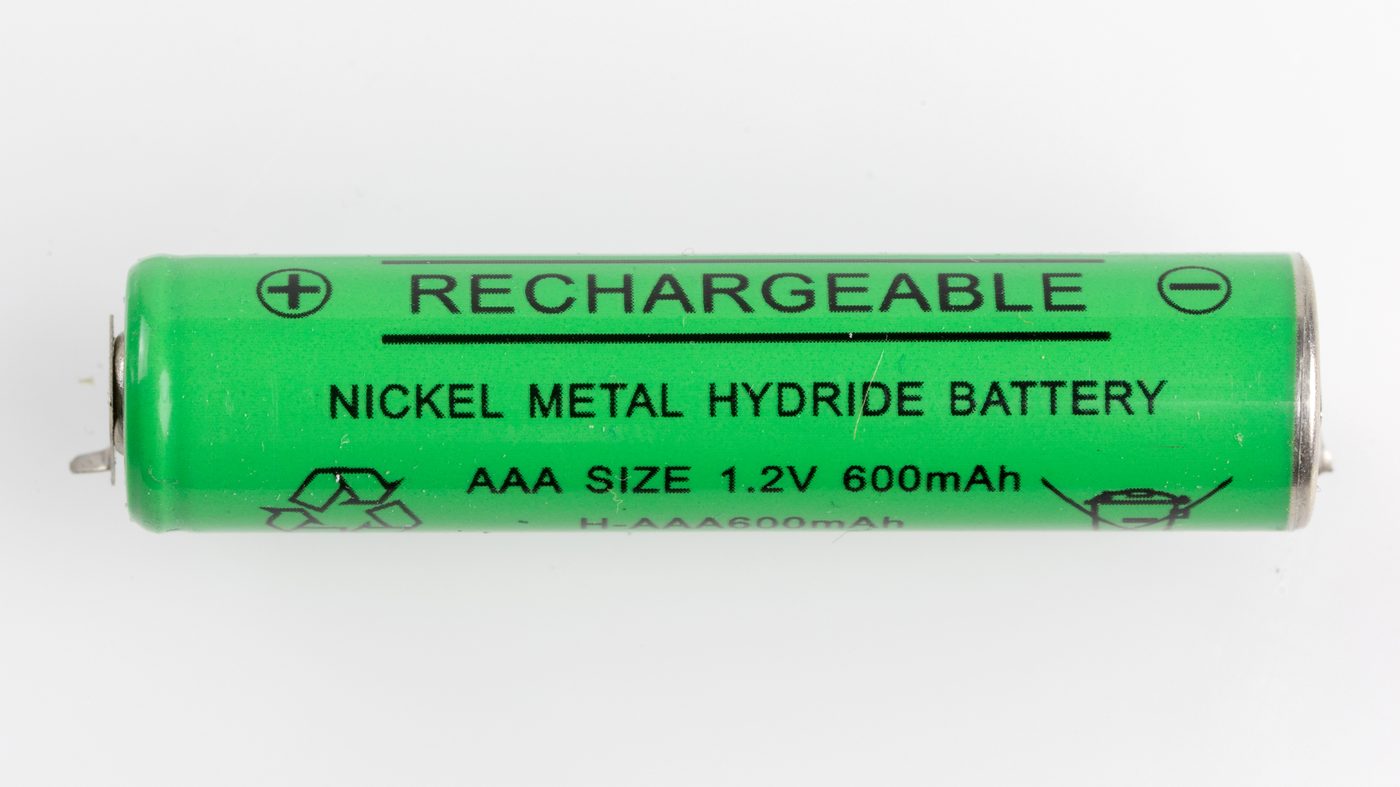
  • Nickel-Metal Hydride (NiMH) Batteries: Used in cordless phones and rechargeable flashlights, offering a balance between capacity and environmental friendliness.

AAA size nickel-metal hydride rechargeable battery
AAA size nickel-metal hydride rechargeable battery (Source: Wikimedia Commons)

  • Series Connection: Increases voltage by adding individual cell voltages, essential in devices requiring higher operating voltages.
  • Parallel Connection: Increases capacity and current supply capability without changing voltage, suitable for extended operation times.

2.1.3 Renewable and Alternative Sources of Electricity

Kenya's push for sustainable energy has led to increased use of renewable sources to power electronics, especially in remote or underserved regions. Electronics engineers must integrate these sources effectively to maintain system reliability.

  • Solar Cells: Photovoltaic panels convert sunlight directly into electrical energy, powering sensors, rural communication stations, and off-grid lighting.
  • Fuel Cells: Generate electricity through chemical reactions, useful in backup power for critical installations like banks and hospitals.
  • Thermoelectric Generators: Utilize temperature differences to produce electricity, applied in remote monitoring devices in agricultural settings.

  • Wind Energy: Though less common in electronics, small-scale turbines can supply power for isolated telecommunication equipment.

  • Hybrid Systems: Combine multiple sources, such as solar and battery storage, to ensure continuous power supply in variable conditions.

2.1.4 Electrical Characteristics of Sources and Their Impact on Circuit Design

Different electricity sources exhibit unique electrical characteristics that influence circuit performance and design considerations.

  • Voltage Regulation: Stable voltage sources simplify design, while unstable sources require voltage regulation circuits, common in portable medical devices.
  • Current Capacity: Determines the maximum load the source can handle without voltage drop, critical in designing power supplies for industrial electronics.
  • Internal Resistance: High internal resistance leads to voltage drop under load, affecting battery life estimation in wireless sensor networks.
  • Ripple and Noise: Particularly relevant in AC sources and some renewable systems, requiring filtering to protect sensitive electronics.
  • Temperature Sensitivity: Source performance can degrade with temperature changes, necessitating thermal management in outdoor installations like weather stations.

Practice Questions

  1. Explain five differences between primary and secondary cells, illustrating their implications in electronics device applications. (10 marks)
  2. Describe the advantages of lithium-ion batteries over lead-acid batteries in portable electronics. (8 marks)
  3. Discuss how renewable energy sources can be integrated into electronics systems in rural Kenyan settings. (12 marks)
  4. Identify and explain four electrical characteristics of battery sources that affect circuit design. (10 marks)
The rest of this chapter
🔒

Create a free account to open more of this chapter.

Free: practical guides, quick cards, workplace scenarios and more.

Create a free account
🔒2.2 Electrolysis and Its Applications

Electrolysis is a chemical process that uses electrical energy to drive non-spontaneous reactions, with significant applications in electronics manufacturing and maintenance. In Kenya’s electronics industry, electrolysis plays roles in metal refining, componen…

🔒2.3 Simple cells

Simple cells are the fundamental building blocks of electrical power sources. In electronics engineering, understanding the construction and operation of simple cells is crucial since they are the foundation for more complex battery systems used in devices ran…

🔒2.4 Primary and secondary cells

Understanding the distinction between primary and secondary cells is vital for electronics engineers working with power sources in Kenya. Primary cells are designed for single-use applications and are commonly found in low-drain devices, while secondary cells…

🔒2.5 Types of cells and batteries

In electronics engineering practice across Kenya, understanding the types of cells and batteries is crucial for designing, maintaining, and troubleshooting electronic devices. Different applications demand specific battery types based on voltage, capacity, siz…

🔒2.6 E.m.f and Internal Resistance of Cells

In electronics engineering practice across Kenya, understanding the electromotive force (e.m.f.) and the internal resistance of cells is fundamental for designing efficient power supplies and portable electronic devices. Engineers working in sectors such as te…

🔒2.7 Maintenance of Batteries

Battery maintenance is essential in electronics engineering to ensure reliable power supply and prolong battery life, especially in critical sectors like healthcare, telecommunications, and emergency power backup systems in Kenya. Proper maintenance reduces do…

🔒2.8 Applications of Batteries

Batteries are fundamental components in electronics engineering, serving as portable and reliable sources of electrical energy. In Kenya, with the increasing demand for off-grid power solutions and electronic devices, understanding battery applications is esse…

Chapter Summary

This chapter examined the various sources of electricity, highlighting how electrical energy can be generated and stored. It explored the process of electrolysis and its practical applications in industries and everyday technology. The construction and operation of simple cells were discussed as fundamental units for electrical energy conversion. Differences between primary and secondary cells were explained, emphasizing their rechargeability and usage scenarios. Various types of cells and batteries were described in detail, including dry cells, Leclanché, mercury, lead-acid, alkaline, and lithium batteries, each with unique characteristics and uses. The concepts of electromotive force and internal resistance were introduced to understand the performance limitations of cells. Proper maintenance techniques for batteries were outlined to ensure longevity and efficiency. Finally, the chapter covered the diverse applications of batteries in sectors such as healthcare, education, and public service.

Self-Assessment

🔒 PDFDownload this self-assessment, with answers

A. Written Assessment

  1. Define electromotive force (e.m.f) and explain its significance in a cell. (4 marks)
  2. Differentiate between primary and secondary cells with examples relevant to electronics engineering. (5 marks)
🔒20 more in this section.

Chapter Examination Questions

🔒 PDFDownload these examination questions, with worked answers

SECTION A (40 Marks) - Answer ALL Questions

  1. Explain the difference between a primary cell and a secondary cell, giving an example of each commonly used in Kenyan electronic devices. (4 marks)
  2. Describe the process of electrolysis and identify one practical application relevant to electronics engineering. (4 marks)
🔒18 more in this section.

Chapter Practical Activities

Practical 1: Identify and test various sources of electricity using a digital multimeter

Electronics Engineering · Level 5
Electrical Principles I
PRACTICAL ASSESSMENT
TIME: 4 HOURS
⬇ PDFCandidate Instructions (Candidate Tool)

Type: Individual

INSTRUCTIONS TO CANDIDATE:
1.  You are required to perform the following task:
i.  Identify and test voltage and polarity of cells and batteries including 1.5V AA cells (3 in series), a 9V battery, and a 12V lead-acid battery using a digital multimeter as per the provided circuit setup.
2.  You have been provided with the following resources for the practical task:
Tools & EquipmentMaterials
Digital Multimeter1.5V AA Cell
Screwdriver Set9V Battery
Connecting Wires with Alligator Clips12V Lead-Acid Battery
Battery Holder for AA Cells
Personal Protective Equipment
⬇ PDFResources Required (Cutting List)
S/NItemQuantity
1Digital Multimeter1 Pc per Candidate
21.5V AA Cell3 Pcs per Candidate
39V Battery1 Pc per Candidate
412V Lead-Acid Battery1 Pc per 3 Candidates
5Battery Holder for AA Cells1 Pc per Candidate
6Connecting Wires with Alligator Clips2 Sets per Candidate
7Screwdriver Set1 Set per 5 Candidates
8Personal Protective Equipment (Safety Boots, Gloves)1 Set per Candidate
9Clean Working Table1 per Candidate
⬇ PDFAssessor Guide
Items to be EvaluatedMarks AvailableMarks ObtainedComments
TASK 1: Preparation and Safety
Wore Personal Protective Equipment including safety boots and gloves
(Award 1 mark or 0)
1
Ensured clean and organized working area before starting the task
(Award 1 mark or 0)
1
Identified and correctly selected the tools and materials required for the task
(Award 1 mark or 0)
1
Sub-Total3
TASK 2: Identification and Connection of Cells and Batteries
Correctly identified 1.5V AA cells and connected three in series using battery holder
(Award 1 mark for each correctly connected cell in series, total 3 marks)
3
Identified the 9V battery and 12V lead-acid battery correctly
(Award 2 marks or 0)
2
Used connecting wires with alligator clips safely and properly to connect batteries to the multimeter
(Award 2 marks or 0)
2
Sub-Total7
TASK 3: Testing with Digital Multimeter
Set the digital multimeter to the correct DC voltage range before testing
(Award 2 marks or 0)
2
Measured and recorded the voltage of the 1.5V AA cells connected in series correctly (expected approx. 4.5V)
(Award 3 marks or 0)
3
Measured and recorded the voltage of the 9V battery correctly
(Award 3 marks or 0)
3
Measured and recorded the voltage of the 12V lead-acid battery correctly
(Award 3 marks or 0)
3
Verified polarity of each battery using the multimeter and identified positive and negative terminals correctly
(Award 3 marks or 0)
3
Sub-Total14
TASK 4: Reporting and Cleanup
Compiled a clear and accurate test report with voltage readings and polarity for each source
(Award 3 marks or 0)
3
Disassembled connections carefully and returned tools and materials to their proper places
(Award 2 marks or 0)
2
Cleaned the working area and disposed of any waste properly
(Award 1 mark or 0)
1
Sub-Total6
PRODUCT CHECKLIST
Correctly identified sources of electricity with accurate voltage measurements within ±0.2V tolerance
(Award 5 marks or 0)
5
Correctly identified polarity of each battery without error
(Award 5 marks or 0)
5
Test report is complete, accurate, and legible
(Award 4 marks or 0)
4
Sub-Total14
GRAND TOTAL44
ASSESSMENT OUTCOME:   ☐ Competent    ☐ Not Yet Competent (competent if at least 50%)

Practical 2: Demonstrate a simple electrolysis experiment and explain its applications

Electronics Engineering · Level 5
Electrical Principles I
PRACTICAL ASSESSMENT
TIME: 4 HOURS
⬇ PDFCandidate Instructions (Candidate Tool)

Type: Individual

INSTRUCTIONS TO CANDIDATE:
1.  You are required to perform the following task:
i.  Set up a simple electrolysis cell using a 250mm beaker with copper electrodes spaced 50 mm apart, electrolysing 200 ml of sodium sulphate solution.
2.  You have been provided with the following resources for the practical task:
Tools & EquipmentMaterials
9V BatteryBeaker 250 ml
Connecting wires with crocodile clipsCopper Electrodes
Digital MultimeterDistilled Water
Glass Stirring RodSodium Sulphate (Na2SO4) powder
Protective Gloves
Safety Goggles
Lab Dust Coat/Overall
⬇ PDFResources Required (Cutting List)
S/NItemQuantity
19V Battery1 Pc per Candidate
2Beaker 250 ml1 Pc per Candidate
3Copper Electrodes2 Pcs per Candidate
4Distilled Water200 ml per Candidate
5Sodium Sulphate (Na2SO4) powder10 g per Candidate
6Connecting wires with crocodile clips2 Pcs per Candidate
7Digital Multimeter1 Pc per 5 Candidates
8Glass Stirring Rod1 Pc per Candidate
9Protective Gloves1 Pair per Candidate
10Safety Goggles1 Pair per Candidate
11Lab Dust Coat/Overall1 Pc per Candidate
⬇ PDFAssessor Guide
Items to be EvaluatedMarks AvailableMarks ObtainedComments
TASK 1: Preparation and Setup
Wore Personal Protective Equipment (gloves, goggles, dust coat)
(Award 2 marks or 0)
2
Ensured clean working area and good housekeeping before starting
(Award 1 mark or 0)
1
Prepared 200 ml sodium sulphate electrolyte solution correctly
(Award 2 marks or 0)
2
Placed copper electrodes vertically in beaker spaced approximately 50 mm apart
(Award 3 marks or 0)
3
Connected electrodes to 9V battery correctly using crocodile clips and wires
(Award 3 marks or 0)
3
Sub-Total11
TASK 2: Conducting Electrolysis and Testing
Monitored gas evolution at electrodes and noted observations
(Award 3 marks or 0)
3
Used digital multimeter to verify circuit voltage and connections
(Award 2 marks or 0)
2
Explained practical applications of electrolysis in industry
(Award 4 marks or 0)
4
Sub-Total9
PRODUCT CHECKLIST
Electrolysis cell set up correctly with electrodes spaced 50 mm apart in 250 ml beaker
(Award 3 marks or 0)
3
Electrolyte solution prepared to correct concentration with sodium sulphate
(Award 3 marks or 0)
3
Circuit connections firm and correct polarity observed at electrodes
(Award 3 marks or 0)
3
Clear evidence of electrolysis reaction (gas bubbles) visible at electrodes
(Award 4 marks or 0)
4
Sub-Total13
GRAND TOTAL33
ASSESSMENT OUTCOME:   ☐ Competent    ☐ Not Yet Competent (competent if at least 50%)
🔒

Free: practical guides, quick cards, workplace scenarios and more.

Create a free account
🔒Construct and test a simple electrochemical cellPractical 3
🔒Distinguish and Demonstrate Charging and Discharging of Primary and Secondary CellsPractical 4
🔒Identify and classify types of cells and batteriesPractical 5
🔒Disassemble and Analyze a Dry CellPractical 6
🔒Examine and demonstrate the construction of a Leclanché cellPractical 7
🔒Explain mercury cell features and hazardsPractical 8
🔒Assemble and Maintain a 12V 7Ah Lead-Acid BatteryPractical 9
🔒Identify and Test Alkaline BatteriesPractical 10
🔒Handle and test lithium batteries for voltage and capacityPractical 11
🔒Measurement of E.M.F and Internal Resistance of a CellPractical 12
🔒Perform Routine Maintenance on Lead-Acid and Nickel-Cadmium BatteriesPractical 13
🔒Demonstrate applications of batteries in circuitsPractical 14
Flashcards 20 cards Study deck ▾
Question
1

↻ Tap card to reveal answer
🔒

18 more in this section.

Create a free account
Test Yourself 18 questions Start quiz ▾
0%
0 / 2
🔒

16 more in this section.

Create a free account
Am I competent?

At the start of this chapter we promised you would be able to:

  • Identify electrical symbols and abbreviations in drawings and understand what they mean according to standard drawing rules.
  • Interpret isometric drawings correctly by following standard drawing conventions.
  • Create and understand pictorial sketches and drawings of electrical components using technical drawing standards.
  • Read and interpret assembly drawings accurately, following operating standards.
  • Produce clear and correct pictorial drawings using AutoCAD software by following the software manual.

Tick each one you can genuinely do.

So, are you there yet?

You're competent when you can confidently do 50% or more of what this chapter promised.

Sign in to record how you're doing.