
By the end of this chapter, you will be able to:
Mastering these skills will help you communicate your electrical installation ideas clearly and professionally, making your work easier and more reliable in the real trade.
Electrical installation in electronics engineering demands precise use of tools, equipment, and materials to ensure safety, efficiency, and quality in wiring and circuit assembly. In Kenya, where electronics technicians work in diverse environments such as hospitals, universities, and retail businesses, familiarity with the classification and proper handling of these tools is essential. This chapter examines the major categories of tools and equipment used in electrical installation, emphasizing their specific functions and relevance to electronics engineering professionals.
The classification of tools for electrical installation is fundamental for organizing work, enhancing productivity, and minimizing errors during installation and maintenance. Tools are grouped according to their primary function, such as cutting, measuring, fixing, crimping, and specialized equipment. Understanding these classifications helps technicians select the correct tool for each task, which is crucial for maintaining safety standards and ensuring the durability of electrical systems.
Cutting tools are essential for preparing cables, wires, and other materials by trimming, stripping, or cutting through insulation and metal conductors. Their selection depends on the type of material and precision required in electronics installation.
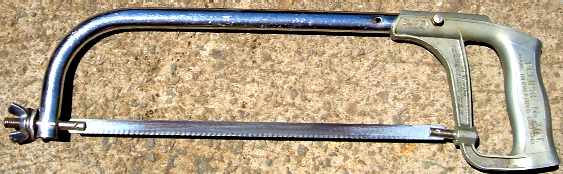
Metal hacksaw with blade and handle (Source: Wikipedia (Hacksaw))
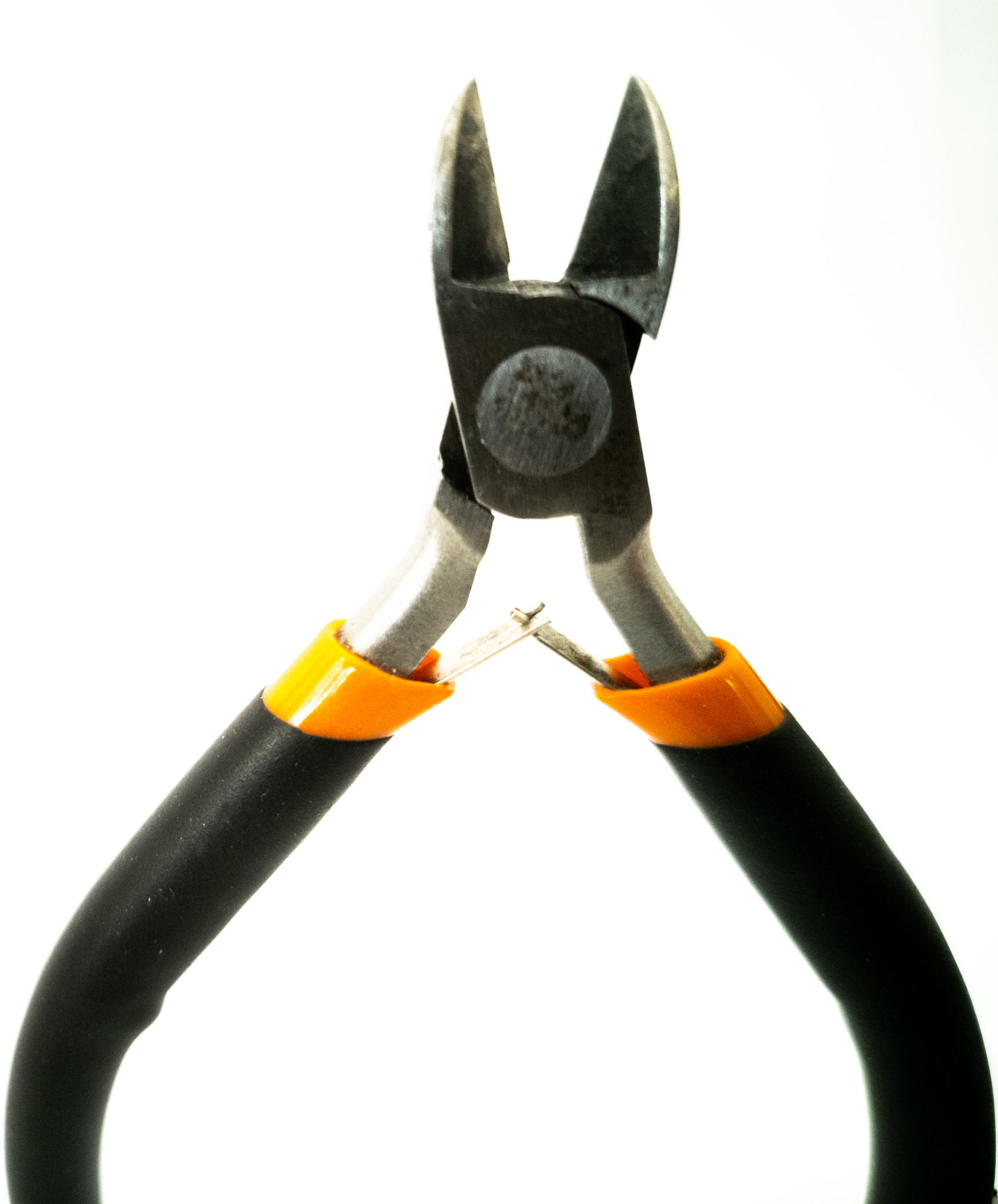
Side cutter pliers for electronics (Source: Wikimedia Commons)
Accurate measurement is vital for ensuring correct cable lengths, alignment of electrical components, and proper installation geometry. Measuring tools help maintain system integrity and compliance with Kenyan electrical standards.
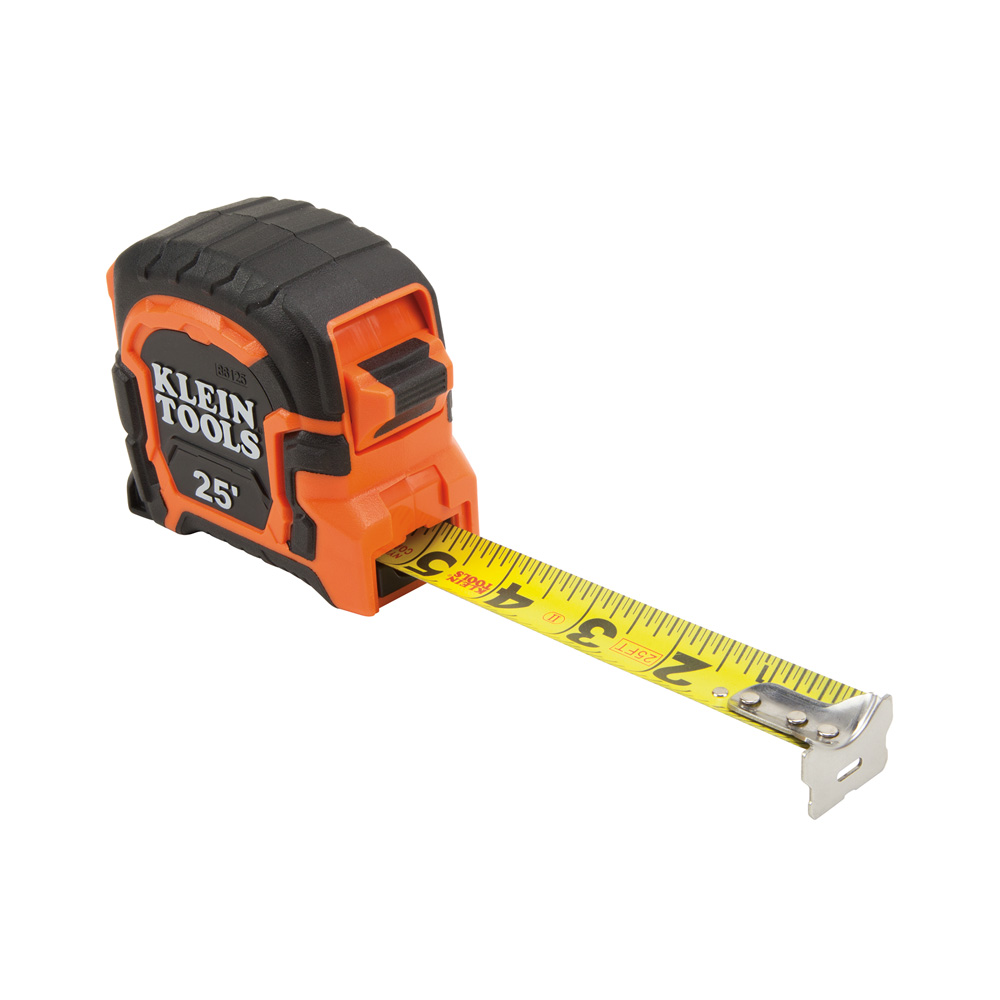
Retractable tape measure with yellow measuring tape (Source: Wikipedia (Tape measure))
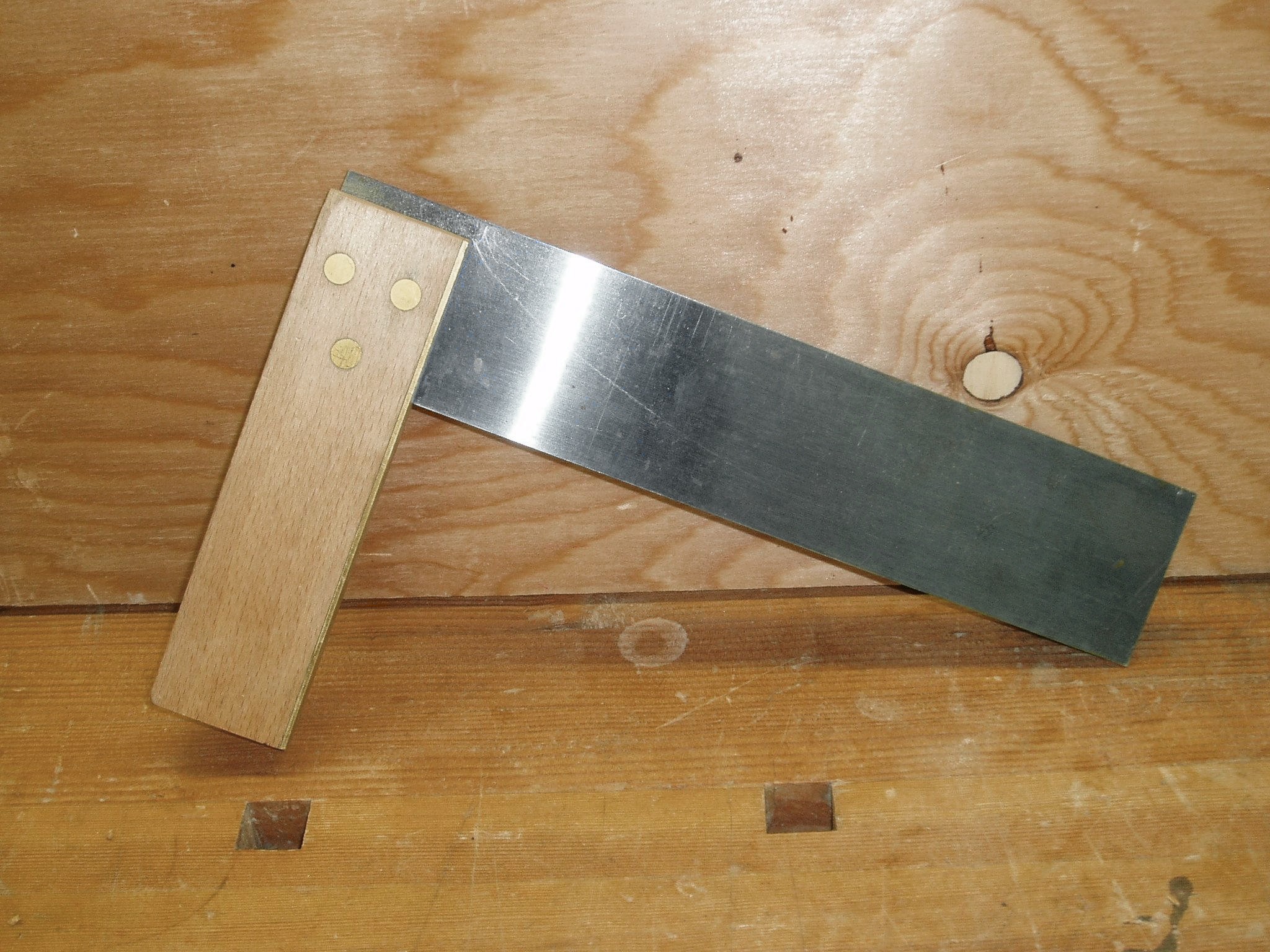
A try square on a wooden surface (Source: Wikipedia (Try square))
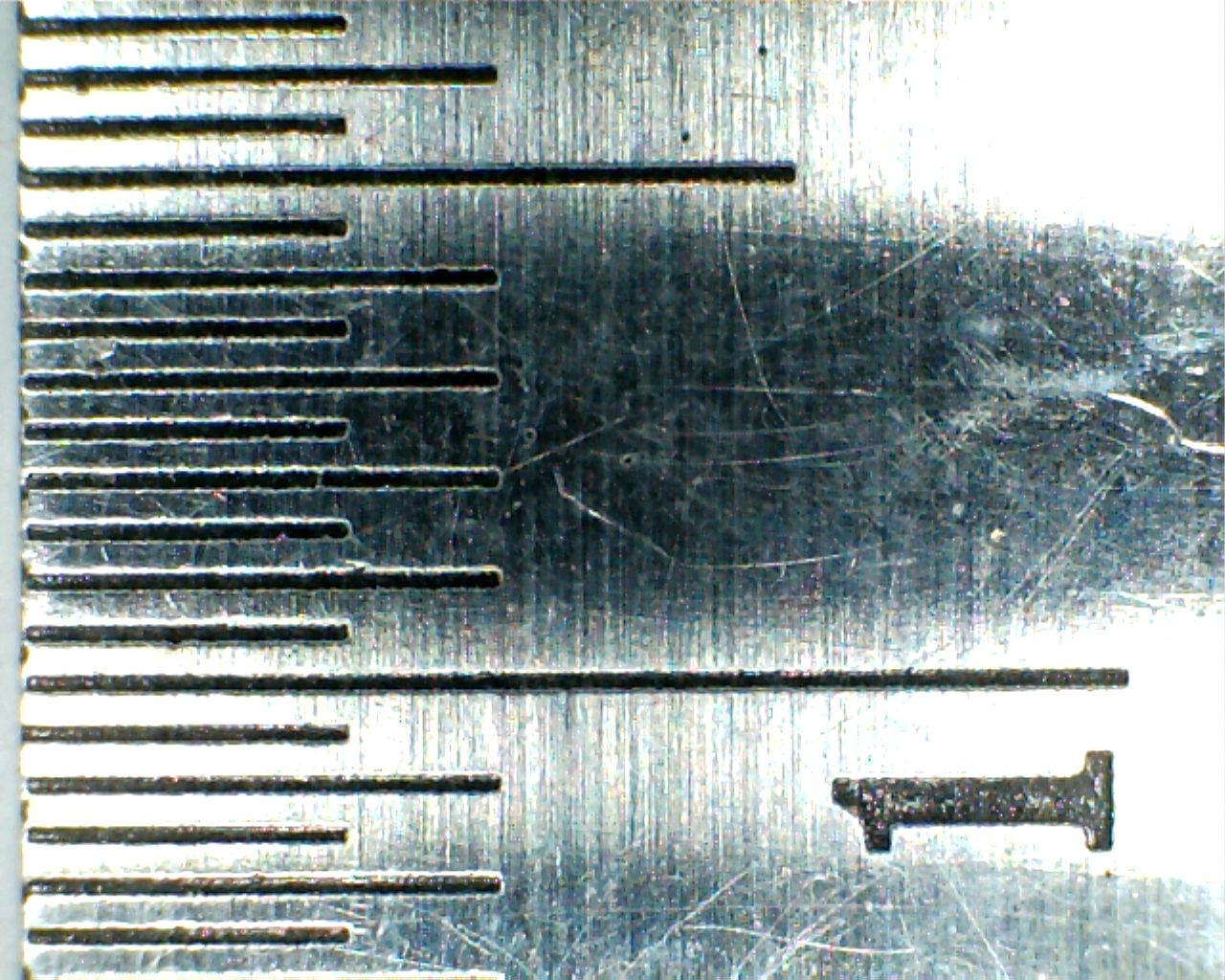
Close-up of a steel rule measuring scale (Source: Wikimedia Commons)
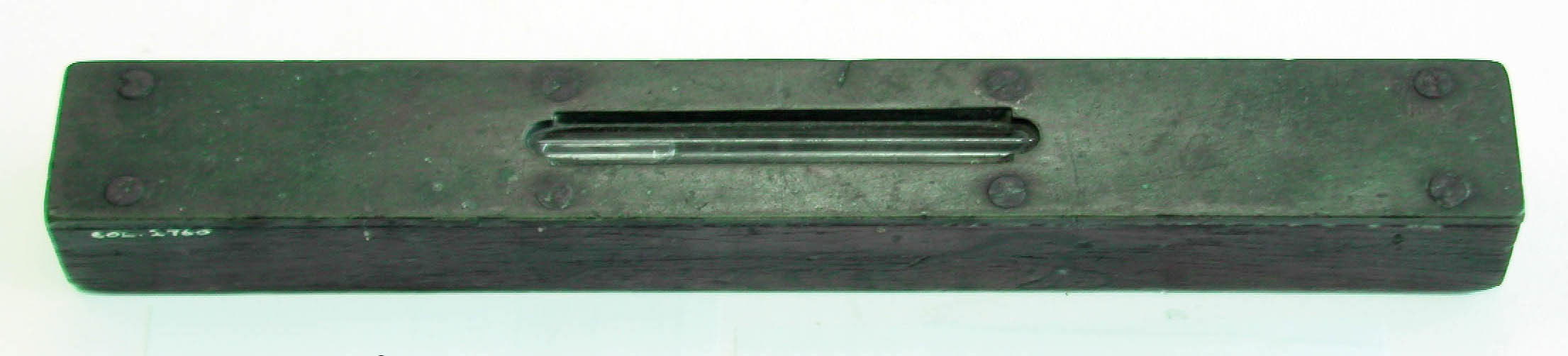
A traditional spirit level tool (Source: Wikimedia Commons)
Fixing tools are used to secure electrical components, cables, and conduits to their mounting surfaces, ensuring stability and safety in installations.
Hammers: Used for driving nails or fixing cable clips into walls or wooden surfaces. In school electrical maintenance, hammers assist in securing conduit clips along classroom walls.
Screwdrivers: Essential for tightening screws on terminal blocks, switch plates, and electrical enclosures. Precision screwdrivers are often required when working on sensitive electronic devices in hospitals.
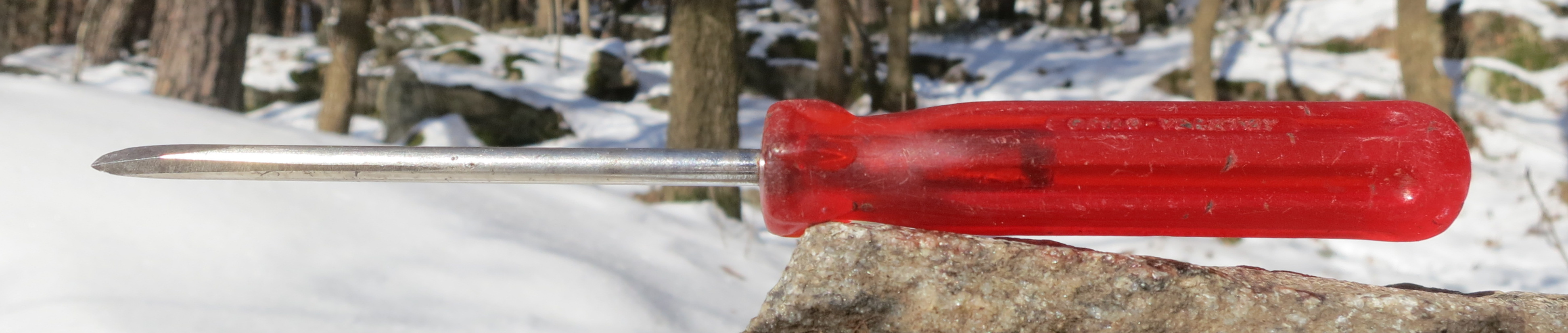
Red-handled screwdriver on rock outdoors (Source: Wikimedia Commons)
Crimping tools are specialized devices used to join connectors to cables by deforming the connector metal around the wire, creating a secure mechanical and electrical connection.
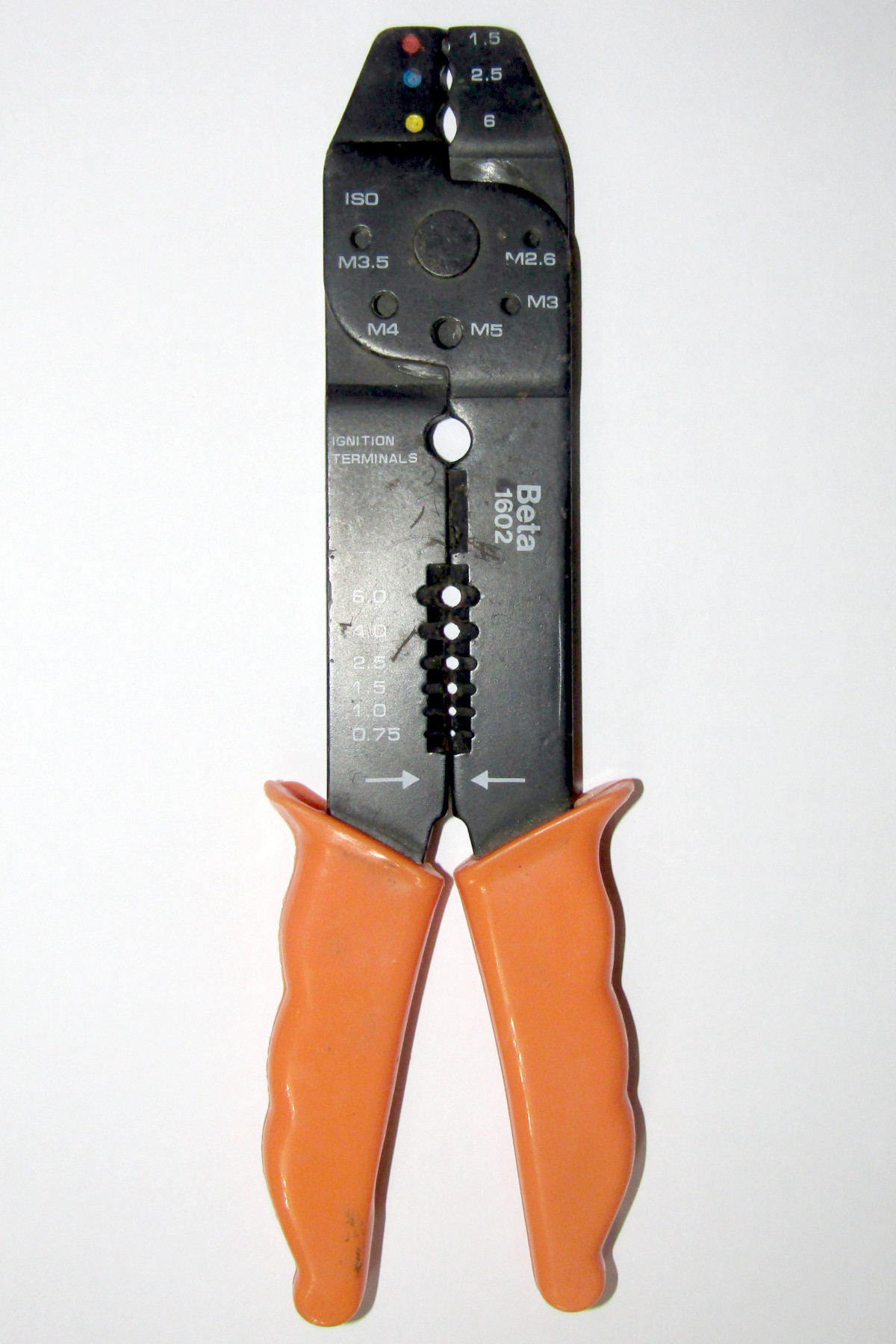
Insulated crimper with orange handles (Source: Wikimedia Commons)
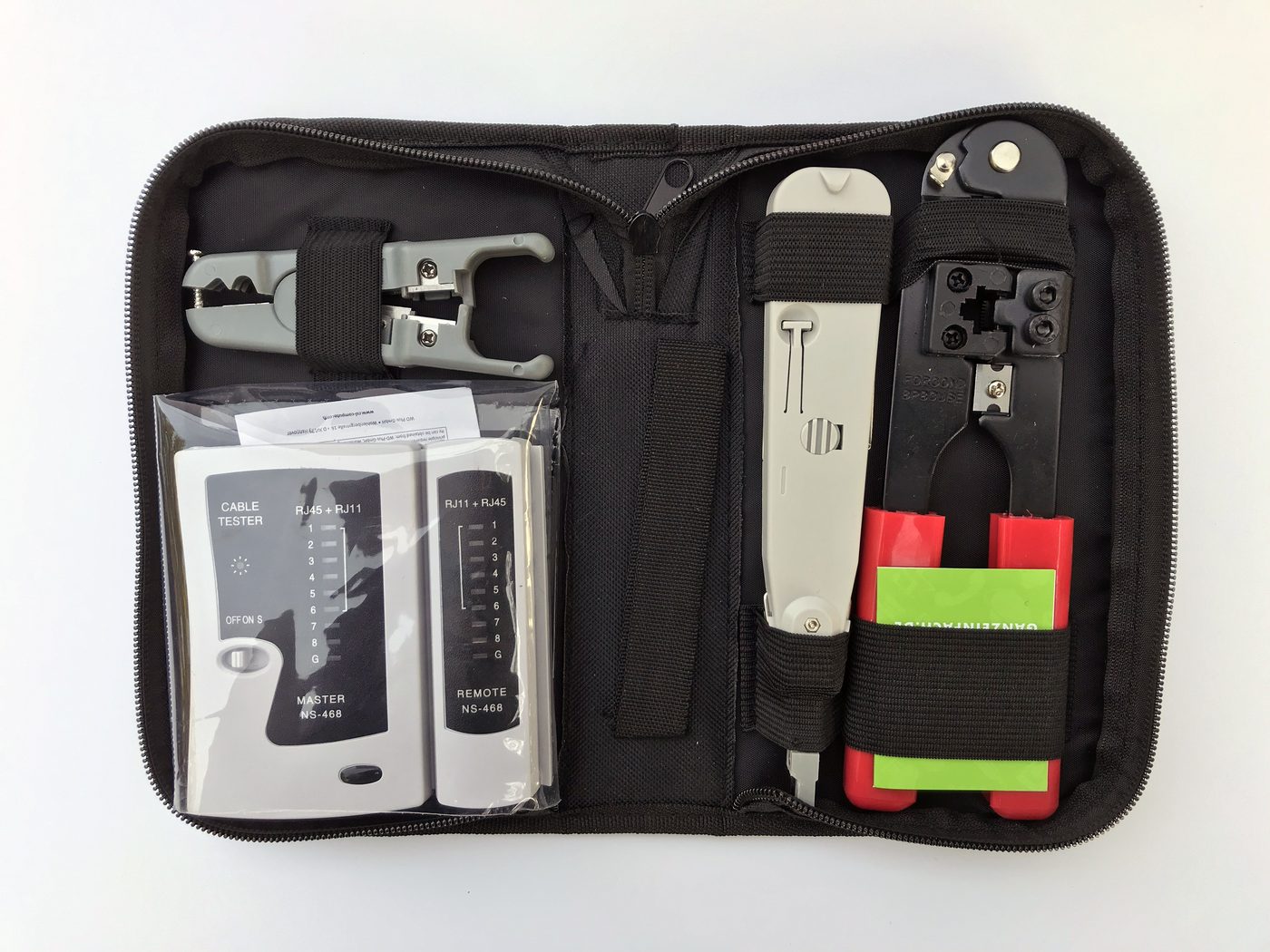
Kit with modular crimper and network tools (Source: Wikimedia Commons)
Electrical installation requires various equipment to test, hold, and shape components and materials. These devices enhance accuracy and safety in electronics engineering tasks.
| Name | Specification | Use |
|---|---|---|
| Multimeter | Digital/analog, measures voltage, current, resistance | Tests electrical parameters in circuits during installation and troubleshooting at clinics |
| Stock and Die | Hardened steel, various sizes | Used to cut external threads on rods or conduits in workshop settings |
| Vice | Bench-mounted, adjustable jaws | Holds components securely during soldering or assembly in university labs |
| Insulation Resistance Meter | Measures insulation resistance in megaohms | Checks integrity of cable insulation in hospital wiring systems |
| Earth Resistance Meter | Measures resistance to earth ground in ohms | Assesses grounding systems in county government offices |
| Clamp Meter | Measures current without disconnecting circuit | Used in live testing of current flow in retail electrical installations |
| Pipe Bending Machine | Manual or hydraulic, various pipe diameters | Bends conduit pipes for neat wiring routes in school electrical works |
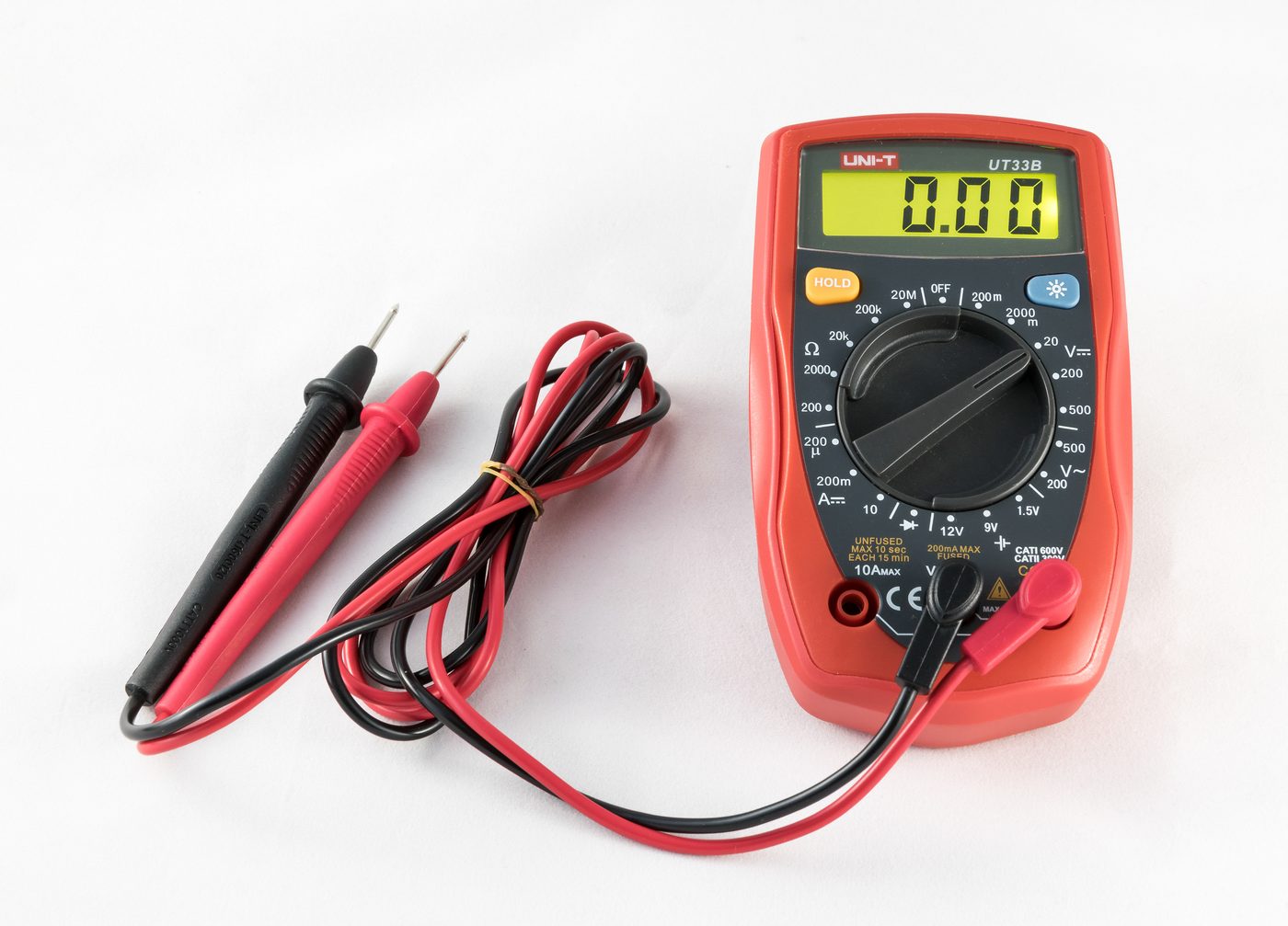
Digital multimeter with test probes (Source: Wikimedia Commons)
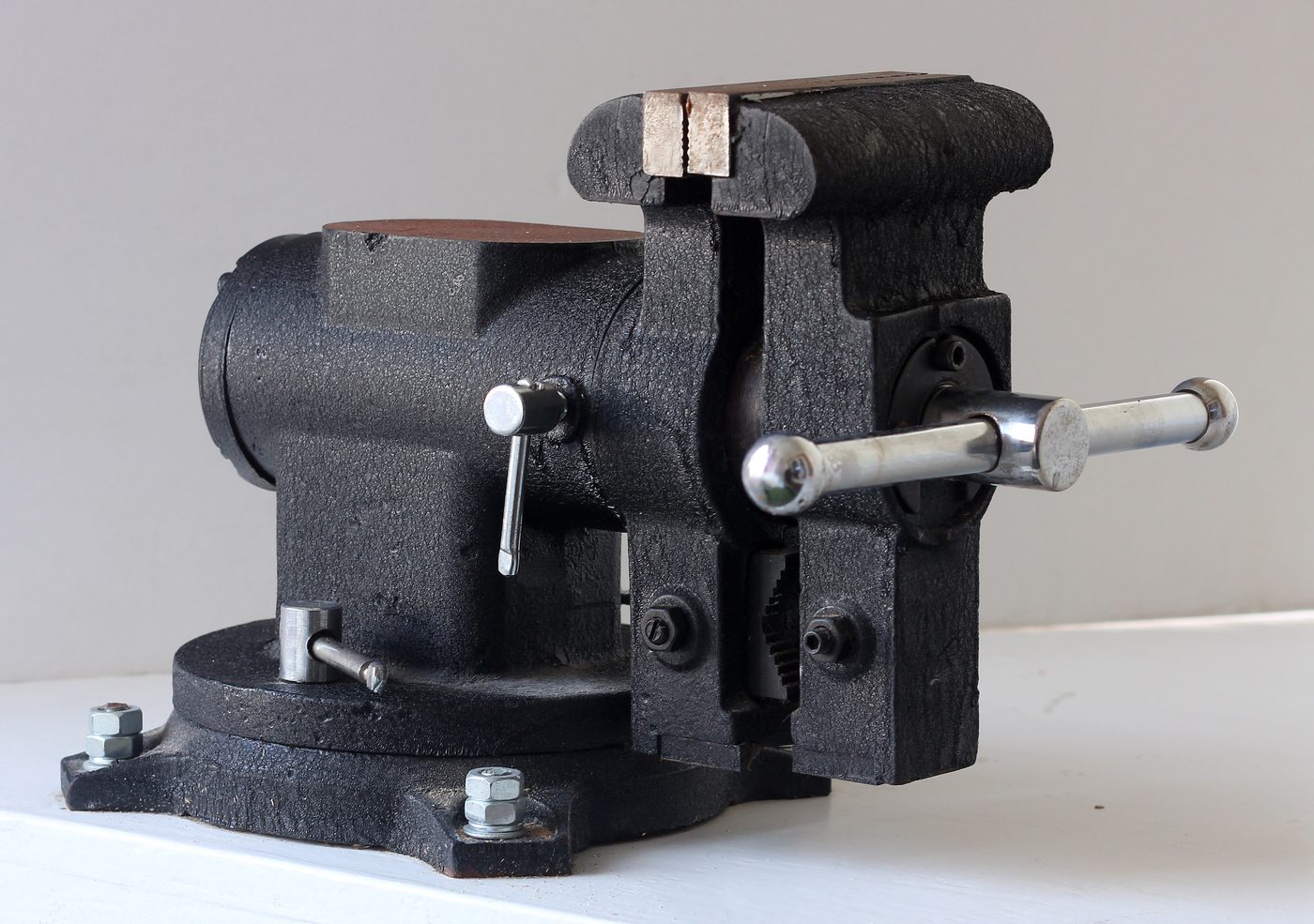
Black metal bench vice on white surface (Source: Wikimedia Commons)
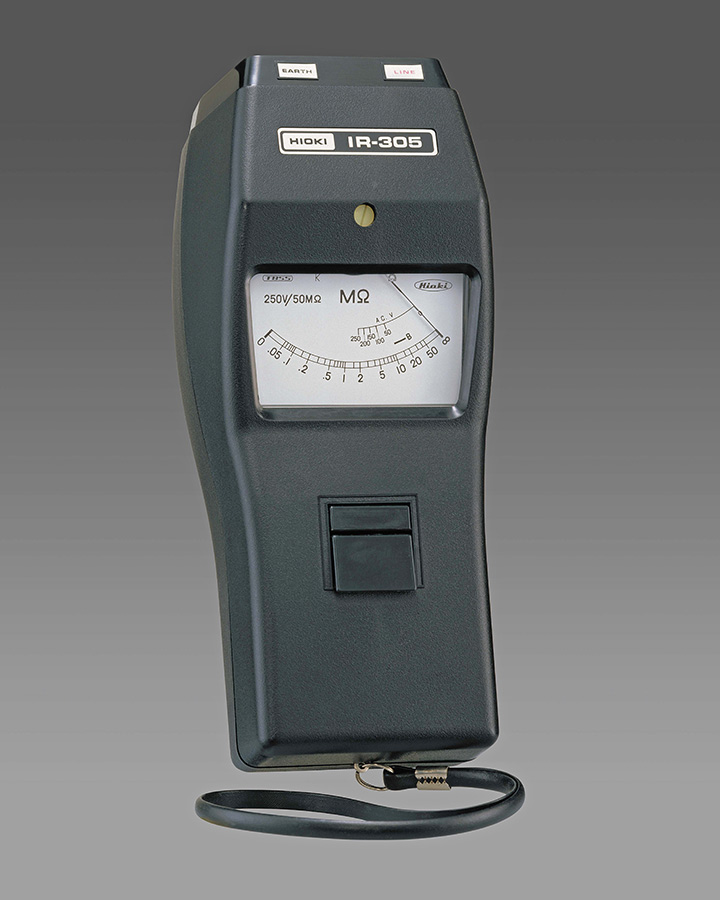
Hioki IR-305 insulation resistance meter (Source: Wikimedia Commons)
Earth Resistance Meter: Conduct tests during dry weather for accurate readings.
Clamp Meter: Avoid clamping on insulated cables with metal shielding to prevent inaccurate readings.
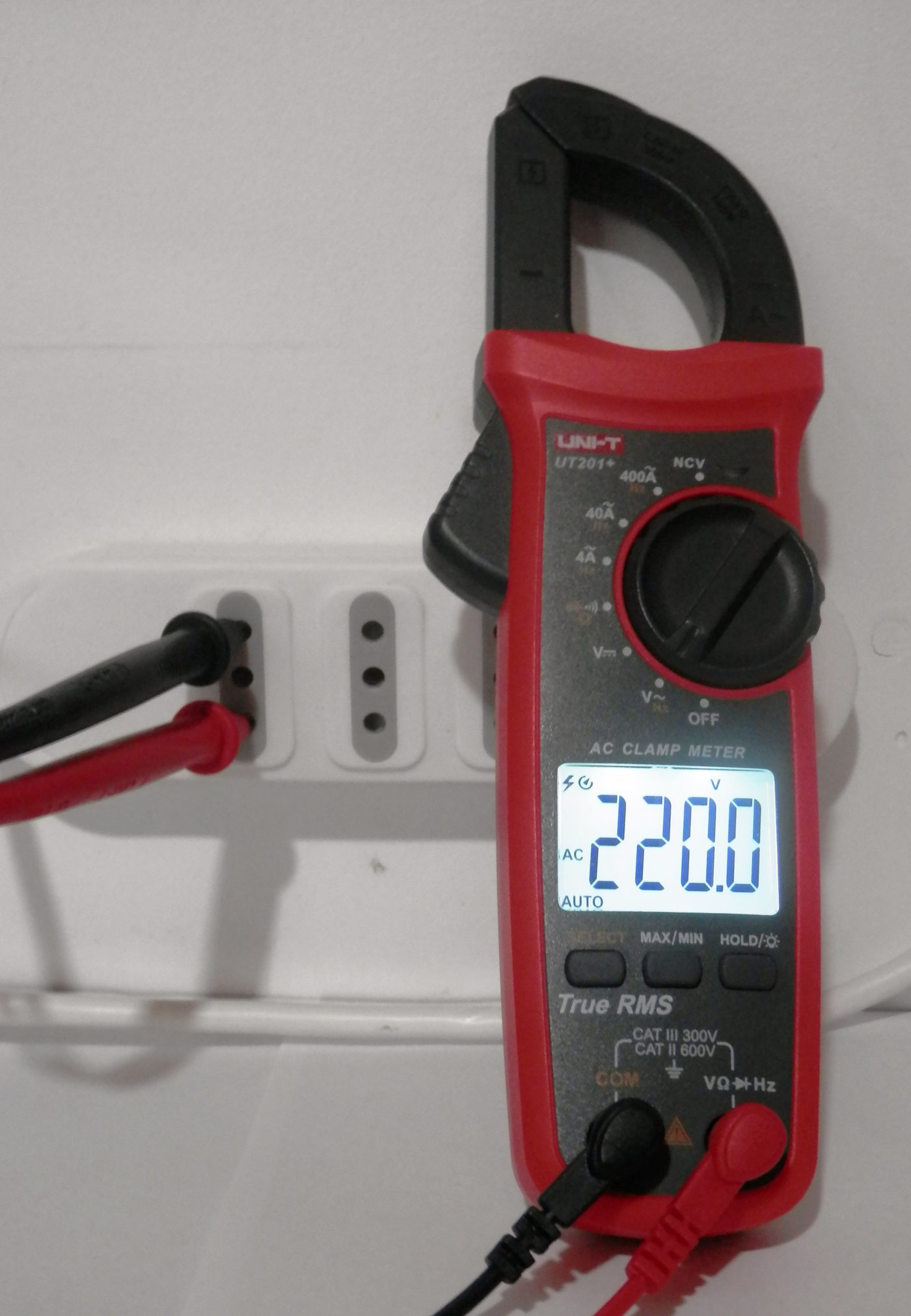
Digital clamp meter measuring voltage (Source: Wikimedia Commons)
Additional tools support specific tasks in electrical installation, such as pulling wires, shaping conduits, or drilling holes for mounting.
Bending Spring: Inserted inside conduit pipes to prevent kinks during manual bending, ensuring smooth cable paths in university electronics workshops.
Drill: Electric or battery-powered, used to make holes in walls or panels for fixing electrical boxes or running conduits. Precision drills are used in hospital maintenance for safe, accurate mounting.
Create a free account to open more of this chapter.
Free: practical guides, quick cards, workplace scenarios and more.
Create a free accountThis chapter explored the classification of tools used in electrical installation, covering cutting, measuring, fixing, crimping tools, and essential equipment such as multimeters and pipe bending machines. The proper use, care, and maintenance of these tools were emphasized to ensure safety and longevity. Identification of materials including cables, consumer control units, switches, and conduits was detailed to aid accurate selection for installation tasks. Specifications such as tolerance, make, size, and class were discussed to guide appropriate tool and material choice. The chapter also addressed the importance of reusing materials where possible and the correct disposal methods to minimize waste. Understanding the Bill of Quantities was introduced as a key aspect of project planning and cost estimation. Finally, the processes of listing, assembling, and managing inventory through stock taking and record keeping were highlighted as critical for efficient electrical installation operations.
Type: Individual
| Tools & Equipment | Materials |
|---|---|
| Screwdrivers (Flat head and Phillips) | Insulated Gloves |
| Pliers (Combination, Needle nose, Side cutter) | Safety Boots |
| Wire Strippers | Dust Coat/Overall |
| Voltage Tester | Identification Sheets with Tool Classification Categories |
| Tape Measure (5m) | |
| Hammer | |
| Electrician’s Knife | |
| Adjustable Spanner |
| S/N | Item | Quantity |
|---|---|---|
| 1 | Screwdrivers (Flat head and Phillips) | 1 set per Candidate |
| 2 | Pliers (Combination, Needle nose, Side cutter) | 1 set per Candidate |
| 3 | Wire Strippers | 1 per Candidate |
| 4 | Voltage Tester | 1 per Candidate |
| 5 | Tape Measure (5m) | 1 per Candidate |
| 6 | Hammer | 1 per Candidate |
| 7 | Electrician’s Knife | 1 per Candidate |
| 8 | Adjustable Spanner | 1 per Candidate |
| 9 | Insulated Gloves | 1 pair per Candidate |
| 10 | Safety Boots | 1 pair per Candidate |
| 11 | Dust Coat/Overall | 1 per Candidate |
| 12 | Identification Sheets with Tool Classification Categories | 1 per Candidate |
| 13 | Working Table | 1 per Candidate |
| Items to be Evaluated | Marks Available | Marks Obtained | Comments |
|---|---|---|---|
| TASK 1: Identification and Classification of Electrical Tools | |||
| Wore Personal Protective Equipment including safety boots, gloves, and dust coat (Award 2 marks or 0) | 2 | ||
| Ensured clean and organized working area before starting the task (Award 1 mark or 0) | 1 | ||
| Correctly identified each electrical tool presented (Award 1 mark for each correctly identified tool out of 5) | 5 | ||
| Accurately classified each tool into its correct category (e.g., cutting tools, measuring tools, fastening tools, testing tools) (Award 2 marks for each correctly classified group out of 3 groups) | 6 | ||
| Demonstrated safe handling and usage explanation for at least three tools (Award 1 mark for each tool with correct safe handling explanation) | 3 | ||
| Maintained good housekeeping practices by returning tools neatly after classification (Award 1 mark or 0) | 1 | ||
| Sub-Total | 18 | ||
| PRODUCT CHECKLIST | |||
| All tools correctly identified and placed in proper classification groups on the working table (Award 7 marks if all tools are correctly classified and arranged; 0 otherwise) | 7 | ||
| Tools are clean, free from damage, and arranged neatly according to classification (Award 5 marks for neatness and condition of tools) | 5 | ||
| Identification sheets accurately completed with tool names and classifications matching the physical arrangement (Award 5 marks for correctly filled identification sheets) | 5 | ||
| Sub-Total | 17 | ||
| GRAND TOTAL | 35 | ||
Type: Individual
| Tools & Equipment | Materials |
|---|---|
| Hacksaw | PVC insulated electrical cable 2.5 mm² (red, black, green) |
| Stripping knife | PVC insulated electrical cable 1.5 mm² (red, black, green) |
| Side cutter | |
| Combination pliers | |
| Measuring tape | |
| Marker pen |
| S/N | Item | Quantity |
|---|---|---|
| 1 | Hacksaw | 1 Pc per Candidate |
| 2 | Stripping knife | 1 Pc per Candidate |
| 3 | Side cutter | 1 Pc per Candidate |
| 4 | Combination pliers | 1 Pc per Candidate |
| 5 | PVC insulated electrical cable 2.5 mm² (red, black, green) | 5 meters per Candidate |
| 6 | PVC insulated electrical cable 1.5 mm² (red, black, green) | 5 meters per Candidate |
| 7 | Measuring tape | 1 Pc per Candidate |
| 8 | Marker pen | 1 Pc per Candidate |
| 9 | Personal Protective Equipment (PPE): safety boots, gloves | 1 set per Candidate |
| 10 | Work bench or table | 1 per Candidate |
| Items to be Evaluated | Marks Available | Marks Obtained | Comments |
|---|---|---|---|
| TASK 1: Preparation and Cutting of Electrical Cables | |||
| Wore Personal Protective Equipment (safety boots and gloves) (Award 2 marks or 0) | 2 | ||
| Ensured clean and safe working area before starting (Award 1 mark or 0) | 1 | ||
| Measured and marked cable lengths accurately (1.5m for 2.5 mm², 1m for 1.5 mm² cables) (Award 3 marks or 0) | 3 | ||
| Used hacksaw to cut cable conduits or armored cables cleanly where applicable (Award 2 marks or 0) | 2 | ||
| Used side cutter to cut cable to marked lengths without damaging insulation (Award 2 marks or 0) | 2 | ||
| Stripped insulation using stripping knife to expose conductor without damaging conductor strands (Award 4 marks or 0) | 4 | ||
| Used combination pliers to twist and shape stripped conductors as needed (Award 2 marks or 0) | 2 | ||
| Applied good housekeeping by cleaning workspace and disposing of cable scraps properly (Award 2 marks or 0) | 2 | ||
| Sub-Total | 18 | ||
| PRODUCT CHECKLIST | |||
| Cables cut to correct lengths (1.5m and 1m) as per specification (Award 3 marks or 0) | 3 | ||
| Stripped conductor length correct (approx. 15 mm) and conductor strands undamaged (Award 4 marks or 0) | 4 | ||
| Cut edges clean and free from frayed insulation or conductor damage (Award 3 marks or 0) | 3 | ||
| Conductors twisted properly and ready for termination (Award 2 marks or 0) | 2 | ||
| Sub-Total | 12 | ||
| GRAND TOTAL | 30 | ||
At the start of this chapter we promised you would be able to:
Tick each one you can genuinely do.
So, are you there yet?
You're competent when you can confidently do 50% or more of what this chapter promised.
Sign in to record how you're doing.