
By the end of this chapter, you will be able to: - follow health and safety procedures correctly to maintain a safe working environment when working with waveform analyzing instruments - accurately identify different electrical waveforms according to job specifications - select the right waveform analyzing instruments that meet the requirements of the task - operate waveform analyzing instruments correctly by following the manufacturer’s instructions - determine how well waveform analyzing instruments are performing based on their operation
Mastering these skills will help you diagnose electrical systems more effectively and safely in real-world trade situations.
Electrical engineers in Kenya rely heavily on waveform analysing instruments to diagnose faults and ensure the integrity of electrical systems. These instruments provide critical insight into signal characteristics, enabling precise troubleshooting and performance evaluation in power distribution, industrial automation, and maintenance of electrical equipment. Mastery of health and safety procedures, understanding waveform types, and proficient use of waveform analysers are essential skills for electrical engineering professionals working in environments such as county electrical departments, manufacturing plants, and utility companies.
Health and safety are paramount when working with waveform analysing instruments due to the inherent risks of electrical hazards. Electrical engineers in Kenya must adhere to strict safety protocols to protect themselves, their colleagues, and the equipment during measurement and diagnostic tasks. This ensures compliance with national safety regulations such as the Occupational Safety and Health Act (OSHA) and reduces the risk of accidents in workplaces like hospitals, universities, and manufacturing firms.
Risk assessment involves identifying potential hazards associated with the use of waveform analysers before commencing any measurement activity. This process helps electrical engineers anticipate dangers such as electric shocks, arc flashes, or equipment damage.
Proper use of PPE is critical for electrical engineers working with waveform analysers, especially in high-voltage or industrial settings.
Insulated gloves: Protect hands from electric shock during handling of live circuits.
Safety goggles: Shield eyes from sparks or debris during testing.
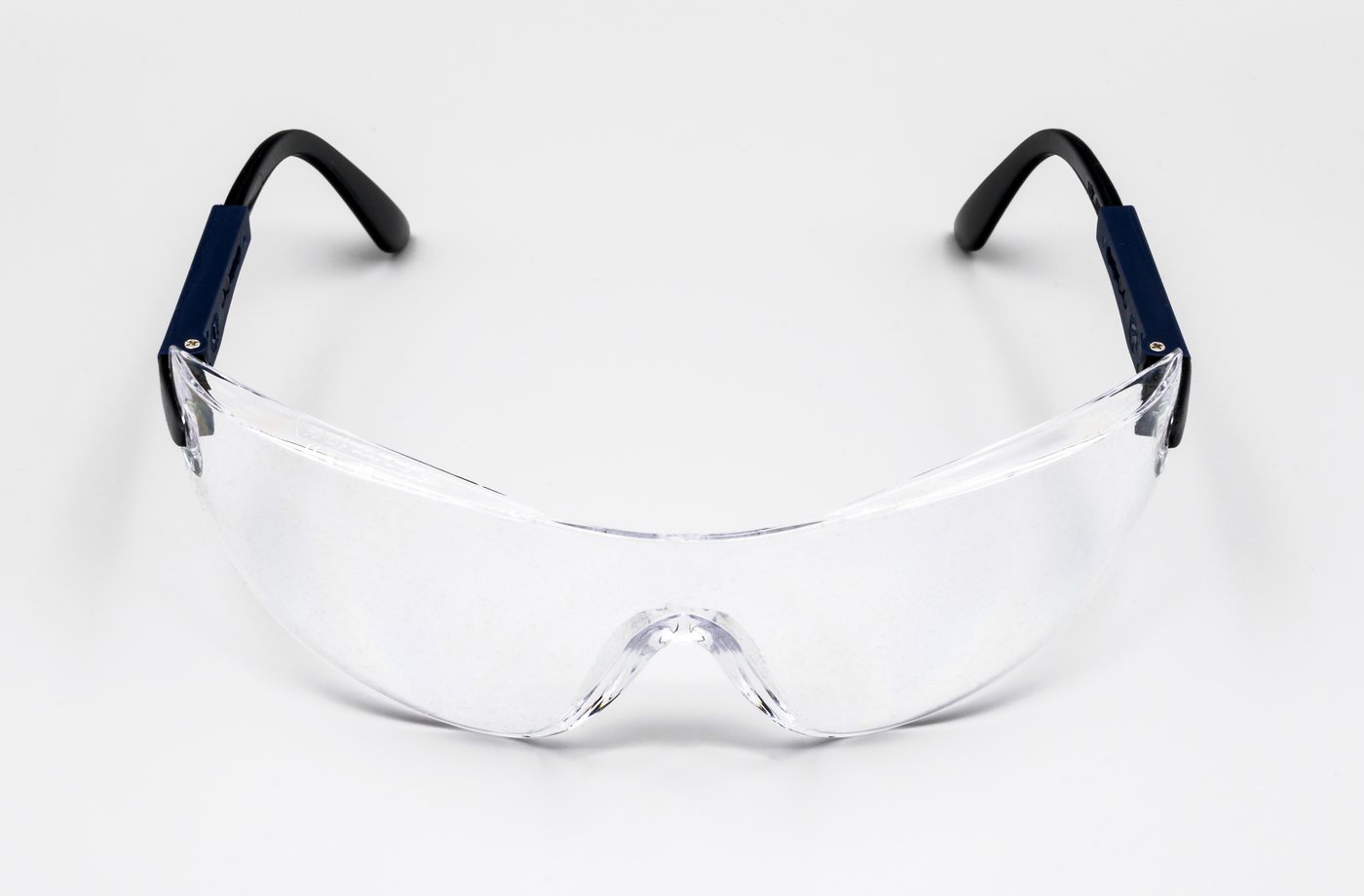
Clear safety goggles for eye protection (Source: Wikimedia Commons)
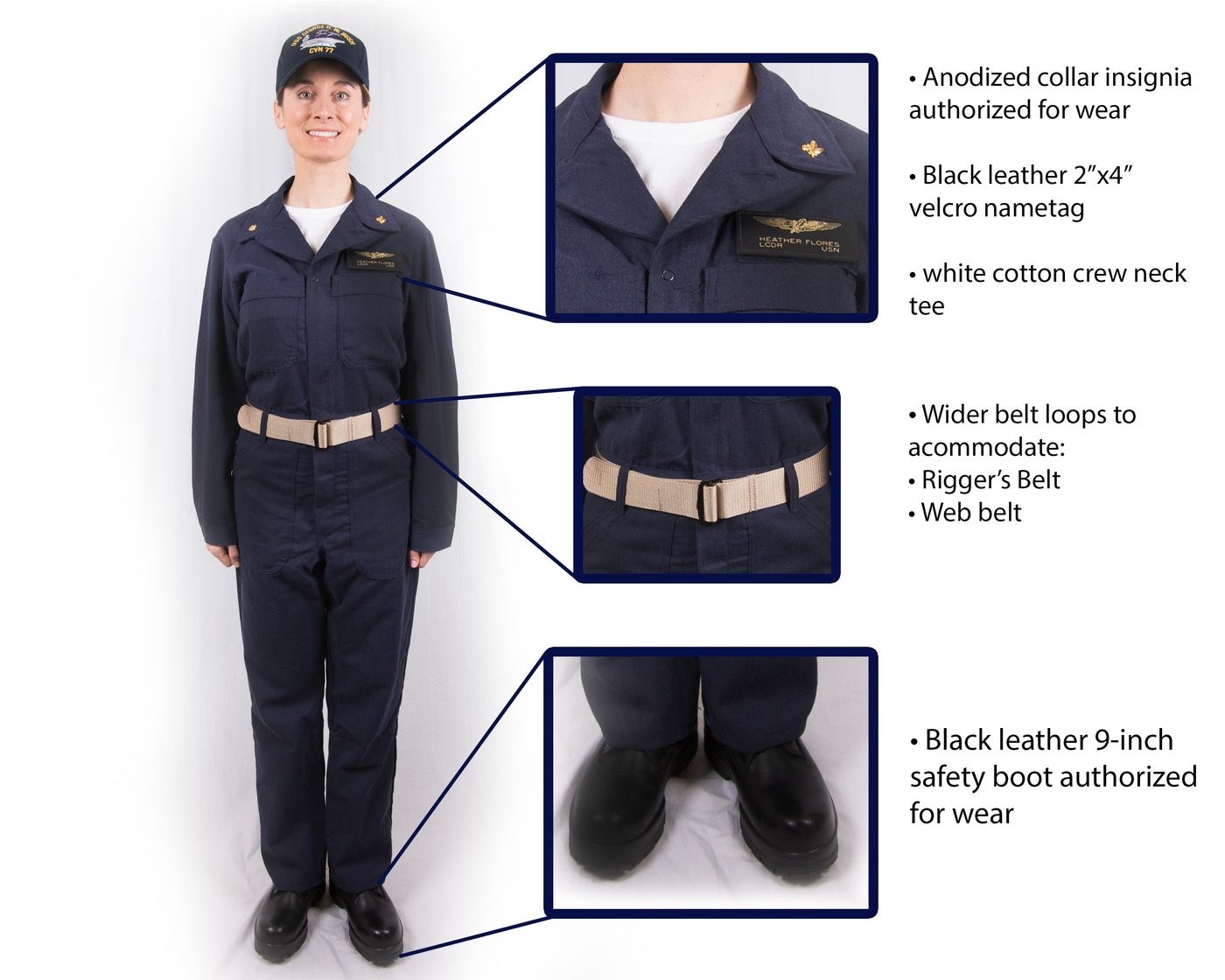
Person wearing flame-resistant clothing set (Source: Wikimedia Commons)
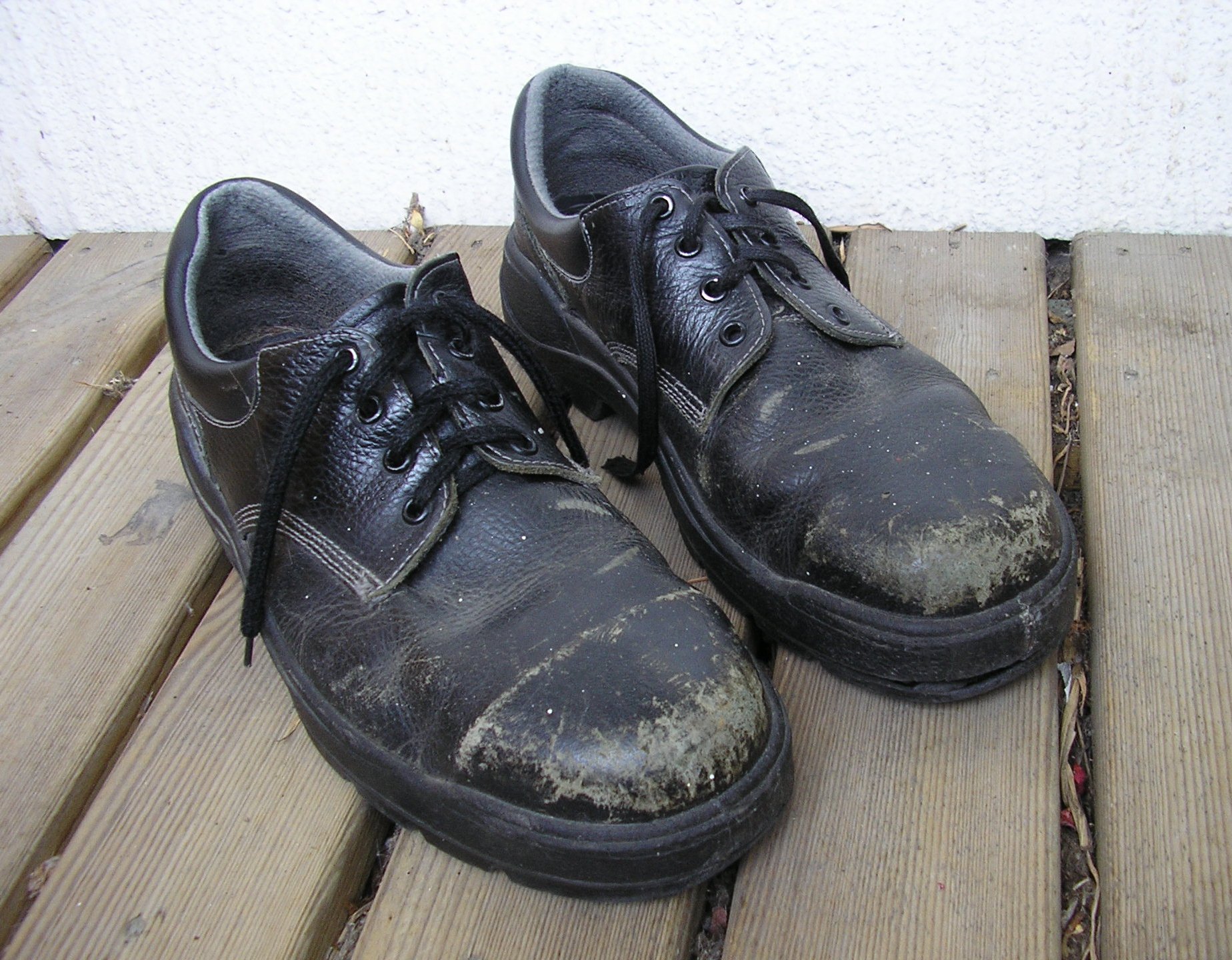
worn black safety boots on wooden floor (Source: Wikipedia (Steel-toe boot))
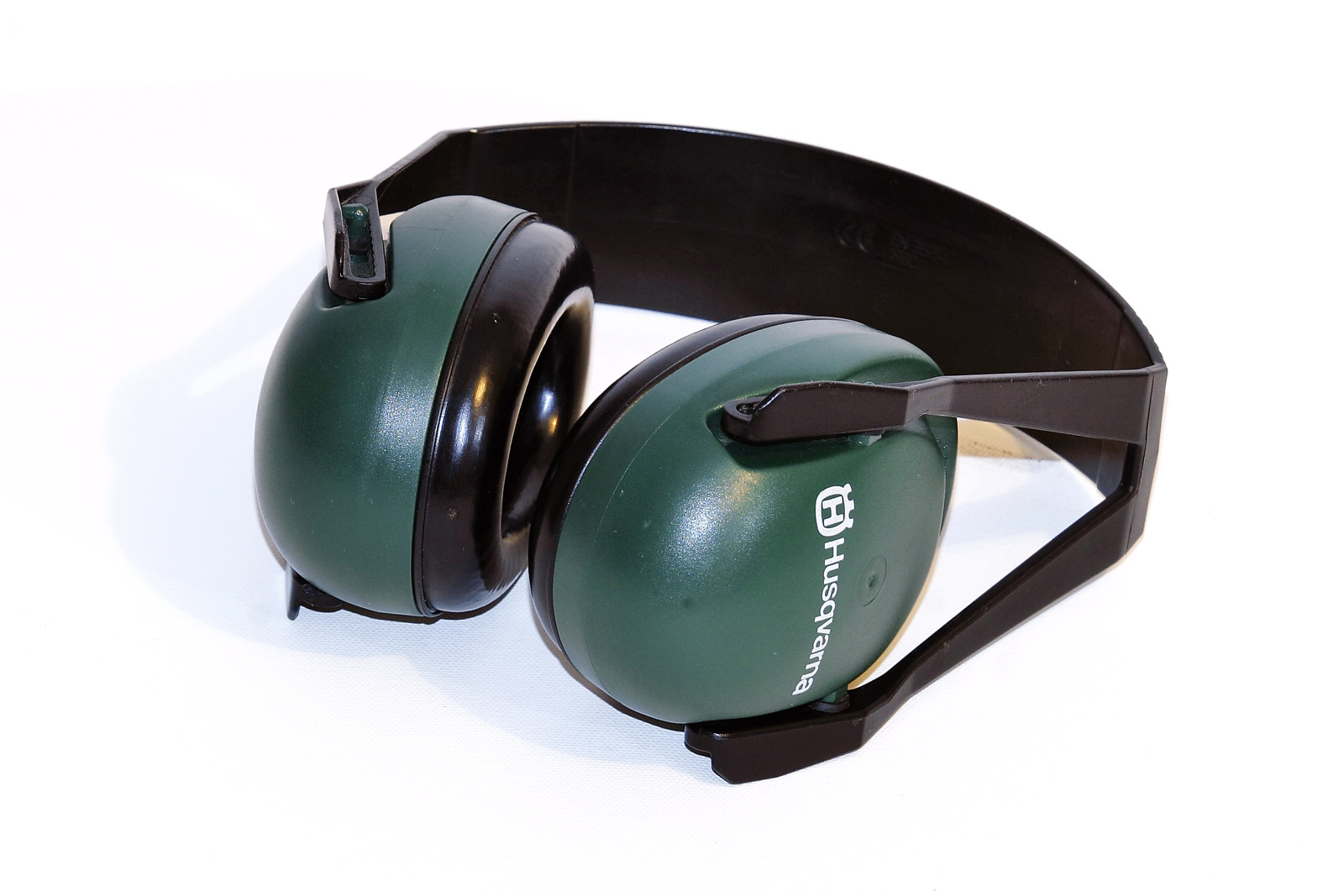
Green Husqvarna hearing protection earmuffs (Source: Wikimedia Commons)
Correct handling of waveform analysers prevents damage to both the instrument and the electrical system, while safeguarding the user.
Electrical engineers must be prepared to respond promptly to emergencies involving electrical accidents.
Create a free account to open more of this chapter.
Free: practical guides, quick cards, workplace scenarios and more.
Create a free accountThis chapter focused on the application of waveform analysing instruments, beginning with essential health and safety procedures that ensure safe operation when working with electrical measurement tools. It then explored various types of waveforms commonly encountered in electrical systems, including sinusoidal waves, steps, ramps, and impulses, each with distinct characteristics and significance in signal analysis. The discussion progressed to the different types of waveform analysis instruments available, detailing their specific functions and suitability for various diagnostic tasks. Furthermore, the chapter examined the construction of waveform analysis equipment, highlighting the key components and design considerations that enable accurate signal measurement and interpretation. Understanding these elements is crucial for effective fault diagnosis and maintaining the integrity of electrical systems. Overall, the chapter provided a comprehensive foundation for safely and accurately analysing electrical waveforms in practical settings.
Type: Individual
| Tools & Equipment | Materials |
|---|---|
| Oscilloscope | Drawing Paper A3 size |
| Function Generator | Personal Protective Equipment (Gloves, Safety Glasses) |
| Connecting Leads (BNC and Test Probes) | |
| Graph Pencil and Eraser |
| S/N | Item | Quantity |
|---|---|---|
| 1 | Oscilloscope | 1 Pc per Candidate |
| 2 | Function Generator | 1 Pc per 3 Candidates |
| 3 | Connecting Leads (BNC and Test Probes) | 3 Sets per Candidate |
| 4 | Drawing Paper A3 size | 2 Sheets per Candidate |
| 5 | Graph Pencil and Eraser | 1 Set per Candidate |
| 6 | Personal Protective Equipment (Gloves, Safety Glasses) | 1 Set per Candidate |
| Items to be Evaluated | Marks Available | Marks Obtained | Comments |
|---|---|---|---|
| TASK 1: Identification and Explanation of Waveforms | |||
| Wore personal protective equipment (gloves and safety glasses) (Award 1 or 0) | 1 | ||
| Prepared clean and safe working area before starting (Award 1 or 0) | 1 | ||
| Correctly connected the oscilloscope and function generator using appropriate leads (Award 2 or 0) | 2 | ||
| Selected appropriate waveform type on function generator for testing (Award 2 or 0) | 2 | ||
| Observed and correctly identified sinusoidal waveform on oscilloscope (Award 3 or 0) | 3 | ||
| Observed and correctly identified step waveform on oscilloscope (Award 3 or 0) | 3 | ||
| Observed and correctly identified ramp waveform on oscilloscope (Award 3 or 0) | 3 | ||
| Observed and correctly identified impulse waveform on oscilloscope (Award 3 or 0) | 3 | ||
| Sub-Total | 18 | ||
| TASK 2: Sketching and Explanation of Waveforms | |||
| Drew clear and labeled sinusoidal waveform sketch of dimensions 300mm x 200mm (Award 4 or 0) | 4 | ||
| Drew clear and labeled step waveform sketch of dimensions 300mm x 200mm (Award 4 or 0) | 4 | ||
| Drew clear and labeled ramp waveform sketch of dimensions 300mm x 200mm (Award 4 or 0) | 4 | ||
| Drew clear and labeled impulse waveform sketch of dimensions 300mm x 200mm (Award 4 or 0) | 4 | ||
| Explained key characteristics of each waveform clearly and accurately (Award 6 or 0) | 6 | ||
| Sub-Total | 22 | ||
| PRODUCT CHECKLIST | |||
| All four waveform sketches correctly dimensioned (300mm x 200mm each) and properly labeled (Award 5 or 0) | 5 | ||
| Waveform sketches show correct shape and key features (e.g., amplitude, rise time, period) (Award 5 or 0) | 5 | ||
| Written explanations correctly describe waveform characteristics (frequency, amplitude, slope, impulse duration) (Award 5 or 0) | 5 | ||
| Sub-Total | 15 | ||
| GRAND TOTAL | 55 | ||
Type: Individual
| Tools & Equipment | Materials |
|---|---|
| Digital Storage Oscilloscope (DSO) | Workstation with Power Supply 230 V AC |
| Function Generator | |
| Oscilloscope Probes | |
| Multimeter | |
| Insulated Screwdrivers | |
| Personal Protective Equipment (PPE) - Gloves, Goggles, Dustcoat | |
| Earthing Equipment | |
| Insulation Mats | |
| Labels and Safety Warning Signs |
| S/N | Item | Quantity |
|---|---|---|
| 1 | Digital Storage Oscilloscope (DSO) | 1 Pc per Candidate |
| 2 | Function Generator | 1 Pc per 2 Candidates |
| 3 | Oscilloscope Probes | 1 Set per Candidate |
| 4 | Multimeter | 1 Pc per Candidate |
| 5 | Insulated Screwdrivers | 1 Set per Candidate |
| 6 | Personal Protective Equipment (PPE) - Gloves, Goggles, Dustcoat | 1 Set per Candidate |
| 7 | Workstation with Power Supply 230 V AC | 1 Pc per Candidate |
| 8 | Earthing Equipment | 1 Set per Candidate |
| 9 | Insulation Mats | 1 Pc per Candidate |
| 10 | Labels and Safety Warning Signs | 1 Set per Candidate |
| Items to be Evaluated | Marks Available | Marks Obtained | Comments |
|---|---|---|---|
| TASK 1: Safe Handling and Setup Procedures | |||
| Wore complete Personal Protective Equipment (Gloves, Goggles, Dustcoat) (Award 2 or 0) | 2 | ||
| Ensured clean and dry working area free from hazards (Award 2 or 0) | 2 | ||
| Checked and verified integrity of oscilloscope probes and cables (Award 3 or 0) | 3 | ||
| Properly connected oscilloscope probes to the instrument and test circuit (Award 4 or 0) | 4 | ||
| Applied correct earthing and insulation measures before powering equipment (Award 3 or 0) | 3 | ||
| Used function generator safely and set output parameters correctly (Award 3 or 0) | 3 | ||
| Displayed safety warning signs at workstation (Award 1 or 0) | 1 | ||
| Handled instruments carefully avoiding mechanical and electrical damage (Award 2 or 0) | 2 | ||
| Sub-Total | 20 | ||
| PRODUCT CHECKLIST | |||
| Workstation setup with oscilloscope and probes correctly positioned within 500mm x 400mm area (Award 5 or 0) | 5 | ||
| All connections firm, neat and safe with no exposed conductors (Award 5 or 0) | 5 | ||
| Safety labels and warning signs clearly visible and correctly placed (Award 3 or 0) | 3 | ||
| PPE worn correctly throughout the setup process (Award 2 or 0) | 2 | ||
| Sub-Total | 15 | ||
| GRAND TOTAL | 35 | ||
At the start of this chapter we promised you would be able to:
Tick each one you can genuinely do.
So, are you there yet?
You're competent when you can confidently do 50% or more of what this chapter promised.
Sign in to record how you're doing.