Electrical Engineering  ·  Level 6
Electrical Project Supervision
Chapter 4: Supervise Materials Tools and Equipment
📚 5 Topics
⚑ What you will be able to do

By the end of this chapter, you will be able to:

  • Identify the right tools, materials, and equipment needed for different project activities.
  • Perform accurate audits of tools, materials, and equipment based on the project’s scope.
  • Develop an effective inventory system tailored to the nature of your project.
  • Classify tools, materials, and equipment clearly according to various project tasks.
  • Maintain tools, materials, and equipment properly following project policies.
  • Follow Environmental, Health, and Safety (EHS) standards to keep the workplace safe.

Mastering these skills will help you keep your project running smoothly and safely, making you a confident and reliable supervisor in the electrical trade.

Supervising materials, tools and equipment is a critical responsibility for electrical project supervisors across all professional fields. Effective supervision ensures that the right resources are available, maintained and used safely to achieve quality outcomes within budget and schedule. In Kenya, institutions such as county referral hospitals, universities, banks, and retail businesses rely on supervisors to manage electrical project inputs efficiently to avoid delays and cost overruns. This chapter explores how to identify electrical tools, materials and equipment, assess their quality, and monitor their condition for optimum project performance.

4.1 Identification of Tools, Materials and Equipment

Identifying the correct tools, materials and equipment is fundamental for successful electrical project supervision. This process involves recognizing the appropriate items for specific tasks, understanding their specifications, and ensuring they meet project requirements. In the context of Kenyan organizations such as county government offices and SACCOs, proper identification prevents resource wastage and enhances safety during installation and maintenance activities.

4.1.1 Types of Electrical Tools, Materials and Equipment

Electrical projects require a diverse range of tools, materials and equipment tailored to different functions. Each category plays a distinct role in project execution, from installation to testing and maintenance.

Electrical Tools

Electrical tools consist of handheld implements designed to facilitate electrical work safely and efficiently. Common types include:

  • Pliers: Used for gripping, twisting, and cutting wires during installations in environments like university laboratories.

  • Screwdrivers: Essential for fastening and loosening screws on electrical panels in retail businesses.

Red-handled screwdriver on a rock outdoors
Red-handled screwdriver on a rock outdoors (Source: Wikimedia Commons)
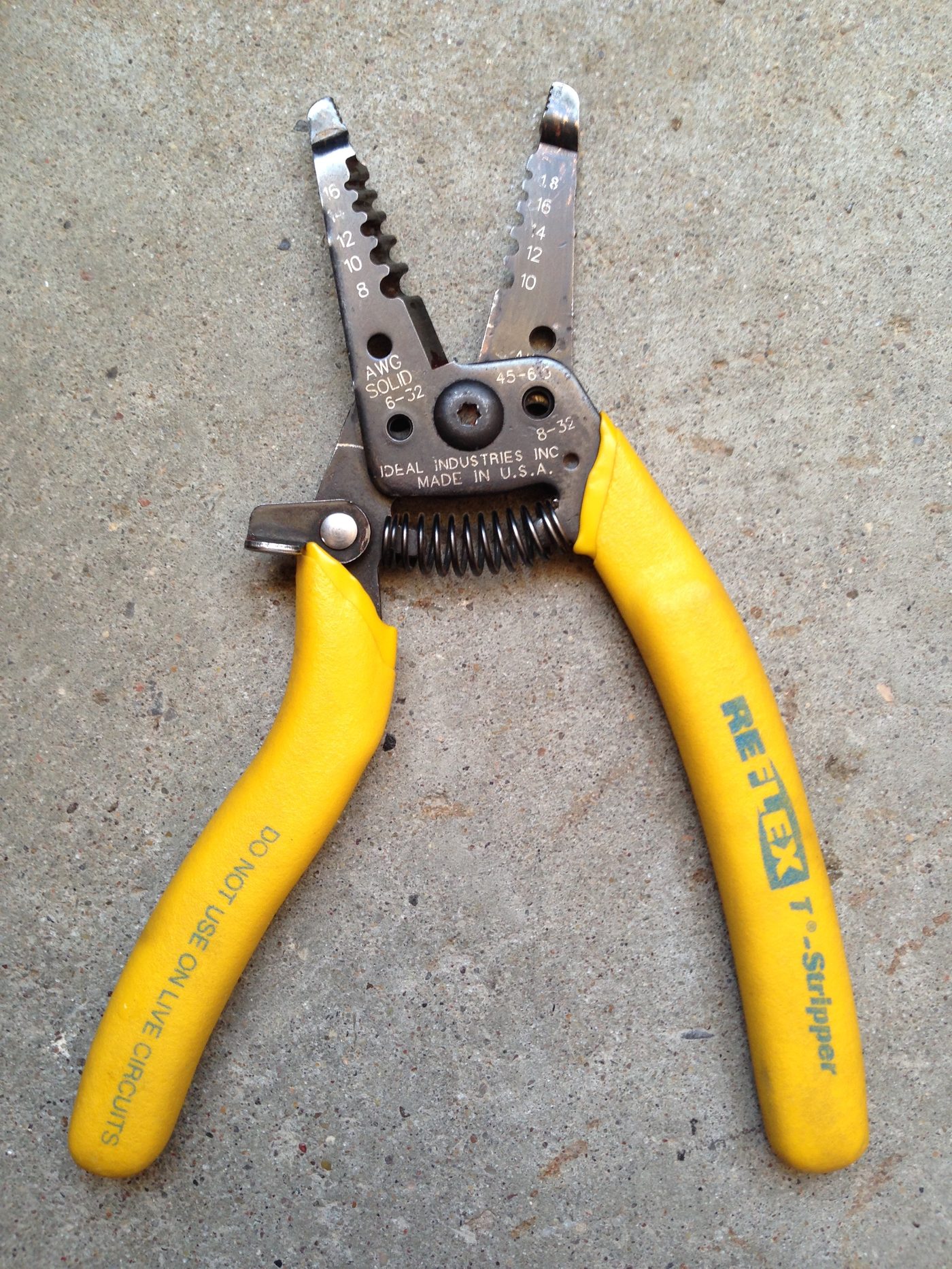
  • Wire Strippers: Designed to remove insulation from cables without damaging conductors, widely used in hospital electrical maintenance.

Manual wire strippers with yellow handles
Manual wire strippers with yellow handles (Source: Wikimedia Commons)
  • Voltage Testers: Instruments that detect the presence of voltage to ensure circuits are de-energized before work starts in county hospitals.
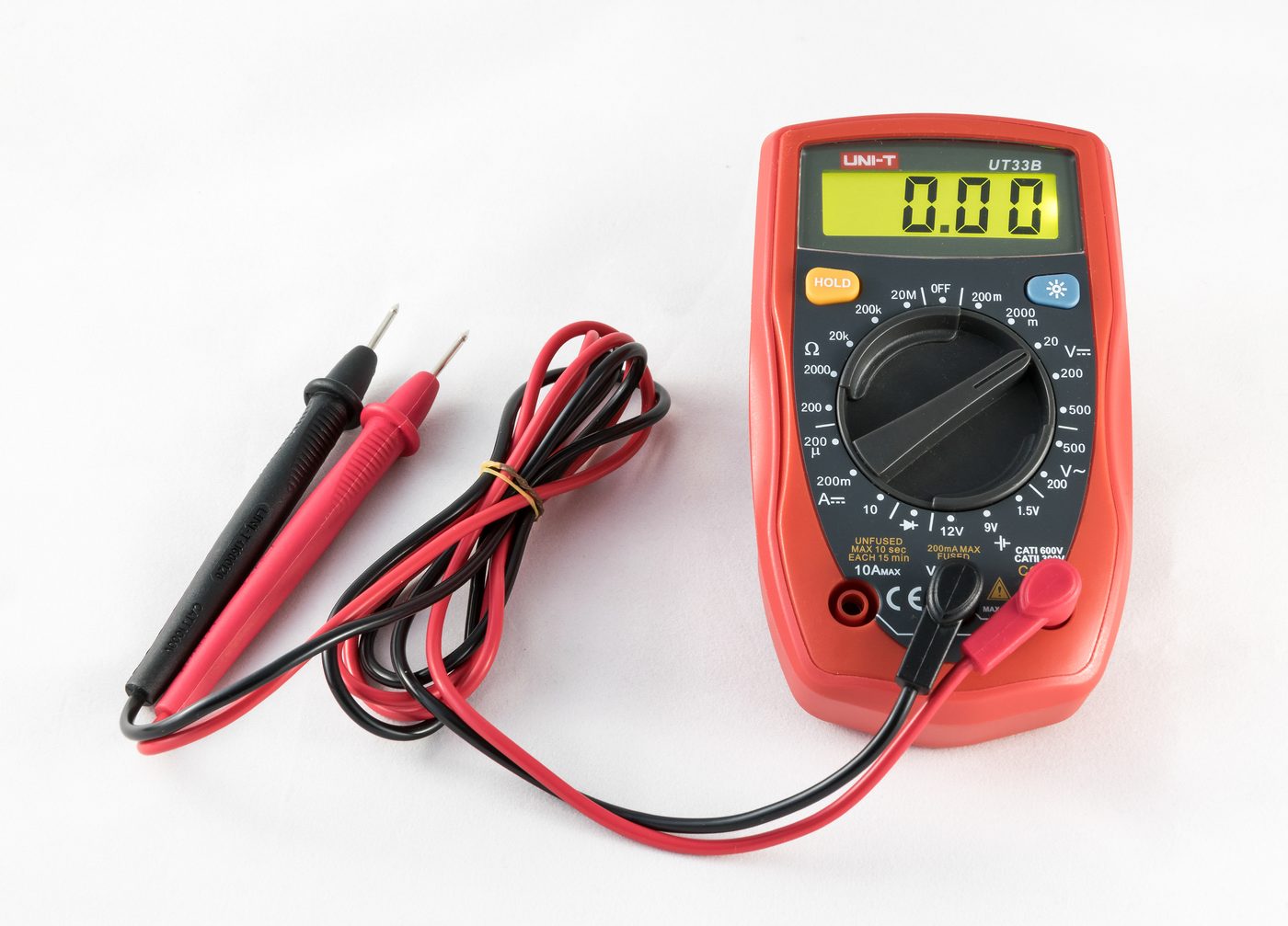
  • Multimeters: Versatile devices measuring voltage, current, and resistance, crucial in troubleshooting electrical faults in bank branches.

Digital multimeter with probes
Digital multimeter with probes (Source: Wikimedia Commons)

Electrical Materials

Materials refer to consumables and components integral to electrical installations. These include:

  • Cables and Wires: Copper or aluminum conductors insulated to carry electrical current safely in office buildings.
  • Conduits: Protective tubes that house cables, preventing mechanical damage in schools.

  • Switches and Sockets: Devices controlling power flow and providing connection points in hotels.

  • Circuit Breakers and Fuses: Safety devices that interrupt power during faults, indispensable in cooperative societies.
  • Transformers: Equipment that changes voltage levels, applied in large commercial premises.

Electrical Equipment

Equipment encompasses larger or powered devices used on-site for electrical work. Examples include:

  • Generators: Provide backup power during outages, commonly used in hospitals and retail centers.

  • Welding Machines: For joining metal parts in electrical infrastructure, used in cooperative farm workshops.

  • Cable Pullers: Mechanized tools for installing cables in conduits, utilized in county government offices.
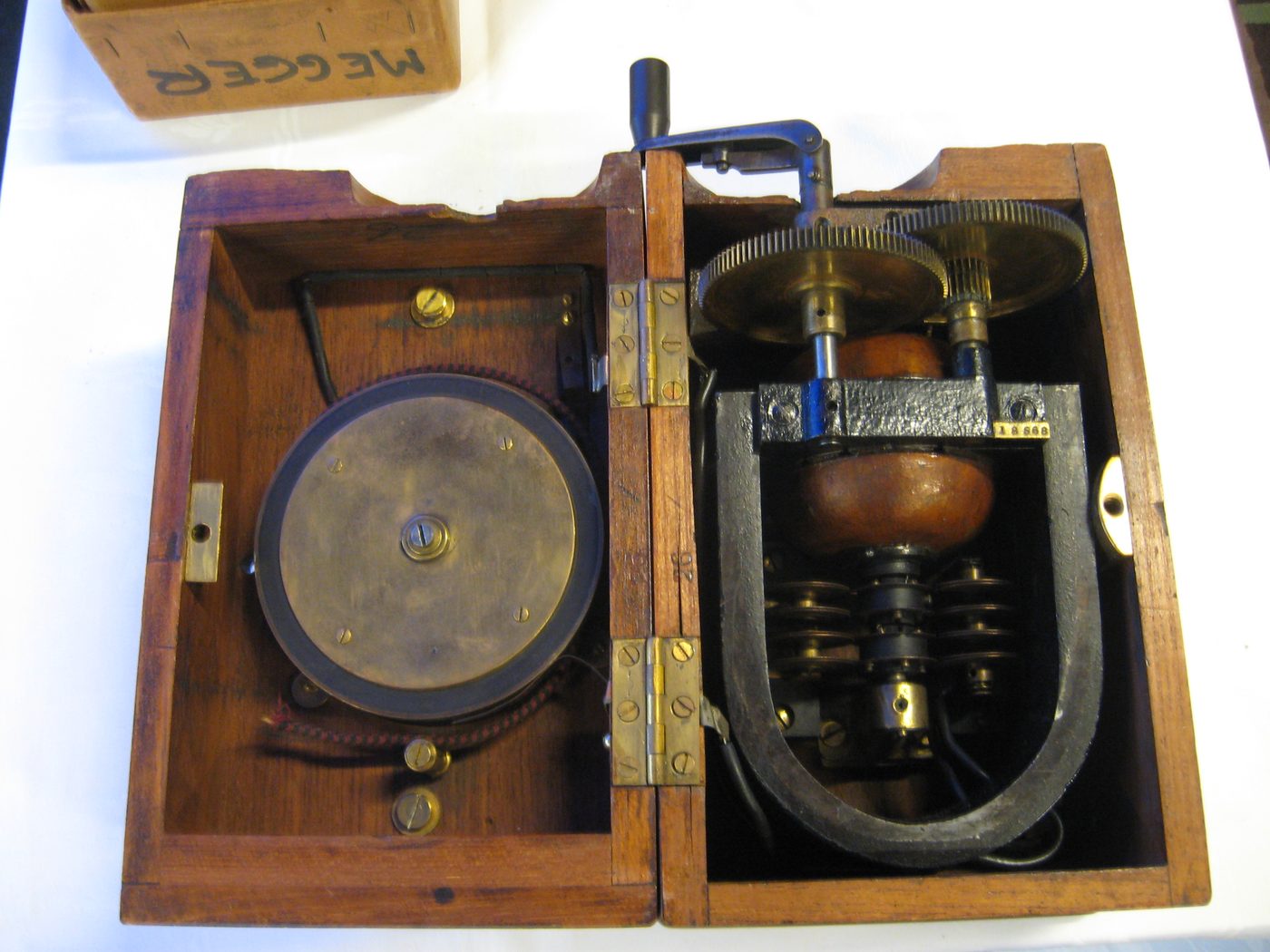
  • Insulation Testers: Measure the integrity of insulation to prevent electrical hazards in universities.

Vintage insulation tester (megger) device
Vintage insulation tester (megger) device (Source: Wikimedia Commons)

  • Power Drills: Used to bore holes for conduit installation in hotel construction projects.

4.1.2 Quality Aspect

Ensuring quality in tools, materials and equipment directly impacts project safety, efficiency and durability. Supervisors must verify that all items conform to standards and specifications appropriate for their intended use.

Standards Compliance

Kenyan institutions like NEMA enforce quality standards that electrical project inputs must meet. Compliance entails:

  • Certification: Tools and materials should have Kenya Bureau of Standards (KEBS) or equivalent certification to guarantee reliability.
  • Manufacturer Reputation: Procuring from reputable suppliers reduces risks of substandard products, as seen in university procurement practices.
  • Specification Matching: Materials must meet project design specifications for size, capacity and rating, critical in hospital electrical installations.
  • Testing and Inspection: Regular quality inspections during delivery and before use ensure items are defect-free, a practice common in county government projects.
  • Documentation: Maintaining records of quality certificates and test results supports accountability in SACCO electrical upgrades.

Impact of Poor Quality

Using low-quality tools or materials can cause:

  • Safety Hazards: Faulty equipment can lead to electrocution or fire, risking lives in hotels and retail stores.
  • Project Delays: Failures necessitate rework and replacements, disrupting timelines in cooperative agricultural facilities.
  • Increased Costs: Frequent breakdowns inflate maintenance expenses, burdening county hospitals with avoidable costs.
  • Reduced Efficiency: Inferior tools hinder workmanship quality, affecting electrical system performance in banks.
  • Legal Repercussions: Non-compliance with standards exposes organizations to penalties from regulatory bodies such as NEMA.

4.1.3 Condition of Tools

Maintaining tools in optimal condition is essential to ensure longevity, safety and efficiency during electrical projects. Supervisors must implement routine checks and maintenance protocols.

Inspection Procedures

Regular inspections identify wear and damages that could compromise tool performance. Inspection routines include:

  • Visual Checks: Examine handles, grips and insulation for cracks or deterioration, a standard practice in county referral hospitals.
  • Functional Testing: Verify operational status of devices like voltage testers before use in university labs.
  • Calibration: Ensure measuring equipment such as multimeters are accurately calibrated, critical in bank electrical audits.
  • Lubrication: Apply appropriate lubricants to moving parts of tools to reduce friction and prevent rusting in hotel maintenance workshops.
  • Storage Assessment: Confirm tools are stored correctly in dry, organized spaces to prevent damage and loss in retail businesses.

Maintenance Practices

Proper maintenance extends tool lifespan and safeguards users. Key practices include:

  • Cleaning: Remove dirt and debris after use to prevent malfunction, routinely done in county government electrical stores.
  • Repair: Promptly fix minor damages such as loose screws or worn-out insulation to avoid accidents in cooperative workshops.
  • Replacement: Discard tools beyond repair to maintain safety standards, a policy upheld in SACCO facility management.
  • Training: Educate workers on correct tool handling and maintenance to minimize misuse in hospital electrical teams.
  • Record Keeping: Document maintenance activities and tool conditions to monitor performance over time in university engineering departments.

Practice Questions

  1. Explain five types of electrical tools commonly used in project supervision and their specific applications in different Kenyan sectors. (10 marks)

  2. Discuss five key quality aspects a supervisor should verify when procuring electrical materials for a county government office project. (10 marks)

  3. Describe six inspection and maintenance procedures essential for keeping electrical tools in good condition during a project in a retail business. (12 marks)

The rest of this chapter
🔒

Create a free account to open more of this chapter.

Free: practical guides, quick cards, workplace scenarios and more.

Create a free account
🔒4.2 Perform Auditing of Tools, Materials and Equipment

In the context of electrical project supervision, auditing tools, materials and equipment is a critical management function that ensures resources are accurately accounted for, properly maintained, and efficiently utilized. Across Kenyan sectors such as county…

🔒4.3 Develop Tools, Material and Equipment Inventory System

In Kenya's diverse professional environments, effective supervision of electrical projects demands a robust inventory system for tools, materials and equipment. This system ensures that resources are available when needed, reducing downtime and avoiding projec…

🔒4.4 Classification of Tools, Materials and Equipment

In the context of supervising electrical projects across diverse sectors such as healthcare, education, finance, and agriculture, understanding how to classify tools, materials, and equipment is fundamental. Classification facilitates effective inventory manag…

🔒4.5 Maintenance of Tools, Materials and Equipment

Maintenance of tools, materials and equipment is a critical aspect of ensuring smooth operation, safety, and cost-effectiveness in any project environment. In Kenya's diverse professional settings such as county hospitals, banks, schools and agricultural coope…

Chapter Summary

This chapter explored the identification of electrical tools, materials, and equipment, emphasizing the various types, quality standards, and the importance of maintaining tools in good condition. It detailed the process of auditing these resources, covering essential audit criteria, the significance of audits in project supervision, different audit types, and legal aspects related to disposal. The development of an effective inventory system was examined, highlighting necessary resources, types of inventory systems, and the responsibilities involved in managing these assets. Classification methods for tools, materials, and equipment were discussed, focusing on different classification types, their importance, assigned responsibilities, and how functionality and operation influence classification. The chapter concluded with a thorough review of maintenance practices, including adherence to environmental health and safety standards, scheduling maintenance activities, conducting maintenance training, the critical role maintenance plays in project success, and the various maintenance types applicable to tools, equipment, and materials. Together, these topics provide a comprehensive framework for supervising materials, tools, and equipment within electrical projects.

Self-Assessment

🔒 PDFDownload this self-assessment, with answers

A. Written Assessment

  1. What is the primary purpose of classifying tools, materials, and equipment in a project environment? (2 marks)
  2. Identify three key quality aspects to consider when selecting electrical materials for a hospital maintenance project. (3 marks)
🔒20 more in this section.

Chapter Examination Questions

🔒 PDFDownload these examination questions, with worked answers

SECTION A (40 Marks) - Answer ALL Questions

  1. Explain five types of electrical tools commonly used in a county referral hospital electrical maintenance workshop. (4 marks)
  2. Describe four quality aspects to consider when selecting electrical materials for installation at a university campus. (4 marks)
🔒18 more in this section.
Flashcards 20 cards Study deck ▾
Question
1

↻ Tap card to reveal answer
🔒

18 more in this section.

Create a free account
Test Yourself 19 questions Start quiz ▾
0%
0 / 2
🔒

17 more in this section.

Create a free account
Am I competent?

At the start of this chapter we promised you would be able to:

  • Identify the right tools, materials, and equipment needed for different project activities.
  • Perform accurate audits of tools, materials, and equipment based on the project’s scope.
  • Develop an effective inventory system tailored to the nature of your project.
  • Classify tools, materials, and equipment clearly according to various project tasks.
  • Maintain tools, materials, and equipment properly following project policies.
  • Follow Environmental, Health, and Safety (EHS) standards to keep the workplace safe.

Tick each one you can genuinely do.

So, are you there yet?

You're competent when you can confidently do 50% or more of what this chapter promised.

Sign in to record how you're doing.