
By the end of this chapter, you will be able to: - follow all safety procedures correctly throughout the installation process, - assemble the necessary tools, materials, and equipment for automation component installation, - install conduits, trunks, enclosures, and support systems precisely according to layout diagrams and IET regulations, - install automation components safely, following both IET regulations and manufacturer’s instructions, - install cables and conductors to meet industry standards, - perform cable lugging, glanding, and termination accurately and professionally, - label cables clearly and correctly, following IET standards, - carry out electrical tests safely and correctly in line with IET regulations.
Mastering these skills will help you work confidently and safely in the electrical automation trade, ensuring reliable and professional installations.
Electrical systems automation involves integrating control devices and software to enhance efficiency, reliability, and safety in electrical installations. The installation of automation components demands strict adherence to safety standards to protect personnel, equipment, and the environment. In Kenya, professionals in electrical engineering must comply with national laws and regulations governing workplace safety and environmental protection when installing these systems. This chapter focuses on the essential safety procedures and legal frameworks that guide the installation of automation components in electrical engineering projects.
Safety is paramount when installing automation components due to the risks posed by electrical energy, moving parts, and complex control systems. Kenyan electrical engineers must navigate multiple legal requirements and practical safety measures to mitigate accidents and ensure compliance. This section explores the relevant legal frameworks, typical hazards, personal protective equipment, fire safety, and first aid protocols essential for safe installation practices.
The Work Injury Benefits Act (WIBA) of Kenya provides a framework for protecting workers from occupational injuries and diseases, including those arising during electrical automation installation. It mandates employers to provide safe working conditions and compensation for work-related injuries.
Automation installation involves high-risk tasks such as working on live circuits and handling heavy equipment. WIBA mandates that risk assessments be conducted prior to work commencement and that appropriate controls are implemented. For instance, during installation at a county hospital, management must ensure that technicians have adequate PPE and that isolation of electrical sources is enforced to prevent injuries.
The Environment Management and Coordination Act (EMCA) governs environmental protection during industrial and construction activities, including electrical automation projects. Its provisions ensure that installation practices minimize environmental harm.
For example, during automation system upgrades at a university, contractors must manage hazardous waste such as batteries and electronic scrap according to EMCA rules. Failure to do so risks penalties and environmental damage. Coordination with NEMA (National Environment Management Authority) is essential to align installation practices with environmental conservation.
Multiple regulations complement WIBA and EMCA, providing detailed safety requirements for electrical installations. These include the Occupational Safety and Health Act (OSHA), the Energy Act, and specific electrical safety regulations.
Electricians installing automation components at a retail business must ensure adherence to OSHA and electrical regulations, such as proper earthing and use of certified equipment. County government safety officers conduct inspections to verify compliance, and non-adherence may lead to work stoppages or fines.
The Institution of Engineering and Technology (IET) issues codes of practice and standards widely adopted in Kenya for electrical installations and automation. These regulations provide technical guidance for safe design and installation.
At a SACCO headquarters upgrading its automated teller machine (ATM) control systems, engineers apply IET codes to ensure safe wiring practices and proper earthing. Compliance with these standards reduces the risk of electrical faults and enhances system reliability.
Understanding causes of accidents during automation component installation helps in designing preventive strategies. Common causes in electrical engineering settings include human error, equipment failure, and environmental factors.
Personal Protective Equipment (PPE) is a critical defense against hazards during electrical automation installation. Proper selection, use, and maintenance of PPE safeguard workers from electrical shocks, burns, and mechanical injuries.
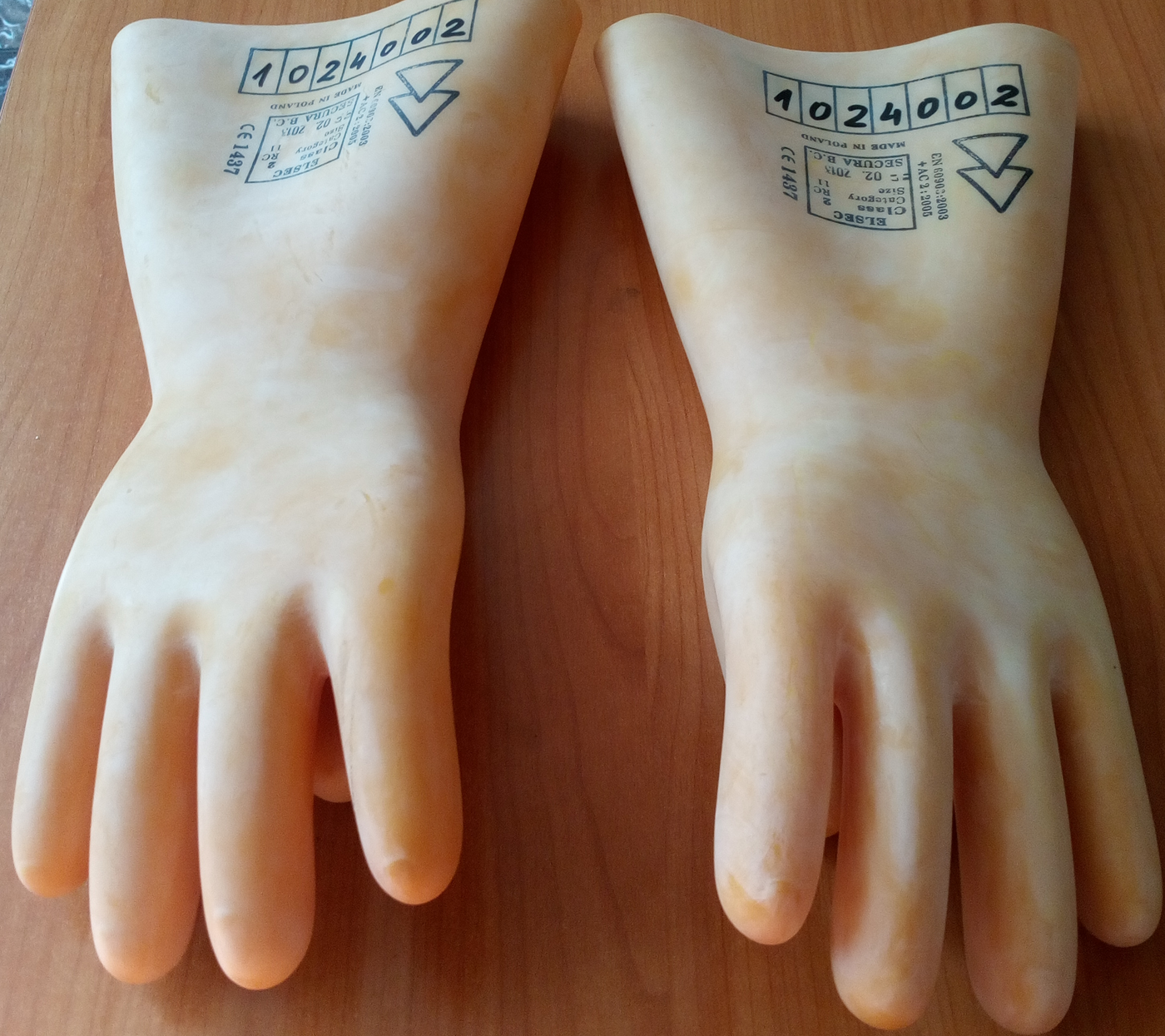
Pair of electrical insulating gloves (Source: Wikimedia Commons)
Safety Helmets: Protect the head from falling objects and impacts.
Safety Boots: Provide insulation and protect feet from punctures and crushing.
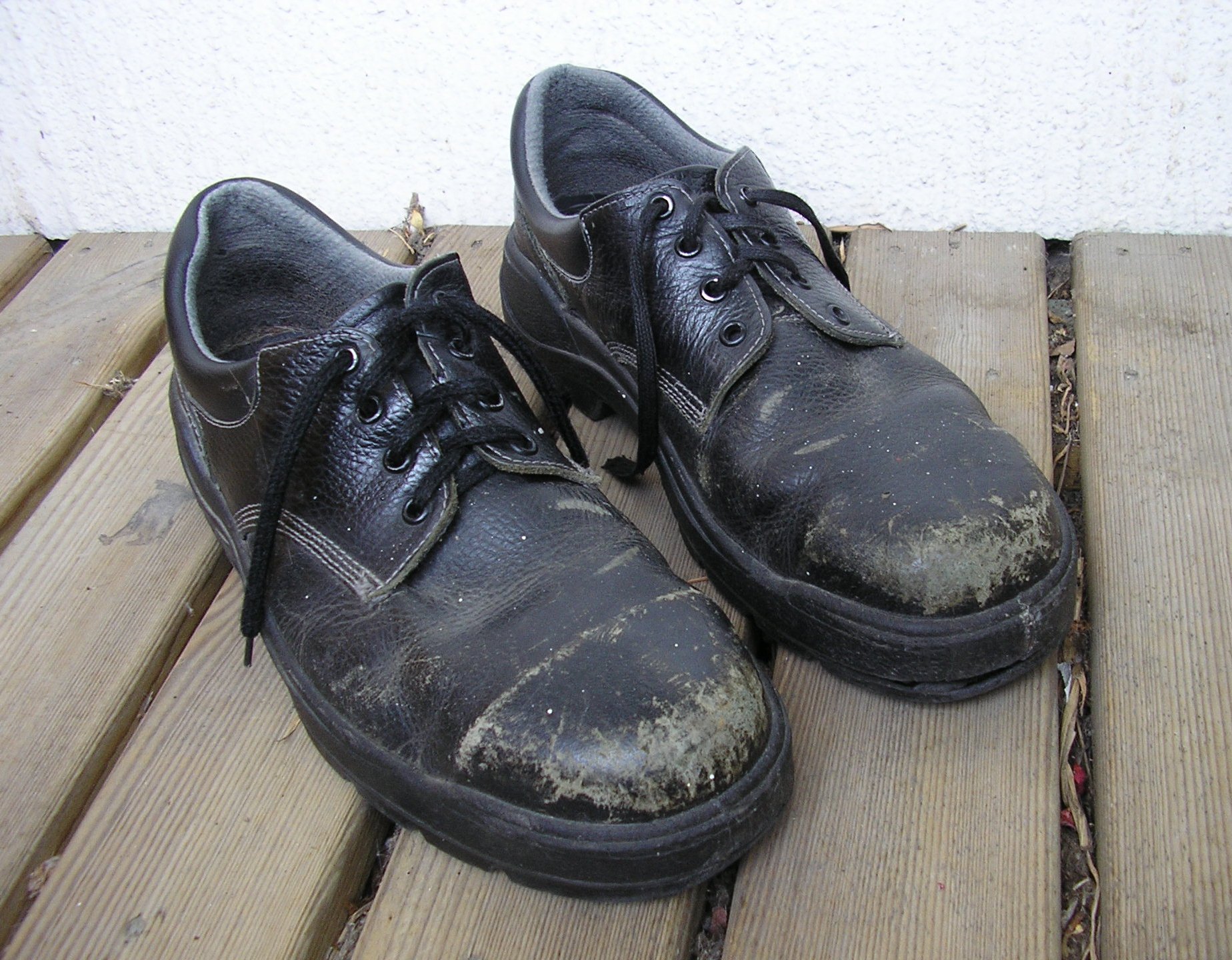
worn black safety boots on wooden floor (Source: Wikipedia (Steel-toe boot))
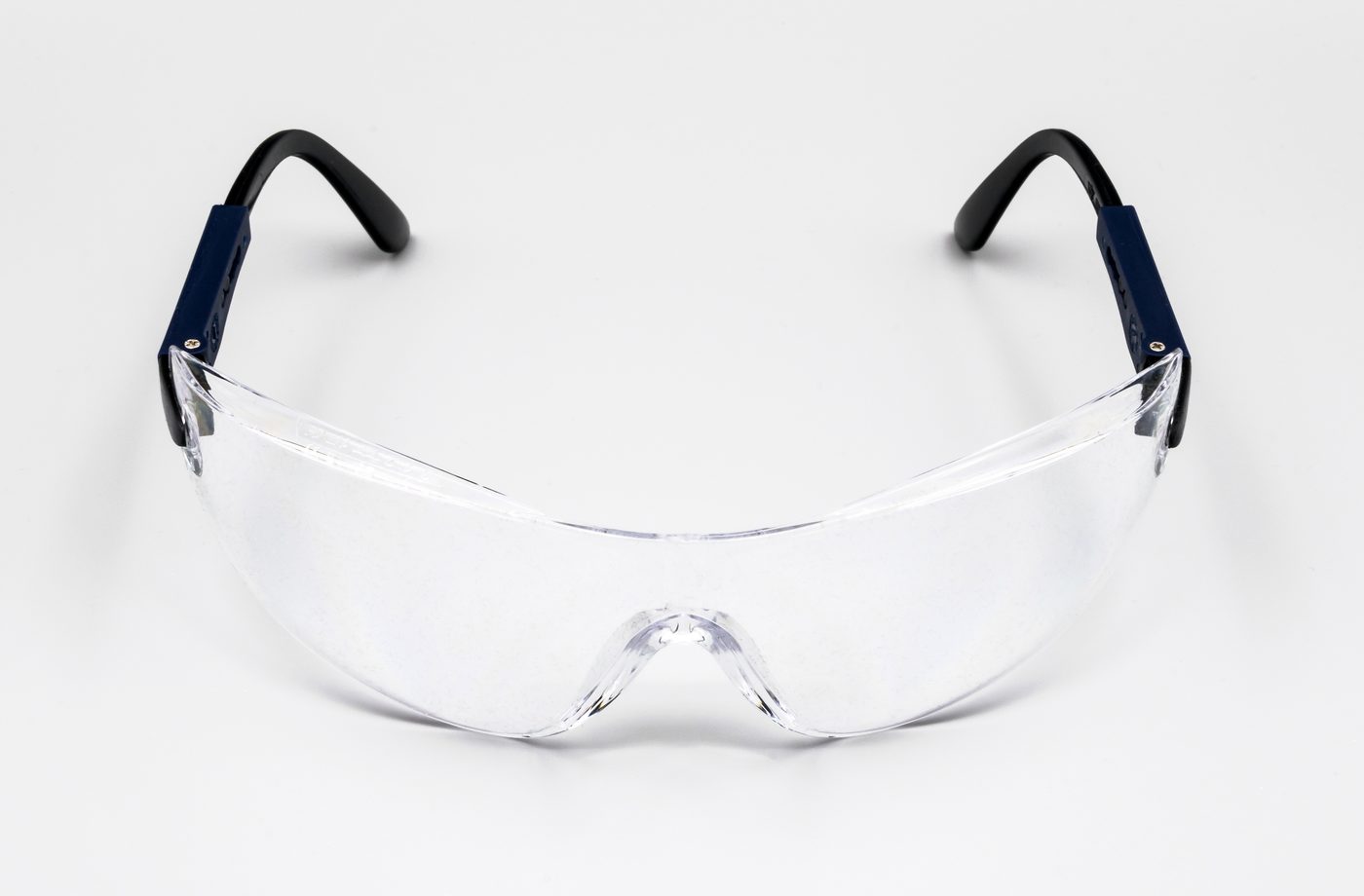
clear safety glasses for eye protection (Source: Wikimedia Commons)

Green Husqvarna hearing protection earmuffs (Source: Wikimedia Commons)
Knowledge of fire classes and corresponding firefighting equipment is essential to manage fire risks during installation, especially where electrical faults may cause ignition.
| Name | Specification | Use |
|---|---|---|
| Water Extinguisher | Suitable for Class A fires only | Used to extinguish fires involving wood, paper, and cloth |
| Foam Extinguisher | Effective on Class A and B fires | Used for fires involving solids and flammable liquids |
| CO2 Extinguisher | Safe for Class B and C fires | Displaces oxygen, ideal for electrical fires |
| Dry Powder Extinguisher | Versatile for Classes A, B, C, D | Interrupts chemical reactions in various fire types |
| Wet Chemical Extinguisher | Designed for Class F fires | Used in kitchens for cooking oil fires |
At a hotel installing automated HVAC controls, CO2 and dry powder extinguishers are strategically placed near electrical panels. Staff are trained to use appropriate extinguishers and to isolate electrical supply before firefighting.
Prompt and effective first aid can save lives and reduce injury severity during accidents in automation component installation. Electrical engineers must be familiar with first aid protocols specific to electrical injuries and general workplace trauma.
Create a free account to open more of this chapter.
Free: practical guides, quick cards, workplace scenarios and more.
Create a free accountThis chapter covers the essential safety procedures for installing automation components and systems, emphasizing compliance with relevant legislation such as WIBA, EMCA, and IET regulations, while highlighting common causes of accidents and proper use of personal protective equipment alongside fire safety and first aid. It details the tools, materials, and equipment necessary for installation, including cable strippers, pliers, drills, printed circuit boards, and networking cables. The installation process involves setting up conduits-trunks, enclosures, and support systems in accordance with IET standards, followed by mounting automation components such as industrial sensors, actuators, machine starters, PLCs, microcontrollers, SCADA systems, and human-machine interfaces. Proper selection and installation of cables and conductors are discussed with attention to cable types and sizes. The chapter also explains cable lugging, glanding, termination, and labelling practices that conform to IET standards. Finally, it addresses the performance of electrical tests including continuity, insulation resistance, and polarity tests to ensure the safety and functionality of the installed automation systems.
Type: Individual
| Tools & Equipment | Materials |
|---|---|
| insulated pliers | Personal Protective Equipment (PPE) set |
| screwdrivers | Installation checklist and regulatory documents |
| wire strippers | |
| fire extinguisher | |
| first aid kit | |
| safety signage and hazard warning labels |
| S/N | Item | Quantity |
|---|---|---|
| 1 | Personal Protective Equipment (PPE) set including dustcoat, gloves, safety boots, and helmet | 1 set per Candidate |
| 2 | First aid kit | 1 kit per 5 Candidates |
| 3 | Fire extinguisher (ABC class) | 1 per 5 Candidates |
| 4 | Safety signage and hazard warning labels | 1 set per Candidate |
| 5 | Standard Electrical Installation Tools (insulated pliers, screwdrivers, wire strippers) | 1 set per Candidate |
| 6 | Installation checklist and regulatory documents (WIBA, EMCA, IET regulations excerpts) | 1 set per Candidate |
| Items to be Evaluated | Marks Available | Marks Obtained | Comments |
|---|---|---|---|
| TASK 1: Safety and Regulatory Compliance Implementation | |||
| Wore complete Personal Protective Equipment (dustcoat, gloves, boots, helmet) (Award 2 marks for full PPE use, 0 if incomplete or none) | 2 | ||
| Ensured the working area of 2m x 2m is clean and free from hazards before installation (Award 3 marks for clear, hazard-free workspace, 0 if cluttered or unsafe) | 3 | ||
| Used correct safety signage and hazard warning labels appropriately around the workspace (Award 3 marks for proper signage placement, 0 if missing or incorrect) | 3 | ||
| Demonstrated knowledge and application of relevant clauses in WIBA, EMCA, and IET regulations during setup (Award 4 marks for clear verbal or documented reference to regulations, 0 if none) | 4 | ||
| Identified at least three potential hazards related to the installation and proposed controls (Award 3 marks for correct hazard identification and control measures, 0 if incomplete) | 3 | ||
| Demonstrated correct use and location of firefighting equipment (ABC fire extinguisher) (Award 3 marks for correct handling and placement, 0 if incorrect) | 3 | ||
| Showed proper first aid procedures relevant to electrical installation accidents (Award 2 marks for correct demonstration or explanation, 0 if none) | 2 | ||
| Completed installation safety checklist accurately and legibly (Award 3 marks for fully completed checklist, 0 if incomplete or illegible) | 3 | ||
| Sub-Total | 23 | ||
| PRODUCT CHECKLIST | |||
| Workspace prepared with correct safety signage, hazard labels, and clear dimensions 2m x 2m (Award 7 marks for correct dimensioned, safe workspace as per instruction, 0 if incorrect or unsafe) | 7 | ||
| Sub-Total | 7 | ||
| GRAND TOTAL | 30 | ||
Type: Individual
| Tools & Equipment | Materials |
|---|---|
| Safety helmet | |
| Insulated gloves | |
| Safety goggles | |
| Ear plugs | |
| Protective dustcoat | |
| Cleaning cloth | |
| PPE storage box |
| S/N | Item | Quantity |
|---|---|---|
| 1 | Safety helmet | 1 Pc per Candidate |
| 2 | Insulated gloves | 1 Pair per Candidate |
| 3 | Safety goggles | 1 Pair per Candidate |
| 4 | Ear plugs | 1 Pair per Candidate |
| 5 | Protective dustcoat | 1 Pc per Candidate |
| 6 | PPE storage box | 1 Pc per Candidate |
| 7 | Cleaning cloth | 1 Pc per Candidate |
| Items to be Evaluated | Marks Available | Marks Obtained | Comments |
|---|---|---|---|
| TASK 1: PPE Selection and Use | |||
| Selected PPE appropriate for electrical automation installation (Award 3 marks for correct selection of all listed PPE or 0 if any missing) | 3 | ||
| Correctly wore safety helmet (Award 2 marks for proper fitting and adjustment or 0) | 2 | ||
| Properly worn insulated gloves (Award 2 marks for correct donning without damage or contamination or 0) | 2 | ||
| Used safety goggles correctly (Award 2 marks for proper fit and coverage or 0) | 2 | ||
| Inserted ear plugs correctly (Award 1 mark for correct insertion or 0) | 1 | ||
| Wore protective dustcoat properly (Award 2 marks for full coverage and buttoning or 0) | 2 | ||
| Applied housekeeping practice before PPE use (clean work area) (Award 1 mark for clean and organized PPE area or 0) | 1 | ||
| Cleaned PPE using cleaning cloth appropriately (Award 3 marks for correct cleaning without damage or contamination or 0) | 3 | ||
| Maintained PPE in good condition (checked for damage) (Award 2 marks for inspecting and reporting or repairing damage or 0) | 2 | ||
| Stored PPE correctly in PPE storage box (Award 2 marks for neat and proper storage or 0) | 2 | ||
| Sub-Total | 20 | ||
| PRODUCT CHECKLIST | |||
| Correct PPE selection, usage, cleaning, maintenance, and storage shown in practice (Award 10 marks for overall compliance with safety procedures and neatness) | 10 | ||
| Sub-Total | 10 | ||
| GRAND TOTAL | 30 | ||
At the start of this chapter we promised you would be able to:
Tick each one you can genuinely do.
So, are you there yet?
You're competent when you can confidently do 50% or more of what this chapter promised.
Sign in to record how you're doing.