Electrical Engineering  ·  Level 6
Electrical Machines Installation
Chapter 4: Maintain electrical machine installation
📚 8 Topics
⚑ What you will be able to do

By the end of this chapter, you will be able to:

  • Diagnose electrical machine faults correctly using the service manual.
  • Fix faults accurately by following the service manual instructions.
  • Prepare clear and accurate maintenance reports that meet your organization’s requirements.
  • Create maintenance schedules correctly, following OEMS and your organization’s procedures.
  • Develop system maintenance checklists that cover all required tasks and key outcomes, using the manufacturer’s manual.
  • Select the right maintenance tools and equipment needed for scheduled maintenance.
  • Carry out inspections and tests accurately according to the original equipment manufacturer’s specifications.

Mastering these skills will help you keep electrical machines running safely and efficiently, making you a valuable professional in the electrical trade.

Maintaining electrical machine installations is a critical aspect of electrical engineering that ensures the reliability, safety, and efficiency of machines used across Kenya's industrial, commercial, and public sectors. Proper maintenance extends the lifespan of equipment, reduces downtime, and safeguards personnel from electrical hazards. This chapter focuses on essential safety procedures and clarifies key project-related terms necessary for professionals engaged in the upkeep and management of electrical machines in diverse settings such as hospitals, universities, banks, and county government facilities.

4.1 Safety Procedures

Safety procedures are fundamental to protecting workers, equipment, and the public when maintaining electrical machines. In Kenya, adherence to safety guidelines is legally mandated and crucial to prevent accidents that can lead to injury, loss of life, or property damage. Electrical engineers must be conversant with these procedures to foster a culture of safety and compliance in workplaces like county hospitals and manufacturing plants.

4.1.1 Safety Risk Identification and Assessment

Identifying and assessing risks is the first step in ensuring safe maintenance operations. This process involves anticipating potential hazards related to electrical machines and evaluating their likelihood and impact.

Key Aspects of Risk Identification

  • Electrical shock hazards: Recognizing exposed live parts or faulty insulation that could cause electric shock.
  • Mechanical hazards: Identifying moving components that may cause injury during maintenance.
  • Fire risks: Assessing the potential for electrical arcs or overheating to ignite fires.
  • Environmental factors: Considering wet conditions or corrosive environments that increase risk.
  • Human factors: Evaluating the competency and fatigue levels of personnel involved in maintenance.

Risk Assessment Process

  • Hazard analysis: Systematically examining the machine and its environment to detect risks.
  • Probability estimation: Determining how likely each hazard could cause harm.
  • Severity evaluation: Assessing the potential consequences of each hazard.
  • Prioritization: Ranking risks to address the most critical first.
  • Documentation: Recording findings to guide safety planning and compliance audits.

4.1.2 Personal Protective Equipment (PPE) for Electrical Maintenance

PPE forms the last line of defense against electrical hazards. Selecting and using the correct PPE is mandatory in Kenya's electrical maintenance practices.
Essential PPE Types and Their Uses

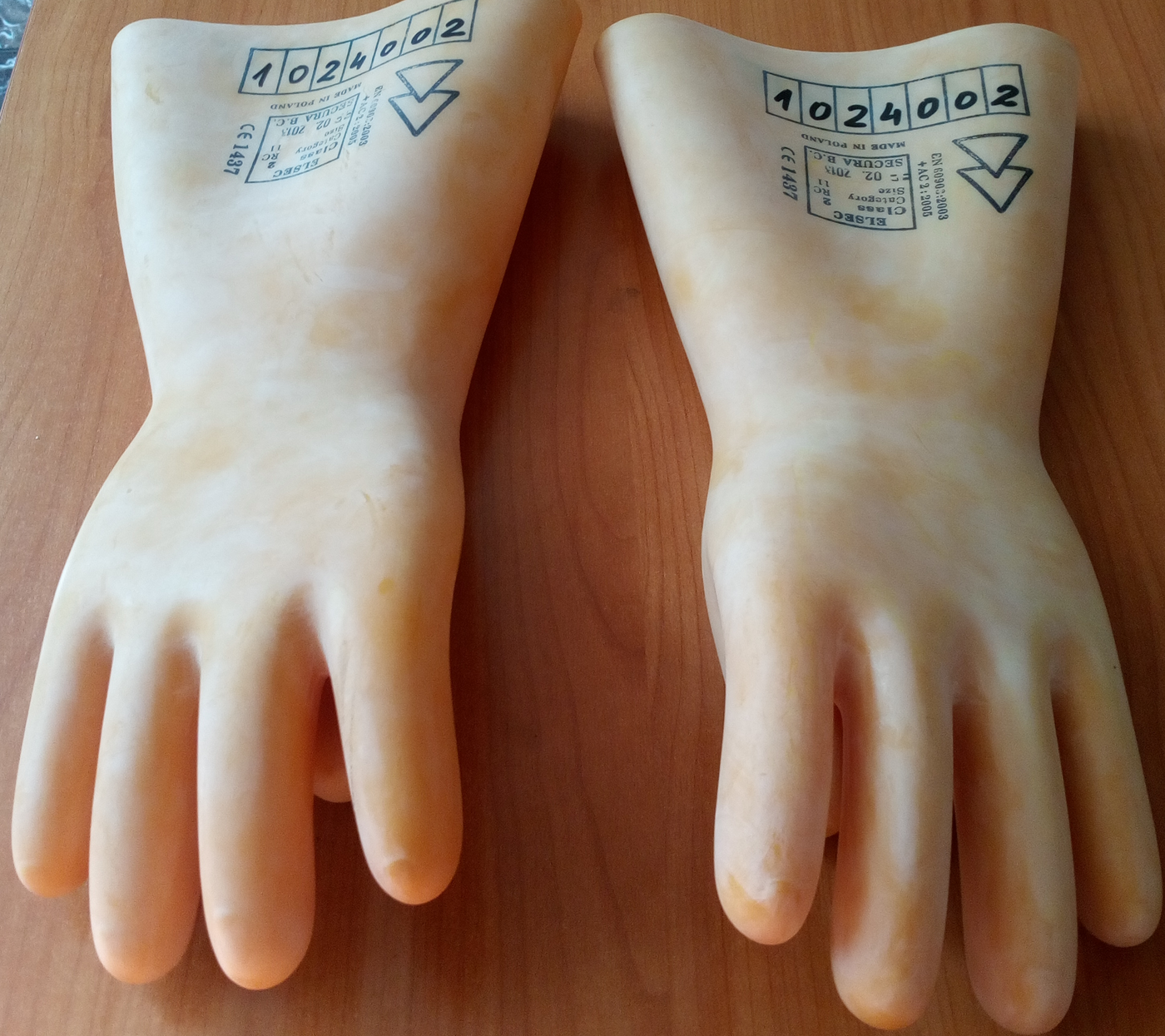
  • Insulated gloves: Protect hands from electric shock during handling of live components.

Pair of insulated gloves for electrical safety
Pair of insulated gloves for electrical safety (Source: Wikimedia Commons)
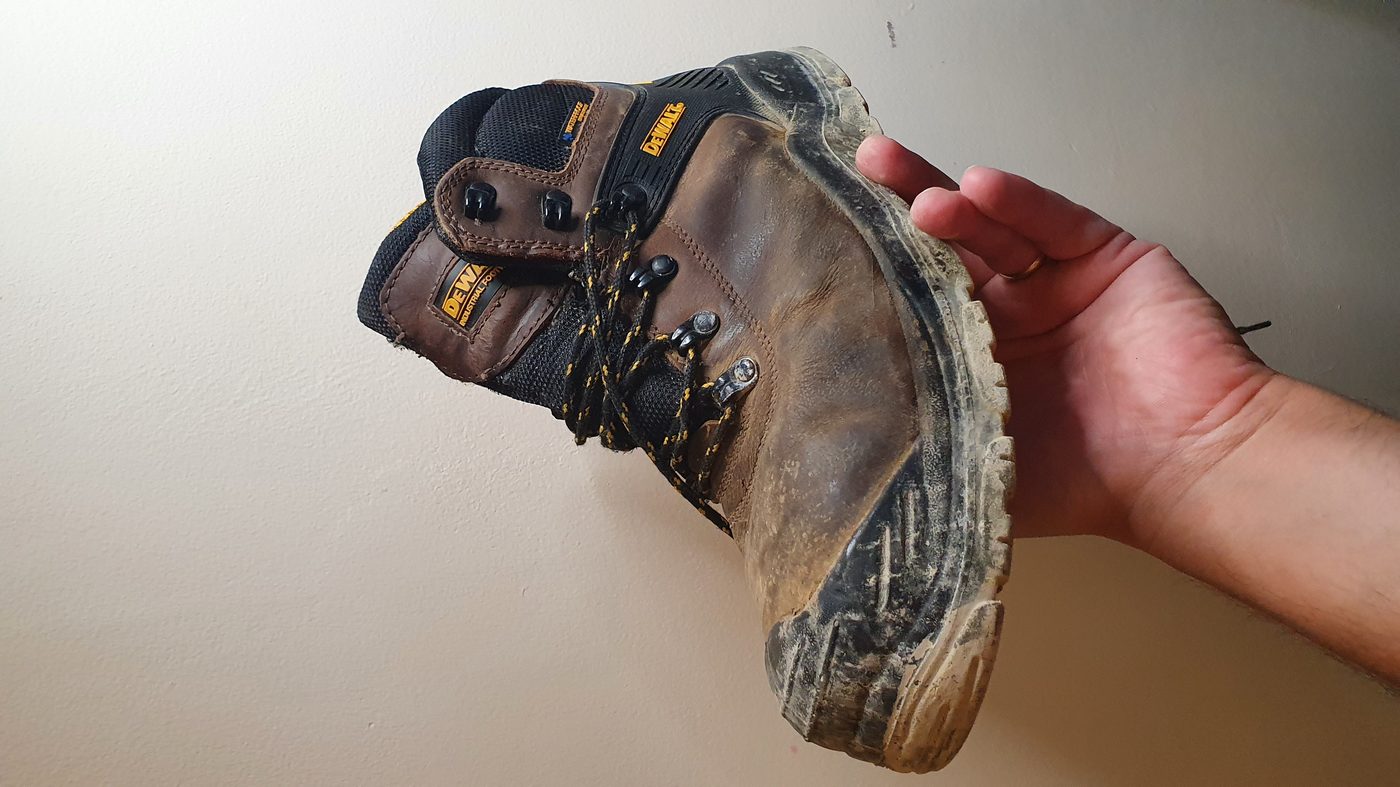
  • Safety boots: Prevent current flow through the body by insulating feet from the ground.

A single safety boot for industrial use
A single safety boot for industrial use (Source: Wikimedia Commons)
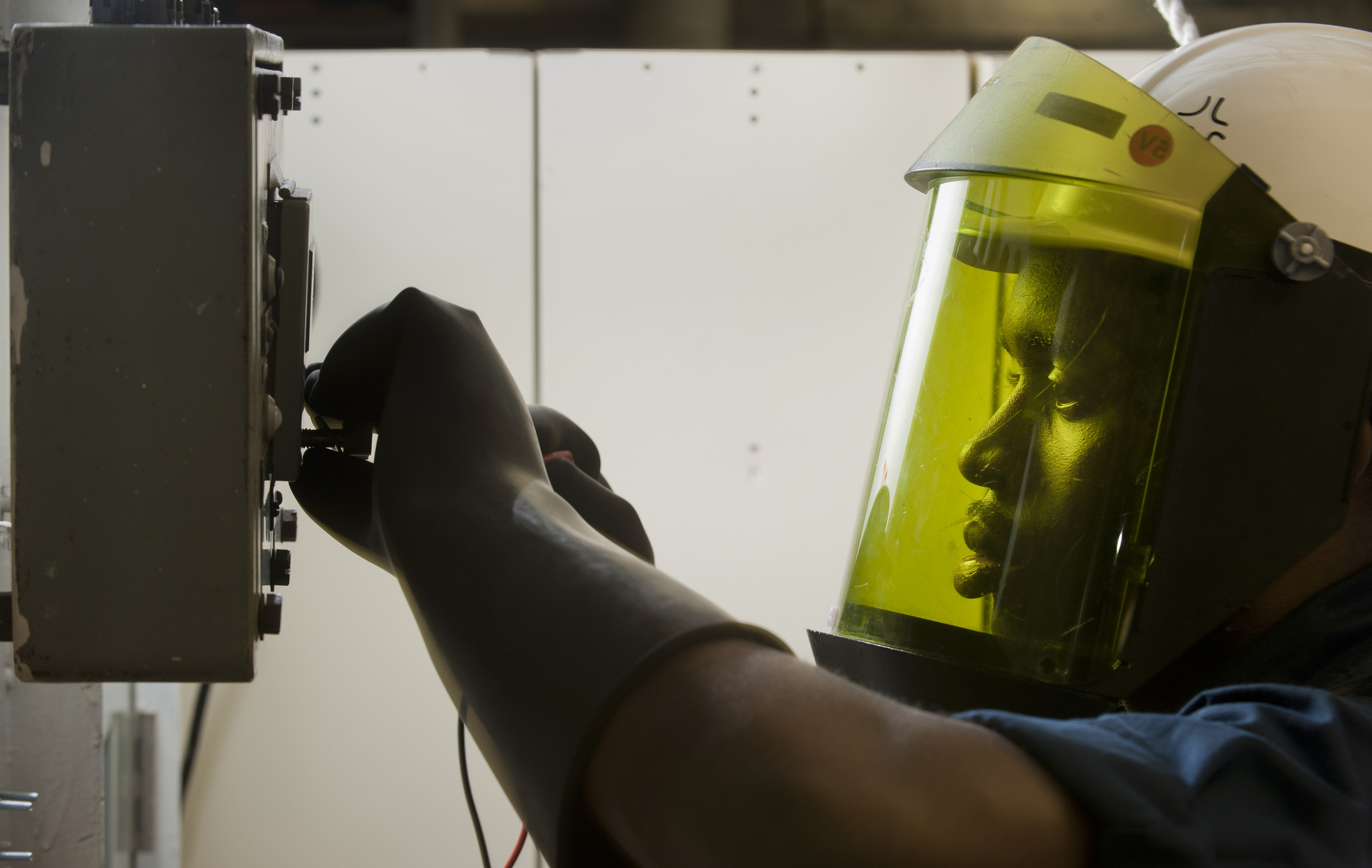
  • Face shields: Guard against arc flash and flying debris during testing or repairs.

Person wearing a yellow face shield
Person wearing a yellow face shield (Source: Wikipedia (Face shield))

  • Flame-resistant clothing: Minimize injury from sparks or electrical arcs.
  • Hearing protection: Reduce exposure to high noise levels from motors or machinery.

PPE Maintenance and Compliance

  • Regular inspection: Check gloves and boots for cracks, tears, or degradation before use.
  • Proper storage: Store PPE in dry, clean areas to preserve insulating properties.
  • Training: Ensure workers understand correct PPE use and limitations.
  • Replacement schedules: Follow manufacturer guidelines to replace worn or expired PPE.
  • Legal compliance: Align PPE standards with Kenya’s Occupational Safety and Health Act.

4.1.3 Lockout/Tagout Procedures

Lockout/Tagout (LOTO) protocols prevent accidental energizing of machines during maintenance, a critical safety practice in Kenya's electrical engineering workplaces.

Steps in Implementing LOTO

  1. Preparation: Identify all energy sources and understand machine operation.
  2. Notification: Inform affected personnel about the maintenance and LOTO application.
  3. Shutdown: Power down the machine following manufacturer instructions.
  4. Isolation: Physically disconnect or block energy sources.
  5. Lockout: Apply locks to energy-isolating devices to prevent activation.
  6. Tagout: Attach warning tags indicating maintenance work is ongoing.
  7. Verification: Test to confirm the machine is de-energized before starting work.

4.1.4 Emergency Response and First Aid

Effective emergency response plans reduce injury severity and save lives in case of electrical accidents. Kenyan workplaces must have clear procedures and trained personnel ready to act.

Components of Emergency Preparedness

  • Emergency shutdown: Procedures for quickly disconnecting power during incidents.
  • First aid training: Equipping staff to manage electric shock, burns, or falls.
  • Fire response: Availability of fire extinguishers suitable for electrical fires.
  • Incident reporting: Systematic documentation of accidents for investigation.
  • Communication: Establishing clear lines to emergency services and onsite coordinators.
The rest of this chapter
🔒

Create a free account to open more of this chapter.

Free: practical guides, quick cards, workplace scenarios and more.

Create a free account
🔒4.2 Meaning of terms

Understanding project terminology is essential for effective planning, execution, and management of electrical machine installation and maintenance projects. Clear communication minimizes errors and enhances collaboration among engineers, contractors, and clie…

🔒4.3 Maintenance

Maintenance is a critical activity in the lifecycle management of electrical machines installed in Kenya's industrial and commercial sectors. Proper maintenance ensures reliability, extends operational life, and reduces unplanned downtime in facilities such as…

🔒4.4 Fault Diagnosis/Troubleshooting

In electrical machine installation and maintenance, fault diagnosis and troubleshooting are critical skills for ensuring operational reliability and safety. In Kenya’s industrial and commercial sectors, from manufacturing plants to county government facilities…

🔒4.5 System Isolation Points

In maintaining electrical machines, system isolation points are essential for ensuring safety during inspection, repair, or replacement activities. Proper identification and use of isolation points prevent accidental energization, protecting personnel and equi…

🔒4.6 System tests e.g. continuity test, functionality test, polarity test etc

System testing is a critical stage in maintaining electrical machine installations, ensuring that all components and circuits operate safely and as intended. In Kenya's electrical engineering sector, such as in county government water treatment plants or hospi…

🔒4.7 Maintenance report and records

Maintenance reports and records are crucial tools for managing electrical machine installations in Kenya's industries and institutions. They provide documented evidence of maintenance activities, support fault diagnosis, enable compliance with regulatory requi…

🔒4.8 Maintenance Report and Records

Maintenance reports and records are fundamental in managing the lifecycle of electrical machines installed in Kenyan industries and institutions. Accurate documentation helps electrical engineers, technicians, and facility managers to track maintenance activit…

Chapter Summary

This chapter covers essential safety procedures required during the maintenance of electrical machine installations to protect personnel and equipment. It clarifies key project-related terms to ensure clear communication throughout maintenance activities. Various types of maintenance including periodic service, preventive, breakdown, and corrective are discussed in detail alongside their respective procedures. The importance of scheduling maintenance according to service manuals is emphasized to optimize machine performance and longevity. Identification and documentation of maintenance tools, materials, and equipment are highlighted, with a focus on adhering to safety standards and specifications. Fault diagnosis and troubleshooting techniques are explained to efficiently detect and resolve issues. The chapter also addresses system isolation points to ensure safe maintenance operations and describes key system tests such as continuity, functionality, and polarity tests. Finally, it underscores the significance of accurate maintenance reporting and record-keeping to track faults, tests, and overall machine condition.

Self-Assessment

🔒 PDFDownload this self-assessment, with answers

A. Written Assessment

  1. What is the primary purpose of safety procedures in electrical machine installation maintenance? (2 marks)
  2. Define the term "preventive maintenance" and explain its importance in electrical machines. (3 marks)
🔒20 more in this section.

Chapter Examination Questions

🔒 PDFDownload these examination questions, with worked answers

SECTION A (40 Marks) - Answer ALL Questions

  1. Explain the importance of following safety procedures during the installation and maintenance of electrical machines at a county hospital in Kenya. (4 marks)
  2. Define the term "preventive maintenance" and describe its significance in the upkeep of industrial electrical motors used in manufacturing plants. (4 marks)
🔒18 more in this section.

Chapter Practical Activities

Practical 1: Implement safety procedures during maintenance of electrical machine installation

Electrical Engineering · Level 6
Electrical Machines Installation
PRACTICAL ASSESSMENT
TIME: 3 HOURS
⬇ PDFCandidate Instructions (Candidate Tool)

Type: Individual

INSTRUCTIONS TO CANDIDATE:
1.  You are required to perform the following task:
i.  Demonstrate correct use of PPE and implement safety lockout/tagout procedures before maintenance of a 3-phase induction motor installation as per safety standards.
2.  You have been provided with the following resources for the practical task:
Tools & EquipmentMaterials
Voltage tester (multimeter)Safety boots
Lockout/tagout kitInsulated gloves
Electrical toolkit (screwdrivers, pliers, wire strippers)Safety goggles
Dustcoat/overall
Warning labels and safety signage
Isolator switch 3-phase
⬇ PDFResources Required (Cutting List)
S/NItemQuantity
1Safety boots1 Pair per Candidate
2Insulated gloves1 Pair per Candidate
3Safety goggles1 Pair per Candidate
4Dustcoat/overall1 Set per Candidate
5Lockout/tagout kit1 Kit per Candidate
6Voltage tester (multimeter)1 per Candidate
73-phase Induction Motor 415 V, 50 Hz1 Set per Candidate
8Isolator switch 3-phase1 per Candidate
9Warning labels and safety signage1 Set per Candidate
10Electrical toolkit (screwdrivers, pliers, wire strippers)1 Set per Candidate
11Working area clean-up materials (broom, dustpan)1 Set per Candidate
⬇ PDFAssessor Guide
Items to be EvaluatedMarks AvailableMarks ObtainedComments
TASK 1: Implement Safety Procedures
Wore all required PPE correctly (boots, gloves, goggles, dustcoat)
(Award 1 mark each for correct use of boots, gloves, goggles, dustcoat)
4
Ensured working area is clean and free from hazards before starting
(Award 2 marks for thorough housekeeping)
2
Used voltage tester to verify absence of voltage before starting maintenance
(Award 3 marks for correct and safe use of voltage tester)
3
Applied lockout/tagout procedure correctly on isolator switch
(Award 5 marks for proper isolation and tagging of energy sources)
5
Placed appropriate safety signage and warning labels visibly
(Award 2 marks for correct placement and visibility of safety signs)
2
Used tools and equipment safely and appropriately during preparation
(Award 2 marks for safe tool handling and use)
2
Followed all safety protocols throughout the preparation phase
(Award 2 marks for adherence to safety protocols including communication and awareness)
2
Sub-Total20
PRODUCT CHECKLIST
Correct demonstration of PPE use and safety lockout procedure without errors
(Award up to 10 marks for completeness, correctness, and safety compliance of demonstrated procedures)
10
Sub-Total10
GRAND TOTAL30
ASSESSMENT OUTCOME:   ☐ Competent    ☐ Not Yet Competent (competent if at least 50%)

Practical 2: Identification and Documentation of Electrical Maintenance Tools and Equipment

Electrical Engineering · Level 6
Electrical Machines Installation
PRACTICAL ASSESSMENT
TIME: 4 HOURS
⬇ PDFCandidate Instructions (Candidate Tool)

Type: Individual

INSTRUCTIONS TO CANDIDATE:
1.  You are required to perform the following task:
i.  Identify and document specifications of five key maintenance tools and equipment used in electrical machine installation maintenance, ensuring safety compliance as per Kenyan electrical safety standards.
2.  You have been provided with the following resources for the practical task:
Tools & EquipmentMaterials
Insulated Screwdriver SetElectrical Tape
Insulated PliersSafety Gloves
Digital MultimeterSafety Goggles
Wire StripperSafety Boots
Crimping ToolSpecification Sheets for Tools and Equipment
Cable TesterDocumentation Forms for Recording Specifications and Safety Compliance
Pen and Ruler
⬇ PDFResources Required (Cutting List)
S/NItemQuantity
1Insulated Screwdriver Set1 set per Candidate
2Insulated Pliers1 pair per Candidate
3Digital Multimeter1 per Candidate
4Wire Stripper1 per Candidate
5Crimping Tool1 per Candidate
6Electrical Tape1 roll per Candidate
7Cable Tester1 per Candidate
8Safety Gloves1 pair per Candidate
9Safety Goggles1 pair per Candidate
10Safety Boots1 pair per Candidate
11Specification Sheets for Tools and Equipment1 set per Candidate
12Documentation Forms for Recording Specifications and Safety Compliance2 sheets per Candidate
13Pen and Ruler1 set per Candidate
⬇ PDFAssessor Guide
Items to be EvaluatedMarks AvailableMarks ObtainedComments
TASK 1: Identification and Documentation
Wore full safety clothing including gloves, goggles, and safety boots
(Award 2 marks if all PPE worn correctly, else 0)
2
Selected five maintenance tools and equipment relevant to electrical machine installation
(Award 1 mark per correctly identified tool/equipment, max 3)
3
Documented correct specifications for each selected tool/equipment
(Award 1.2 marks per tool/equipment documented with correct voltage, insulation rating, size or capacity)
6
Verified and recorded safety compliance details for each tool/equipment
(Award 0.8 marks per tool/equipment with correct safety compliance details)
4
Maintained neat and legible documentation on provided forms
(Award 2 marks for clear, complete, and well-organized documentation)
2
Applied good housekeeping by organizing tools and cleaning work area after task
(Award 1 mark if work area is clean and tools properly stored)
1
Sub-Total18
PRODUCT CHECKLIST
Complete and accurate documentation of five maintenance tools/equipment specifications including safety compliance
(Award 7 marks for full accuracy and completeness of documentation matching provided specification sheets)
7
Correct identification and matching of tools/equipment with their safety standards
(Award 5 marks for correct matching and explanation of safety compliance standards)
5
Overall presentation neatness and professionalism in documentation
(Award 5 marks for professional, legible, and well-organized documentation)
5
Sub-Total17
GRAND TOTAL35
ASSESSMENT OUTCOME:   ☐ Competent    ☐ Not Yet Competent (competent if at least 50%)
🔒

Free: practical guides, quick cards, workplace scenarios and more.

Create a free account
🔒Prepare a maintenance schedule for a 3-phase induction motor installationPractical 3
🔒Perform system isolation for maintenance of a 3-phase electrical motor installationPractical 4
🔒Conduct continuity testing on electrical machine wiring installationPractical 5
🔒Functionality Testing of Electrical Machine InstallationPractical 6
🔒Conduct polarity testing on a 3-phase induction motor installationPractical 7
🔒Perform preventive maintenance on a 3-phase induction motor installationPractical 8
🔒Perform Breakdown Maintenance on a 3-Phase Induction Motor InstallationPractical 9
🔒Diagnose faults in a 3-phase induction motor installationPractical 10
🔒Prepare detailed maintenance report and records for electrical machine installationPractical 11
🔒Explain and Present Definitions of Electrical Machine Maintenance TermsPractical 12
🔒Perform combined system tests on a 3-phase induction motor installationPractical 13
Flashcards 20 cards Study deck ▾
Question
1

↻ Tap card to reveal answer
🔒

18 more in this section.

Create a free account
Test Yourself 17 questions Start quiz ▾
0%
0 / 2
🔒

15 more in this section.

Create a free account
Am I competent?

At the start of this chapter we promised you would be able to:

  • Diagnose electrical machine faults correctly using the service manual.
  • Fix faults accurately by following the service manual instructions.
  • Prepare clear and accurate maintenance reports that meet your organization’s requirements.
  • Create maintenance schedules correctly, following OEMS and your organization’s procedures.
  • Develop system maintenance checklists that cover all required tasks and key outcomes, using the manufacturer’s manual.
  • Select the right maintenance tools and equipment needed for scheduled maintenance.
  • Carry out inspections and tests accurately according to the original equipment manufacturer’s specifications.

Tick each one you can genuinely do.

So, are you there yet?

You're competent when you can confidently do 50% or more of what this chapter promised.

Sign in to record how you're doing.