Electrical machine winding installation is a critical task that demands precision, technical knowledge, and strict adherence to safety protocols. In Kenya, diverse sectors such as hospitals, banks, county government offices, and agricultural cooperatives rely on well-installed electrical machines to ensure uninterrupted operations. Proper installation safeguards equipment functionality, promotes workplace safety, and reduces downtime in institutions like Nairobi County Referral Hospital or Equity Bank branches. This chapter focuses on essential safety measures that protect both workers and equipment during machine winding installation.
2.1 Safety Measures
Safety measures in electrical machine winding installation are fundamental to protecting personnel from electrical hazards, mechanical injuries, and environmental risks. Kenyan workplaces such as TVET colleges and retail businesses emphasize safety compliance to maintain operational continuity and legal adherence. This section explores personal protective equipment, correct handling of tools, and housekeeping practices specific to electrical machine winding.
2.1.1 Personal Protective Equipment (PPEs)
Personal protective equipment forms the first line of defense against hazards encountered during electrical machine winding installation. Proper PPE minimizes risks from electrical shocks, cuts, abrasions, and exposure to hazardous materials common in workshops and industrial environments.
Importance of PPEs in Electrical Winding Installation
- Protection from Electrical Shocks: Insulated gloves and boots prevent direct contact with live wires, crucial in environments like county government electrical maintenance units.
- Prevention of Mechanical Injuries: Safety goggles and helmets protect against flying debris or accidental tool slips encountered in winding coils.
- Minimizing Chemical Exposure: When using cleaning solvents or insulating varnishes, respirators and protective clothing reduce inhalation and skin contact risks, essential in hospital maintenance workshops.
- Compliance with Occupational Safety Laws: Adhering to PPE requirements ensures compliance with Kenya’s Occupational Safety and Health Act, avoiding legal penalties for institutions such as banks and SACCOs.
- Enhancement of Worker Confidence and Efficiency: Workers equipped with proper PPE operate confidently and efficiently, reducing error rates during intricate winding tasks in university engineering labs.
Types of PPE Required for Electrical Machine Winding
- Insulating Gloves: Rated for electrical work, these gloves prevent electrical conduction.
- Safety Goggles: Protect eyes from dust, sparks, and chemical splashes.
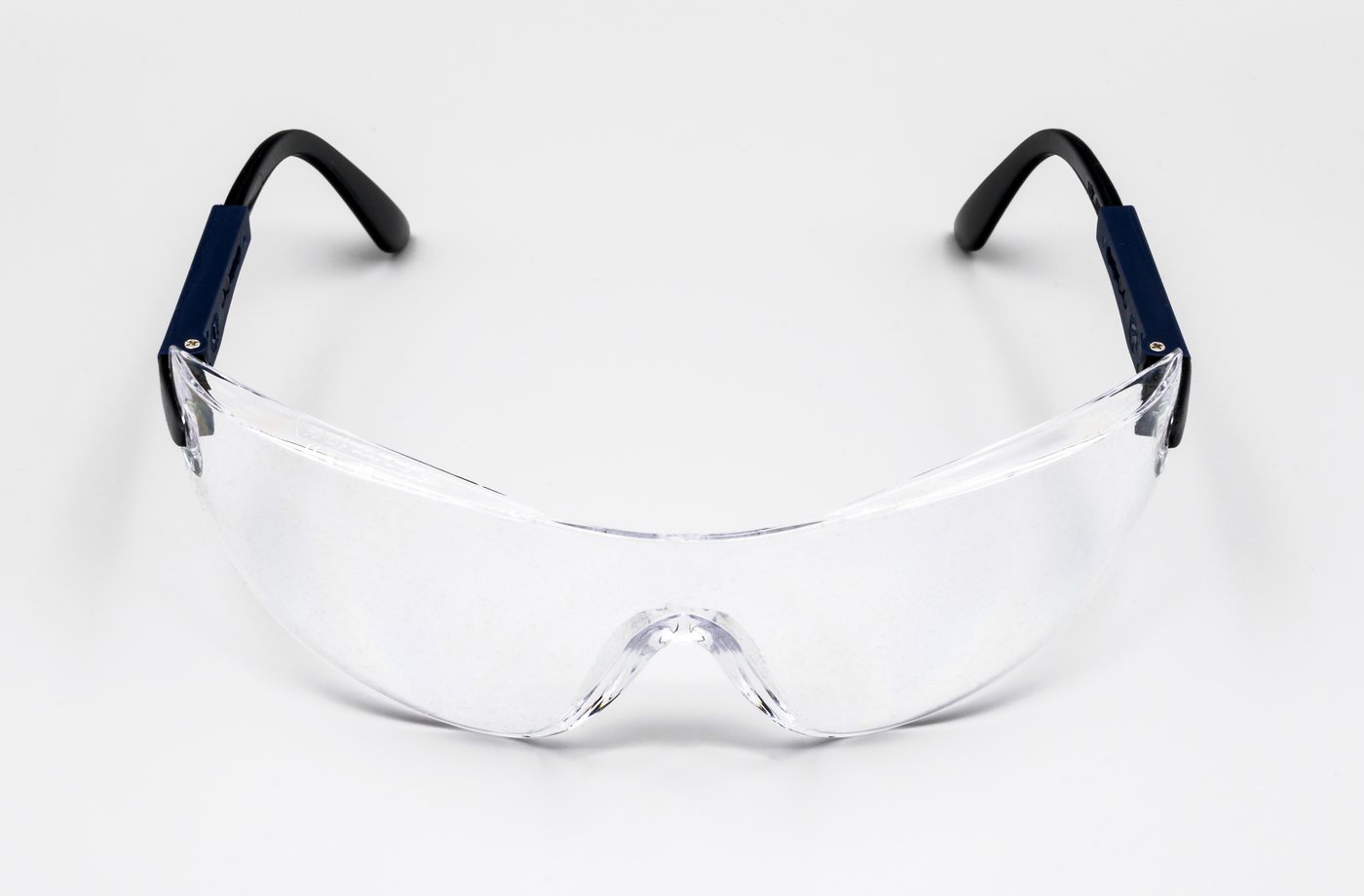
Clear safety goggles for eye protection (Source: Wikimedia Commons)
- Protective Clothing: Flame-resistant overalls shield from heat and chemical exposure.
- Safety Boots: Insulated soles prevent grounding and electrical conduction.
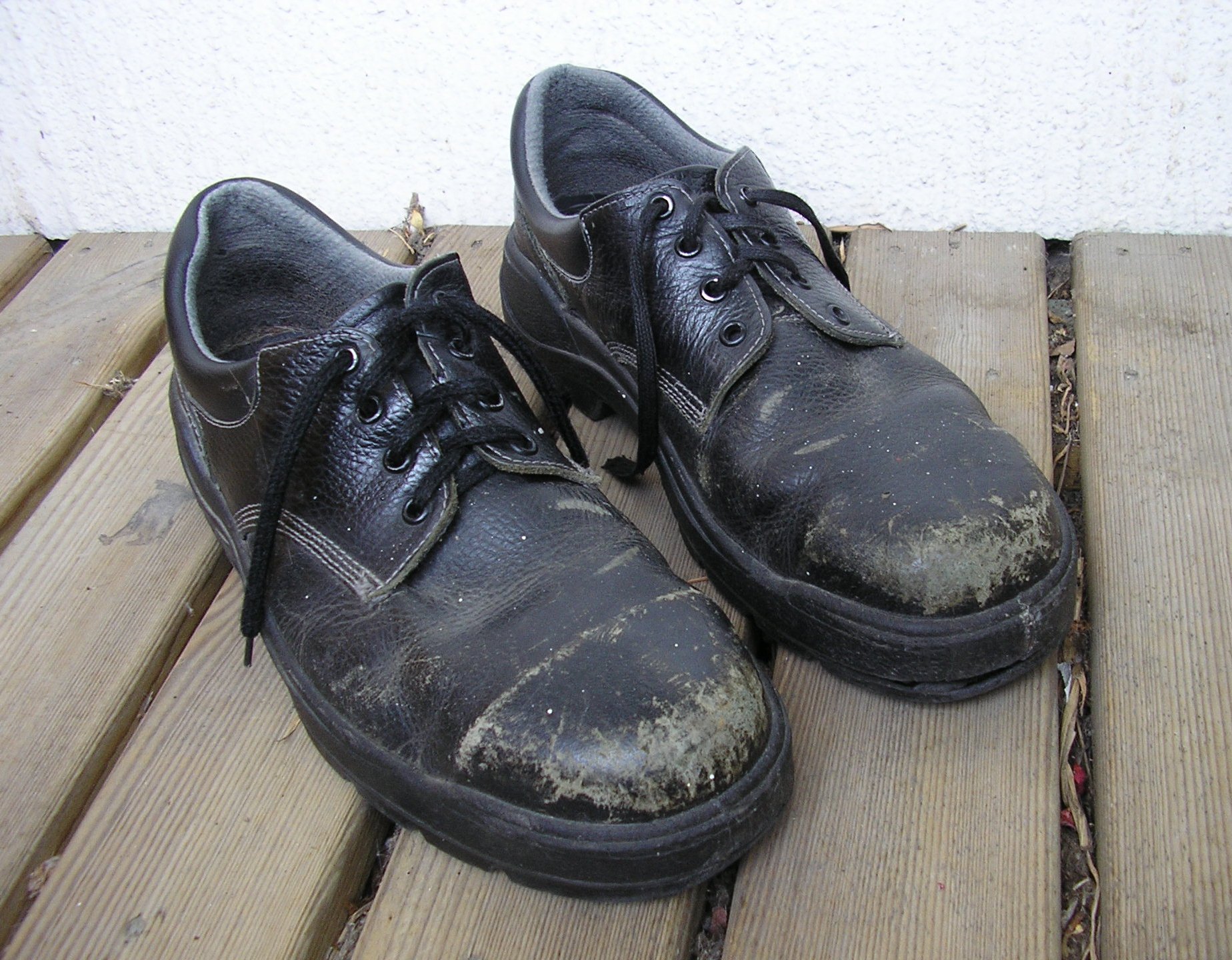
worn black safety boots on wooden floor (Source: Wikipedia (Steel-toe boot))
- Ear Protection: Earplugs or earmuffs reduce noise exposure in busy workshops.

Person wearing blue ear protection earmuffs (Source: Wikimedia Commons)
2.1.2 Handling of Tools
Correct handling of tools during electrical machine winding installation is vital to ensure safety and maintain the integrity of the winding process. Mishandling tools can cause personal injuries and damage to delicate components, leading to costly repairs or failures.
Proper Selection and Use of Tools
- Use of Insulated Tools: Tools with insulated handles prevent accidental electrical conduction, critical when working on live or partially energized circuits in county hospital maintenance.
- Appropriate Tool for Each Task: Using the correct screwdriver, wire stripper, or winding machine ensures precision and reduces the risk of damaging coils or insulation.
- Regular Inspection of Tools: Tools must be checked for wear, cracks, or insulation breakdown before use, especially in retail business workshops where equipment is shared among technicians.
- Safe Storage of Tools: Proper storage prevents damage and accidental injuries; for instance, keeping sharp tools in designated holders in university workshops.
- Avoiding Overexertion: Using power tools within recommended limits prevents tool failure and user fatigue, enhancing safety in agricultural cooperative electrical repair shops.
Safe Handling Practices
- Keep hands dry and clean to maintain grip on tools.
- Disconnect power supply before tool use when possible.
- Maintain a stable working position to avoid slips or falls.
- Use tools with ergonomic designs to reduce strain.
- Report and tag defective tools immediately for repair or disposal.
2.1.3 Housekeeping Practices
Maintaining a clean and organized working environment is essential for safety and efficiency during electrical machine winding installation. Proper housekeeping reduces hazards such as tripping, electrical faults, and contamination of winding materials.
Key Housekeeping Practices in Electrical Workshops
- Clear Workspaces: Keeping the winding area free from clutter allows safe movement and reduces the risk of accidental contact with energized parts, important in county government electrical sections.
- Proper Disposal of Waste Materials: Insulation scraps, wire ends, and solvent containers should be disposed of in designated bins to prevent fire hazards in hotel maintenance rooms.
- Organized Storage of Materials and Equipment: Coils, wires, tools, and varnishes must be stored systematically to avoid mix-ups and damage, as practiced in Nairobi Polytechnic workshops.
- Regular Cleaning of Floors and Surfaces: Sweeping and wiping down surfaces prevent dust accumulation that can impair equipment performance in retail electronics repair shops.
- Adequate Ventilation: Ensuring good airflow reduces inhalation of fumes from varnishes or solvents used during winding, critical in hospital maintenance workshops.
Practice Questions
- Explain why the use of insulated gloves and boots is essential during electrical machine winding installation. (5 marks)
- List and describe five safe handling practices for tools used in electrical winding. (10 marks)
- Discuss five housekeeping practices that enhance safety in electrical machine winding workshops. (10 marks)
The rest of this chapter
🔒Create a free account to open more of this chapter.
Free: practical guides, quick cards, workplace scenarios and more.
Create a free account 🔒2.2 Selection of tools and equipment
Winding an electric machine, such as a motor or transformer, depends on a small set of specialised tools and materials that control how the wire is counted, tensioned, insulated and protected. Choosing the right item for the machine being rewound keeps the tur…
🔒2.3 Installation procedures
Installing electrical machine windings requires a systematic approach to ensure the machine operates safely and efficiently. In Kenya, where electrical machines serve critical functions in hospitals, universities, banks, and county offices, proper installation…
Chapter Summary
This chapter provides a comprehensive overview of installing machine windings with a strong emphasis on safety measures essential for protecting the technician and ensuring a safe working environment. It highlights the importance of using appropriate personal protective equipment, careful handling of tools, and maintaining good housekeeping practices to prevent accidents and equipment damage. The chapter further explores the essential tools used in winding installation, such as the lapse counter, wire tensioner, slot liner, and shrink tubing, explaining their roles in achieving precise and durable windings. Detailed installation procedures are outlined, starting from the cleaning of machine parts to ensure a contaminant-free surface, through the careful preparation and laying of windings to achieve the correct configuration and tension. Finally, the chapter discusses the curing process of windings, including methods like drying, varnishing, and baking, which are critical for enhancing insulation and mechanical strength. Together, these topics equip learners with the knowledge to perform machine winding installations effectively and safely.
Self-Assessment
🔒 PDFDownload this self-assessment, with answers
A. Written Assessment
- What are the essential Personal Protective Equipment (PPE) required during electrical machine winding installation? (2 marks)
- Describe two safe handling practices for tools used in machine winding. (3 marks)
🔒20 more in this section.
Chapter Examination Questions
🔒 PDFDownload these examination questions, with worked answers
SECTION A (40 Marks) - Answer ALL Questions
- Identify five essential personal protective equipment (PPE) items required when installing electrical machine windings in a county referral hospital workshop. (4 marks)
- Explain the importance of proper handling of winding tools when working on electrical machines in a university maintenance workshop. (4 marks)
🔒18 more in this section.
