
Electrical single-phase intake points are the main entry points for electricity into residential and commercial buildings. Proper installation ensures safe connection to the utility supply, protection against faults, and accurate measurement of energy consumption. This section covers the essential components including cut-outs, energy meters, consumer control units (CCU), earth rods, and switch fuses, which together form the foundation of the intake system.
Cut-outs are protective devices installed at the entry point of the electrical supply to prevent damage from overloads or short circuits. They are critical in safeguarding electrical installations in facilities such as county referral hospitals and retail businesses where power surges may occur.
Cut-outs serve as the first line of defense against electrical faults by interrupting the power supply during abnormal current flows. They protect wiring and appliances from damage, reducing fire risks. In a Nairobi-based university, well-maintained cut-outs have prevented costly damage to laboratory equipment during power spikes.
There are several types of cut-outs used in single-phase systems, including:
These types differ in maintenance requirements, breaking capacity, and suitability to specific environments.
Proper installation of cut-outs involves:
Regular inspection of cut-outs is necessary to detect signs of overheating, corrosion, or mechanical damage. Testing involves checking fuse integrity and ensuring tight electrical connections. For example, at a Nairobi County government office, routine checks have reduced incidence of supply interruptions due to cut-out failures.
Energy meters measure the amount of electrical energy consumed by a premises, providing data essential for billing and energy management.
Energy meters quantify electricity usage in kilowatt-hours (kWh), enabling accurate billing by energy providers like KPLC. They also assist businesses, such as a large hotel in Mombasa, in monitoring consumption patterns to optimize energy efficiency and reduce costs.
Several types of single-phase energy meters are used:
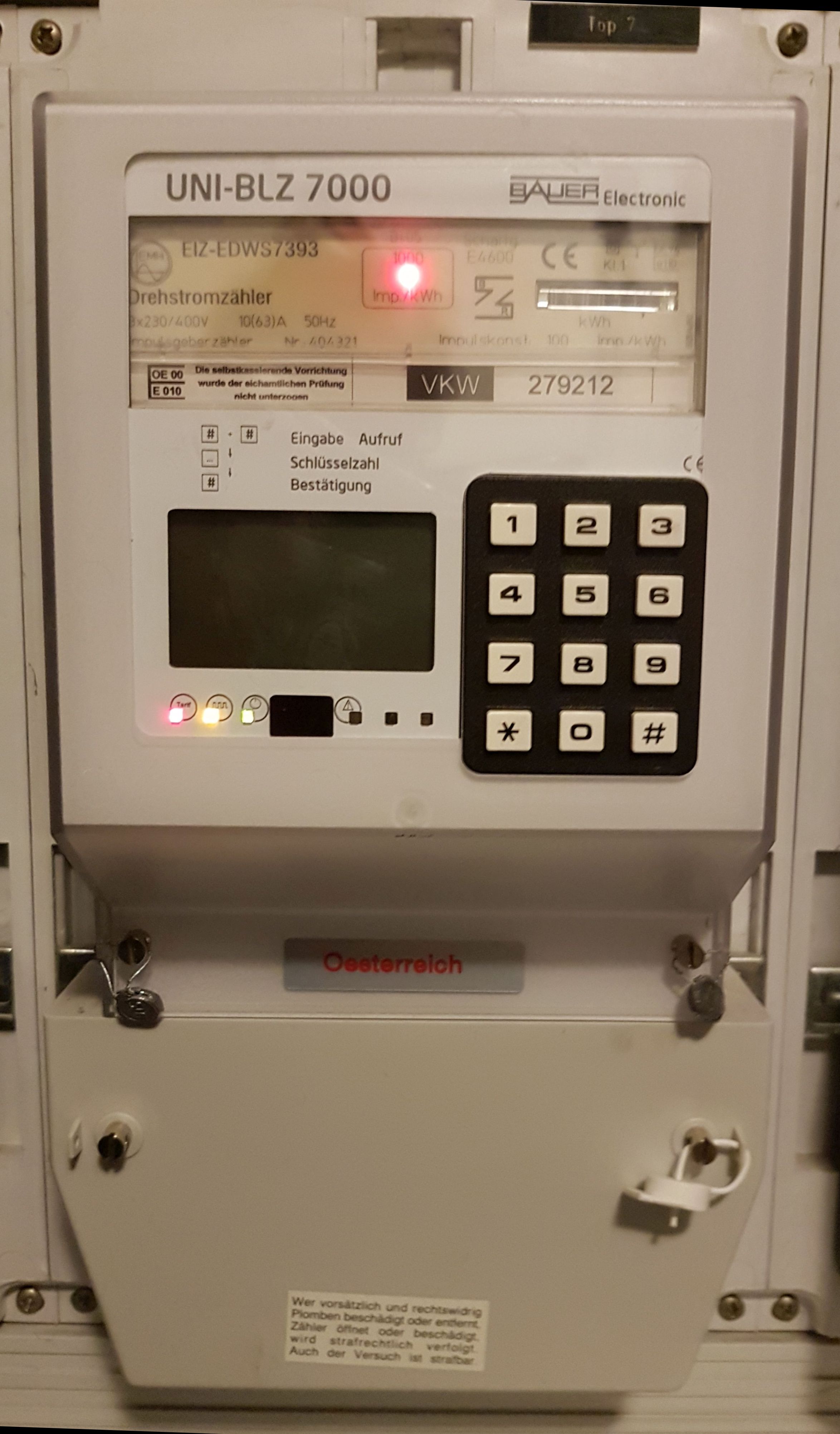
Electronic meter UNI-BLZ 7000 with keypad (Source: Wikimedia Commons)
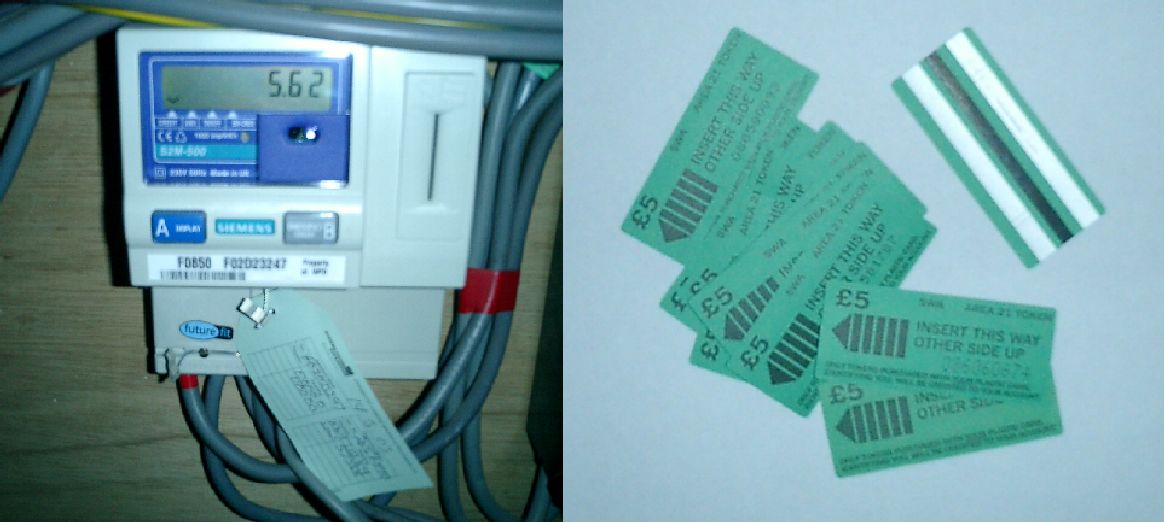
Prepaid electricity meter with recharge cards (Source: Wikimedia Commons)
Smart meters integrated with communication systems for real-time monitoring and control.
Static meters with no moving parts, offering durability in harsh environments like farms.
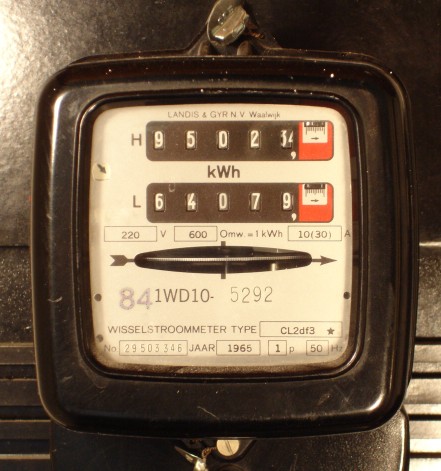
Analog static electricity meter front view (Source: Wikimedia Commons)
Installing energy meters requires:
Periodic calibration ensures meters maintain accuracy within statutory limits. Verification involves comparing recorded consumption with standard reference loads. In a Nairobi-based cooperative society, calibration protocols have enhanced trust between consumers and the utility provider.
The Consumer Control Unit integrates protective and metering devices into a single enclosure, facilitating control and monitoring of electrical supply.
A typical CCU contains:
Three types of electrical protective devices (Source: BUILDING SERVICES & PROTECTION-NOTES-7-61-1)
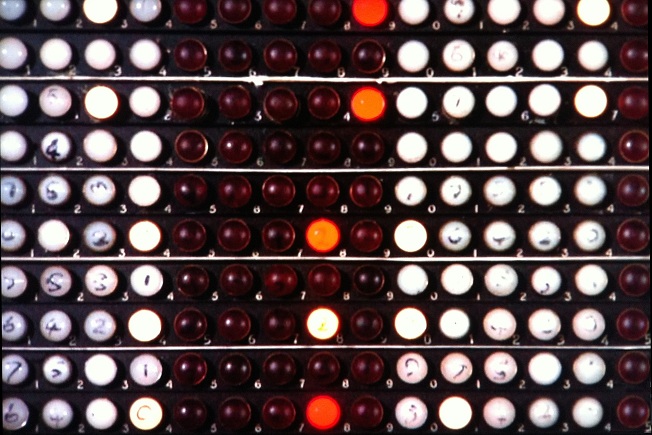
Multiple indicator lamps on a control panel (Source: Wikimedia Commons)
Installation requires:
CCUs enhance safety by consolidating control and protection devices, reducing wiring complexity. For example, a Nairobi university campus reported improved fault isolation and quicker restoration times after CCU installation.
Maintenance involves checking tightness of connections, inspecting for corrosion, and testing protective devices. Regular servicing at a retail business has minimized downtime due to electrical faults.
Earth rods provide a low-resistance path to the ground, essential for safety by dissipating fault currents and stabilizing voltage.
Earth rods protect people and equipment by ensuring that fault currents flow safely to the ground, reducing the risk of electric shock. In a Nairobi county government office, effective earthing has prevented electrical hazards during power surges.
Common earth rods are made of:
Copper for excellent conductivity and corrosion resistance.
Galvanized steel offering cost-effective durability.
Copper-bonded steel combining strength and conductivity.
Stainless steel for corrosive environments like coastal areas.
Brass used in specialized applications requiring high corrosion resistance.
Standard lengths range from 1.5m to 3m depending on soil resistivity.
Installing earth rods involves:
Earth resistance testing using an earth tester ensures values typically below 10 ohms for safety. Maintenance includes inspecting for corrosion at connection points and ensuring rods remain firmly embedded. At a cooperative farm in Eldoret, periodic testing has ensured ongoing compliance with safety standards.
Switch fuses combine switching and protective functions in a single device, enabling manual disconnection and fault interruption.
Switch fuses protect electrical installations by interrupting current during overloads or short circuits while allowing manual isolation of circuits for maintenance. A hotel in Kisumu relies on switch fuses to isolate faulty circuits quickly without disrupting the entire power supply.
Types include:
Fuse cut-outs integrating fuse and switch in a compact unit.
Rewireable switch fuses allowing fuse replacement after operation.
HRC switch fuses providing high breaking capacity for industrial settings.
Installation involves:
Routine inspection ensures the fuse element is intact and contacts are clean. Testing involves verifying operation of the switch mechanism and fuse rating compliance. At a retail business in Nakuru, scheduled maintenance of switch fuses has reduced electrical faults significantly.
Create a free account to open more of this chapter.
Free: practical guides, quick cards, workplace scenarios and more.
Create a free accountThis chapter focused on the installation of electrical accessories within a PVC sheathed cable system, starting with the single-phase intake point installation. It covered essential components such as cut-outs, energy meters, consumer control units, earth rods, and single-phase switch fuses, explaining their roles and installation procedures. The chapter then addressed the installation of final electrical circuits, detailing different lighting configurations including one-way, two-way, and intermediate switches, as well as various looping-in methods at ceiling roses, joint boxes, and switches. Power circuits were examined with particular attention to socket outlets using ring and radial systems, cooker units, and water heaters, highlighting their specific installation requirements. Finally, the chapter emphasized the importance of housekeeping activities, especially maintaining general cleanliness throughout the installation process to ensure safety and quality workmanship. Together, these topics provide a comprehensive guide to correctly fixing electrical accessories in residential or commercial wiring projects.
Type: Individual
| Tools & Equipment | Materials |
|---|---|
| Multimeter | 1.5 mm2 PVC sheathed cable |
| Spirit level | 2.5 mm2 PVC sheathed cable |
| Screwdriver set | 4-way consumer control unit |
| Wire stripper | 16A circuit breaker |
| Hammer | 32A double pole circuit breaker |
| Measuring tape | Junction box PVC |
| Pliers | Deep pattress box PVC |
| Shallow pattress box PVC | |
| 1 gang one way switch | |
| 13A switched socket outlet | |
| Wood screws assorted | |
| Cable clips | |
| Personal Protective Equipment (PPE) |
| S/N | Item | Quantity |
|---|---|---|
| 1 | 1.5 mm2 PVC sheathed cable | 5 Metres per Candidate |
| 2 | 2.5 mm2 PVC sheathed cable | 3 Metres per Candidate |
| 3 | 4-way consumer control unit | 1 Pc per Candidate |
| 4 | 16A circuit breaker | 1 Pc per Candidate |
| 5 | 32A double pole circuit breaker | 1 Pc per Candidate |
| 6 | Junction box PVC | 1 Pc per Candidate |
| 7 | Deep pattress box PVC | 2 Pcs per Candidate |
| 8 | Shallow pattress box PVC | 1 Pc per Candidate |
| 9 | 1 gang one way switch | 1 Pc per Candidate |
| 10 | 13A switched socket outlet | 1 Pc per Candidate |
| 11 | Wood screws assorted | Enough per Candidate |
| 12 | Cable clips | Enough per Candidate |
| 13 | Multimeter | 1 Pc per Candidate |
| 14 | Spirit level | 1 Pc per Candidate |
| 15 | Personal Protective Equipment (PPE) | 1 Set per Candidate |
| Items to be Evaluated | Marks Available | Marks Obtained | Comments |
|---|---|---|---|
| TASK 1: Installation process | |||
| Wore personal protective equipment including safety boots and gloves (Award 1 or 0) | 1 | ||
| Used hand tools and measuring instruments correctly (Award 2 or 0) | 2 | ||
| Observed correct cable color coding for phase, neutral, and earth (Award 1 mark each for phase, neutral, earth) | 3 | ||
| Measured and marked mounting points accurately within ±2mm (Award 3 or 0) | 3 | ||
| Fixed consumer control unit and accessories firmly and level (Award 2 or 0) | 2 | ||
| Secured cable runs straight and flat on surface, ensuring vertical alignment (Award 2 or 0) | 2 | ||
| Made cable bends at 90º with flat and smooth curves (Award 2 or 0) | 2 | ||
| Maintained uniform spacing of cable clips approximately 300mm apart (Award 2 or 0) | 2 | ||
| Performed continuity and insulation resistance tests correctly (Award 5 or 0) | 5 | ||
| Demonstrated correct circuit operation including switching and socket outlet functionality (Award 4 or 0) | 4 | ||
| Sub-Total | 26 | ||
| PRODUCT CHECKLIST | |||
| Installation mounted as per drawing dimensions 600mm width x 400mm height (Award 4 or 0) | 4 | ||
| All components fixed plumb, level and square with no visible damage (Award 3 or 0) | 3 | ||
| Cable runs are neat, with correct bending radius and no damage to insulation (Award 3 or 0) | 3 | ||
| Correct and secure wiring connections at all terminals (Award 4 or 0) | 4 | ||
| Proper labeling of circuit breakers and switches (Award 2 or 0) | 2 | ||
| Sub-Total | 16 | ||
| GRAND TOTAL | 42 | ||
Type: Individual
| Tools & Equipment | Materials |
|---|---|
| Spirit level | Single-phase cut-out 60A |
| Multimeter | 4-way consumer control unit |
| Screwdriver set | PVC sheathed copper cable 10 mm2 |
| Wire stripper | PVC sheathed copper cable 6 mm2 |
| Pliers | PVC cable clips |
| Measuring tape | Wood screws 1 inch |
| Hammer | Consumer unit mounting screws |
| PVC deep pattress box | |
| Insulation tape | |
| Cable lugs (10 mm2) | |
| Personal protective equipment |
| S/N | Item | Quantity |
|---|---|---|
| 1 | Single-phase cut-out 60A | 1 Pc per Candidate |
| 2 | 4-way consumer control unit (distribution board) | 1 Pc per Candidate |
| 3 | PVC sheathed copper cable 10 mm2 | 3 m per Candidate |
| 4 | PVC sheathed copper cable 6 mm2 | 2 m per Candidate |
| 5 | PVC cable clips | 10 Pcs per Candidate |
| 6 | Wood screws 1 inch | 10 Pcs per Candidate |
| 7 | Consumer unit mounting screws | 4 Pcs per Candidate |
| 8 | PVC deep pattress box | 1 Pc per Candidate |
| 9 | Insulation tape | 1 roll per 2 Candidates |
| 10 | Cable lugs (10 mm2) | 4 Pcs per Candidate |
| 11 | Multimeter | 1 Pc per Candidate |
| 12 | Spirit level | 1 Pc per Candidate |
| 13 | Personal protective equipment (gloves, safety boots, dustcoat) | 1 set per Candidate |
| Items to be Evaluated | Marks Available | Marks Obtained | Comments |
|---|---|---|---|
| TASK 1: Fixing and wiring single-phase cut-out | |||
| Wore personal protective equipment (gloves, safety boots, dustcoat) (Award 1 or 0) | 1 | ||
| Handled tools correctly (screwdrivers, wire stripper, pliers, hammer) (Award 2 or 0) | 2 | ||
| Measured and cut cables accurately within ±2mm tolerance (Award 3 or 0) | 3 | ||
| Observed correct cable color coding (red/live, black/neutral, green/yellow earth) (Award 3 or 0) | 3 | ||
| Fixed consumer unit and cut-out firmly and level using spirit level (Award 2 or 0) | 2 | ||
| Fixed cable runs straight, flat on surface with uniform spacing of cable clips every 300 mm (Award 4 or 0) | 4 | ||
| Made smooth 90º bends on cables where required (Award 2 or 0) | 2 | ||
| Connected cables securely to cut-out terminals using correct cable lugs and insulated terminations (Award 3 or 0) | 3 | ||
| Performed continuity and insulation resistance tests with multimeter (Award 3 or 0) | 3 | ||
| Sub-Total | 23 | ||
| PRODUCT CHECKLIST | |||
| Cut-out fixed firmly and plumb inside consumer unit with no visible gaps (Award 3 or 0) | 3 | ||
| Cable runs fixed flat, straight with uniform clips spaced approx. 300 mm apart (Award 3 or 0) | 3 | ||
| Cable bends are neat, 90º, and without kinks or damage (Award 2 or 0) | 2 | ||
| Cable connections to cut-out are secure, correctly color-coded, and insulated (Award 3 or 0) | 3 | ||
| Circuit passes continuity and insulation resistance tests (Award 4 or 0) | 4 | ||
| Wiring matches provided working drawing dimensions and layout (Award 3 or 0) | 3 | ||
| Sub-Total | 18 | ||
| GRAND TOTAL | 41 | ||