
By the end of this chapter, you will be able to:
Mastering these skills ensures you work safely and confidently, making your installations reliable and up to professional standards.
Installation of PVC sheathed cable systems requires not only technical skill but also strict adherence to safety protocols and standards to ensure reliable and safe electrical power distribution. Identifying cables and their accessories accurately is fundamental for correct installation, maintenance, and troubleshooting across diverse professional environments such as hospitals, banks, educational institutions, and county government offices. This chapter addresses essential safety considerations and the standardized colour coding of electrical cables, providing students with knowledge that supports effective and safe electrical system installations in various Kenyan sectors.
Workplace safety is paramount in electrical installations to prevent accidents, injuries, and fatalities. In Kenya, adherence to safety regulations such as the Occupational Safety and Health Act (OSHA) ensures protection of workers in environments ranging from county referral hospitals to retail businesses. Understanding the importance of safety measures and the correct use of personal protective equipment (PPE) reduces risks associated with electrical work and promotes a culture of safety in all professional settings.
Workplace safety in electrical installations protects workers, clients, and property from hazards related to electrical energy. Electrical work involves exposure to risks such as electric shock, burns, fire, and falls, which can have severe consequences if safety protocols are ignored. For example, at a county government office in Nairobi, failure to observe safety during cable installation led to an electric shock incident that could have been prevented by proper risk assessment and PPE use.
Personal Protective Equipment (PPE) is crucial in minimizing exposure to electrical hazards during cable installation. PPE must be selected based on the risk assessment of the task and workplace environment, such as a busy hotel kitchen or a large agricultural cooperative’s electrical room.
Insulated Gloves: These protect hands from electric shocks and burns. They must be rated for the voltage level encountered and regularly inspected for damage.
Safety Helmets: Helmets protect the head from falling objects and accidental bumps in confined spaces like electrical ducts in schools or hospitals.
Protective Footwear: Rubber-soled boots prevent electrical conduction to the ground, reducing shock risk, especially on wet surfaces.
Safety Glasses or Goggles: Eye protection guards against flying debris or sparks during cable cutting or stripping.
Flame-Resistant Clothing: This clothing reduces burn severity if an electrical arc flash occurs, essential in environments like retail stores with complex electrical layouts.
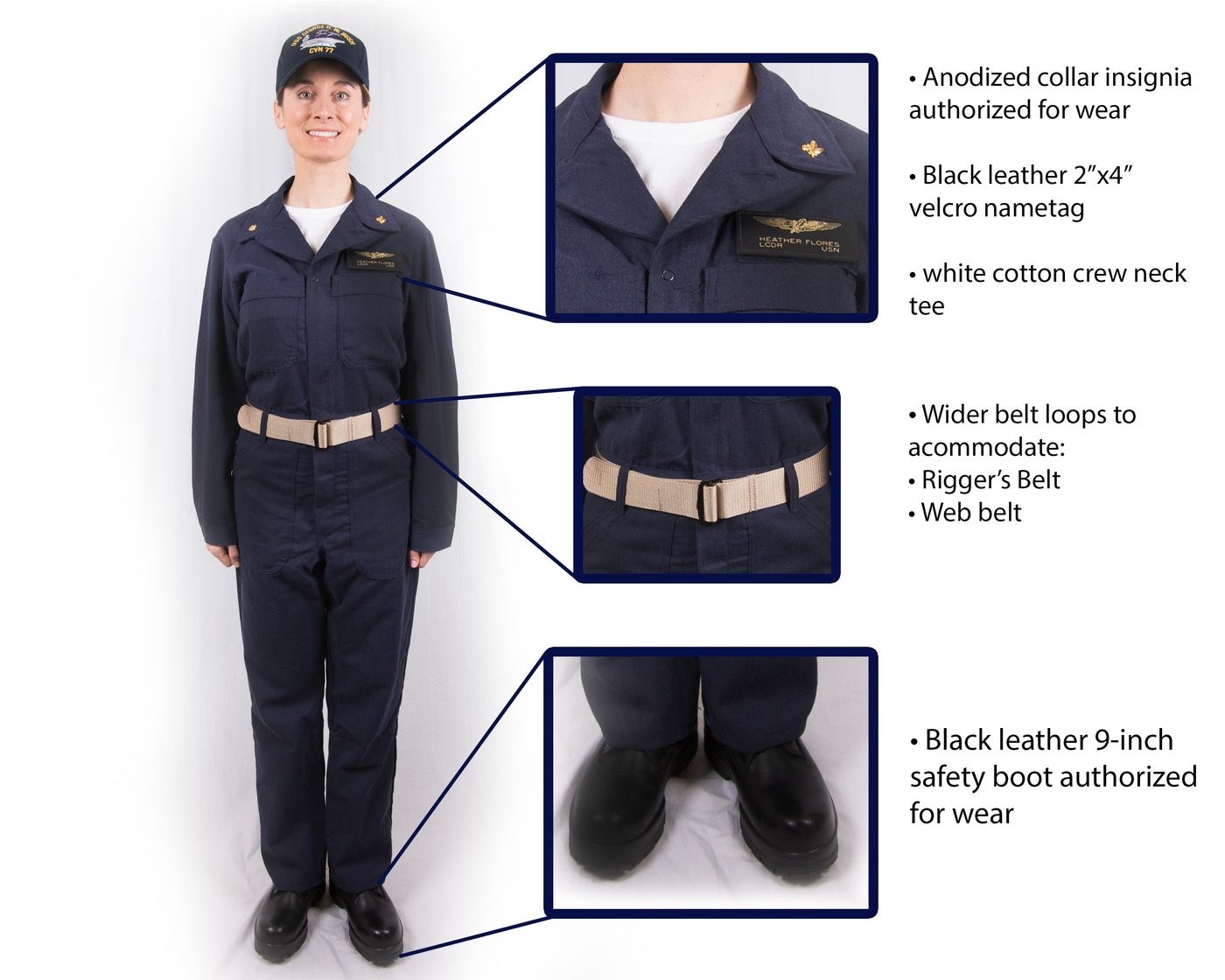
Person wearing flame-resistant clothing set (Source: Wikimedia Commons)
Beyond PPE, adopting safe work practices is vital to minimize hazards during installation. For example, in a county hospital’s maintenance department, adherence to systematic safety checks before cable work prevents incidents and ensures continuous power supply to critical equipment.
Preparedness for emergencies such as electric shock or fire is critical in workplaces like universities or SACCO offices where electrical systems support daily operations.
Create a free account to open more of this chapter.
Free: practical guides, quick cards, workplace scenarios and more.
Create a free accountThis chapter covered essential aspects of PVC sheathed cable system installation, beginning with workplace safety and the critical role of personal protective equipment in preventing accidents. It then examined the colour coding standards used to identify electrical cables, which ensures correct and safe connections. Various types of electrical cables were explored, including single core, twisted, flex, and twine with earth cables, alongside their common sizes ranging from 1.0 mm² to 6.0 mm², highlighting their specific applications. The chapter also detailed key electrical accessories such as lighting components including switches, lamp holders, and electrical lamps. Power accessories like sockets were discussed, followed by general accessories essential for installation and maintenance, including joint boxes, pattress, circuit breakers, control and communication units, cut-outs, energy meters, earth rods, metre boxes, and switch fuses. Together, these topics provide a comprehensive understanding of identifying cables and accessories vital for safe and effective electrical installations.
Type: Individual
| Tools & Equipment | Materials |
|---|---|
| Cable cutter | 1.0 mm2 single core PVC sheathed cable |
| Wire stripper | 1.5 mm2 single core PVC sheathed cable |
| Measuring tape | 2.5 mm2 single core PVC sheathed cable |
| Marker pen | 4.0 mm2 single core PVC sheathed cable |
| 6.0 mm2 single core PVC sheathed cable | |
| Twisted Pair Cable (TWE) 1.5 mm2 | |
| Flexible PVC sheathed cable 2.5 mm2 | |
| PVC insulated twine earth wire | |
| PVC cable identification tags | |
| PPE |
| S/N | Item | Quantity |
|---|---|---|
| 1 | 1.0 mm2 single core PVC sheathed cable | 2 meters per Candidate |
| 2 | 1.5 mm2 single core PVC sheathed cable | 2 meters per Candidate |
| 3 | 2.5 mm2 single core PVC sheathed cable | 2 meters per Candidate |
| 4 | 4.0 mm2 single core PVC sheathed cable | 2 meters per Candidate |
| 5 | 6.0 mm2 single core PVC sheathed cable | 2 meters per Candidate |
| 6 | Twisted Pair Cable (TWE) 1.5 mm2 | 2 meters per Candidate |
| 7 | Flexible PVC sheathed cable 2.5 mm2 | 2 meters per Candidate |
| 8 | PVC insulated twine earth wire | 2 meters per Candidate |
| 9 | Cable cutter | 1 per Candidate |
| 10 | Wire stripper | 1 per Candidate |
| 11 | Measuring tape (3m) | 1 per Candidate |
| 12 | Marker pen | 1 per Candidate |
| 13 | PVC cable identification tags | 10 pcs per Candidate |
| 14 | Personal Protective Equipment (PPE) - gloves, safety boots | 1 set per Candidate |
| Items to be Evaluated | Marks Available | Marks Obtained | Comments |
|---|---|---|---|
| TASK 1: Identification and selection of cables | |||
| Wore personal protective equipment (gloves, safety boots) (Award 2 or 0) | 2 | ||
| Handled tools correctly (cutter, stripper, tape, marker) (Award 3 or 0) | 3 | ||
| Measured cable lengths accurately (±2mm tolerance) (Award 1 mark for each cable type measured correctly x 4) | 4 | ||
| Identified cable types correctly (single core, twisted, flex, TWE) (Award 1 mark for each correct cable type identification x 6) | 6 | ||
| Selected cable sizes correctly (1.0 mm2, 1.5 mm2, 2.5 mm2, 4.0 mm2, 6.0 mm2) (Award 1 mark for each correct size selection x 5) | 5 | ||
| Applied correct color coding and identification tags (Award 3 or 0) | 3 | ||
| Sorted cables neatly and safely for installation use (Award 2 or 0) | 2 | ||
| Sub-Total | 25 | ||
| PRODUCT CHECKLIST | |||
| Correct identification and sorting of cable types and sizes verified against specification (Award 1 mark per cable type and size correctly identified and sorted x 15) | 15 | ||
| Sub-Total | 15 | ||
| GRAND TOTAL | 40 | ||
Type: Individual
| Tools & Equipment | Materials |
|---|---|
| Cable Stripping Knife | PVC Sheathed Cables (1.5 mm2, 2.5 mm2, 4.0 mm2) assorted colours |
| Insulation Resistance Tester (Megger) | PVC Cable Clips |
| Multimeter | Identification Tags/Labels |
| Marker Pen | Personal Protective Equipment (PPE) |
| S/N | Item | Quantity |
|---|---|---|
| 1 | PVC Sheathed Cables (1.5 mm2, 2.5 mm2, 4.0 mm2) assorted colours | 3 m per Candidate |
| 2 | Cable Colour Code Reference Chart (Kenya Standard KS 04-106:2018) | 1 per Candidate |
| 3 | Cable Stripping Knife | 1 per Candidate |
| 4 | Insulation Resistance Tester (Megger) | 1 per 5 Candidates |
| 5 | Multimeter | 1 per Candidate |
| 6 | PVC Cable Clips | 10 Pcs per Candidate |
| 7 | Identification Tags/Labels | 10 Pcs per Candidate |
| 8 | Marker Pen | 1 per Candidate |
| 9 | Work Bench or Table | 1 per Candidate |
| 10 | Personal Protective Equipment (PPE) including Safety Boots, Gloves, Overalls | 1 set per Candidate |
| Items to be Evaluated | Marks Available | Marks Obtained | Comments |
|---|---|---|---|
| TASK 1: Identification and Labelling of Electrical Cables | |||
| Wore personal protective equipment including safety boots and gloves (Award 2 or 0) | 2 | ||
| Used cable stripping knife safely and correctly to prepare cable ends (Award 3 or 0) | 3 | ||
| Correctly identified cable colours as per Kenyan colour coding standards (Award 2 marks for each correct identification of phase, neutral, and earth cables) | 6 | ||
| Used multimeter and insulation resistance tester to verify cable continuity and insulation (Award 4 or 0) | 4 | ||
| Properly labelled cables with correct identification tags matching colour codes (Award 3 or 0) | 3 | ||
| Fixed cables neatly using PVC cable clips ensuring straight runs and no damage (Award 2 or 0) | 2 | ||
| Sub-Total | 20 | ||
| PRODUCT CHECKLIST | |||
| Cables correctly identified and labelled according to colour code (phase-brown/red, neutral-blue/black, earth-green/yellow) (Award 5 or 0) | 5 | ||
| Cable ends stripped cleanly without damage to conductors (Award 3 or 0) | 3 | ||
| Cables fixed securely and neatly with uniform spacing of clips (Award 4 or 0) | 4 | ||
| Verification of cable continuity and insulation resistances meet standards (megger > 1 MΩ) (Award 3 or 0) | 3 | ||
| Sub-Total | 15 | ||
| GRAND TOTAL | 35 | ||
At the start of this chapter we promised you would be able to:
Tick each one you can genuinely do.
So, are you there yet?
You're competent when you can confidently do 50% or more of what this chapter promised.
Sign in to record how you're doing.