Civil engineering projects in Kenya demand meticulous management of construction materials, plant, tools, and equipment to ensure safety, efficiency, and cost-effectiveness. The success of infrastructure development, from roads and bridges to public buildings, relies on the proper selection, handling, and maintenance of these physical resources. Supervisors must understand the distinctions between plant, tools, and equipment, and their specific roles on-site, to coordinate workflow and avoid delays or accidents. This chapter examines these categories in depth, with practical insight into their purpose and management within Kenyan construction environments.
7.1 Building Plant, Tools, and Equipment
In civil engineering construction, the terms plant, tools, and equipment refer to different categories of physical assets that support work activities. Understanding these distinctions helps supervisors allocate resources appropriately, manage costs, and maintain safety standards. This section breaks down each category, clarifying their characteristics and roles in Kenyan construction projects.
7.1.1 Building Plant
Building plant refers to the large machinery and mechanical devices used on construction sites to perform heavy-duty tasks that are beyond manual capabilities. These machines are essential for earthworks, material handling, concrete mixing, and other major operations that require significant power and mobility.
Definition and Characteristics of Building Plant
Building plant comprises heavy machinery that is typically powered by diesel engines or electricity and designed for specific construction functions. Examples include excavators, bulldozers, cranes, concrete mixers, and graders. These machines are usually fixed or mobile assets that remain on-site for the duration of the project or are transported between sites.
- Power and Capacity: Building plant machines have high engine power to perform large-scale tasks such as excavation or lifting heavy loads.
- Specialization: Each type of plant is designed for a particular function, for instance, cranes for lifting, excavators for digging, and concrete mixers for batching.
- Mobility: Some plant is mobile and can move around the site or between projects, while others, like tower cranes, are fixed.
- Size and Weight: These machines are large and heavy, requiring operators with specialized training to handle them safely.
- Maintenance Needs: Regular maintenance is critical to ensure functionality and reduce downtime, involving scheduled inspections, lubrication, and repairs.
Types of Building Plant Commonly Used in Kenyan Construction
Kenyan civil engineering projects typically utilize a range of plant machinery tailored to project scale and complexity. The choice depends on factors like terrain, project duration, and budget.
- Excavators: Used for digging trenches, foundations, and bulk earthworks; common on road construction and building sites.
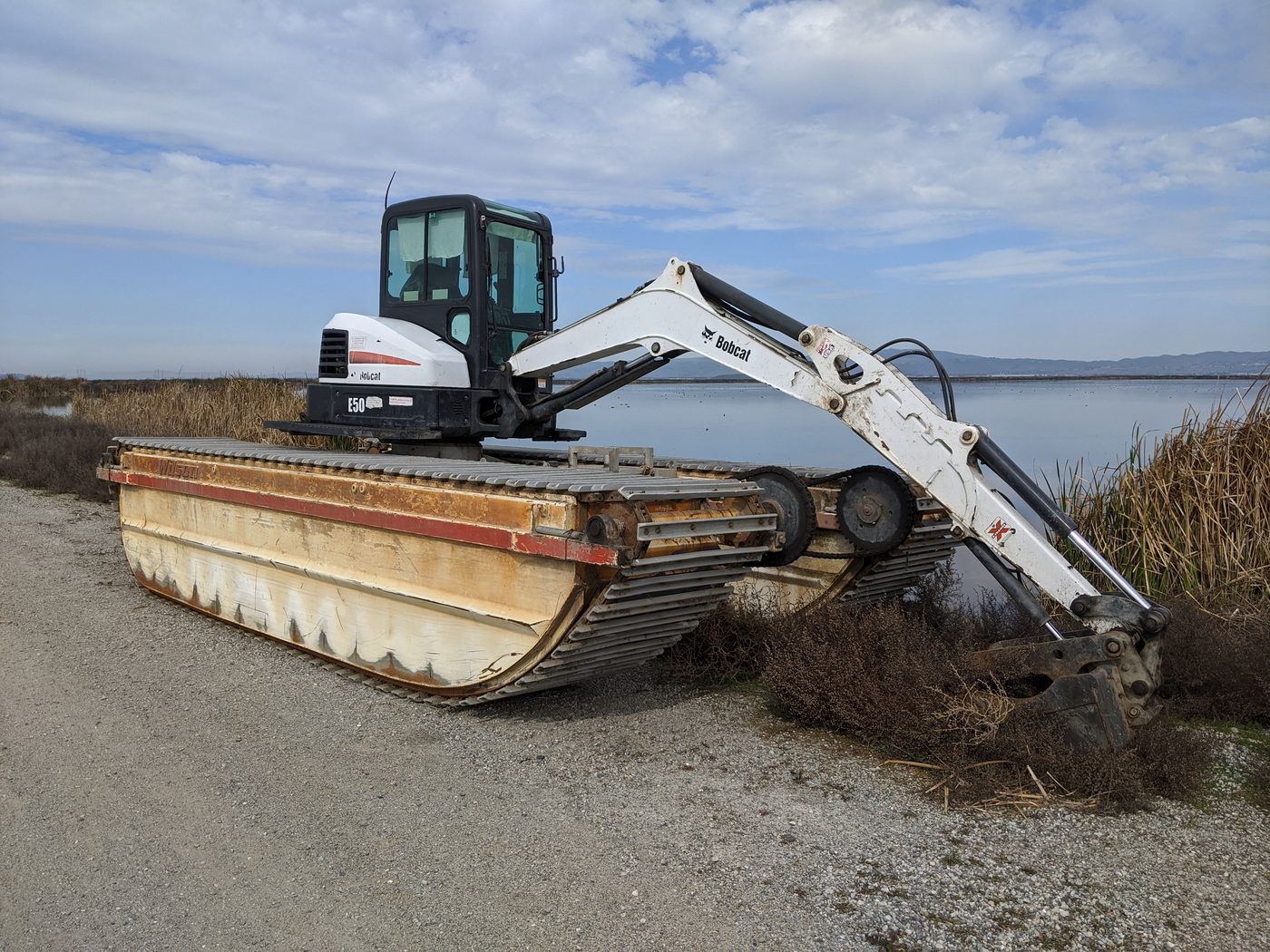
Amphibious excavator at work near water (Source: Wikimedia Commons)
- Bulldozers: Employed to clear land, level surfaces, and push large quantities of soil or debris.
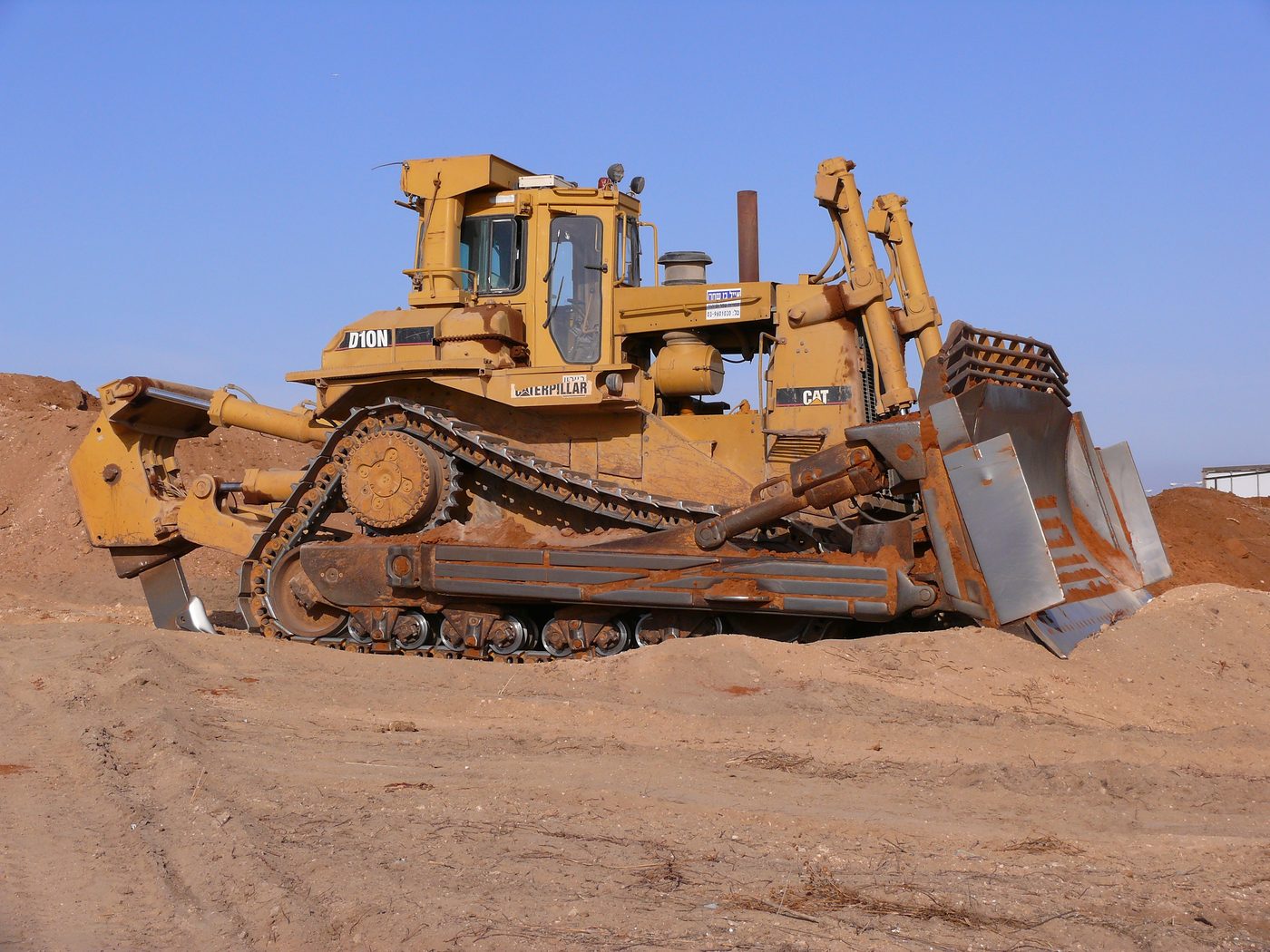
Yellow bulldozer on sandy ground (Source: Wikimedia Commons)
- Cranes: Essential for lifting heavy materials such as steel beams and precast concrete elements, especially in multi-storey construction.
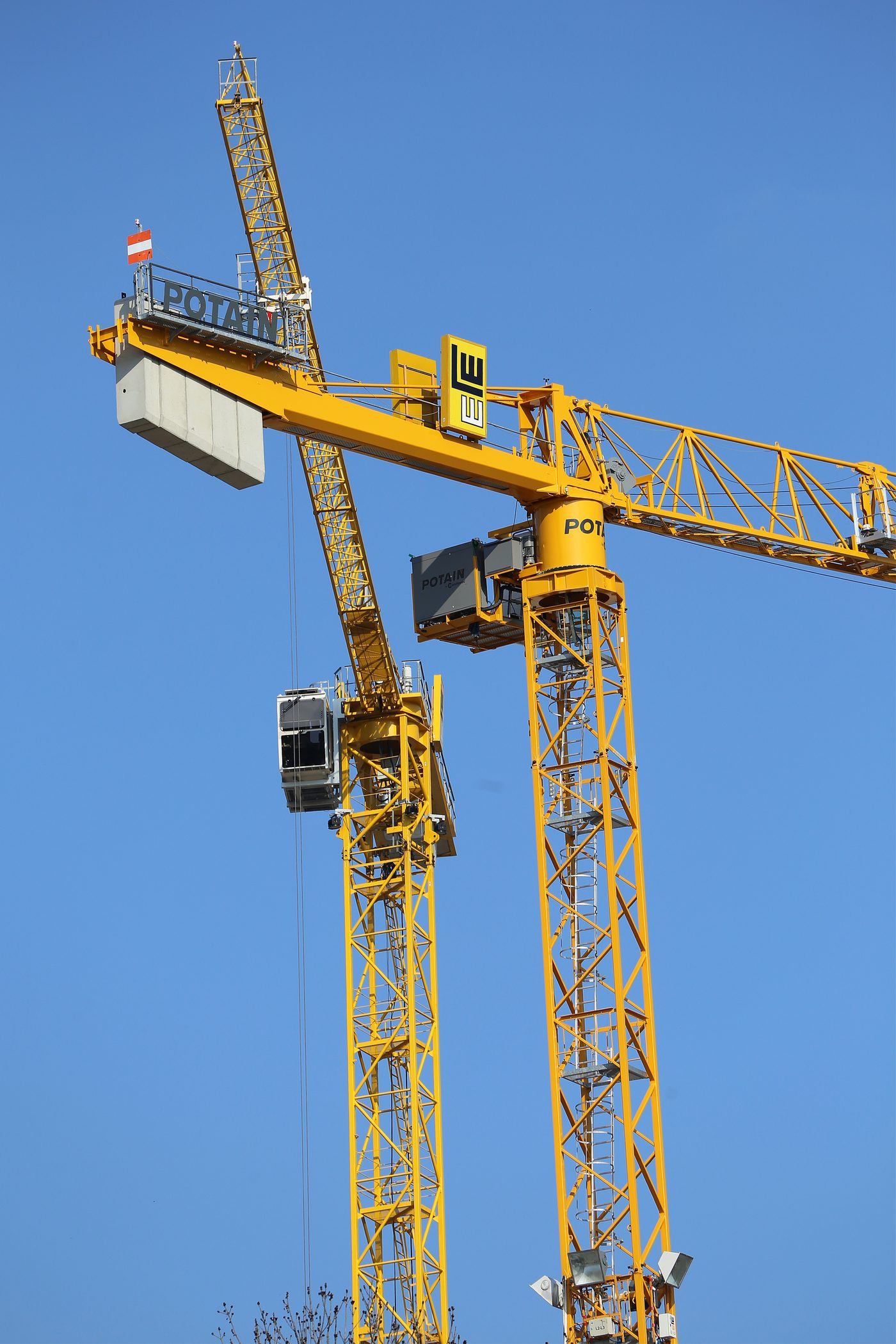
Yellow tower cranes at construction site (Source: Wikimedia Commons)
- Concrete Mixers: Used on-site to produce fresh concrete, ensuring quality control and reducing transportation costs.
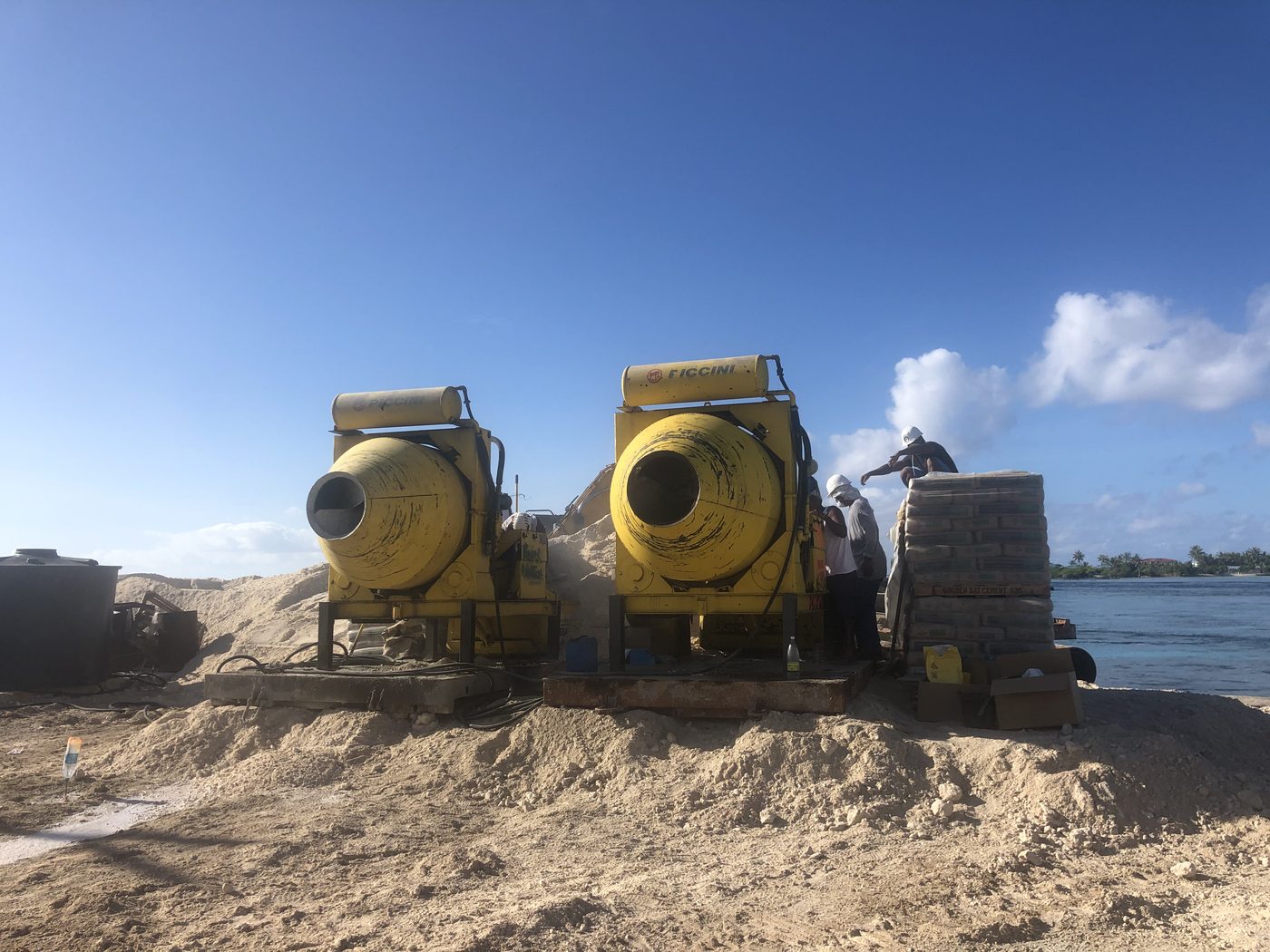
Two yellow concrete mixers on a construction site (Source: Wikipedia (Concrete mixer))
- Graders: Used in road construction to create flat surfaces and maintain road profiles.
Operation and Safety Considerations for Building Plant
Operating building plant requires skilled operators familiar with the machinery and safety protocols to prevent accidents. Supervisors must enforce safety measures such as:
- Operator Certification: Ensuring only trained and licensed personnel operate heavy machinery.
- Pre-operation Checks: Conducting daily inspections to identify faults or hazards before use.
- Site Safety Zones: Establishing exclusion zones around operating plant to protect workers and visitors.
- Communication Systems: Using radios or signals to coordinate movements and avoid collisions.
- Emergency Procedures: Having clear protocols in case of equipment failure or accidents.
Maintenance and Management of Building Plant
Maintenance management ensures plant reliability and longevity, minimizing costly breakdowns during critical project phases.
- Scheduled Maintenance: Regular servicing based on manufacturer guidelines, including oil changes, filter replacements, and hydraulic checks.
- Record Keeping: Maintaining logs of maintenance activities and repairs for accountability and future reference.
- Spare Parts Management: Ensuring availability of essential spare parts to reduce downtime.
- Operator Feedback: Encouraging operators to report issues promptly for early intervention.
- Resource Allocation: Planning plant usage to avoid overworking machines and ensuring even wear.
7.1.2 Tools
Tools in civil engineering are handheld or portable devices used by workers to perform manual tasks on-site. Unlike plant, tools require direct human effort and are essential for detailed or small-scale activities.
Definition and Scope of Tools in Construction
Tools are instruments designed to facilitate manual work such as measuring, cutting, fixing, or shaping materials. They range from simple hand tools like hammers and spades to power tools such as drills and grinders.
- Portability: Tools are generally lightweight and easy to transport around the site.
- Variety: There are numerous types of tools specialized for different trades, including masonry, carpentry, and plumbing.
- Manual or Powered: Tools can be purely manual or powered by electricity, batteries, or compressed air.
- Durability: Tools must withstand rough handling, weather exposure, and frequent use.
- Safety Features: Many tools incorporate guards and ergonomic designs to reduce injury risks.
Common Tools Used in Kenyan Civil Engineering Sites
Kenyan construction sites employ a wide range of tools depending on the task and material type.
- Measuring Tools: Tape measures, spirit levels, and theodolites for accurate layout and alignment.
- Cutting Tools: Handsaws, bolt cutters, and angle grinders for shaping materials.
- Fixing Tools: Hammers, screwdrivers, and wrenches for assembling components.
- Digging Tools: Spades, mattocks, and picks used in trenching and earthworks.
- Finishing Tools: Trowels and floats used in concrete finishing and plastering.
Selection Criteria for Tools on Construction Projects
Selecting the right tool affects productivity and quality. Supervisors consider:
- Task Suitability: Choosing tools appropriate for the specific job to ensure efficiency and precision.
- Durability and Quality: Investing in robust tools that withstand Kenyan site conditions, including dust and moisture.
- Operator Skill Level: Matching tools to workers’ expertise to avoid misuse or damage.
- Availability of Spare Parts: Ensuring tools can be repaired easily on-site or locally.
- Cost-effectiveness: Balancing initial cost with expected lifespan and maintenance needs.
Maintenance and Storage of Tools
Proper maintenance extends tool life and ensures safety.
- Cleaning after Use: Removing dirt and debris to prevent corrosion and damage.
- Regular Inspection: Checking for wear, cracks, or broken parts before use.
- Sharpening Cutting Tools: Keeping blades sharp to reduce operator effort and improve results.
- Safe Storage: Using toolboxes or designated storage areas to prevent loss and damage.
- Proper Handling: Training workers on correct use to avoid accidents and tool breakage.
7.1.3 Equipment
Equipment refers to medium to large devices that assist construction activities but are distinct from heavy plant. These include machinery and systems that support site operations but often require less power or are more mobile than plant.
Defining Equipment in Civil Engineering Construction
Equipment encompasses mechanical or electrical devices that facilitate work processes but are not classified as heavy plant. Examples include generators, compressors, pumps, and scaffolding systems.
- Support Function: Equipment often supports primary construction activities, such as providing power or access.
- Mobility: Equipment units are usually portable or semi-portable and can be repositioned as needed.
- Power Source: Many pieces of equipment run on electricity, fuel, or compressed air.
- Versatility: Some equipment serves multiple functions depending on attachments or configurations.
- Operational Complexity: Equipment may require trained operators but generally less specialized than plant machinery.
Typical Equipment Used on Kenyan Construction Sites
Kenyan civil engineering projects utilize various equipment types to enhance efficiency and safety.
-
Generators: Provide electricity for tools and lighting in remote locations.
-
Air Compressors: Power pneumatic tools such as jackhammers and nail guns.
-
Water Pumps: Used for dewatering excavations or supplying water for mixing.
-
Scaffolding: Provides safe working platforms at height.
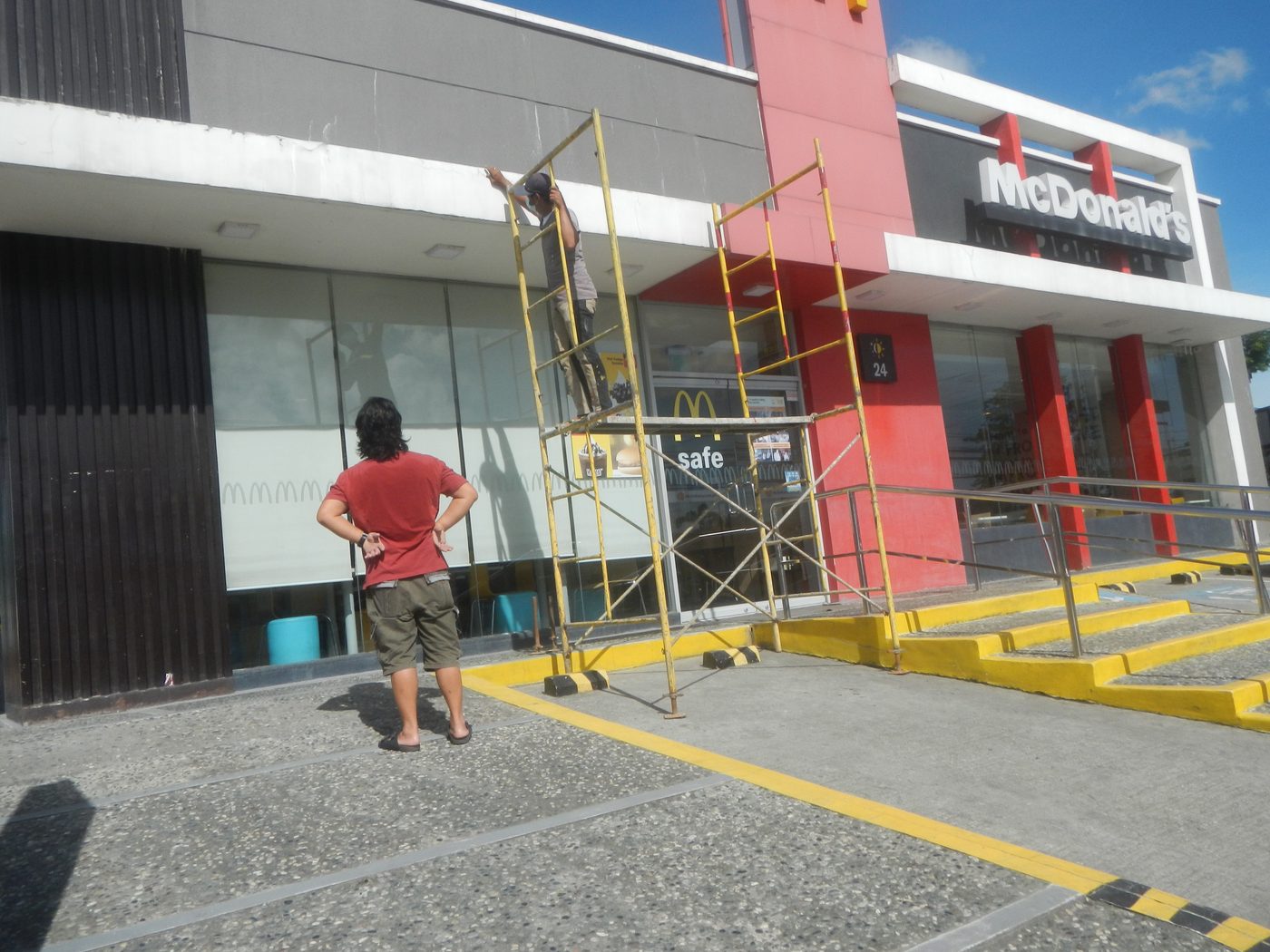
Metal scaffolding used for building maintenance (Source: Wikimedia Commons)
- Concrete Vibrators: Ensure compaction of concrete to eliminate voids and improve strength.
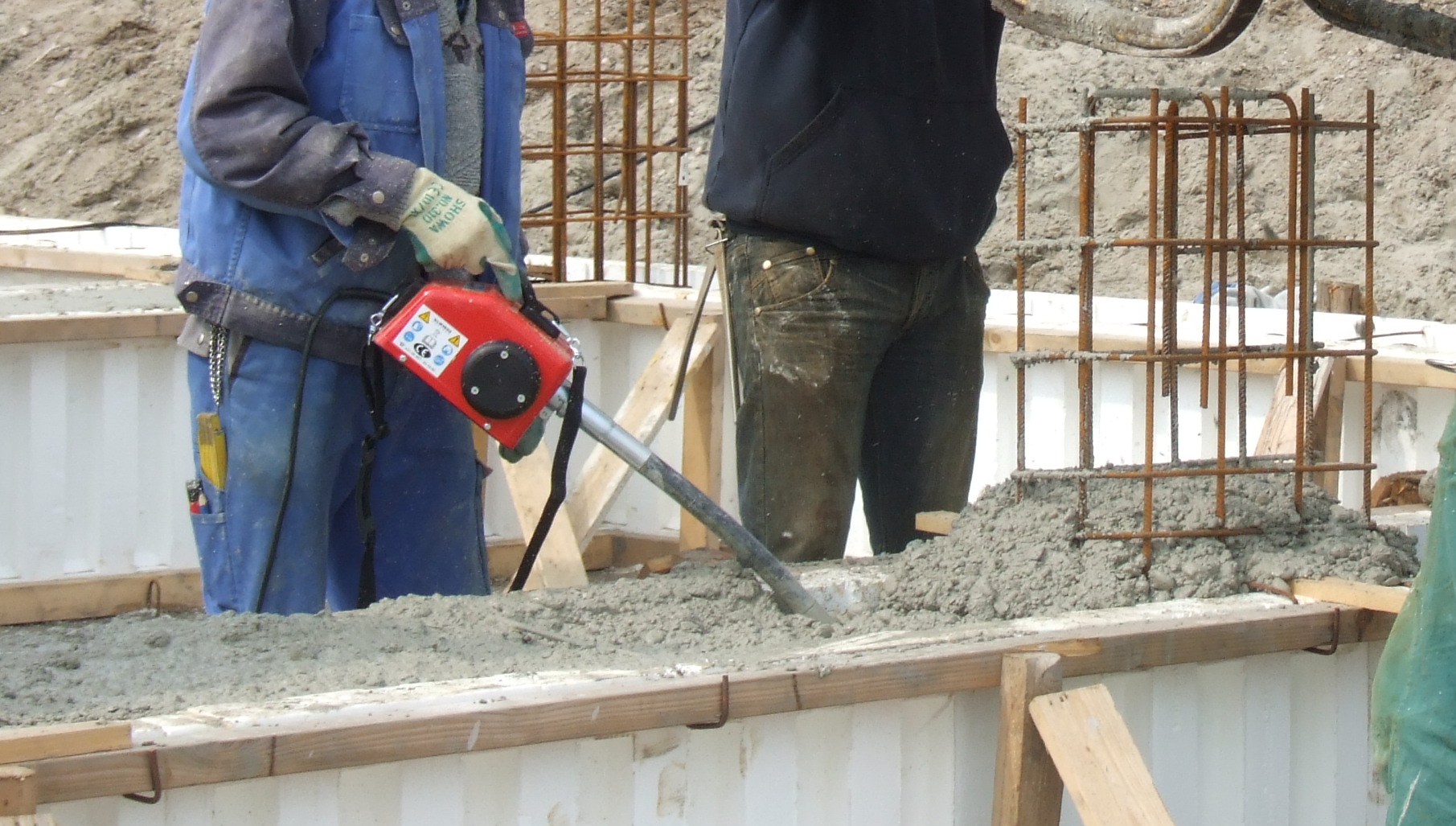
Concrete vibrator used in construction (Source: Wikimedia Commons)
Operational Considerations for Equipment
Managing equipment requires attention to operational readiness and safety.
- Operator Training: Ensuring users understand operation and emergency shutdown procedures.
- Routine Checks: Inspecting equipment for leaks, wear, and functionality before use.
- Fuel and Power Management: Monitoring supply levels to avoid interruptions.
- Safe Setup: Positioning equipment on stable ground and securing it to prevent accidents.
- Noise and Emission Controls: Minimizing environmental impact and complying with NEMA regulations.
Maintenance and Inventory Control of Equipment
Efficient maintenance and inventory tracking prevent project delays.
- Preventive Maintenance: Scheduled servicing based on operating hours or manufacturer recommendations.
- Inventory Records: Keeping detailed logs of equipment location, usage, and condition.
- Spare Parts Stocking: Ensuring critical parts are available to reduce downtime.
- Repair Procedures: Establishing protocols for timely repairs and use of qualified technicians.
- Disposal and Replacement: Planning for equipment end-of-life and procurement of new units.
7.1.4 Purpose
Understanding the purpose of plant, tools, and equipment clarifies their essential role in construction productivity, quality, and safety. Each category contributes uniquely to the project lifecycle.
Enhancing Efficiency in Construction Activities
Plant, tools, and equipment reduce manual labor intensity and accelerate task completion. For example, excavators can move earth volumes in hours that manual labor would take weeks to accomplish, improving project timelines and reducing overall costs.
- Time Savings: Mechanized operations speed up earthworks, material handling, and concrete placement.
- Labor Reduction: Machines and tools reduce the number of workers needed for physically demanding tasks.
- Precision: Specialized tools and equipment improve accuracy in measurements and construction quality.
- Multitasking: Equipment like cranes enable simultaneous lifting and positioning, saving time.
- Consistent Output: Mechanized processes deliver uniform results, enhancing structural integrity.
Improving Safety on Construction Sites
Proper use of plant, tools, and equipment reduces workplace accidents and health risks. For instance, scaffolding provides secure elevated work platforms, preventing falls that are common in building works.
- Reducing Manual Handling Injuries: Machines handle heavy loads, minimizing strain on workers.
- Controlled Work Environment: Equipment with safety guards limits exposure to hazards.
- Ergonomic Tools: Designed to reduce fatigue and repetitive strain injuries.
- Site Organization: Clearly designated zones for plant and equipment reduce congestion and collisions.
- Emergency Response: Equipment such as power shutoffs and fire extinguishers enhance site safety readiness.
Ensuring Quality and Compliance with Standards
Using appropriate plant, tools, and equipment helps meet Kenyan construction standards and client specifications.
- Material Handling: Proper equipment prevents damage to materials during transport and storage.
- Accurate Measurements: Precision tools ensure structures conform to design dimensions.
- Uniform Concrete Mixing: On-site mixers maintain mix consistency critical for strength.
- Regulatory Compliance: Equipment enables adherence to NCA and OSHA safety and quality regulations.
- Documentation: Use of calibrated tools supports verification and quality assurance processes.
Cost Management and Resource Optimization
Effective management of plant, tools, and equipment controls project costs by reducing waste and downtime.
- Preventing Breakdowns: Regular maintenance avoids expensive repairs and project delays.
- Optimizing Usage: Scheduling equipment use maximizes productivity and asset life.
- Reducing Material Waste: Precision tools minimize cutting errors and rework.
- Inventory Control: Avoiding over-purchasing and theft through proper tracking.
- Energy Efficiency: Selecting appropriate equipment reduces fuel and electricity consumption.
Supporting Environmental Sustainability
Modern construction emphasizes minimizing environmental impact, which plant, tools, and equipment can support.
- Emission Controls: Using machinery compliant with Kenya’s environmental standards reduces pollution.
- Efficient Resource Use: Equipment that optimizes material use reduces waste.
- Noise Reduction: Selecting quieter tools minimizes disturbance to surrounding communities.
- Waste Management: Tools and equipment facilitate proper sorting and disposal of construction waste.
- Site Rehabilitation: Plant machinery aids in restoring sites post-construction for ecological balance.
Practice Questions
-
Explain the distinguishing characteristics of building plant and provide five examples commonly used in Kenyan civil engineering projects. (10 marks)
-
Discuss the key factors to consider when selecting tools for use on a construction site. (10 marks)
-
Describe four types of equipment used to support construction activities and explain their operational considerations. (12 marks)
-
Analyze the purposes of construction plant, tools, and equipment in enhancing safety and quality on site. (13 marks)
The rest of this chapter
🔒Create a free account to open more of this chapter.
Free: practical guides, quick cards, workplace scenarios and more.
Create a free account 🔒7.2 Types of Building Materials
In civil engineering projects across Kenya, the choice of building materials directly influences structural performance, cost-efficiency, durability, and sustainability. Understanding the classification of materials helps supervisors manage procurement, qualit…
🔒7.3 Standard Material Schedule
In civil engineering projects, managing construction materials efficiently is a critical aspect of project supervision. A Standard Material Schedule serves as a comprehensive guide that outlines the types, quantities, specifications, and delivery timelines of…
🔒7.4 Standard Material Rates
In civil engineering projects in Kenya, managing costs effectively is essential for project success and profitability. One of the critical tools for cost control is the use of standard material rates, which provide benchmark costs for construction materials. T…
🔒7.5 Types of Equipment
In civil engineering projects in Kenya, managing various types of equipment is crucial for ensuring timely completion, quality workmanship, and safety. Equipment selection depends on the project scale, site conditions, and the specific construction activities…
🔒7.6 Standard Equipment Schedule
In civil engineering projects, managing equipment effectively is crucial for maintaining project timelines, controlling costs, and ensuring safety. A Standard Equipment Schedule provides a structured framework for organizing the allocation, usage, and maintena…
🔒7.7 Verification of Materials
Verification of construction materials is a critical process in civil engineering projects in Kenya to ensure that the materials used meet the specified standards and quality requirements. This process safeguards the structural integrity of buildings, roads, a…
🔒7.8 Recording
In civil engineering projects supervision, recording is a critical activity that ensures accurate documentation of all events, transactions, and observations related to construction materials, plant, tools, and equipment. In the Kenyan construction industry, p…
🔒7.9 Issuing of Materials
In civil engineering projects in Kenya, the issuing of materials is a critical phase that ensures the right quantities and quality of construction materials reach the site at the appropriate time. Proper material issuing prevents delays, cost overruns, and was…
🔒7.10 Plant, Tools, and Equipment Maintenance
In civil engineering projects in Kenya, effective maintenance of plant, tools, and equipment is crucial to ensure safety, productivity, and cost efficiency. Construction sites depend on machinery such as concrete mixers, cranes, and earthmoving equipment, as w…
Chapter Summary
This chapter examined the management of construction materials, plant, tools, and equipment essential for civil engineering projects. It began by distinguishing building plant, tools, and equipment, clarifying their definitions and purposes in construction activities. The discussion then explored various types of building materials including natural, manufactured, composite, finishing, and sustainable materials, emphasizing their roles in project quality and environmental stewardship. The concept of a standard material schedule was introduced, detailing its definition, purpose, and key components to ensure proper material planning and control. Standard material rates were also covered, highlighting their importance in budgeting and procurement along with typical sources. Various categories of equipment were defined, ranging from heavy and construction equipment to specialized, transportation, and maintenance equipment, followed by an explanation of the standard equipment schedule and its components. The chapter further addressed the verification of materials, outlining methods and objectives to maintain quality standards. It then described the recording process, including its definition, purpose, and types of records necessary for accountability. Procedures for issuing materials were presented, focusing on the process, appropriate steps, and record-keeping. Finally, the chapter emphasized the importance of plant, tools, and equipment maintenance through routine checks, preventative measures, repairs, replacements, and proper documentation to sustain operational efficiency and safety on site.
Self-Assessment
🔒 PDFDownload this self-assessment, with answers
A. Written Assessment
- Define building plant and explain its role in a civil engineering construction site. (4 marks)
- Identify three types of natural building materials commonly used in Kenya and discuss one key property of each. (6 marks)
🔒20 more in this section.
Chapter Examination Questions
🔒 PDFDownload these examination questions, with worked answers
SECTION A (40 Marks) - Answer ALL Questions
- Define the term building plant and explain its significance in the supervision of a road construction project in Kenya. (4 marks)
- Differentiate between natural materials and manufactured materials used in civil engineering construction, providing examples relevant to building a county government office. (4 marks)
🔒18 more in this section.
Chapter Practical Activities
Practical 1: Identify and classify building plant, tools, and equipment on site
Civil Engineering · Level 6
Civil Engineering Projects Supervision
PRACTICAL ASSESSMENT
TIME: 4 HOURS
⬇ PDFCandidate Instructions (Candidate Tool)
Type: Individual
INSTRUCTIONS TO CANDIDATE:
1. You are required to perform the following task:
i. Identify and classify 15 specified building plant, tools and equipment by their purpose on site as per the provided list.
2. You have been provided with the following resources for the practical task:
| Tools & Equipment | Materials |
|---|
| Spirit level | Safety helmet |
| Tape measure (30 m) | Safety boots |
| Wheelbarrow | Reflective vest |
| Shovel | |
| Pickaxe | |
| Hand saw | |
| Claw hammer | |
| Bar bending machine | |
| Generator set | |
| Excavator | |
| Concrete vibrator | |
⬇ PDFResources Required (Cutting List)
| S/N | Item | Quantity |
|---|
| 1 | Safety helmet | 1 Pc per Candidate |
| 2 | Safety boots | 1 Pair per Candidate |
| 3 | Reflective vest | 1 Pc per Candidate |
| 4 | Spirit level | 1 Pc per 2 Candidates |
| 5 | Tape measure (30 m) | 1 Pc per Candidate |
| 6 | Wheelbarrow | 1 Pc per 3 Candidates |
| 7 | Concrete mixer | 1 Pc per Site (Shared) |
| 8 | Shovel | 1 Pc per Candidate |
| 9 | Pickaxe | 1 Pc per Candidate |
| 10 | Hand saw | 1 Pc per Candidate |
| 11 | Claw hammer | 1 Pc per Candidate |
| 12 | Bar bending machine | 1 Pc per Site (Shared) |
| 13 | Generator set | 1 Pc per Site (Shared) |
| 14 | Excavator | 1 Pc per Site (Shared) |
| 15 | Concrete vibrator | 1 Pc per Site (Shared) |
⬇ PDFAssessor Guide
| Items to be Evaluated | Marks Available | Marks Obtained | Comments |
|---|
| TASK 1: Identification and Classification Process |
Candidate wore all prescribed PPE (helmet, boots, reflective vest)
(Award 1 mark for each PPE worn correctly) | 3 | | |
Candidate collected and inspected all tools and equipment listed
(Award 1 mark for each of 5 key tools/equipment identified and inspected) | 5 | | |
Candidate correctly identified each item by name
(Award 1 mark for each correctly named item out of 15) | 8 | | |
Candidate classified each item correctly according to purpose (e.g. earthworks, concrete mixing, measuring, cutting)
(Award 1 mark for each correct classification out of 15; zero for incorrect) | 12 | | |
| Sub-Total | 28 | | |
| PRODUCT CHECKLIST |
Complete and correct list of all 15 items named and classified as per their purpose
(Award full 12 marks if all items correctly identified and classified; partial marks for partial correctness) | 12 | | |
| Sub-Total | 12 | | |
| GRAND TOTAL | 40 | | |
ASSESSMENT OUTCOME: ☐ Competent ☐ Not Yet Competent (competent if at least 50%)
Practical 2: Sort and Categorize Building Materials by Type
Civil Engineering · Level 6
Civil Engineering Projects Supervision
PRACTICAL ASSESSMENT
TIME: 4 HOURS
⬇ PDFCandidate Instructions (Candidate Tool)
Type: Individual
INSTRUCTIONS TO CANDIDATE:
1. You are required to perform the following task:
i. Sort and categorize the provided building materials into natural, manufactured, composite, finishing, and sustainable materials as per the site material management plan.
2. You have been provided with the following resources for the practical task:
| Tools & Equipment | Materials |
|---|
| Tape measure | Natural stone blocks |
| Markers | Clay bricks |
| Material tags | Cement bags |
| Writing pad | Timber planks |
| Pen | Steel reinforcement bars |
| Paint cans |
| Glass sheets |
| Composite roofing sheets |
| Bamboo poles |
| Recycled plastic tiles |
⬇ PDFResources Required (Cutting List)
| S/N | Item | Quantity |
|---|
| 1 | Natural stone blocks | 20 Pcs per Candidate |
| 2 | Clay bricks | 30 Pcs per Candidate |
| 3 | Cement bags | 5 Bags per Candidate |
| 4 | Timber planks 50mm x 100mm x 1200mm | 10 Pcs per Candidate |
| 5 | Steel reinforcement bars D12 length 3m | 5 Bars per Candidate |
| 6 | Paint cans 5 liters | 2 Cans per Candidate |
| 7 | Glass sheets 6mm thick, 600mm x 900mm | 4 Sheets per Candidate |
| 8 | Composite roofing sheets 3m long | 5 Sheets per Candidate |
| 9 | Bamboo poles 3m length | 6 Poles per Candidate |
| 10 | Recycled plastic tiles 300mm x 300mm | 15 Tiles per Candidate |
⬇ PDFAssessor Guide
| Items to be Evaluated | Marks Available | Marks Obtained | Comments |
|---|
| TASK 1: Preparation and Safety |
Candidate wore appropriate PPE (overall, safety boots, gloves)
(Award 2 marks if all PPE worn, zero otherwise) | 2 | | |
Collected all necessary tools (Tape measure, markers, material tags, writing pad, pen)
(Award 1 mark each for collected tools or zero) | 3 | | |
Collected all provided materials for sorting
(Award 1 mark for each material category present or zero) | 5 | | |
| Sub-Total | 10 | | |
| TASK 2: Sorting and Categorization |
Sorted natural materials correctly (stone blocks, clay bricks, bamboo poles)
(Award 5 marks if all correctly sorted, zero otherwise) | 5 | | |
Sorted manufactured materials correctly (cement bags, timber planks, steel bars, glass sheets)
(Award 2 marks for each correctly sorted subset, max 6 marks) | 6 | | |
Sorted composite materials correctly (composite roofing sheets)
(Award 3 marks if correctly sorted, zero otherwise) | 3 | | |
Sorted finishing materials correctly (paint cans, glass sheets)
(Award 2 marks for each correctly sorted finishing material, max 4 marks) | 4 | | |
Identified sustainable materials correctly (bamboo poles, recycled plastic tiles)
(Award 2 marks for each correctly identified sustainable material, max 4 marks) | 4 | | |
Used material tags correctly to label categories
(Award 3 marks if all categories tagged properly, zero otherwise) | 3 | | |
| Sub-Total | 25 | | |
| PRODUCT CHECKLIST |
All materials correctly categorized with accurate labels
(Award 10 marks if all materials correctly categorized and labeled, zero otherwise) | 10 | | |
Materials arranged neatly and safely for site use
(Award 5 marks for neat and safe arrangement, zero otherwise) | 5 | | |
| Sub-Total | 15 | | |
| GRAND TOTAL | 50 | | |
ASSESSMENT OUTCOME: ☐ Competent ☐ Not Yet Competent (competent if at least 50%)
🔒Prepare a Standard Material Schedule for a Residential FoundationPractical 3
🔒Calculate and apply standard material rates for a 3m x 2m concrete slabPractical 4
🔒Identify and classify types of construction equipment on sitePractical 5
🔒Prepare a Standard Equipment Schedule for a Residential Building ProjectPractical 6
🔒Verification of Construction Materials on SitePractical 7
🔒Record and maintain construction materials inventoryPractical 8
🔒Issue Construction Materials to Workers as per Project RequirementsPractical 9
🔒Perform routine maintenance on a 5-tonne concrete mixerPractical 10
🔒Conduct Preventative Maintenance on a 3-Ton Concrete MixerPractical 11
🔒Repair and Replacement of Faulty Construction Tools and EquipmentPractical 12
🔒Document maintenance activities for plant, tools, and equipmentPractical 13
🔒Preparation and Interpretation of Material Schedule for a 6m x 4m Residential WallPractical 14
🔒Prepare and Interpret Equipment Schedule for Foundation ConstructionPractical 15
