Earthwork activities form a foundational element of road construction projects, involving the preparation and modification of the terrain to support road structures. In Kenya, where infrastructure development is pivotal for economic growth, efficient earthwork operations ensure timely and cost-effective delivery of road networks. Skilled management of earthwork resources, including machinery and human expertise, directly influences project quality and safety. This chapter delves into the essential resources for earthwork, focusing on plants and equipment, an overview of earthmoving machinery, and the critical aspects of maintenance and safety checks.
1.1 Earthwork Resources
Earthwork resources encompass the machinery, equipment, labor, and materials required to execute earthmoving tasks effectively. In Kenya’s civil engineering sector, selecting appropriate equipment and maintaining operational efficiency are crucial to meet project deadlines and safety standards. The following sections explore the types of plants and equipment commonly used, provide an overview of earthmoving machinery capabilities, and highlight best practices for equipment maintenance and safety inspections.
1.1.1 Plants and Equipment
Plants and equipment in earthwork refer to the heavy machinery and tools utilized to cut, move, and compact soil and rock materials during road construction. These resources are critical for shaping the roadbed, establishing drainage, and ensuring the stability of the constructed pavement layers.
Types of Earthwork Plants and Equipment
Kenyan road construction projects typically employ a range of specialized plants and equipment tailored to different earthwork tasks:
- Excavators: Used for digging trenches, foundations, and removing large quantities of soil. Their hydraulic arms allow precise soil manipulation, essential in constrained urban sites such as Nairobi’s CBD road expansions.
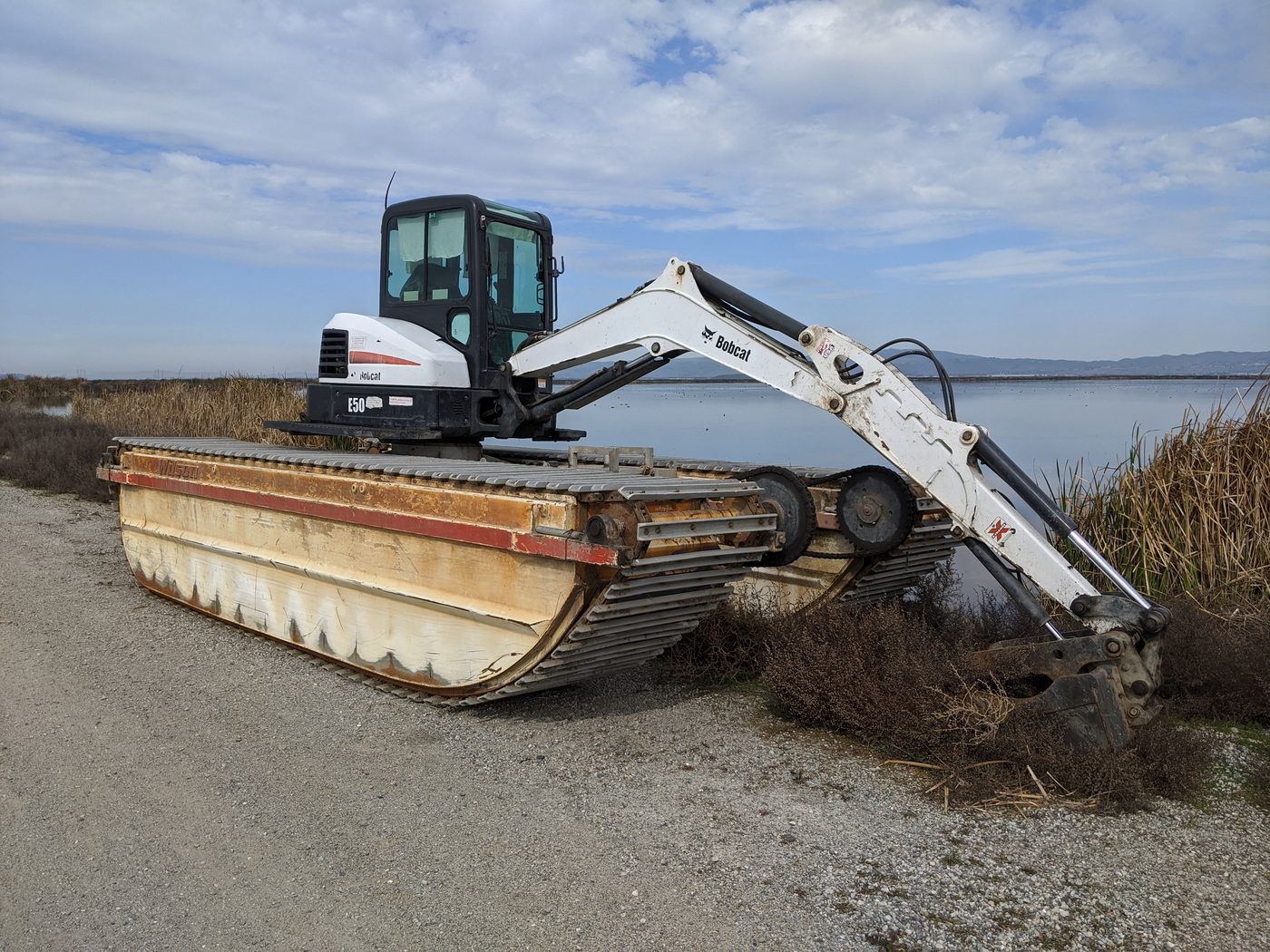
Amphibious excavator at work near water (Source: Wikimedia Commons)
- Bulldozers: Equipped with a large front blade, bulldozers push earth material forward, level surfaces, and clear vegetation. County road projects in Kisumu often use bulldozers to prepare subgrades in rural areas.
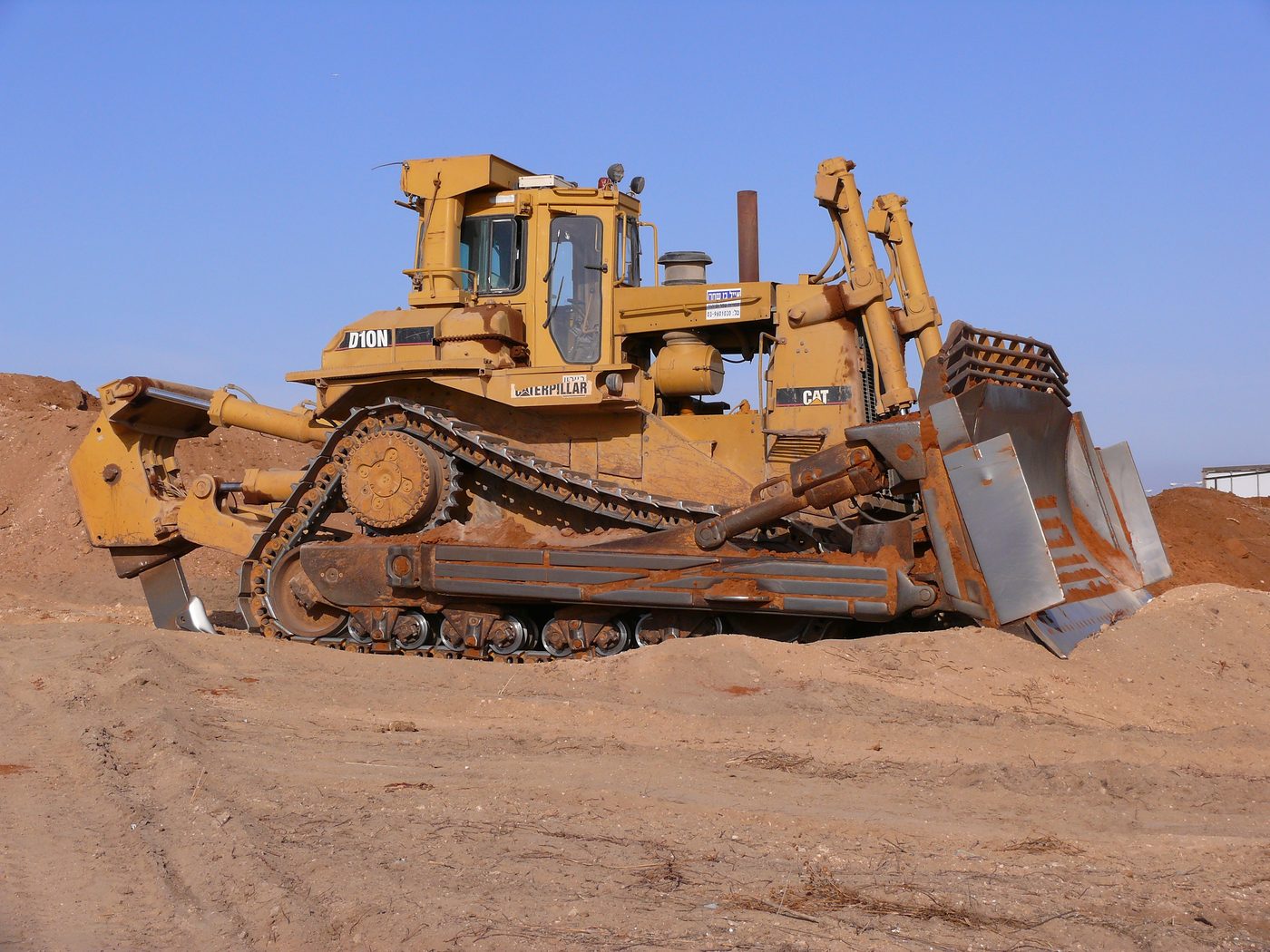
Yellow bulldozer on sandy ground (Source: Wikimedia Commons)
- Graders: Precision machines that create flat surfaces by fine grading the soil. For instance, the Kenya Urban Roads Authority employs graders to achieve the correct road profile before paving.
A motor grader leveling and smoothing a dirt road surface (Source: Road_Construction_Materials_ (1))
- Loaders: These machines scoop and load soil or aggregate materials into trucks. Loaders are instrumental in transferring excavated material during Mombasa port road upgrades.
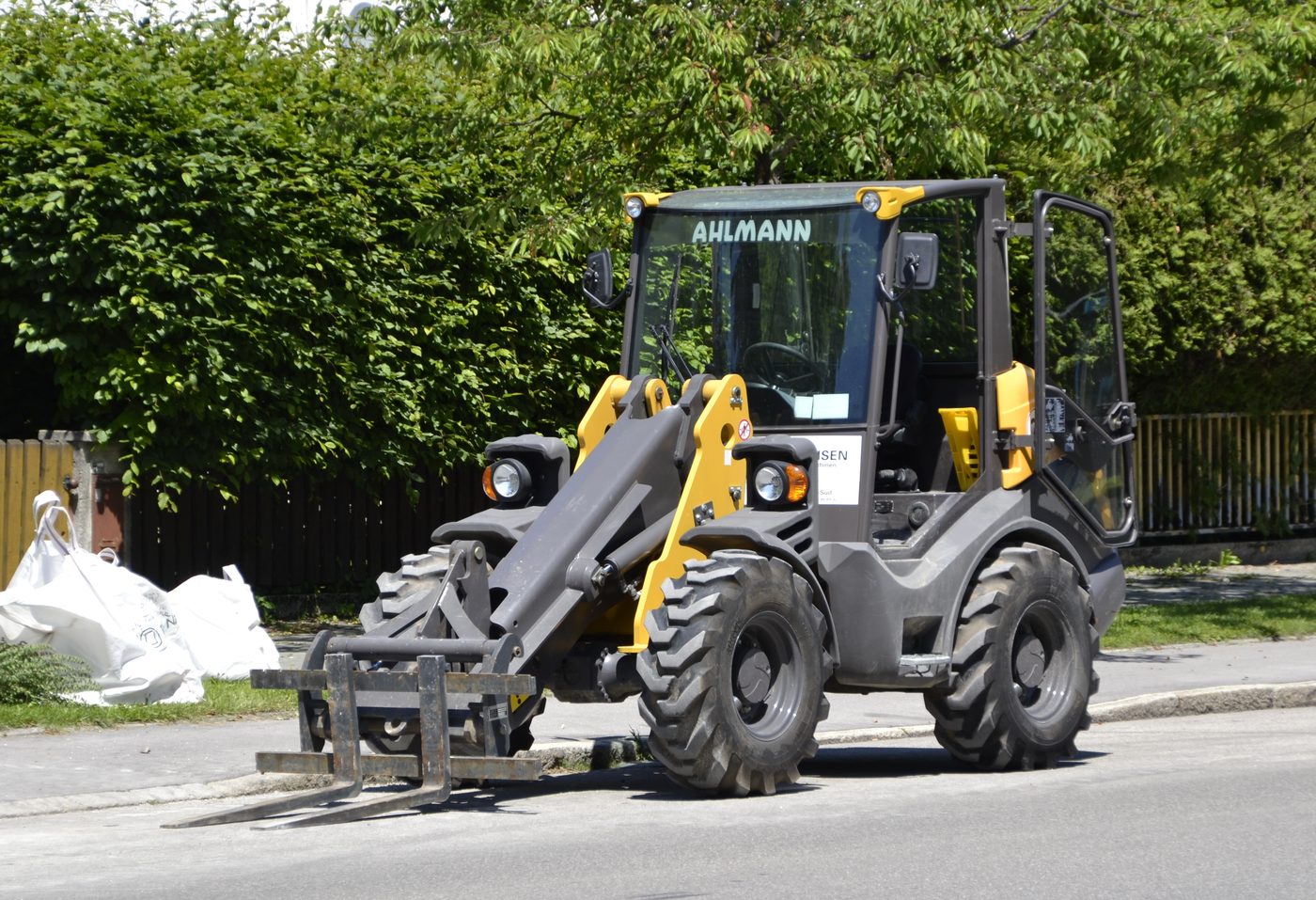
A yellow and black construction loader vehicle (Source: Wikimedia Commons)
- Dump Trucks: Used to transport soil, rock, and debris from excavation sites to disposal areas or stockpiles. Their capacity and maneuverability influence project logistics and cycle times.
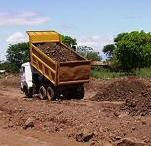
A dump truck unloading soil or construction material at a site (Source: Road_Construction_Materials_ (1))
Characteristics of Effective Earthwork Equipment
- Durability: Equipment must withstand harsh environments and continuous heavy use typical in Kenyan road construction sites.
- Versatility: Machines capable of performing multiple tasks reduce the need for varied equipment, optimizing costs.
- Operator Comfort and Control: Ergonomic designs and responsive controls enhance productivity and reduce operator fatigue.
- Fuel Efficiency: Given fluctuating fuel prices in Kenya, machines with efficient fuel consumption reduce operational expenses.
- Ease of Maintenance: Equipment designed for straightforward servicing minimizes downtime in remote or resource-limited locations.
Selection Criteria for Plants and Equipment
Choosing the right plant and equipment depends on several factors:
- Project Scale and Terrain: Large-scale projects with rocky terrain demand robust excavators and bulldozers, whereas smaller urban projects may require compact machines.
- Soil Type: Clayey, sandy, or rocky soils affect equipment choice due to different cutting and loading requirements.
- Availability of Skilled Operators: Complex machinery requires trained personnel to maximize effectiveness.
- Budget Constraints: Balancing cost with equipment capability ensures financial viability.
- Environmental Impact: Machines with lower emissions and noise levels align with Kenya’s environmental regulations enforced by NEMA.
1.1.2 Overview of Earthmoving Equipment
Earthmoving equipment comprises various machines designed to manipulate and relocate earth materials efficiently. These machines form the backbone of earthwork operations in road construction, enabling rapid excavation, transport, and compaction of soil and rock.
Categories of Earthmoving Equipment
Earthmoving machinery can be grouped based on their primary functions in earthwork activities:
- Excavation Equipment: Includes excavators, backhoe loaders, and trenchers designed to dig and remove soil.
- Loading Equipment: Loaders and skid-steer machines that gather and transfer materials.
- Hauling Equipment: Dump trucks and articulated haulers responsible for moving excavated materials.
- Earthmoving and Grading Equipment: Bulldozers and motor graders that push, level, and shape the soil.
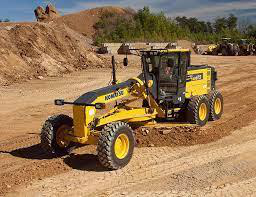
A motor grader (Source: substructure-1)
- Compaction Equipment: Rollers and compactors used to densify soil and aggregate layers, critical for establishing stable road bases.
Functional Capabilities and Operational Roles
-
Excavators offer versatility with attachments such as buckets, breakers, and grapples, enabling tasks from trenching to rock breaking. At Moi Teaching and Referral Hospital, excavators have been used to prepare foundations for new access roads.
-
Bulldozers excel in earth spreading and rough grading, often the first machines deployed on a site to clear and level terrain.
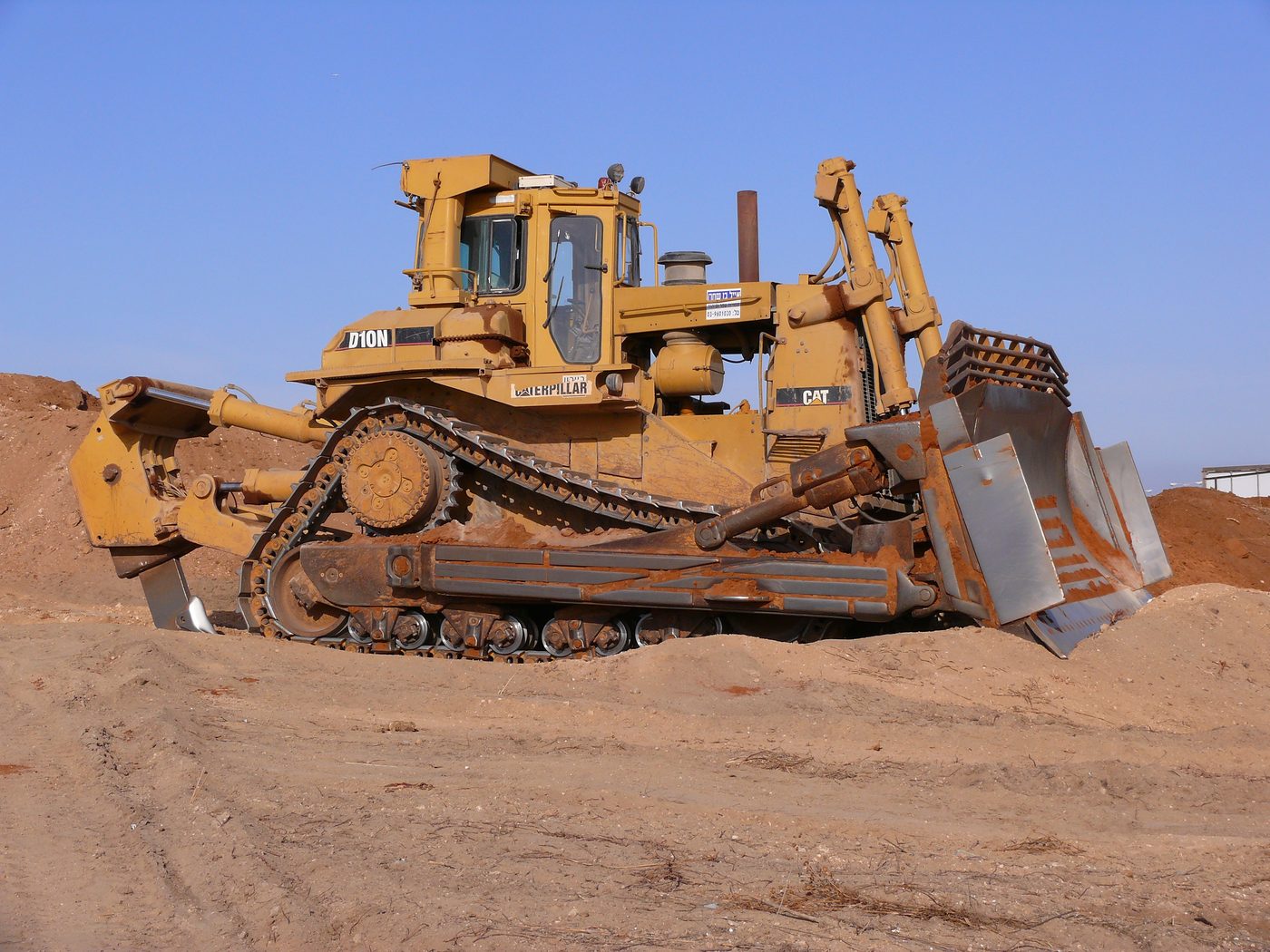
Yellow bulldozer on construction site (Source: Wikimedia Commons)
- Graders achieve precise slopes and profiles required for drainage and pavement layers, essential in county government road maintenance programs.
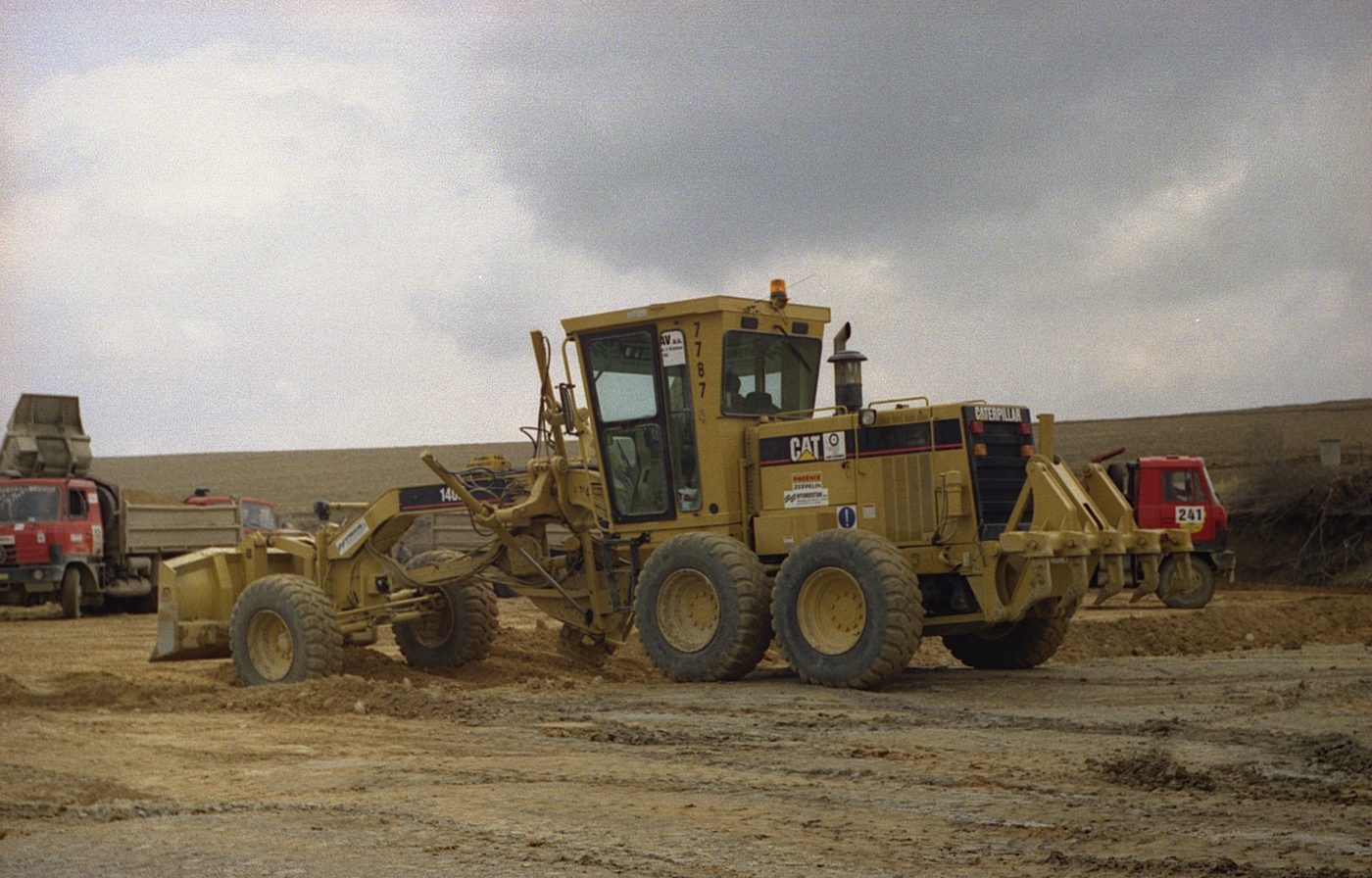
Motor grader at a construction site (Source: Wikimedia Commons)
- Loaders facilitate quick loading of materials into trucks, improving cycle times on busy projects such as the Nairobi-Thika highway expansion.
- Dump Trucks vary in capacity and are selected based on haul distances and material type to optimize transport efficiency.

Rear view of a dump truck on highway (Source: Wikimedia Commons)
Technological Advances in Earthmoving Equipment
Modern earthmoving equipment integrates advanced technology to enhance productivity:
- GPS and Laser Guidance Systems: Enable precise grading and excavation, reducing rework and material wastage. For example, the Kenya National Highways Authority has adopted such systems for major road upgrades.
- Telematics: Provide real-time monitoring of equipment health and usage, improving maintenance scheduling.
- Fuel-efficient Engines: Comply with emission standards and reduce operational costs.
- Operator Assist Features: Automated controls and safety sensors minimize human error and accidents.
1.1.3 Equipment Maintenance and Safety Checks
Maintaining earthwork equipment at optimal performance is critical to avoid costly breakdowns and ensure worker safety on construction sites. In Kenya, where some projects occur in remote areas, preventive maintenance and rigorous safety checks are essential to sustain operations.
Principles of Equipment Maintenance
Effective maintenance programs focus on prolonging equipment life and reducing downtime through systematic inspections and servicing:
- Preventive Maintenance: Scheduled servicing based on operating hours or mileage to replace worn parts before failure.
- Corrective Maintenance: Repairs conducted after faults are detected, often more costly and disruptive.
- Predictive Maintenance: Using data from telematics and sensors to anticipate failures and service proactively.
- Routine Checks: Daily inspections by operators to identify visible defects or fluid leaks.
- Record Keeping: Maintaining detailed logs of maintenance activities to track equipment history and plan future servicing.
Safety Checks Before Operation
Ensuring equipment safety involves comprehensive checks to protect operators and site workers:
- Visual Inspection: Check for structural damage, loose bolts, hydraulic leaks, and tire or track conditions.
- Fluid Levels: Verify engine oil, coolant, hydraulic fluid, and fuel levels to prevent mechanical failures.
- Operational Controls: Test brakes, steering, lights, alarms, and emergency stops for proper functionality.
- Safety Devices: Confirm the presence and condition of seat belts, fire extinguishers, and rollover protection structures.
- Communication Equipment: Ensure radios or signaling devices are operational for coordination on site.
Maintenance Best Practices on Kenyan Road Projects
- Regular Training: Operators and mechanics receive ongoing training on equipment handling and maintenance to reduce misuse.
- Use of Genuine Spare Parts: Employing manufacturer-approved components ensures durability and warranty compliance.
- Environmental Considerations: Proper disposal of lubricants and fluids complies with NEMA regulations, protecting local ecosystems.
- Documentation: The Kenya Rural Roads Authority mandates detailed equipment maintenance records to support audit and compliance.
- Emergency Preparedness: On-site availability of tools and spare parts minimizes downtime during breakdowns.
Practice Questions
-
Explain five key factors to consider when selecting earthwork plants and equipment for a road construction project in Kenya. (10 marks)
-
Describe the main categories of earthmoving equipment and their roles in earthwork activities. Provide examples relevant to Kenyan road construction. (12 marks)
-
Outline six steps involved in conducting a daily safety check on earthmoving equipment before operation. (12 marks)
The rest of this chapter
🔒Create a free account to open more of this chapter.
Free: practical guides, quick cards, workplace scenarios and more.
Create a free account 🔒1.2 Site Clearance
Site clearance is an essential preparatory stage in road construction that involves removing all obstacles and unwanted materials from the designated construction area. In Kenya, where diverse terrain and vegetation types are encountered, careful site clearanc…
🔒1.3 Drawings Interpretation
In road construction works, accurate interpretation of construction drawings is fundamental to ensuring earthwork activities are executed according to design specifications. Kenyan civil engineers and site supervisors rely heavily on these drawings to visualiz…
🔒1.4 Setting out for earthworks
Setting out for earthworks is a critical phase in road construction projects, especially in Kenya where terrain and environmental conditions vary widely. Accurate setting out ensures that earthworks conform to the designed alignment, levels, and slopes, which…
🔒1.5 Ground levels
In civil engineering projects such as road construction, accurate knowledge of ground levels is fundamental for planning and executing earthworks. Ground levels determine how much soil must be cut or filled to achieve the designed road profile. In Kenya, where…
🔒1.6 Volumes of cut and fill
Balancing cut and fill volumes is a core aspect of earthworks in road construction to optimize material use and project costs. In Kenya's varied landscape, calculating these volumes accurately ensures that earthmoving is efficient and environmentally responsib…
🔒1.7 Disposal of Waste
Disposal of waste generated during earthwork is a critical aspect of road construction projects in Kenya. Proper management ensures environmental protection, compliance with legal frameworks, and cost efficiency. Earthworks typically produce various types of w…
🔒1.8 Construction tools and equipment
In road construction projects in Kenya, the choice and use of appropriate tools and equipment significantly influence project efficiency, quality, and safety. Construction tools range from simple hand tools to complex power equipment, each serving specific fun…
Chapter Summary
This chapter covered essential earthwork activities in road construction, beginning with the identification of key plants and equipment, their types, and the importance of maintenance and safety checks to ensure efficient operation. It then detailed site clearance procedures such as tree felling, stump removal, boulder extraction, and bush clearing, emphasizing the necessity of clearing the site properly and managing waste responsibly. The chapter explained how to interpret various construction drawings, focusing on understanding symbols, legends, dimensions, and critical details for accurate implementation. Setting out for earthworks was discussed, highlighting its definition, significance, and techniques for precise marking to guide construction. Understanding and measuring ground levels was presented as crucial for planning and executing earthworks effectively. The concepts of cut and fill were defined along with methods to calculate volumes and the importance of balancing these to optimize material use. Finally, the chapter addressed the types of waste generated, regulations for disposal, and options for recycling excavated materials, while also reviewing common construction tools, including hand and power tools, and their safety considerations alongside material specifications and selection.
Self-Assessment
🔒 PDFDownload this self-assessment, with answers
A. Written Assessment
- What are the main types of earthmoving equipment commonly used in Kenyan road construction projects? (3 marks)
- Explain the significance of performing regular maintenance and safety checks on earthmoving plants. (3 marks)
🔒20 more in this section.
Chapter Examination Questions
🔒 PDFDownload these examination questions, with worked answers
SECTION A (40 Marks) - Answer ALL Questions
- Explain the role of excavators and bulldozers in earthmoving activities during road construction projects in Kenya. (4 marks)
- Identify four key safety checks that must be performed before operating earthmoving equipment on site. (4 marks)
🔒18 more in this section.
Chapter Practical Activities
Practical 1: Identify and prepare earthwork resources for site excavation
Civil Engineering · Level 6
Road Construction Works I
PRACTICAL ASSESSMENT
TIME: 4 HOURS
⬇ PDFCandidate Instructions (Candidate Tool)
Type: Individual
INSTRUCTIONS TO CANDIDATE:
1. You are required to perform the following task:
i. Identify, select, and prepare earthwork resources and equipment for excavation of a 10m long by 5m wide by 0.5m deep earthwork area as per site requirements.
2. You have been provided with the following resources for the practical task:
| Tools & Equipment | Materials |
|---|
| Spirit level | |
| Builders line | |
| Tape measure 30m | |
| Spade | |
| Jembe | |
| Wheelbarrow | |
| Excavator | |
| Hoe | |
| Pickaxe | |
| PPE (Gloves, Safety boots, Helmet, Overall) | |
⬇ PDFResources Required (Cutting List)
| S/N | Item | Quantity |
|---|
| 1 | Spirit level | 1 Pc per Candidate |
| 2 | Builders line | 1 Pc per Candidate |
| 3 | Tape measure 30m | 1 Pc per Candidate |
| 4 | Spade | 1 Pc per 3 Candidates |
| 5 | Jembe | 1 Pc per 3 Candidates |
| 6 | Wheelbarrow | 1 Pc per 3 Candidates |
| 7 | Personal Protective Equipment (PPE) - Gloves, Safety boots, Helmet, Overall | 1 Set per Candidate |
| 8 | Excavator (Earthmoving equipment) | 1 Unit per Site |
| 9 | Manual earthmoving tools (Hoe, Pickaxe) | 1 Pc each per 3 Candidates |
⬇ PDFAssessor Guide
| Items to be Evaluated | Marks Available | Marks Obtained | Comments |
|---|
| TASK 1: Preparation and identification of earthwork resources |
Wore complete PPE (Gloves, Safety boots, Helmet, Overall)
(Award 3 marks or zero) | 3 | | |
Measured and marked out the earthwork area correctly (10m length, 5m width)
(Award 3 marks or zero) | 3 | | |
Selected appropriate hand tools (Spade, Jembe, Hoe, Pickaxe) and mechanical equipment (Excavator) for earthwork
(Award 2 marks for hand tools, 2 marks for mechanical equipment) | 4 | | |
Prepared and checked condition of tools and equipment before use
(Award 3 marks or zero) | 3 | | |
Cleared the site area of debris and obstacles
(Award 3 marks or zero) | 3 | | |
| Sub-Total | 16 | | |
| PRODUCT CHECKLIST |
Earthwork area clearly marked and measured to 10m length ±2cm and 5m width ±2cm
(Award 3 marks or zero) | 3 | | |
Tools and equipment correctly prepared and ready for use
(Award 3 marks or zero) | 3 | | |
| Sub-Total | 6 | | |
| GRAND TOTAL | 22 | | |
ASSESSMENT OUTCOME: ☐ Competent ☐ Not Yet Competent (competent if at least 50%)
Practical 2: Perform routine maintenance and safety checks on a bulldozer
Civil Engineering · Level 6
Road Construction Works I
PRACTICAL ASSESSMENT
TIME: 4 HOURS
⬇ PDFCandidate Instructions (Candidate Tool)
Type: Individual
INSTRUCTIONS TO CANDIDATE:
1. You are required to perform the following task:
i. Perform routine maintenance and safety inspection on a CAT D6 bulldozer to ensure operational readiness according to manufacturer specifications.
2. You have been provided with the following resources for the practical task:
| Tools & Equipment | Materials |
|---|
| Grease gun | Engine oil 15W-40 |
| Clean cloths | Hydraulic fluid |
| Flashlight | Coolant |
| Wrench set | Fuel (Diesel) |
⬇ PDFResources Required (Cutting List)
| S/N | Item | Quantity |
|---|
| 1 | Safety boots | 1 pair per Candidate |
| 2 | Overalls | 1 per Candidate |
| 3 | Gloves | 1 pair per Candidate |
| 4 | Grease gun | 1 per 3 Candidates |
| 5 | Clean cloths | 3 pcs per Candidate |
| 6 | Flashlight | 1 per Candidate |
| 7 | Wrench set | 1 set per 3 Candidates |
| 8 | Bulldozer (CAT D6 or equivalent) | 1 per Candidate |
| 9 | Engine oil 15W-40 | 2 litres per Candidate |
| 10 | Hydraulic fluid | 2 litres per Candidate |
| 11 | Coolant | 2 litres per Candidate |
| 12 | Fuel (Diesel) | Sufficient for inspection |
⬇ PDFAssessor Guide
| Items to be Evaluated | Marks Available | Marks Obtained | Comments |
|---|
| TASK 1: Personal Protective Equipment and Preparation |
Wore PPE (Safety boots, Overalls, Gloves)
(Award 3 marks or zero) | 3 | | |
Checked work area for hazards and cleared obstructions
(Award 2 marks or zero) | 2 | | |
| Sub-Total | 5 | | |
| TASK 2: Visual Inspection of Bulldozer |
Checked tracks and undercarriage for wear or damage
(Award 3 marks or zero) | 3 | | |
Inspected hydraulic hoses and cylinders for leaks or cracks
(Award 3 marks or zero) | 3 | | |
Checked blade and attachments for damage and secure fixing
(Award 2 marks or zero) | 2 | | |
| Sub-Total | 8 | | |
| TASK 3: Fluid Levels and Lubrication |
Checked engine oil level and topped up if necessary
(Award 3 marks or zero) | 3 | | |
Checked hydraulic fluid level and topped up if necessary
(Award 3 marks or zero) | 3 | | |
Checked coolant level and topped up if necessary
(Award 3 marks or zero) | 3 | | |
Greased all grease points using grease gun
(Award 4 marks or zero) | 4 | | |
| Sub-Total | 13 | | |
| TASK 4: Functional Safety Checks |
Checked all safety devices (horn, lights, seatbelt) for proper function
(Award 3 marks or zero) | 3 | | |
Started engine and checked for unusual noises or smoke
(Award 3 marks or zero) | 3 | | |
Tested controls for smooth operation (steering, blade movement)
(Award 4 marks or zero) | 4 | | |
| Sub-Total | 10 | | |
| TASK 5: Final Reporting and Clean Up |
Reported any defects or maintenance needs to supervisor
(Award 2 marks or zero) | 2 | | |
Cleaned work area and stored tools and materials properly
(Award 2 marks or zero) | 2 | | |
| Sub-Total | 4 | | |
| PRODUCT CHECKLIST |
Completed maintenance and safety checklist accurately and legibly
(Award 5 marks or zero) | 5 | | |
Bulldozer operational and safe for use with no visible defects
(Award 7 marks or zero) | 7 | | |
| Sub-Total | 12 | | |
| GRAND TOTAL | 52 | | |
ASSESSMENT OUTCOME: ☐ Competent ☐ Not Yet Competent (competent if at least 50%)
🔒Carry out site clearance operations for a 5m x 5m construction plotPractical 3
🔒Manage and dispose waste generated during site clearance for earthworksPractical 4
🔒Interpret earthwork construction drawings for road subgrade preparationPractical 5
🔒Set out earthworks boundaries and levels for a road section 15m long by 4m widePractical 6
🔒Measure and record ground levels along a 20m road sectionPractical 7
🔒Calculate volumes of cut and fill for a road sectionPractical 8
🔒Select and Demonstrate Appropriate Earthwork Tools and EquipmentPractical 9
🔒Evaluate and select materials for earthwork constructionPractical 10
🔒Manual Removal of Boulders and Tree Stumps from Road Construction SitePractical 11
🔒Perform bush clearing on a 3m x 3m site area using hand toolsPractical 12
🔒Mark out earthwork dimensions and critical details on site for road constructionPractical 13
🔒Demonstrate recycling and reuse of excavated materials in earthworkPractical 14
🔒Safety Inspection and Functional Check of Power Tools for EarthworkPractical 15
