
By the end of this chapter, you will be able to:
These skills are essential because they help you prepare precise components, ensuring doors and windows fit perfectly and function well in any building project.
Compiled by: Michael Macharia
Marking and cutting out door and window component profiles are fundamental tasks in carpentry and joinery that require precision and skill. In Kenya, where construction projects vary from residential homes to institutional buildings, accurate profiling ensures the proper fitting and aesthetic appeal of doors and windows. This chapter addresses the essential personal protective equipment (PPE) needed for safety during these tasks, and explores the main types of doors commonly encountered in the field, focusing on their construction principles and characteristics.
Working with carpentry tools and materials involves various hazards such as sharp edges, flying debris, and exposure to dust. In Kenyan workshops and construction sites, the consistent use of PPE is critical to prevent injuries and maintain health. PPE not only protects the individual but also promotes a culture of safety that enhances productivity and reduces downtime.
The use of PPE safeguards carpenters from common risks such as cuts, eye injuries, and respiratory problems. For example, in a county government office construction project, workers who wore safety goggles and masks avoided eye irritation and inhalation of sawdust. PPE also helps comply with occupational safety regulations enforced by bodies like the Directorate of Occupational Safety and Health Services (DOSHS) in Kenya.
Various PPE items are essential for door and window profiling tasks. These include:
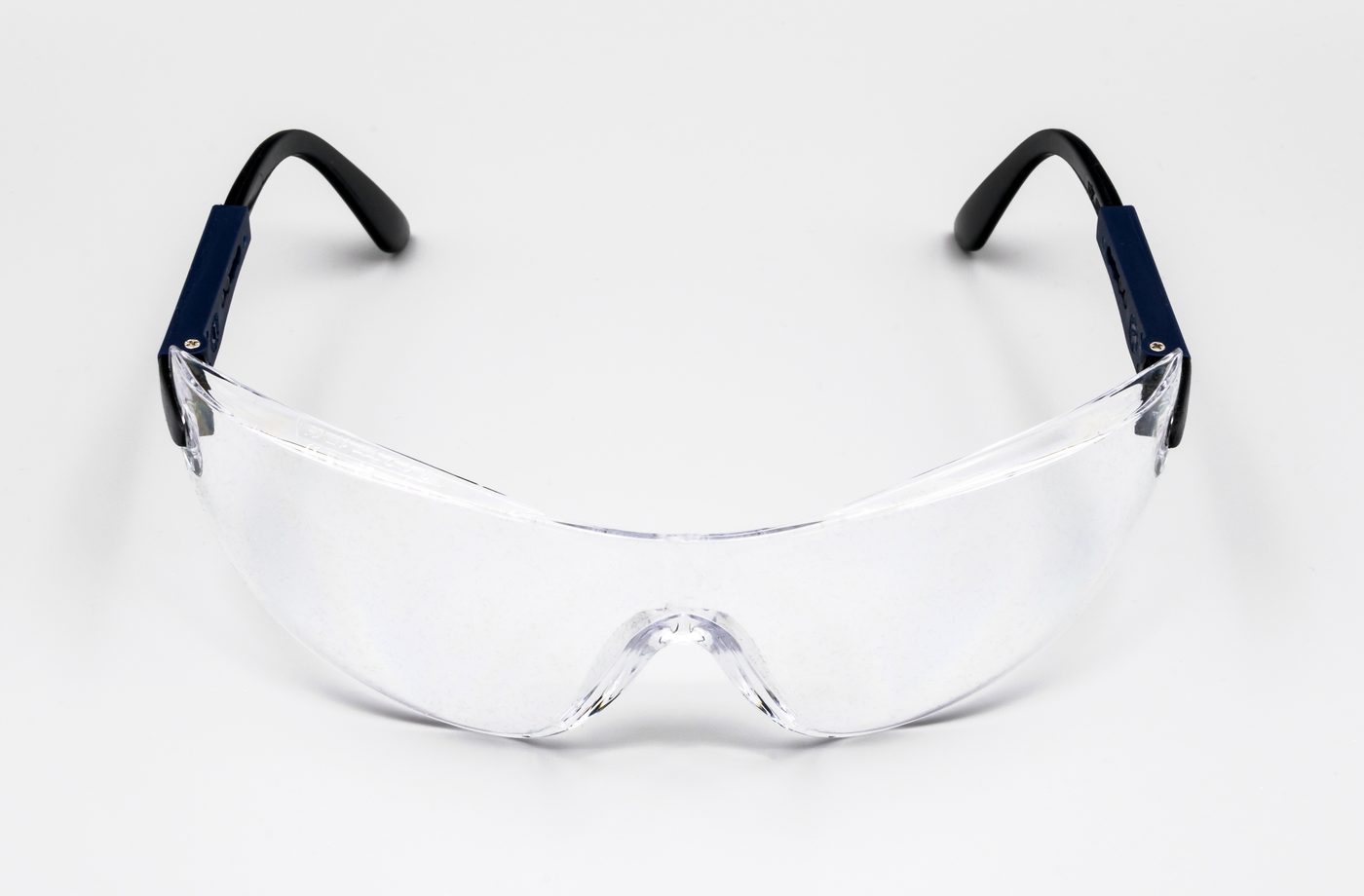
Clear safety goggles for eye protection (Source: Wikimedia Commons)

Pair of yellow work gloves used in carpentry (Source: Wikimedia Commons)
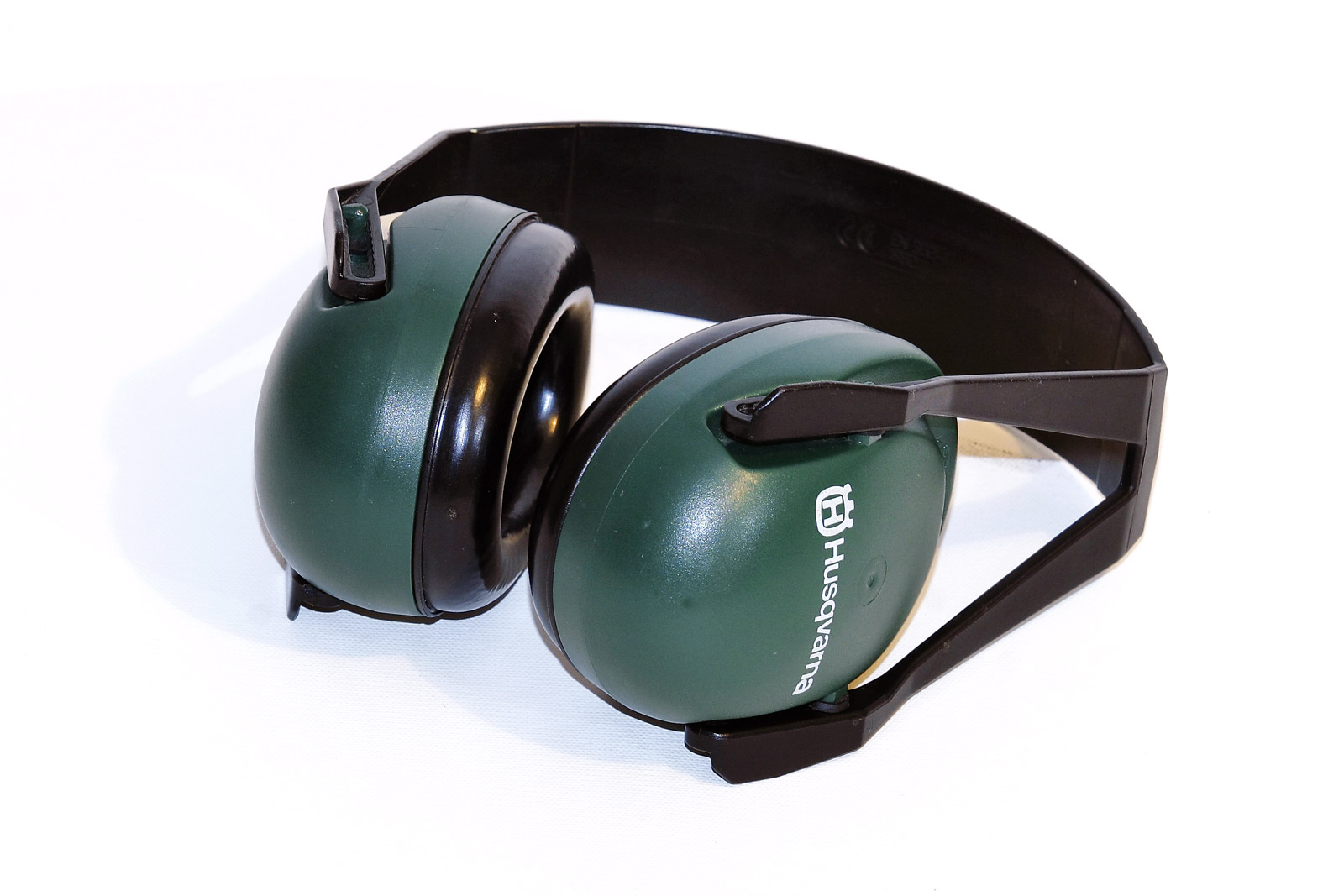
Green ear protection earmuffs (Source: Wikimedia Commons)
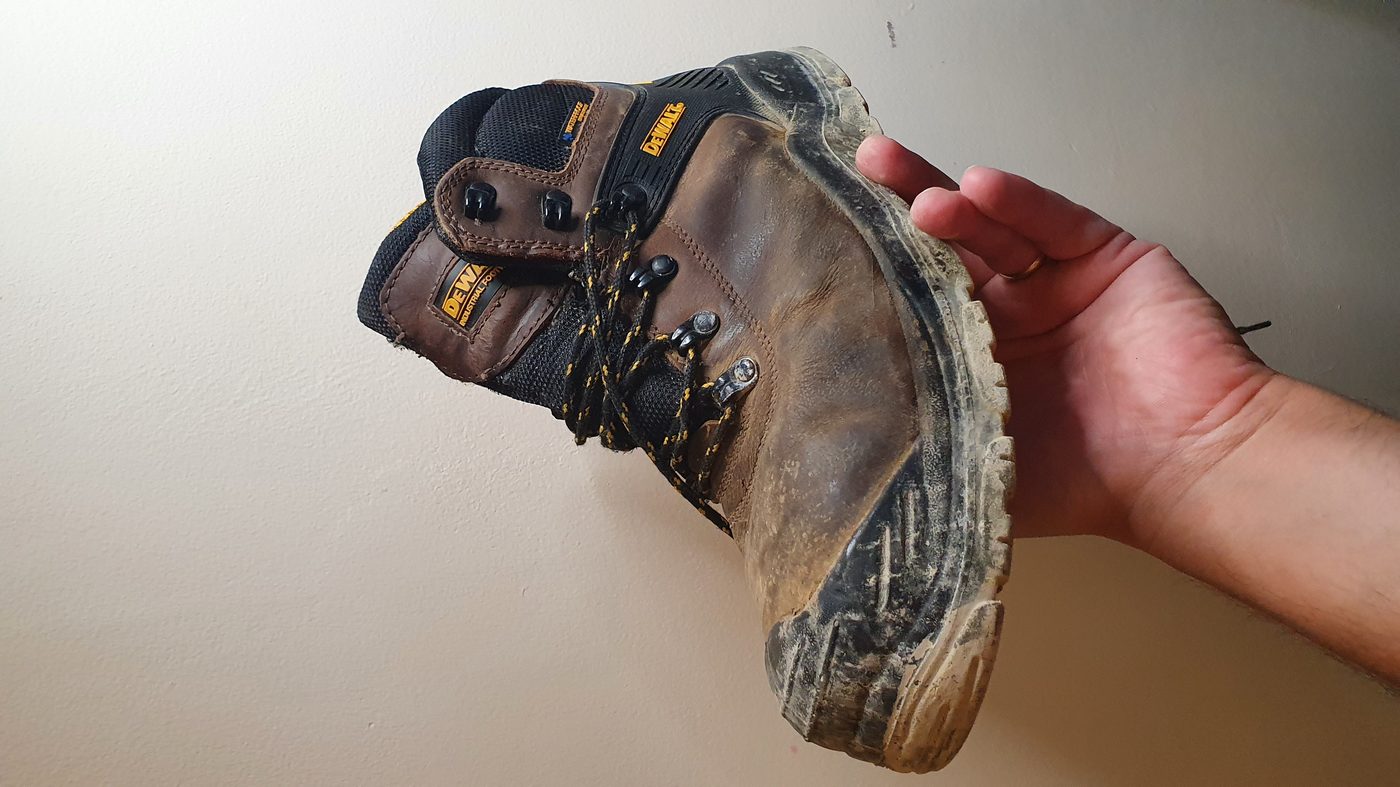
A single safety boot for industrial use (Source: Wikimedia Commons)
Each item is selected based on the task and environment to provide comprehensive protection.
Using PPE correctly involves more than just wearing it. For instance, safety goggles must fit snugly without gaps to prevent particles from entering. Dust masks should be replaced regularly to maintain filtration efficiency. Gloves need to be free from tears and cleaned after use to avoid contamination. Regular inspection and maintenance of PPE ensure its effectiveness and longevity.
Despite its importance, PPE compliance can be low due to discomfort, lack of awareness, or cost. Workers in small-scale carpentry workshops may neglect PPE to save time or money. Addressing these challenges requires:
Create a free account to open more of this chapter.
Free: practical guides, quick cards, workplace scenarios and more.
Create a free accountThis chapter began by emphasizing the importance of personal protective equipment to ensure safety when marking and cutting door and window components. It then explored various types of doors, including batten, framed or panel, and flush doors, each with distinct structural features. The discussion continued with an overview of window types such as casement, sliding sash, awning, hopper, and louvered windows, highlighting their functional differences. Materials used in door and window construction were examined, covering hardwood, softwood, manufactured boards, and essential ironmongery components. The chapter also detailed the tools and equipment necessary for accurately marking and cutting out door and window profiles, focusing on their proper use. Finally, it addressed housekeeping practices crucial for maintaining a safe and efficient workspace, including sorting timber wastes, managing sawdust, chippings, and timber cuttings, and ensuring proper care and maintenance of tools and materials.
Which of the following is NOT a type of personal protective equipment commonly used in carpentry?
a) Safety goggles
b) Ear muffs
c) Respirator mask
d) Welding helmet
(2 marks)
Describe the main structural difference between a batten door and a framed/panel door. (3 marks)
Type: Individual
| Tools & Equipment | Materials |
|---|---|
| Pencil | Reference samples of Batten door, Framed/panel door, Flush door |
| Tape measure (7.5m) | Door type selection chart |
| Notebook |
| S/N | Item | Quantity |
|---|---|---|
| 1 | Reference samples of Batten door, Framed/panel door, and Flush door | 1 set per Candidate |
| 2 | Door type selection chart | 1 per Candidate |
| 3 | Pencil | 1 per Candidate |
| 4 | Tape measure (7.5m) | 1 per Candidate |
| 5 | Notebook | 1 per Candidate |
| Items to be Evaluated | Marks Available | Marks Obtained | Comments |
|---|---|---|---|
| TASK 1: Identification and selection of door types | |||
| Wore Personal Protective Equipment (Safety boots, Overall, Gloves) (Award 1 mark for each PPE worn as per workplace procedures or 0) | 3 | ||
| Assembled required tools and materials for door type selection (Award 2 marks for assembling all required items or 0) | 2 | ||
| Measured door opening dimensions accurately for main entrance, bedroom, and bathroom (Award 1 mark for each correct measurement or 0) | 3 | ||
| Correctly identified Batten door, Framed/panel door, and Flush door samples (Award 1 mark for each correct door type identification or 0) | 3 | ||
| Selected appropriate door type for each room based on function and security requirements (Award marks as follows: 2 marks for main entrance, 2 marks for bedroom, 1 mark for bathroom or 0) | 5 | ||
| Recorded selections clearly in notebook (Award 2 marks for clear and complete recording or 0) | 2 | ||
| Performed workplace housekeeping by returning tools and cleaning work area (Award 2 marks for proper housekeeping or 0) | 2 | ||
| Sub-Total | 20 | ||
| PRODUCT CHECKLIST | |||
| Correct door type selected for main entrance (900mm x 2100mm) (Award 3 marks for correct appropriate door type selection or 0) | 3 | ||
| Correct door type selected for bedroom (800mm x 2000mm) (Award 3 marks for correct appropriate door type selection or 0) | 3 | ||
| Correct door type selected for bathroom (700mm x 1900mm) (Award 2 marks for correct appropriate door type selection or 0) | 2 | ||
| Accurate recording of door types and measurements in notebook (Award 2 marks for neat and accurate recording or 0) | 2 | ||
| Demonstrated understanding of door types and their suitability (Award 3 marks for clear rationale or 0) | 3 | ||
| Sub-Total | 13 | ||
| GRAND TOTAL | 33 | ||
Type: Individual
| Tools & Equipment | Materials |
|---|---|
| Pencil | Window type reference chart |
| Tape measure | Sample window frame models |
| Calculator |
| S/N | Item | Quantity |
|---|---|---|
| 1 | Window type reference chart (illustrated guide to window types) | 1 Pc per Candidate |
| 2 | Sample window frame models (Casement, Sliding Sash, Awning, Hopper, Louvered) | 1 Set per 3 Candidates |
| 3 | Pencil | 1 Pc per Candidate |
| 4 | Notebook | 1 Pc per Candidate |
| 5 | Tape measure (3m) | 1 Pc per Candidate |
| 6 | Calculator | 1 Pc per Candidate |
| 7 | Safety boots | 1 Pair per Candidate |
| 8 | Dustcoat/Overall | 1 Pc per Candidate |
| Items to be Evaluated | Marks Available | Marks Obtained | Comments |
|---|---|---|---|
| TASK 1: Personal Protective Equipment and Preparation | |||
| Wore safety boots and dustcoat/overall as per workplace safety regulations (Award 1 mark each for safety boots and dustcoat worn correctly) | 2 | ||
| Assembled necessary tools and reference materials (Award 2 marks for assembling pencil, tape measure, calculator, and reference charts) | 2 | ||
| Sub-Total | 4 | ||
| TASK 2: Identification and Selection of Window Types | |||
| Correctly identified Casement window characteristics (Award 3 marks for accurate identification and explanation) | 3 | ||
| Correctly identified Sliding Sash window characteristics (Award 3 marks for accurate identification and explanation) | 3 | ||
| Correctly identified Awning window characteristics (Award 3 marks for accurate identification and explanation) | 3 | ||
| Correctly identified Hopper window characteristics (Award 3 marks for accurate identification and explanation) | 3 | ||
| Correctly identified Louvered window characteristics (Award 3 marks for accurate identification and explanation) | 3 | ||
| Selected appropriate window type for each of the five room scenarios considering ventilation, security, and environmental factors (Award 1 mark per correct selection for 5 scenarios) | 5 | ||
| Sub-Total | 20 | ||
| PRODUCT CHECKLIST | |||
| Accurate identification of window types with descriptions matching reference standards (Award 2 marks each for correct identification of all five window types) | 10 | ||
| Appropriate selection of window types for each room scenario with justification (Award 2 marks each for correct selections with valid reasoning for five scenarios) | 10 | ||
| Neat and clear presentation of findings in notebook (Award 5 marks for legible, well-organized, and complete documentation) | 5 | ||
| Sub-Total | 25 | ||
| GRAND TOTAL | 49 | ||
At the start of this chapter we promised you would be able to:
Tick each one you can genuinely do.
So, are you there yet?
You're competent when you can confidently do 50% or more of what this chapter promised.
Sign in to record how you're doing.