Carpentry and Joinery professionals in Kenya play a crucial role in constructing durable and safe structures. The ability to accurately set out rough carpentry work ensures that subsequent construction phases proceed smoothly and meet safety and quality standards. This chapter focuses on essential foundational practices in rough carpentry, including the use of personal protective equipment and the main types of rough carpentry work that form the backbone of many building projects in Kenya, from residential homes to commercial buildings.
1.1 Personal Protective Equipment (PPE)
Personal protective equipment (PPE) is fundamental in the carpentry trade to safeguard workers from hazards commonly encountered on construction sites. In Kenya, adherence to PPE protocols is not only a legal requirement under the Occupational Safety and Health Act but also a practical necessity to reduce workplace injuries. Carpentry tasks involve risks such as sharp tools, flying debris, and heavy materials, making PPE indispensable for safe operations.
1.1.1 Types of PPE Used in Rough Carpentry
The variety of PPE used in rough carpentry addresses specific hazards associated with different tasks. Common PPE includes:
- Safety helmets: Protect the head from falling objects or accidental knocks, crucial when working on multi-storey buildings or near scaffolding.
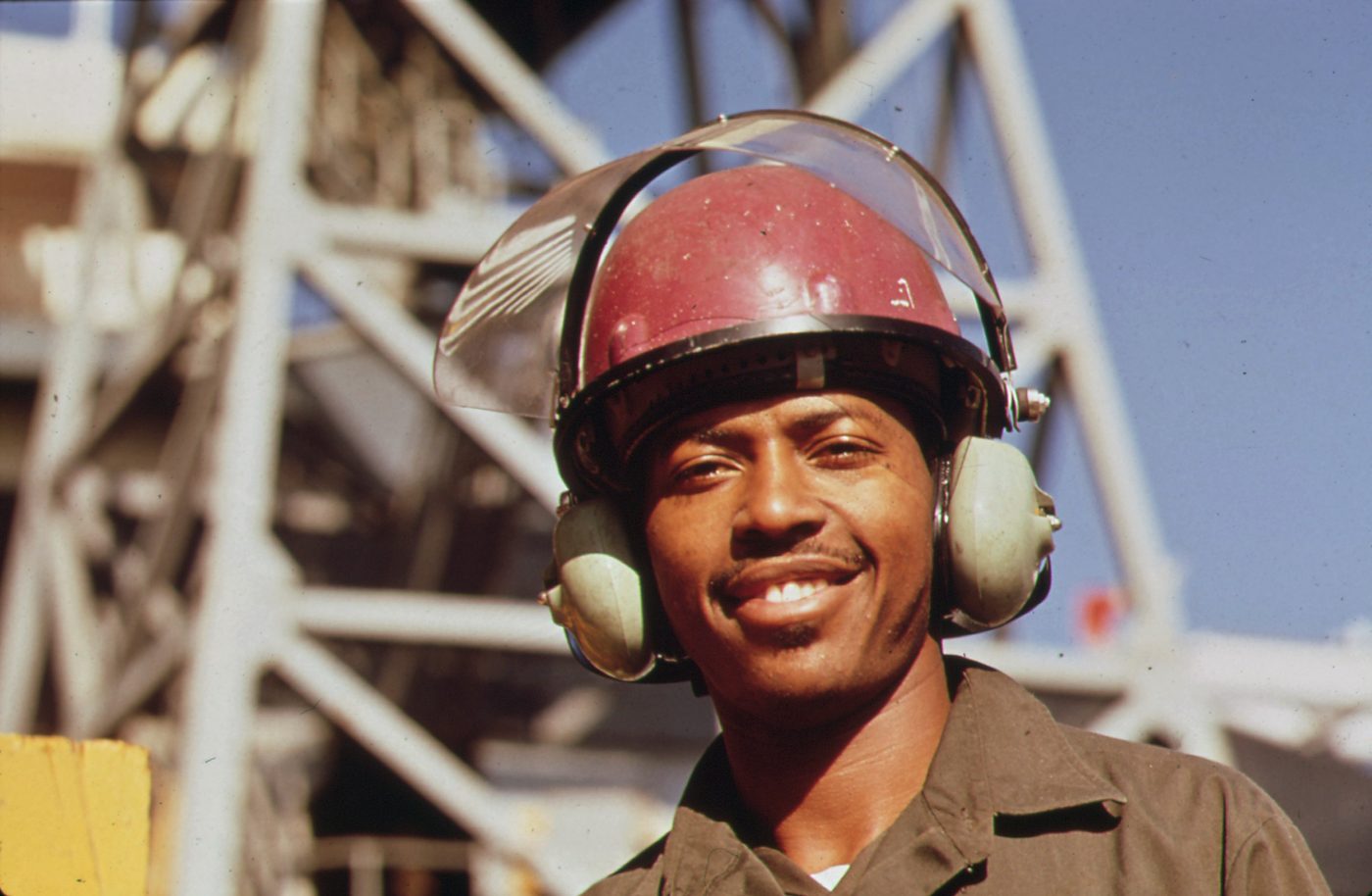
Man wearing a safety helmet (Source: Wikimedia Commons)
- Eye protection: Safety goggles or face shields prevent injury from wood chips, dust, and splinters generated during cutting and shaping.
- Ear protection: Ear muffs or plugs reduce the risk of hearing loss caused by prolonged exposure to loud power tools such as circular saws.

Green ear protection earmuffs (Source: Wikimedia Commons)
- Hand protection: Gloves provide grip and shield hands from cuts, abrasions, and splinters, especially when handling rough timber or metal fasteners.
- Foot protection: Steel-toed boots protect feet from heavy falling objects and punctures from nails or sharp debris on site.
1.1.2 Importance of PPE Compliance in Kenyan Carpentry Sites
PPE compliance significantly reduces the incidence of accidents and occupational illnesses. In Kenyan construction sites, non-compliance often leads to injuries that delay projects and increase costs. Employers and workers must recognize that:
- PPE minimizes the severity of injuries, reducing medical expenses and lost workdays.
- Proper use of PPE fosters a culture of safety that improves overall site productivity.
- Compliance with PPE regulations is a legal requirement enforced by the Directorate of Occupational Safety and Health Services (DOSHS).
- PPE use protects workers from long-term health issues such as respiratory problems caused by dust inhalation.
- Demonstrating commitment to safety attracts reputable clients and contractors who prioritize responsible construction practices.
1.1.3 Selection and Maintenance of PPE
Choosing the right PPE involves assessing the specific risks of each carpentry task and ensuring that equipment meets Kenyan safety standards. For example, a carpenter working on framing requires heavy-duty gloves and a helmet, while one sanding timber may prioritize respiratory masks.
- PPE must fit well to provide effective protection; ill-fitting gear can compromise safety.
- Regular inspection of PPE for wear and tear prevents failure during use.
- Cleaning PPE according to manufacturer guidelines prolongs its lifespan and ensures hygiene.
- Damaged or expired PPE should be replaced promptly to avoid exposure to hazards.
- Training workers on proper PPE use enhances compliance and effectiveness.
1.1.4 Challenges and Solutions in PPE Usage on Kenyan Sites
Many Kenyan carpentry sites face challenges in consistent PPE use due to cost, discomfort, or lack of awareness. Addressing these challenges involves:
Challenges
- Limited budget leading to inadequate PPE provision.
- Workers’ reluctance due to discomfort or perceived inconvenience.
- Insufficient training on PPE importance and correct usage.
- Poor enforcement of safety regulations by supervisors.
- Environmental factors such as heat causing PPE to be uncomfortable.
Solutions
- Procurement of cost-effective but certified PPE to ensure affordability.
- Conducting regular safety training emphasizing PPE benefits.
- Supervisory enforcement with penalties for non-compliance.
- Selecting breathable and ergonomic PPE suitable for local climate conditions.
- Promoting a safety culture where workers encourage peer compliance.
Practice Questions
- Explain five types of personal protective equipment essential for rough carpentry and their specific uses. (10 marks)
- Discuss five reasons why compliance with PPE is critical on Kenyan carpentry sites. (10 marks)
- Describe five key considerations when selecting and maintaining PPE for carpentry work. (10 marks)
- Identify five common challenges in PPE use on Kenyan construction sites and suggest solutions for each. (10 marks)
The rest of this chapter
🔒Create a free account to open more of this chapter.
Free: practical guides, quick cards, workplace scenarios and more.
Create a free account 🔒1.2 Types of Rough Carpentry
Rough carpentry forms the structural framework of buildings and civil works, providing the skeleton upon which finer carpentry finishes are applied. In Kenya, rough carpentry is integral to constructing safe and stable structures in both urban and rural settin…
🔒1.3 Rough Carpentry Setting Out Tools
Setting out is a critical phase in rough carpentry that involves marking the exact positions and dimensions of the structural components before cutting or assembly. In Kenya, carpentry professionals working on residential buildings, schools, or county governme…
🔒1.4 Site Clearance
Site clearance is a preparatory stage in rough carpentry that involves removing obstacles and preparing the ground for accurate setting out and construction. In Kenya, site clearance is crucial for projects in varied environments such as urban county offices,…
🔒1.5 Rough Carpentry Marking Out
In rough carpentry, accurate marking out is critical to ensure that timber components fit together precisely during construction. In the Kenyan carpentry sector, especially in residential housing projects and small-scale commercial buildings, effective marking…
🔒1.6 Housekeeping Practices
Maintaining a clean and organized work environment in rough carpentry is vital for safety, efficiency, and quality. In Kenyan construction sites and workshops, good housekeeping reduces accidents, protects materials, and fosters professionalism. Whether workin…
Chapter Summary
This chapter introduced essential aspects of rough carpentry with a focus on safety, types, tools, and site management. It began by emphasizing the importance of personal protective equipment to safeguard workers during carpentry tasks. Various types of rough carpentry were explored, including hoarding, shoring, and scaffolding, each serving distinct structural and safety functions on construction sites. The chapter then covered the tools used specifically for setting out rough carpentry work, highlighting their role in precision and accuracy. Site clearance was discussed as a critical preparatory step that ensures a safe and organized workspace. The marking out process was detailed to show how measurements and guidelines are established for carpentry tasks. Finally, effective housekeeping practices on site were presented to maintain order, improve safety, and enhance work efficiency throughout the carpentry project.
Self-Assessment
🔒 PDFDownload this self-assessment, with answers
A. Written Assessment
-
Which of the following is NOT considered personal protective equipment (PPE) in rough carpentry? (2 marks)
a) Safety helmet
b) Ear plugs
c) Measuring tape
d) Safety boots
-
Explain the primary purpose of hoarding in rough carpentry. (3 marks)
🔒26 more in this section.
Chapter Examination Questions
🔒 PDFDownload these examination questions, with worked answers
SECTION A (40 Marks) - Answer ALL Questions
- Explain the importance of wearing personal protective equipment (PPE) when setting out rough carpentry work on a construction site such as a county hospital project. (4 marks)
- Differentiate between hoarding and shoring as types of rough carpentry, including one example of where each would be used on a building site. (4 marks)
🔒18 more in this section.
