
By the end of this chapter, you will be able to:
These skills will help you create strong, beautiful cabinetry that lasts and keeps your work area professional and safe.
Compiled by: Michael Macharia
Installing built-in cabinets, kitchen cabinets, and wardrobes is a core skill for Carpentry and Joinery professionals in Kenya. These installations require precision, knowledge of appropriate materials, and mastery of specialized tools to ensure durability and aesthetic appeal. Whether working on residential projects in Nairobi or commercial fit-outs in Kisumu, understanding the construction process and the correct use of equipment ensures high-quality finishes that meet client expectations. This chapter focuses on the essential tools, equipment, and materials, followed by the detailed construction of cabinetry frames.
Installing cabinetry demands specific tools and materials tailored to the demands of joinery in Kenya’s construction environment. The choice of tools influences the quality, speed, and safety of the installation process, while materials must meet standards for durability, moisture resistance, and finish. Carpentry professionals working in busy urban centers like Mombasa or in county offices require reliable tools and appropriate materials that withstand local conditions such as humidity and frequent use.
| Name | Specification | Use |
|---|---|---|
| Cordless Drill | 18V Lithium-ion battery, variable speed | Drilling holes, driving screws in cabinetry installation |
| Circular Saw | 1400W motor, adjustable depth and angle | Cutting plywood, MDF, and timber to size |
| Measuring Tape | 5m length, metric graduation | Accurate measurement of dimensions |
| Spirit Level | 600mm length, bubble vial | Ensuring cabinets are level and plumb |
| Clamps | Adjustable metal clamps, various sizes | Holding pieces in place during assembly |
| Hammer | 16 oz, claw type | Driving nails, general assembly |
| Chisel Set | Various blade widths, hardwood handles | Shaping joints and fine woodworking |
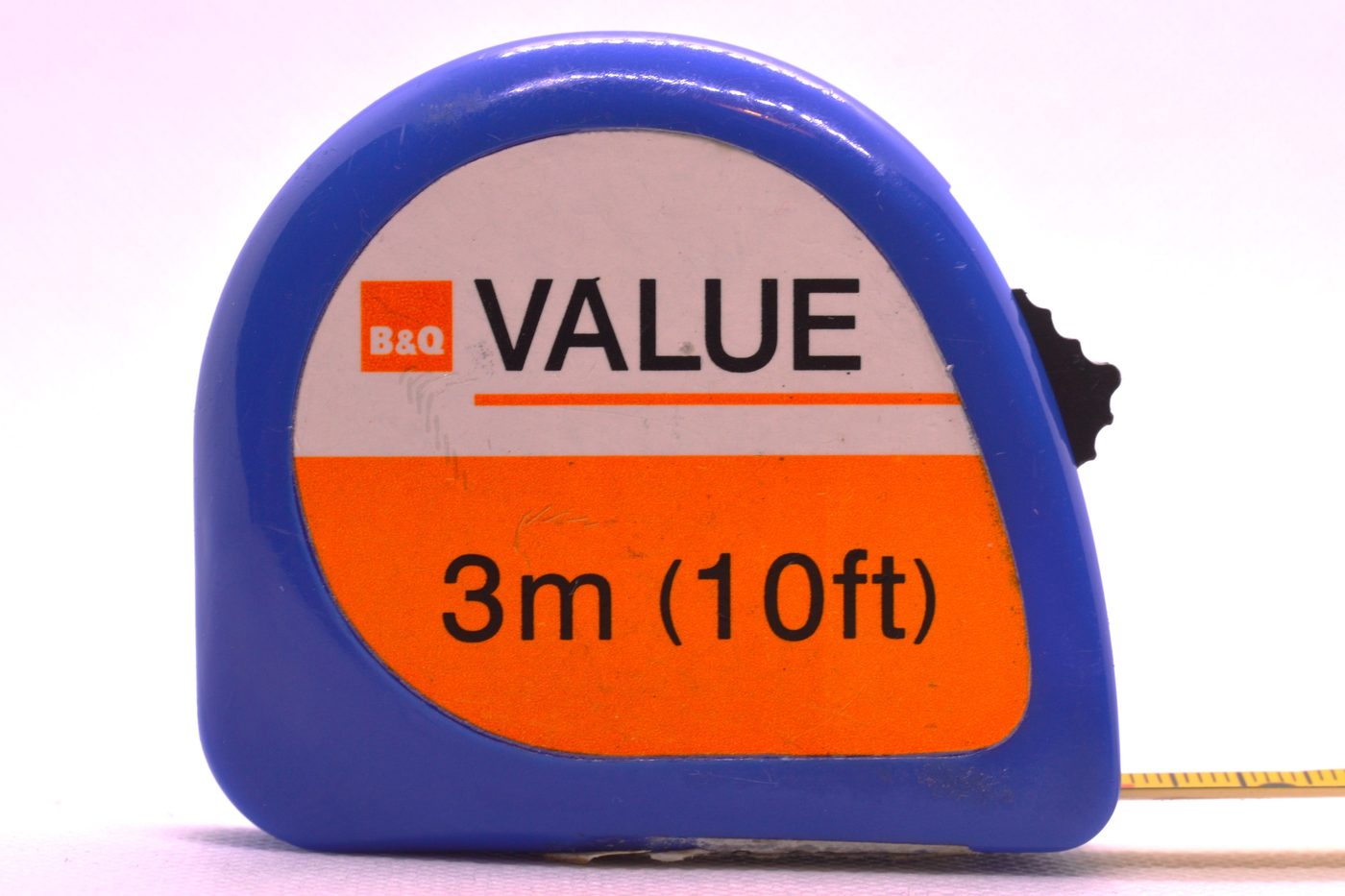
A 3m (10ft) measuring tape (Source: Wikimedia Commons)
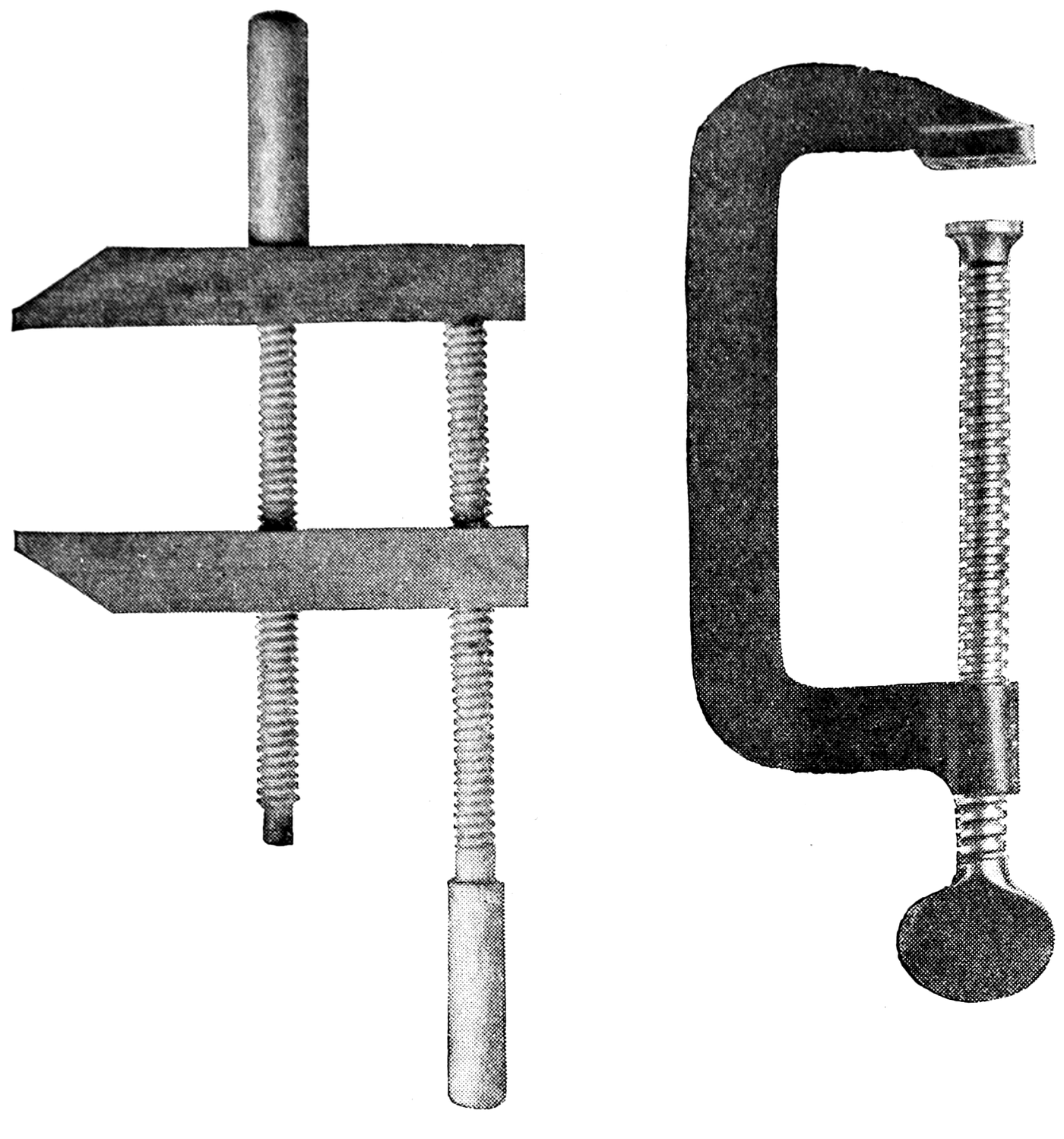
Carpentry clamps for holding workpieces (Source: Wikimedia Commons)
Maintenance of these tools involves regular cleaning, timely sharpening of blades and chisels, and battery care for cordless devices to extend their service life.
Materials must be selected based on durability, appearance, and compatibility with the environment. Kenyan carpenters often encounter humid conditions, especially near coastal areas, making moisture-resistant materials vital.
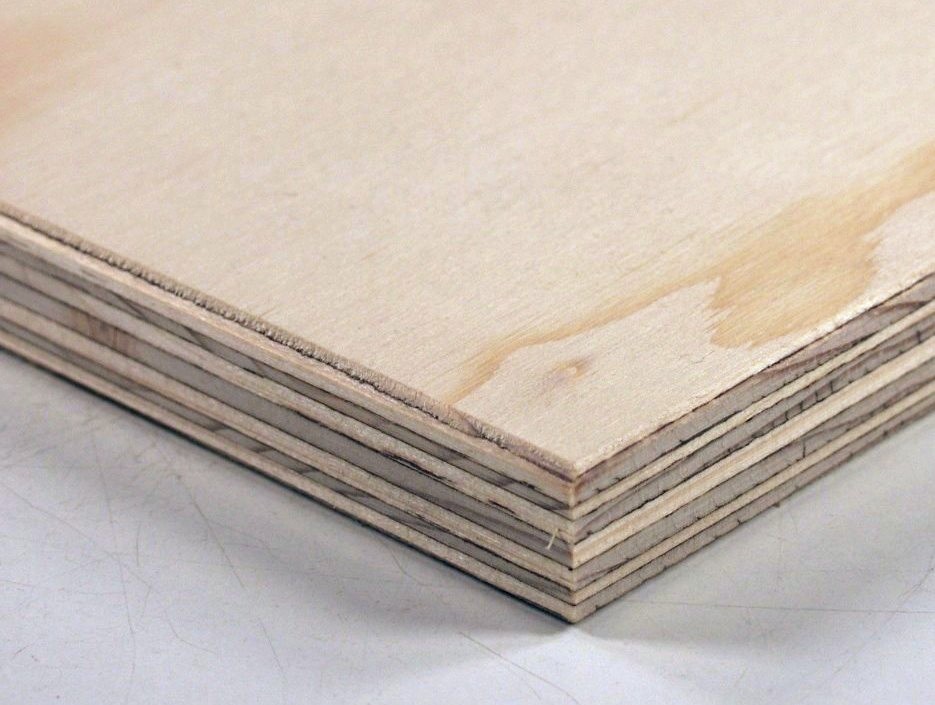
Close-up of plywood sheets (Source: Wikipedia (Plywood))
Medium Density Fiberboard (MDF): Smooth surface ideal for painting, used in cabinet doors and panels. MDF is cost-effective but requires sealing against moisture.
Solid Timber: Used for frames and visible trims, hardwoods like mahogany or teak provide durability and aesthetic appeal in wardrobes.
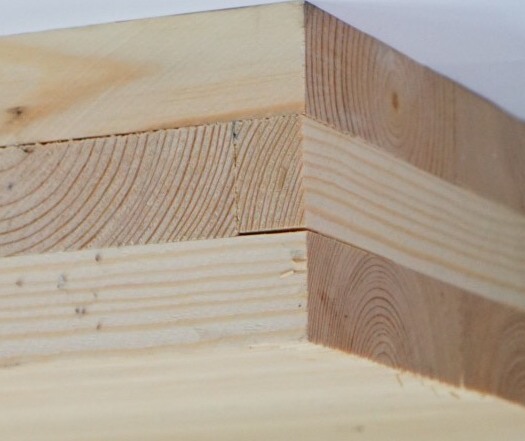
stacked pieces of solid timber wood (Source: Wikimedia Commons)
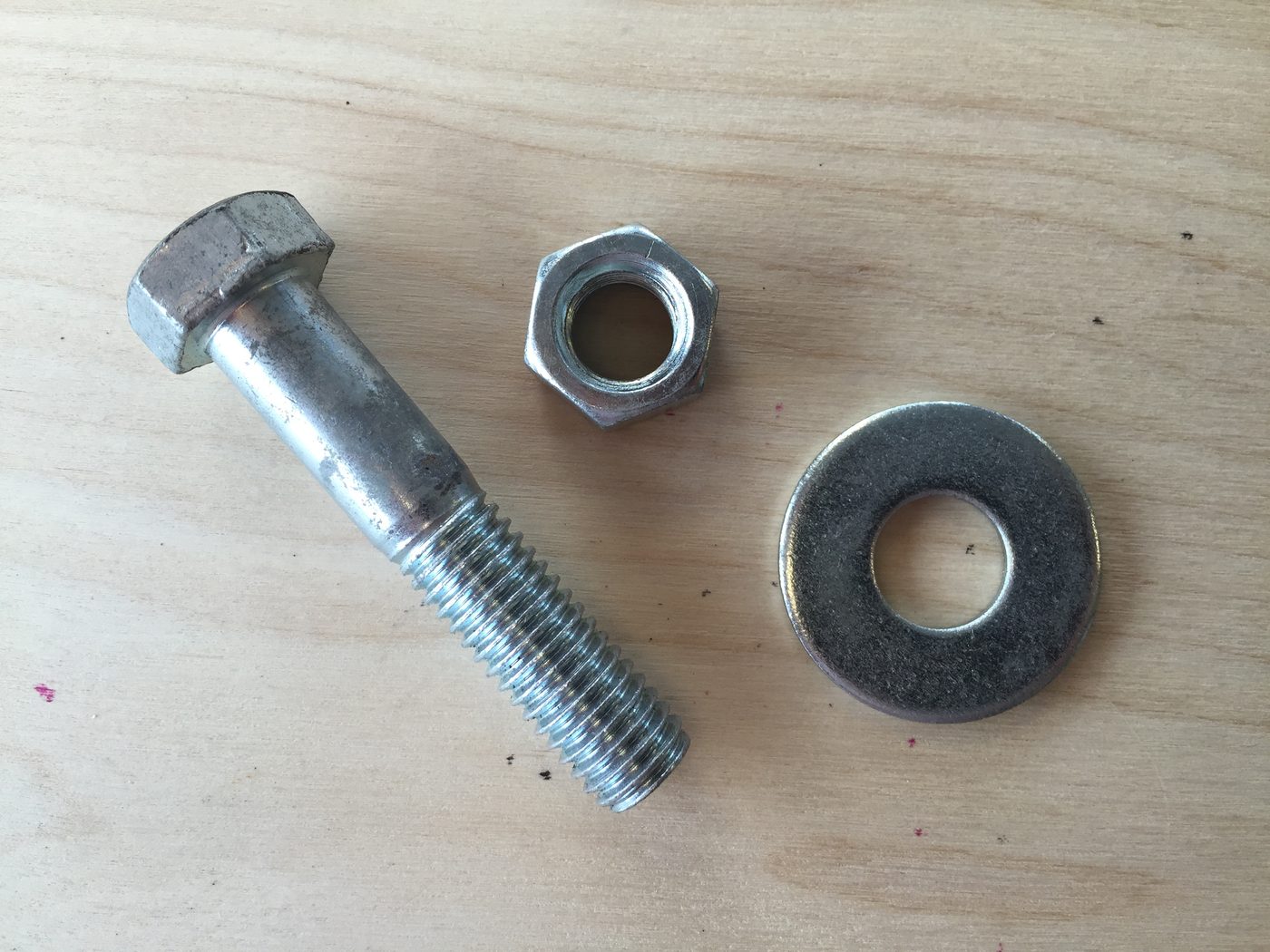
Bolt, nut, and washer fasteners (Source: Wikimedia Commons)
The choice of materials impacts not only durability but also the finishing options and overall cost of the cabinetry project.
Safety during cabinetry installation protects the carpenter and ensures compliance with occupational health standards in Kenya. Working with power tools and heavy materials exposes professionals to risks that must be managed proactively.

Clear safety goggles for eye protection (Source: Wikimedia Commons)
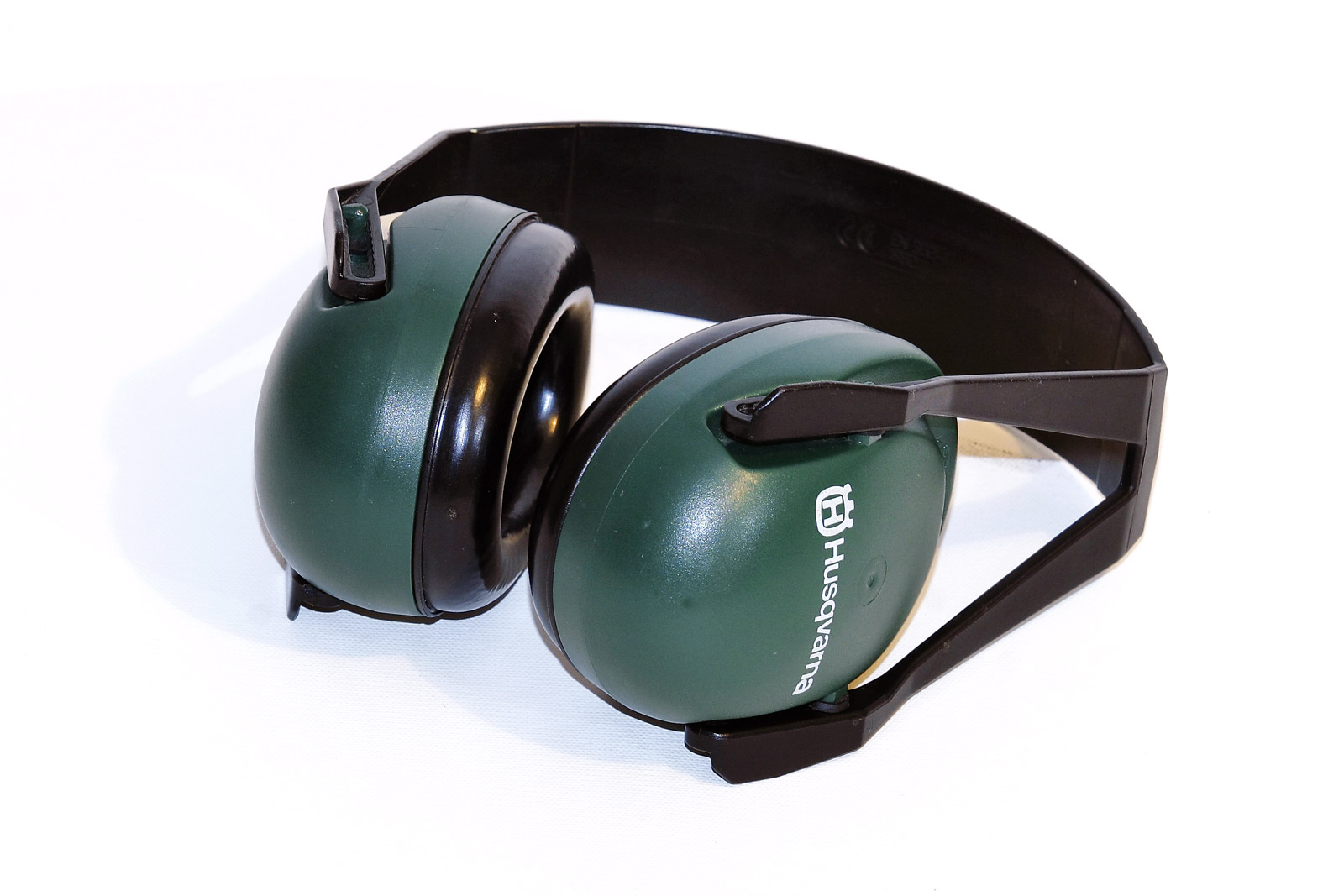
Green ear protection earmuffs (Source: Wikimedia Commons)
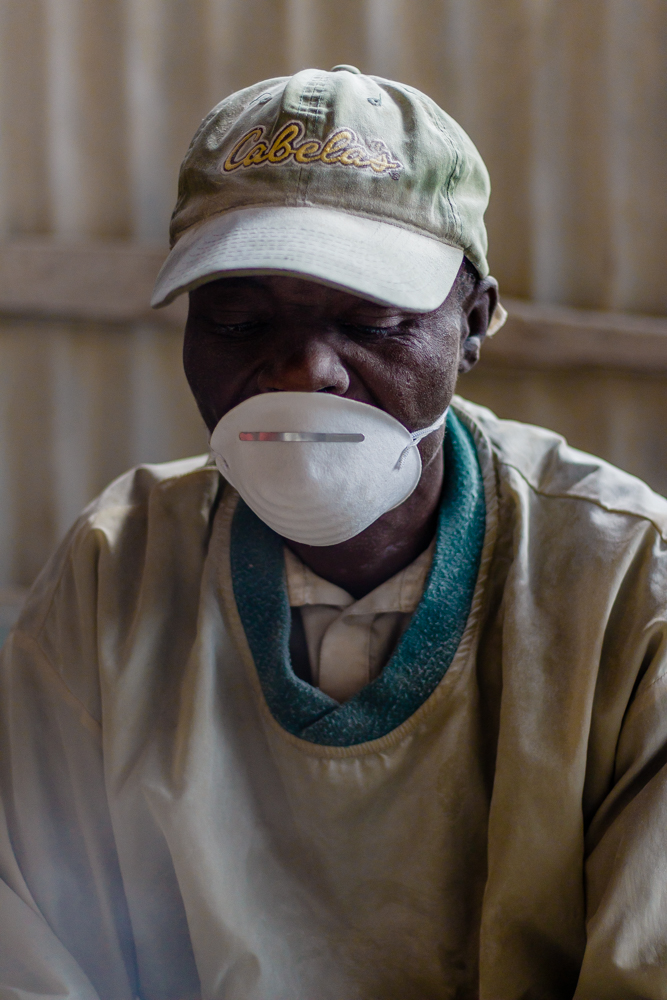
Person wearing a dust mask (Source: Wikimedia Commons)

Pair of yellow work gloves used in carpentry (Source: Wikimedia Commons)
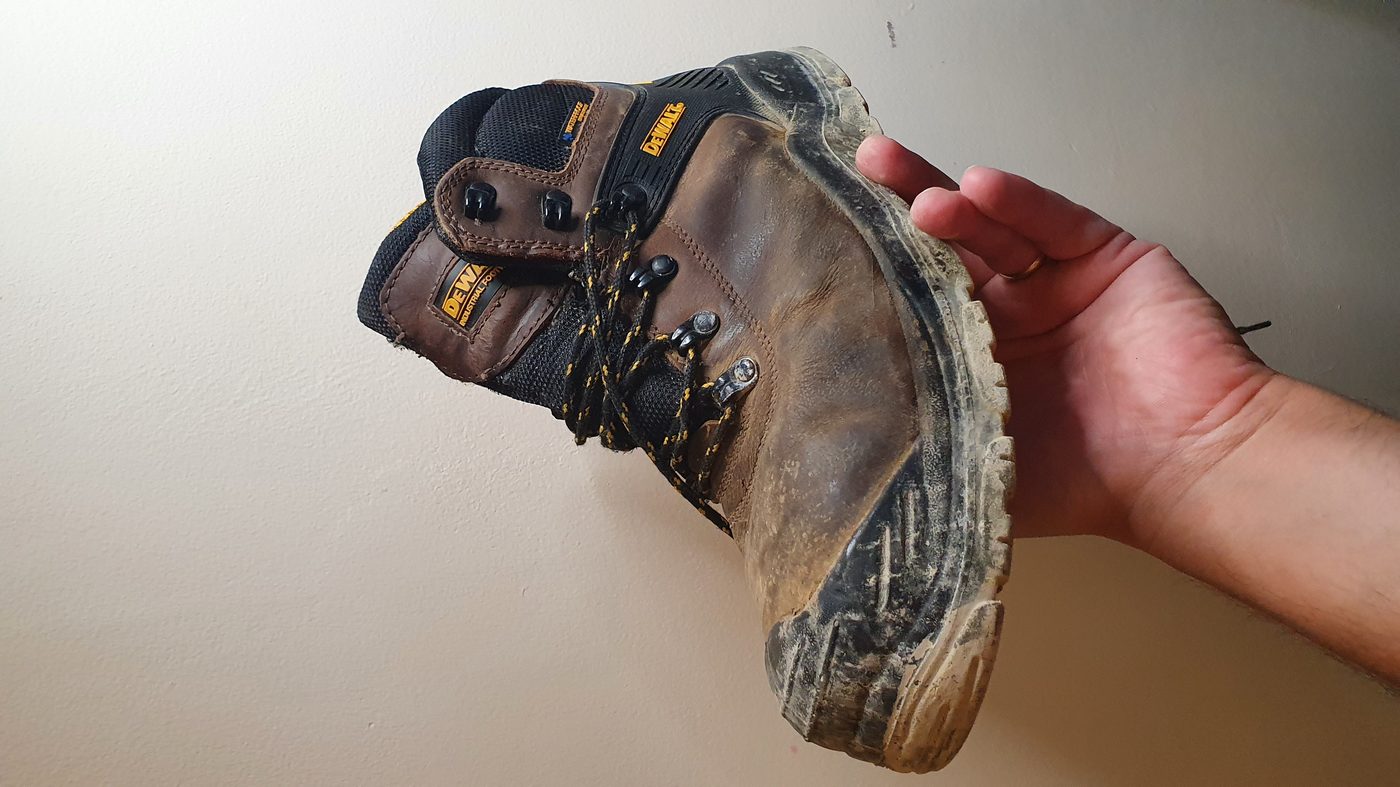
A single safety boot for industrial use (Source: Wikimedia Commons)
In busy workshop environments such as those found in Nairobi’s industrial areas, adherence to safety protocols reduces accidents and enhances productivity.
Proper setup of tools and preparation of the installation site are crucial for efficient cabinetry installation. Kenyan carpenters often work in varied environments, from newly constructed homes to retrofitting offices, requiring adaptable approaches.
Well-prepared sites and equipment setups contribute to high-quality workmanship and timely project completion.
Create a free account to open more of this chapter.
Free: practical guides, quick cards, workplace scenarios and more.
Create a free accountThis chapter examined the essential tools, equipment, and materials required for installing built-in cabinets, kitchen cabinets, and wardrobes, emphasizing their role in ensuring precise workmanship. It detailed the construction process of cabinetry frames, highlighting the importance of sturdy and accurate assembly. The positioning of cabinets was explored through the steps of fixing base, wall, and top cabinets according to the layout, ensuring functional and aesthetic placement. Supporting structures were discussed with a focus on walls and floors as foundational elements, alongside the appropriate selection and use of fasteners such as nails and screws to secure the cabinets firmly. The chapter also covered critical procedures for alignment, leveling, and maintaining proper spacing between cabinet units to achieve a professional finish. Finally, it underscored housekeeping activities including clearing and sweeping the working area, cleaning and organizing tools, proper material storage, and responsible waste disposal, all vital for maintaining a safe and efficient work environment.
Type: Individual
| Tools & Equipment | Materials |
|---|---|
| Portable Electric Drill | Safety Boots |
| Claw Hammer | Dust Mask |
| Tape Measure (5m) | Gloves (Leather) |
| Try Square | Sawn Hardwood Timber (Cabinet Grade) 50mm x 25mm x 1000mm |
| Screwdriver Set | Plywood Sheets (18mm thick) 2440mm x 1220mm |
| Spirit Level | Cabinet Hinges (Metal) |
| Clamps (Sash Clamps) | Round Wire Nails 1.5 inch |
| Wood Chisels (1/4", 1/2", 3/4") | Wood Screws 1.5 inch |
| Tenon Saw | Wood Glue |
| Pencil (Woodworking) |
| S/N | Item | Quantity |
|---|---|---|
| 1 | Portable Electric Drill | 1 Pc per 5 Candidates |
| 2 | Claw Hammer | 1 Pc per 5 Candidates |
| 3 | Tape Measure (5m) | 1 Pc per Candidate |
| 4 | Try Square | 1 Pc per Candidate |
| 5 | Screwdriver Set | 1 Set per 5 Candidates |
| 6 | Spirit Level | 1 Pc per 5 Candidates |
| 7 | Clamps (Sash Clamps) | 1 Pc per 3 Candidates |
| 8 | Wood Chisels (1/4", 1/2", 3/4") | 1 Set per 5 Candidates |
| 9 | Tenon Saw | 1 Pc per 5 Candidates |
| 10 | Pencil (Woodworking) | 1 Pc per Candidate |
| 11 | Safety Boots | 1 Pair per Candidate |
| 12 | Dust Mask | 1 Pc per Candidate |
| 13 | Gloves (Leather) | 1 Pair per Candidate |
| 14 | Sawn Hardwood Timber (Cabinet Grade) 50mm x 25mm x 1000mm | 8 Pcs per Candidate |
| 15 | Plywood Sheets (18mm thick) 2440mm x 1220mm | 1 Sheet per 3 Candidates |
| 16 | Cabinet Hinges (Metal) | 6 Pcs per Candidate |
| 17 | Round Wire Nails 1.5 inch | 50 Pcs per Candidate |
| 18 | Wood Screws 1.5 inch | 50 Pcs per Candidate |
| 19 | Wood Glue | 1 Bottle per 5 Candidates |
| Items to be Evaluated | Marks Available | Marks Obtained | Comments |
|---|---|---|---|
| TASK 1: Identification and Selection of PPE | |||
| Wore safety boots (Award 1 mark for wearing safety boots or 0) | 1 | ||
| Wore dust mask (Award 1 mark for wearing dust mask or 0) | 1 | ||
| Wore leather gloves (Award 1 mark for wearing gloves or 0) | 1 | ||
| Sub-Total | 3 | ||
| TASK 2: Assembling Tools and Equipment | |||
| Assembled Portable Electric Drill (Award 1 mark or 0) | 1 | ||
| Assembled Claw Hammer (Award 1 mark or 0) | 1 | ||
| Assembled Tape Measure (Award 1 mark or 0) | 1 | ||
| Assembled Try Square (Award 1 mark or 0) | 1 | ||
| Assembled Screwdriver Set (Award 1 mark or 0) | 1 | ||
| Assembled Spirit Level (Award 1 mark or 0) | 1 | ||
| Assembled Clamps (Award 1 mark or 0) | 1 | ||
| Assembled Wood Chisels Set (Award 1 mark or 0) | 1 | ||
| Assembled Tenon Saw (Award 1 mark or 0) | 1 | ||
| Assembled Pencil (Award 1 mark or 0) | 1 | ||
| Sub-Total | 10 | ||
| TASK 3: Selecting Materials and Fixings | |||
| Selected appropriate hardwood timber pieces (Award 1 mark or 0) | 1 | ||
| Selected plywood sheets (Award 1 mark or 0) | 1 | ||
| Selected cabinet hinges (Award 1 mark or 0) | 1 | ||
| Selected round wire nails (Award 1 mark or 0) | 1 | ||
| Selected wood screws (Award 1 mark or 0) | 1 | ||
| Selected wood glue (Award 1 mark or 0) | 1 | ||
| Sub-Total | 6 | ||
| PRODUCT CHECKLIST | |||
| Correct identification of all required PPE (Safety boots, Dust mask, Gloves) (Award 1 mark for each correctly identified PPE) | 3 | ||
| Complete assembly of all listed tools and equipment (Award 0.5 marks for each correctly assembled tool/equipment) | 5 | ||
| Correct selection of all materials and fixings for cabinetry installation (Award 1 mark for each correctly selected material/fixing) | 6 | ||
| Accurate understanding of the cabinet dimensions 2000mm wide x 600mm deep x 2200mm high (Award 1 mark for each correct dimension identified) | 4 | ||
| Demonstrated knowledge of tool and material application for cabinetry installation (Award 2 marks for clear demonstration or 0) | 2 | ||
| Sub-Total | 20 | ||
| GRAND TOTAL | 39 | ||
Type: Individual
| Tools & Equipment | Materials |
|---|---|
| Try square | Sawn softwood timber 100mm x 50mm |
| Tenon saw | 75 mm wire nails |
| Crosscut saw | Wood glue |
| Chisels set (1/4, 1/2, 3/4 inch) | |
| Mallet | |
| Claw hammer | |
| Sash clamp | |
| Tape measure | |
| Wood pencil |
| S/N | Item | Quantity |
|---|---|---|
| 1 | Sawn softwood timber 100mm x 50mm x 1200mm | 3 Pcs per Candidate |
| 2 | Sawn softwood timber 100mm x 50mm x 600mm | 2 Pcs per Candidate |
| 3 | Sawn softwood timber 100mm x 50mm x 900mm | 2 Pcs per Candidate |
| 4 | 75 mm wire nails | 30 Pcs per Candidate |
| 5 | Wood glue | Sufficient per Candidate |
| 6 | Try square | 1 Pc per Candidate |
| 7 | Tenon saw | 1 Pc per Candidate |
| 8 | Crosscut saw | 1 Pc per Candidate |
| 9 | Chisels set (1/4, 1/2, 3/4 inch) | 1 Set per 3 Candidates |
| 10 | Mallet | 1 Pc per 3 Candidates |
| 11 | Claw hammer | 1 Pc per Candidate |
| 12 | Sash clamp | 1 Pc per 4 Candidates |
| 13 | Tape measure (5m) | 1 Pc per Candidate |
| 14 | Wood pencil | 1 Pc per Candidate |
| 15 | Safety boots | 1 Pair per Candidate |
| 16 | Overall | 1 Pc per Candidate |
| 17 | Face mask | 1 Pc per Candidate |
| Items to be Evaluated | Marks Available | Marks Obtained | Comments |
|---|---|---|---|
| TASK 1: Preparation and PPE | |||
| Wore Personal Protective Equipment: Safety boots, Overall, Face mask (Award 1 mark for each PPE worn as per workplace procedures) | 3 | ||
| Assembled required tools and materials (Award 2 marks for complete and correct assembly or 0) | 2 | ||
| Measured and marked timber pieces accurately as per drawing (Award 1 mark each for correct measurement and marking of width, depth, height) | 3 | ||
| Cut out joints on timber to precision: rebate joint, housing joint, half lap joint (Award marks as follows: 2 marks for rebate joint, 2 marks for housing joint, 1 mark for half lap joint correctly cut) | 5 | ||
| Sub-Total | 13 | ||
| TASK 2: Assembly and Finishing | |||
| Trial fitted all joints before final fixing (Award 2 marks for properly trial fitting all joints or 0) | 2 | ||
| Fixed and assembled the cabinetry frame using nails and glue (Award 3 marks for correctly assembling and fixing all joints securely) | 3 | ||
| Used sash clamps to hold joints during assembly (Award 1 mark for proper use of sash clamps or 0) | 1 | ||
| Performed workplace housekeeping: cleaned work area and returned tools (Award 1 mark for each housekeeping activity done properly) | 2 | ||
| Sub-Total | 8 | ||
| PRODUCT CHECKLIST | |||
| Correct interpretation of cabinetry frame drawing and dimensions (1200mm x 600mm x 900mm) (Award 2 marks for correct interpretation or 0) | 2 | ||
| Dimensions of studs, rails, and panels within ±5mm tolerance (Award 2 marks each for width, depth, and height correct within tolerance) | 6 | ||
| Joints tightness, flushness, and accuracy (rebate, housing, half lap) (Award marks as follows: 2 marks rebate joint, 2 marks housing joint, 1 mark half lap joint tight and flush) | 5 | ||
| Cabinetry frame square and level at all corners (Award 1 mark per each of 4 corners correctly squared) | 4 | ||
| Correct nailing with no bends or missed nails (minimum 10 nails) (Award 1 mark per 2 correctly placed nails without bends) | 4 | ||
| Firmness and rigidity of assembled cabinetry frame (Award 3 marks for stable and rigid frame or 0) | 3 | ||
| General appearance: smoothness, clean joints, and neat finish (Award 3 marks for neat and professional appearance or 0) | 3 | ||
| Completion of cabinetry frame as per specifications (Award 3 marks for 100% complete; 2 marks for 70% complete; 1 mark for 50% complete; 0 otherwise) | 3 | ||
| Sub-Total | 30 | ||
| GRAND TOTAL | 51 | ||
At the start of this chapter we promised you would be able to:
Tick each one you can genuinely do.
So, are you there yet?
You're competent when you can confidently do 50% or more of what this chapter promised.
Sign in to record how you're doing.