
By the end of this chapter, you will be able to:
Mastering these skills helps you create strong, reliable forms that keep concrete in place, ensuring safe and quality construction.
Compiled by: Michael Macharia
Temporary works are essential in the construction process, providing temporary support and formwork needed to shape and hold concrete until it attains sufficient strength. In carpentry and joinery, the installation and securing of shuttering for concrete work is a critical skill that demands technical precision and knowledge of materials, tools, and safety protocols. This chapter focuses on the selection, preparation, assembly, and safety checks of shuttering materials, ensuring that carpentry professionals in Kenya deliver durable and safe temporary works in diverse construction environments ranging from county government offices to private housing developments.
Identifying appropriate shuttering materials requires understanding the physical and mechanical properties necessary for supporting fresh concrete and resisting pressure during pouring and curing. In Kenya, carpenters often encounter a range of shuttering materials, each suited to specific applications and site conditions.
Timber: Timber is the most traditional shuttering material used in Kenya due to its availability, ease of handling, and adaptability to various shapes. It is commonly used in residential buildings and small-scale projects.
Plywood: Plywood offers a smooth finish and can be reused multiple times if properly maintained. It is favored in commercial projects at institutions such as universities where quality finishes are critical.
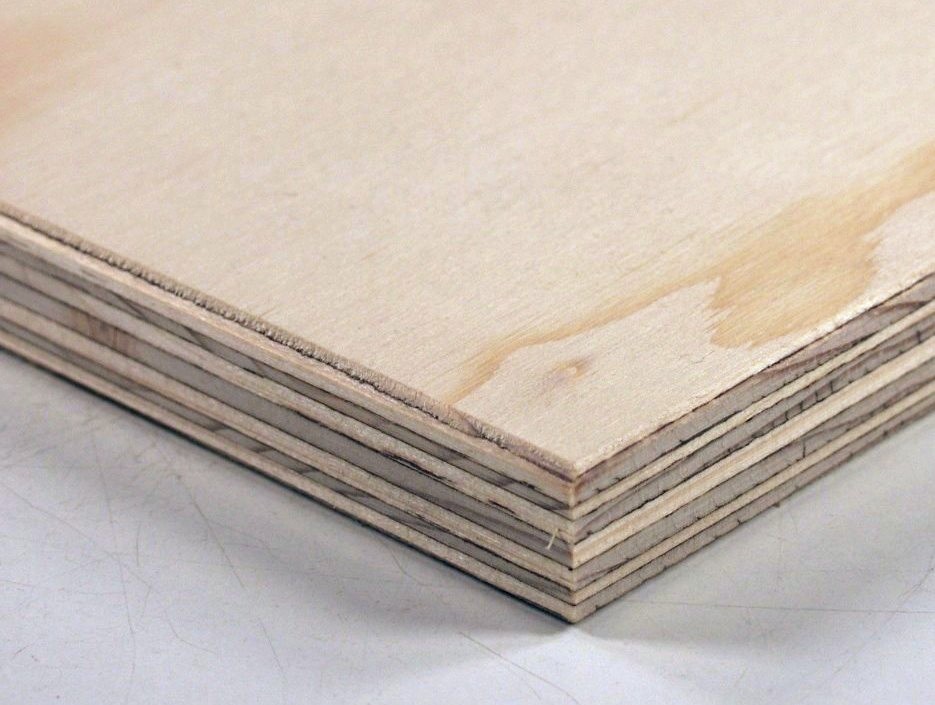
Close-up of plywood sheets (Source: Wikipedia (Plywood))
Steel: Steel shuttering is durable and strong, suitable for heavy-duty works like multi-storey buildings managed by county governments. However, it is heavier and requires skilled handling.
Plastic: Plastic shuttering panels are lightweight and easy to clean, increasingly used in industrial and hotel construction projects for repetitive use.
Aluminium: Aluminium formwork is lightweight and corrosion-resistant, ideal for fast-track projects such as retail business developments where speed and reusability are essential.
Selecting shuttering materials involves evaluating the project requirements, site conditions, and budget constraints to ensure safety and quality. Carpentry professionals must consider multiple factors to make informed decisions that optimize performance and cost.
Proper tools and equipment are essential for the efficient preparation, assembly, and securing of shuttering materials. A carpentry professional must be familiar with the specifications and correct use of these tools to maintain safety and workmanship standards.
| Name | Specification | Use |
|---|---|---|
| Hammer | 16 oz claw hammer, wooden handle | Driving nails, adjusting formwork |
| Spirit Level | 600 mm length, bubble vial | Ensuring shuttering is level and plumb |
| Measuring Tape | 5 m length, steel tape | Accurate measurement of shuttering members |
| Circular Saw | 1200 W, adjustable blade depth | Cutting timber and plywood sheets |
| Screwdriver Set | Assorted sizes, insulated handles | Fixing screws in formwork assembly |
| Wrench Set | Adjustable and fixed sizes | Tightening bolts and clamps |
| Clamps | Steel, adjustable jaws | Holding shuttering panels together during assembly |
| Safety Gear | Gloves, goggles, helmet | Protection during shuttering installation |
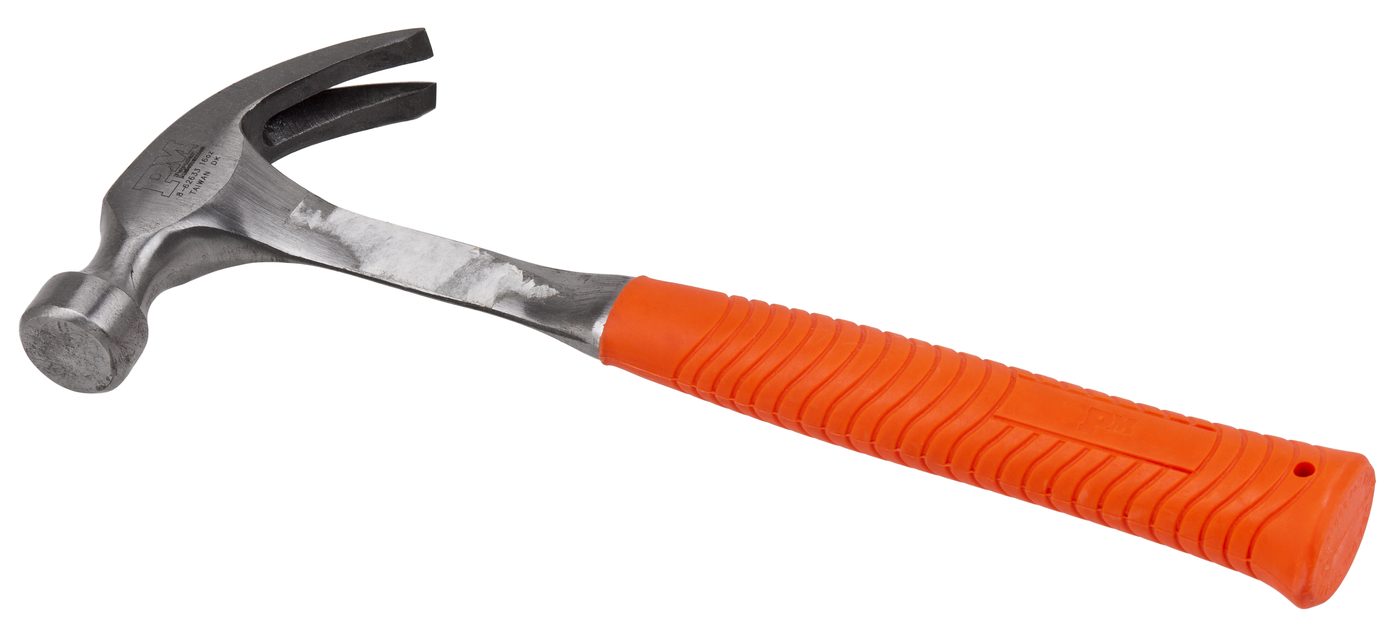
Claw hammer with orange handle (Source: Wikimedia Commons)
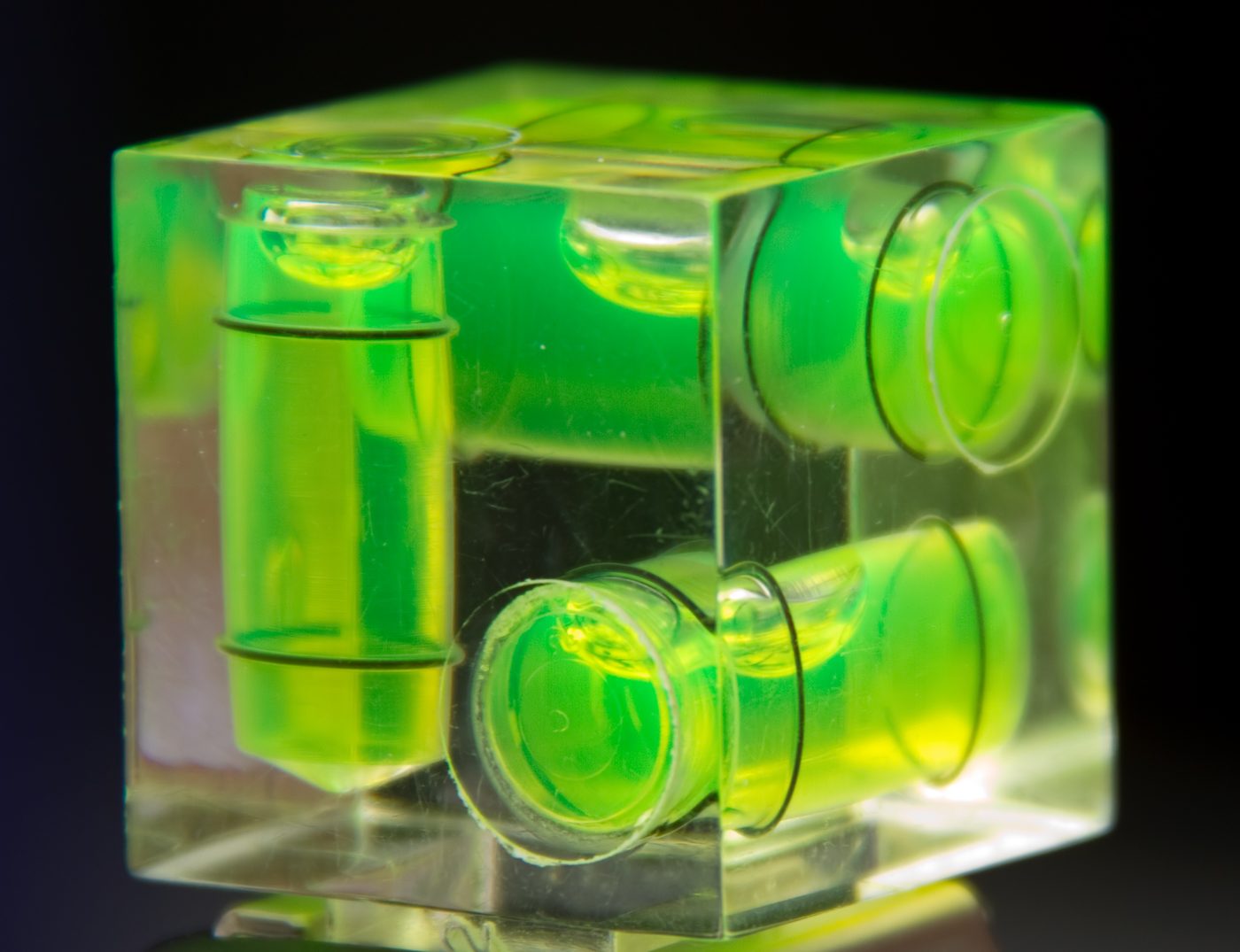
Close-up of a spirit level vial block (Source: Wikimedia Commons)
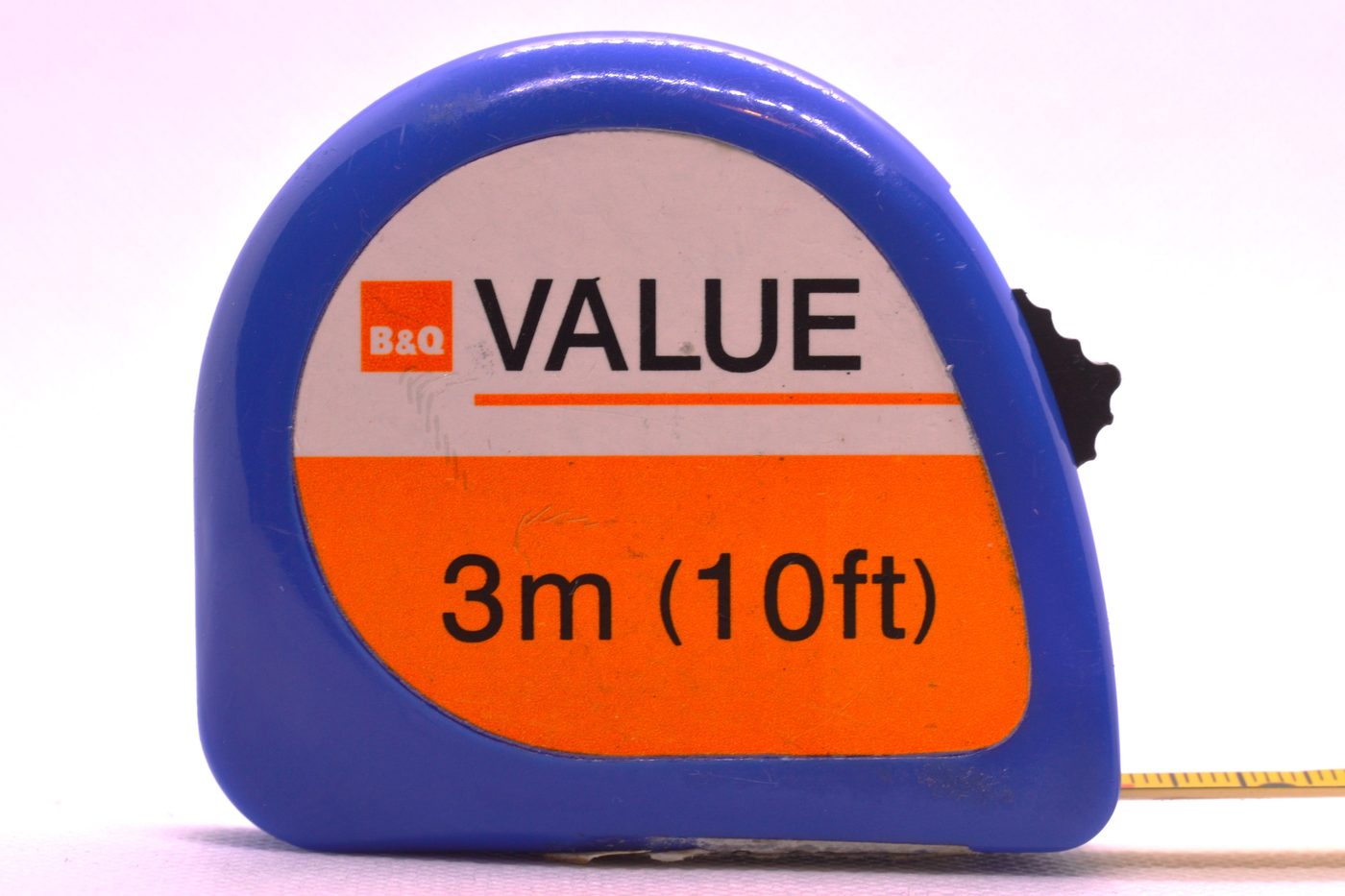
A measuring tape with metric and imperial units (Source: Wikimedia Commons)
Clamps: Inspect for wear and ensure smooth operation; lubricate moving parts.
Safety Gear: Inspect before use; replace damaged items immediately.
Preparation of shuttering materials ensures that components fit correctly and perform as intended under load. This stage involves measuring, cutting, treating, and organizing materials before assembly.
The assembly of shuttering members requires precision and coordination to create a stable mold that will hold concrete in the desired shape until curing. Proper assembly affects both safety and the quality of the finished concrete.
Safety checks are vital to prevent accidents caused by shuttering failure, which can lead to structural collapse or injury. Regular inspection and adherence to safety standards protect workers and ensure project continuity.
Explain five factors that influence the selection of shuttering materials for a concrete slab in a commercial building project. (10 marks)
Describe the steps involved in preparing timber shuttering materials before assembly. (12 marks)
Identify and explain four tools essential for assembling shuttering and their maintenance requirements. (8 marks)
Discuss the safety checks that should be performed before pouring concrete into shuttering. (10 marks)
Create a free account to open more of this chapter.
Free: practical guides, quick cards, workplace scenarios and more.
Create a free accountThis chapter explored the comprehensive process of installing and securing shuttering for concrete work, beginning with the identification and selection of appropriate shuttering materials, alongside the necessary tools and equipment. Preparation and assembly of shuttering members were emphasized, including essential safety checks to ensure a secure setup. The chapter then detailed the positioning and fitting of shuttering, highlighting the identification of concrete elements and the careful selection and installation of shuttering members with ongoing safety considerations. Access points for reinforcement were addressed, focusing on their identification, the choice of suitable materials, and proper reinforcement techniques to maintain structural integrity. Reinforcing shuttering before pouring concrete was discussed, stressing the importance of recognizing critical areas, selecting appropriate materials, and reinforcing these zones effectively while maintaining safety standards. The chapter concluded with best practices for housekeeping on site to promote a safe and efficient working environment.
Which of the following materials is commonly used for shuttering in concrete work?
a) Plywood
b) Steel sheets
c) Plastic sheeting
d) All of the above
(2 marks)
Describe two key factors to consider when selecting shuttering materials for a slab in a multi-storey building. (4 marks)
Type: Individual
| Tools & Equipment | Materials |
|---|---|
| Spirit level | Plywood sheets 18mm thick |
| Tape measure | Timber battens 50mm x 100mm |
| Carpenter's hammer | Steel props adjustable 1.8m to 3.0m |
| Nails 75mm | |
| Wire ties 2.5mm thick | |
| Timber wedges 100mm x 50mm |
| S/N | Item | Quantity |
|---|---|---|
| 1 | Plywood sheets 18mm thick, size 2400mm x 1200mm | 1 sheet per Candidate |
| 2 | Timber battens 50mm x 100mm x 2400mm | 4 pcs per Candidate |
| 3 | Steel props adjustable 1.8m to 3.0m | 2 pcs per Candidate |
| 4 | Nails 75mm | 30 pcs per Candidate |
| 5 | Wire ties 2.5mm thick | 10 pcs per Candidate |
| 6 | Timber wedges 100mm x 50mm | 5 pcs per Candidate |
| 7 | Spirit level 600mm | 1 pc per Candidate |
| 8 | Tape measure 7.5m | 1 pc per Candidate |
| 9 | Carpenter's hammer | 1 pc per Candidate |
| 10 | Safety boots | 1 pair per Candidate |
| 11 | Overall | 1 per Candidate |
| 12 | Safety helmet | 1 per Candidate |
| 13 | Leather gloves | 1 pair per Candidate |
| Items to be Evaluated | Marks Available | Marks Obtained | Comments |
|---|---|---|---|
| TASK 1: Identify and Select Shuttering Materials | |||
| Wore appropriate PPE (Safety boots, Overall, Helmet, Gloves) (Award 1 mark for each PPE worn correctly) | 3 | ||
| Assembled all required tools and materials (Award 2 marks for assembling all listed tools and materials) | 2 | ||
| Inspected the plywood for defects (warping, knots, cracks) (Award 3 marks for thorough inspection and identification of defects) | 3 | ||
| Measured plywood and timber battens to confirm sizes as per beam dimensions (Award 2 marks each for accurate measurement of plywood and battens) | 4 | ||
| Selected suitable timber battens and plywood sheets based on inspection and measurements (Award 3 marks for correct selection appropriate for shuttering) | 3 | ||
| Checked steel props for functionality and adjustability (Award 2 marks for proper inspection and selection of steel props) | 2 | ||
| Selected appropriate nails, wire ties, and timber wedges for fixing and securing shuttering (Award 3 marks for correct selection of fastening materials) | 3 | ||
| Ensured all selected materials comply with safety and quality standards (Award 2 marks for compliance verification) | 2 | ||
| Performed workplace housekeeping after selection (Award 1 mark for cleaning and organizing work area) | 1 | ||
| Completion of task as per instructions and within allocated time (Award marks based on completion: 3 for 100%, 2 for 70%, 1 for 50%, 0 below 50%) | 3 | ||
| Sub-Total | 26 | ||
| PRODUCT CHECKLIST | |||
| Correct identification of plywood sheets (18mm thick, 2400mm x 1200mm) (Award 3 marks for correct identification and suitability) | 3 | ||
| Correct identification of timber battens (50mm x 100mm x 2400mm) (Award 3 marks for correct identification and suitability) | 3 | ||
| Correct identification and selection of steel props (adjustable 1.8m to 3.0m) (Award 3 marks for correct identification and suitability) | 3 | ||
| Correct selection of nails (75mm) and wire ties (2.5mm thick) appropriate for shuttering (Award 3 marks for correct selection) | 3 | ||
| Timber wedges correctly identified and suitable for securing shuttering (Award 2 marks for correct selection) | 2 | ||
| Materials selected are free from major defects and fit for purpose (Award 4 marks for defect-free and appropriate materials) | 4 | ||
| All materials conform to the required dimensions for shuttering a 3000mm x 300mm x 300mm beam (Award 5 marks for full compliance with specified dimensions) | 5 | ||
| Sub-Total | 23 | ||
| GRAND TOTAL | 49 | ||
Type: Individual
| Tools & Equipment | Materials |
|---|---|
| Marking gauge | Sawn softwood timber 100mm x 50mm x 3000mm |
| Try square | Sawn softwood timber 100mm x 50mm x 400mm |
| Tape measure | Sawn softwood timber 100mm x 50mm x 500mm |
| Hand saw (Tenon saw) | Wire nails 3 inches |
| Chisels set | Sandpaper P120 |
| Claw hammer | Wood glue |
| Woodworking vice | PPE (Safety boots, Helmet, Overall, Gloves) |
| Mallet |
| S/N | Item | Quantity |
|---|---|---|
| 1 | Sawn softwood timber 100mm x 50mm x 3000mm | 2 Pcs per Candidate |
| 2 | Sawn softwood timber 100mm x 50mm x 400mm | 2 Pcs per Candidate |
| 3 | Sawn softwood timber 100mm x 50mm x 500mm | 2 Pcs per Candidate |
| 4 | Wire nails 3 inches | 30 Pcs per Candidate |
| 5 | Sandpaper P120 | 200 mm per Candidate |
| 6 | Wood glue | Sufficient per Candidate |
| 7 | PPE (Safety boots, Helmet, Overall, Gloves) | 1 Set per Candidate |
| 8 | Marking gauge | 1 Pc per Candidate |
| 9 | Try square | 1 Pc per Candidate |
| 10 | Tape measure 7.5m | 1 Pc per Candidate |
| 11 | Hand saw (Tenon saw) | 1 Pc per Candidate |
| 12 | Chisels set (1/2", 1/4", 3/4") | 1 Set per 3 Candidates |
| 13 | Claw hammer | 1 Pc per Candidate |
| 14 | Woodworking vice | 1 Pc per 4 Candidates |
| 15 | Mallet | 1 Pc per Candidate |
| Items to be Evaluated | Marks Available | Marks Obtained | Comments |
|---|---|---|---|
| TASK 1: Prepare Shuttering Materials | |||
| Wore all required PPE (Safety boots, Helmet, Overall, Gloves) (Award 1 mark for each PPE worn as per workplace procedures or 0) | 3 | ||
| Assembled all required tools and materials (Award 2 marks if all tools and materials are assembled or 0) | 2 | ||
| Measured and marked timber pieces accurately according to drawing (Award 1 mark for each correctly measured timber piece or 0) | 3 | ||
| Cut timber members to required lengths and sizes (Award 1 mark for each correctly cut timber member or 0) | 4 | ||
| Planed and sanded timber surfaces to smooth finish (Award 1 mark for each timber member properly planed and sanded or 0) | 3 | ||
| Marked and prepared joints on timber members (Award 1 mark for each correctly marked joint or 0) | 3 | ||
| Conditioned timber members with wood glue application where required (Award 2 marks for proper glue application or 0) | 2 | ||
| Performed workplace housekeeping (cleaned work area and stored tools) (Award 2 marks for complete housekeeping or 0) | 2 | ||
| Sub-Total | 22 | ||
| PRODUCT CHECKLIST | |||
| Timber members cut to exact dimensions (3000mm, 400mm, 500mm lengths) (Award 2 marks for each correct dimension or 0) | 6 | ||
| Timber surfaces smooth and free of splinters or roughness (Award 1 mark for each timber member with smooth finish or 0) | 3 | ||
| Joints marked accurately and ready for assembly (Award 3 marks if all joints are correctly marked or 0) | 3 | ||
| Timber members conditioned with glue applied correctly (Award 2 marks for proper conditioning or 0) | 2 | ||
| Overall appearance and readiness for shuttering assembly (Award 4 marks for neat, professional appearance or 0) | 4 | ||
| Sub-Total | 18 | ||
| GRAND TOTAL | 40 | ||
At the start of this chapter we promised you would be able to:
Tick each one you can genuinely do.
So, are you there yet?
You're competent when you can confidently do 50% or more of what this chapter promised.
Sign in to record how you're doing.