
By the end of this chapter, you will be able to:
Mastering these skills ensures you work safely and effectively, building strong roofs that protect homes and buildings for years to come.
Compiled by: Beatrice Aoko
Roof setting out is a fundamental stage in building construction that ensures the roof framework aligns accurately with the building’s design and structural requirements. In Kenya, where diverse climatic conditions and architectural styles influence roof design, precise setting out is critical for durability, safety, and aesthetic appeal. This chapter equips Building Technology students with the knowledge and skills to select appropriate tools, recognize various roof types, and accurately carry out roof setting out tasks that meet professional standards in Kenyan construction projects.
The success of roof setting out largely depends on the correct selection and use of tools and equipment. In Kenyan construction sites, particularly in counties with active housing development such as Nairobi and Mombasa, efficient roof setting out improves productivity and reduces costly errors. Understanding the specifications and proper handling of these tools is essential for Building Technology professionals to achieve precise measurements and layout.
| Name | Specification | Use |
|---|---|---|
| Measuring Tape | Steel or fiberglass, 30m length | Measuring linear distances accurately on site |
| Spirit Level | 600mm length, bubble vial indicator | Checking horizontal and vertical levels |
| Plumb Bob | Brass or steel, 300g to 500g weight | Establishing vertical reference lines |
| Chalk Line | 30m line with chalk powder | Marking straight lines over long distances |
| Carpenter’s Square | Steel, 300mm sides | Checking and marking right angles |
Proper maintenance of tools extends their lifespan and ensures reliable performance on site. Safety considerations during roof setting out protect workers and prevent damage to equipment.
Modern construction sites in Kenya increasingly adopt technology-enhanced tools for faster and more precise roof setting out.
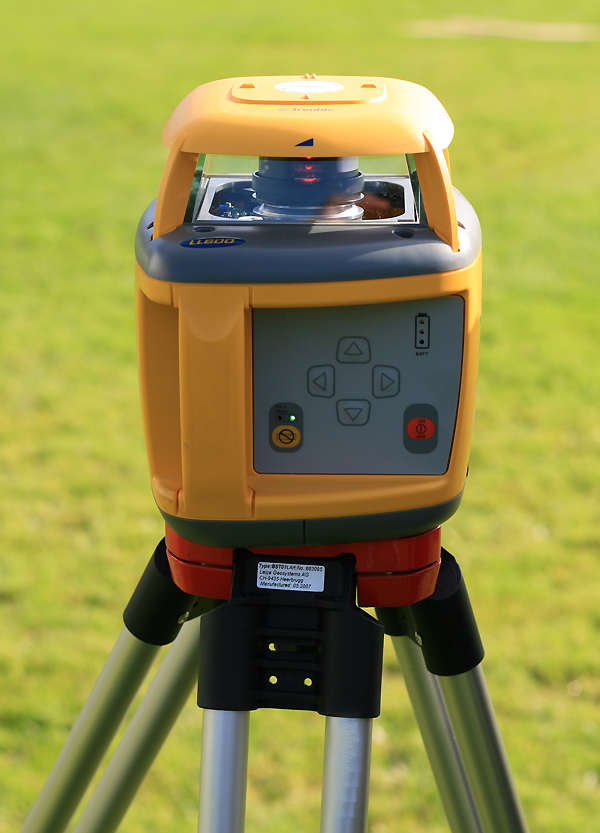
Rotary laser level on tripod outdoors (Source: Wikimedia Commons)
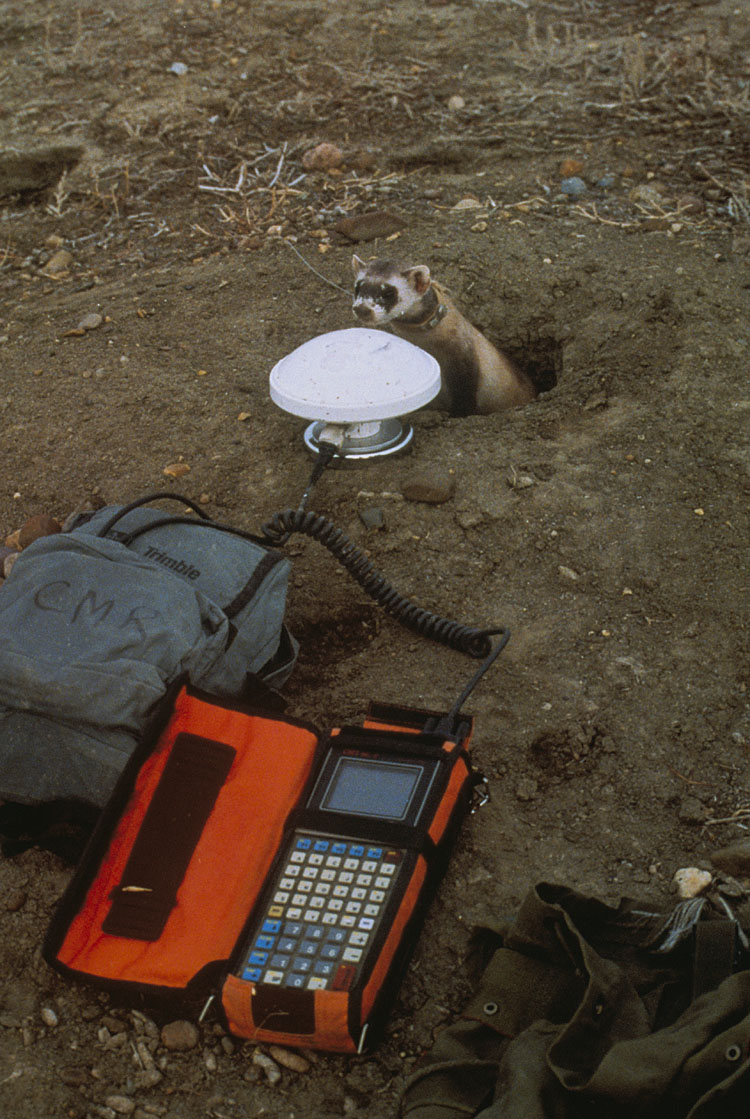
GPS surveying equipment with receiver and controller (Source: Wikimedia Commons)
Choosing the right tools depends on the project scale, roof complexity, and site conditions common in Kenya’s varied terrain.
Create a free account to open more of this chapter.
Free: practical guides, quick cards, workplace scenarios and more.
Create a free accountThis chapter focused on the essential tools and equipment used in roof setting out works, highlighting their functions and importance in achieving accurate measurements. It then explored the various types of roofs, providing guidance on how to identify each type based on design and structural features. The chapter further detailed the roof construction process, emphasizing the step-by-step procedure required to ensure a successful build. Understanding the selection of appropriate tools and recognizing roof types are critical for effective planning and execution. The construction procedure covered key activities from initial layout to final alignment, ensuring structural integrity. Mastery of these elements equips learners with the practical knowledge needed to carry out roof setting out works efficiently and safely.
Type: Individual
| Tools & Equipment | Materials |
|---|---|
| Tape measure | Roof type sample models (gable, hip, flat, mansard, gambrel) |
| Marker pen | Identification tags/labels |
| Notebook | |
| Pen |
| S/N | Item | Quantity |
|---|---|---|
| 1 | Roof type sample models (gable, hip, flat, mansard, gambrel) | 1 set per Candidate |
| 2 | Identification tags/labels | 5 pcs per Candidate |
| 3 | Marker pen | 1 pc per Candidate |
| 4 | Tape measure | 1 pc per Candidate |
| 5 | Notebook | 1 pc per Candidate |
| 6 | Pen | 1 pc per Candidate |
| 7 | Safety boots | 1 pair per Candidate |
| 8 | Dust coat/overall | 1 pc per Candidate |
| 9 | Safety helmet | 1 pc per Candidate |
| Items to be Evaluated | Marks Available | Marks Obtained | Comments |
|---|---|---|---|
| TASK 1: Identification of PPE | |||
| Wore safety boots (Award 1 mark for correct use or zero) | 1 | ||
| Wore dust coat/overall (Award 1 mark for correct use or zero) | 1 | ||
| Wore safety helmet (Award 1 mark for correct use or zero) | 1 | ||
| Sub-Total | 3 | ||
| TASK 2: Identification and Classification of Roof Types | |||
| Correctly identified Gable roof (Award 3 marks or zero for incorrect or no identification) | 3 | ||
| Correctly identified Hip roof (Award 3 marks or zero for incorrect or no identification) | 3 | ||
| Correctly identified Flat roof (Award 3 marks or zero for incorrect or no identification) | 3 | ||
| Correctly identified Mansard roof (Award 3 marks or zero for incorrect or no identification) | 3 | ||
| Correctly identified Gambrel roof (Award 3 marks or zero for incorrect or no identification) | 3 | ||
| Used tape measure to verify roof model dimensions (Award 3 marks for correct use or zero) | 3 | ||
| Recorded roof types and characteristics accurately (Award 4 marks for completeness and accuracy or zero) | 4 | ||
| Sub-Total | 22 | ||
| PRODUCT CHECKLIST | |||
| Correctly named and classified all five roof types with accurate characteristics (Award 3 marks for each correctly named and described roof type or zero) | 15 | ||
| Sub-Total | 15 | ||
| GRAND TOTAL | 40 | ||
Type: Individual
| Tools & Equipment | Materials |
|---|---|
| Tape measure | Dust coat/Overall |
| Mason square | Safety boots |
| Builder's line | Safety helmet |
| Claw hammer | Gloves |
| Spirit level | |
| Plumb bob | |
| Pegs | |
| Chalk line reel |
| S/N | Item | Quantity |
|---|---|---|
| 1 | Tape measure | 1 Pc per Candidate |
| 2 | Mason square | 1 Pc per Candidate |
| 3 | Builder's line | 30 Metres per Candidate |
| 4 | Claw hammer | 1 Pc per Candidate |
| 5 | Spirit level | 1 Pc per Candidate |
| 6 | Plumb bob | 1 Pc per Candidate |
| 7 | Pegs | 8 Pcs per Candidate |
| 8 | Chalk line reel | 1 Pc per 3 Candidates |
| 9 | Dust coat/Overall | 1 Pc per Candidate |
| 10 | Safety boots | 1 Pair per Candidate |
| 11 | Safety helmet | 1 Pc per Candidate |
| 12 | Gloves | 1 Pair per Candidate |
| Items to be Evaluated | Marks Available | Marks Obtained | Comments |
|---|---|---|---|
| TASK 1: Selection and Use of Roof Construction Tools | |||
| Wore correct PPEs (dust coat/overall, safety boots, helmet, gloves) (Award 1 mark for each correctly worn PPE or zero) | 4 | ||
| Identified and assembled correct tools: Tape measure, Mason square, Builder's line, Claw hammer, Spirit level, Plumb bob, Chalk line reel, Pegs (Award 0.5 mark for each correct tool identified and assembled or zero) | 4 | ||
| Used tape measure accurately to measure roof frame dimensions on site (Award 4 marks for accurate measurement and reading or zero) | 4 | ||
| Used mason square to check and mark right angles during setting out (Award 3 marks for correct use or zero) | 3 | ||
| Set out and fixed pegs at corners correctly to mark roof frame perimeter (Award 3 marks for correct pegging or zero) | 3 | ||
| Used builder's line and chalk line reel to mark straight lines between pegs (Award 4 marks for proper line marking or zero) | 4 | ||
| Checked vertical alignment using plumb bob and horizontal level with spirit level (Award 4 marks for correct checking or zero) | 4 | ||
| Maintained safe and proper handling of tools throughout the setting out process (Award 2 marks for safe tool handling or zero) | 2 | ||
| Sub-Total | 28 | ||
| PRODUCT CHECKLIST | |||
| Roof frame set out correctly to dimensions 4000mm x 3000mm as per drawing (Award 3 marks for each correct dimension within ±20mm tolerance or zero) | 6 | ||
| Right angles at corners verified using mason square and 3-4-5 method (Award 4 marks for correct squareness or zero) | 4 | ||
| Pegs fixed firmly and aligned with builder’s line to mark roof perimeter (Award 4 marks for correct pegging and alignment or zero) | 4 | ||
| Marked lines using chalk line are straight, visible, and correctly positioned (Award 4 marks for proper line marking or zero) | 4 | ||
| Overall neatness and completeness of the setting out work (Award 4 marks for 100% complete and neat work, 2 marks for 75%, zero for less) | 4 | ||
| Sub-Total | 22 | ||
| GRAND TOTAL | 50 | ||
At the start of this chapter we promised you would be able to:
Tick each one you can genuinely do.
So, are you there yet?
You're competent when you can confidently do 50% or more of what this chapter promised.
Sign in to record how you're doing.