
By the end of this chapter, you will be able to:
Mastering these skills will help you work confidently and efficiently on any construction site, ensuring strong and lasting structures.
Compiled by: Beatrice Aoko
Recognizing construction materials by their physical and chemical properties, sources, and typical applications enables professionals to select the right materials for specific building components. This understanding also aids in quality control and cost management on site.
Walling materials provide the vertical enclosure of a building, offering structural support, security, and environmental protection. In Kenya, the choice of walling materials is influenced by availability, cost, climate, and intended building use.
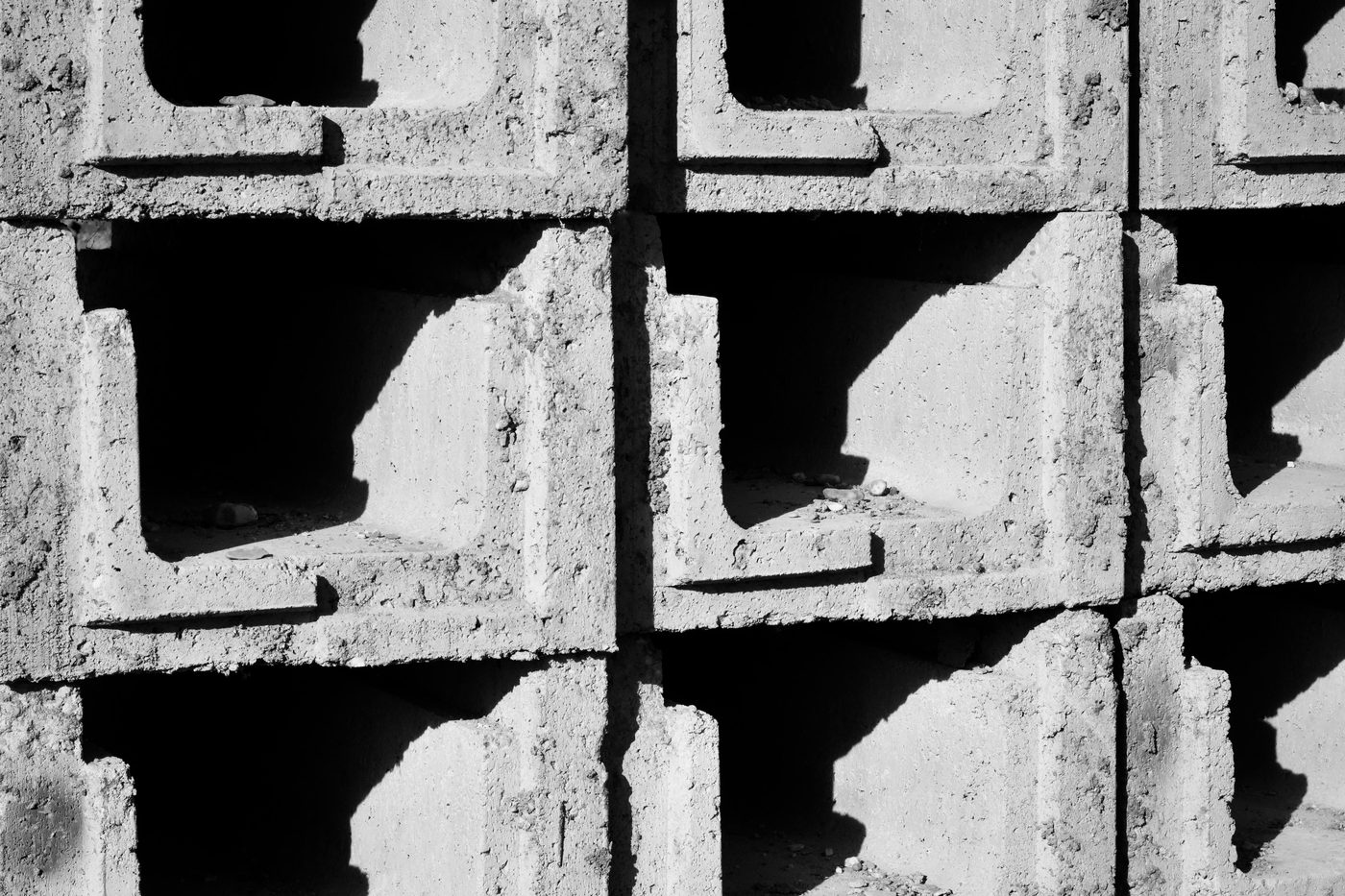
stacked concrete blocks with hollow centers (Source: Wikimedia Commons)
Bricks: Made from clay or concrete, bricks offer good compressive strength and aesthetic appeal, often used in both load-bearing and non-load-bearing walls.
Stone: Natural stones such as granite and sandstone are used in regions where they are locally available, valued for their strength and natural appearance.
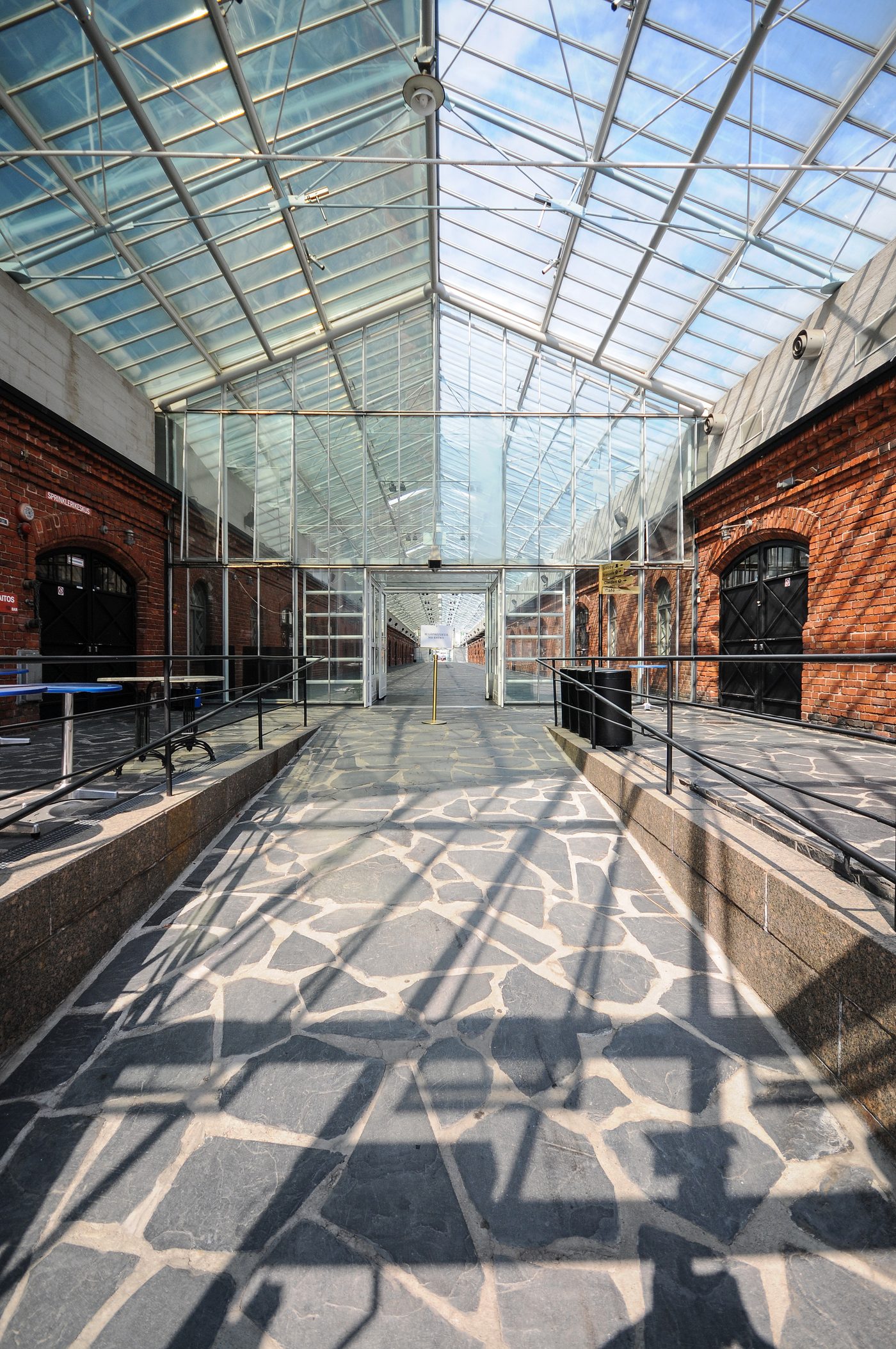
Stone paving floor under glass roof (Source: Wikimedia Commons)
Timber: In rural and some urban contexts, timber is utilized for lightweight walling, especially for internal partitions or traditional housing.
Interlocking blocks: These blocks reduce mortar use and speed up construction, increasingly popular in affordable housing projects across Kenya.
Selection depends on factors including local availability to reduce transport costs, compatibility with local climate conditions such as heavy rains or high temperatures, budget constraints, and the intended use of the building. For instance, concrete blocks are preferred in Nairobi’s urban environment for their strength, while stone may be favored in Kisii for its abundance.
Roofs protect buildings from weather elements and contribute to thermal comfort. The choice of roofing materials in Kenya must balance durability, cost, and ease of installation.
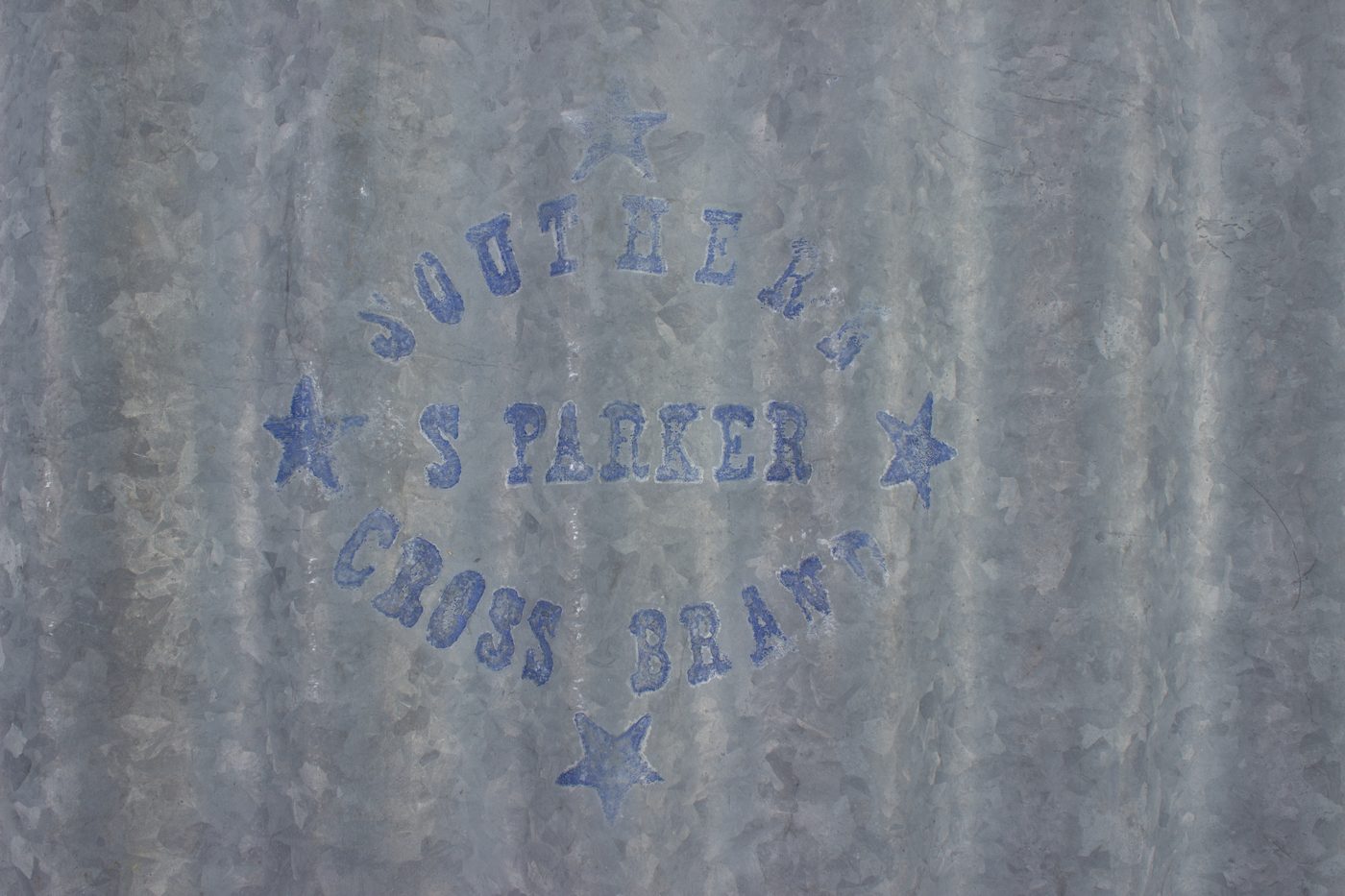
corrugated iron sheet with brand marking (Source: Wikimedia Commons)
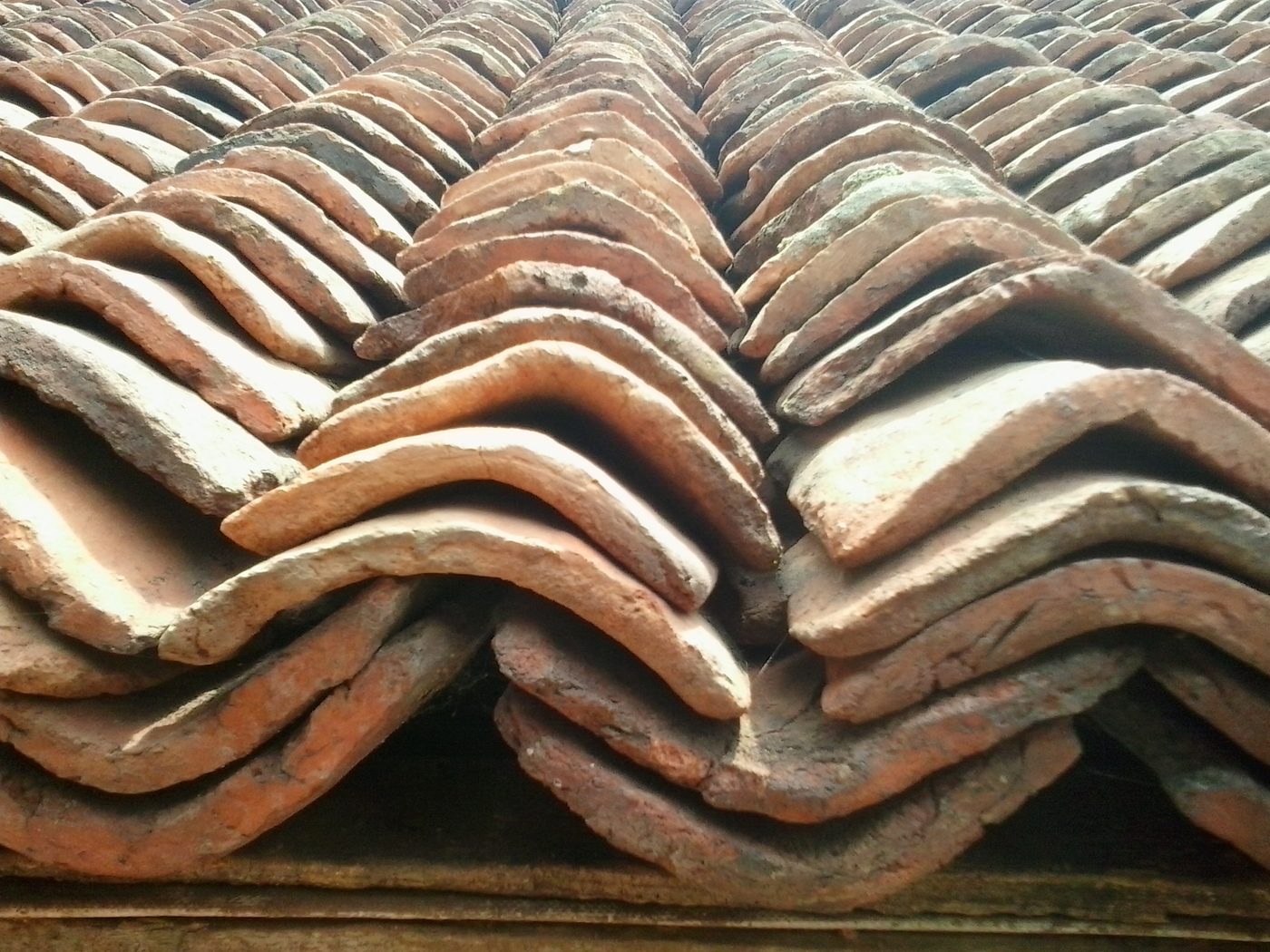
Stacked clay roofing tiles (Source: Wikimedia Commons)
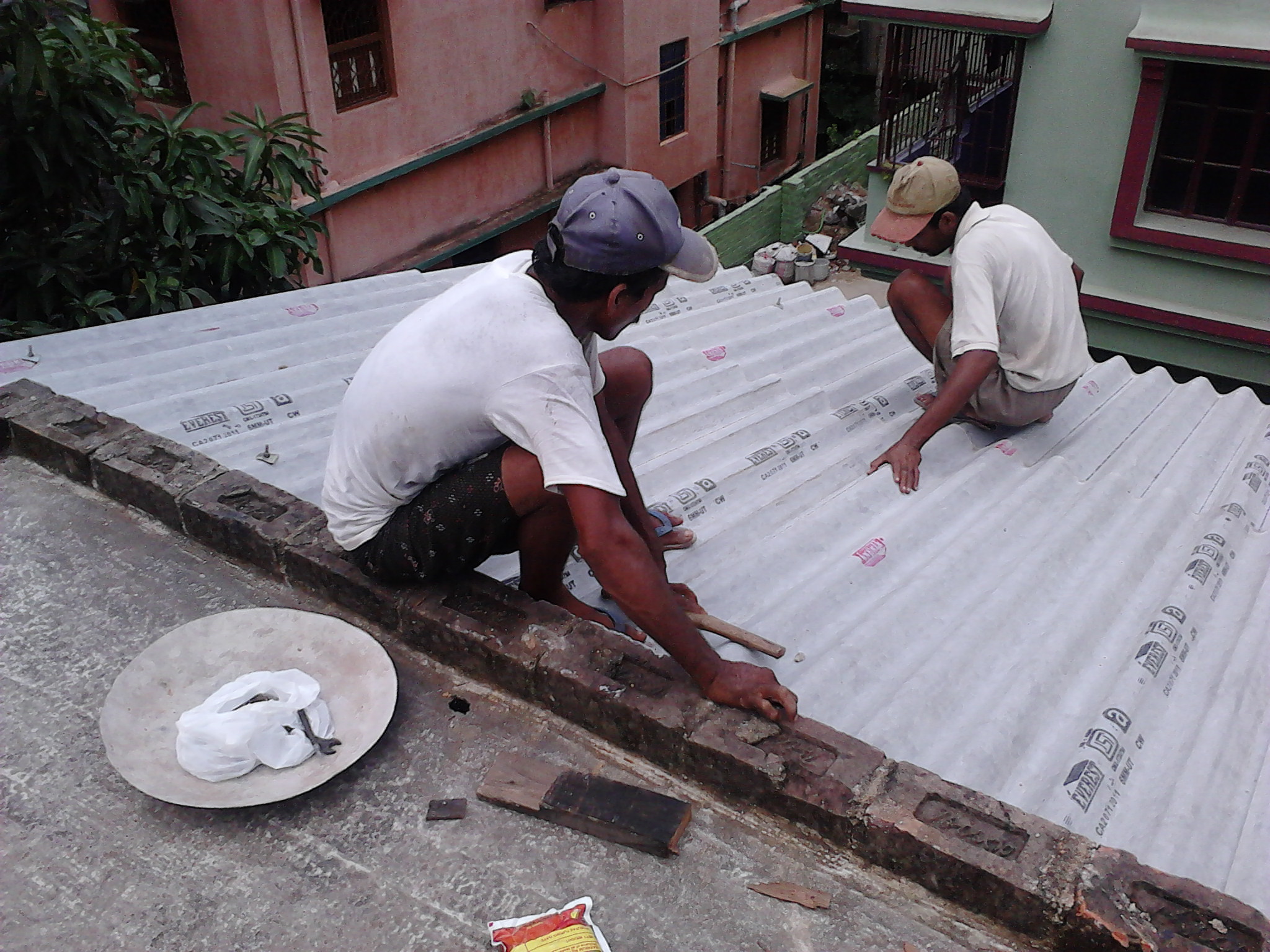
Workers installing asbestos cement roofing sheets (Source: Wikimedia Commons)
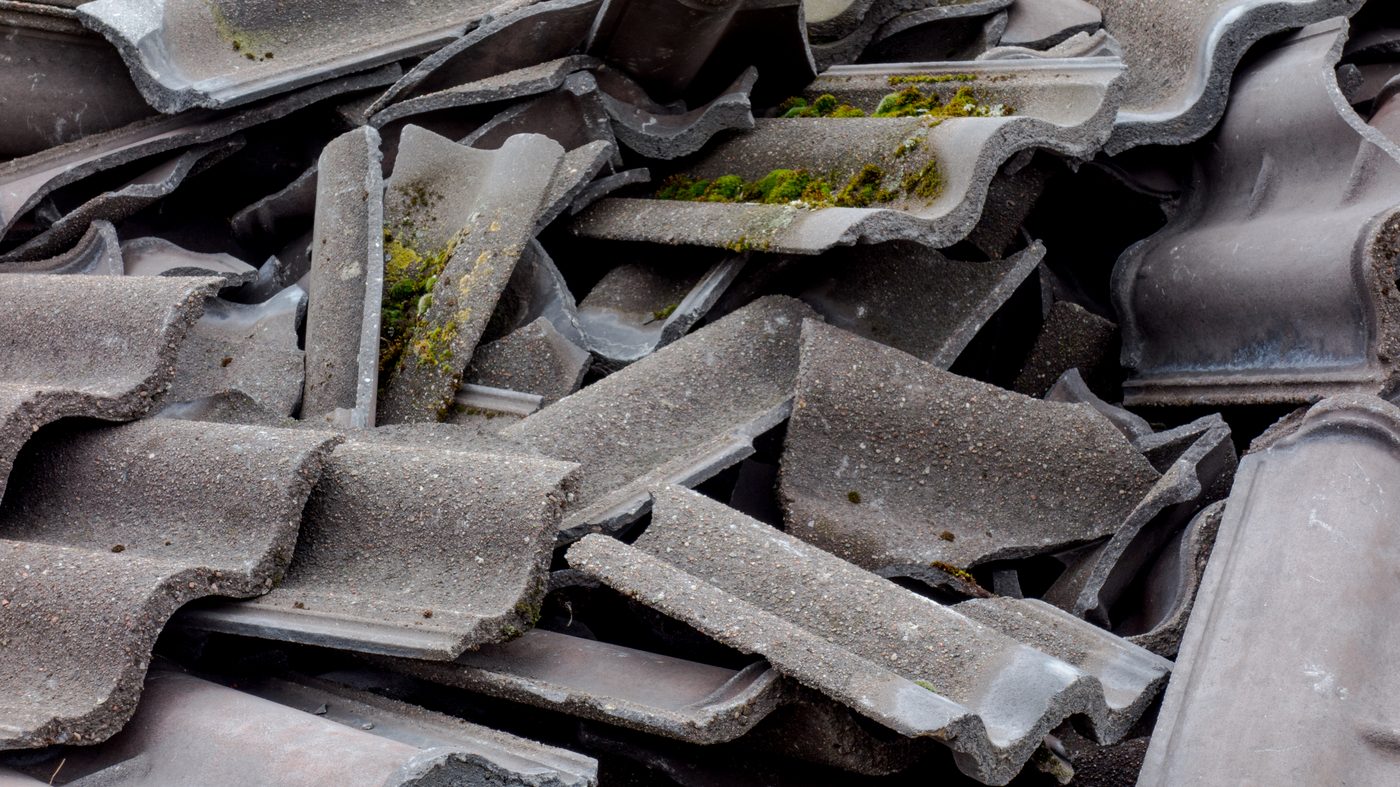
Broken concrete roofing tiles pile (Source: Wikimedia Commons)
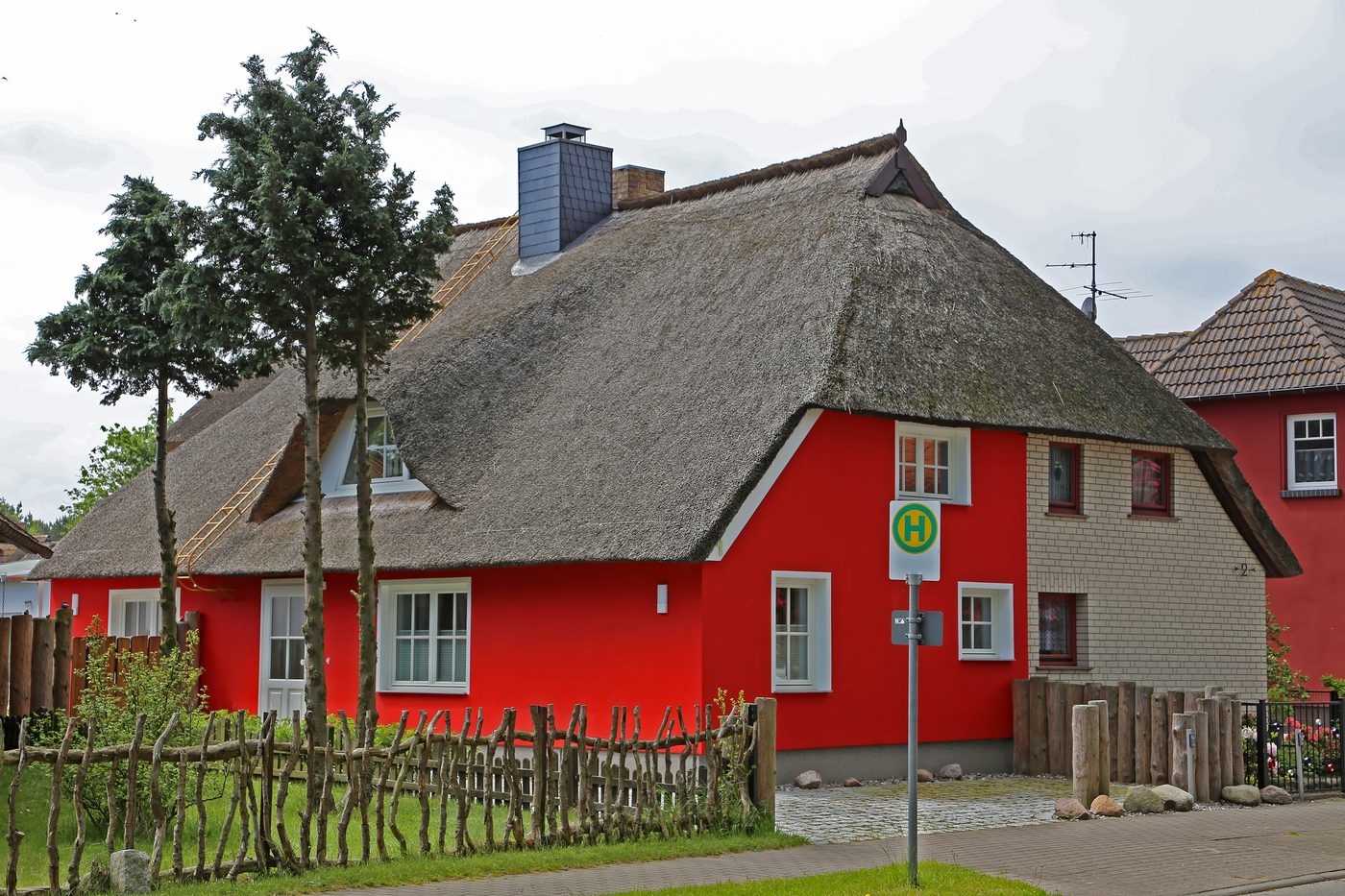
House with a thatched roof (Source: Wikimedia Commons)
Sustainable roofing choices consider the environmental footprint of materials and their recyclability. For example, clay tiles made locally reduce carbon emissions from transport. Cost-effectiveness is critical in affordable housing projects, where corrugated iron sheets dominate.
Clay is a natural material widely used in construction for its plasticity and strength after firing. Its products are integral to traditional and modern building techniques in Kenya.
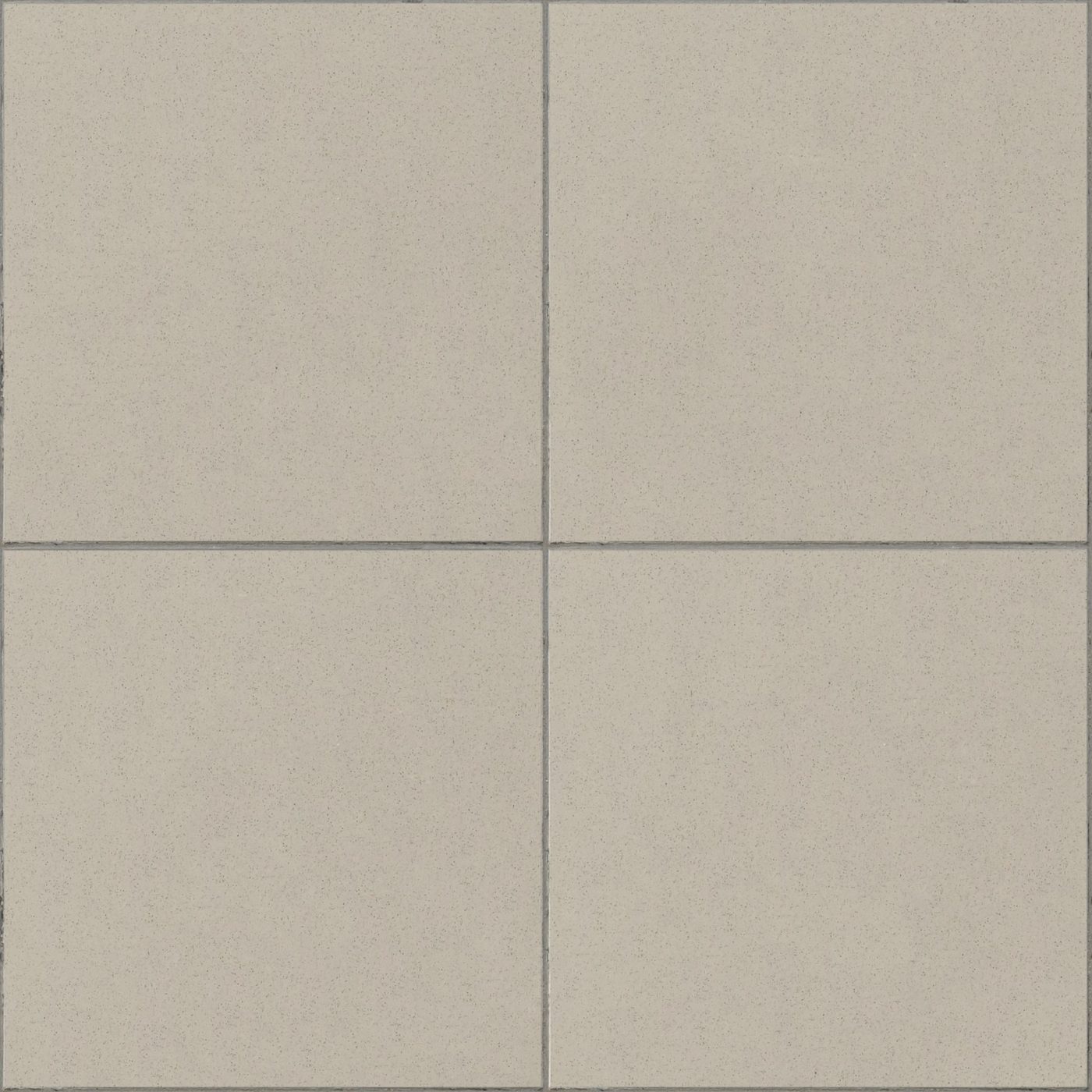
Four square ceramic tiles arranged in a grid (Source: Wikimedia Commons)
Terracotta: Employed for decorative architectural features.
Clay plaster: Provides a breathable finish that regulates indoor humidity.
Clay products may be susceptible to cracking or moisture damage if not properly manufactured or installed. Kiln-fired bricks with controlled firing temperatures improve quality. Application of protective coatings or proper detailing can reduce moisture ingress.
Glass is a versatile material used in construction for transparency, light transmission, and aesthetic enhancement. In Kenyan buildings, glass supports daylighting and architectural expression.
Tempered glass: Heat-treated for enhanced strength and safety.
Laminated glass: Consists of layers bonded with plastic for safety and sound insulation.
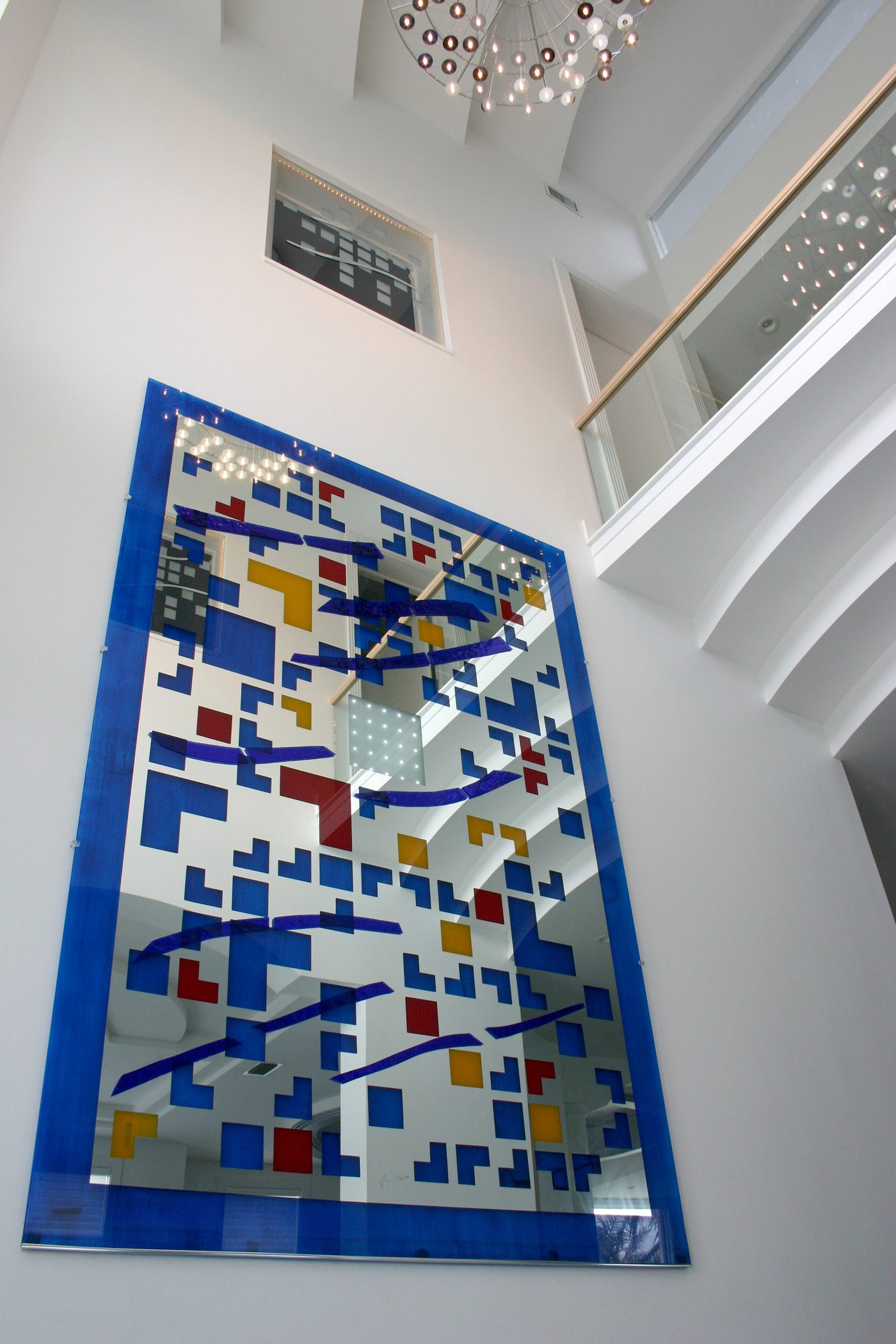
Laminated glass art panel in building interior (Source: Wikimedia Commons)
Insulated glass units (IGUs): Double or triple glazed for improved thermal performance.
Textured glass: Provides privacy while allowing light transmission.
Wired glass: This type of glass contains a wire mesh embedded within, providing enhanced fire resistance and safety. Wired glass is often used in stairwells and fire exits in commercial buildings in Nairobi, such as those regulated under the Building Code of Kenya.

Windows with wired glass panes (Source: Wikimedia Commons)
Glass is widely used in offices, shopping malls, and modern residential buildings. For example, county government offices in Nairobi incorporate IGUs to reduce energy costs associated with air conditioning.
Timber remains a fundamental construction material in Kenya, valued for its availability, workability, and aesthetic qualities. It is used in framing, flooring, and finishes.
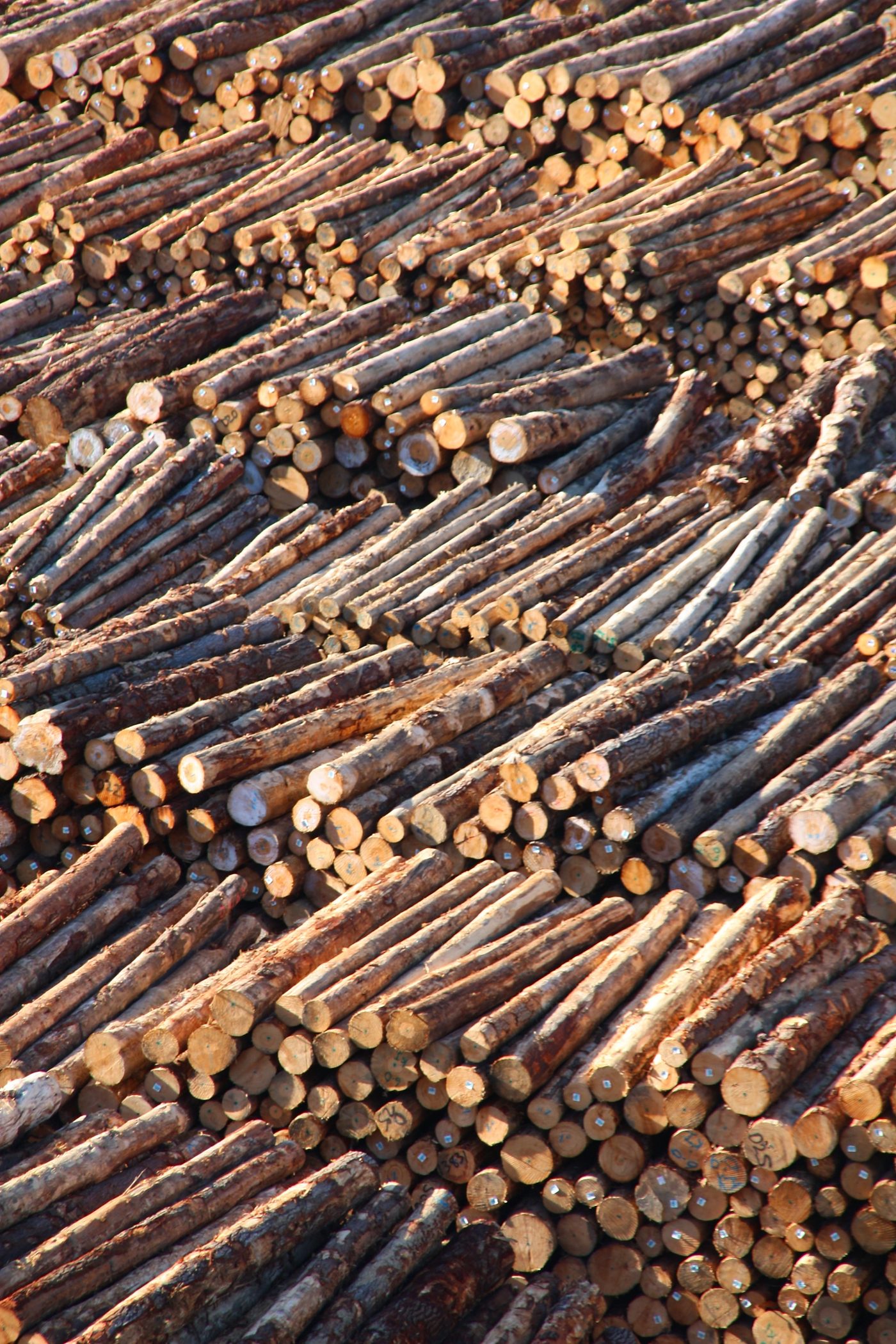
Stacks of softwood logs for carpentry (Source: Wikimedia Commons)

Engineered timber bridge structure (Source: Wikimedia Commons)
Composite timber: Made from wood fibers and plastics, used for decking and cladding.
Bamboo: Increasingly used as a sustainable timber alternative, bamboo grows rapidly and is harvested for lightweight construction and scaffolding. In Kenya, organizations such as the Kenya Forestry Research Institute (KEFRI) promote bamboo for eco-friendly housing and furniture.
Cypress: Cypress is a popular softwood in Kenya, valued for its straight grain and resistance to termites. It is commonly used for roofing trusses and door frames, especially in residential developments in Nakuru.
Timber in Kenya often requires treatment to protect against termites and fungal decay, particularly in humid regions such as Kisumu. Regular maintenance, including painting and sealing, extends service life.
Reinforcing materials enhance the strength and ductility of concrete and masonry, enabling the construction of durable and safe structures.
Proper placement and cover of reinforcement bars are critical to prevent corrosion and ensure structural integrity. At Nairobi County Hospital, strict adherence to reinforcement detailing has prevented premature concrete failures.
Finishing materials provide the final surface treatment to walls, floors, and ceilings, enhancing aesthetics and durability.
Flooring finishes: Materials including vinyl, laminate, and polished concrete.
Varnishes: Varnishes are transparent or tinted finishes applied to wood surfaces to protect them from moisture and enhance their natural beauty. In Kenyan office buildings, varnished mahogany is often used for executive doors and trim, providing both durability and a high-quality appearance.
Finishing material choice reflects building function, local climate, and budget. For example, ceramic tiles are common in Kenyan hotels for their ease of cleaning and durability under heavy foot traffic.
Beyond the main roof coverings, a roof also needs modern pre-finished sheets, translucent sheets, underlays, accessories and fixings, and a technician must be able to identify each one and check its quality on delivery. Many roof failures in Kenya come not from the covering itself but from thin sheets, wrong fixings or missing accessories, so correct identification protects the client's money and the building. In practice, materials are identified by their profile, thickness (gauge), coating, colour, markings and the supplier's documents, and checked against the specification before use. Example: when roofing a milk cooling shed for a dairy farm in Ol Kalou, the site supervisor measured sample sheets with a vernier calliper and rejected a consignment marked gauge 28 that measured nearer gauge 32, saving the farm from a roof that would have dented and rusted early.
| Name | Specification | Use |
|---|---|---|
| Pre-painted box profile sheets | Galvanised or aluzinc-coated steel, factory painted, commonly gauge 28 to 30 (about 0.4 mm to 0.3 mm), trapezoidal ribs | Durable, attractive roofing for houses, schools and commercial buildings |
| Stone-coated steel tiles | Steel panels coated with acrylic and granules, shaped like tiles | Light roofs with a tiled appearance, suitable for steep pitches |
| Aluminium roofing sheets | Aluminium alloy, corrosion resistant | Roofs in coastal and industrial areas where steel would rust |
| Polycarbonate (translucent) sheets | Clear or tinted plastic sheets matching common profiles | Letting daylight into workshops, verandas and greenhouses |
| Roofing underlay (felt or membrane) | Bitumen felt or breathable synthetic membrane in rolls | Second line of waterproofing and condensation control under sheets and tiles |
| Ridge caps and flashings | Matching steel, aluminium or clay pieces | Sealing ridges, hips, valleys and junctions with walls |
| Gutters and downpipes | PVC, galvanised steel or aluminium sections | Collecting and draining rainwater from the roof |
| Roofing fixings | Self-drilling screws or roofing nails with sealing washers | Fixing sheets securely to purlins without leaks |
Example: one side of a roof for a SACCO office in Embu is 9.0 m long, and box profile sheets give an effective cover width of 0.9 m.
Number of sheets = Length of roof ÷ Effective cover width
Number of sheets = 9.0 m ÷ 0.9 m
Number of sheets = 10 sheets per row
In addition to plaster, paint, tiles and claddings, buildings use other finishing materials for ceilings, joints, edges and decorative surfaces, which must be identified correctly to achieve the required quality and appearance. Using the wrong type, such as interior paint outside or ordinary gypsum board in a wet kitchen, leads to early failure and costly redecoration. In practice, finishing materials are identified by their composition, labels, thickness, size, colour codes and intended use, and checked against the finishes schedule on the drawings. Example: for the guest rooms of a hotel in Nanyuki, the contractor checked every delivery of gypsum boards, cornices and paints against the finishes schedule, and returned a batch of standard boards delivered for the bathrooms where moisture-resistant boards were specified.
Binding materials hold construction components together, providing cohesion and strength in masonry and concrete.
In Kenyan construction sites, cement quality testing includes fineness, setting time, and compressive strength to ensure compliance with standards such as those set by KEBS.
Besides glazing glass for windows and facades, the construction industry uses many other glass products, including glass blocks, mirrors, glass louvres, glass mosaic and glass fibre insulation, each identified by its form, thickness, markings and use. Correct identification matters because safety glass, for example, must be used in doors, low windows and balustrades, and substituting ordinary glass can cause serious injuries when it breaks. In practice, glass is identified by measuring thickness, examining the edges and surface, checking permanent safety marks, and confirming the supplier's documents. Example: before fitting glass doors in a bank branch in Nakuru, the site supervisor checked that every panel carried the toughened glass mark etched in one corner, and rejected two panels without it.
Bitumen is a viscous material used mainly for waterproofing and road construction, with applications in building foundations and roofing.
County government offices in Mombasa use bituminous membranes extensively to protect basements from groundwater. Proper application techniques ensure effective waterproofing.
Describe five properties of walling materials that influence their selection in Kenyan building projects. (10 marks)
Compare the advantages and disadvantages of clay tiles and corrugated iron sheets as roofing materials. (10 marks)
Explain the role of reinforcing materials in concrete structures, including at least five key properties that make them suitable for this use. (10 marks)
Identify and describe four types of finishing materials commonly used in Kenyan construction and their key characteristics. (10 marks)
Discuss the importance of bituminous products in building construction and list five properties that make them suitable for waterproofing applications. (10 marks)
This chapter provides a comprehensive overview of essential construction materials, beginning with the identification of various walling materials that form the structural envelopes of buildings. It then explores roofing materials, highlighting their role in protecting structures from weather elements. The discussion extends to clay and clay products, emphasizing their traditional and modern applications in construction. Glass and its products are examined for their aesthetic and functional contributions, while timber and timber products are addressed for their versatility and strength. Reinforcing materials are introduced to explain their importance in enhancing structural integrity. The chapter also covers finishing materials that provide both protection and visual appeal to surfaces. Finally, binding materials and bitumen with its related products are discussed for their critical roles in joining components and waterproofing, respectively.
Which of the following is a common walling material used in Kenyan residential construction?
a) Clay bricks
b) Bitumen sheets
c) Reinforced steel
d) Glass blocks
(2 marks)
Explain two advantages of using timber in building construction. (4 marks)
Identify three types of roofing materials commonly used in commercial buildings in Nairobi. (3 marks)
What are the primary functions of binding materials in concrete production? (3 marks)
Describe two characteristics that make glass products suitable for use in modern building facades. (4 marks)
Differentiate between clay products and clay bricks in terms of their application in construction. (4 marks)
List four reinforcing materials used in reinforced concrete structures and briefly state their role. (4 marks)
Why is bitumen commonly used in roofing and road construction in Kenya? Provide two reasons. (4 marks)
Name and briefly describe three finishing materials used in interior wall finishes. (6 marks)
What are the environmental considerations when selecting timber products for construction in Kenya? (4 marks)
a) Clay bricks
Explanation: Clay bricks are widely used as walling materials due to their durability and availability.
Advantages of timber:
Roofing materials:
Functions of binding materials:
Characteristics of glass products:
Difference between clay products and clay bricks:
Reinforcing materials:
Reasons for using bitumen:
Finishing materials:
Environmental considerations:
Discuss the factors that influence the selection of roofing materials for a public health facility in a coastal Kenyan town.
Explain the role of reinforcing materials in improving the structural integrity of multi-storey buildings in urban Nairobi.
Question 1 key points:
Question 2 key points:
The Nairobi County Government is planning to construct a new office block using sustainable construction materials to reduce environmental impact.
Tasks:
a) Identify five essential construction materials suitable for this project and justify their selection. (10 marks)
b) Propose appropriate finishing materials for the interior walls of the office block, considering durability and aesthetics. (6 marks)
c) Discuss the importance of selecting the right binding material in the construction of the office block’s foundation. (4 marks)
a) Suitable construction materials:
b) Finishing materials:
c) Importance of binding materials:
Question 11 (Compulsory - 20 marks)
The Kenya Medical Training College (KMTC) is constructing a new dormitory block. The project requires selecting appropriate walling and roofing materials that balance cost, durability, and local availability.
a) Recommend suitable walling materials for the dormitory walls, justifying your choices with reference to durability and cost-effective construction in Kenya. (10 marks)
b) Choose appropriate roofing materials for the dormitory, considering the Kenyan climate and maintenance requirements. Explain your choices. (10 marks)
Question 12 (20 marks)
Compare and contrast clay products and glass products used in construction with respect to their manufacturing processes, structural properties, and typical uses in Kenyan buildings.
Question 13 (20 marks)
Discuss the role of reinforcing materials in concrete structures. Describe at least five types of reinforcing materials and explain how their properties influence the overall strength and durability of reinforced concrete in Kenyan construction projects.
Question 14 (20 marks)
Explain the importance of binding materials and bituminous products in modern construction. Include examples of each and discuss how their properties affect the quality and longevity of buildings in Kenya’s varied environmental conditions.
Question 11
a) Suitable walling materials include:
Clay bricks: traditional, good thermal properties but higher cost
These materials offer a balance between affordability and durability, suitable for institutional buildings like KMTC.
b) Roofing materials:
Corrugated iron sheets: common in Kenya, durable, easy to install
Question 12
Clay products are made by molding and firing natural clay; they provide good thermal insulation and are often used for walls, floors, and roofing tiles. Glass products are manufactured by melting silica and other materials at high temperatures; they offer transparency, light transmission, and aesthetic appeal, used mainly in windows, facades, and decorative features. Clay products are generally load-bearing, while glass is non-structural but important for natural lighting and weather protection.
Question 13
Reinforcing materials improve concrete’s tensile strength and crack resistance. Types include:
Question 14
Binding materials like cement and lime are vital for joining construction components, providing strength and stability. Bituminous products are used for waterproofing and road surfaces, protecting structures from moisture ingress. Cement’s hydraulic properties ensure rapid strength gain, while lime offers flexibility and breathability. Bitumen’s water resistance prevents leaks, critical in Kenya’s rainy regions, enhancing building longevity.
Type: Individual
| Tools & Equipment | Materials |
|---|---|
| Tape Measure | Clay Bricks |
| Magnifying Glass | Concrete Blocks |
| Stone | |
| Timber Panels | |
| Glass Blocks |
| S/N | Item | Quantity |
|---|---|---|
| 1 | Safety Helmet | 1 Pc per Candidate |
| 2 | Dustcoat/Overall | 1 Pc per Candidate |
| 3 | Safety Gloves | 1 Pair per Candidate |
| 4 | Safety Boots | 1 Pair per Candidate |
| 5 | Tape Measure (5 m) | 1 Pc per Candidate |
| 6 | Magnifying Glass | 1 Pc per Candidate |
| 7 | Sample Walling Materials: Clay Bricks | 5 Pcs per Candidate |
| 8 | Sample Walling Materials: Concrete Blocks | 5 Pcs per Candidate |
| 9 | Sample Walling Materials: Stone | 5 Pcs per Candidate |
| 10 | Sample Walling Materials: Timber Panels | 3 Pcs per Candidate |
| 11 | Sample Walling Materials: Glass Blocks | 3 Pcs per Candidate |
| 12 | Notebook and Pen | 1 Set per Candidate |
| Items to be Evaluated | Marks Available | Marks Obtained | Comments |
|---|---|---|---|
| TASK 1: Preparation and Safety | |||
| Wore PPE: Helmet, Dustcoat, Gloves, Safety Boots (Award 1 mark for each PPE donned as per workplace procedures 4 x 1 = 4 Marks) | 4 | ||
| Sub-Total | 4 | ||
| TASK 2: Identification of Walling Materials | |||
| Measured dimensions of each sample material accurately (Award 1 mark for each material measured correctly 5 x 1 = 5 Marks) | 5 | ||
| Inspected physical properties (color, texture, hardness) of each material (Award 1 mark for correct inspection and description per material 5 x 1 = 5 Marks) | 5 | ||
| Classified each material correctly into categories (e.g., masonry, timber, glass) (Award 1 mark for each correct classification 5 x 1 = 5 Marks) | 5 | ||
| Sub-Total | 15 | ||
| TASK 3: Documentation and Presentation | |||
| Recorded observations neatly and legibly in notebook (Award 3 marks for clear and complete notes) | 3 | ||
| Sub-Total | 3 | ||
| PRODUCT CHECKLIST | |||
| Correct measurements of all five walling material samples (dimensions match provided samples within ±5 mm) (Award 1 mark for each material correctly measured 5 x 1 = 5 Marks) | 5 | ||
| Accurate classification of all five walling materials (Award 1 mark for each material correctly classified 5 x 1 = 5 Marks) | 5 | ||
| Complete and legible written record of identification and classification (Award 3 marks for completeness and legibility) | 3 | ||
| Sub-Total | 13 | ||
| GRAND TOTAL | 35 | ||
Type: Individual
| Tools & Equipment | Materials |
|---|---|
| Safety Helmet | Sample Corrugated Galvanized Iron Sheets 0.35mm thick |
| Protective Gloves | Sample Clay Roof Tiles 400mm x 300mm |
| Dustcoat/Overall | Sample Asphalt Shingles 1000mm x 350mm |
| Safety Boots | Sample Polycarbonate Roofing Sheets 2mm thickness |
| Moisture Meter | |
| Magnifying Glass | |
| Tape Measure (5m) | |
| Notebook and Pen |
| S/N | Item | Quantity |
|---|---|---|
| 1 | Safety Helmet | 1 Pc per Candidate |
| 2 | Protective Gloves | 1 Pair per Candidate |
| 3 | Dustcoat/Overall | 1 Pc per Candidate |
| 4 | Safety Boots | 1 Pair per Candidate |
| 5 | Sample Roofing Sheets (Corrugated Galvanized Iron Sheets 0.35mm thick) | 3 Sheets per Candidate |
| 6 | Sample Roofing Tiles (Clay Roof Tiles 400mm x 300mm) | 5 Tiles per Candidate |
| 7 | Sample Asphalt Shingles (Standard size 1000mm x 350mm) | 3 Sheets per Candidate |
| 8 | Sample Polycarbonate Roofing Sheets (2mm thickness, 1000mm x 600mm) | 2 Sheets per Candidate |
| 9 | Moisture Meter | 1 Pc per 5 Candidates |
| 10 | Magnifying Glass | 1 Pc per Candidate |
| 11 | Tape Measure (5m) | 1 Pc per Candidate |
| 12 | Notebook and Pen | 1 Set per Candidate |
| Items to be Evaluated | Marks Available | Marks Obtained | Comments |
|---|---|---|---|
| TASK 1: SAFETY AND PREPARATION | |||
| Wore all required PPEs (Helmet, Gloves, Dustcoat/Overall, Safety Boots) (Award 1 mark for each PPE donned as per workplace procedures 4 x 1 = 4 Marks) | 4 | ||
| Assembled all required tools and materials before starting inspection (Award 3 marks for complete and correct assembly) | 3 | ||
| Sub-Total | 7 | ||
| TASK 2: INSPECTION AND MEASUREMENT | |||
| Measured thickness and dimensions of each roofing material accurately using tape measure (Award 1.5 marks for accurate measurement of each roofing material type 4 types x 1.5 = 6 Marks) | 6 | ||
| Used moisture meter correctly to assess moisture content of roofing materials (Award 4 marks for proper use and recording of moisture content) | 4 | ||
| Used magnifying glass to inspect surface texture and defects (Award 3 marks for careful inspection and identification of defects) | 3 | ||
| Sub-Total | 13 | ||
| TASK 3: CLASSIFICATION AND REPORTING | |||
| Correctly identified and classified roofing materials by type (metal, clay tiles, asphalt shingles, polycarbonate) (Award 2 marks for each correct classification 4 types x 2 = 8 Marks) | 8 | ||
| Described typical uses and properties of each roofing material (Award up to 7 marks for accurate and relevant descriptions) | 7 | ||
| Recorded observations clearly and legibly in notebook (Award 5 marks for neat, complete and legible record keeping) | 5 | ||
| Sub-Total | 20 | ||
| PRODUCT CHECKLIST | |||
| Correct measurements recorded for thickness and dimensions of all roofing materials (Award 1.5 marks for each roofing material with accurate measurements) | 6 | ||
| Accurate classification of roofing materials into correct types (Award 2 marks for each correctly classified roofing material type) | 8 | ||
| Clear and comprehensive description of properties and uses for each roofing material (Award 6 marks for complete and accurate descriptions) | 6 | ||
| Sub-Total | 20 | ||
| GRAND TOTAL | 60 | ||
At the start of this chapter we promised you would be able to:
Tick each one you can genuinely do.
So, are you there yet?
You're competent when you can confidently do 50% or more of what this chapter promised.
Sign in to record how you're doing.